Visiting
Hohenzollern Castle (15-01-05)
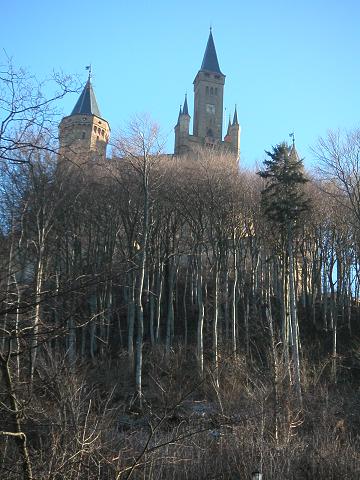
It’s
13h44 and a group of us have just arrived at ISP, out of breath
thinking we were late. I had visions of Reiner pacing the floor,
mopping at the sweat that was about to appear on his brow, tearing
at his hair, anxiously awaiting our arrival. Fashionably late
is not a term the Germans find particularly endearing. “Schnell,
schnell, macht schnell”, is undeniably the most recognisable
German phrase to us all (poor Barbara used it often). Fortunately,
Reiner looked quite relaxed for once as we were scheduled to meet
at 14h00.
It
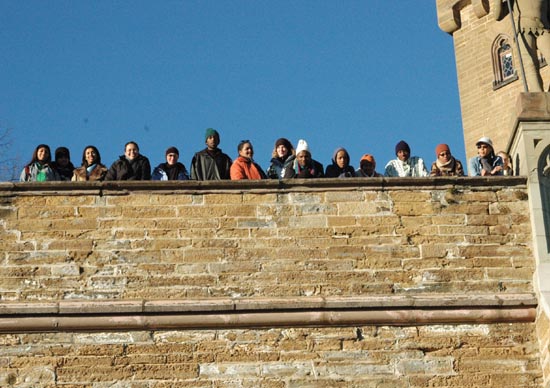
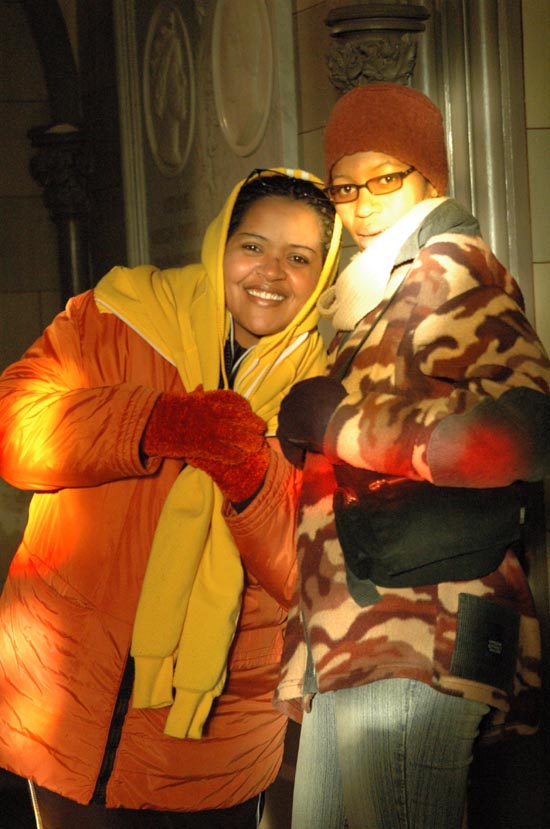
was a beautiful sunny day, but when we arrived at the foot of
the hill on which the castle is situated, it was freezing and
patches of snow were on the ground (the first snow to be seen
since our arrival). We spotted a shuttle bus and eagerly waited
to climb aboard, but we sadly passed the bus and started the ‘short
hike’ up the hill. It was short, but it was also very steep.
I for one was desperately trying to hide that I was huffing and
puffing by momentarily stopping to admire the beautiful view,
to avoid collapsing in a heap.
As
expected, the view from the top was amazing and well worth the
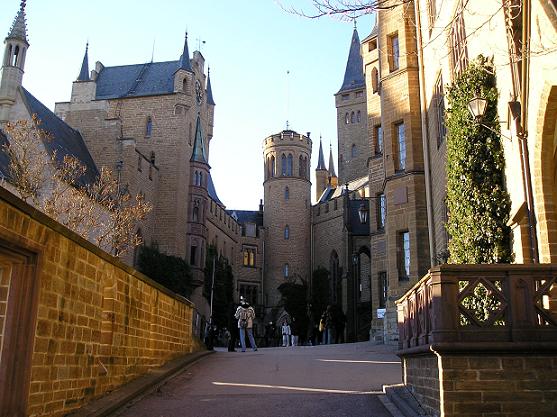
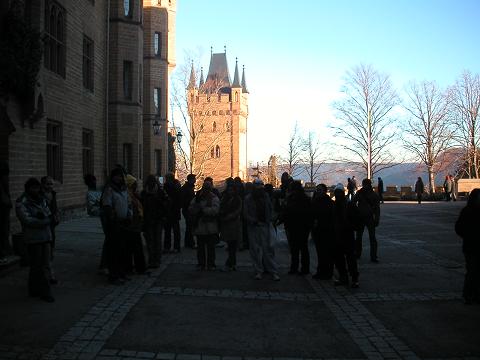
aching limbs and breathlessness. The castle is reminiscent of
those found in fairytales and one could almost expect a princess
locked in one of the towers to wave a hanky, angrily imploring
us to hurry up and save her.
The
castle is the ancestral home of the Hohenzollern family –
a family of great significance as they were kings and emperors
of Germany before and after its unification. The Hohenzollern
heritage was divided between two brothers who each formed a family
line – the Brandenburg-Prussian line and the Swabian line,
which exists to this day.
The
castle was first built in the 11th century, later rebuilt in the
15th century and reconstructed for a third time in 1850. The castle
was then modelled in the English Gothic style and the Loire Valley
castles. The castle was rebuilt as a family memorial and therefore
the family only took up residence in 1945, but the family no longer
occupies it.
We
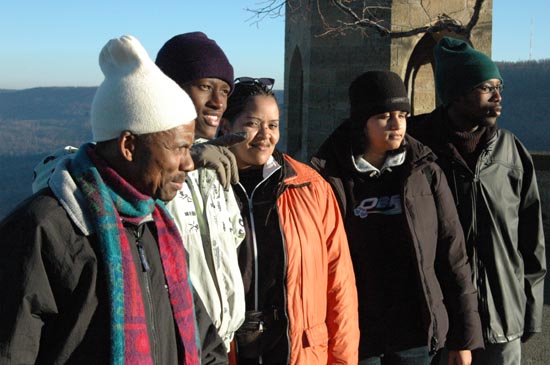
waited until sunset before venturing down the hill and were supplied
with torches to light the way – whilst singing and chatting
and generally scaring the Germans. It was a wonderful excursion,
but we were most grateful to enter the confines of the heated
bus and ready to return home (to Tubingen, that is).
(Report by Anwyn Davidse, Peninsula Technikon)