Trip
to Ulm (11/01/07)
RATIOPHARM
On Thursday 11 January the South African group of students left
for Ulm on the border of Baden-Württemberg and Bavaria. We
departed at 7:45 from WHO, the quarter in Tübingen that we
stay in. Being in Tübingen for almost two weeks the extra
sleep on the bus was very welcome! Some students however still
had enough energy to sing a few songs on the bus ride.
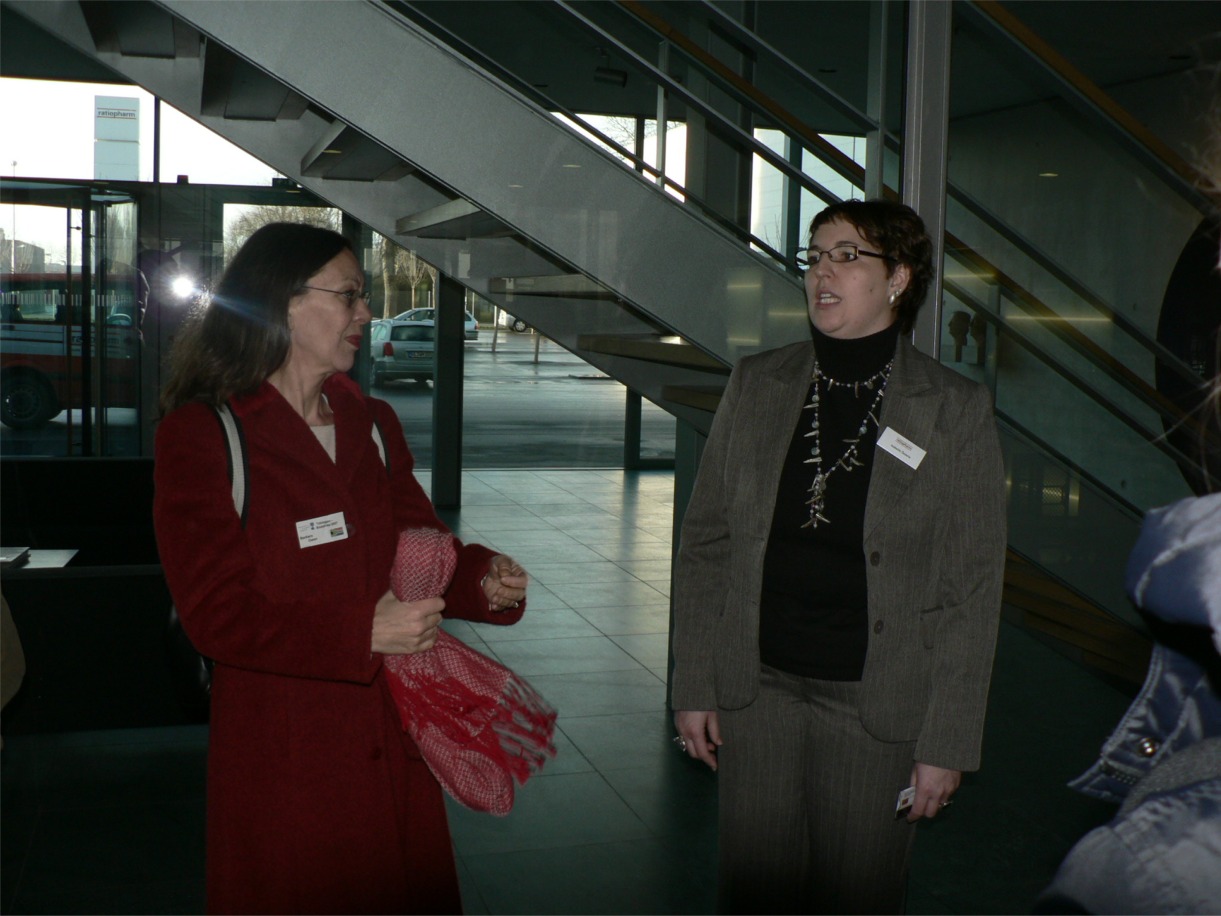
At 9:30 we arrived at Ratiopharm, a leading company in the production
of generic medicine. It is the pharmaceutical brand most commonly
prescribed and they pride themselves in the selling of good quality
medicine at relatively low prices. Once we arrived Ratiopharm
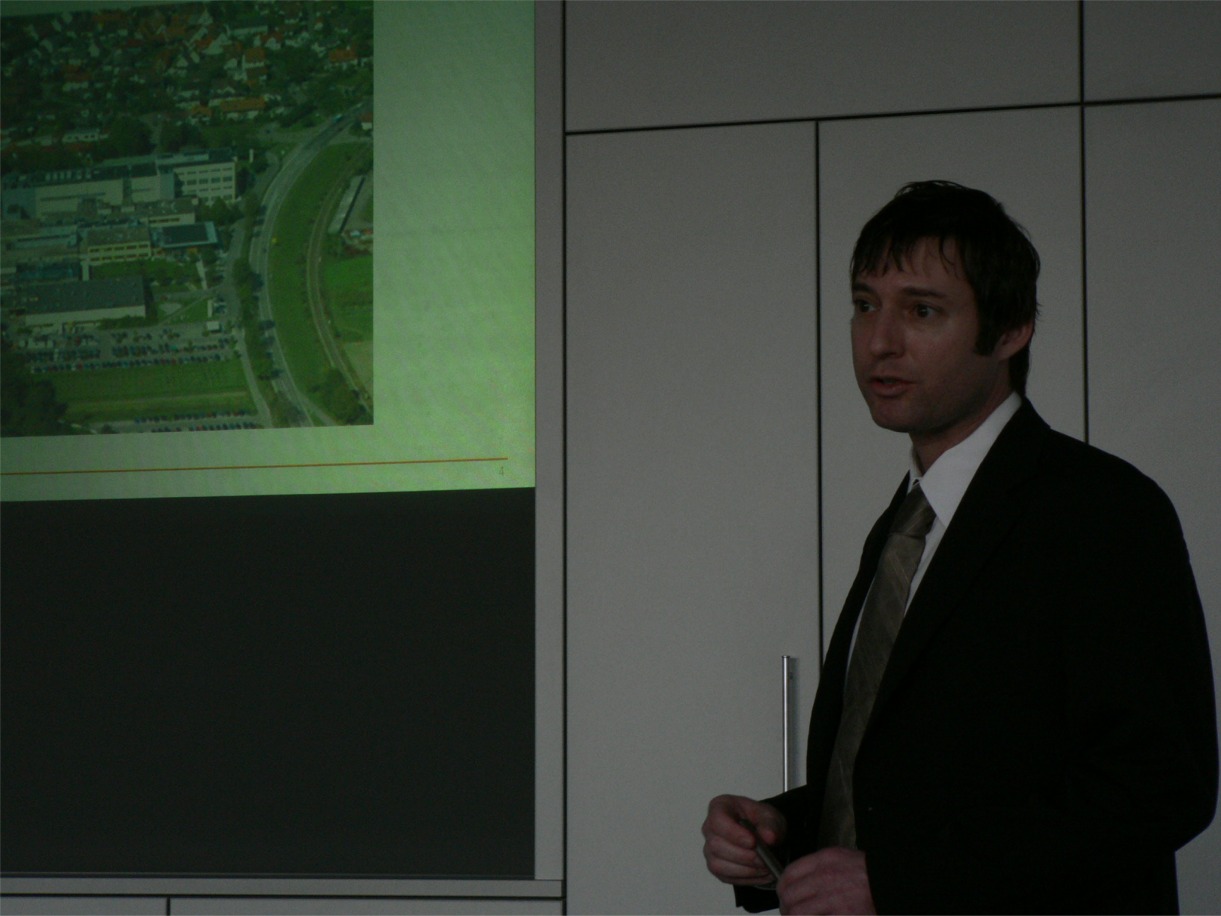
was further introduced to us by a presentation were we learned
about the history of Ratiopharm and the Merckle family as well
as the growth in the biotechnology fields and Ratiopharm’s
current success. From its start in 1974 until known it has grown
to a company that produces up to 750 different types of medicine
and products. The presentation was followed by a tea break were
the famous German Pretzel was served!
We were then guided on a tour through the factory were we could
see the advantages of being an employee of Ratiopharm, which ranged
from a kindergarden, restaurant and even a laundromat. The most
fun part of the guided tour was where we had to dress up in order
to apply with the health and safety rules of the plant. We looked
liked surgeons waiting to go into the operating theatre! We were
dressed in coats with protective foot and head gear!
The tour through the packaging area was the most impressive. Everywhere
machines were busy with thousands of bottles and cartons were
filled with liquids and pills and running on fast conveyor belts
while you could hear the compressed air operating the valves and
pistons of the machines. It was amazing to see how integrated
and controlled the process is.
After the tour we were treated to lunch at Ratiopharm and it was
so nice to have some fresh fruit and bred rolls! The highlight
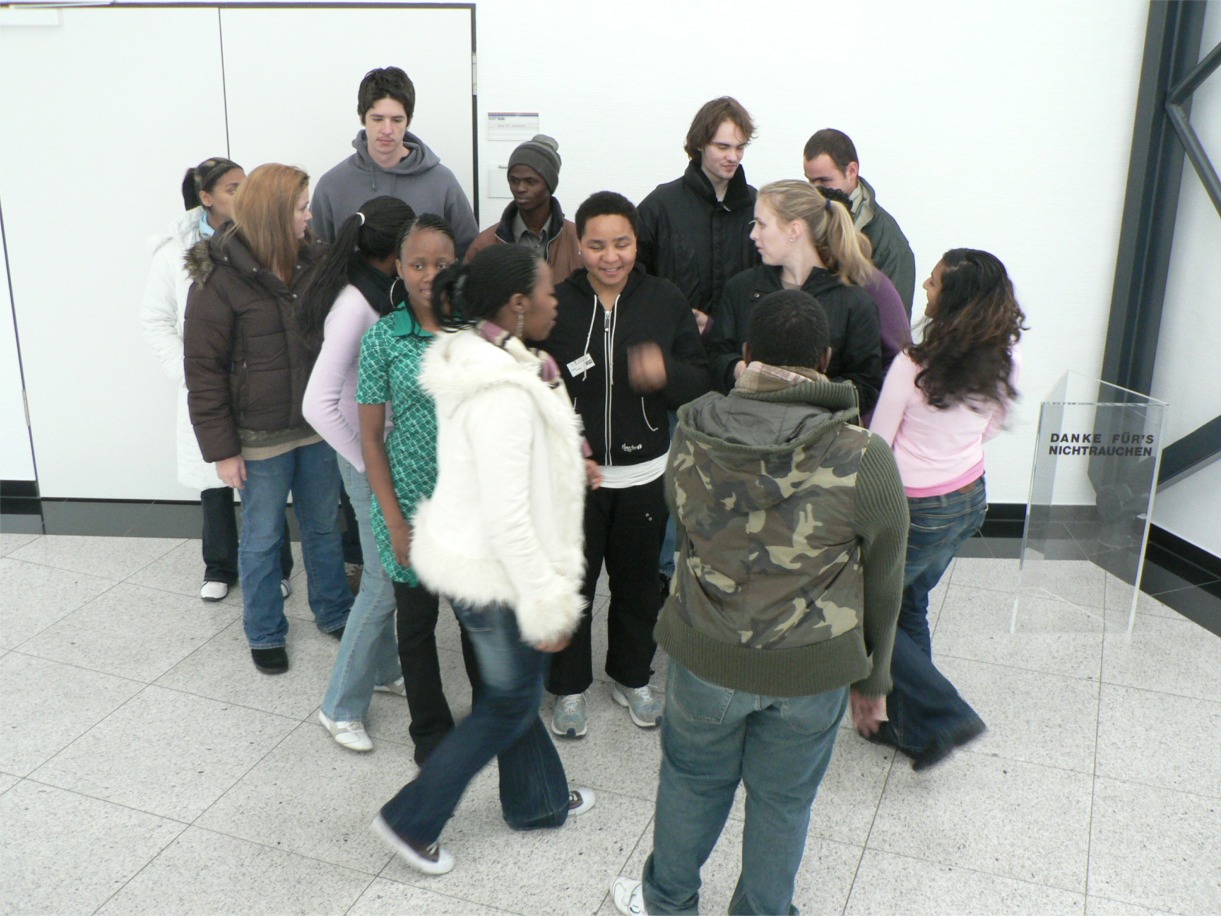
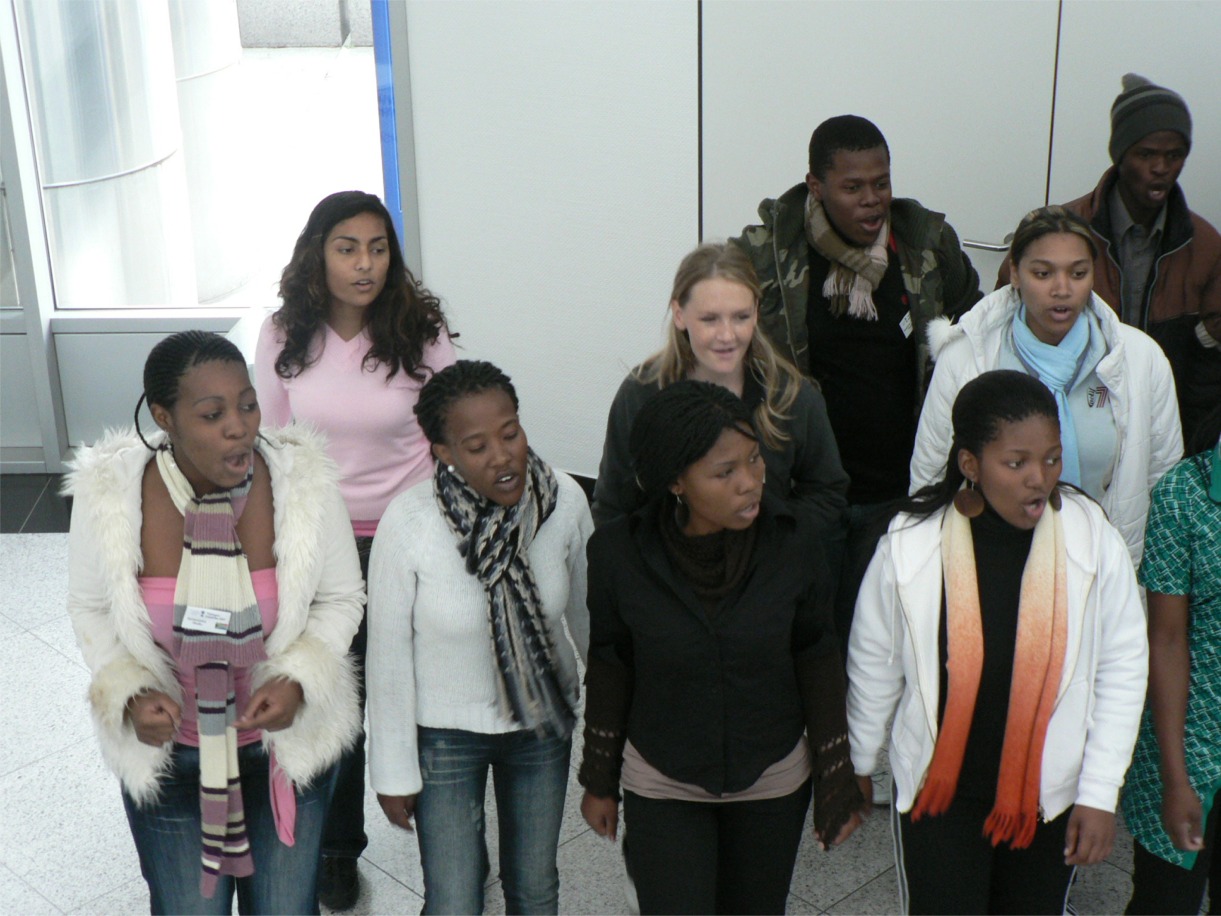
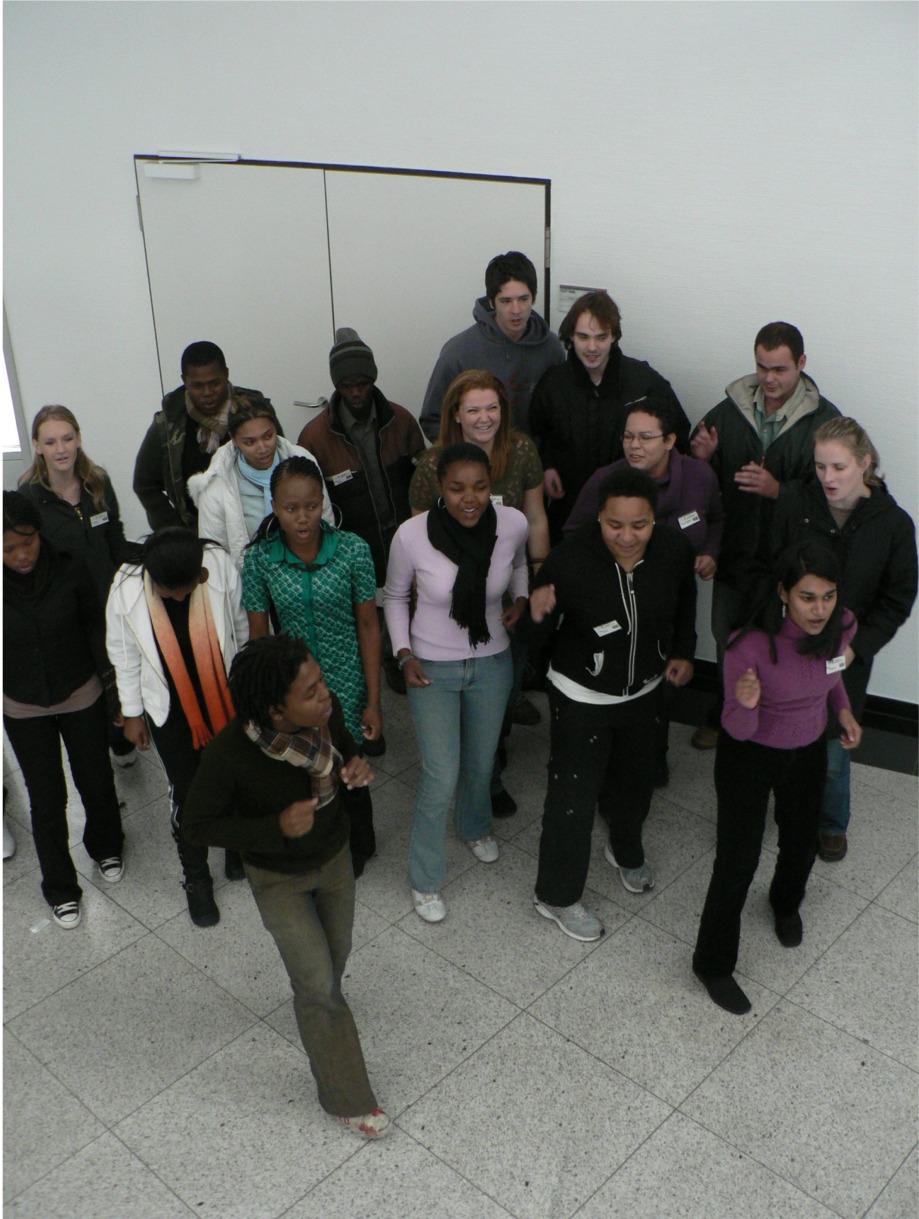
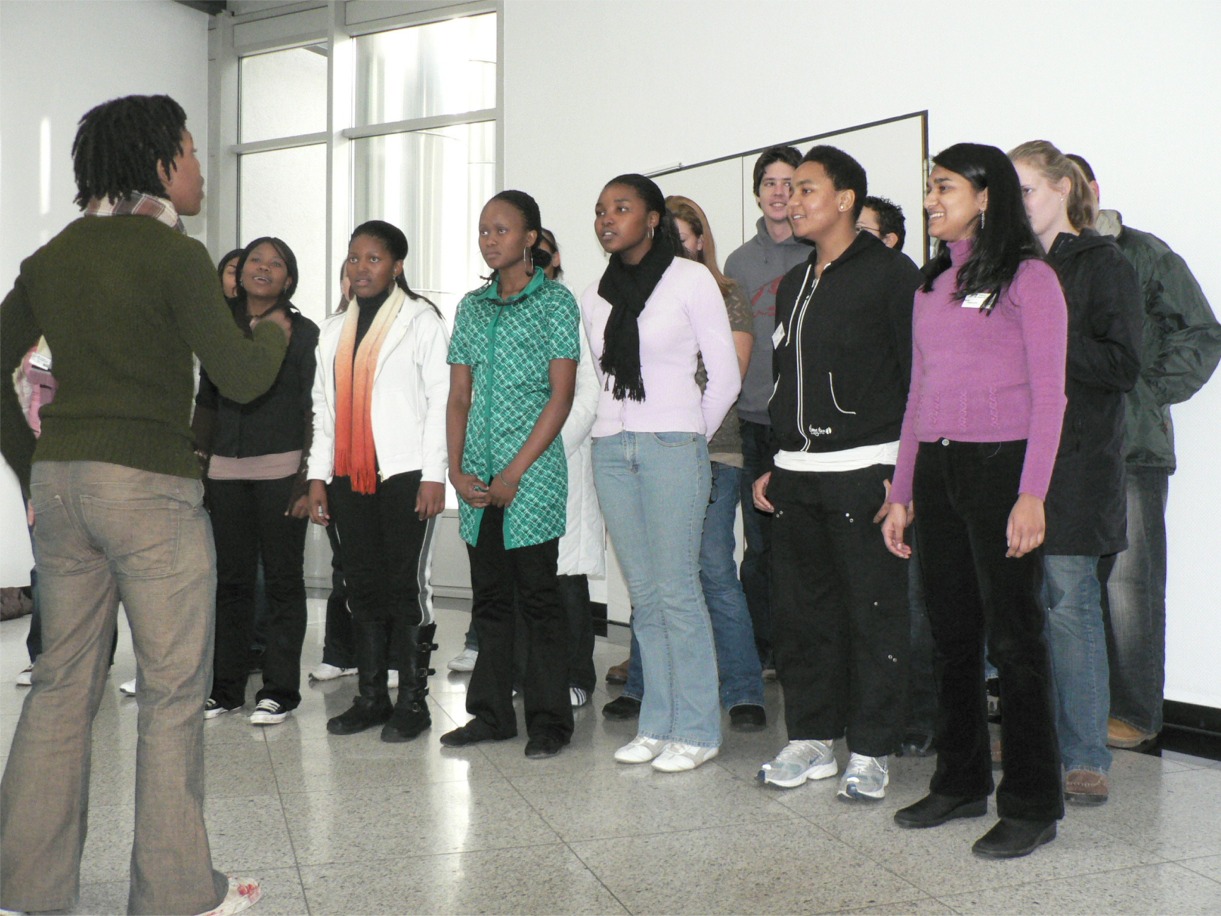
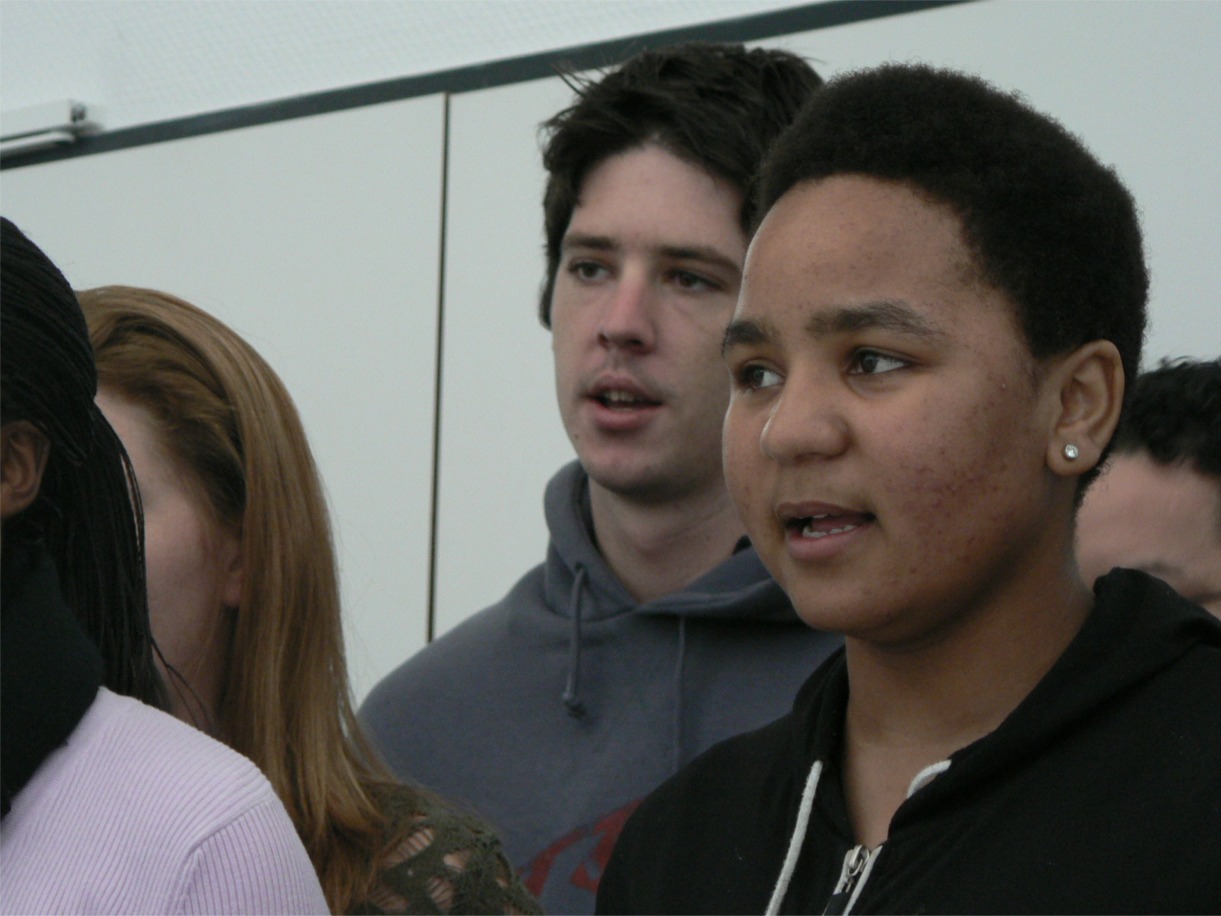
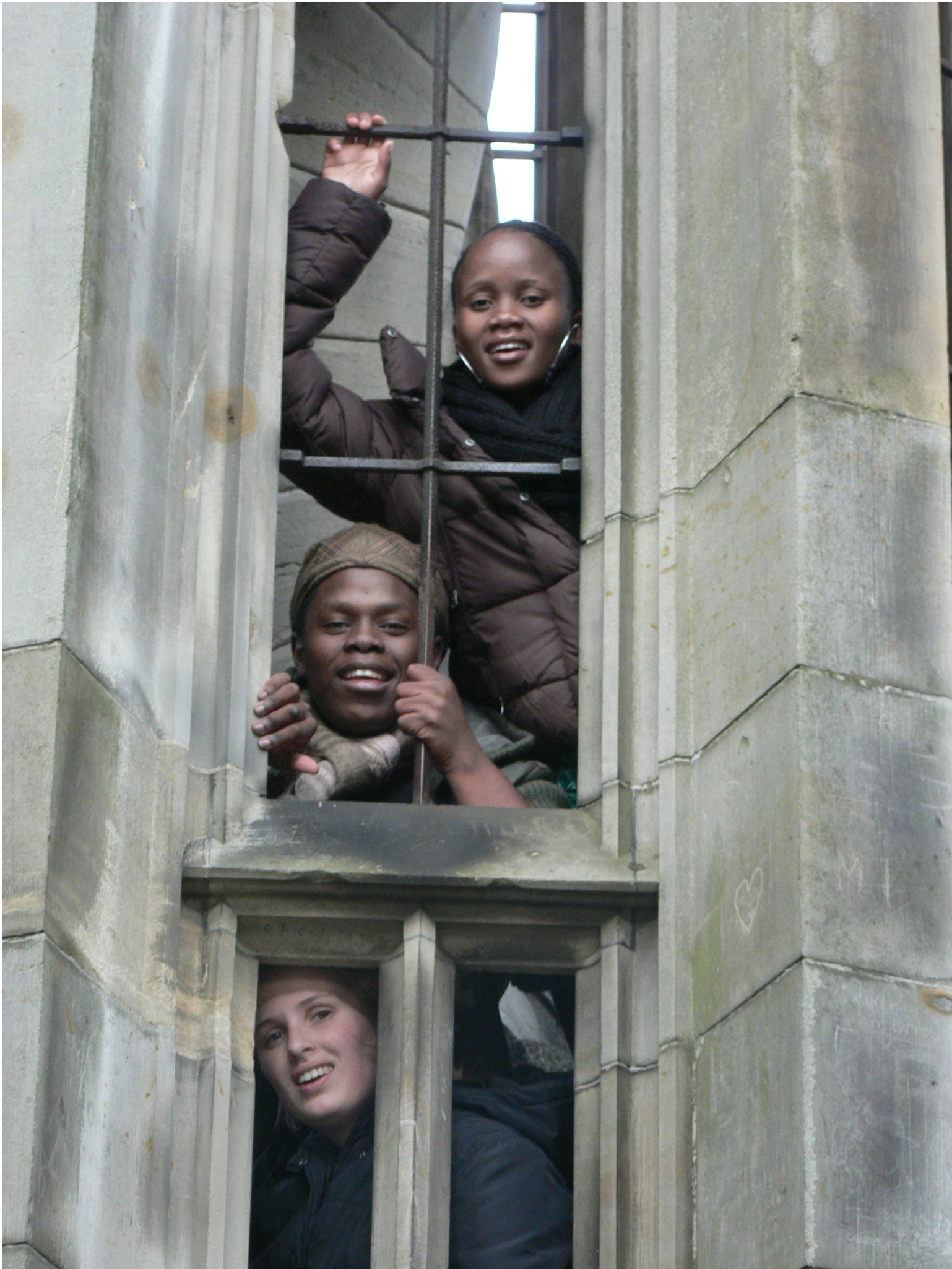
of the trip was the moment we sang our South African songs and
all the employees were listening from the balconies.
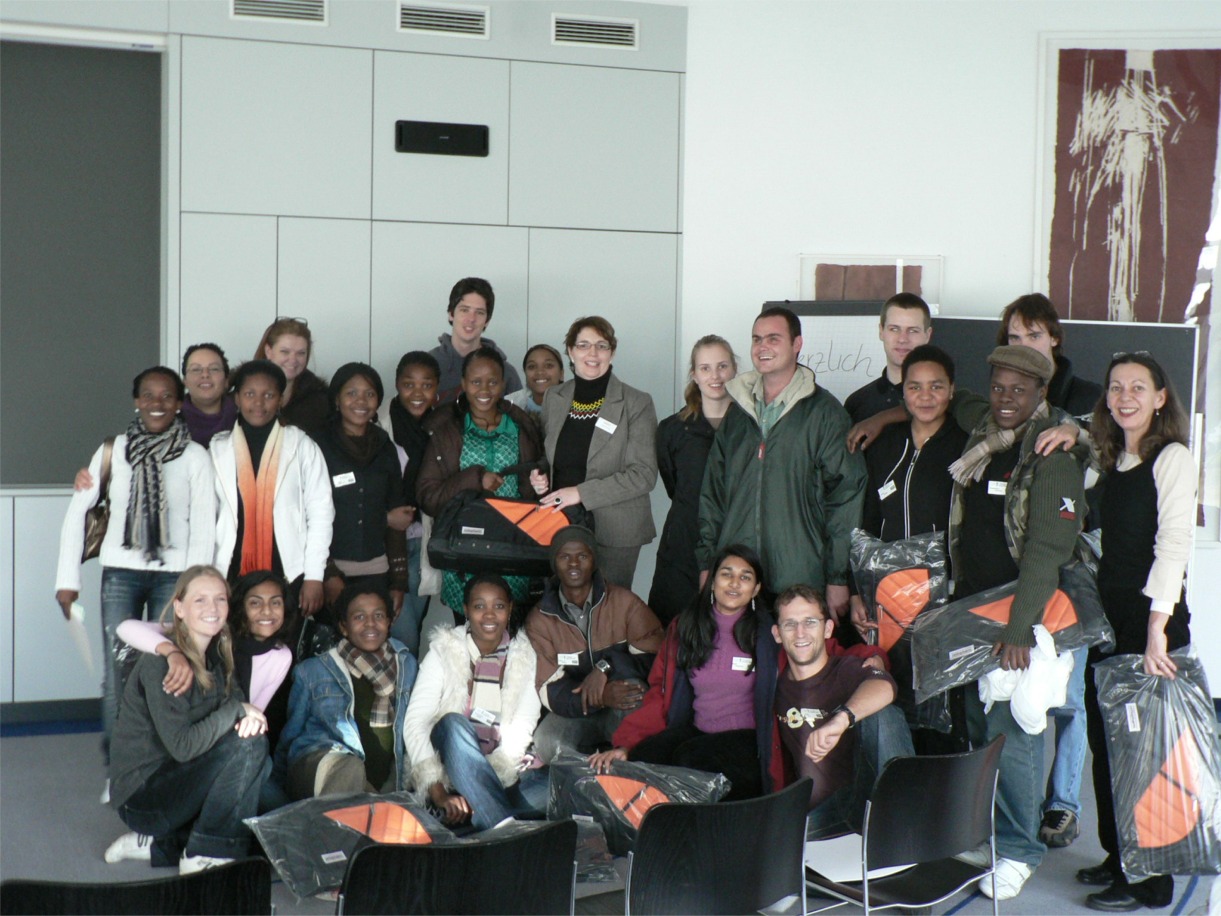
We would like to thank Ratiopharm for our really nice bags and
the opportunity to see the factory. We then departed to town centre
of Ulm.
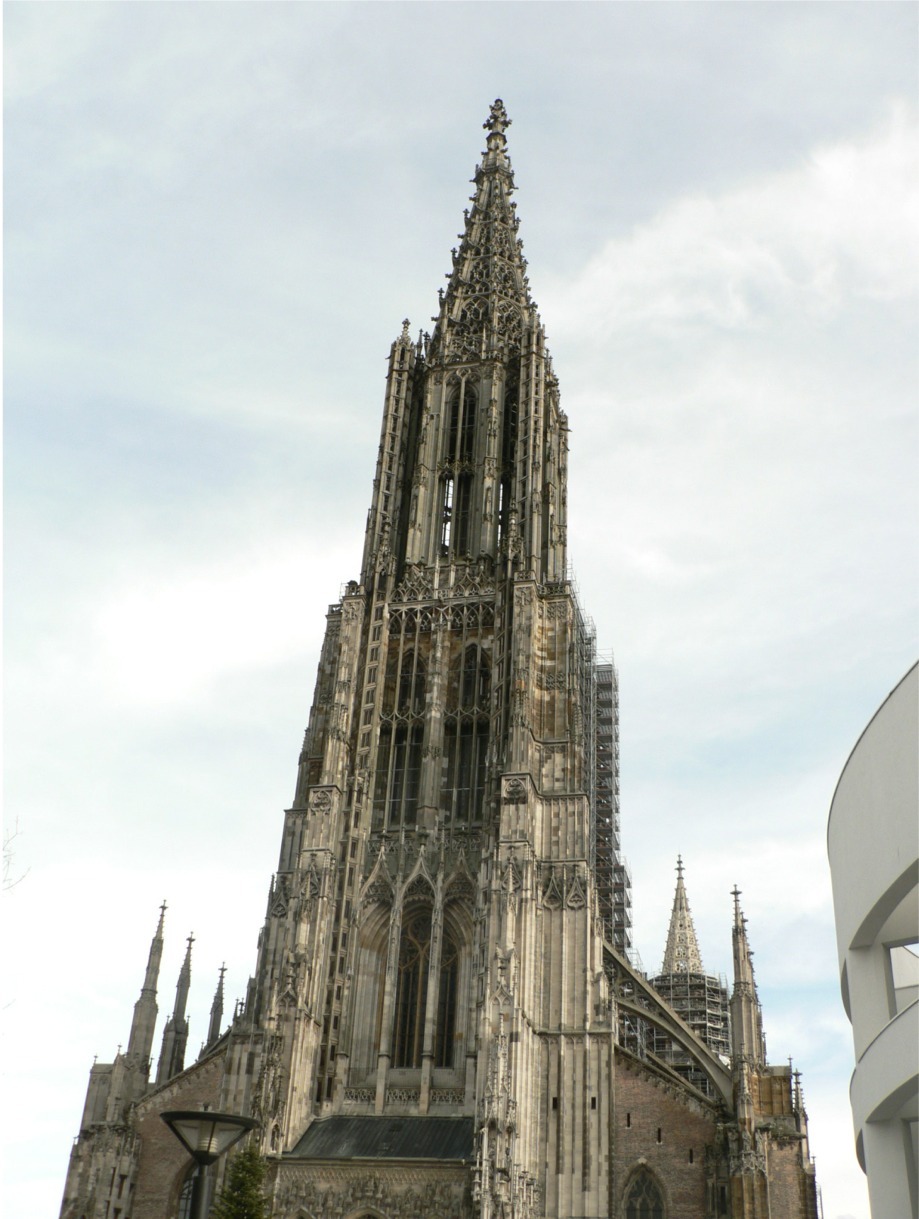
Ulm is a town that steals your heart with the various historical
sites which it houses. It is home to the sometimes eccentric genius
Albert Einstein a man who stood for many things, one of them being
freedom of expression. So, it was appropriate that the group was
taken to a newspaper house.
The media, in any country is a reflection of the society in which
it operates in. To both South Africa and Germany, the media is
an aspect of our democracies which are fiercely protected by the
law as well as the readers or listeners or viewers it wishes to
inform.
After an interesting media seminar with Stephen yesterday, we
were equipped with some basic knowledge of how the media works
in both South Africa and Germany and had made some comparisons
between how both media industries work.
We hopped off the bus and waited in Südwest Press’s
large reception to meet our host for the afternoon. Editor, Detlev
Ahlers ushered us into a room which had already been prepared
with refreshments and eats. Once we had settled down, a discussion
on various topics relating to the media ensued.
The one resounding point which was made was the importance of
the independence of the media in Germany, which is protected by
the basic law of their constitution. Somewhat different from the
South African media’s inner mechanisms, there is a system
of regional newspapers in Germany. There are around 150 regional
newspapers in Germany that have larger circulation than their
three to four national counterparts.
(Ahlers utilises his readerships´ taste as a tool which
guides him as to what makes up the content of his newspaper).
Other restrictions include non-glorification of violence, pornography,
insults or rabid political statements.
In addition to discovering the methodology which the editor employs
in deciding the subject matter of his newspaper, trends were also
discussed. The most important one about German readers being that
about the distinctive reading culture Germans have. Ahlers noted
that 100 years ago, people were reading fewer newspapers, but
tended to read the paper from cover to cover. Today, although
there are many more readers, they scan through the paper, spending
less time reading the entire publication.
After an hour of discussions, we left the headquarters of Südwest
Presse with a greater understanding of the media's integral part
of Germany. Detlev Ahlers had to rush off, because as we all know
news is created every minute of every hour - there are stories
to fill the newspaper with!
Elinda Viljoen and Nadia Padayachi