Fehime Elem Yıldırım

Sicherheitsethik

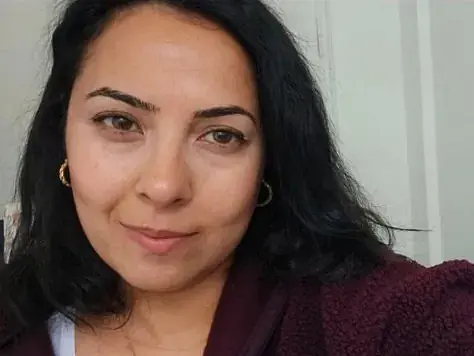
Fehime Elem Yıldırım ist Gastwissenschaftlerin am Internationalen Zentrum für Ethik in den Wissenschaften (IZEW) der Eberhard Karls Universität Tübingen. Ihr Forschungsaufenthalt findet im Rahmen ihres durch das TÜBİTAK-2219-Forschungsstipendium geförderten Projekts mit dem Titel “Internationale Solidarität und Risikowahrnehmung bei Katastrophen: Die Rolle sozialer Medien bei der Rezeption der Türkei-Erdbeben in Deutschland” statt.

Mehr Informationen

Sie ist am Fachbereich Visuelle Kommunikation und Design der Fakultät für Kunst, Design und Architektur der Düzce Üniversitesi (Türkei) wissenschaftlich tätig. Ihre akademische Ausbildung umfasst eine Promotion in Kommunikationswissenschaften an der Marmara Üniversitesi, ein Diplomstudium der Psychologie an der Universität Wien sowie ein Bachelorstudium der Psychologie an der Hacettepe Üniversitesi.

Ihre Forschung bewegt sich an der Schnittstelle von Kommunikationswissenschaft, Medien- und Publikumsforschung. Zu ihren Forschungsinteressen zählen die Filmrezeption und die historische Publikumsforschung ebenso wie soziale Medien und digitale Kommunikation. Ein besonderer Schwerpunkt ihrer aktuellen Arbeit liegt auf der Katastrophenkommunikation, insbesondere auf der Rolle sozialer Medien für die Wahrnehmung von Naturkatastrophen und die Herausbildung internationaler Solidarität.

Darüber hinaus war sie von 2024 bis 2025 als Forscherin an dem durch das TÜBİTAK-1001-Programm geförderten Projekt “Eine Fallstudie zum Beginn des stationären Kinobetriebs im Istanbuler Stadtteil Pera und zur Entwicklung des Kinos als Spektakel in Istanbul: Eine Inhaltsanalyse der Zeitung La Patrie (1908–1913)” beteiligt.

Publikationen

Zeitschriftenartikel 
Yıldırım, F. E. & Yıldırım, T. (2026). Mükemmel Günler’in Uluslararası Basında Alımlanması Üzerine Bir İnceleme (An Examination of the Reception of Perfect Days in the International Press). Istanbul Gelisim University Journal of Social Sciences, 13(2), 860–878. https://doi.org/10.17336/igusbd.1767379
Yıldırım, F. E. (2023). 6 Şubat 2023 Depreminde Türkiye’de Twitter’ın Kullanımı (Use of Twitter in Turkey During the February 6, 2023 Earthquake). Intermedia International e-Journal, 10(19), 276–292. https://doi.org/10.56133/intermedia.1354699
Yıldırım, F. E. (2021). İletişim Çalışmaları ve Psikoloji Birlikteliğinin Önemi: COVID-19 Pandemisi Bağlamında Disiplinler Arası Bir Analiz (The Importance of the Collaboration Between Communication Studies and Psychology: An Interdisciplinary Analysis in the Context of the COVID-19 Pandemic). Türkiye İletişim Araştırmaları Dergisi, (38), 155–173. https://doi.org/10.17829/turcom.862297
Yıldırım, T. & Yıldırım, F. E. (2020). Türkiye’de Sinematograf: Kâzım Nami Duru’nun Türkiye’de Sinema Tarihyazımına Katkısı (The Cinematograph in Turkey: Kâzım Nami Duru’s Contribution to Film Historiography in Turkey). Ankara Üniversitesi İLEF Dergisi, 7(1), 39–72. https://doi.org/10.24955/ilef.735454
Buchkapitel
Yıldırım, F. E. (2023). Mahremiyet Paradoksunu Yeniden Düşünmek: Çıkmazları ve Çözümleri ile Mahremiyet Endişesi (Rethinking the Privacy Paradox: Privacy Concerns, Dilemmas and Solutions). In M. G. Genel (Ed.), Yeni Medya ve Toplumsal Değişim (New Media and Social Change) (pp. 33–51). Ankara: Berikan Yayınevi.
Yıldırım, F. E. (2023). Seren Yüce’nin Rüzgârda Salınan Nilüfer Filminde Yabancılaşma ve İletişimsizliğin Mizanseni (The Mise-en-Scène of Alienation and Lack of Communication in Seren Yüce’s Film Rüzgârda Salınan Nilüfer). In M. Ceyhan & S. Beyazyüz (Eds.), Türk Sinemasında Mizansen (Mise-en-Scène in Turkish Cinema) (pp. 221–239). Konya: Palet Yayınları.
Yıldırım, T. & Yıldırım, F. E. (2021). Metin Erksan’ın Acı Hayat’ı Üzerine: Yeşilçam Melodramından ‘Gösterişli Melodrama’ Şiirsel, Toplumsal ve Gerçekçi Bir Geçiş mi? (On Metin Erksan’s Acı Hayat: A Poetic, Social and Realistic Transition from Yeşilçam Melodrama to ‘Spectacular Melodrama’?). In SineMasal: Melodram (Vol. IV, pp. 145–166). Ankara: Doğu Batı Yayınları.
Yıldırım, F. E. (2020). Sinema Salonlarının Geleceğine Gazeteler Üzerinden Bir Bakış (A Look at the Future of Movie Theaters through Newspapers). In F. Gürses (Ed.), Disiplinlerarası Medya Okumaları (Interdisciplinary Media Readings) (pp. 219–252). Ankara: Ütopya Yayınevi.


Konferenzbeiträge

Yıldırım, T., Yetimova, S., Ceyhan, M., & Yıldırım, F. E. (2026, June 10–13). Voici les programmes! L'usage de La Patrie (1908–1913) comme une source primaire pour documenter la sédentarisation et la chronologie de l'exploitation cinématographique dans le quartier Péra de la capitale ottomane (Here Are the Programs! The Use of La Patrie (1908–1913) as a Primary Source to Document the Establishment of Permanent Movie Theaters and the Chronology of Film Exhibition in the Pera District of the Ottoman Capital). [Conference presentation]. 19th International Domitor Conference: (Dis)locating Early Cinema: Exchange, Extraction, Environment, Federal Fluminense University, Niterói, Brazil.
Yıldırım, F. E. (2023, October 17). Aşırı İzlemeyi Psikoloji Perspektifinden Ele Alan Çalışmalar Film İzleme Alışkanlıklarının Dönüşümüne İlişkin Neyi İşaret Etmekte? (What Do Studies Examining Binge-Watching from a Psychological Perspective Indicate about the Transformation of Film-Watching Habits?). 30th International Film Studies Symposium.
Yıldırım, F. E. (2021, November 29). Kriz Dönemlerinde Gözetim Olgusu: Covid-19 Pandemisi Gözetim Tarihi İçin Bir Dönüm Noktası Olabilir mi? (Surveillance in Times of Crisis: Could the COVID-19 Pandemic Be a Turning Point in the History of Surveillance?). International Symposium on Communication Sciences (ICOMS).
Yıldırım, F. E. & Çetin Öztürk, Ö. (2020, December 16). COVID-19 Pandemisi Sürecince T.C. Sağlık Bakanlığı’nın Instagram Paylaşımlarının Sağlığa İlişkin Olumlu Davranış Geliştirmedeki Etkisi Üzerine Bir İnceleme (An Examination of the Impact of the Turkish Ministry of Health’s Instagram Posts on the Development of Positive Health Behaviors during the COVID-19 Pandemic). Galatasaray University Strategic Communication Management Conferences (GSÜSTRAT-III), Istanbul.