Interfakultäres Institut für Biomedizinische Informatik (IBMI)
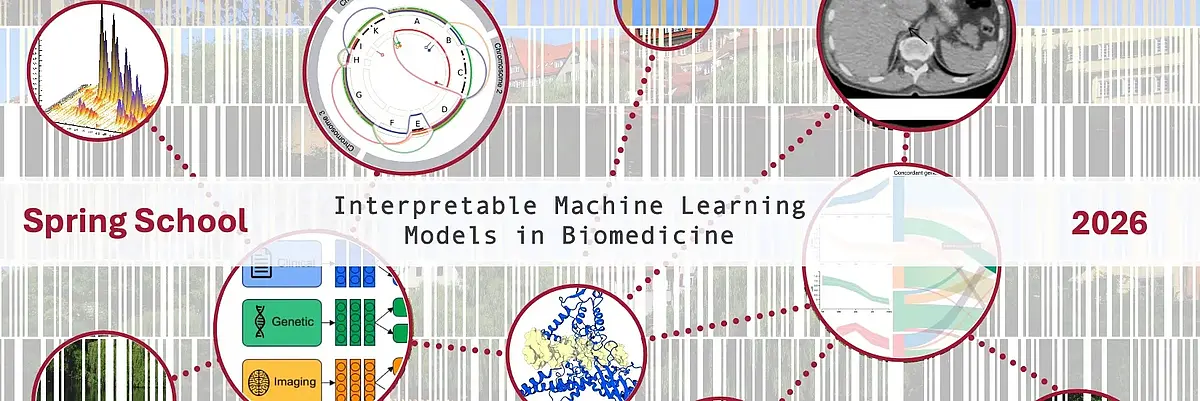
Ready to unlock the Secrets of Multimodal Biomedical Data? Apply Now for the Interpretable Machine Learning Spring School!
The future of life science research is being rewritten by massive machine learning models — and you can be at the forefront of that transformation.
In spring 2026, join a selected group of ambitious scientists and dive into the cutting edge of interpretable machine learning. Discover how to unlock powerful insights from complex data types — from single-cell biology to radiological imaging to natural language.
But this isn't just about theory. You'll work side by side with world-class researchers in hands-on, interdisciplinary projects using real-world multimodal datasets. Explore how machine learning can reveal hidden patterns with real translational impact, and help shape the future of biomedical research.
Expect mind-expanding lectures. Intense workshops. Big questions. Bold ideas. And a collaborative environment where innovation thrives.
Whether you're a budding computational biologist, data scientist, or clinical researcher — if you’re passionate about making machine learning interpretable and impactful, this is your moment.
Spots are limited — apply now and be part of the next wave of translational research!
Who Can Apply?
You are a passionate PhD student or postdoctoral researcher eager to work at the intersection of cutting-edge data science and biomedical discovery?
We welcome applicants from two complementary backgrounds:
Bioinformatics, machine learning, or data science, with a keen interest and some hands-on experience in analyzing biological or medical data.
Experimental biology or translational medicine, with a strong track record of performing your own data analyses using bioinformatics or machine learning methods.
If you’re excited about bridging disciplines and unlocking insights from complex biomedical data, and you have solid programming skills in Python, we’d love to have you on board.
Content and Agenda
Content
Increasingly large machine learning models are transforming how research is done in the life sciences. Such models enable addressing research questions with complex data modalities, and further to jointly consider multiple such data modalities to this end. While such approaches show impressive capabilities to establish non-trivial input-output relationships, interpretation of the underlying models remains a challenge.
Our spring school aims at bridging this gap by covering interpretable machine learning approaches to study various data modalities encountered and integrated in translational research projects. Specifically, we plan to consider natural language-, radiological-, and molecular imaging data. The spring school will comprise input lectures and integrated project work that will be supervised by invited lecturers and their teams.
Specifically, we will cover lectures on interpretable models of single-cell biology, radiological data, and natural language. These lectures will introduce basic and advanced methodological concepts and their application in translational projects. The spring school participants will apply these concepts in hands-on workshops on multimodal datasets covering the data modalities introduced by the lecturers with the goal to identify potentially novel intermodal patterns of translational relevance.
Learning Goals
Participants will gain theoretical insights and hands-on experience in interpretable machine learning for multimodal biomedical data, developing the skills to collaboratively design and implement (publication-ready) bioinformatic analyses that drive insight and impact in translational research.
Course Structure
March 2: arrival
March 3 - 5: input lectures by trainers (am), teamwork (pm)
March 6: consolidation, presentation of results and closing
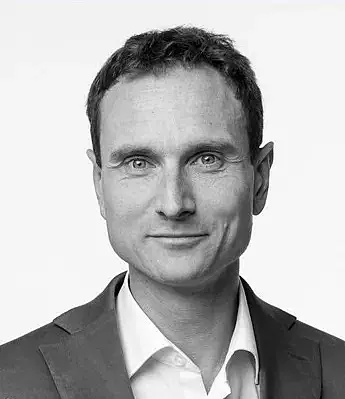
Manfred Claassen is a full professor for Clinical Bioinformatics and Translational Machine Learning in Single-Cell Biology and he is a PI in the Excellence Cluster 'Machine Learning – New Perspectives for Science'. He has pioneered methods for supervised analysis of single-cell and spatial biology, enabling end-to-end association of such data with disease phenotypes.
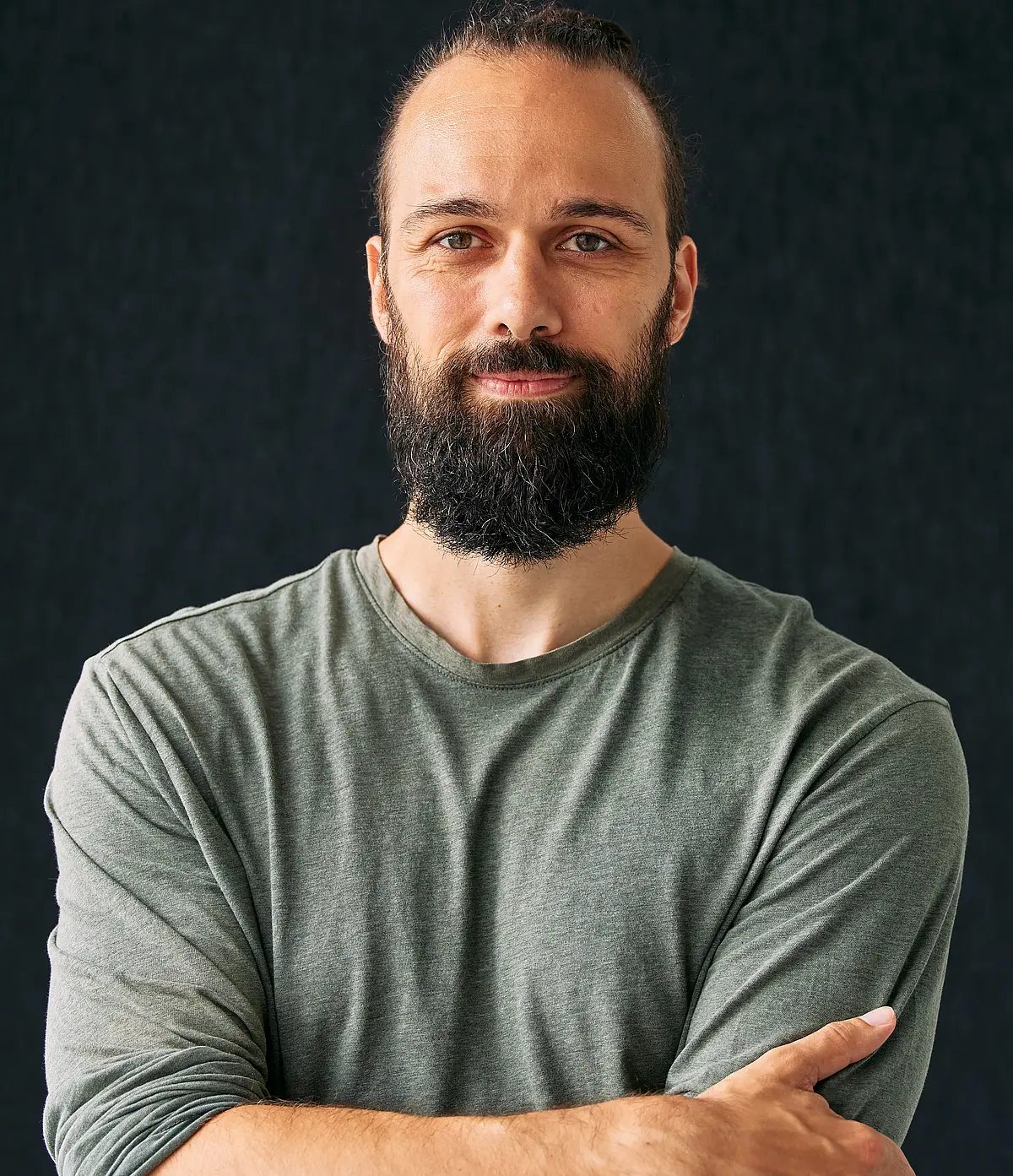
Carsten Eickhoff is a full Professor of E-Health and Medical Data Science and he is a PI in the Excellence Cluster 'Machine Learning – New Perspectives for Science'. His research combines Natural Language Processing and Information Retrieval with medical applications. He focuses on AI-driven analysis of medical texts to support clinical decision-making.
Kerstin Ritter is a full professor of Machine Learning for Clinical Neuroscience and a director at the Hertie Institute for AI in Brain Health. She is PI in the Excellence Cluster “Machine Learning – New Perspectives for Science” and the Tübingen AI Center. Her research focuses on using advanced AI methods to assess brain health through diverse data types, including neuroimaging, clinical, genetic, and behavioral data.
Venue & Organization
Venue
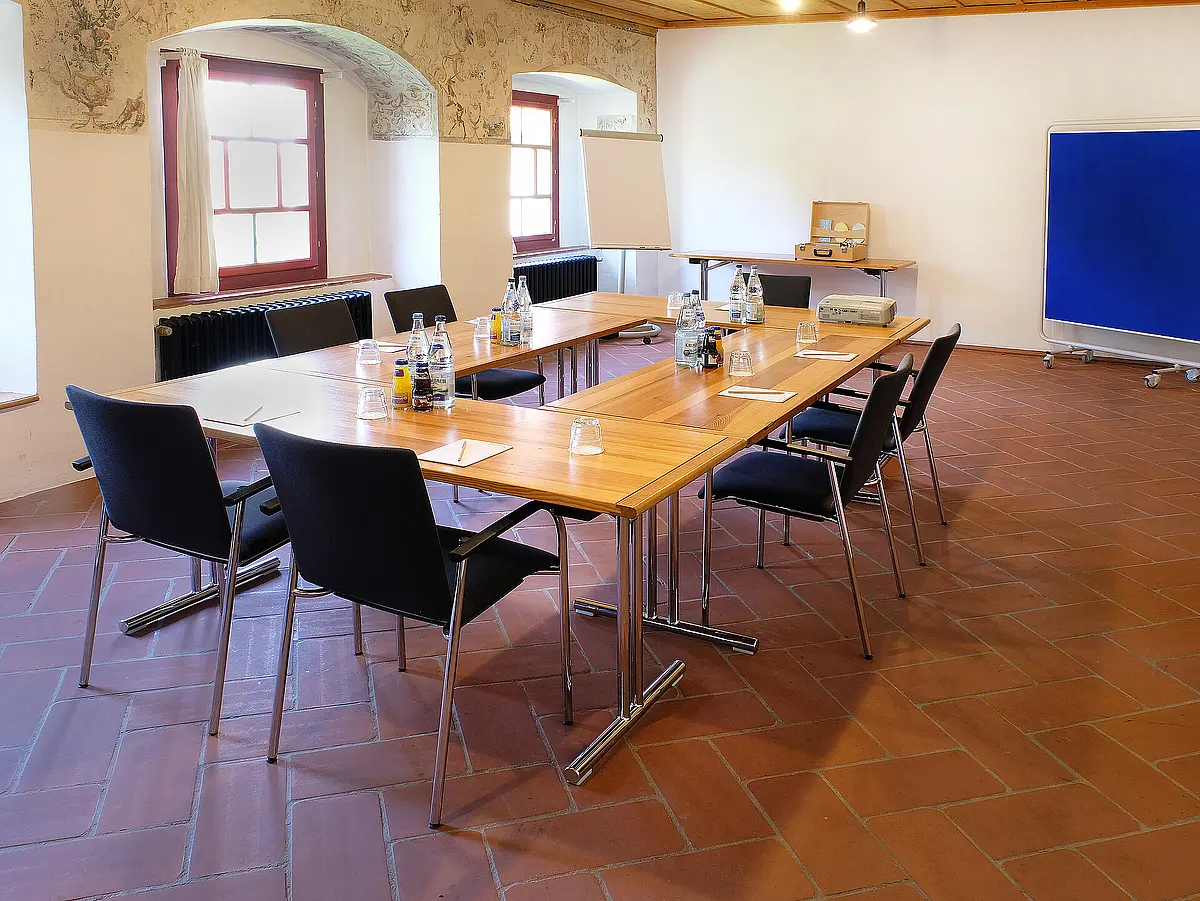
Conference Center at Heiligkreuztal Monastery (Tagungshaus Kloster Heiligkreuztal) Am Münster 7 88499 Altheim-Heiligkreuztal Germany
The registration fee includes full board accommodation in single rooms with shared bathroom facilities on each floor at the Conference Center from March 2 to 6. Catering begins with dinner on the evening of March 2 and concludes with afternoon coffee on March 6.
Arrival and departure must be organized and financed by yourself
You must bring a modern laptop with WLAN and Python development capabilities
Application
APPLICATION CLOSED
Registration fee (early bird)
480 € (360 €)
Application deadline (early bird)
November 20, 2025 (October 20, 2025)
Payment
In case of acceptance, an invoice will be sent to you via email.
Payment deadline
14 days after receipt of invoice
Application Conditions
You are required to upload a brief CV (maximum one page) that demonstrates you meet the required criteria (c.f. 'Who Can Apply?').
Once you've submitted your application you will receive an email confirmation that we've received your application.
You have not been admitted to the summer school before you receive an email from us clearly stating that you have been accepted.
In the event of a cancellation after confirmation and payment, only a partial refund may be issued.
The refund amount depends on the timing of the cancellation and may be forfeited entirely in case of short-notice withdrawal or no-show.
Registration is only valid upon receipt of payment. If the payment deadline is not met, the spot may be reassigned to someone else.
Data Protection & Privacy Policy
If you apply for the IBMI Spring School 2026 (the 'event') we collect, store and process your personal data for the following purposes:
Selection and admission to this event
Financial administration of this event
Organisation and implementation of this event
The collected information is used to process your application and registration, to manage and take payment of the fees, to coordinate accommodation, to manage required bookings, organize meals with the appropriate supplies of food for various dietary requirements, to gain feedback, and to contact you until the event has been fully processed. You declare consent that we may pass on your data required for bookings and reservations to third parties who are necessary for the organization of the event (e.g. to the conference hotel).
Your data will be deleted as soon as the purpose of the processing has been fulfilled, unless another legal retention period applies. You thereby declare that you have been informed about the information obligations (right to information / correction / deletion etc.) in accordance with Chapter 3 of the General Data Protection Regulation (GDPR) and have taken note of them. You also declare that this declaration of consent is made on a voluntary basis.
Photos will be taken throughout the event. These might be used by the University of Tübingen for marketing and publicity in our publications, on our website and in social media or in any relevant third party publication.