Travelling Seminar 2 | Czech Republic | February–March 2026
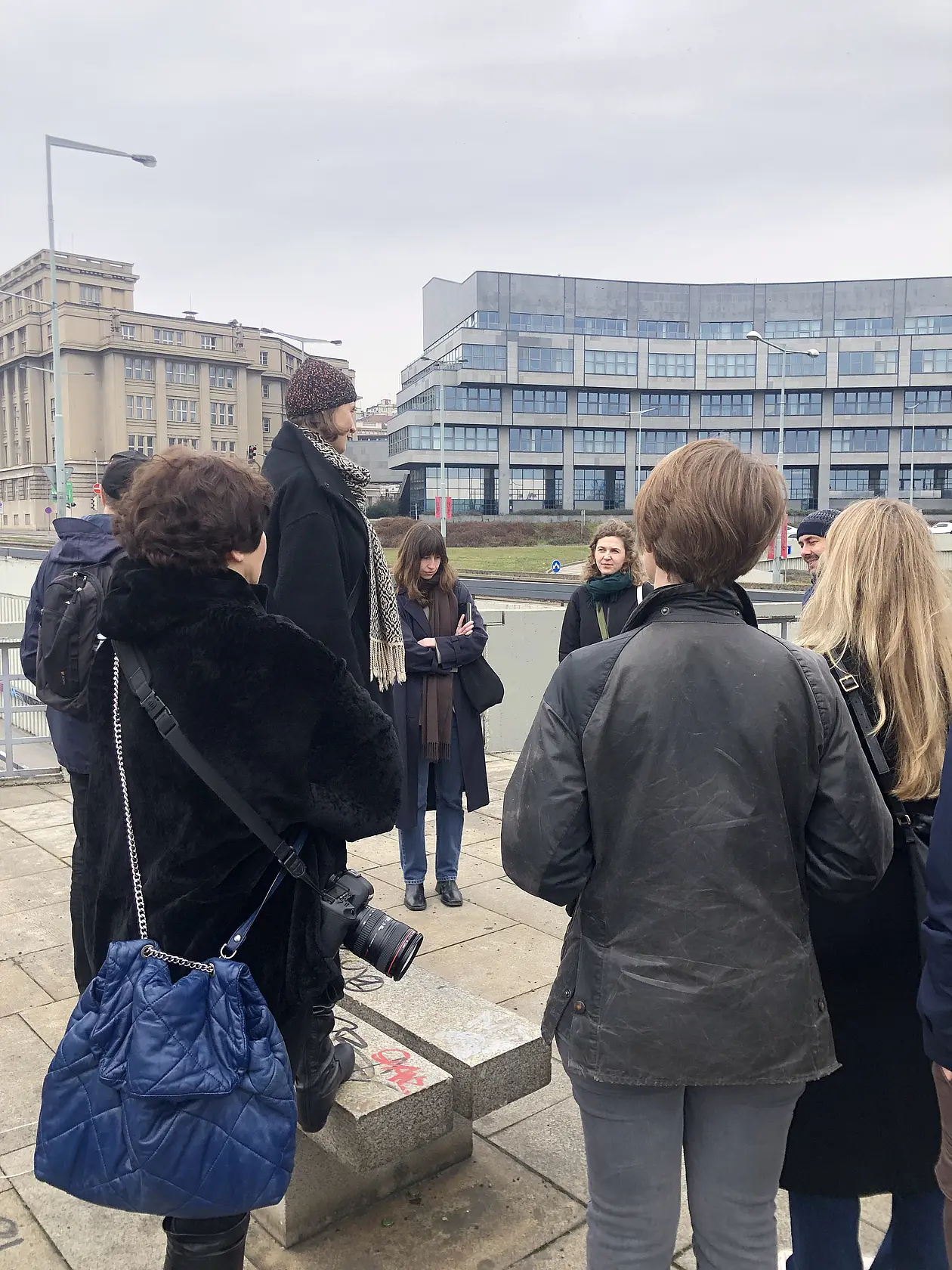
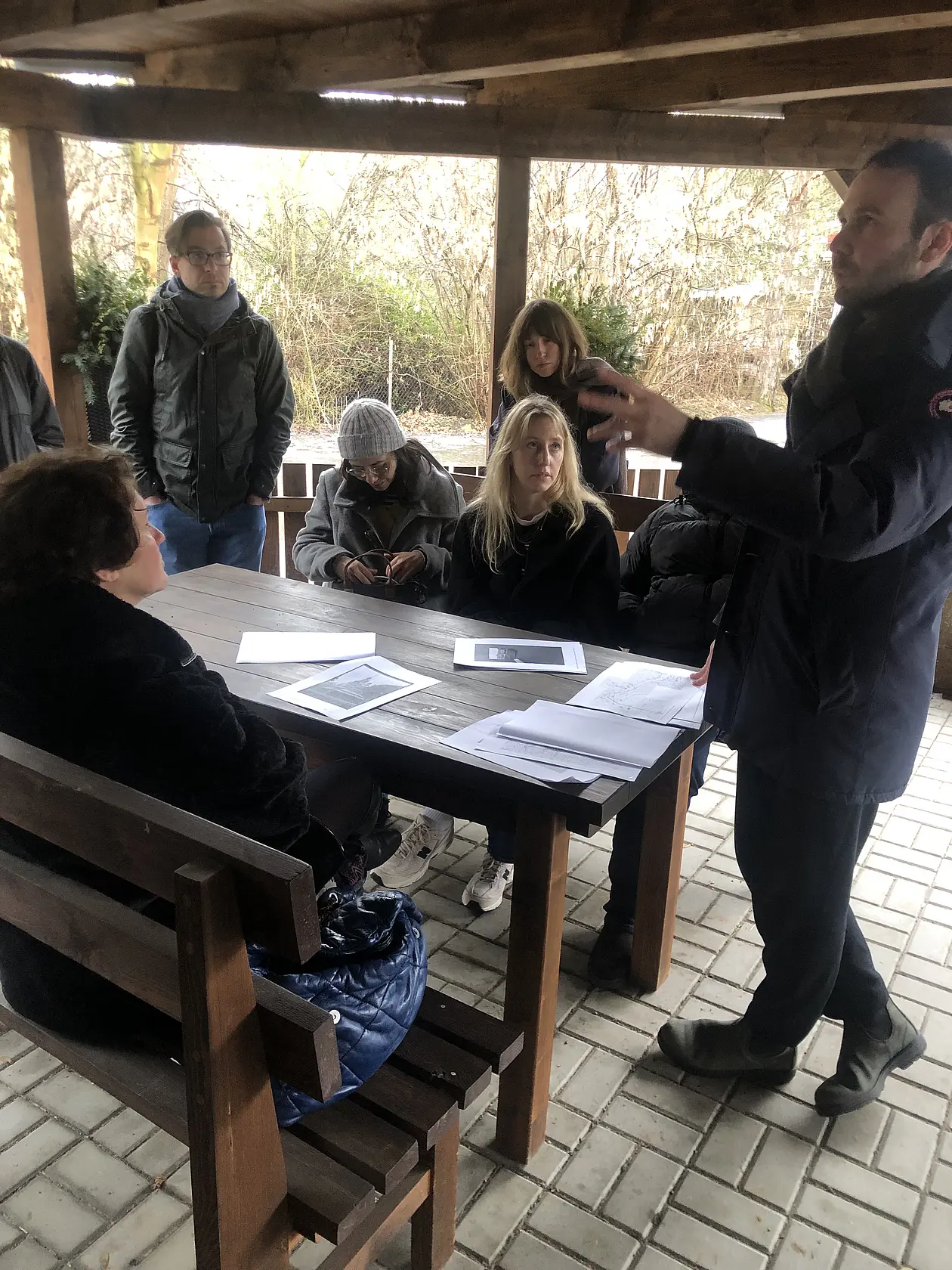
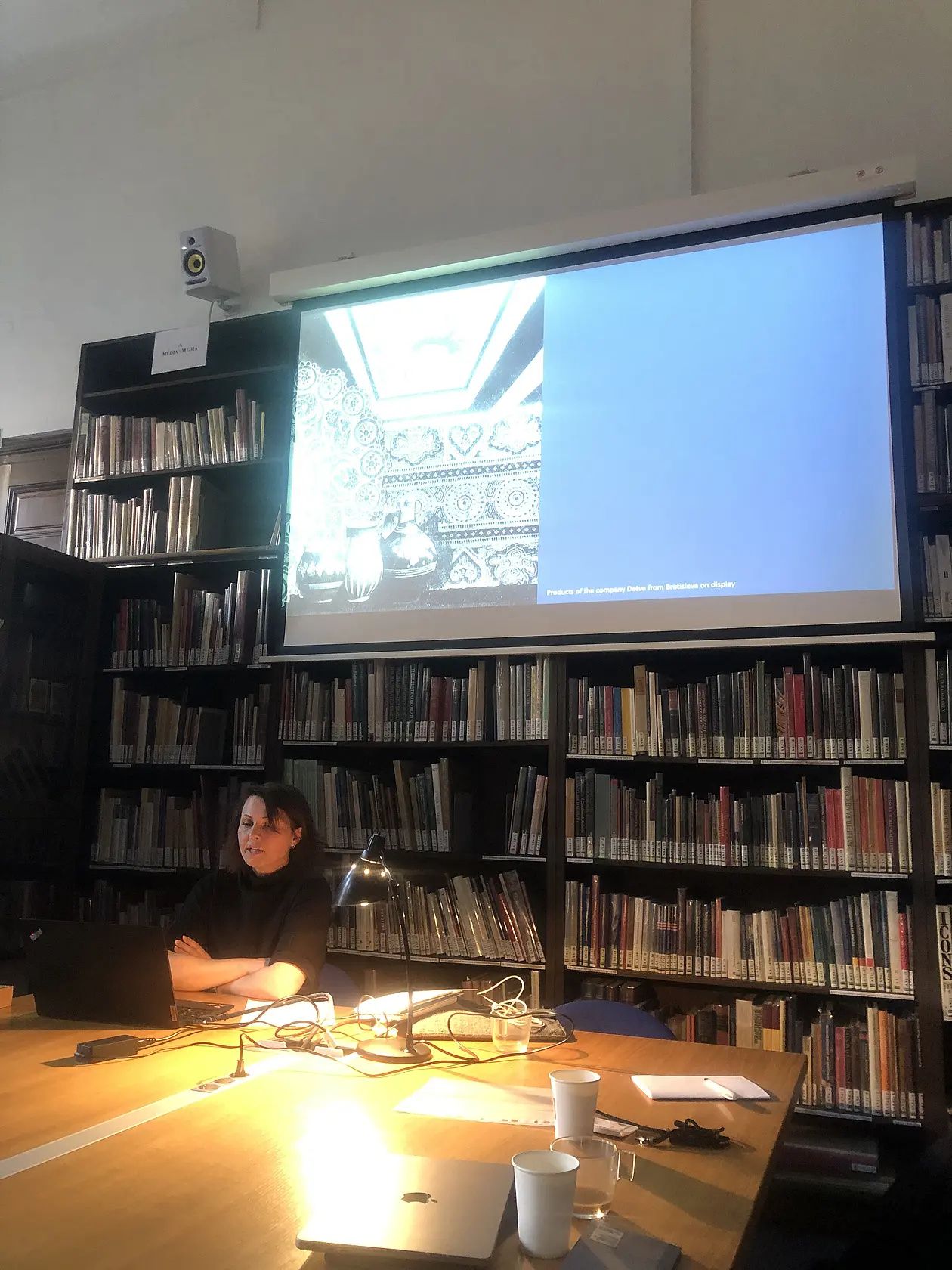
Our second travelling seminar began in Prague, kicking off with a colloquium led by network member Dr Kamila Kociałkowska to discuss a chapter from her upcoming monograph, ‘The Poet and the Postal Censor: Unreadable Aesthetics and Futurism in Tbilisi’. We continued by exploring modernist architecture in Prague on a tour with Dr Vendula Hnídková (Institute of Art History, Czech Academy of Sciences), followed by a walk around Sarka Valley, during which network member Radu Macovei led our first workshop, imagining an open-air museum that miniaturises Czechoslovakia based on drawings and texts written by ethnographer Drahomirna Stranska.
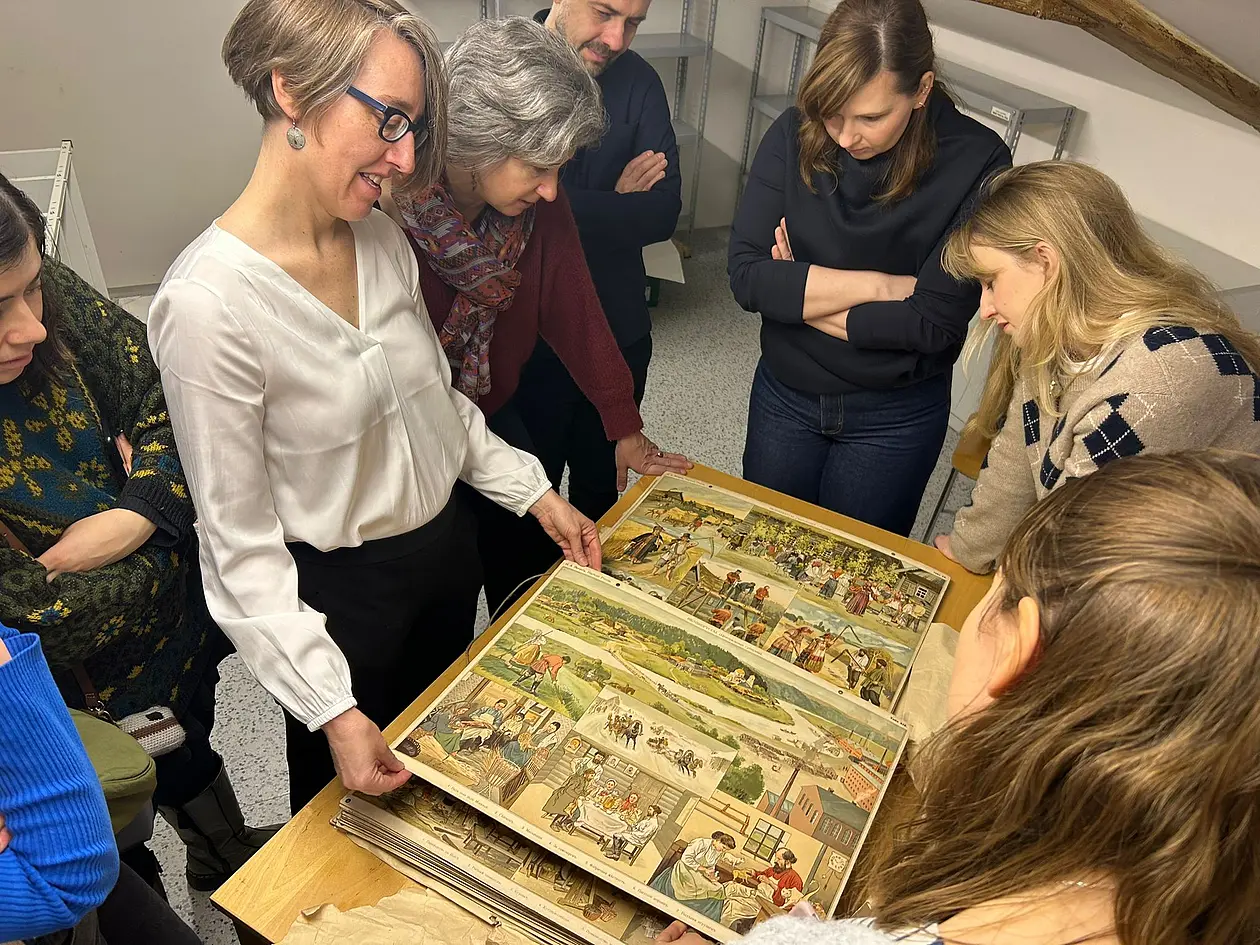
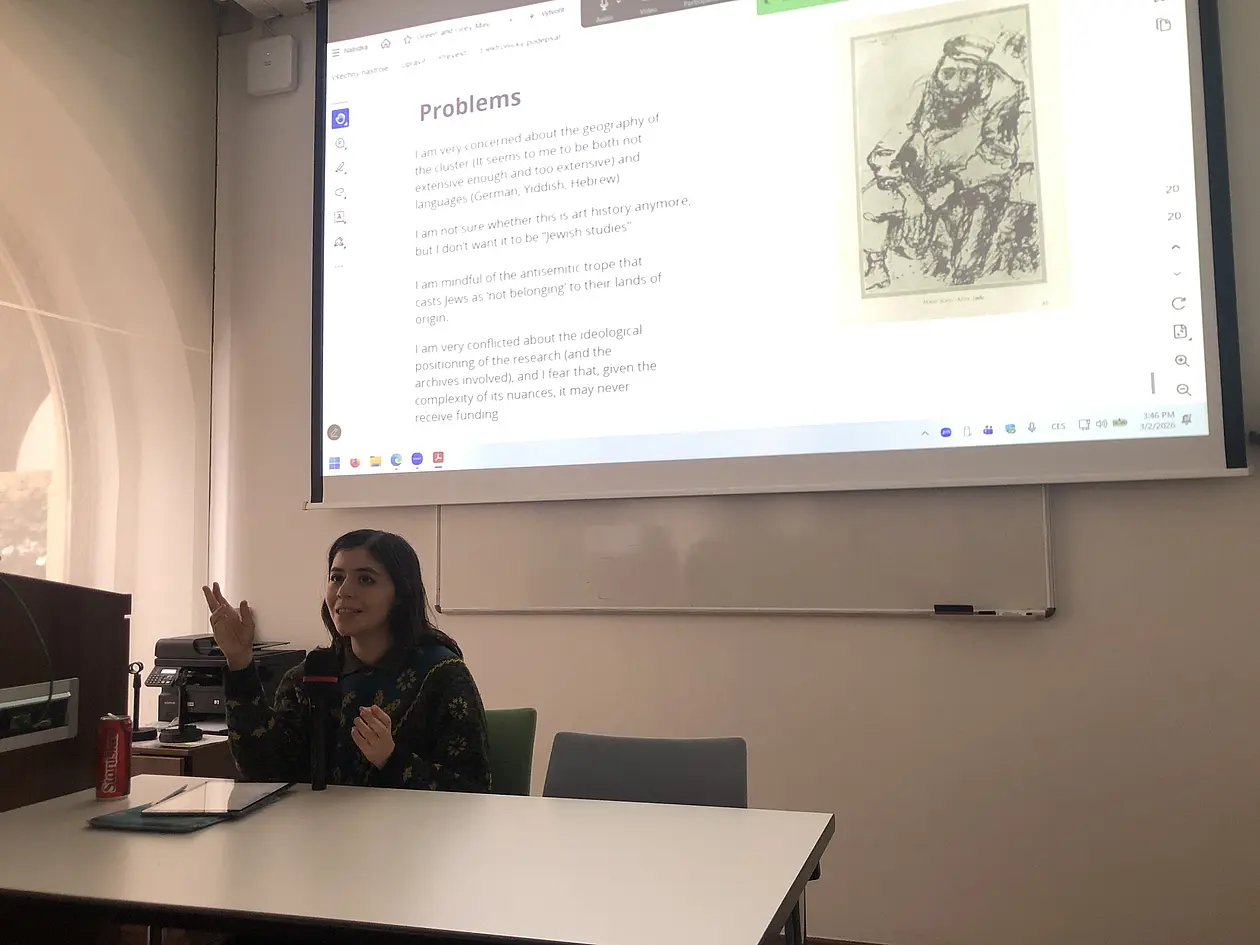
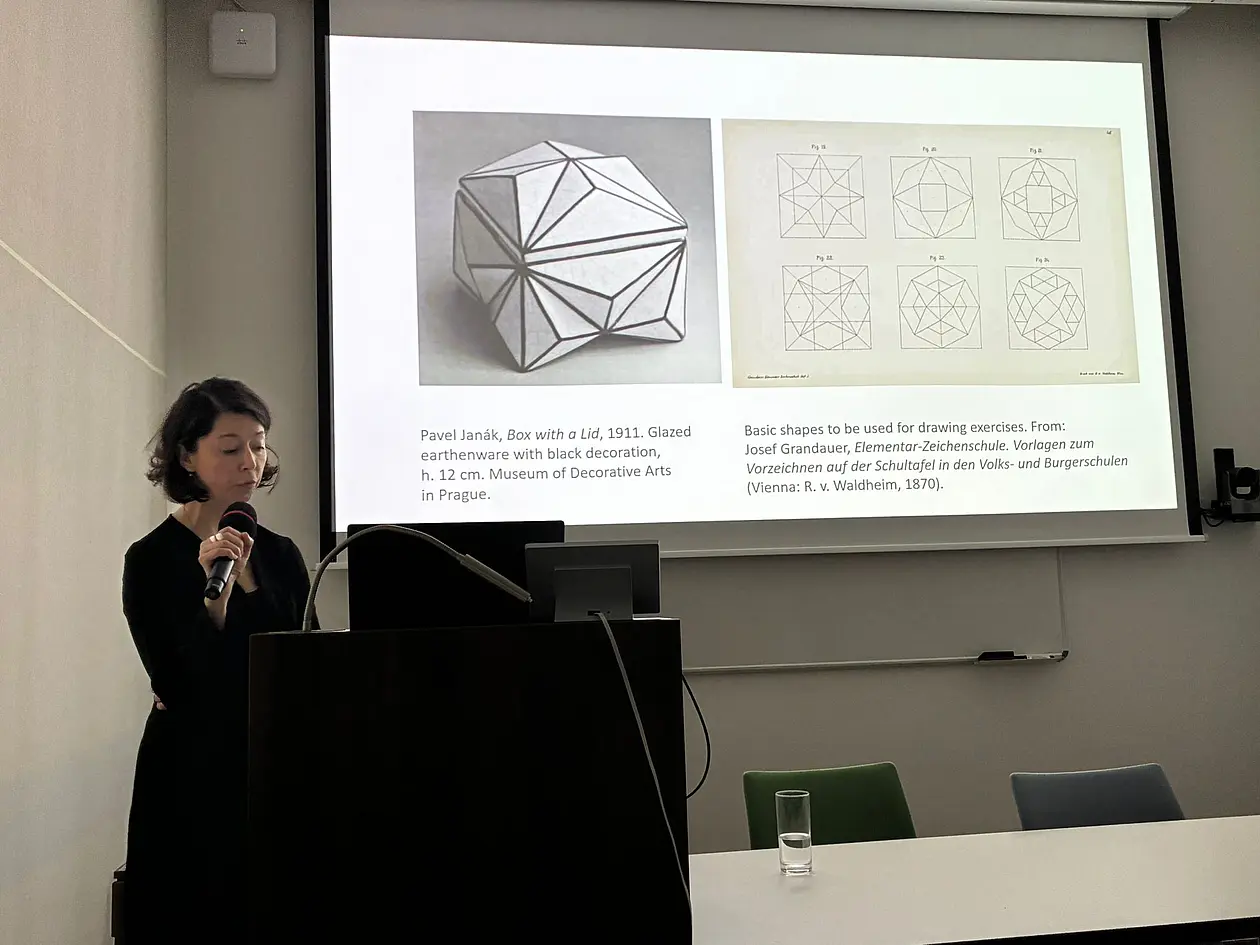
Next was a visit to the Ethnographic Museum guided by its curator, Dr Jan Pohunek. We were then hosted by the Institute of Art History of the Czech Academy of Sciences, engaging with its faculty and presenting two talks by project’s network members: Gabrielė Radzevičiūtė discussed ‘Archaeologies of Comintern Aesthetics in Interwar Lithuania’ and Dr Camilla Balbi dove into ‘Middle Eastern Clichés. The Palästina Bilder Korrespondenz between Jerusalem and Brno’. The day culminated with a guest lecture by Prof. Marie Rakušanová (Charles University Prague) on ‘Minor Modernisms, Major Questions: Czech Cubism and the Canon of Modern Art’.
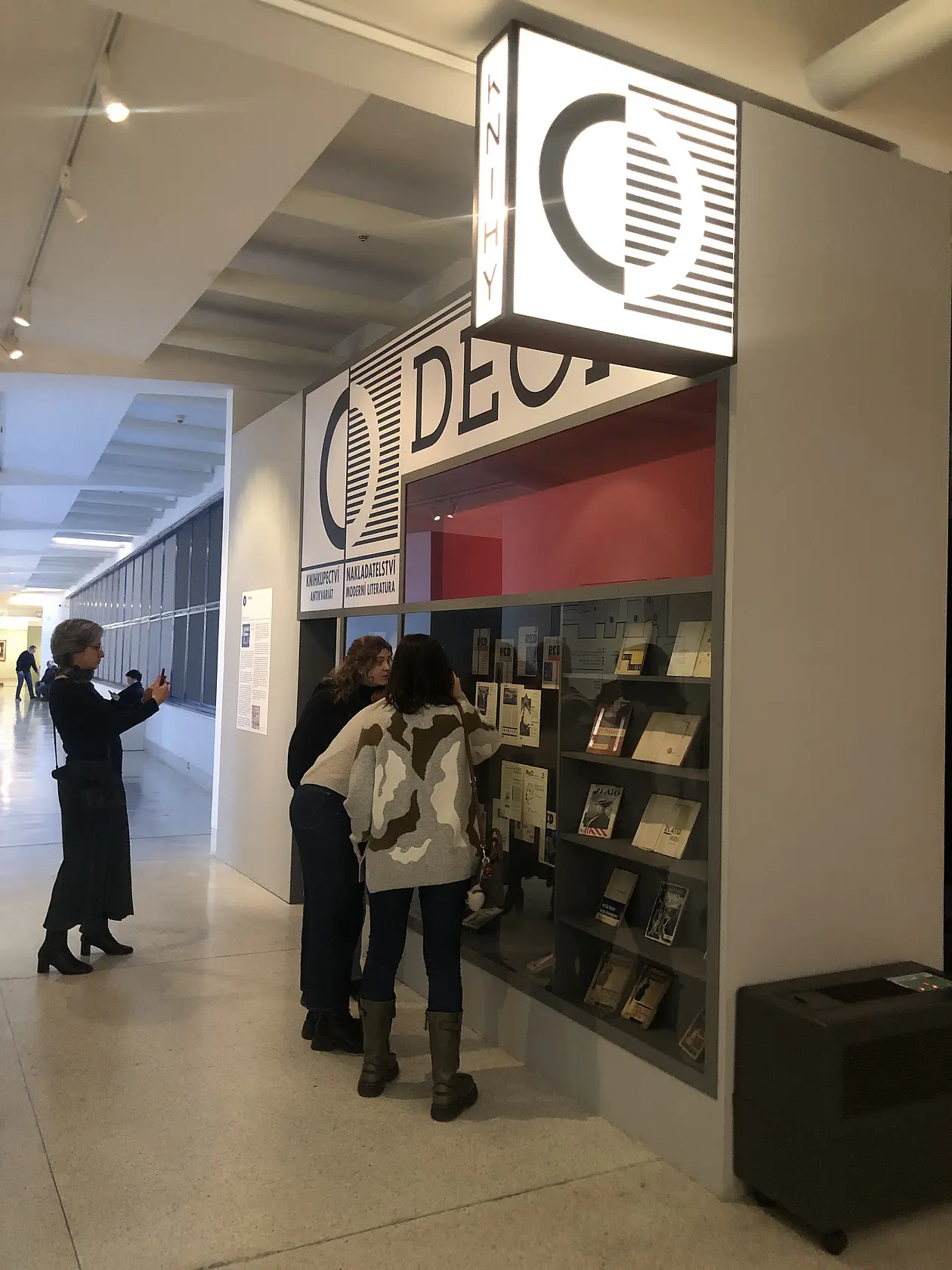
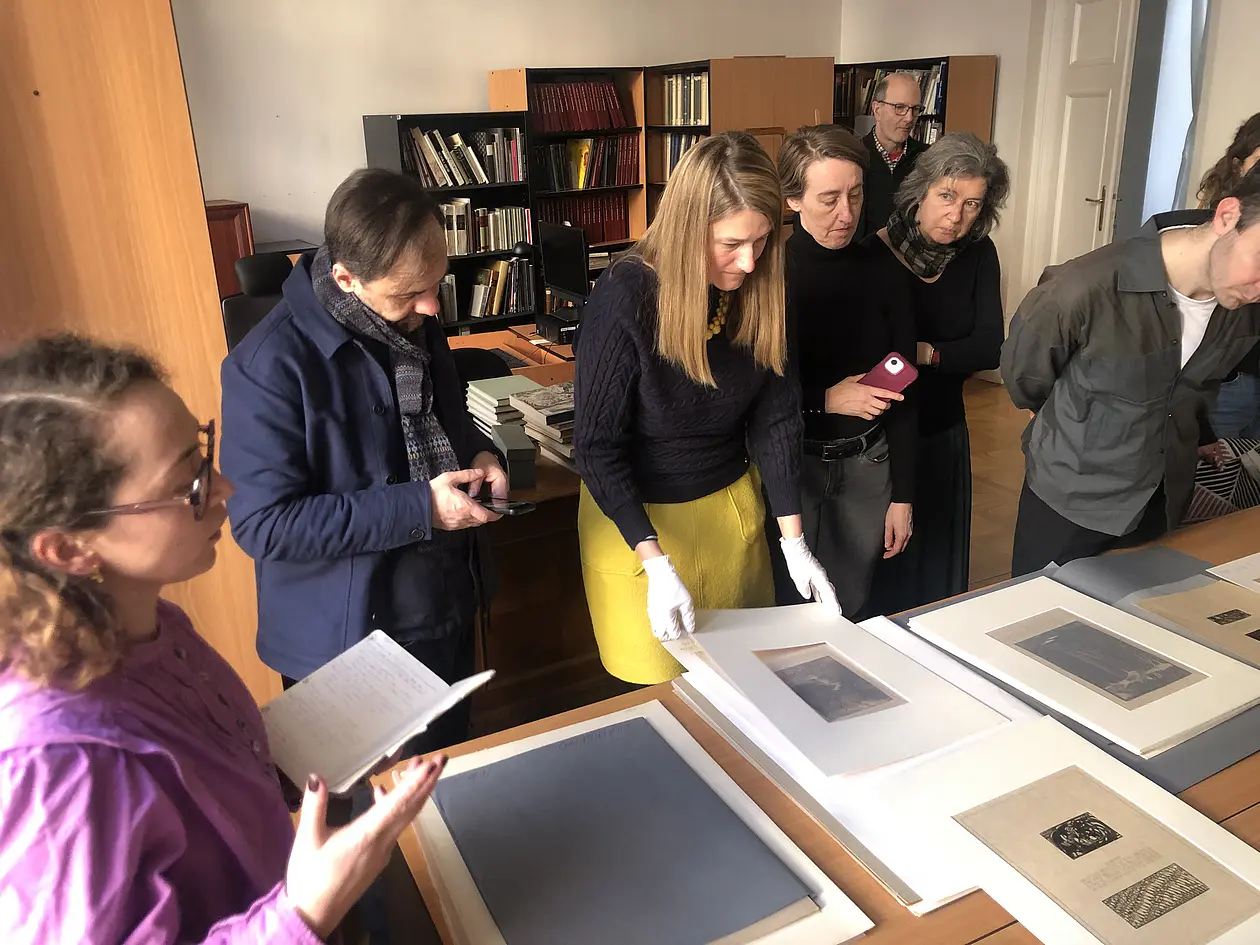
The following day, we visited the Museum of Czech Literature with its curator Dr Jakub Hauser and had a guided tour of the permanent exhibition ‘First Czechoslovak Republic’ with the curator Dr Anna Pravdová, at the National Gallery of Prague. Later that day, the network member Jane Schmidt-Boddy organised a visit to the NPG’s Prints Room with Dr Petra Kolářová (curator), Lenka Babická (documentalist in the study room), and Dr Blanka Kubíková (deputy director of the Collection of Prints and Drawings) to preview abstract drawings by Katharine Schäffner.
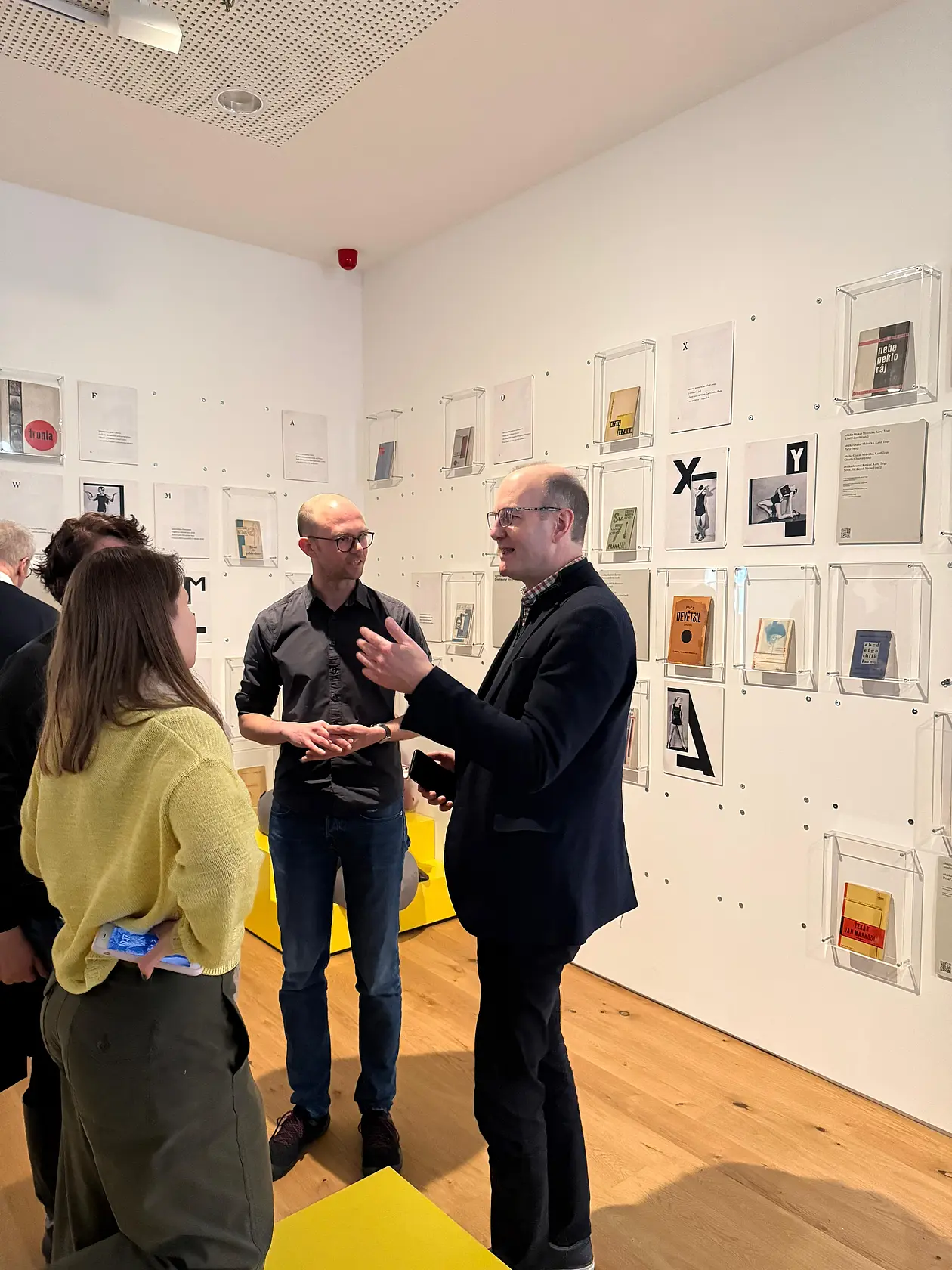
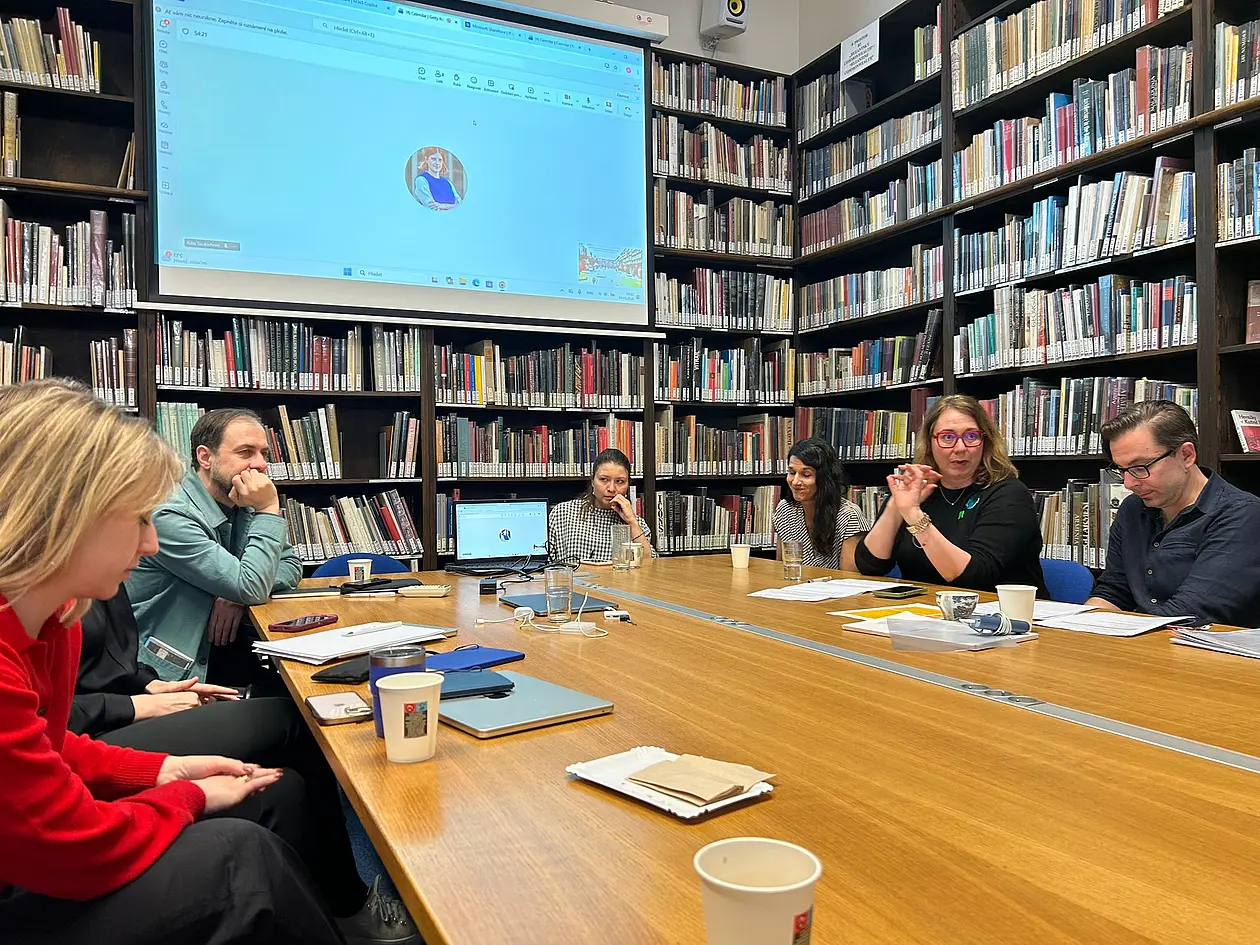
After the first leg of the seminar in Prague, we travelled to Brno, where we were welcomed by the Art History Department of the Masaryk University and its professor, and project core team member, Matthew Rampley. Here, we workshopped network member Dr Lucia Kvočáková’s new research project provisionally titled ‘Unveiling Cultural Identities: Presentation and Representation of Slovak Visual Arts in the Czech Lands’ and had our second guest lecture by Dr Marta Filipova (Masaryk University Brno) on ‘Czechoslovak Identity and the Future Pasts of Folk Art’. The first day in Brno ended with a roundtable discussion with network members Dr Daniel Muzyczuk and Dr Merse Pál Szeredi and colleagues from Slovakia, Dr Katarína Beňová (formerly National Gallery of Slovakia) and Dr Klára Prešnajderová (formerly Slovak Design Centre, Bratislava). They discussed the current start of museum work and institutional frameworks for the study and display of modernist art in the region.
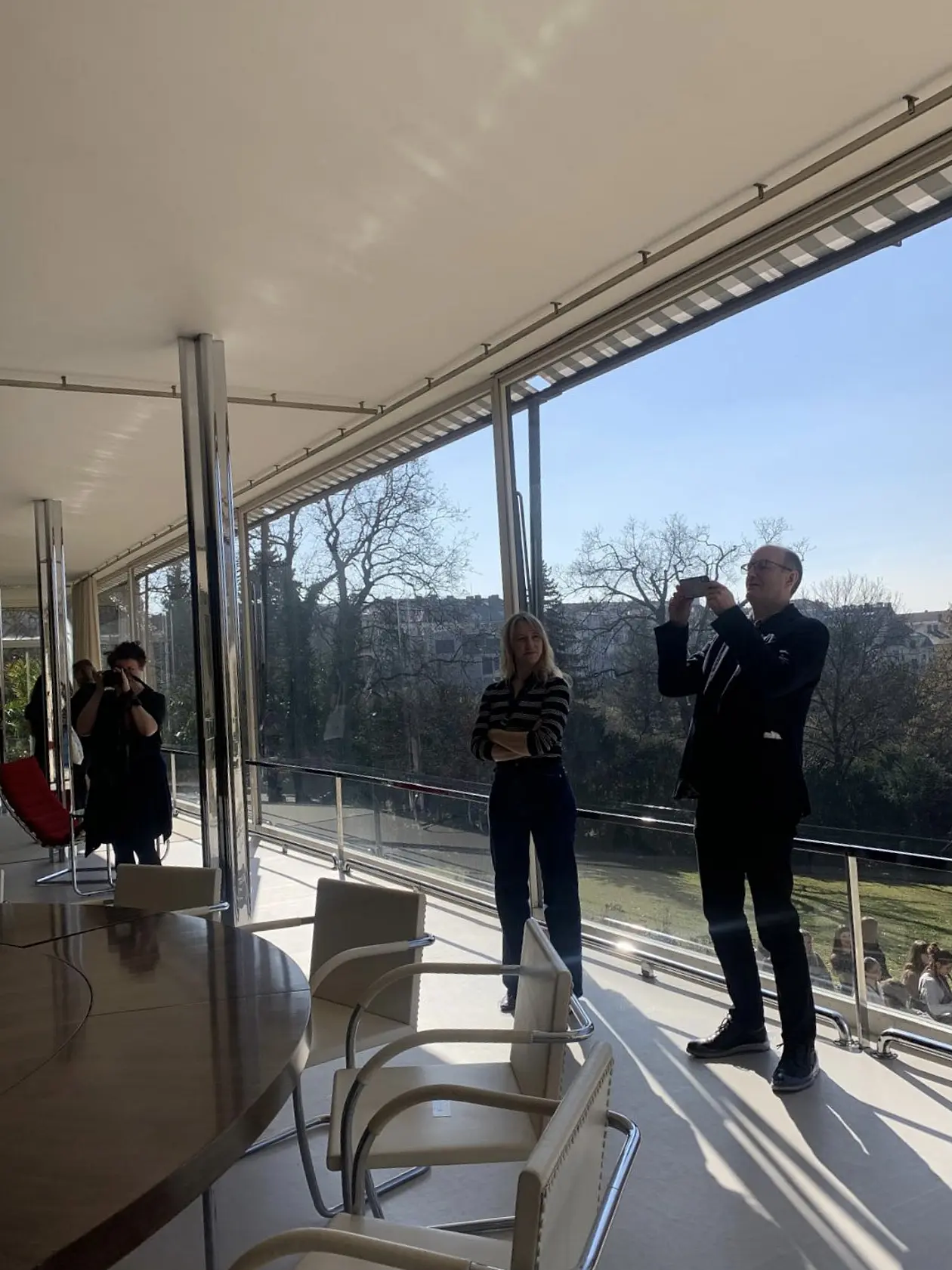
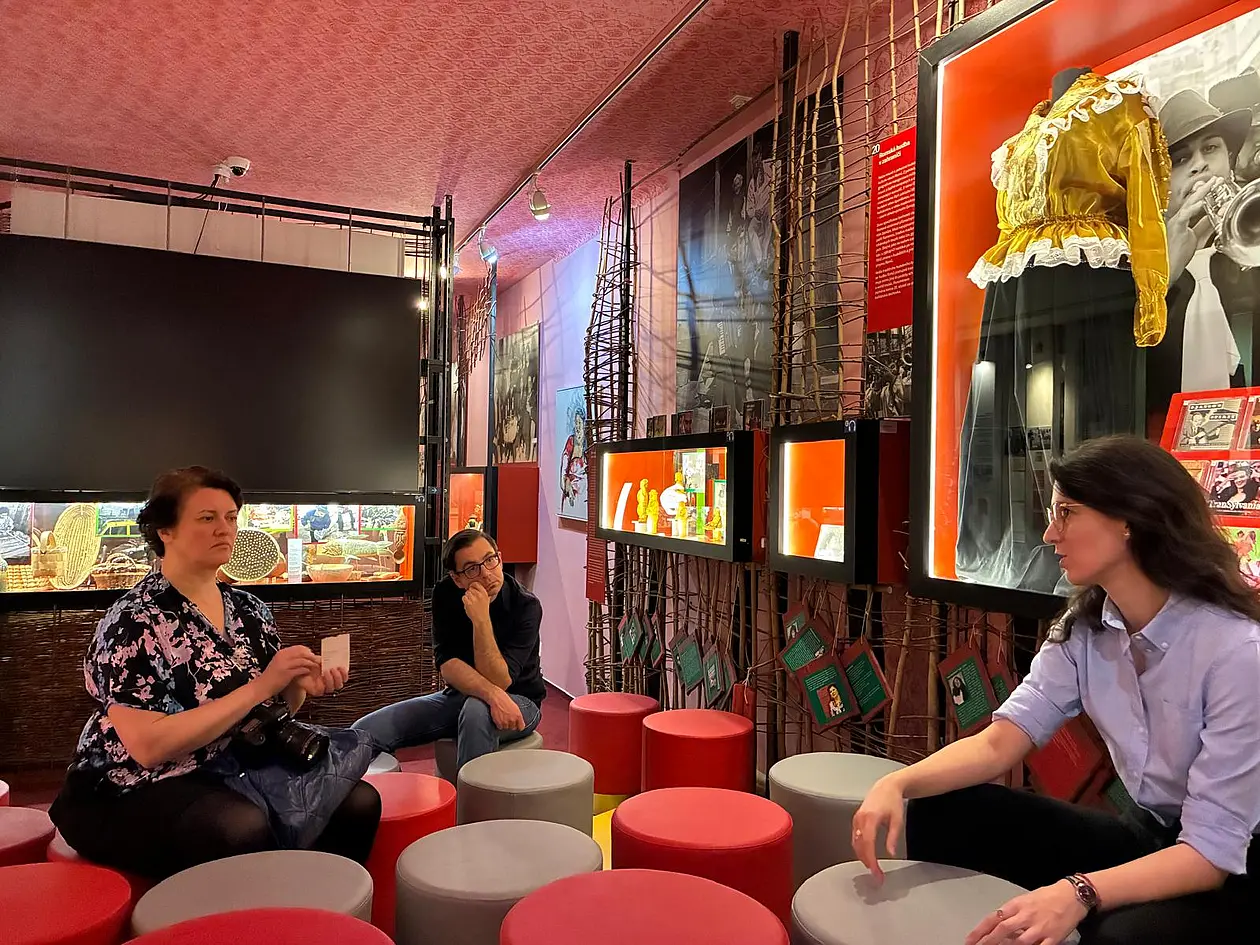
During our second day in Brno, we visited Villa Tugendhat, the Brno Municipal Museum, where we were guided by curator Filip Kyrc, and the House of Arts, touring the exhibition ‘By the Head and by the Hands. The School of Arts and Crafts in Brno 1924–2024’ with its co-curator Dr Lada Hubatová-Vacková (Academy of Arts, Architecture and Design, Prague). Our final day in Brno gave us the opportunity to hear guest speaker Dr Klára Prešnajderová present her research on ‘Josef Vydra’s Concept of the “Modern Peculiar Character” as the Basis for the School of Arts and Crafts in Bratislava’. We were also joined online by Simona Bérešová (Humboldt-Universität zu Berlin) to discuss applied arts education in interwar Czechoslovakia. Our final workshop was led by network member Veronika Soukupová to discuss methodological challenges of writing a biography/monograph, drawing on her research into Jaroslava Vondráčková’s textile practice. We ended our stay in Brno with a visit to the Museum of Romani Culture, where we were received by curator Tereza Richtáriková.
The seminar in the Czech Republic provided an opportunity to expand on some of the methodological and historiographical conversations initiated during the first seminar in Poland, while engaging more intently with the history of ethnography in this region.