Koreanistik

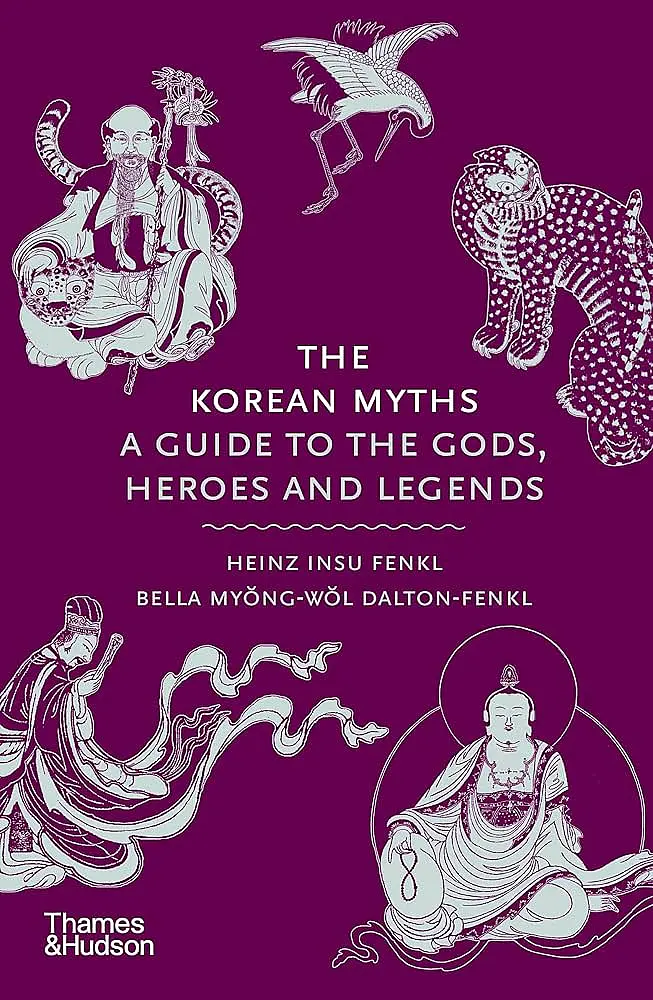
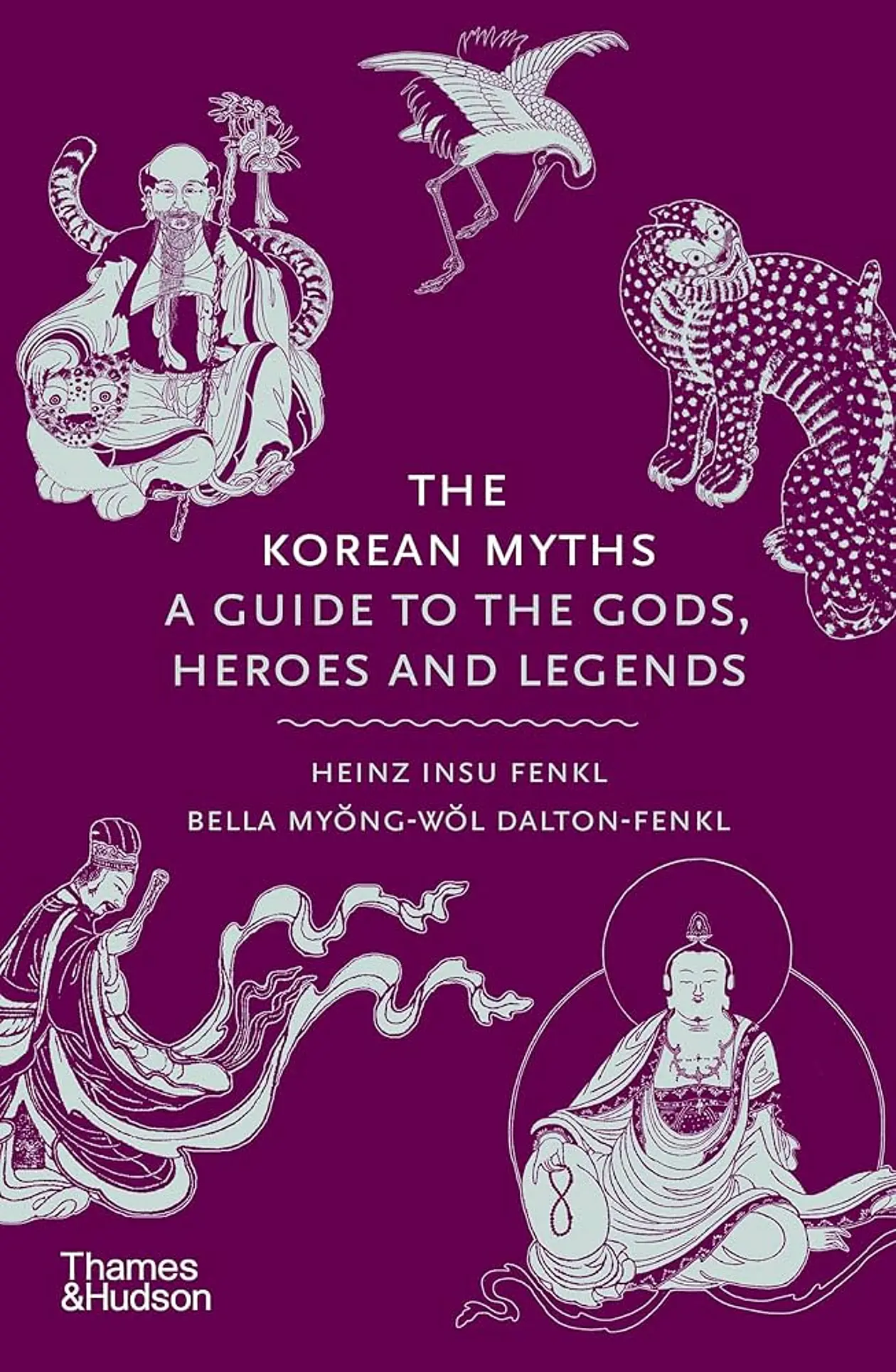
The Korean Myths

A Guide to the Gods, Heroes and Legends

Verfasser:Fenkl, Heinz Insu und Dalton-Fenkl, Bella Myong-wol
Erscheinungsjahr 2024
SignaturGR342 2024/1

The myths of Korea may seem a complex and intriguing mix of ghosts, spirits, and superstition, but they form the bedrock of one of the most vibrant global cultures today. In the past few decades, South Korea has experienced a rapid rise to prominence on the world stage as the Hallyu, the “Korean wave” of popular culture, drives newfound interest in the country. This swift transformation has also generated paradoxes within contemporary South Korea, where cutting-edge technology now coexists with centuries-old shamanistic legends and Buddhist rituals.


Korean myths are a living and evolving part of society, in both the North and South. With the export of Korean film across the globe, K-pop, fashion, K-dramas, literature, and comics there is a growing desire to understand the folklore and mythical underpinnings of contemporary Korean culture. Authors Heinz Insu Fenkl and Bella Dalton-Fenkl bring together a wealth of knowledge of both the new and the old, the traditional and the modern, to guide readers through this fascinating history and help them understand the culture and traditions of the Korean people. From the Changsega (“Song of Creation”) sung by shamans to the gods, goddesses, and monsters who inhabit the cosmos—including the god Mireuk, creator of the world, and the giant Grandma Mago, who was able to create mountains from the mud on her skirt—these myths have been disseminated for centuries and continue to resonate in popular culture today.


Thames and Hudson


Archiv

Oktober 2025

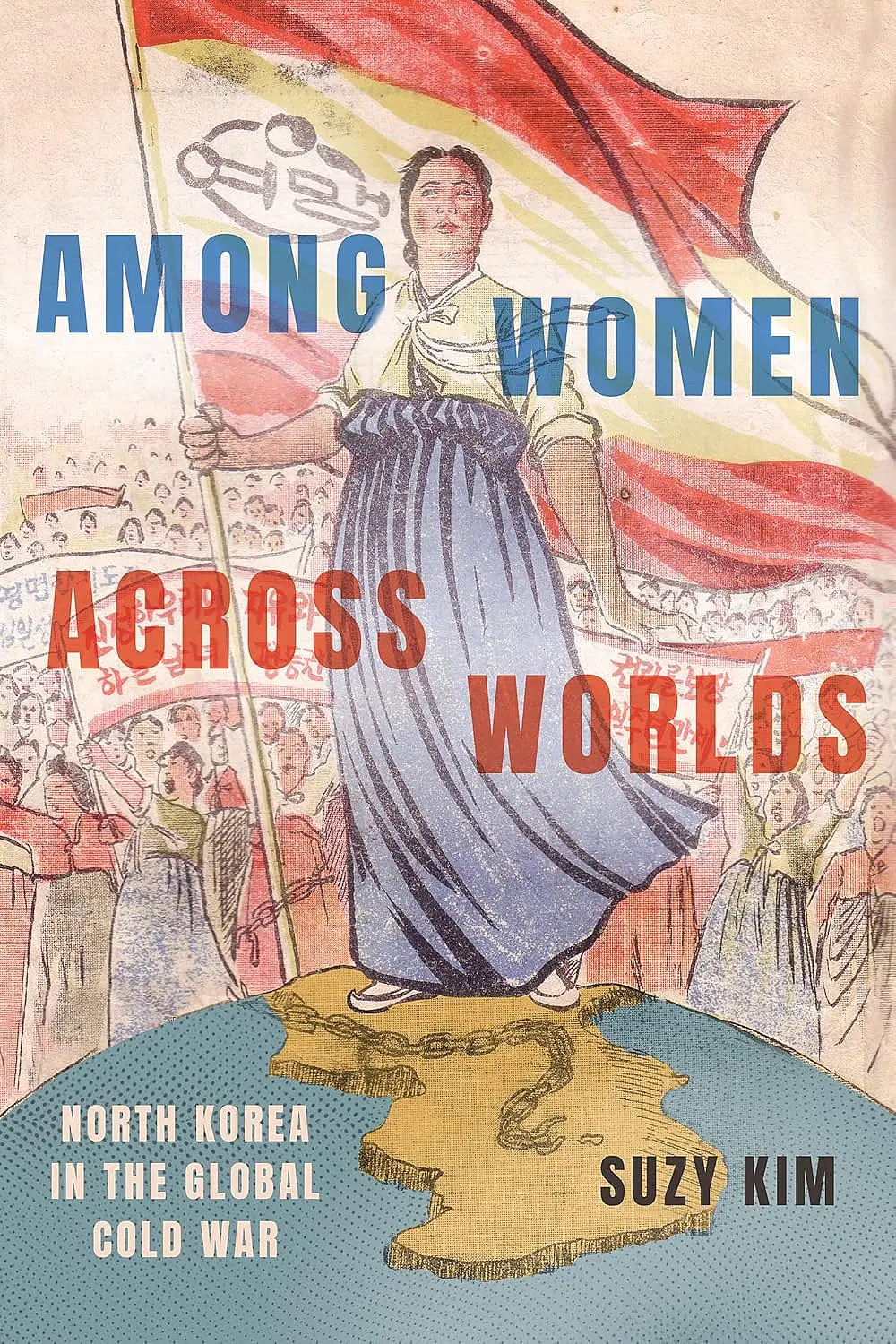
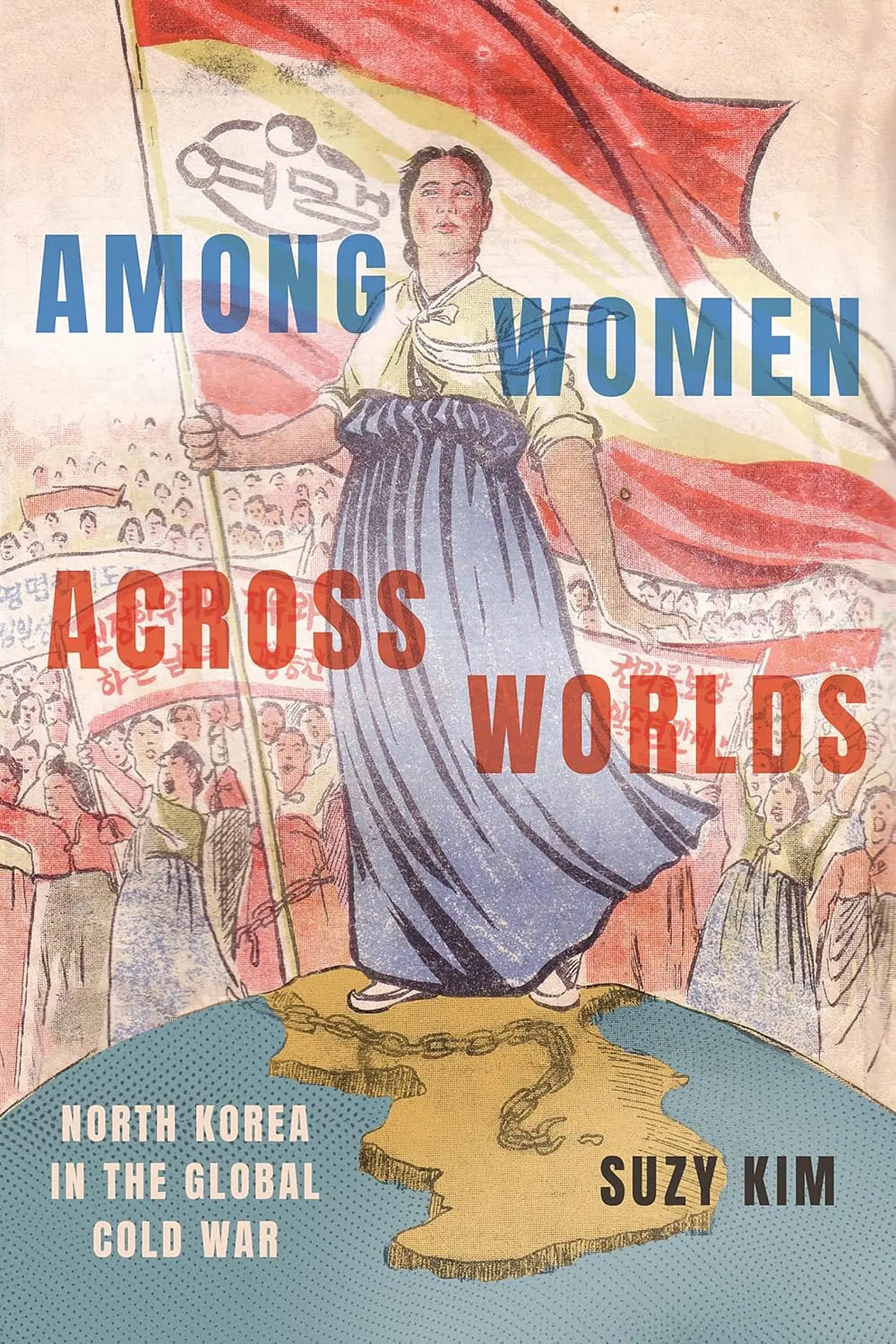
Titel:Among Women across Worlds : North Korea in the Global Cold War
Autorin:Suzy Kim
Erscheinungsjahr 2023
SignaturHQ1765.6 2023/1
E-Bookhttps://library.oapen.org/handle/20.500.12657/94185


“Moving beyond - and heavily critical of - the still common view of treating civic activities from North Korea as political theater, Among Women Across Worlds is a recovery of (and a tribute to) the history of socialist women’s contributions to peace and anti-imperial movement in the second half of the 20th century. A crucial way the book accomplishes this is by discussing how maternalism, feminism, and socialism converged to bring about a radical politics in which motherhood, now a matter of both public and private domains, became a collective political issue just as consequential as productive labor. 

[…]

Suzy Kim’s craft as a historian is at its apex in Among Women Across Worlds. Kim’s prose is bold, and every part of the book seems to have been thoughtfully designed and placed. The book has stunning images (all thirty-five of them), highly relevant texts-within-texts displaying primary documents, and wonderful satirical cartoons.”


- Rezension von Cheehyung Harrison Kim in Korea Journal (vol.64, no.1, pp.222 - 226)


Dezember 2025

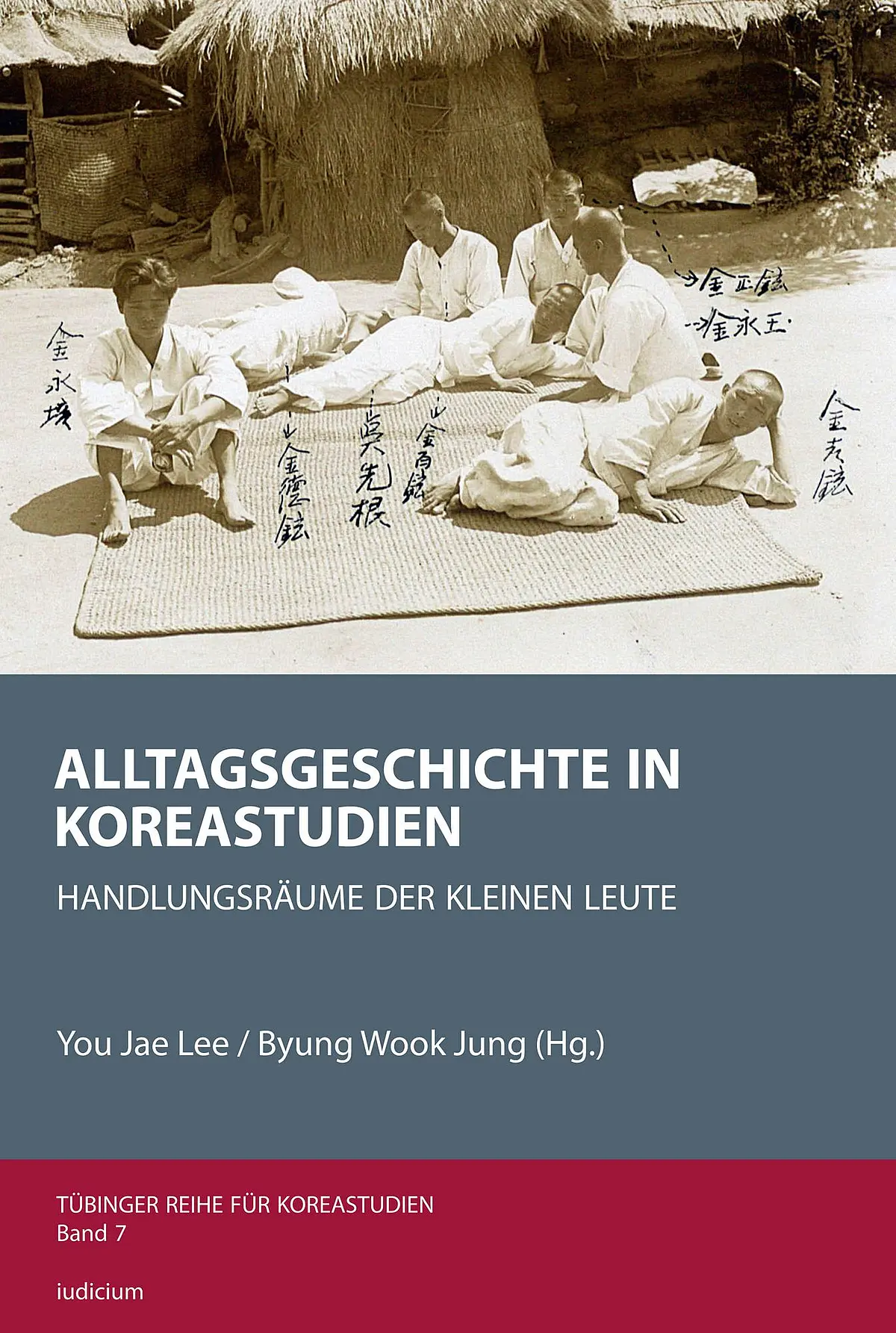
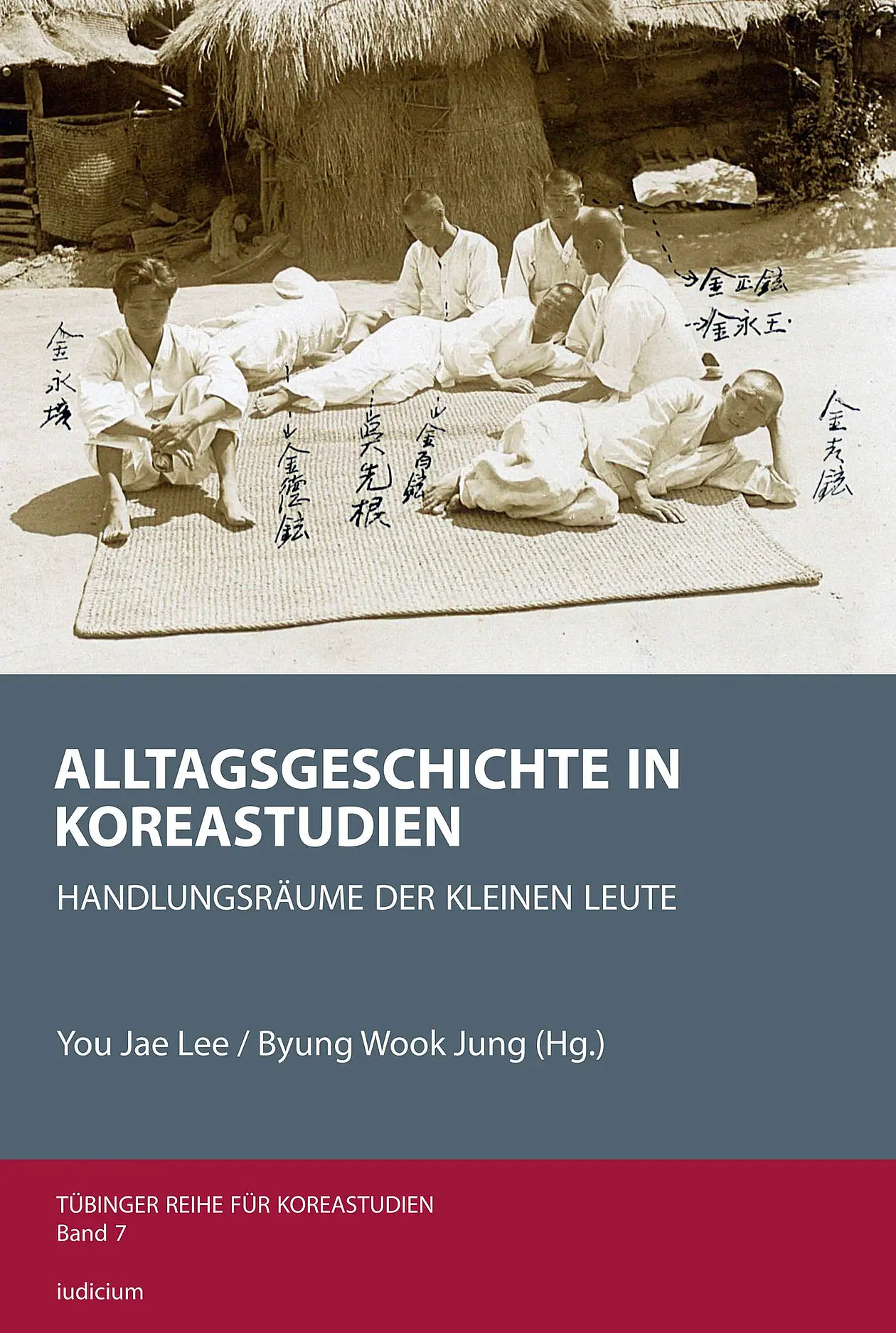
Titel:Alltagsgeschichte in Koreastudien
Herausgeber:Lee, You Jae und Jung, Byung Wook
Erscheinungsjahr 2025
SignaturD13 2025/1

Alltagsgeschichte ist eine junge historiographische Richtung in Koreastudien, die in engem Austausch mit deutscher Alltagsgeschichte entstanden ist. Sie beschäftigt sich mit den kleinen Leuten in der Geschichte, die sich ihre Lebensbedingungen aktiv aneignen. Damit eröffnen sie möglicherweise neue Wege, können aber auch die gegebenen Umstände verstärken. In expliziter Absetzung zu den Masternarrativen – wie Modernisierung, Kapitalismus, Nationsbildung, Kolonialismus, Patriarchalismus und Kalter Krieg – in makrohistorischer Perspektive, erschließen die in diesem Band versammelten Beiträge die individuelle Ausgestaltung der materiellen Realität der kleinen Leute „von unten“. 


Wie sichern Yangban-Frauen ihre Erbschaft, wenn der vermeintlich verschollene Ehemann zurückkehrt? Oder wie verteidigen Yangban-Witwen Grabstellen der Ahnen, wenn sie von anderen streitig gemacht werden. Was sagen die Majestätsbeleidigungen der Kolonisierten über ihr Verhältnis zu den Kolonialherren aus? Was gilt bei Mittelschülerinnen in den 1950er und 1960er Jahren als abweichendes Verhalten, das die öffentliche Moral störte und wie sollte es kontrolliert werden? Wie hingen Wetterphänomene und physische Gewalt im bäuerlichen Alltag in den 1960er und 1970er Jahren mit den lokalen Machtverhältnissen und sozialen Dynamiken zusammen? Warum war die Bewegung Neues Dorf in den 1970er Jahren für die Führungspersonen vor Ort so religiös-christlich geprägt? Wie konnten noch in den 1980er Jahren Straßenkinder in großer Anzahl gewaltsam interniert und systematisch misshandelt werden? Warum führte die Teilung Koreas zur Spaltung einer Gemeinde in Kyoto?


Der vorliegende Band ist als Einführung in die koreanische Alltagsgeschichte sehr gut geeignet.

- Iudicium Velag