Methodenzentrum

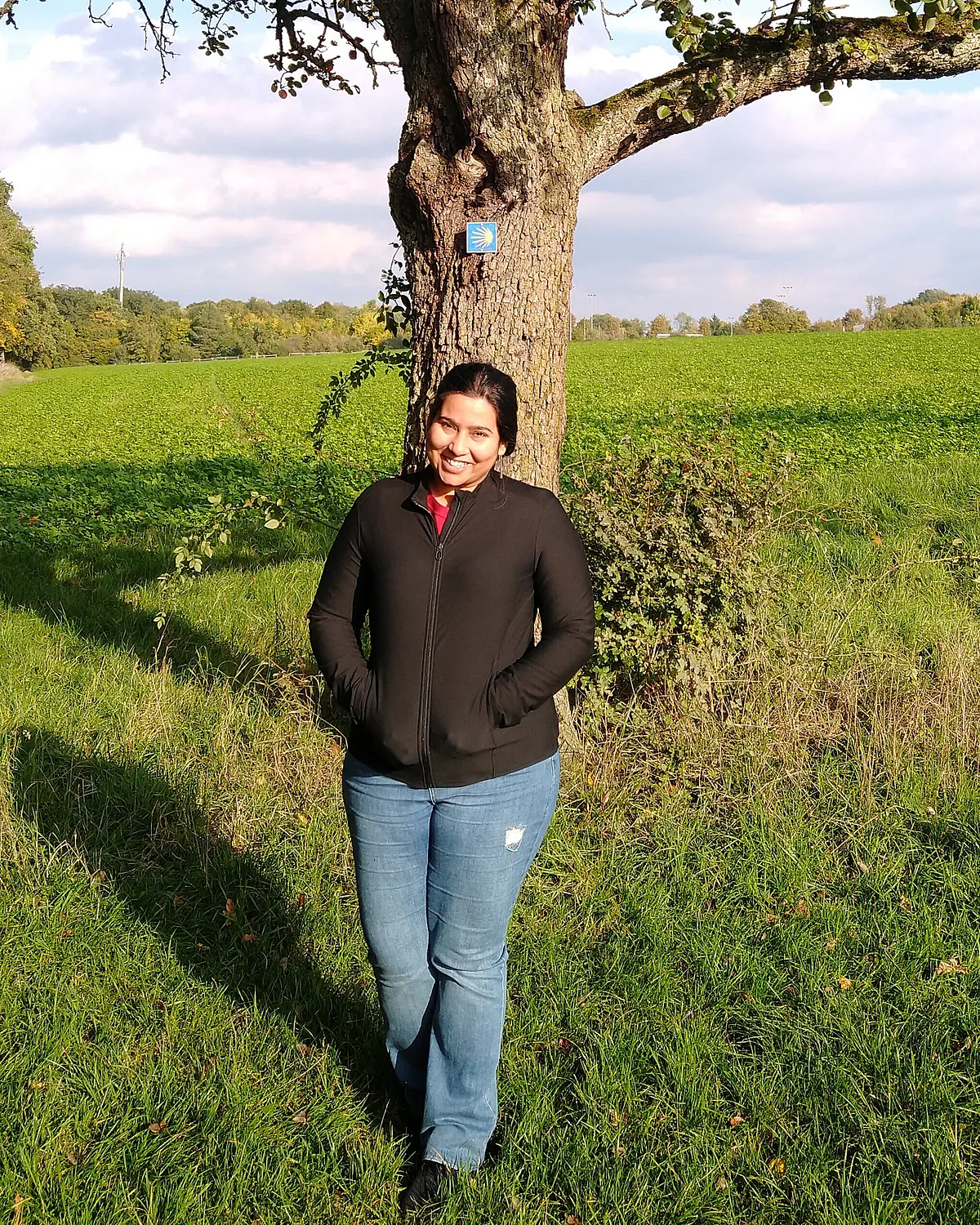
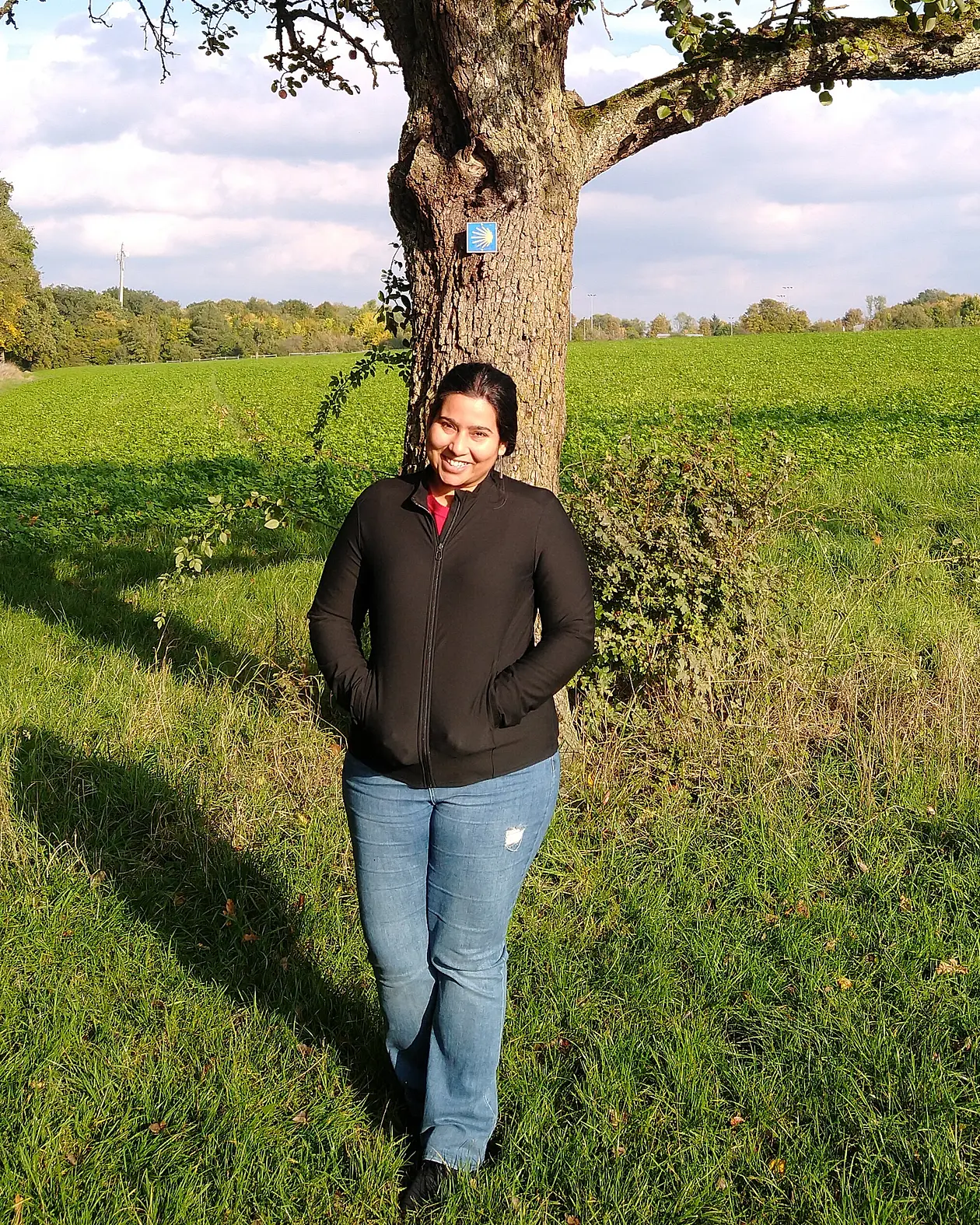
Dr. Ashwin Tripathi

Research Scientist at the Methods Center; Teach@Tübingen fellow 2025/26

Office
Methods Center
Haußerstr. 11
72076 Tübingen
Office hours
By appointment via E-Mail
ashwin.tripathi@uni-tuebingen.de


Key Research Topics

  • Ethnography
  • Mixed Method Approaches in Sociology
  • Time-Use methods
  • Aging, Leisure and Migration
  • Temporality and Spatiality

Research Projects

  • Understanding Migration and Aging Experiences of Older Indian immigrants in Germany (Current)

Profile

2025
Teach@Tübingen Fellow

Methods Center, University of Tübingen

2024
Post Doctoral Research Fellow

FLAME University, Pune

2023
Visiting Faculty

 KREA University, Sri City 

2018-2023
PhD Student

 Indian Institute of Technology, Gandhinagar

2016-2017
MA Student, Anthropology

 Queen's University of Belfast, UK

2013-2016
BSc Student, Anthropology

University of Delhi, India 


Publications

  • Samanta, T., & Tripathi, A. (2025). Introduction: Cultural Gerontology. In Handbook of Aging, Health and Public Policy: Perspectives from Asia (pp. 1-11). Singapore: Springer Nature Singapore.
  • Tripathi, A, Samanta, T. (2023). Third Agers in India: Empirical Evidence from Longitudinal Aging Studies in India (LASI), 2017-2018 (Journal of Applied Gerontology) Article
  • Tripathi, A; Samanta, T (2023). Social Engagement as leisure: Does it moderate the association between subjective wellbeing and depression in later life? (Frontiers in Sociology) Article
  • Tripathi, A; Samanta, T (2023). “I don’t want to have the time when I do nothing”: Aging and reconfigured leisure practices during the pandemic. Ageing International Article
  • Tripathi, A; Samanta, T (2022) Leisure as self-care in the times of the pandemic: Insights from a time-use diary study in India, Leisure Studies Article
  • Isaacson, M; Tripathi, A; Samanta, T; D'ambrosio, L; Coughlin J. 2020. ‘Giving voice to the environment as the silent partner in aging: Examining the moderating roles of gender and family structure in older adult wellbeing,’ International Journal of Environmental Research and Public Health. Article