Interdisciplinary Centre for Global South Studies

RTG 3105: Figurations of the Precarious in the Global South

2026: Spring Academy - Figurations of the Precarious in the Global South

ICGSS Spring Academy 

13–17 April 2026 

Convenors: 
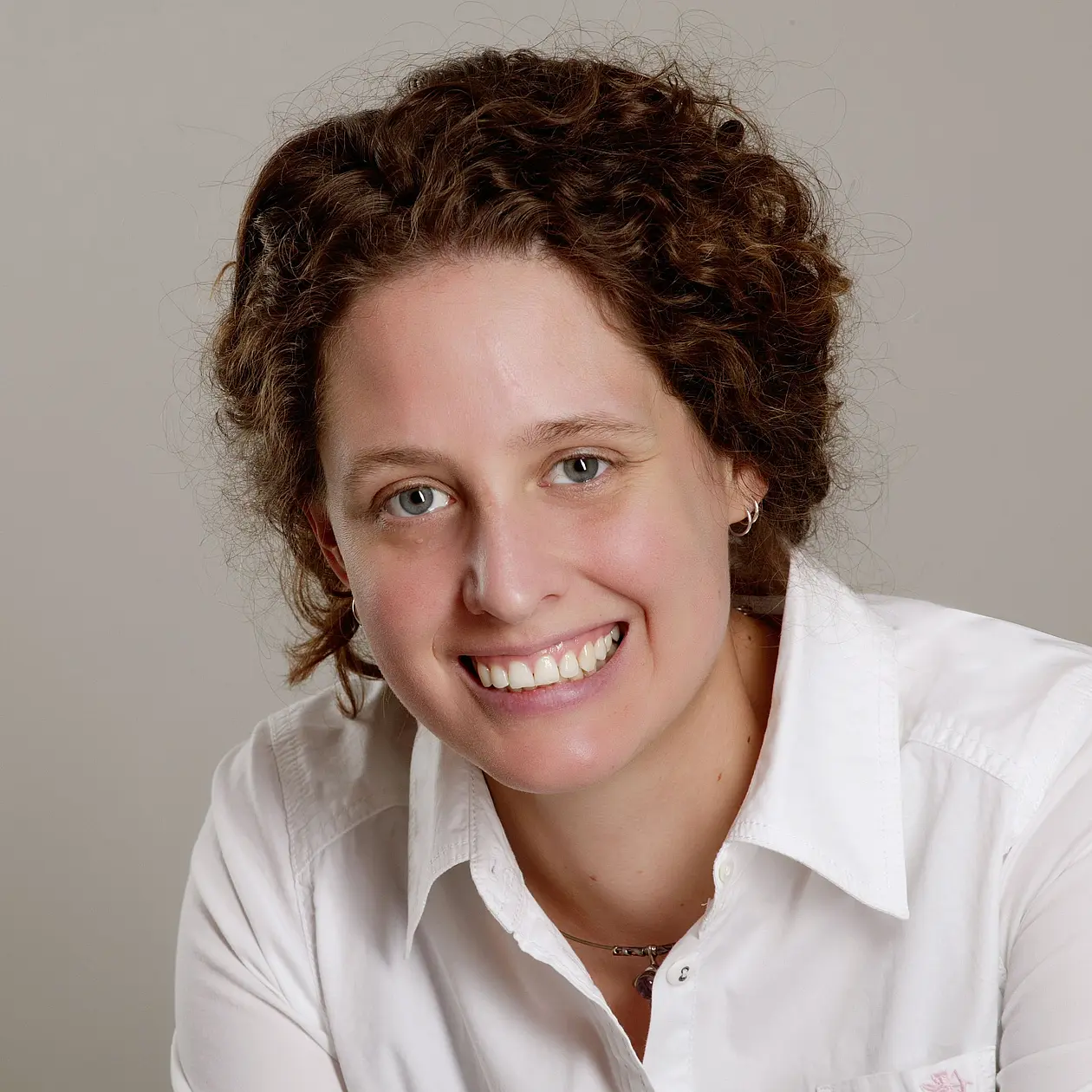
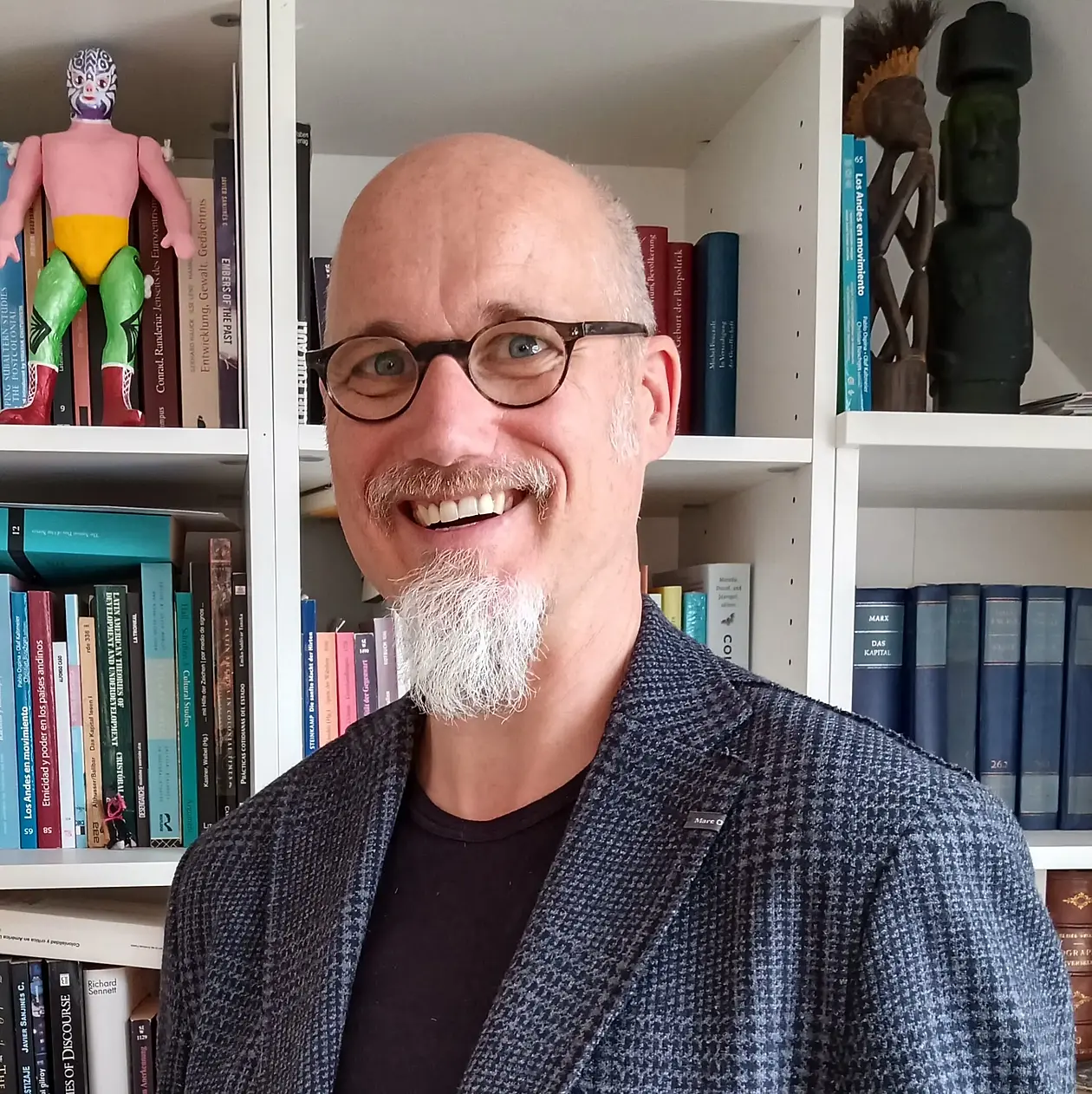
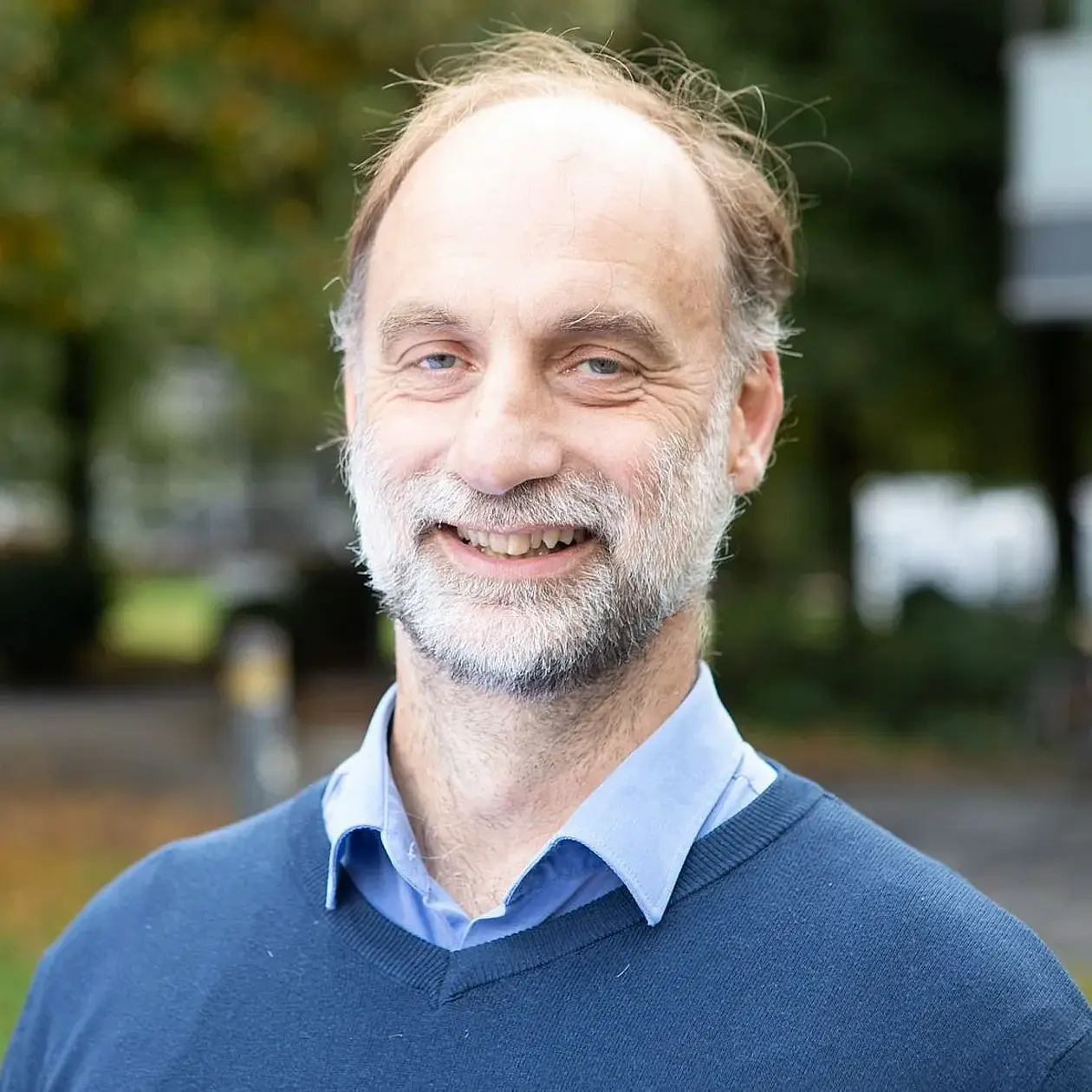
Esteban Morera Aparicio 
Kristell Pech Oxte 
Susanne Goumegou 
Sebastian Thies 
Russell West-Pavlov
Registration: eventsspam prevention@icgss.uni-tuebingen.de
Location: Neuphilologikum (Brechtbau)
Wilhelmstraße 50, 72074 Tübingen

Download Programm

Description:

In these times of political disruption and unfettered neoimperialism, Global South Studies have to engage with new or swiftly changing dynamics of precarisation across the South and in North-South Relations. This is why our 2026 ICGSS Spring Academy will take up the challenge of addressing Figurations of the Precarious in the Global South. Inspired by a ‘figurations’-based approach to social and cultural analysis as well as ‘proximity as method,’ we are interested in the ways individual and collective social actors perceive and interpret everyday situations, social conditions, and interactional scenarios as precarious. Which cultural references do they draw upon to make sense of precarity? Which tactics, strategies, navigational capacities, and repertoires of resistance do they mobilize to deal with the precariousness of their existence and the precarisation of their living conditions?

Conceived as a laboratory for interdisciplinary, international and intercultural dialogue on theory, methodology and practice, the academic programme of our Spring Academy is offered by diverse disciplines at the interstices of humanities and social sciences. Our international teaching staff comprises the RTG staff as well as visiting researchers, activists, artists and public intellectuals from Brazil, Colombia, India, Mexico, Senegal, South Africa, and Australia. A student project will explore the contribution of sound studies to decolonial thinking as it is our principal to think theory through praxis and research praxis through theory. 

The Spring Academy is open to doctoral and master's students from the humanities and social sciences interested in trans-area studies of Latin America, Africa, and Asia. 



PROGRAM

MONDAY, APRIL 13 - ROOM 033

8:30 - 9:00 Registration & Coffee

9:00 - 10:30 Welcome and Introduction

Sebastian Thies (RTG 3105-UT) Susanne Goumegou (ICGSS-UT) Kristell Pech Oxte (UT)

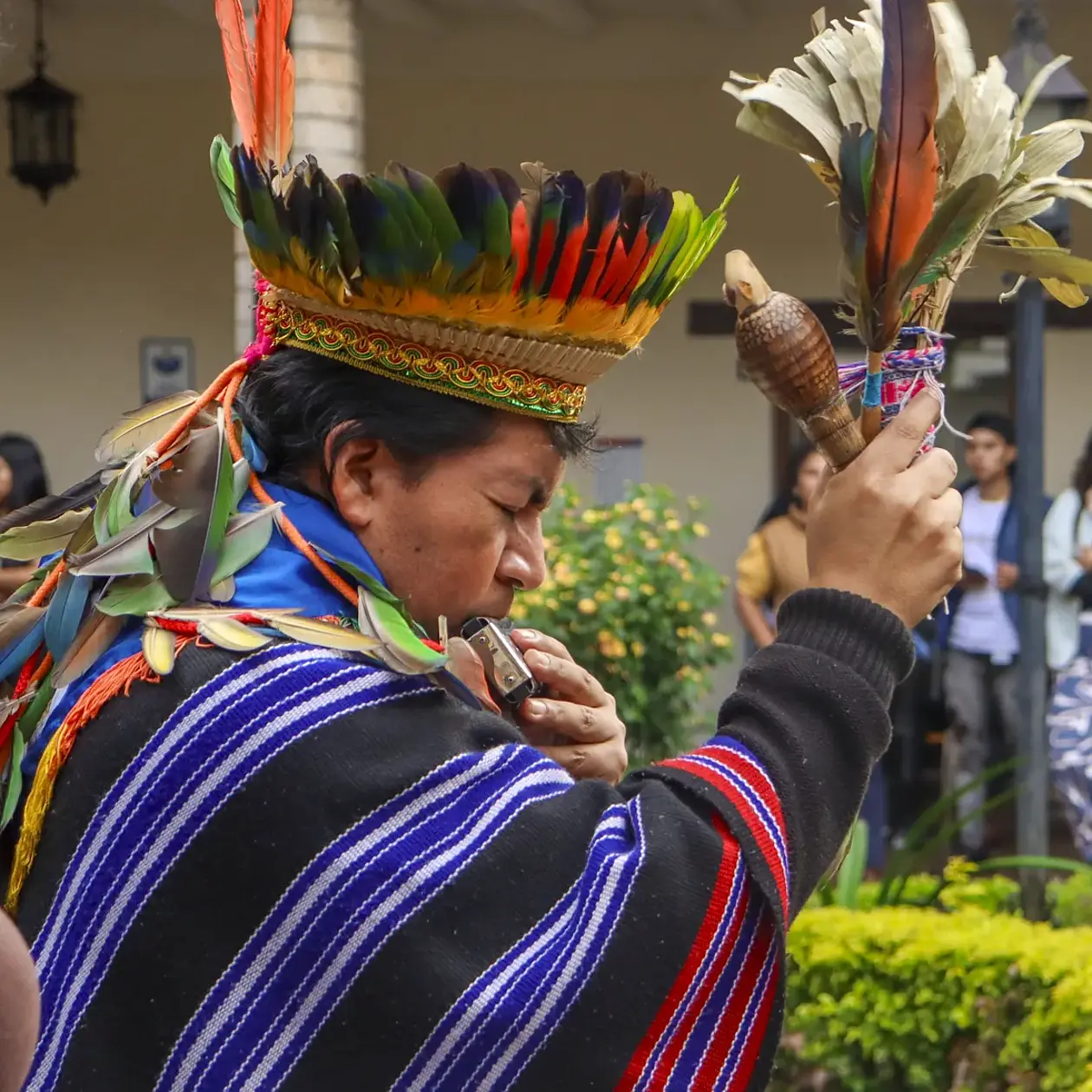
10:00: Welcome Ceremony 

Willian Mavisoy Muchavisoy (UniCauca)

11:00 - 12:30 Figurations of the Precarious (RT)

Susanne Goumegou, Sebastian Thies (UT), Ritu Vij (Aberdeen)

Roundtable: Figurations of the Precarious: New Directions in Global South Studies

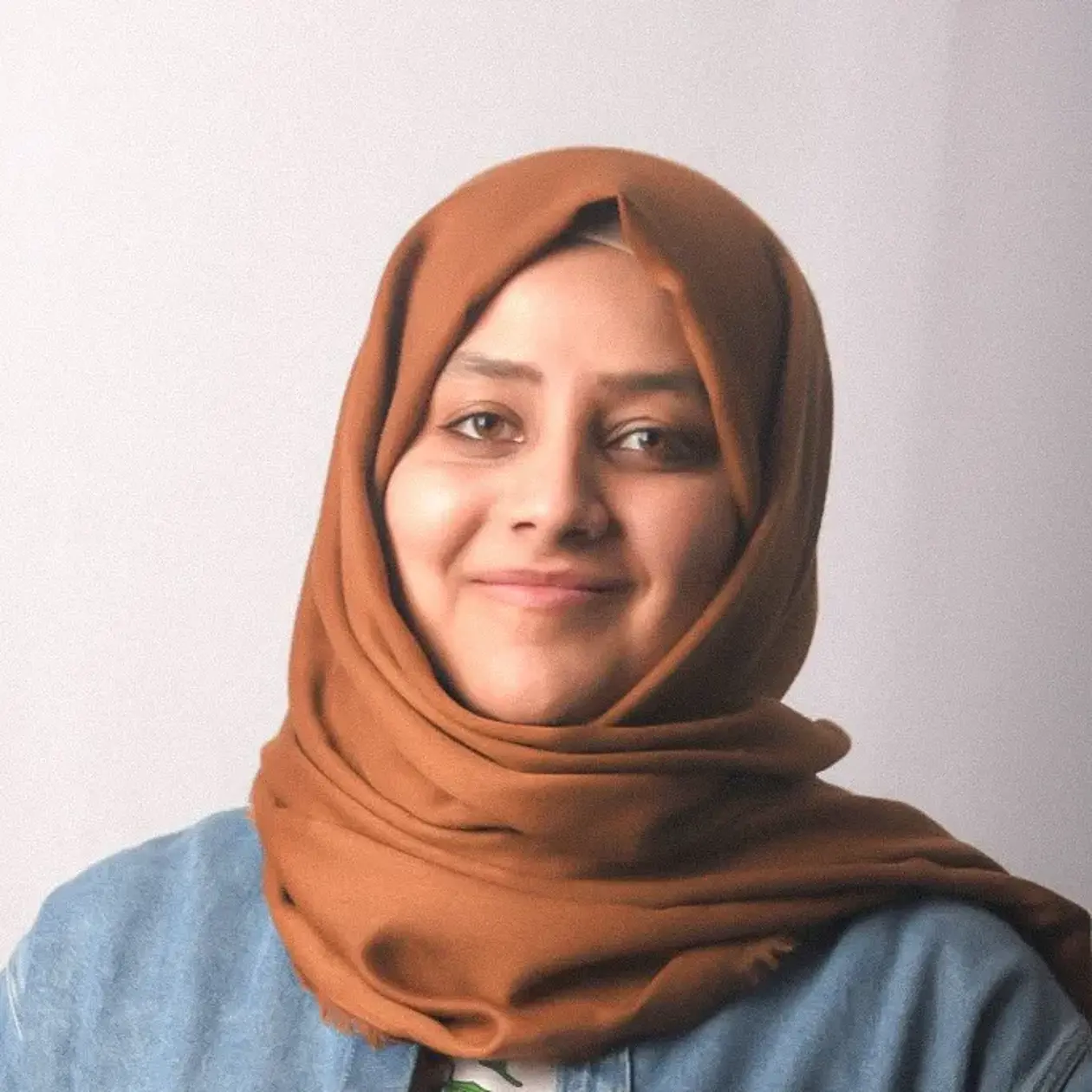
We have invited Ritu Vij, one of the most prominent critics of Eurocentric dark anthropology in precarity studies, to discuss with us new directions in the research on the precarious in Global South Studies. Together we will explore the potential of the precarious as a category for social, cultural and political analysis in the Global South and also approach possible ethical or geopolitical pitfalls of its terminological reach. While Ritu Vij’s critical take on precarity studies is originally informed by ongoing debates in International Relations, her thinking bridges epistemological cleavages between humanities and sociology, drawing strongly upon aesthetics and cultural philosophy. 
12:30 - 14:00 Lunch Break - After the break, the room will be 027

14:00 - 15:00 Proximity as Method (P)

Sebastian Thies, Russell West-Pavlov (UT)

15:15 - 16:15 Sonic Knowledge and Marginal Worlds (P)

Patrick Eisenlohr (Göttingen)

16:30 - 17:30 Neofeudalism and Precarity

Olaf Kaltmeier (CALAS, Bielefeld)

Presentation: Proximity as Method

Building on a recent collection of essays bearing the same title (Flemmer, Gill, Kosgei 2024), our discussion of “proximity as a method” engages with a series of current methodological and theoretical challenges in the humanities and social sciences that are closely linked to the figurations of the precarious. Following Lauren Berlant’s question of what it means to live (and to conduct research) “in the span of proximity, whether perceived as excessive closeness, radical alterity, or a vibrating field of objects bouncing off one another at perceptible or imperceptible speeds” (2022: 15), we will critically examine the fifteen axioms of proximity as method proposed in West-Pavlov (2024).


Presentation: Sonic Knowledge and Marginal Worlds

This lecture examines sonic atmospheres as epistemic events that reconfigure urban belonging beyond the limits of juridical citizenship. Taking the precarious position of Twelver Shiʿi Muslims in Mumbai as a central case, it argues that public ritual practices, especially Muharram processions and azadari performances, constitute forms of sonic knowledge that materialize presence in contested neighborhoods. In a city marked by communal violence, spatial segregation, and intense competition over housing and infrastructure, Shia Muslims inhabit the position of a minority within a marginalized minority. Rather than relying primarily on discursive claims to rights, they generate what interlocutors describe as mahaul: atmospheres that are somatically felt, spatially diffused, and collectively enacted.
Drawing on phenomenological theories of atmosphere, the lecture conceptualizes the sonic as vibrational energy that exceeds the boundaries between bodies and environments. Sonic practices such as recitation, lamentation, rhythmic intensification operate across a continuum from denotational language to non-denotative vocality, producing kinesthetic attunements that blend subjects and space. These atmospheres function as quasi-objective, eventful forces that temporarily transform urban territory into Shiʿi space, thereby articulating an atmospheric “right to the city.” By foregrounding the emotional and embodied dimensions of sound, the lecture proposes sonic knowledge as a distinct modality of meaning-making—one that does not merely represent belonging but enacts it, rendering marginal worlds experientially tangible and ethically charged.


Presentation: Neofeudalism and Precarity

The Americas are currently experiencing a massive acceleration in social inequality: hyper-wealth is concentrated in the top 1%, billionaires occupy the highest political offices, and luxury consumption as a sign of social distinction is on the rise. From a relational perspective, the increasing precariousness of all areas of life for the mayorities is the darker side of this process, that is here conceptualized as the refeudalization of capitalism.  


TUESDAY, APRIL 14 - ROOM 215

9:00 - 10:30 Precarizing/Un-precarizing Indigenous Rights

Jochen von Bernstorff, Ronica Vungmuankim, Rachel Macreadie (UT) Dirk Hanschel (Halle-Wittenberg) Online

Presentation and Workshop: Figuration Analysis of Neighborhood

Boris Nieswand, University of Tübingen

Manuel Dieterich, University of Tübingen


Roundtable: Precarizing/Un-precarizing Indigenous Rights

The roundtable discusses forms of interaction between state law and indigenous law. State law can afford full legal recognition of indigenous communities and their law, including - as a recent trend - in environmental law matters. In other situations state law works with only a limited recognition of indigenous rights and customary law, reserving implictly the right to sovereign state-interventions in case of allegedly overriding interests of the state-executive. This instantiates precarity in its most literal legal sense - that of a privilege granted on the condition that it can be rescinded at any moment.  It is the degree of precarity of local law in its relationship with state law that has fundamental repercussions for everyday life in indigenous communities triggerering strategies of adaptation and subterfuge.


Presentation and Workshop: Figuration Analysis of Neighborhood

In this seminar session, we will use Manuel Dieterich’s recently defended PhD thesis on two inequal neighborhoods in Johannesburg to explore the fundamental logics of figurational analysis and discuss ways to apply them to our own projects.
 

12:30 - 14:00 Lunch Break

14:00 - 15:30 Making Peace with Nature — Transdisciplinary Perspectives (RT)

Riccarda Flemmer, Thomas Potthast (UT), Andrzej Stuart-Thompson (Oxford), Amaya Querejazu (Universidad de Antioquia, online)

Chair: Jacky Kosgei

16:00 - 17:30 Project Workshop I: Sound Figurations

Sebastian Thies

Souraja Chakraborty

 Kristell Pech – Oxte (UT)

19:00 U paat-a'al paax/ Soundscapes of Precariousness

Ivonne Sánchez Becerril (UNAM) Daniel Figueroa

Roundtable: Making Peace with Nature—Transdisciplinary Perspectives

This roundtable explores transdisciplinary perspectives on “making peace with Nature” as a defining task of the 21st century, echoing UN Secretary-General António Guterres’ call for a transformative rethinking of human–Nature relations. Bringing together speakers from biology, international relations, political science, and literature, the session examines how epistemic and ontological assumptions shape environmental politics and practices, and what it means to conceptualize “peace” beyond human-centered frameworks. Contributions address knowledge politics in biodiversity and conservation, the role of international organisations and civil society in global environmental governance, and the ways artistic and literary engagements challenge dominant representations of Nature. The discussion also reflects on historical shifts in human–land relations and how to differentiate between diverse experiences without essentializing them.

Project Workshop I: Sound Figurations

In this workshop, we seek to apply the methodological concepts of pedagogy of proximity and of creative communality (Albán Achinte) to explore the meaning of sound figurations and encourage a decolonial approach to the precarious. Throughout the week, we will work in small groups in an artistic research dynamic, producing sound materialities that allow us to think about theory from practice and practice from theory. The project consists of three in-person sessions: a thematic introduction, a deep listening experience, a creative and self-managed workspace and, at the end of the week, a presentation at the Brechtbau Theater.

U paat-a'al paax/ Soundscapes of Precariousness: Noise, Interference and Sound in the Textures of Daily Life in Mexico

Our participation consists of two interconnected components. First, a conference presentation will examine precarity through selected stochastic processes derived from real-time and historical data—economic indicators, security data, natural phenomena, and social metrics—placing these quantitative fluctuations in dialogue with geopolitical narratives from the Global South. Focusing particularly on Mexico, the presentation proposes a translation between abstract data volatility (such as financial indices, commodity prices, or currency exchanges) and the lived realities of socio-political vulnerability, revealing how global oscillations materialize within historically structured forms of precarity. Second, an Installation-Concert will translate these same data streams into an audiovisual environment, where real-time and historical datasets are projected visually and transformed into algorithmically generated sound. These outputs will form the basis of an improvised performance in which the performer interacts with and intervenes in the evolving data landscape.

WEDNESDAY, APRIL 15 - ROOM 215

9:00 Sounding the classroom - Deep Listening Practice

Carola Lorea (UT)

Project Workshop II: Sound Figurations

Sebastian Thies (UT), Kristell Pech Oxte (UT)

Workshop: Sounding the classroom- Deep Listening Practice

Sonic methods as tools for a pedagogy of epistemic justice:

Modern academia remains shaped by visualist and scriptist biases that privilege sight and
text as the dominant modes of knowledge production. Despite growing critique from
sensory and media anthropology, these biases continue to structure classroom practices,
reinforcing colonial and culturally imperial hierarchies of knowledge. This paper draws on
scholarship from sensory anthropology and Global South epistemologies to explore how
sound and sonic media can disrupt these dominant paradigms and contribute to epistemic
justice.
Anthropology students are overwhelmingly taught how to read and write through readings
and written assignments. Yet, decisions around sensory modalities and media formats are
deeply political. They reflect dynamics of domination and resistance, shaping whose
knowledge is valued and how it circulates. Training sound and using sonic media in the
classroom appear then to be not only one choice among many exercises, activities and
assignments for an engaging “multisensory classroom”, but also potential tools towards
epistemic justice. Drawing from my courses on “Anthropology of Sound,” “Sonic
Ethnography,” and “Religion and Media,” I present a range of classroom practices that
center listening and sonic production. These include collaborative playlist-making, podcast
and sound paper analysis, training in field recording and audio editing, and using podcasts
and sound compositions as legitimate academic outputs. Techniques such as playback,
dialogic editing, and soundwalks further cultivate embodied, collaborative modes of
knowing. These methods are contextualized within histories of listening and musical
epistemicide, encouraging students to engage with alternative sensory epistemologies and
expand their capacities for critical, decolonial listening. Beyond enhancing engagement,
such sonic practices foster community-building through group work and shared songs.
Ultimately, this paper invites fellow educators to collectively foster a long-lasting, translocal
network of practitioners committed to a pedagogy of epistemic justice.

Project Workshop II: Sound Figurations

12:30 - 14:00 Lunch Break

14:00 - 15:30 Reinventing the University in Times of Precarity (RT)

Karin Amos (UT), Mamadou Dramé (UCAD), Ruksana Osman (Wits), René Ramírez (UNA)

Chair: Keyvan Allahyari (Jena), Russell West-Pavlov (UT)

16:00 - 17:30 Voicing the Precarious and Cultures of Listening (WS)

Susanne Goumegou, Karin Polit (UT), Brahma Prakash (JNU)

Roundtable: Reinventing the University in Times of Precarity

The 2015 protests in South Africa around the slogan ‘#Fees Must Fall’ were drive in the first instance by a the increasing precarization of my students who found themselves under pressure from a simultaneous hike in university fees (against the background of ongoing ‘state capture’) and in the costs of living. The protests expanded to merge calls for decolonization under the banner of ‘#Rhodes Must Fall.’ Socioeconomic precarization segued into a cry for the reinvention of the university shorn of its residual colonial affiliations in terms of personnel, curricula, and epistemological foundations. This panel takes up the ongoing swell of protest against structures of precarization in the Global South that run parallel to the ‘precarious’ (etymologically, granted privileges on a condition and contingent basis) status of many students within institutions that continue to flout their elite stats. The panel suggest that only an education sector – whether in the South or in the North – urgently needs to continue the work of confronting and acknowledging its colonial legacy – only in this way will it be able to truly develop the epistemological toolkits and the pedagogical relationships that will truly make it a power-house of innovation capable of genuinely suggesting solutions to a planet in peril. This task is urgent, for precarization is a creeping process that envelops more and more populations, in particular those of the younger generations for whom education is less and less able to guarantee a sense of future perspectives. 

Workshop: Voicing the Precarious and Cultures of Listening

This panel addresses the issue of the presumed voicelessness of precarised people in a dialogue between performance studies, literature studies, and anthropology. We will, on the one hand, discuss questions related to performative practices of subaltern communities in India, on the other reflect on practices of social or cultural mediation, including the culture of listening which is needed. Four questions are at the centre of our interactive panel: How can art serve to voice the struggles of marginalised communities? What is the role of literature in voicing experiences of precarised people? What does voicing the precarious tell us about the importance of positionality in our area of research? And finally: What does all this imply for a culture of listening?

THURSDAY, APRIL 16 - ROOM 027: 9:00 - 15:30 ROOM 327: 16:00 - 17:30

9:00 - 10:30 Migration and Precarity in the Global South (RT)

Bani Gill (UT), Salah Punathil (Hyderabad), Birgitte Stampe Holst (ZMO, Berlin),  Jagat Sohail (MPI Halle)

11:00 - 12:30 Decolonial Approaches to Re-existence and Creative Communialities (P)

Adolfo Albán Achinte (UniCauca)

Chairs: Kristell Pech Oxte and Sebastian Thies (UT)

Roundtable: Migration and Precarity in the Global South

How do we understand the shifting nexus between migration and processes of precarity and precarisation across the Global South? In what ways are contemporary transformations—including intensifying nationalisms, war and conflict, contested forms of citizenship, hardened border regimes, shifting land markets and questions of labour as also identity —reshaping regimes of mobility and immobility? What new forms of resistance are emerging in this moment? This roundtable reflects on the profound sociopolitical reconfigurations reshaping the Global South and their implications for migration and mobility including rural–urban movements, cross-border and transnational migrations, forced displacements and evictions. Rather than treating precarity as a static condition, the roundtable aims to rethink precarity as a terrain of collective struggle and political imaginations.

Conversatorio: Decolonial Approches to Re-existence and Creative Communalities

Together with Adolfo Albán Achinte, we will explore two of his greatest contributions to decolonial thought in Latin America: the concept of re-existence and that of creative communality. Trained as an artist and a scholar of communication and cultural studies with extensive teaching experience at the Universidad del Cauca, Adolfo Albán Achinte has been one of the key contributors to Latin American critical thought with strong ties to liberation pedagogy and decolonial philosophy, showing a strong interest in the construction of knowledge in dialogue with indigenous and Afro-Colombian movements. Through his focus on processes of aesthetic, social, and political co-creativity, Adolfo Albán Achinte's thinking helps us reflect on what it means to confront precariousness, oppression, and marginalization from the experience of proximity and solidarity.

12:30 - 14:00 Lunch Break

14:00 - 15:30 Decolonial Soundscapes (RT)

Felipe Trotta (UFF), Tom Peterson, Yaoreipam Makang (UT)

Chairs: Sebastian Thies and Kristell Pech Oxte (UT)

16:00 - 17:30 Decolonial Soundscapes: Thinking together the KósmOfrenda Bíolugargogìa (RT)

 Willian Mavisoy (UniCauca), Felipe Trotta (UFF), Tom Peterson, Yaoreipam Makang (UT)
Chair: Esteban Morera (UT)
 

19:00 Public Outreach Concert: "Veredas sonoras do Sul"

Location: Café Haag

Vor dem Haagtor 1, 72070 Tübingen

Roundtable: Decolonial Soundscapes

Since the 1980s, sound studies have invited us to move beyond the hegemony of the visual and suggest that the “sound organization” (Attali) of a given society offers a shortcut to a deeper understanding of power relations. In this panel, we follow this general line of argument by considering sound as a device of power and aesthetics that profoundly transforms the perception of time and space. From this perspective, we find it particularly revealing to explore the relationships between (de)colonial soundscapes and the dynamics of precarization. Soundscapes impact deeply on how subjectivities evolve in space conditioning social relations in any given situation. We are interested in how these effects are achieved both through the physical materiality of sound and its symbolic frames, closely related to the control one may have (or not) over a sound source. Experiencing sound and music means getting in contact with cultural codes, instruments, values, rituals and social practices of one another. Producing sound, on the other hand, implies also a sort of agency that helps break through precarizing conditions, articulate oneself across spatial and social divides, creating the forms of proximity and affective ties that may build a however short-lived sense of the common.

Roundtable: Decolonial Soundscapes: Thinking together the KósmOfrenda Bíolugargogìa

This roundtable discussion brings together Professor Willian Jairo Mavisoy Muchavisoy and guest scholars from Brazil, the United Kingdom, and India to reflect on his proposal: “the KósmOfrenda Bíolugargogìa of Mother Earth–Cosmos–Ancestors—an act to heal higher education and humanity through the natural embodiment of the Great Kauka”—and to engage it in dialogue across diverse epistemic contexts.
He proposes the KósmOfrenda Bíolugargogìa as an act aimed at healing higher education and humanity through a reconnection with Mother Earth, the cosmos, and the ancestors.  It seeks to share the origin and meaning of this proposal through the natural corporeality of the Great Kauka in Abiayala, understood as a space-time of dialogue among diverse human and non-human “ways of knowing-being.”
It also addresses the Andean-Amazonian medicinal relationship with yagé or ayahuasca as a pathway for articulating natural curiosity with co-creative research, building bridges between ancestral knowledge and academic paradigms. Within this framework, it raises the question of how the university might create spaces for engaging with these forms of wisdom without imposing Western theoretical frameworks.
Part of the response emerges from the experience of a collective of “sentipensantes” (feeling-thinking subjects) from the University of Cauca, which fosters reconnection with the ancestral and promotes “intercultural cosmobility.” This concept refers to ways of knowing and moving that go beyond Western linearity, emphasizing ongoing reconciliation among humanity, Earth, the cosmos, and contemporary realities.
 

FRIDAY, APRIL 17 - ROOM 215

9:00 - 10:30 Experiencing the Precarious via Creative Writing (WS)

 Adalberto Müller (UFF), Uzma Falak Mehraj (UT), Brahma Prakash (JNU)

Chairs: Susanne Goumegou, Russell West-Pavlov (UT)

Workshop: “Experiencing the Precarious via Creative Writing”

The workshops and the following round table explore the potential and limitations of making sense of the precarious in aesthetic creation. In a first step, we want to draw on reading experiences and creative writing in order to reflect on ways of how to deal aesthetically with precarising experiences. In a second step, we will discuss how literature can help to trace the ephemeral order of threatened and precarious experiences without spectacularising the precarised other. Further questions can be: How to deal with the challenge that precarisation, contingency and existential threat pose to the order of the sensible and intelligible? How to create a voice when sovereign subjectivity is undermined by the sense of exposure to the precarious?”


12:30 - 14:00 Lunch Break

14:00 - 15:30 Writing the Precarious: Ethics and poetics (RT)

Adalberto Müller (UFF), Uzma Falak Mehraj (UT), Ivonne Sánchez Becerrill (UNAM), Brahma Prakash (JNU)

Chair: Susanne Goumegou

16:00 - 17:30 Project Presentation (Brechtbaubühne)

Chairs: Esteban Morera, Sebastian Thies (UT)

Roundtable: Writing the Precarious: ethics and poetics

Project Presentations

Chairs:

 Esteban Morera

 Sebastian Thies

SATURDAY APRIL 18: KósmOfrenda by Willian Jairo Mavisoy Muchavisoy

Meeting Point: Main entrance of the Brechtbau

Time: 2:00 – 5:00 p.m.


Partner Universities: