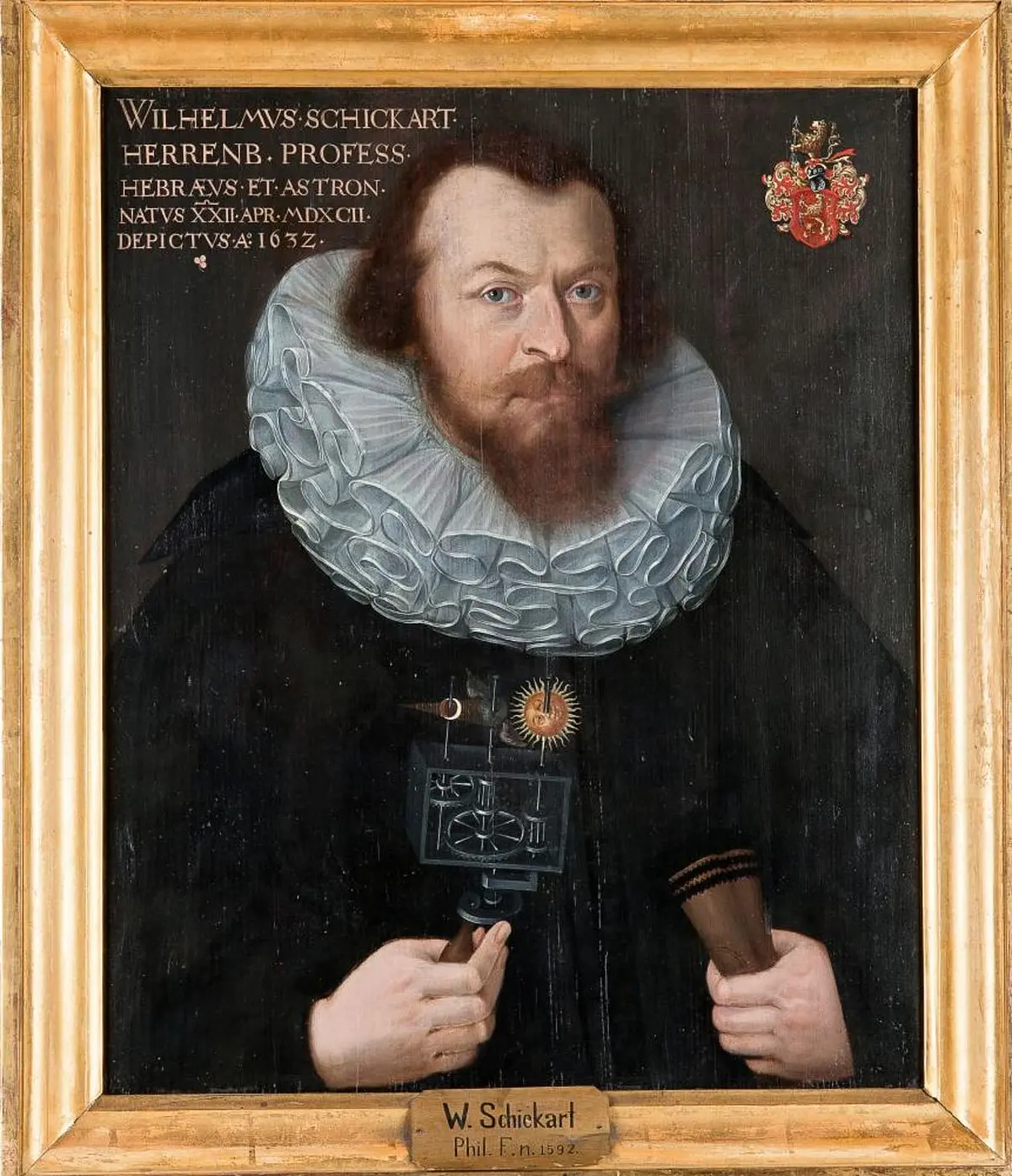
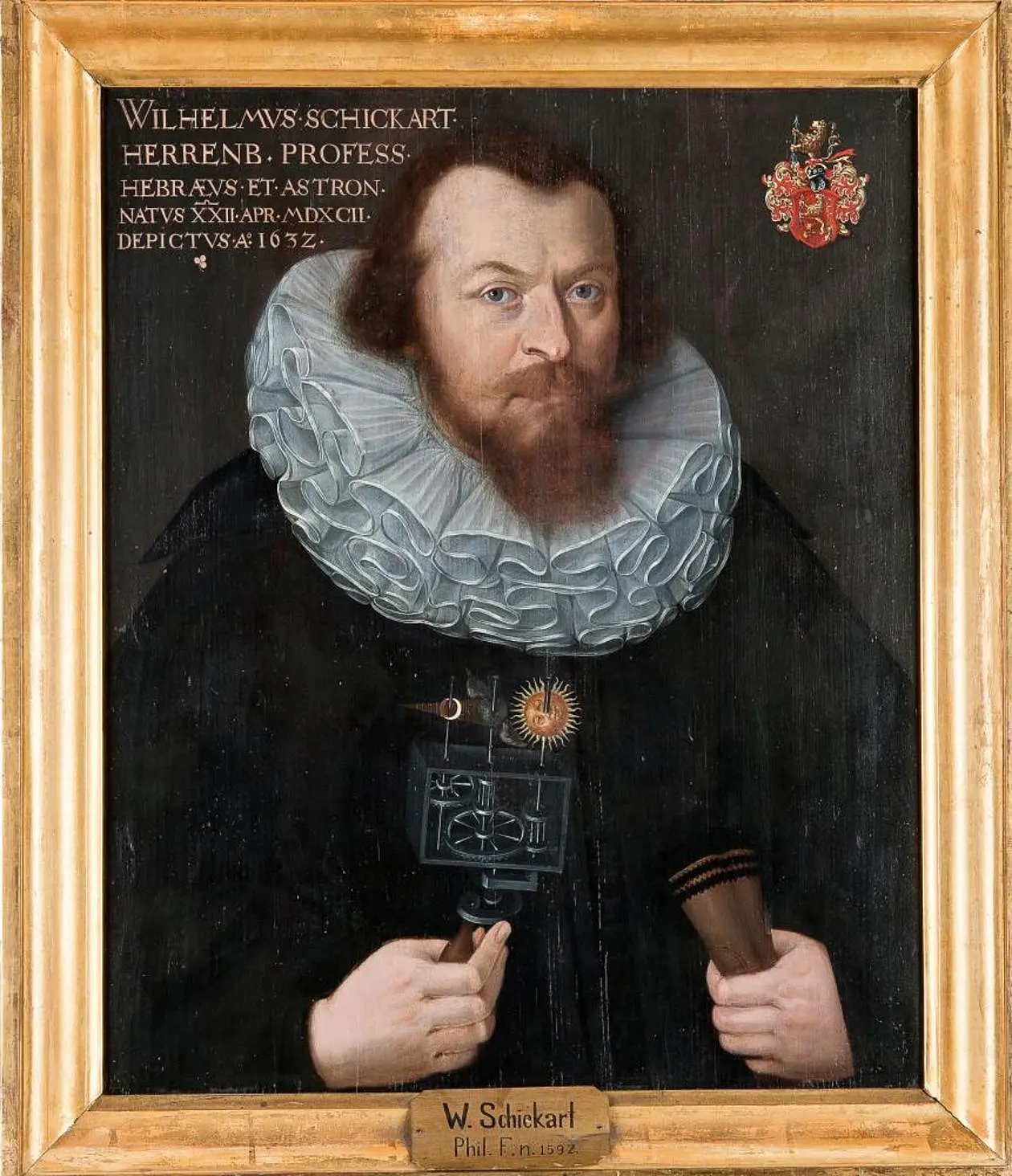
Wilhelm Schickard Dissertation Award
Dr. Leena Chennuru Vankadara – Towards a Theory of Learning under Extreme Non-identifiability: Through the lens of causal learning and kernel clustering
Honorable Mention
Dr. Athina Gavriilidou – Evolutionary investigation of bacterial biosynthetic gene clusters at multiple scales
Dr. Christian Gumbsch – Learning Event-Based Temporal Abstractions for Hierarchical Prediction and Planning
Dr. Denis Hirn – New Compilation Methods for Complex User-Defined Functions
Dr. Zhijing Jin – Causality for Natural Language Processing
Dr. Marilyn Justine Keller – Beyond the Surface: Statistical Approaches to Internal Anatomy Prediction
Dr. Maximilian Pfister – Algorithms and Combinatorics for Beyond Planar Graphs
Dr. Maximilian Johannes Seitzer – On Structured Object Representations: Benefits for Autonomous Agents and Real-World Discovery
Dr. Omid Taheri – Modeling Dynamic 3D Human-Object Interactions: From Capture to Synthesis
Dr. Frederik Joshua Träuble – Learning to Generalize Across Distribution Shifts
Dr. Marin Vlastelica Pogančić – Structured, Constrained and Creative Learning
Dr. Václav Voráček – Certified Adversarial Robustness With Domain Constraints