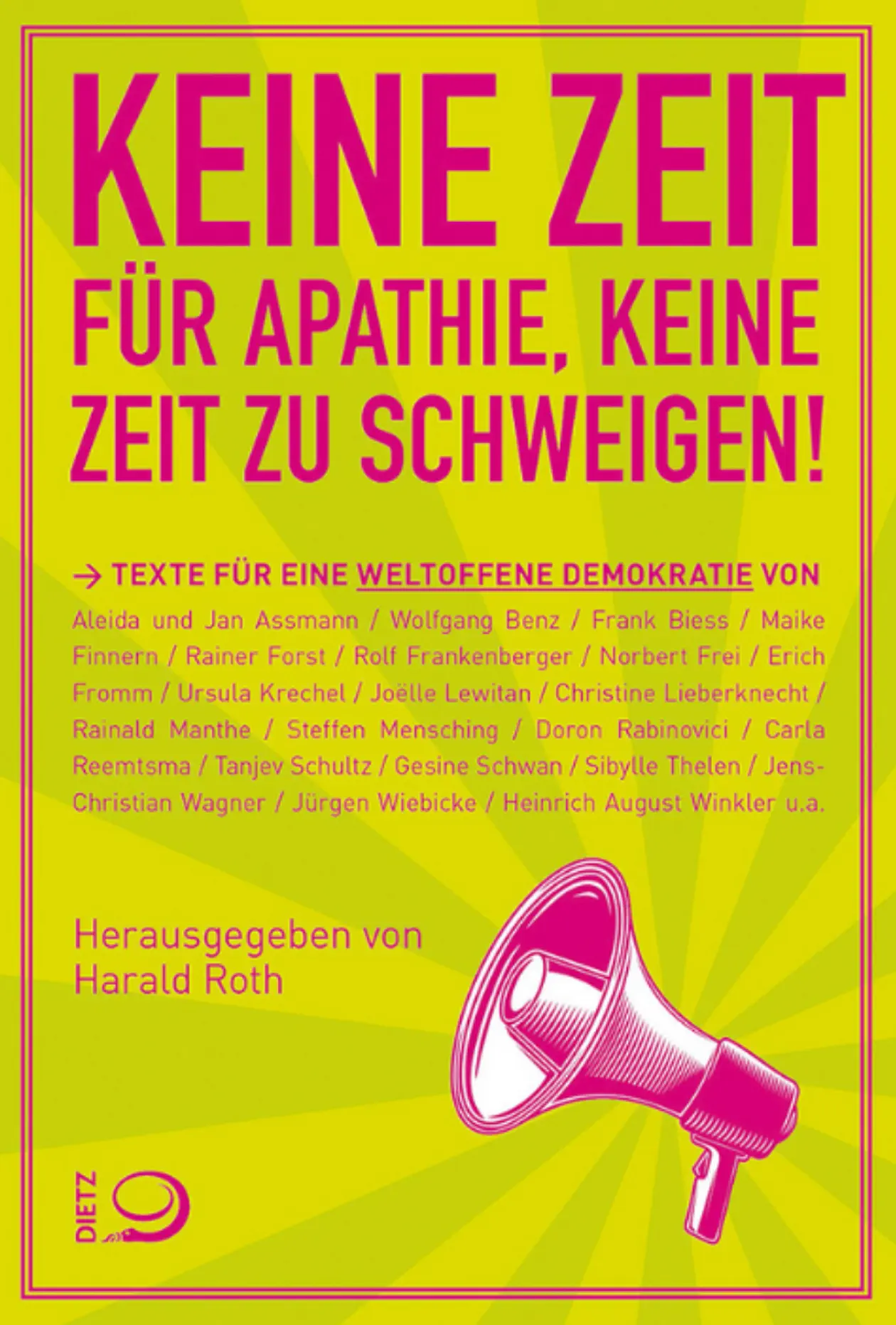
Author: Rolf Frankenberger, edited by: Harald Roth
The far right can no longer be viewed merely as a marginal political milieu, but rather as a key player in the struggle for social interpretative power, cultural hegemony and political dominance. This article examines how far-right movements and parties in Europe are shifting discourses, redefining the boundaries of what can be said, and transforming power relations in liberal democracies.
Starting with a conceptual classification of the ‘new’ far right, Rolf Frankenberger demonstrates that its programme and strategies can be productively analysed using approaches from fascism theory. At the same time, the text makes it clear that the contemporary far right cannot be reduced to historical analogies, but must be understood as a modern, adaptable and discursively influential project. In a second step, drawing on Michel Foucault, the article examines how power, discourse and knowledge intertwine in the right-wing culture war and how, in this way, social norms are shifted. The article combines precision in the history of ideas with an analysis relevant to the present day and offers a theoretically grounded approach to understanding the far right as a contemporary cultural, political and power-strategic formation.
The article was published in February 2026 in the anthology *No Time for Apathy, No Time to Remain Silent*, edited by Harald Roth, by Dietz Verlag (pp.107-119).