College of Fellows

Global Encounters: Neighbourhoods

Nachbarschaften werden in vielen Disziplinen – von der Stadtplanung bis hin zu Oral Histories und Archäologie – zunehmend als Orte globaler Begegnungen verstanden. Die Kohorte der Global Encounters Fellows im Jahr 2024 bringt Wissenschaftler*innen zusammen, die an einer oder mehreren der folgenden Forschungsfragen arbeiten: Inwiefern sind lokale Nachbarschaften global? Was garantiert den Zusammenhalt in Nachbarschaften, und wie gehen sie mit Konflikten und Widersprüchen um? Welche Formen von Nähe, Privatheit oder Distanz sind notwendig, damit Nachbarschaften existieren? Welche konzeptionellen Instrumente werden (narrativ, politisch, juristisch, staatlich, praxeologisch, religiös usw.) eingesetzt, um Nachbarschaft zu gestalten? Welche zeitlichen Maßstäbe werden verwendet, um Nachbarschaft zu imaginieren und zu erzählen, und welche räumlichen Modelle (geografische, architektonische, planungsbasierte) dienen der Reflexion und Artikulation? Wie verändern Kräfte der Globalisierung, der Migration und der Digitalisierung, wie Nachbarschaft gemacht und gedacht wird? Welche Vorstellungen von Homogenität oder Heterogenität liegen Konzepten der Nachbarschaft zugrunde? Unterscheiden sich Nachbarschaften signifikant voneinander, unabhängig davon, ob sie im globalen Norden oder im Süden liegen – oder innerhalb sich überschneidender Zwischenbereiche (z.B. eines Nordens im Süden)? Sind diese Kategorien für die Konzeption zukünftiger Nachbarschaften von Nutzen? Was sind die Parameter einer Nachbarschaftsforschung, die für die Herausforderungen des 21. Jahrhunderts gerüstet ist?

Aktuelles

CfP: 21. März 2025 – Workshop: Neighbourhood and Policing

The idea of neighbourhood has been studied from various perspectives including geography (Keller, 1968; Morris & Hess, 1975; Chaskin, 1995), spatial (Suttles, 1972; Galster, 2019), urban planning/designer (Kallus & Law-Yone, 2000; Colquhoun, 1985; Lynch, 1960) and sociology (Hunter, 1974, 1979). A few scholars have also attempted to integrate social and geographical perspectives to understand the idea of the neighbourhood (Hallman, 1984; Warren, 1981; Downs, 1981). The neighbourhood is not just understood as a territorial boundary but also considered as a series of overlapping social networks (Castells, 1997; Schoenberg, 1979) and their role is to promote a sense of community and social cohesion (Forrest & Kearns, 2001) and a sense of identity (Morrison, 2003). However, the idea of neighbourhood is understudied and less explored from a policing perspective. Find more on CfP here.

Veranstaltungen

30.-31. Januar 2025
Global Encounters Workshop
The Complexities and Dynamics of Social Interaction and Encounters in Neighborhoods

Die Focus Group Neighbourhoods am College of Fellows und die Global Encounters Platform an der Universität Tübingen veranstalten im Januar 2025 einen zweitägigen internationalen Workshop, um Akademiker:innen, Forscher:innen, politischen Entscheidungsträger:innen, Aktivist:innen und Fachleuten eine interdisziplinäre Plattform zu bieten, um das Handeln und Denken in Nachbarschaften neu zu bewerten. Der Workshop beleuchtet die soziologischen, anthropologischen, historischen, philosophischen, kulturellen, religiösen, sprachlichen und wirtschaftlichen Dimensionen der Komplexität und Dynamik sozialer Interaktion in Nachbarschaften unter Berücksichtigung von Räumlichkeit, Zeitlichkeit und der Fähigkeit zu Veränderung und Widerstand.

26. April 2024
Global Encounters Workshop "Neighbourhoods"

Datum und Uhrzeit: 26. April, 12-15 Uhr
Ort: Alte Aula
Thema: "Neighbourhoods"

Im Sommersemester begrüßt das College of Fellows gemeinsam mit der Plattform Global Encounters vier neue Global Encounters Fellows in Tübingen, die gemeinsam und mit weiteren Fellows und Tübinger Wissenschaftler:innen in einer Focus Group "Neighbourhoods" zusammenarbeiten.


Personen

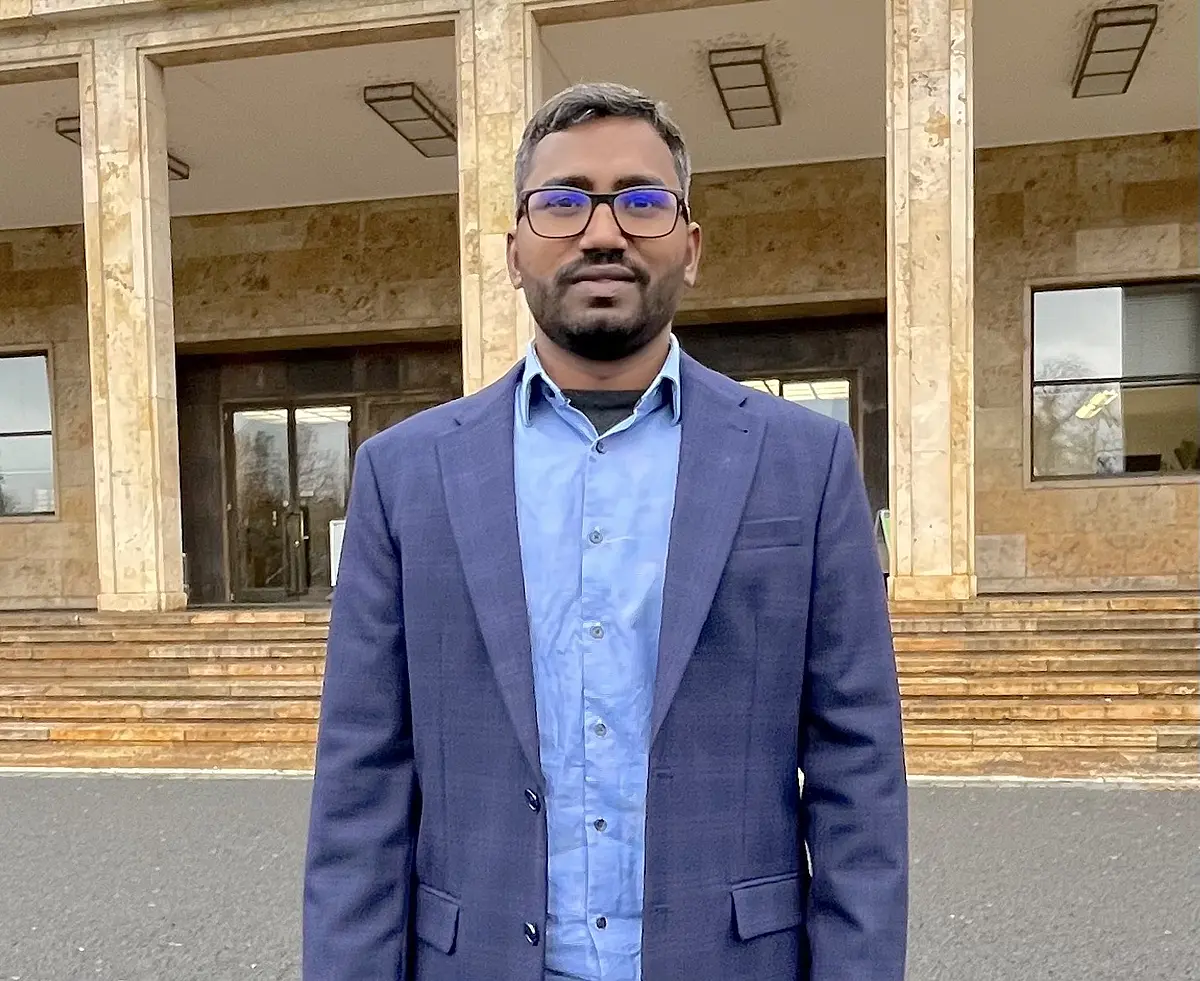
Deep Chand
Global Encounters
Sociology
2024

Fellowship: Global Encounters Fellowship
Affiliation (host institution, host scholar): Institute of Sociology, hosted by Prof. Dr. Bani Gill
Stay in Tübingen (from – until): April 2024 – September 2025
Research Project: Neighbourhood and Social Cohesion: Police, Protest, and the Citizenship (Amendment) Act [CAA] in India
Research Areas: State, Police, Sociology of Policing, Citizenship and Democracy, Belonging and Neighborhood, Caste and Education, Ethnography

Publications

  1. Chand, D. (2024). (Re)-production of Caste in the Classroom: A Dalit Perspective, Higher Education (Accepted).
  2. Chand, D. (2023). (Re)-production of Caste Prejudices: Viva-Voce Examination in Higher Education in Eastern Uttar Pradesh. In Dhaneshwar Bhoi & Hugo Gorringe (Eds.), Caste in Everyday Life: Experience and Affect in India. Palgrave Macmillan, London.
  3. Chand, D. (2019). “Equal opportunities in Education: A perspective from below.” Contemporary Voice of Dalit (Sage) 11(1): 55-61. [with Sailu Karre]
  4. Chand, D. (2017). “Parents’ Perception and Experiences of Scheduled Caste Students in Access to Higher Education.” Indian Journal of Dalit and Tribal Social Work 4 (1): 49-86.  
  5. Chand, D. (2017). “Critique of Brahmanical Hegemony: Understanding Indian Caste System through Gramsci.” Journal of Social and Economic Studies XXVII (1): 76-88.
Contact: deep01492spam prevention@gmail.com
Activities at the College of Fellows: Research and Teaching, Research workshop, Participating in GTURN lecture series and South Asia reading group
About: I have an MA and M.Phil. in Social Science from the Tata Institute of Social Sciences (TISS), Mumbai, India. I recently completed my PhD in Sociology from Goethe University Frankfurt, Germany, with a grade of magna cum laude distinction. I am trained in ethnography, discourse analysis and ethnomethodology. My areas of research include State, Police, Sociology of Policing, Citizenship and Democracy, Belonging and Neighborhood, Caste and Education, Ethnography. I have published my research work in national and international academic journals. I have presented my research at the University of Porto, Portugal, the International Studies Association, Nashville, USA and the World Congress of Sociology organised by the International Sociological Association (ISA) in Melbourne, Australia. I also participate in "Varieties of Ethnographic Research", initiated by the Goethe Research Academy for Early Career Researchers (GRADE). 
 

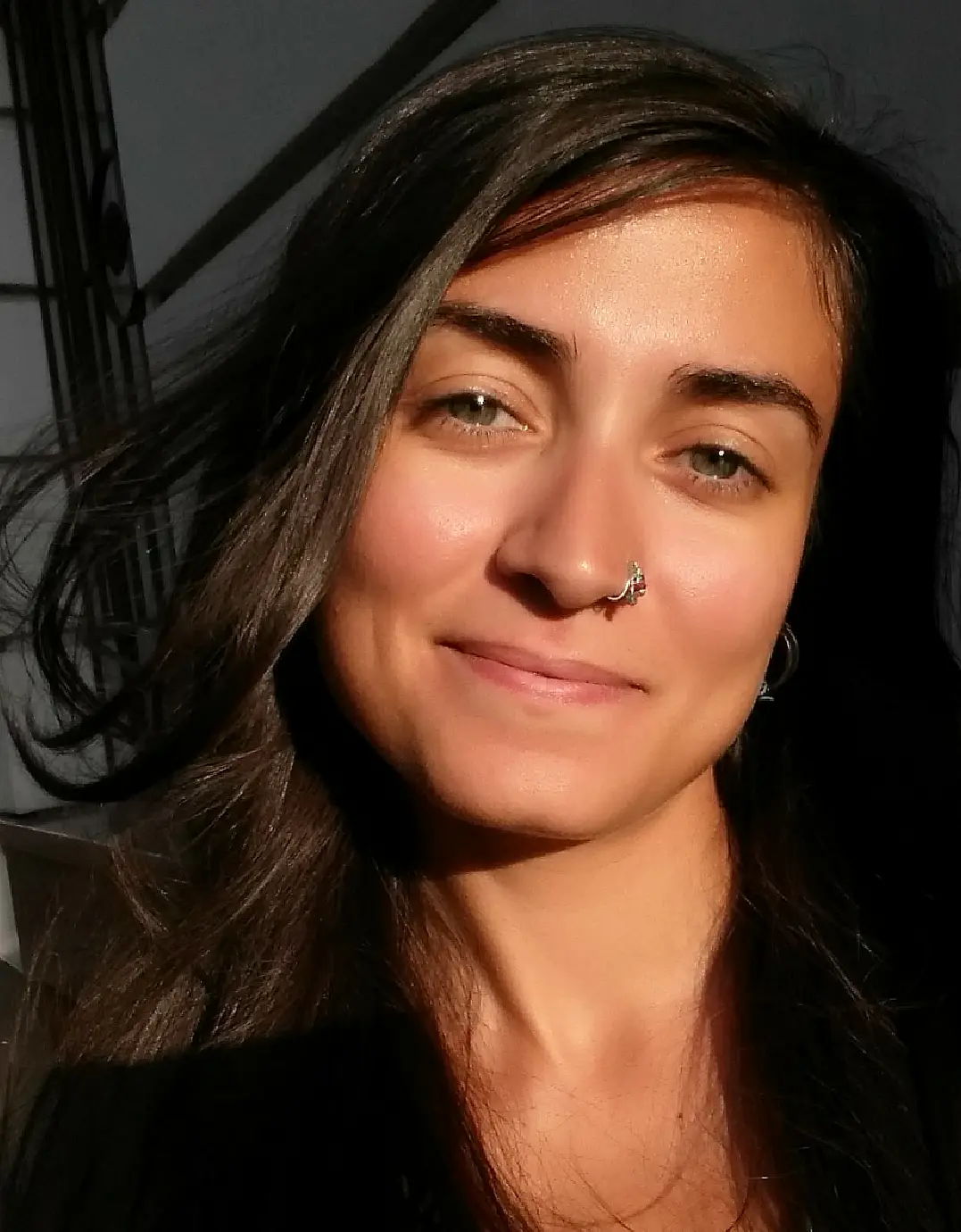
Cansu Civelek
Global Encounters
Sociology
2024

Fellowship: Global Encounters Fellowship
Affiliation (host institution, host scholar): Sociology Department, hosted by Prof. Boris Nieswand and Dr. Gani Bill
Stay in Tübingen (from – until): April 2024 – September 2025
Research Project: Entangled processes of urban ruination, dispossession, and depoliticization : A spatio-temporal analysis of the Karapınar neighborhood in Eskişehir, Turkey
Research Areas: Urban studies, migration, politicization

Publications:

  1. 2023 Beyond Lawfare: An Analysis of Law’s Temporality through Russian-doll Urbanization from Turkey. PoLAR: Political and Legal Anthropology Review. https://doi.org/10.1111/plar.12543
  2. 2020 Tackling participation beyond the theses of neoliberal urban governance or citizen empowerment. Urban Anthropology and Studies of Cultural Systems and World Economic Development, Special Issue [The Contemporary Turkish State: The Changing Landscape of Political Economy in Turkey] 49(1-2): 39-83. ISSN 0894-6019
  3. 2019 Urban renewal with dancing and music”?: The renewal-machine’s struggle to organize hegemony. Focaal Journal of Global and Historical Anthropology. 84: 47-61. https://doi.org/10.3167/fcl.2019.840104
Contact: civelekcansuspam prevention@gmail.com
About: Cansu Civelek graduated from the Department of Political Science and Public Administration at the Middle East Technical University in Ankara. She received her master’s degree from the Department of Social and Cultural Anthropology at the University of Vienna with a thesis entitled “‘Regeneration on Site’ or Rent-Driven Urban Renewal? An Ethnographic Inquiry into the Karapınar Valley Urban Regeneration Project in Eskişehir, Turkey”. In 2015, she independently financed her first documentary film, “Warning Karapınar! Voices from an Urban Regeneration,” which was derived from her master’s thesis. In 2020, she received her doctoral degree from the Department of Social and Cultural Anthropology at the University of Vienna, with a dissertation entitled “Non-spectacular Policy-making: Urban Governance, Silence, and Dissent in an Abortive Renewal Project in Eskişehir, Turkey.” As a post-doctoral researcher at the Democracy Institute of the Central European University, she focused on her book project titled “Igniting the Spark of the Political,” examining urban policy-making and governance practices of Eskişehir’s municipal government while addressing questions of collective silence and (de)politicization.
With a post-doctoral fellowship at the University of Tübingen's Global Encounters Program, she is developing a research project on neighborhoods of Eskişehir where Afghan refugees reside. The aim is to comprehend the interactions between refugee newcomers and long-standing residents, as well as the mechanisms of claim-making employed by both groups.
 

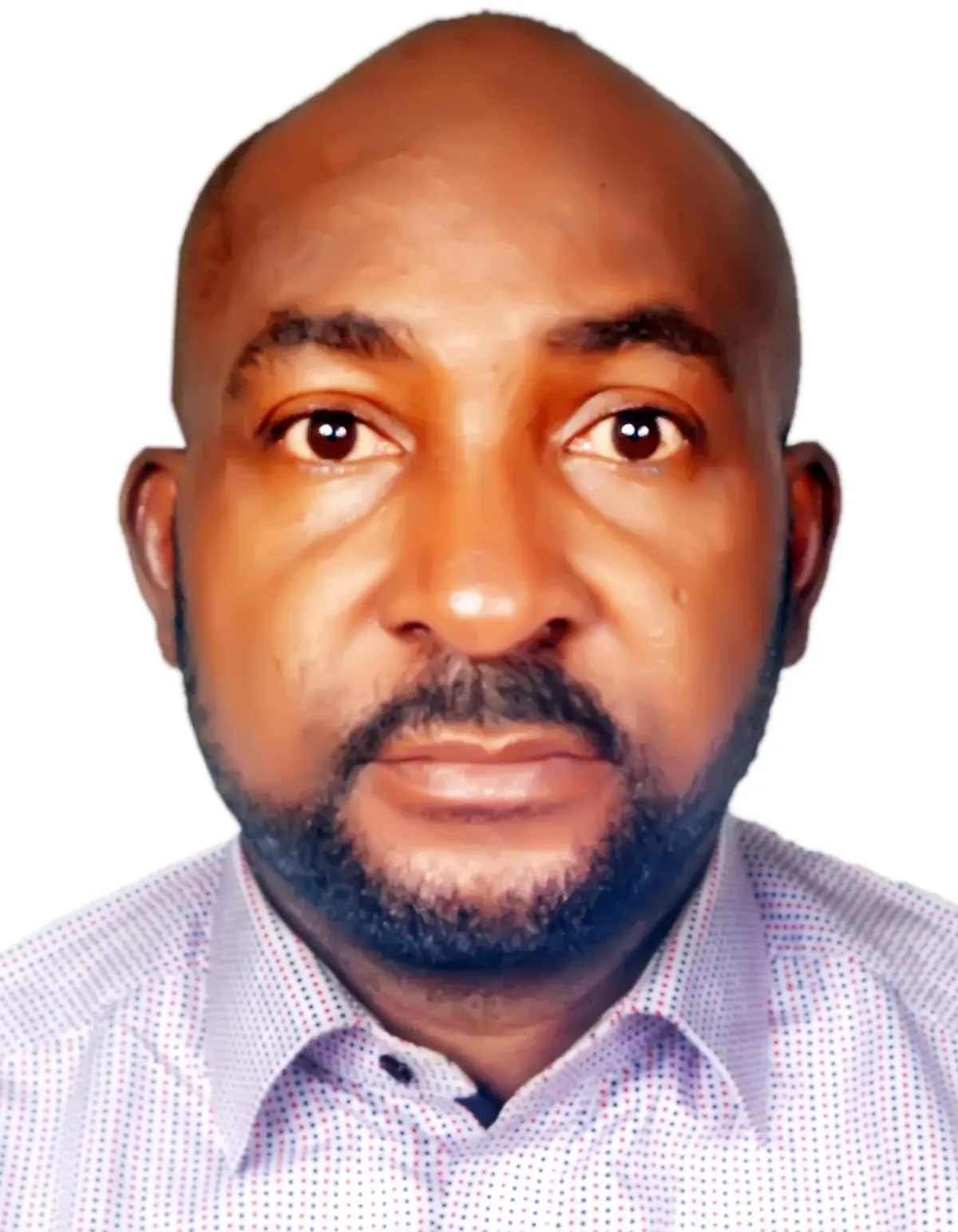
Olisa Godson Muojama
Global Encounters
History
2024

Fellowship: Global Encounters Fellowship
Affiliation (host institution, host scholar): Institute of Didactics of History and Public History, hosted by Prof. Dr. Bernd-Stefan Grewe
Stay in Tübingen (from – until): April 2024 – September 2025
Research Project: Neighbourhood Encounters in Anglo-German Colonial Frontiers in West Africa, 1884-1914
Research Areas: Global History, Colonial History, International Political Economy, Intellectual History

Publications

  1. Olisa Muojama.‘Victims of Nationality: German Civilian Internment in British West Africa during the Second World War.’ Journal of World History Vol. 37. No. 3 (Sept. 2024)
  2. Mattin Biglari and Olisa Muojama, ‘Global Histories of Environment and Labour in Asia and Africa.’ In Emily O’Gorman, William San Martin, Mark Carey, Sandra Swart. The Routledge Handbook of Environmental History (Oxon and New York: Routledge 2024), 247-260
  3. Gertschen, A. and Olisa Muojama, ‘Multinational Enterprises.’ In Unger, C. R.; Borowy, I. and Pernet, C. A. The Routledge Handbook on the History of Development (Oxon and New York: Routledge, 2022). 278-296.
  4. Olisa Muojama, ‘Cocoa Marketing Board and Sustainable Cocoa Economy in Colonial Nigeria. African Economic History Vol.47. No.1 (2019): 1-31 
Contact: olisamuospam prevention@gmail.com
Activities at the College of Fellows: At the College of Fellows, I will form a focus group with the other Global Encounters Fellows. I will also collaborate with the members of Global Encounters platform and become part of the College’s academic life. 
I will work for 12 months analyzing the data generated from the field work and from the archives to posit my research questions, with the help of my host, Prof. Dr. Bernd-Stefen Grewe. I will consult the University library, as well as company and national archives in Berlin/Koblenz. I will also write out manuscripts on the proposed research project for consideration for publication in high impact journal, and continue to work on my larger project.  I will make presentation of my project to the university community for a feedback an input of other fellows and scholars. 
About: Dr. Olisa Godson MUOJAMA is an Associate Professor in the Department of History, University of Ibadan, Ibadan, Nigeria. His research cuts across African History, global history, economic history, and colonial history. He is a fellow of Global Encounters, Eberhard Karls Universität Tübingen, Germany (2024-2025). He was a Fellow in Global History at the Munich Centre for Global History, Ludwig-Maximilians-Universität München, Germany (2022). He was a Laurette of the Council for the Development of Economic and Social Research in Africa (CODESRIA), Dakar, Senegal (2016). He was also a Fellow of the African Humanities Program (AHP) of the American Council of Learned Societies (ACLS) from 2011 to 2012. He is the Principal Investigator/Principal Faculty in Nigeria of the Global History Lab (GHL), University of Cambridge, formerly of Princeton University, New Jersey, USA. He is the author of The Nigerian Cocoa Industry and the International Economy in the 1930s: A World-Systems Approach. He has also published in specialist journals such as African Economic History 47, no.1 (2019): 1-31 (Wisconsin) and Journal of World History 35, no. 3 (2024, upcoming). His current post-doctoral research is on Deutsch-Westafricanisches Begenungen, 1840-1990.
Fellow Profile

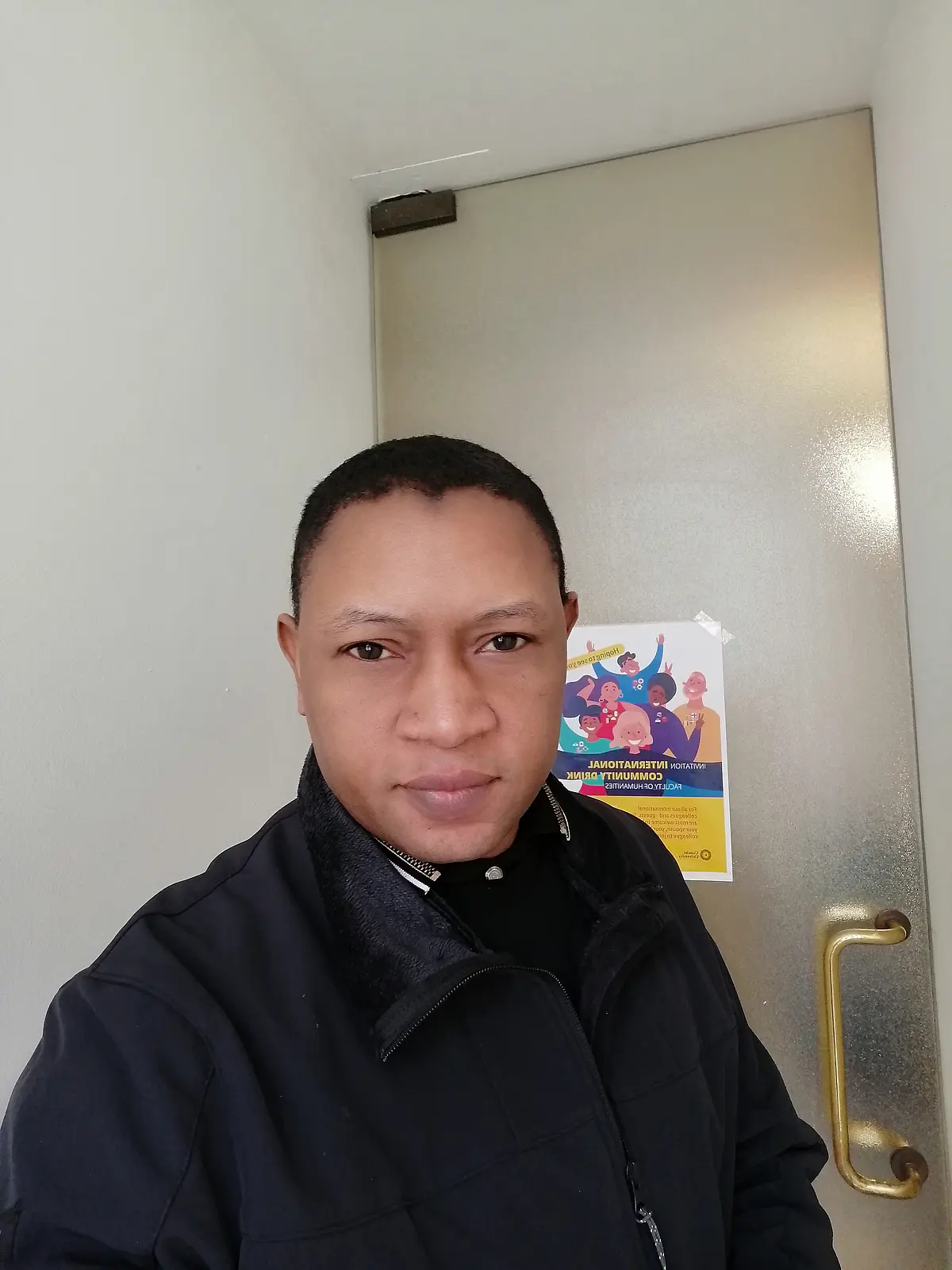
Murtala Ibrahim
Global Encounters
Political Science
2024

Fellowship: Global Encounters Fellowship
Affiliation (host institution, host scholar): Institute of Political Science, hosted by Prof. Dr. Andreas Hasenclever
Stay in Tübingen (from – until): 1 April 2024 – 31 March 2025
Research Project: The Middle East Geopolitics of Religion and the Emergence of Global Salafi and Shia Identities in the Anguwan Rogo Neighborhood of Jos, Nigeria 
Research Areas: Anthropology of religion and politics of religion

Publications

  1. Ibrahim, M. (2022): Sensational Piety: Practices of Mediation in the Nigerian Pentecostal and Islamic Religious Movement. London: Bloomsbury Publishers. https://www.bloomsbury.com/us/sensational-piety-9781350282308/ - Refereed articles
  2. Ibrahim, M. (2022). Theoretical exploration of literature on Pentecostalism and media in Africa. Religion Compass, e12452. https://doi.org/10.1111/rec3.12452
  3. Ibrahim, M. (2022). The clash of sound, image and light: Inter- and intra-religious entanglements and contestations during Mawlūd celebrations in the city of Jos, Nigeria. Africa, 92(5), 759-779. https://www.doi.org/10.1017/S0001972022000663.
  4. Ibrahim, M. (2020). Spatial Piety: Shia Religious Processions and the Politics of Contestation of Public Space in Northern Nigeria. In: Balkenhol, M., van den Hemel, E., Stengs, I. (eds) The Secular Sacred. Palgrave Politics of Identity and Citizenship Series. Palgrave Macmillan, Cham. https://doi.org/10.1007/978-3-030-38050-2_5
  5. Ibrahim, M. (2020). "The Sites of Divine Encounter: Affective Religious Spaces and Sensational Practices in Christ Embassy and NASFAT in the City of Abuja", Affective Trajectories: Religion and Emotion in African Cityscapes, Hansjörg Dilger, Astrid Bochow, Marian Burchardt, Matthew Wilhelm-Solomon, Durham. NC. Duke University Press. Pp. 78-97. doi.org/10.1215/9781478007166-005
  6. Ibrahim, M. (2017). Oral transmission of the sacred: Preaching in Christ Embassy and NASFAT in Abuja. Journal of Religion in Africa, 47(1), 
    108-131. https://doi.org/10.1163/15700666-12340100
Contact: mubraheemspam prevention@gmail.com
Activities at the College of Fellows: 
• Data analysis, background research, and annotated bibliography
• Writing of two articles to be published in peer journals
• Working on new project proposal through collaboration with colleagues
• Presenting my research at the College of Fellows and at least two international conferences
About: 
Trained in Religious Studies (University of Jos, Nigeria), I received my Ph.D. at the Department of Philosophy and Religious Studies, Utrecht University in 2017. After concluding a one-year research fellowship at the Institute of Cultural Anthropology, Freie University Berlin, I became a postdoctoral researcher at the Department of Cultural Anthropology, Utrecht University from 2020 to 2023.
 

Jun-Prof. Dr. Bani Gill

Soziologie/Urban Futures of the Global South (Host)

Prof. Dr. Bernd-Stefan Grewe

Institut für Geschichtsdidaktik und Public History (Host)

Prof. Dr. Andreas Hasenclever

Plattform Global Encounters (Host)

Prof. Dr. Boris Nieswand

Soziologie (Host)

Matthias Bornemann

Plattform Global Encounters

Dr. Sara Bangert

College of Fellows