Research

Paleoanthropology is one of the wings of the Institute for Archaeological Science, as well as one of the working groups of the Leibniz institute "Senckenberg Centre for Human Evolution and Paleoenvironment"

The Paleoanthropology working group has a broad spectrum of research interests, focusing on the analysis of archaeological and fossil human skeletal remains through the development and application of cutting-edge methods. Research projects range from bioarchaeology, paleopathology and forensics; to human evolution, paleobiology and classification.

Paleoanthropology team members are also active in the field, including in survey and excavation work in Greece, Lebanon, Italy and Bulgaria. 

The Paleoanthropology team has strong collaborative connections to the State Office for Cultural Heritage Preservation Baden-Württemberg focusing on the study of human skeletal remains from South-West Germany, as well as to the Archaeology Institutes of the University of Tübingen; as well as to the Museum of the University of Tübingen (MUT) and the Senckenberg Research Institute and Natural History Museum in Frankfurt. 
 

FIRSTSTEPS 
(2022 bis 2027)

REVIVE 
(2021 bis 2026)

Methodology

Geometric Morphometrics

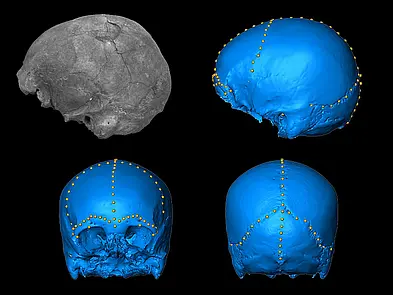
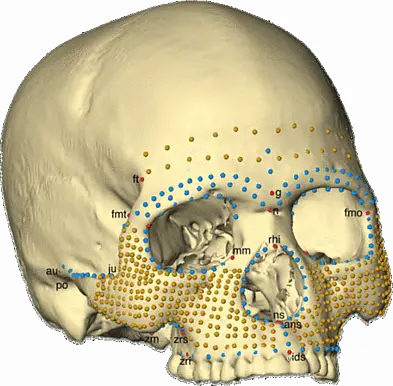
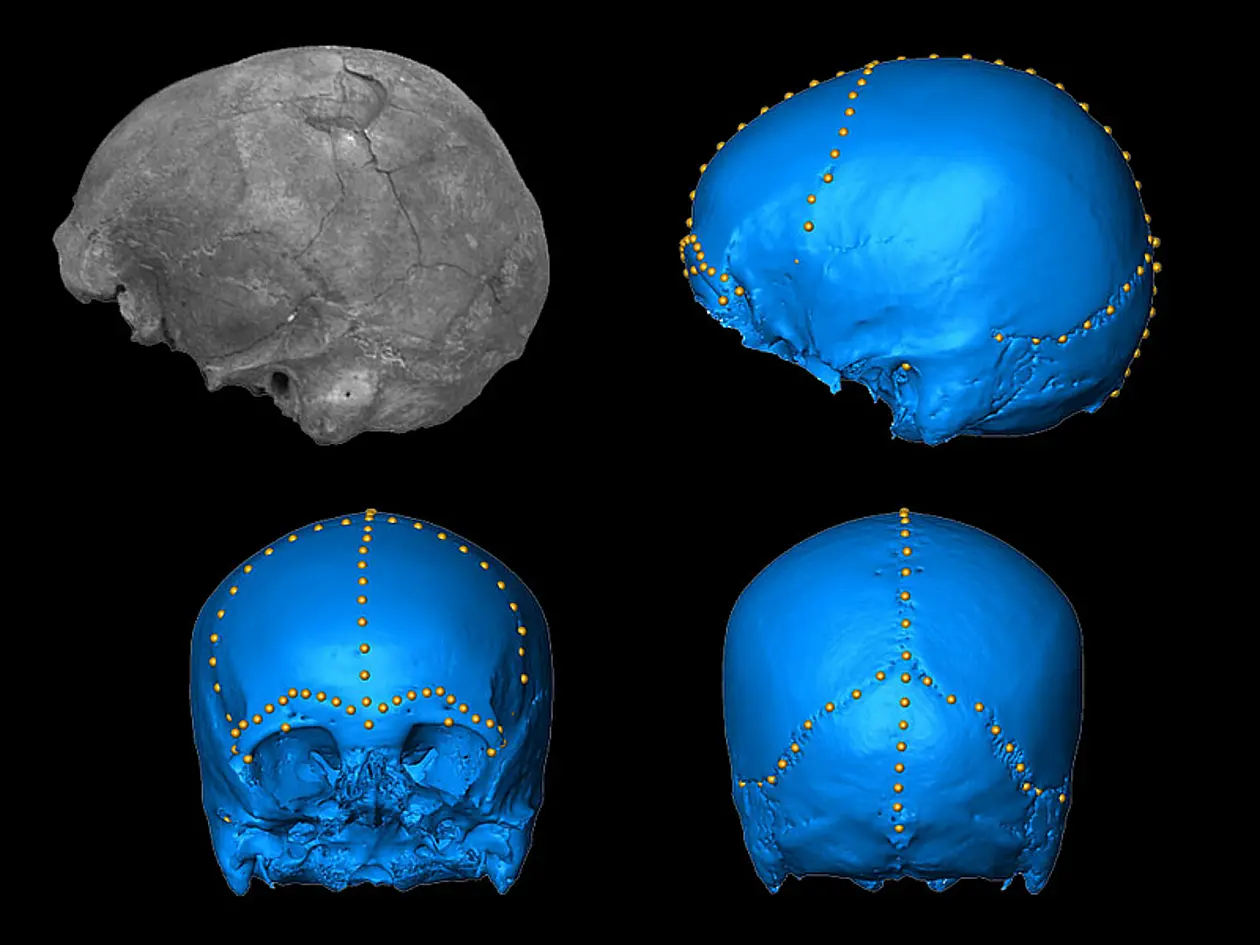
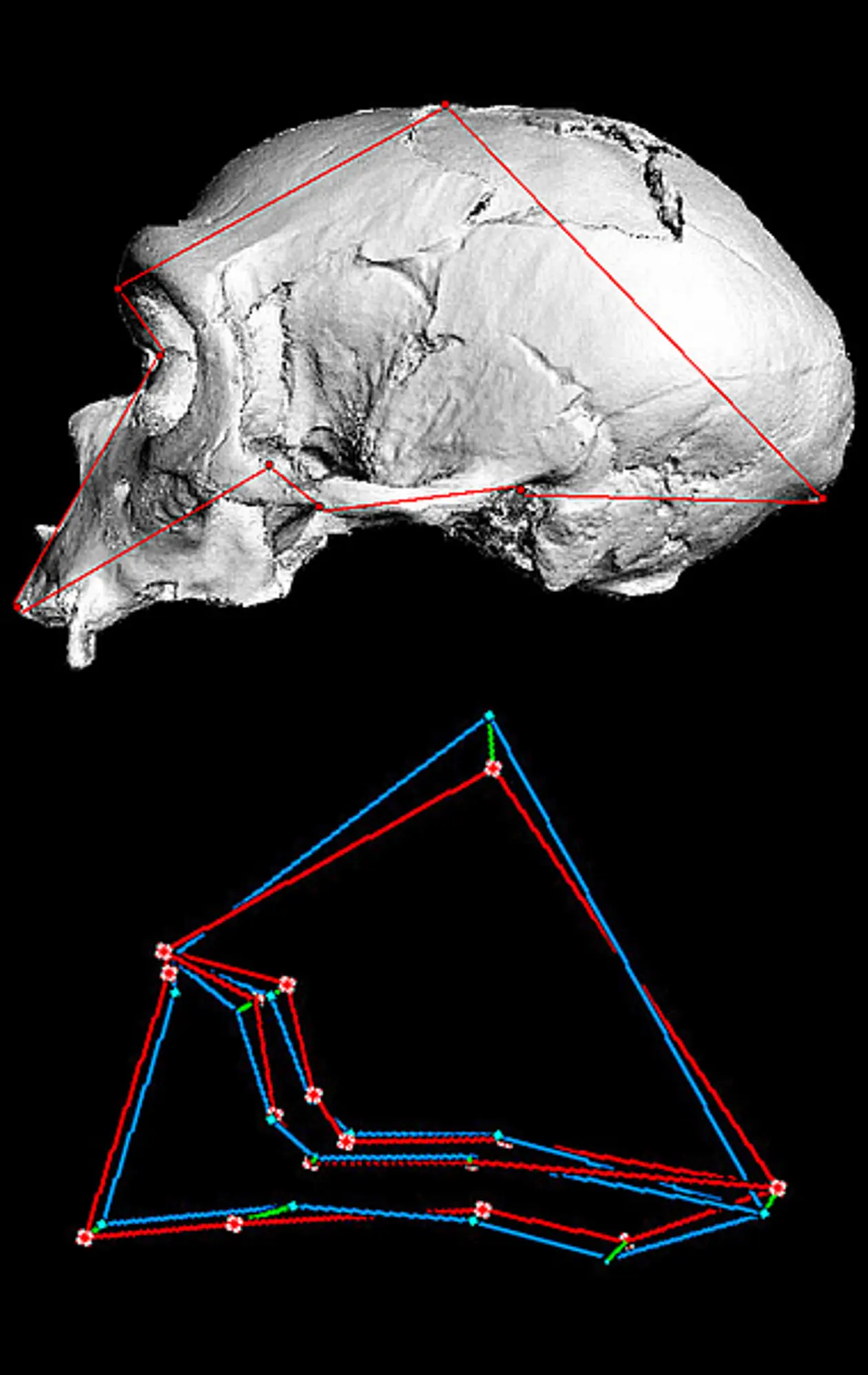
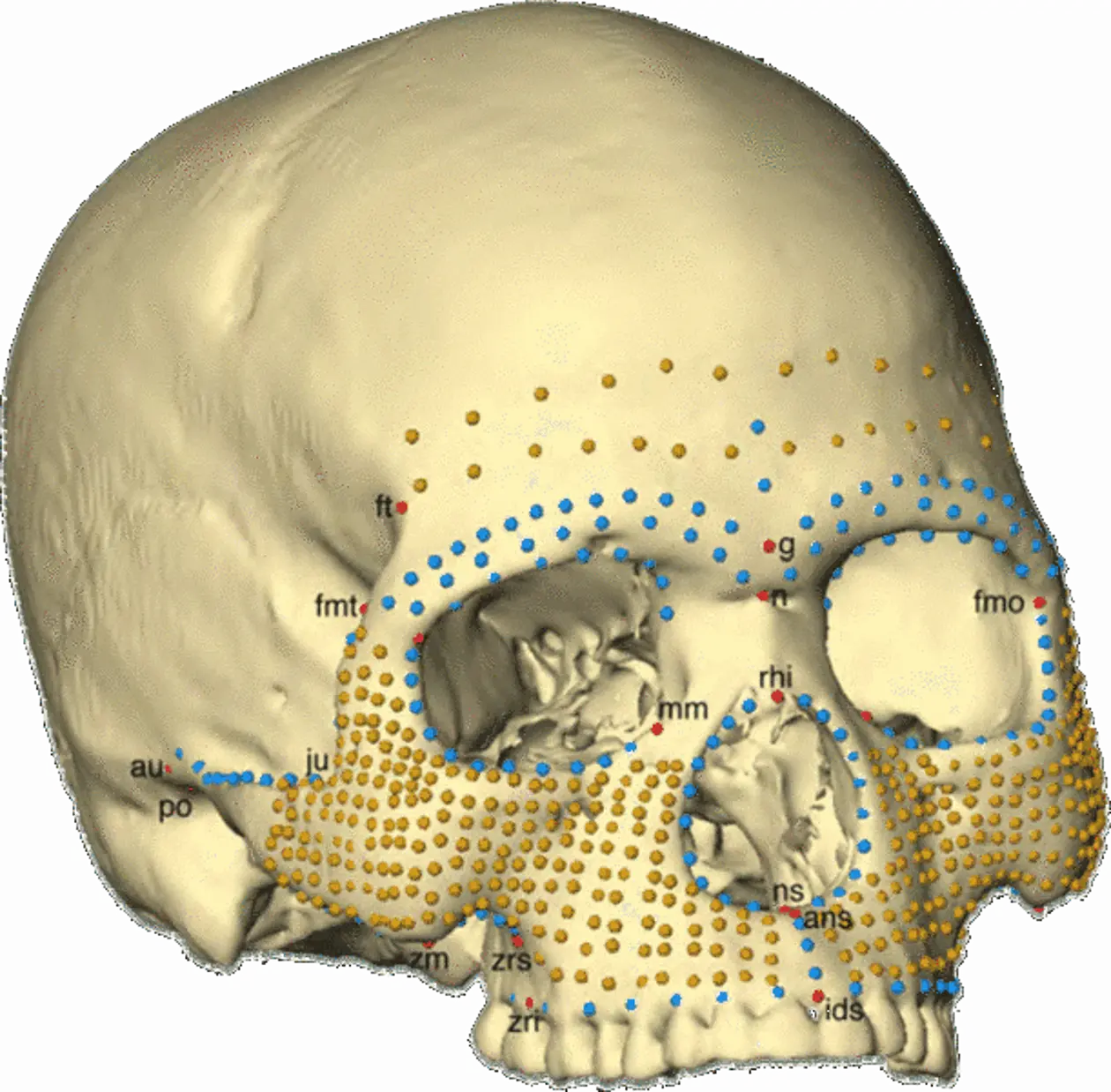
Geometric morphometrics is a set of methods that employ 2-d or 3-d coordinates of landmarks or semilandmarks as variables (instead of the the more commonly used distance or angle measurements). Landmarks are usually standard osteometric points, which are also used in the definition of traditional osteometric measurements. They should be homologous across specimens. Semilandmarks are used to quantify curves or surfaces.

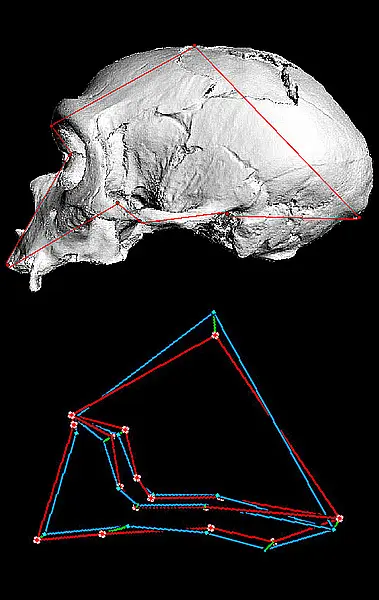
Coordinate data can be analyzed in a number of ways, but commonly are processed with Procrustes Superimposition. This procedure translates, rotates and scales specimen landmark configurations to unit size. During Procrustes fitting, therefore, size is separated from shape, enabling their separate analysis, as well as the analysis of the relationship between these two aspects of morphology.

Like conventional morphometrics, geometric morphometrics allow statistical inference. However, they present several advantages over the more traditional methods: coordinate data better retain the geometry of the studied objects; they allow the quantification of features that are difficult to measure with convnetional distance measurements; importantly, they allow the intuitive and interactive visualization of morphological differences.

The Paleoanthropology section has a strong focus in applying geometric morphometric methods to questions in paleoanthropology and has extensive facilities to allow researchers and students to learn and use these methodologies. The Paleoanthropology Imaging laboratory is equipped with scanning and digitizing equipment, including a NextEngine laser scanner and a Breuckmann light scanner. Two computer workstations equiped with software for the processing of high volume data are also available.


Virtual Anthropology

Virtual Anthropology (also known as computer-assisted anthropology) involves the study of 3-D digital models of anatomical structures of humans and non-human primates, as well as fossil specimens. This approach is multidisciplinary and incorporates fields such as anthropology, statistics, computer science, and medicine. Virtual Anthropology presents a number of advantages, including the ability to study internal structures of the skeleton non-invasively and the availability of virtual objects due to the permanence of the data and the potential for data sharing. Computer-assisted paleoanthropology is complementary to traditional methods employed in the field of biological anthropology and has offered new avenues for reconstruction of fragmentary fossils, studies of skeletal morphology, and biomechanical analyses.

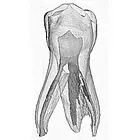
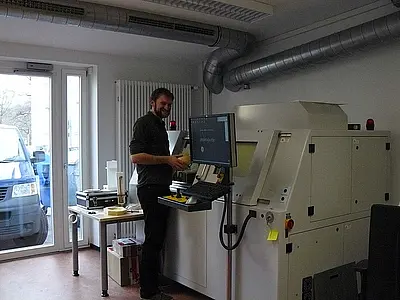
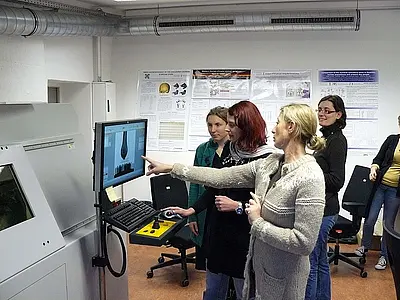
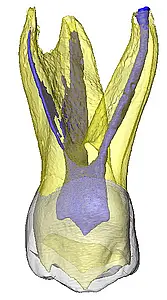
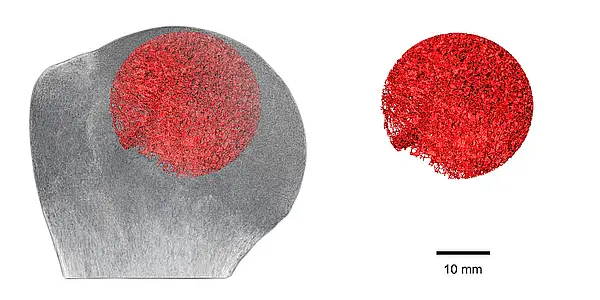
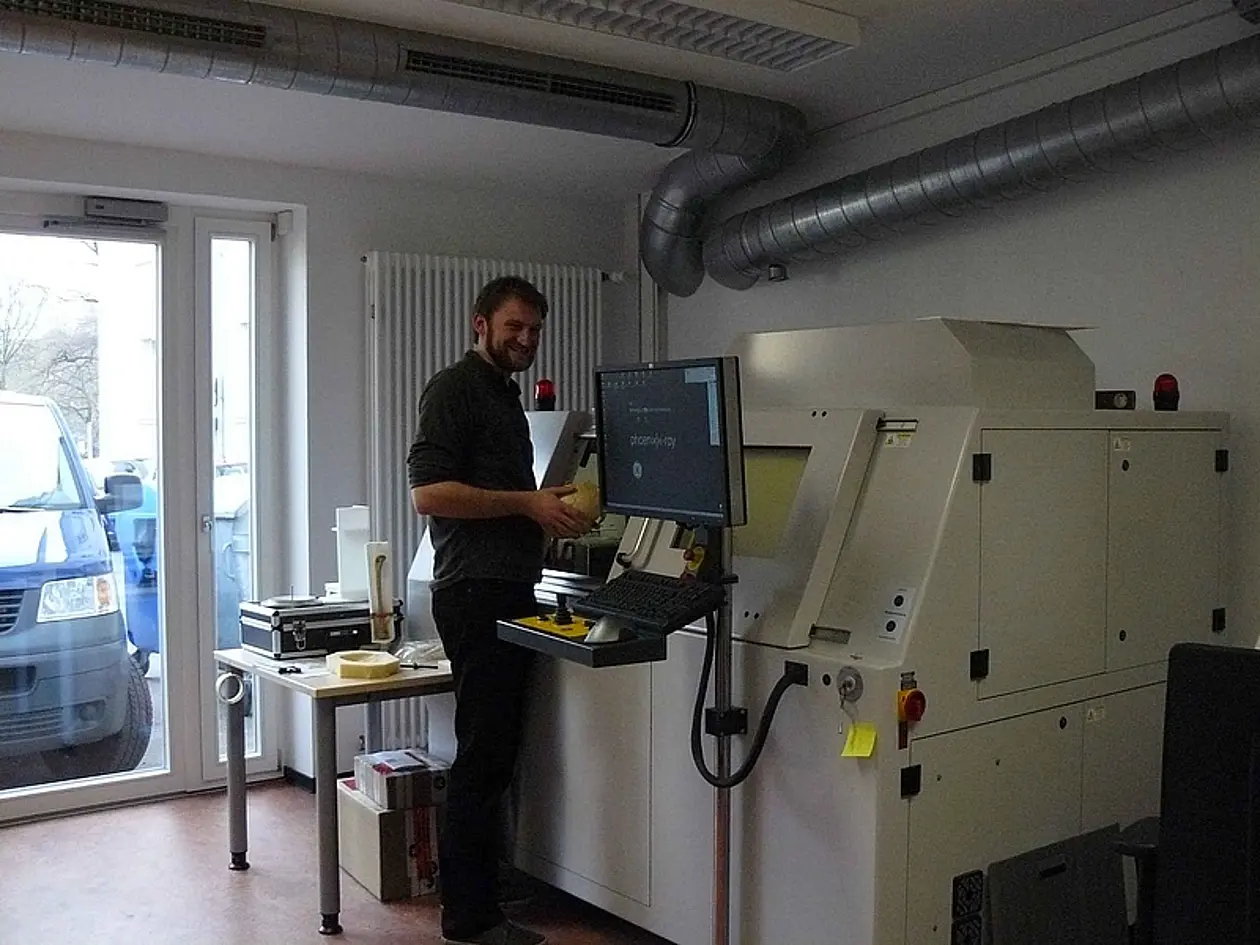
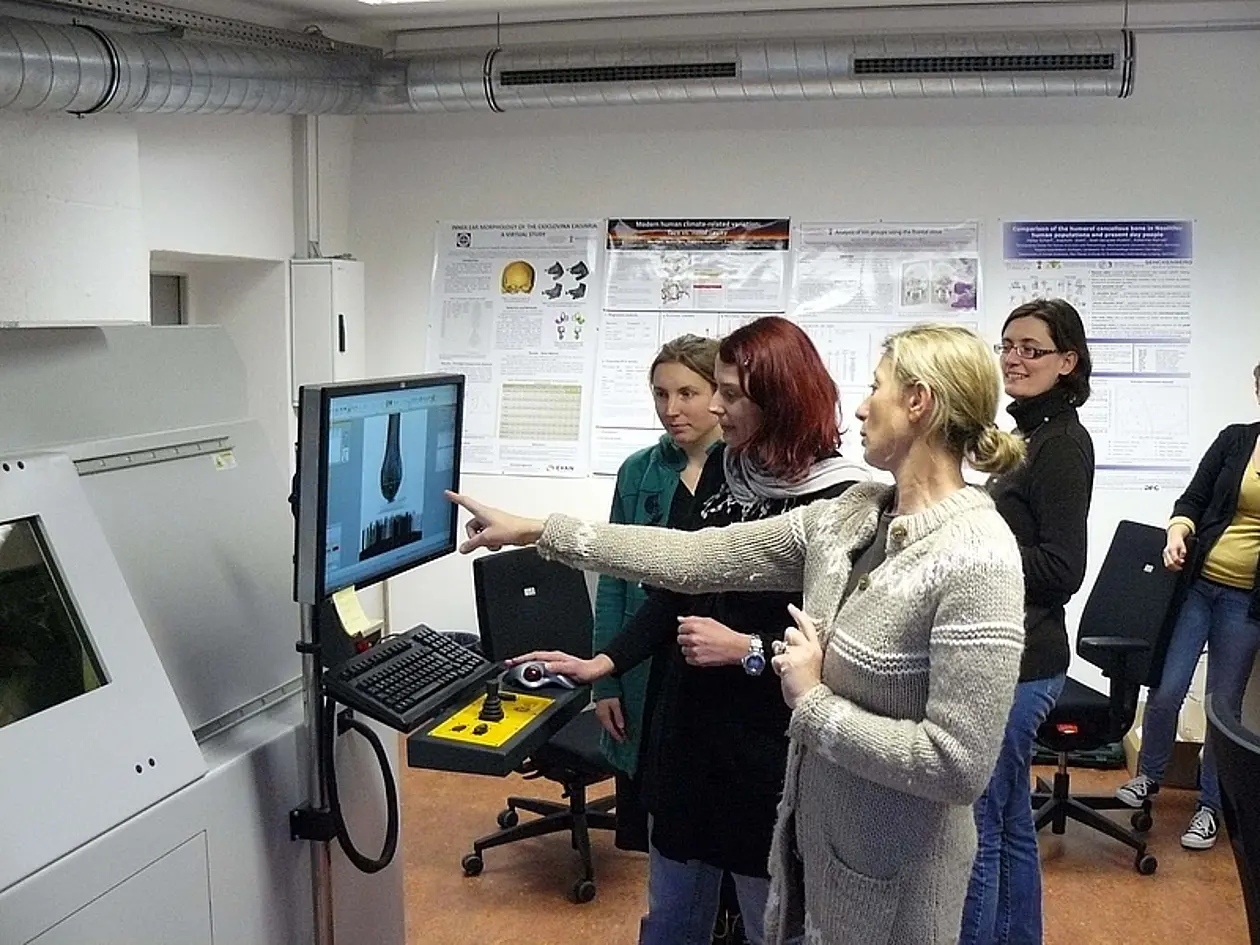
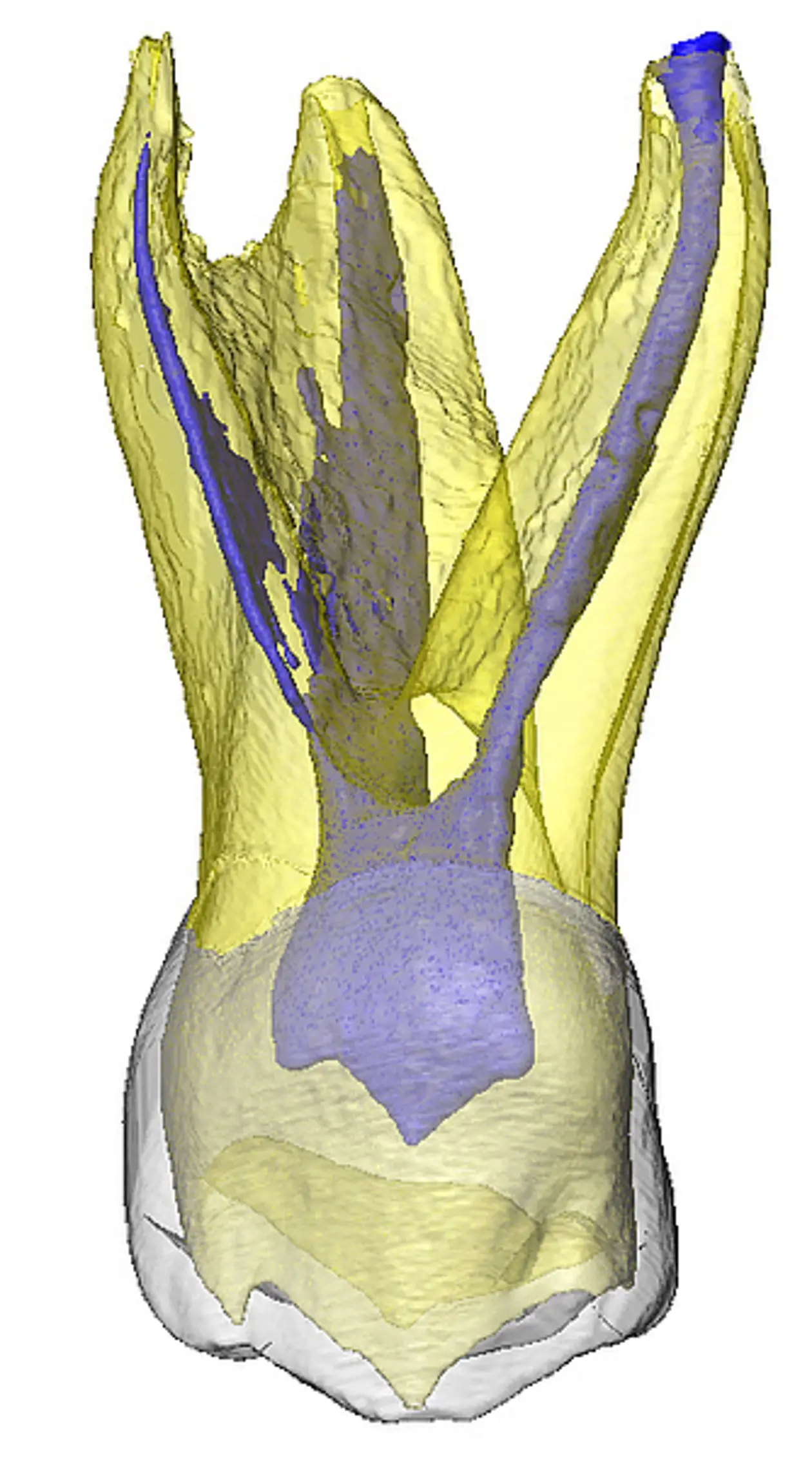
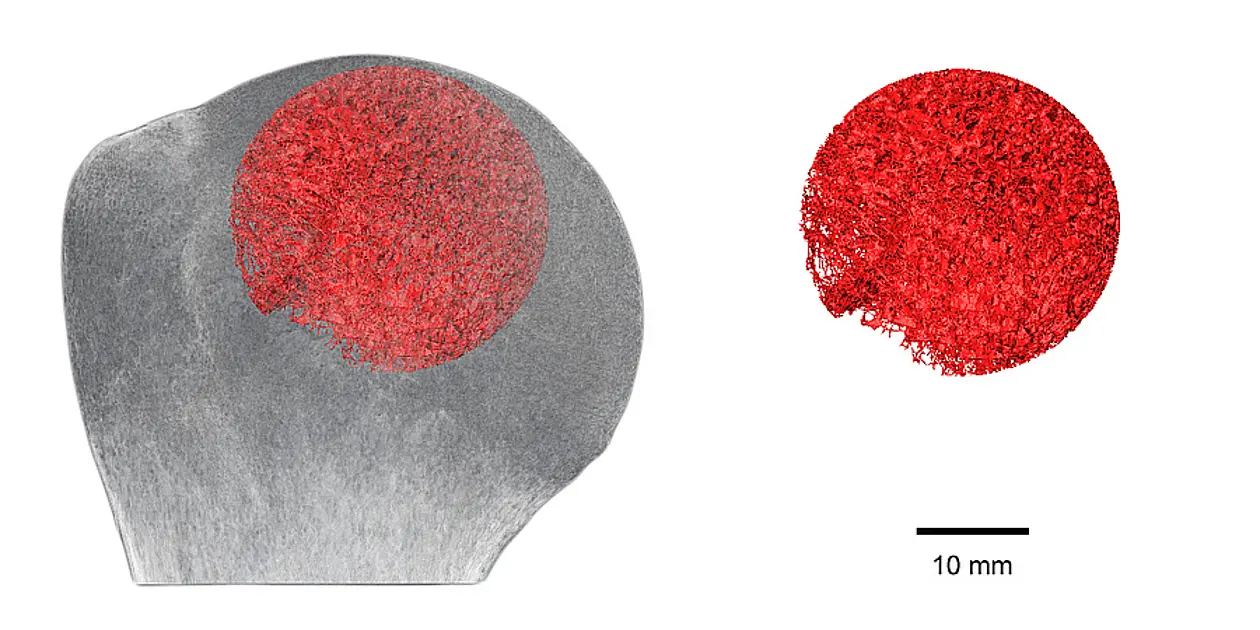
The Paleoanthropology section in Tübingen applies Virtual Anthropology methodology to a. the study of trabecular architecture and its relationship to environment, function and activity patterns; b. the study of internal cranial structures, such as virtual endocasts or sinuses; and c. the study of internal dental structures. This work is made possible by our High Resolution CT laboratory, featuring aPhoenix v|tome|x scanner. The laboratory was installed in 2011 with funding from the University of Tübingen and the Deutsche Forschungsgemeinschaft (DFG INST 37/706-1).

LINK TO: virtual anthropology laboratory


Validated Entheses-based Recontruction of Activity (VERA)

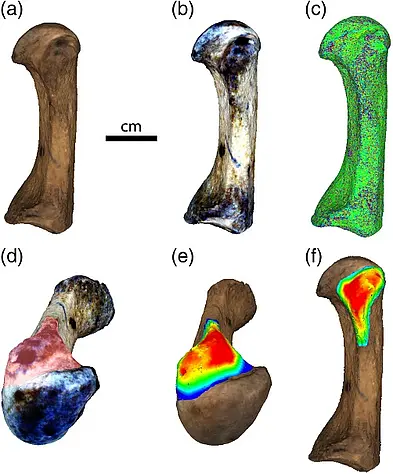
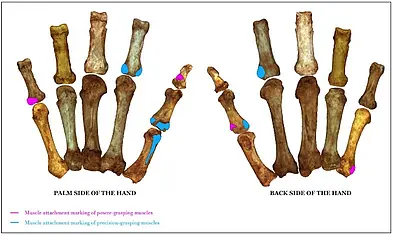
Reconstructing the daily physical activities of past human populations can provide crucial insights into hominin biocultural evolution, establishing missing links among biological and cultural lines of evidence. As such, it comprises a key focus of archaeological sciences and a major research direction of Tübingen’s Paleoanthropology section. Even though several skeletal approaches have been proposed for reconstructing activity in the past, most of these have been questioned due to a scarcity of adequate experimental support and the lack of measuring precision. In this framework, our team relies on the Tübingen University’s “Validated Entheses-based Reconstruction of Activity” (VERA) approach, which was created in 2016 by Paleoanthropology group member Dr. Fotios Alexandros Karakostis. The method was named “VERA” in a recent literature review dedicated to previous applications of this approach.

The reliability of VERA has been experimentally demonstrated in several independent animal laboratory studies as well as in research focusing on human skeletal remains with extensively documented life histories. In brief, VERA involves the application of a detailed virtual protocol for precisely delineating and measuring the 3-D areas of bones where muscles and ligaments attach in life (i.e., “entheses” or “muscle attachment sites”). Subsequently, advanced multivariate analyses are used to identify correlations among entheses that reflect habitual muscle interactions for the daily performance of distinct physical tasks. To date, this method has been applied to several fossil hominin and bioarchaeological samples (for example, early hominins and Neanderthals), providing crucial novel insights into the bio-cultural evolution and living conditions of our ancestors.


Equipment and resources

Tübingen paleoanthropology is home to an important Human Osteology collection, used for teaching and research purposes, as well as to state-of-the-art equipment housed in our Imaging and High-Resolution Computer Tomography Laboratories.

In addition to conventional methods in osteoarchaeology, the Paleoanthropology team at the University of Tübingen has a strong methodological focus on quantitative approaches conducted within the broad framework of Virtual Anthropology. These include geometric morphometrics, trabecular bone architecture analysis, as well as the newly developed Tübingen University Validated Entheses-based Reconstruction of Activity (V.E.R.A.) method for reconstruction of past habitual behavior. 
 

Laboratory of Virtual Anthropology und Morphometrics

The technical equipment includes

  • two optical scanners
    • one Laserscanner (Next Engine)
    • one Structured-light scanner (Breuckmann GmbH)
  • two MicroScribe digitizers (RSI GmbH).
  • three structured-light scanners
    • two handheld ARTEC Space Spider 3D scanners (Artec3D)
    • one ARTEC Micro 3D scanner (Artec3D)


3D Computed Tomography Scan 

  • mobile 3D-Computertomograph - Bruker Skyscan 1273 (Bruker)

    ⇒ currently no external applications for beam time possible

Contact Person: Prof. Dr. Katerina Harvati Rümelinstr. 23, Hauptgebäude, 2. OG, Room 517


Confocal microscope

  • Confocal imaging profiler (Sensofar Plu neox)

    Application for use of the confocal imaging profiler

Contact Person: Dr. Sireen El-Zaatari Rümelinstr. 23, Hauptgebäude, 2. OG Room 514


3D-Printing

  • Raise3D Pro2 Plus (RAISE3D)

Contact Person: Mario Schädel Rümelinstr. 23, Hauptgebäude, 2. OG Room 516