Urgeschichte und Naturwissenschaftliche Archäologie

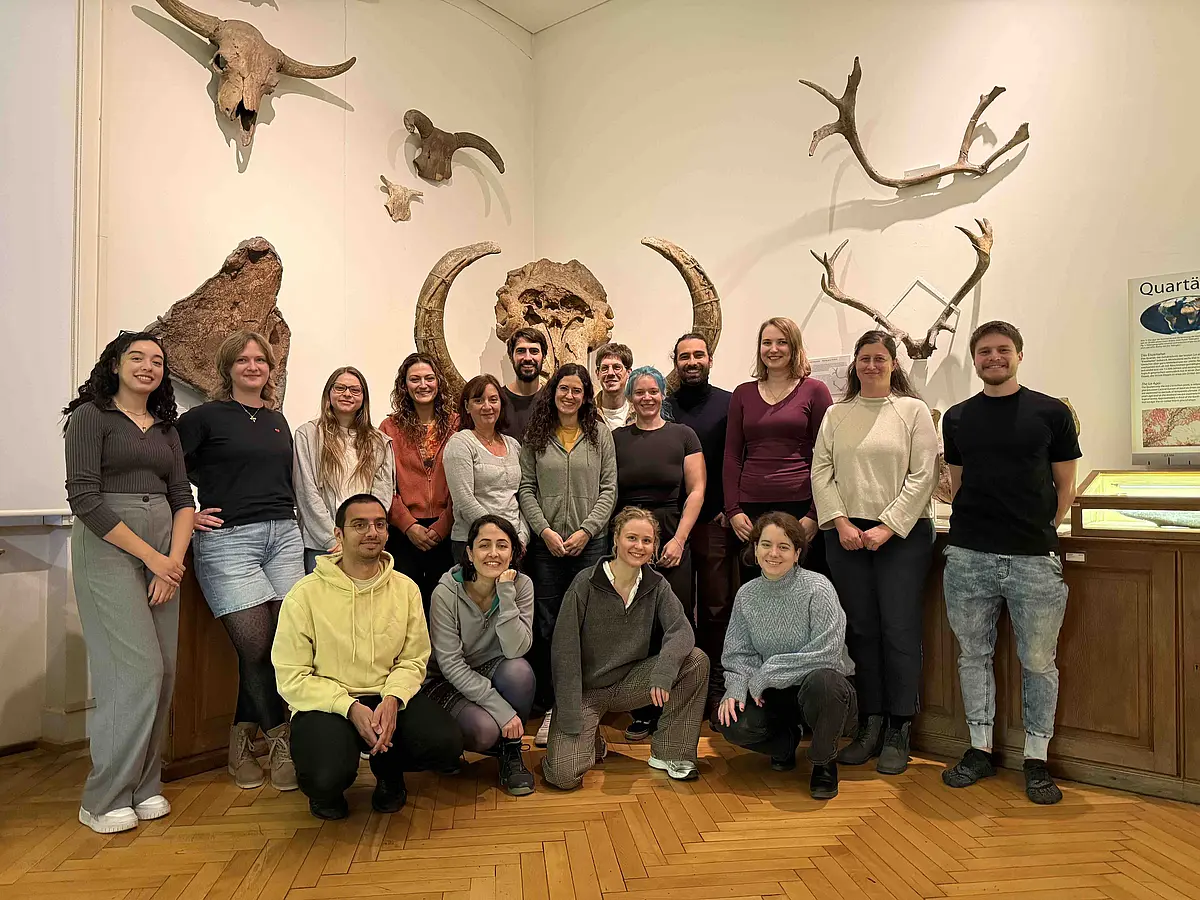
People of the Archaeo and Paleogenetics Group

Group Leaders

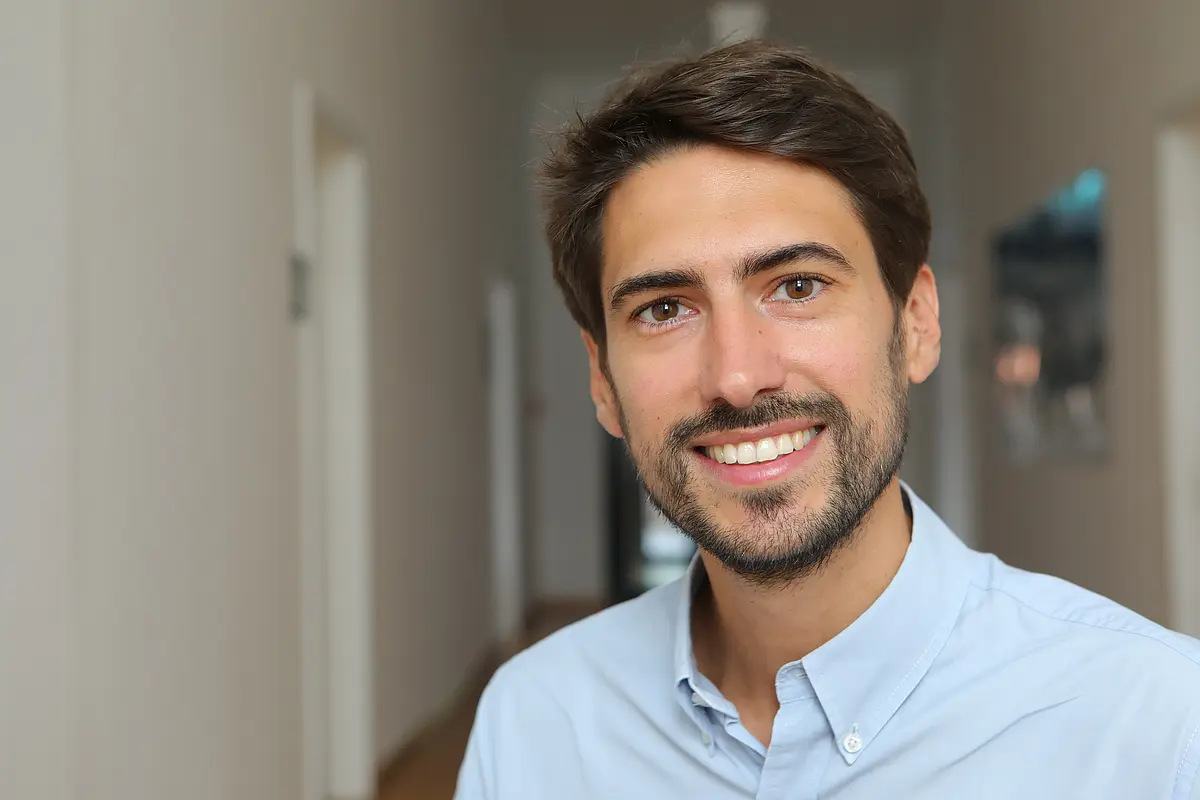
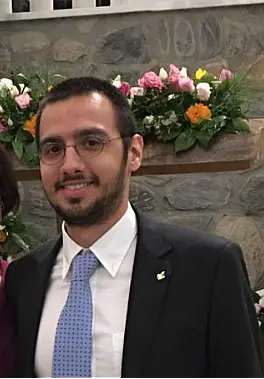
Prof. Dr. Cosimo Posth

Cosimo Posth focuses his research on the genetic reconstruction and dispersal history of archaic and modern humans through the DNA analysis of ancient human remains. After studying Natural and Anthropological Sciences in Florence (Italy), Cosimo Posth received his doctorate from the University of Tübingen in 2016. In his doctoral thesis he was able to show that early modern humans and Neanderthals admixed more than 200,000 years ago. He also revealed population expansions and contractions of European hunter-gatherers during the last Ice Age. Subsequently, he started his post-doctoral research activity at the Max Planck Institute for the Science of Human History in Jena (Germany) where, in 2019, he became leader of the Human Paleogenomics group. Since April 2020, he is appointed Junior Professor for Archaeo- and Palaeogenetics at the University of Tübingen and Senckenberg Centre for Human Evolution and Palaeoenvironment in Tübingen (Germany) and Professor in 2026 ...see more

Google Scholar


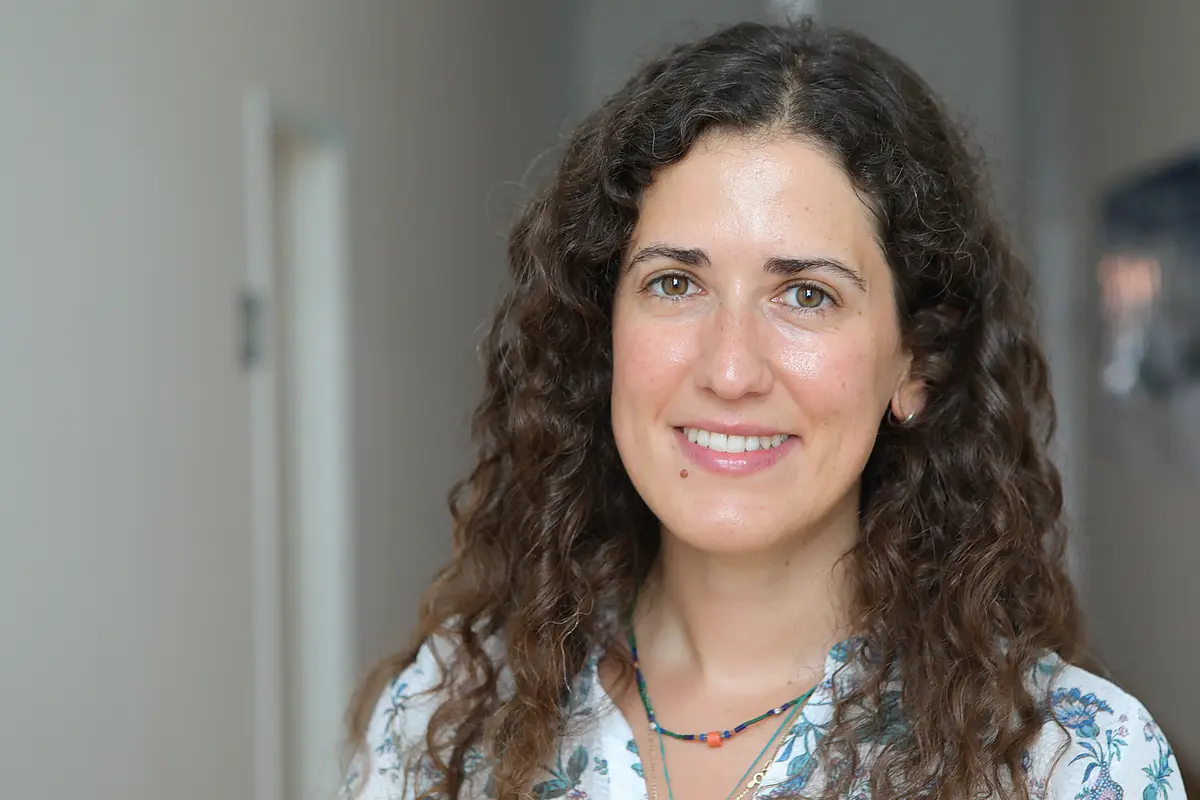
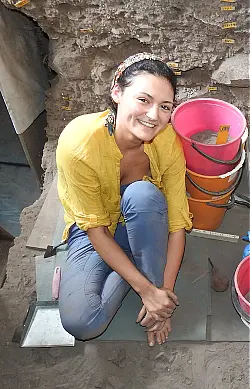
Jun. Prof. Dr. Maria A. Spyrou

Postdoctoral Researcher

I am broadly interested in the evolution and history of infectious diseases as well as on how past epidemics/pandemics have shaped human societies. I approach these topics through genetics, and specifically through the investigation of pathogen DNA traces in ancient human remains as well as through the reconstruction and evolutionary analysis of whole ancient pathogen genomes from various archaeological contexts. Among a number of topics, my work has largely focused on tracing the history of the plague pathogen, Yersinia pestis, from as far back as the Late Neolithic and Bronze Age periods, as well as from its infamous historical eruptions during the First and Second Plague Pandemics. ...see more

Google Scholar


Postdoctoral Researchers

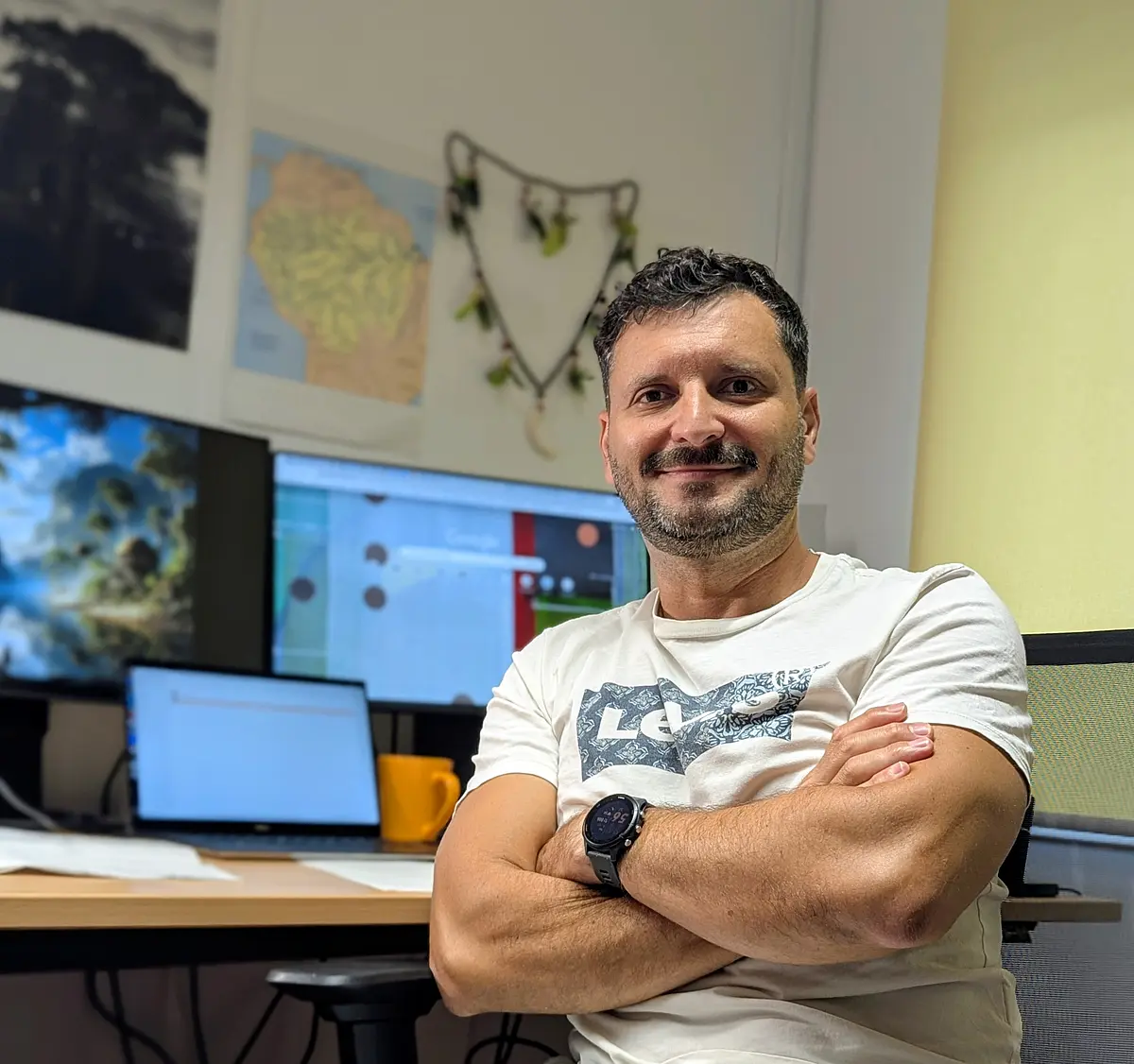
Dr. Leonardo Arias Alvis

I am an evolutionary geneticist interested in understanding patterns of genetic, linguistic, and cultural variation among human populations at different temporal and geographical scales, and how these inform us about the evolutionary history of human societies. My research adopts an interdisciplinary approach, collaborating closely with linguists, archaeologists, anthropologists, and indigenous communities. My work has focused on the population history Western Amazonia, where I have done extensive fieldwork with indigenous communities. During my postdoctoral position at the University of Tübingen I am using ancient DNA to study the demographic and evolutionary history of past Native American populations. …see more
 

Google Scholar

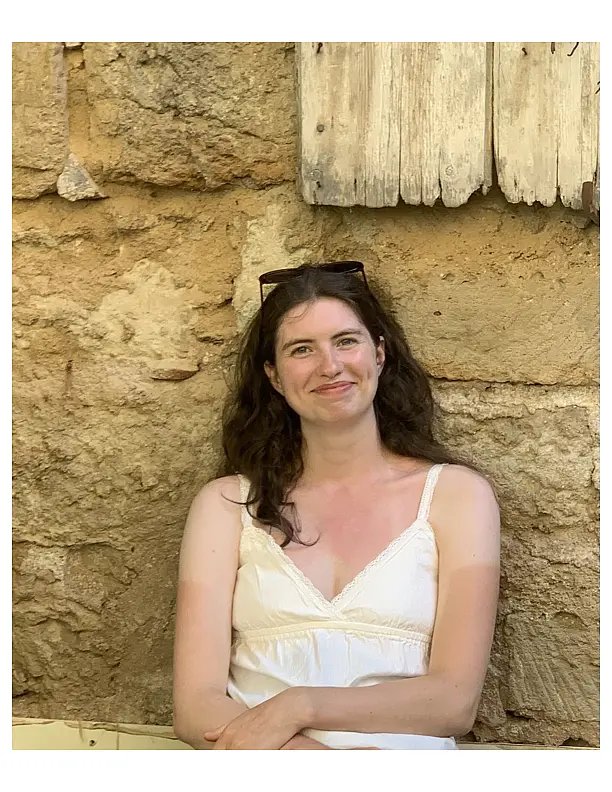
Dr. Lara Rubio Arauna

I am a biologist specialized in genomics. I am interested in the interaction between culture and genetic diversity, and I explore it through the study of the demographic and adaptation history of human populations. During my PhD I studied admixture and genetic structure in different human populations, with a focus on North Africa. During my postdoctoral research, at the Institut Pasteur, I studied the genetic history of Oceanian populations. At the Universität Tübingen I use ancient DNA to reconstruct the demographic history and the social structure of Oceanians. ...see more

Researchgate
Twitter

Dr. Michal Feldman

I study past human populations using genomic data extracted from archaeological remains. Leveraging recent advances in laboratory methods and bioinformatic approaches we can now recover and analyse ancient DNA even from challenging environments, including tropical and subtropical regions. My PhD studies and early postdoc research focused on the prehistoric Near East, from as early as the Mesolithic and up until the late Iron Age. Today, My main research focus is on the population history of Oceania. Working in an interdisciplinary team of archaeologists, anthropologists and linguists, we reconstruct patterns of human mobility, population structure, and aspects of past health and disease of past Oceanic populations.

I lead the DFG funded project 'The study of East Polynesian history through an archaeogenomic time transect' (2025-2027) and the community outreach focused ‘GENONESIA’ project, funded by the exploration funds, university of Tübingen (2025-2027). ...see more

Google Scholar

Dr. Maxime Poulain

I am a MSCA post-doctoral fellow with a particular interest in the archaeology of medieval sex work. My EU-funded project “A new look at prostitution in medieval Europe: Exploring the potential of ancient pathogen genomics with individuals buried in red light districts” (SEXWARC) is run in conjunction with the Department of Medieval Archaeology. …see more

Google Scholar

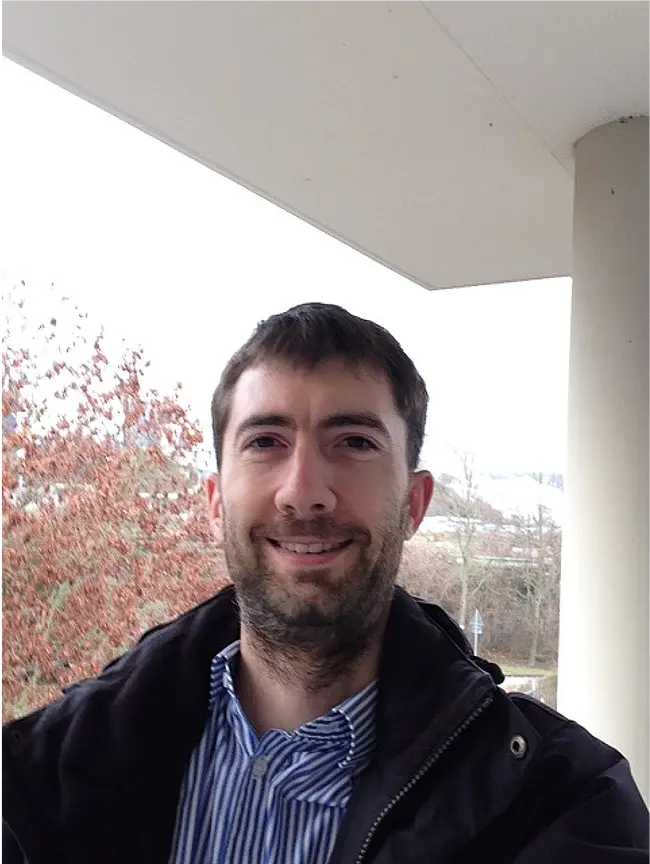
Dr. Guido Gnecchi Ruscone

I am an archaeo- and paleogeneticist. My main interest is to study past human populations via ancient genomics to address archaeological and historical questions involving migrations and interactions between populations; reconstructing kinship practices and the social structure of ancient communities; understanding the processes of cultural and biological adaptations to changing natural and cultural environments. During my PhD I have worked projects aimed at reconstructing the genomic diversity, recent history and human biological adaptation to high altitude. During my postdoctoral research at the MPI in Jena, in Leipzig and now SHEP in Tübingen, over the years I have worked and am currently working on a number of large ancient DNA projects with a particular focus on the Palaeolithic and Mesolithic Europe, Iron Age and Early Middle Ages in West and Central Eurasia. …see more

Google Scholar

Dr. Susanne Zabel

I am a biochemist and bioinformatician working at the intersection of methodological development and applied bioinformatics, with a focus on high-dimensional biological datasets. My work has spanned (meta-)genomics and transcriptomics data from both modern and ancient sources.
My current postdoctoral research centers on ancient DNA recovered from cave sediments (sedaDNA). Cave sediments are particularly valuable archives: they preserve precise archaeological context that allows direct links to past human occupation and behavior across timescales exceeding one million years, offering a rare window into the long-term dynamics of cave ecosystems and the communities that inhabited them. …see more

Dr. Wanda Zinger

I am interested in the history of human migrations and the dynamics of exchange in the Southwest Pacific by the reconstruction of biological and social identities of ancient individuals from Oceania. My postdoctoral research entails a synergistic approach to combine phenotypic and genotypic data recorded from ancient human remains from the Vanuatu archipelago. This approach bridges the gap between macroscopic and microscopic studies and between fieldwork and laboratory. While increasing the number of investigated individuals, I aim to provide new hypotheses on the settlement patterns of the Pacific islands. ...see more


PhD Students

Charoula Maria Fotiadou, M.Sc., B.A.

My research interest centers on the bio-cultural evolution of Late Pleistocene and early Holocene European hunter-gatherers, with a particular focus on understanding their demographic history, population structure, and interactions across time and space. I am specifically interested in how genetic ancestry, mobility, and social organization intersect with archaeological and environmental contexts, as well as in reconstructing patterns of genetic relatedness and connectivity among forager groups. During my PhD, I will employ an interdisciplinary methodological framework combining ancient DNA analysis, population genomics, and bioinformatics with archaeological, isotopic, and morphological data. This includes genome-wide analyses (e.g., PCA, admixture modelling, and f-statistics), genetic relatedness inference using allele frequency and identity-by-descent approaches.

LinkedIn

Email: charoula.fotiadou@ uni-tuebingen.de
Office: Room 515, Hölderinlinstr. 12

Emily Gaul, M.Sc.

I completed my undergraduate degree at University College London, and my master’s at Aix-Marseille Université. The focus of my final year thesis was the genetic structure and population history of the Sulu Archipelago (research performed at the Max Planck Institute for Evolutionary Anthropology). Post-graduation, I became interested in pathogen genomics, and worked on a project investigating viral evolution during chronic SARS-CoV-2 infection. With recent advances in genetic technology providing the possibility to reconstruct microbial genomes from human skeletal remains, I am excited by the opportunity that this presents to travel back in time, and to study the inextricable relationship between pathogen evolution and human histories. With my research, I seek to investigate the causative agents of past epidemics/pandemics and how these might have shaped human populations. Conversely, I wish to also explore how observed patterns of pathogen diversity might be correlated to human migration and cultural practices.

Email: emily.gaulspam prevention@uni-tuebingen.de

Office Address: Room 516, Hölderlinstr. 12

Kim-Louise Krettek, M.Sc., B.Sc.

After finishing my master’s in biological Anthropology with a focus on osteology, I joined the Archeo- and Paleogenetics group as a PhD student. My project focuses on the population history of South America assessed through the lenses of ancient DNA, which gives us the unique opportunity to study the demography of ancient populations . With my research I hope to shed light not only on how, when and by whom the southern American sub-continent was populated, but also on human interaction with the encountered environments.

Researchgate

Email: kim-louise.krettek@ uni-tuebingen.de 
Office Phone: 75651
Office Address: Room 516, Hölderlinstr. 12

Benja Lohmeier, M.Sc.

I obtained my BSc in Biology from the University of Göttingen, where I first became interested in ancient DNA research and osteological analysis. I then completed an MSc in Archaeological Sciences and Human Evolution at the University of Tübingen, specialising in paleogenetics and the reconstruction of ancient pathogens. During this time, I worked as a student research assistant in the archaeo- and paleogenetics research group, gaining extensive experience in ancient DNA extraction and genomic library preparation. I am currently pursuing a PhD in microbial archaeogenomics, focusing on ancient pathogen genomics in second-millennium BCE Europe, a period shaped by increased human connectivity and new opportunities for the spread of infectious diseases. By reconstructing ancient pathogen genomes and integrating them with archaeological and historical evidence, I aim to improve our understanding of the role of infectious diseases in shaping Bronze Age societies.


Email: benja.lohmeierspam prevention@uni-tuebingen.de
Office: Room 515, Hölderinlinstr. 12

Caitlin Mitchell, M.Sc.

I first discovered my passion for evolutionary genetics during my undergraduate at the University of Villanova, where I graduated from the Honors program with my BSc in Comprehensive Sciences. Afterward, I gained research experience in both academia and industry, studying cancer genetics and autoimmune disease. Prior to my PhD, I completed my MSc in Human Osteology and Palaeopathology at the University of Durham, where my dissertation explored care networks and mobility at the St. Mary Magdalen Leprosarium in Winchester, UK using ancient DNA and isotope analysis. 
My research interests include ancient pathogen genomics, infectious disease evolution and ecology, and the ways in which human behavior influences disease evolution. As part of my PhD, I aim to reconstruct the long-term dynamics of host-pathogen interactions and their impact on prehistoric communities by integrating microbial archaeogenomics with archaeological and historical perspectives.

E-mail: caitlin.mitchellspam prevention@uni-tuebingen.de

Office Address: Room 516, Hölderlinstr. 12

Freya Steinhagen, M.Sc.

During my Master's studies in Pre- and Protohistoric Archaeology at the Christian Albrecht University of Kiel, I ventured into Population Genomics and Metagenomics. My research focuses on metagenomic analyses of ancient and environmental DNA. My research interests are characterized by a fascination for interactions — whether among human groups in population genomics, the relationship between humans and their microbiome, and overall the interplay of organisms they come in contact with and ecosystems they are part of.
In my PhD, I will explore the impact of human populations on the diversity of their surrounding ecosystem, especially on different mammalian cave communities. My work will involve generating new genomic data, conducting bioinformatic analysis, and developing new capture panels for the taxa in question.

Email: freya.steinhagenspam prevention@ifu.uni-tuebingen.de

Office Address: Hölderlinstraße 12.

Arianna Weingarten, M.Sc.

I received my undergraduate degrees from the University of California Santa Cruz, where I double majored in Biology and Anthropology/Earth Sciences. Following this I completed my Masters in Archaeological Sciences, specializing in paleogenetics, at the University of Tübingen, where I am currently a PhD student. Recent developments in ancient DNA technology have provided the opportunity for us to study a growing number of genomes from the Middle Pleistocene. The fossil record demonstrates that this was not only a pivotal period in human evolution but also that many modern-day mammals became established then. My research focuses on employing aDNA and ZooMS analysis to gain a novel perspective on speciation, hominin subsistence and paleoenvironment during the Middle Pleistocene in Europe. 

Email: arianna.weingarten@ uni-tuebingen.de
Office: Room 515, Hölderlinstr. 12

Orhan Efe Yavuz, M.A.

I did my undergraduate in Physics at the University of Pennsylvania, in the US, and finished my Masters in Archaeology at Koç University in Istanbul. I am interested in how genomic data and other biological material can reveal us about who we are and who we were. A long-run goal of mine is to integrate general human biology of both present and the past into today’s solutions. In the past, I worked on the genomic data from Iron Age Anatolia and I am currently working on ancient DNA data across the broader Mediterranean. 

Email: orhan-efe.yavuz@ mnf.uni-tuebingen.de
Office: Room 515, Hölderlinstr. 12


Student Research Assistants

Joe Mezza


Laboratory Staff

Aletha Astle

After completing my Bachelor’s degree in Evolutionary Anthropology and Biology at the University of Toronto, I moved to Germany in 2023 to pursue a Master’s degree in Paleogenetics at the University of Tübingen. I have been part of the Archaeo- and Paleogenetics working group since 2024, where I am involved in various aspects of laboratory work, including the sampling, handling, and processing of archaeological materials for ancient DNA analysis. In addition, I contribute to laboratory organisation and maintenance, as well as to ongoing research projects within the group. …see more

Stephen Clayton

I studied biochemistry and did a master in bioinformatics at the University of York, U.K, then moved to Cambridge and worked for the Wellcome Trust Sanger Institute on the genetic aetiology of developmental disorders. I moved to Germany in 2015 to provide informatics support for the Archaogenetics department of the Max Planck Institute for the Science of Human History in Jena. Subsequently I worked at the translational cancer science centre at Technical University of Munich (TranslaTUM, Klinikum rechts der Isar) working in the group of Professor Roland Rad (Molecular Oncology and functional genomics) on epigenetics, structural variation and combinatorial screening. I have returned to ancient DNA to provide informatics support to the Archeo and Paelogentics group and to complete my PhD studying genetic disease in ancient genomes. ...see more

Ella Reiter

After my training as a medical-technical laboratory assistant, I worked in the central laboratory of the Tübingen University Hospital for over two and a half years. I have been part of the Archeo- and Paleogenetics working group since 2014 and I am responsible for several aspects such as laboratory organization, equipment maintenance, technical implementation of protocols, assistance in laboratory courses for students and work on projects in the clean room as well as in the molecular biology lab. In parallel to my job, I am currently studying molecular and technical medicine at the Hochschule Furtwangen and would like to focus my bachelor thesis on optimizing laboratory methods for ancient DNA research. ...see more


Other Staff

Sonia Varandas

Secretary for the Institute of Archaeological Sciences (INA)

Email: sonia.varandasspam prevention@uni-tuebingen.de
Office: S523, Hölderlinstraße 12
72074 Tübingen, Germany


Associated Researchers

Alex Mas-Sandoval, P.h.D

I am a population geneticist with a background in bioinformatics. I study how evolutionary processes driven by social structure and cultural changes impact the genetic diversity of populations. I did a PhD at the Institut de Biologia Evolutiva (UPF), in Barcelona, and at the Universidade Federal do Rio Grande do Sul, in Porto Alegre. There I focused on the reconstruction of the precolonial demographic history from admixed populations of Brazil. Then, during a Postdoc at Imperial College London, I studied how social hierarchies constrain the mating patterns and the admixture dynamics of the populations of the Americas. As a postdoctoral researcher at Università di Bologna, I am focused on understanding the socioeconomic factors that drive assortative mating in these populations. I am currently a short-term visiting researcher at Universität Tübingen in the framework of the Global Encounters platform, aiming to disentangle how social inequalities and population stratification have impacted a wide range of populations across time and space.


E-Mail: alex.massandoval@ unibo.it


Alumni

Britta Van Tiel M.Sc., B.Sc (Hons), B.A

Britta received her Bachelor's in Arts and Science (Hons) from the Australian National University in Canberra in 2020 majoring in Archaeology and Biological Anthropology. Her research specifically focused on palaeodemographic processes of Norse populations in the North Atlantic and maternal mortality in ancient Southeast Asia. 

At her Masters at the University of Tübingen her research focused on contributing to the body of knowledge for human genomics in the Near East, specifically the Upper Mesopotamian Bronze Age. As a research assistant (HiWi) for the team, she responsible for sampling osseous and dental material for further molecular analysis. 

Britta has now gone on to be a Laboratory Research Scientist at the Francis Crick Institute in the Skolgund Ancient Genomics Group.

Google Scholar  

Dr. Carolina Royo Brun (Postdoctoral Researcher)
Micaela Ciervo (Visiting MSc student)   
Valentina Zaro (Visiting PhD student)