Exzellenzstrategie

Global Encounters Fellows and Guests

The platform is an initiative of all faculties affiliated with the humanities (Faculty of Humanities, Faculty of Economics and Social Sciences, Theologies, including the Center for Islamic Theology, Law) in Tübingen to address and discuss global issues and dynamics that can be studied only from multiple perspectives and positions. Therefore, one core task of the platform is to bring the world to Tübingen. To implement this, the platform awards one-year fellowships to post-docs (Global Encounter Fellowships) and supports short guest stays by researchers (Global Encounters Guests) from all over the world.

Current Global Encounters Fellows and Guests

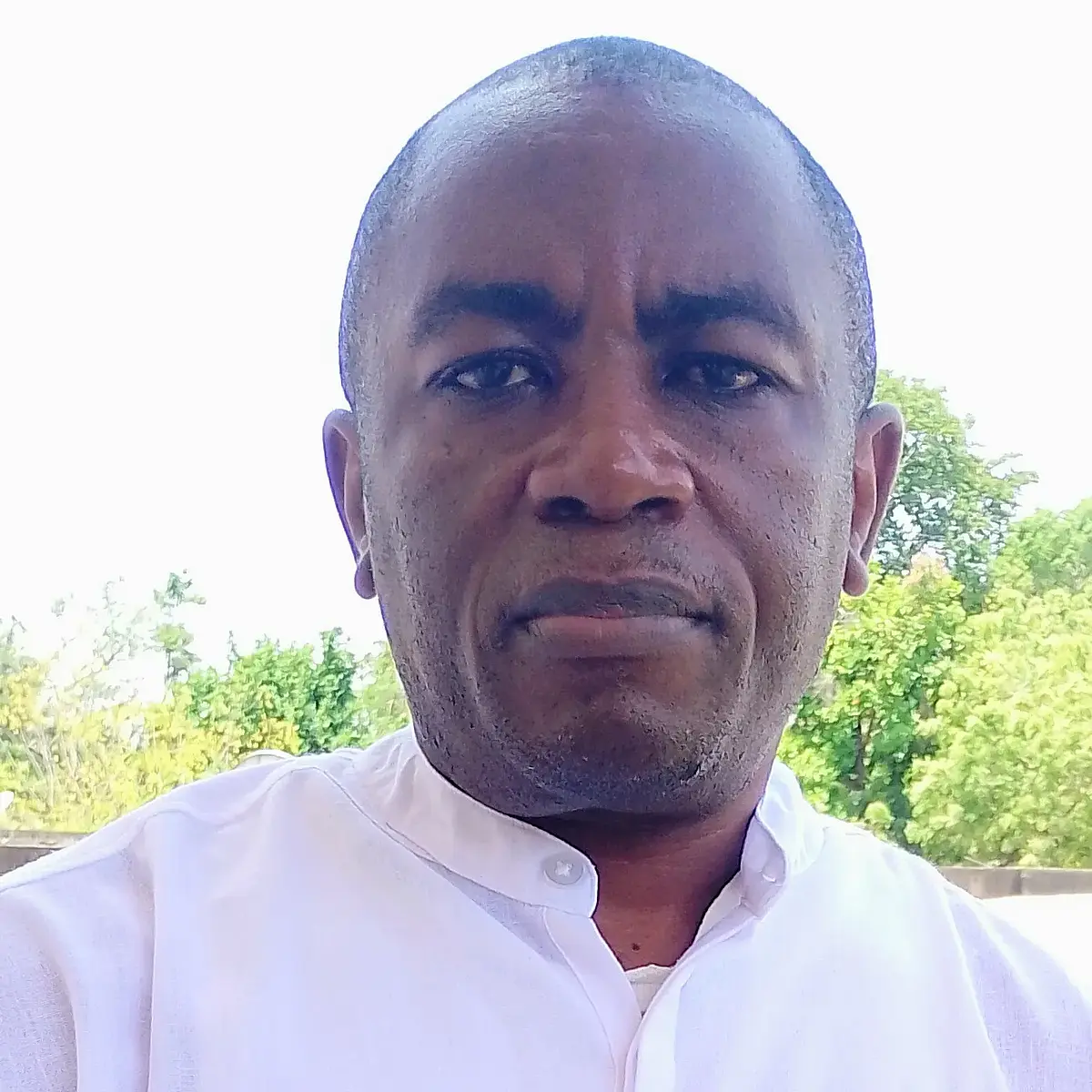
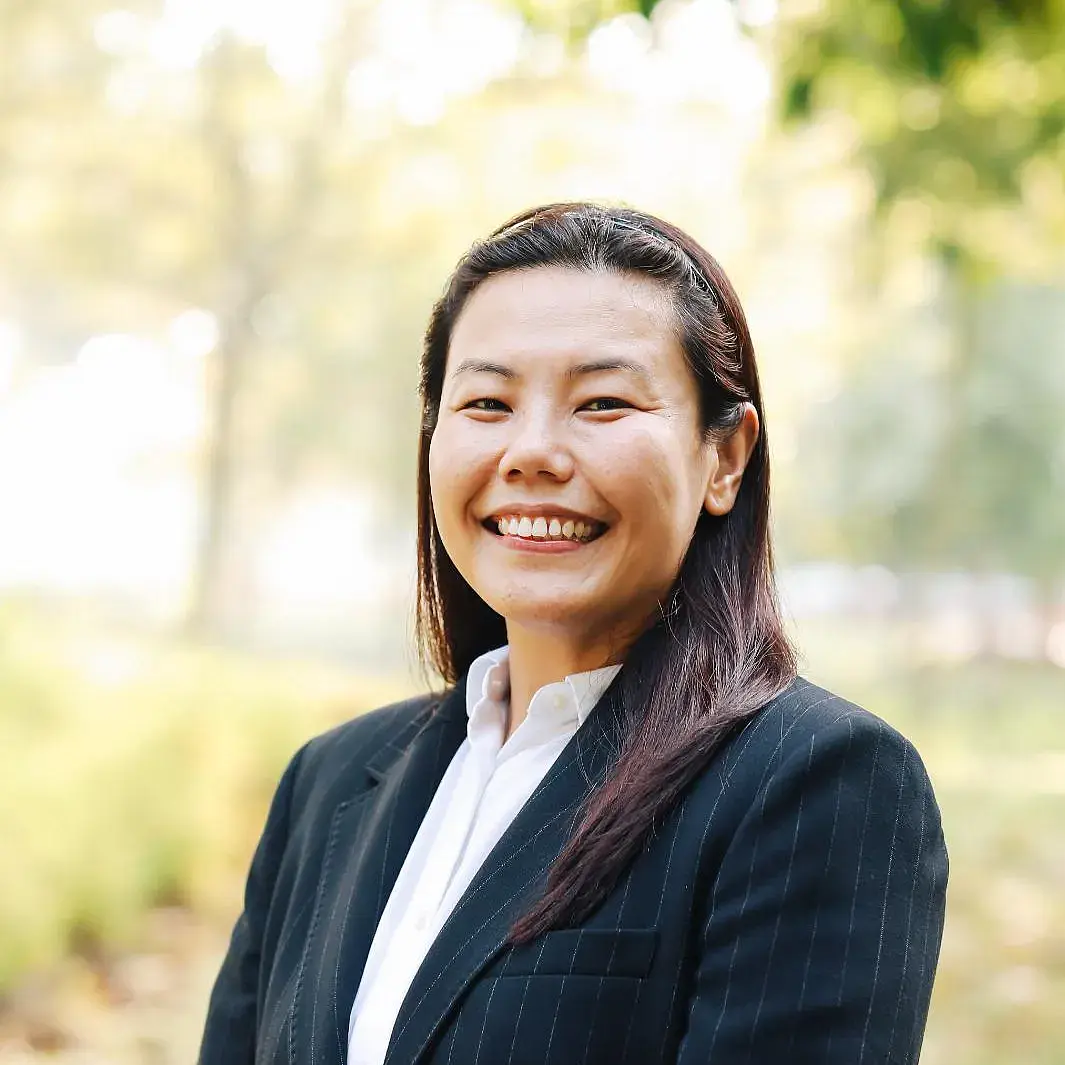
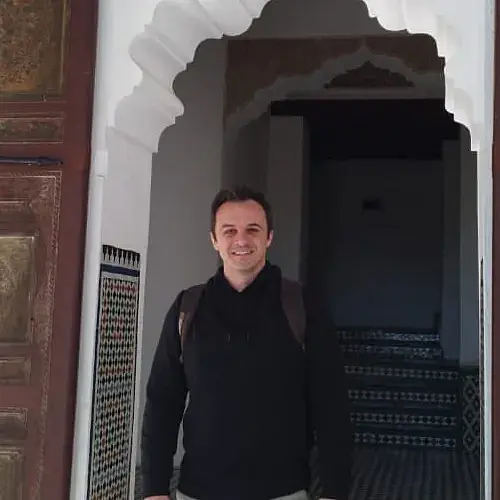
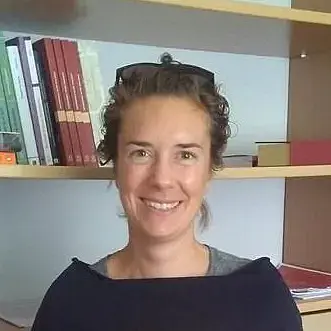
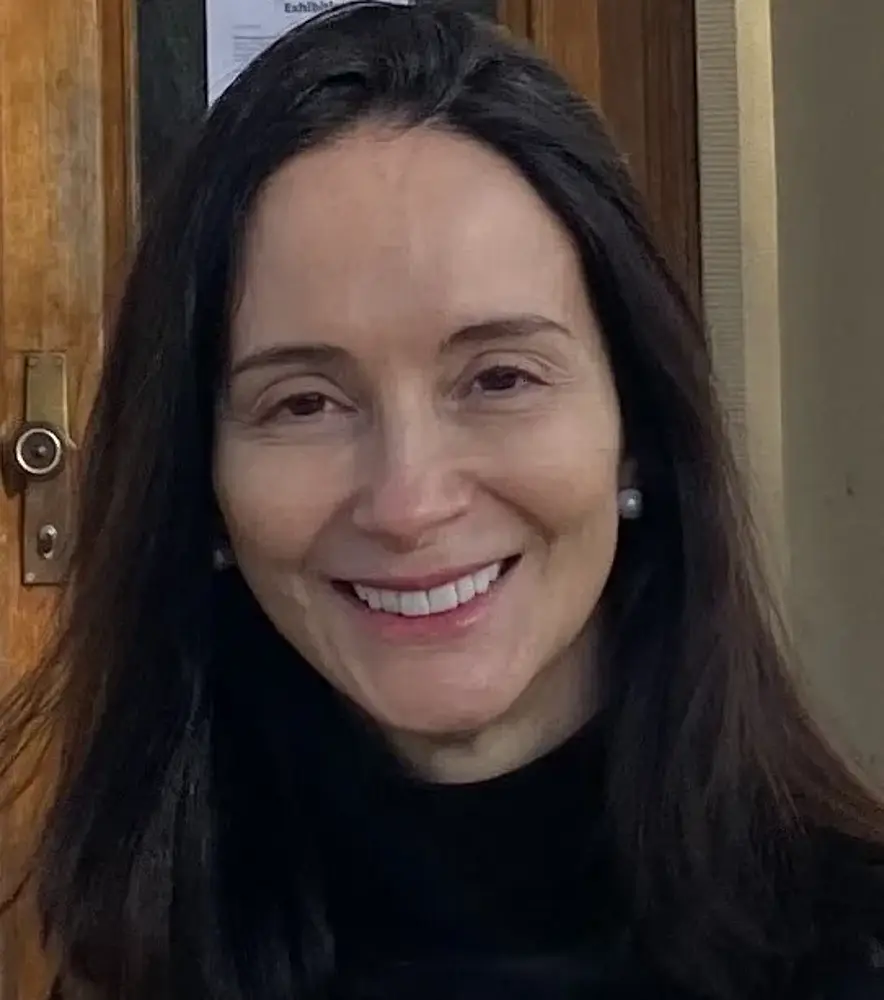
Prof. Dr. Jean Bertrand Miguoué

Fellowship:
Global Encounters short-term visiting scholarship

Affiliation:
Institute of German Language and Literatures  - Prof. Dr. Sigrid G. Köhler

Research Project:
German, Germany and Urban Topography in Cameroon. Memory, International Mobility and Transformation the Material and Daily Culture

Stay in Tübingen:
17 May 2026 to 21 June 2026

Research Areas:
German Literary and Cultural Studies:  intercultural and postcolonial literary studies, literary forms of historiography, processes of Europeanization and globalization in literature, slave trade and literary representation of the transatlantic space, transculturation and cultural transformations, literary spatial design, literature and discourse.
 

Contact

About

Jean Bertrand MIGUOUÉ teaches and conducts research as an associate professor of German literature and cultural studies at the Department of Germanic Languages, Literatures et Civilizations at the University of Yaoundé I in Cameroon. He is also a researcher and project manager at the Center for German African Scientific Cooperation (DAW-Center) there. After studying German language and literature, education, English language and literature, French languages and literature, and political science in Dschang, Yaoundé, and Innsbruck, he received his doctorate in 2009 with a thesis on Peter Handke and the disintegrating Yugoslavia at the University of Innsbruck. From 2017 to 2019, he was a Georg Forster Fellow of the Alexander von Humboldt Foundation at the Institute for German Studies and Comparative Literature at the University of Paderborn. His was also visiting Professor at Institute for Cultural Infrastructure in Görlitz (2023) at the University of Klagenfurt (2025) and at the University of Bamako (2025).

Research project

In a context in which provenance, restitution, rehabilitation, and reparation in the ambivalent and controversial shadow of the colonial past and violent European world history are highly discussed, research into cultural and cult objects from the former colonial sphere, the drawing up of an “atlas of absence,” and the drafting of decolonial plans for the future seem to have become an important trend in historical and cultural-historical research. What this research approach does not consider, and what is nevertheless linked to the ongoing effects of colonialism, is the influence of African European exchanges, international mobility, and global migration on spatial design and cultural representations, practices, and transformations in the Global South. The aim is precisely to supplement the “Atlas of Absence” with a topography and cartography of increasing (ubiquitous) presence. The replacement of local objects with European things and cultural artifacts can be understood as a further consequence of colonialism and globalization, whose spatial and cultural transformative power should be examined more closely. The fascination with German culture and German objects is based on a cultural vacuum caused by the plundering of local material and immaterial resources. Beyond aspects of colonial history, changes in representations of Europe in African material and daily culture should be considered to reflect the transformations currently observed in material culture and urban space.
 

Publications

Books

With Michael Hofmann, Myriam Esau (Ed.): Der Flüchtling im globalen Nomadismus. Literatur-, medien- und kulturwissenschaftliche Annäherungen. Königshausen & Neumann 2026 (fc.).

With Hyacinthe Ondoa und Constantin Sonkwe (Ed.): Postkoloniale Blickpunkte. Betrachtungen der Interkulturalität in Literatur, Film und Sprache. Leipzig: 2017

Peter Handke und das zerfallende Jugoslawien. Ästhetische und diskursive Dimensionen einer Literarisierung der Wirklichkeit, Innsbruck: 2012

Articles

Protestantismus, Expansionismus und Weltkartographie. Widersprüche und Wandlungen der protestantischen Welterkundung: In Acta Germanica 53 (2025), S. 166-180.

Diskurse – (Un)Wissen – Resilienz. Mediale und diskursive Produktion neuer Normalität. In: Akila Ahouli (Hg.): Werte, Herausforderungen und Resilienz im internationalen Kontext. Ein interkultureller Blickwechsel aus Afrika. Wiesbaden: Springer 2025, S. 02-23

Kolonialismus, Marginalität und europäische Weltgeschichte. Rassismus als Herausforderung der Wissensproduktion in einer (Erinnerungs-)Kultur der selektiven Amnesie und Verdrängung. In: Karina Becker/Michael Hofmann (Hg.): Rassismussensibler Literaturunterricht: Grundlagen, Dimensionen, Herausforderungen, Möglichkeiten. Würzburg: Königshausen & Neumann 2023, S. 311-332.

Sklavenhandel, Erzählungen und postkoloniale Weltgestaltung. Perspektiven der Germanistik und der Afrikanistik. In: Serge Yowa/Michael Hofmann/Axel Dunker (Hg.): Postkoloniale Germanistik und Konflikte im globalen Kontext. Herausforderungen, Möglichkeiten und Ausblicke im 21. Jahrhundert. Berlin/Boston: De Gruyter 2023, S. 165-189.


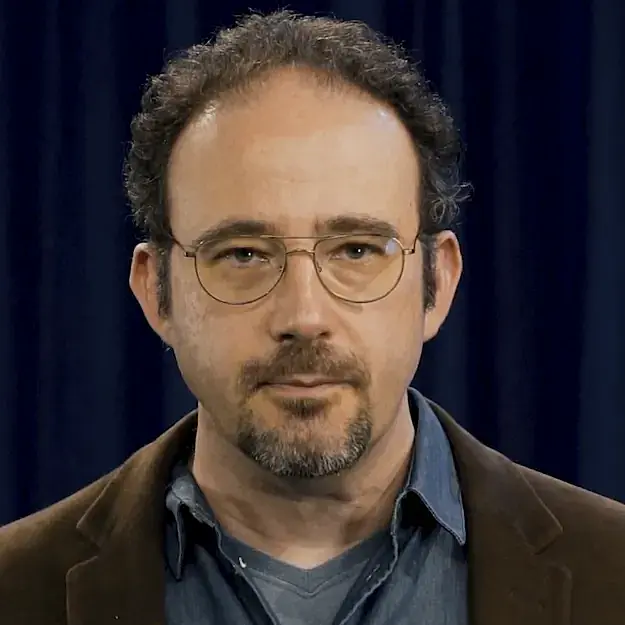
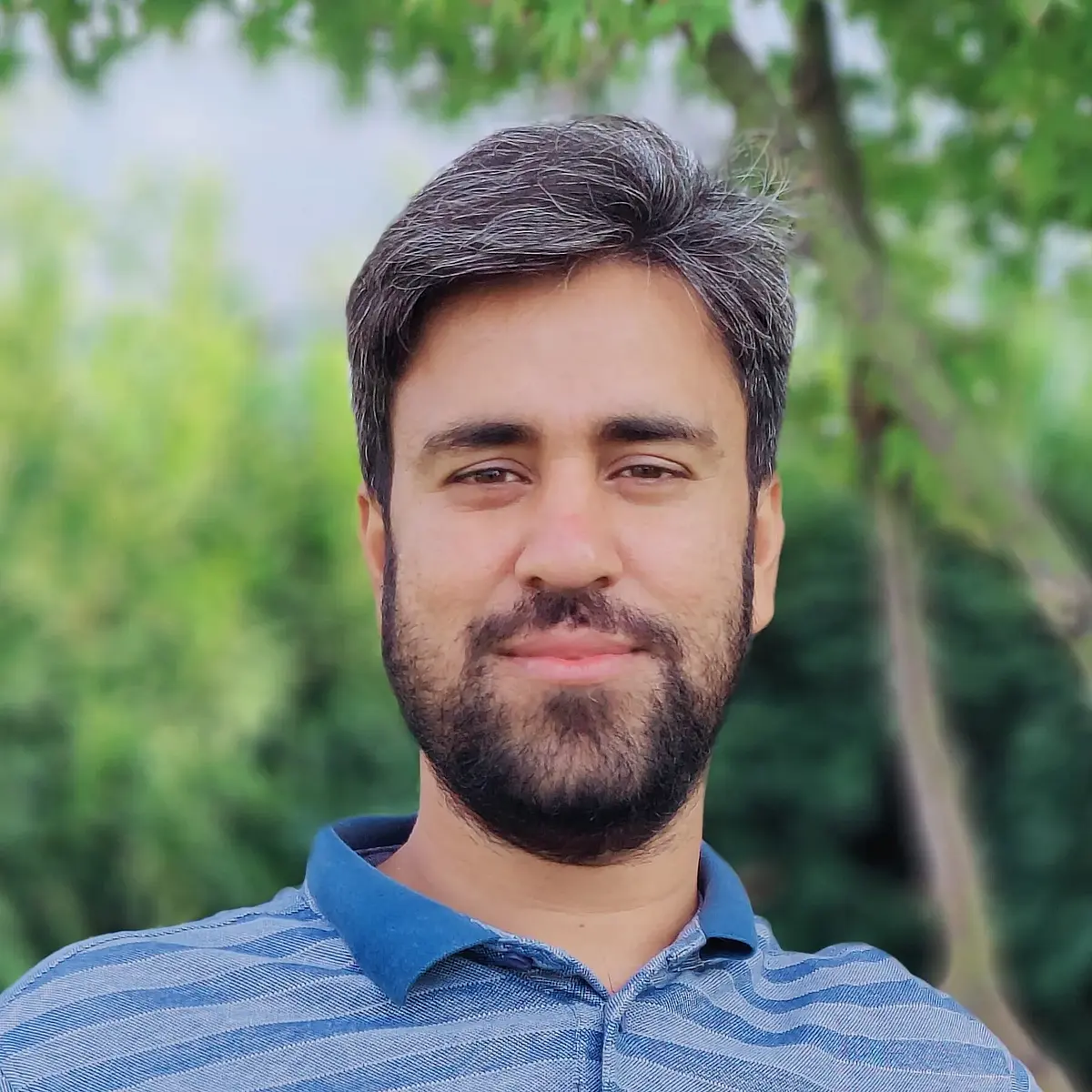
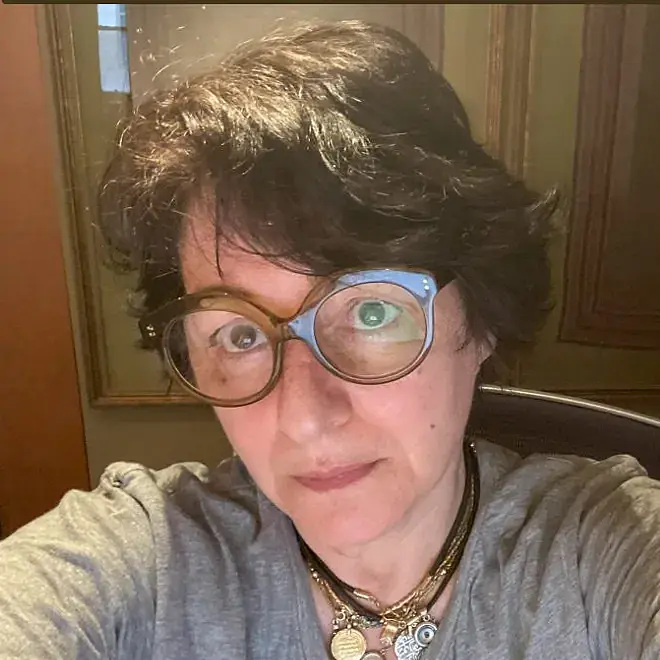
Dr Sacha Davis

Fellowship:
Global Encounters short-term visiting scholarship

Affiliation:
Ludwig Uhland Institute of Historical and Cultural Anthropology  - Prof. Dr. Reinhard Johler

Research Project:
Uses and Meanings of Settlerness: Germans in the East of Europe (1700s - Present)

Stay in Tübingen:
11 May 2026 to 11 June 2026

Research Areas:
The Habsburg Empire and its Successor States; German Diaspora History; Transylvanian Saxons; Danube Swabians; Settler Colonialism; Romani History; Australian Migration History
 

Contact

About

Sacha E. Davis lectures in history at the University of Newcastle (Australia). He completed his doctorate at the University of New South Wales. His research examines minority relations with the state in the southeast of Europe, with a focus on German diaspora communities, and coercive regimes directed at Roma, in the (post-)Habsburg lands. He also researches the history of German migration in Australia.

Research project

Co-investigator: Dr. Cristian Cercel, IdGL
This project analyses German “settlerness” in Southeast Europe (and its counterpart "indigeneity"), and the social, economic and political conditions producing and produced by such assertions. It focuses on two case studies, Transylvanian Saxons and Danube Swabians, from the 18th Century to present, seeking to uncover the political and socioeconomic production of difference through assertions of settlerness, indigeneity and migranthood. The study employs a theoretical apparatus developed in settler colonial studies, placing German “settlers” in Southeast Europe in their international context and highlighting the entanglements with global processes of settler colonisation.
 

Publications

Davis, S, and J. Perheentupa. “Unsettling Settler Colonialism: Forced Removal of Romani and Indigenous Children in the Habsburg Empire and Australia.” Settler Colonial Studies, March 12, 2026, 1–23. https://doi.org/10.1080/2201473X.2026.2637998.

Nguyen, L, F Ricatti, S Davis, J Hunt, J Walker, J Hajek, and C Travis (2026). “Engaging with Oral Community Language Collections in Australia: Practices, Challenges, and Ways Forward.” Journal of Intercultural Studies: 1–18. https://doi.org/10.1080/07256868.2025.2592305.

Davis, S (2022). “Ethnophotography, Nation Branding, and National Competition in Transylvania: Emil Sigerus’ Durch Siebenbürgen.” Nationalities Papers: 1–22. www.doi.org/10.1017/nps.2022.87  

Hunt, J and S Davis (2022), "So, mein Deutsch ist schlecht … ’: echoes of societal attitudes and education language policies within the family language policies of second- and third-generation German speakers in Newcastle, Australia" International Journal of Multilingualism 19, No. 2: 233-250. DOI: 10.1080/14790718.2022.2037609

Davis, S (2021). "Pan-German or Pan-Saxon? Framing Transylvanian-Saxon Particularism on Both Sides of the Atlantic," Nationalism and Ethnic Politics, DOI: 10.1080/13537113.2021.2004765 (Reprinted as a book chapter in 2023.)

Davis, S (2019). “‘A most picturesque mass of rags’: Romani costume and undress in nineteenth century travel descriptions of Hungary. Patterns of Prejudice. 53:5: 464-486, https://doi.org/10.1080/0031322X.2019.1656884

Davis, S (2018). “Hospitality networks, British travel writers, and the dissemination of competing Transylvanian claims to civilization, 1830s-1930s,” Nationalities Papers 46: 612-634. doi.org/10.1080/00905992.2018.1448375  

Davis, S (2017). “Competitive Civilizing Missions: Hungarian Germans, Modernization, and Ethnographic Descriptions of the Zigeuner before World War I.” Central European History 50: 6-33.


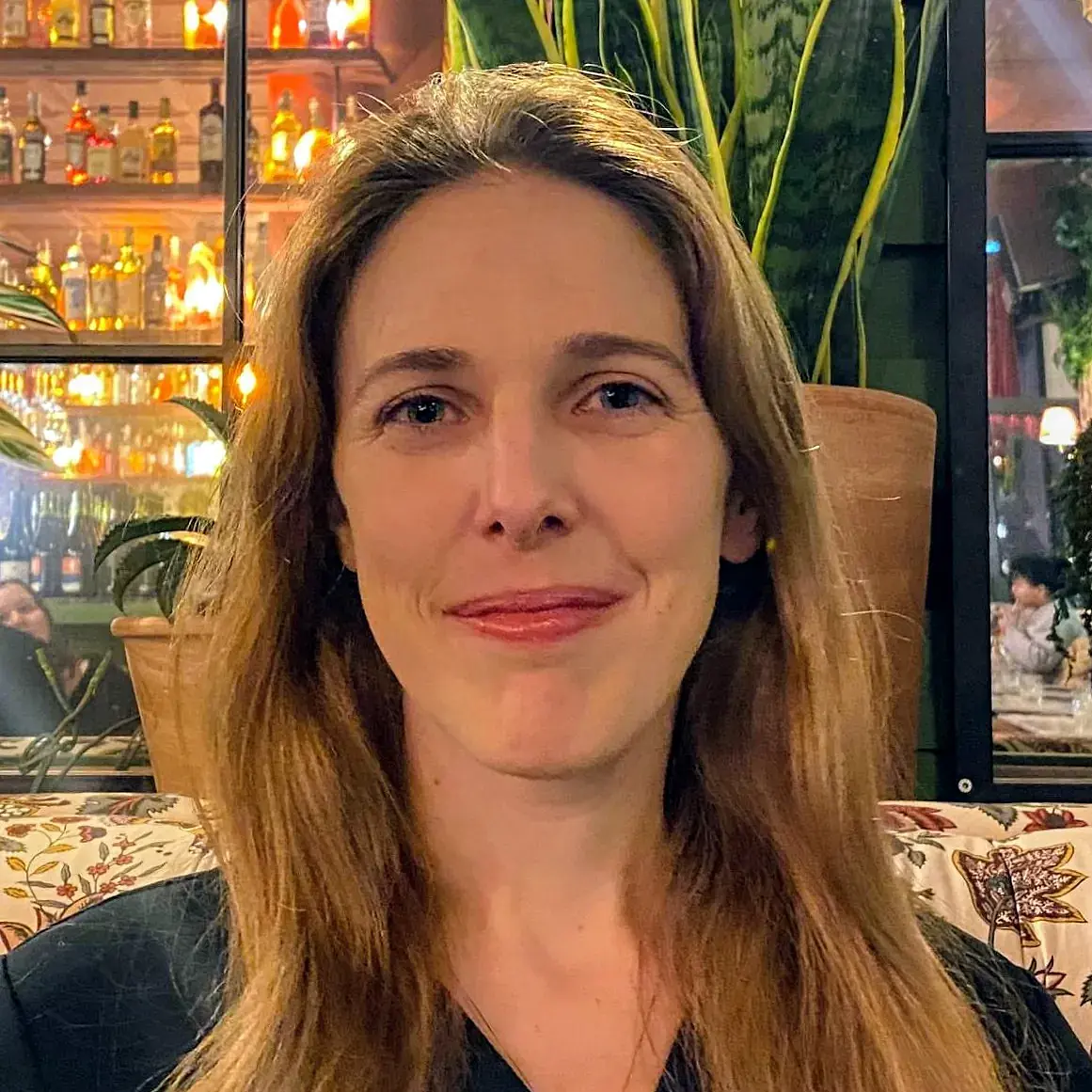
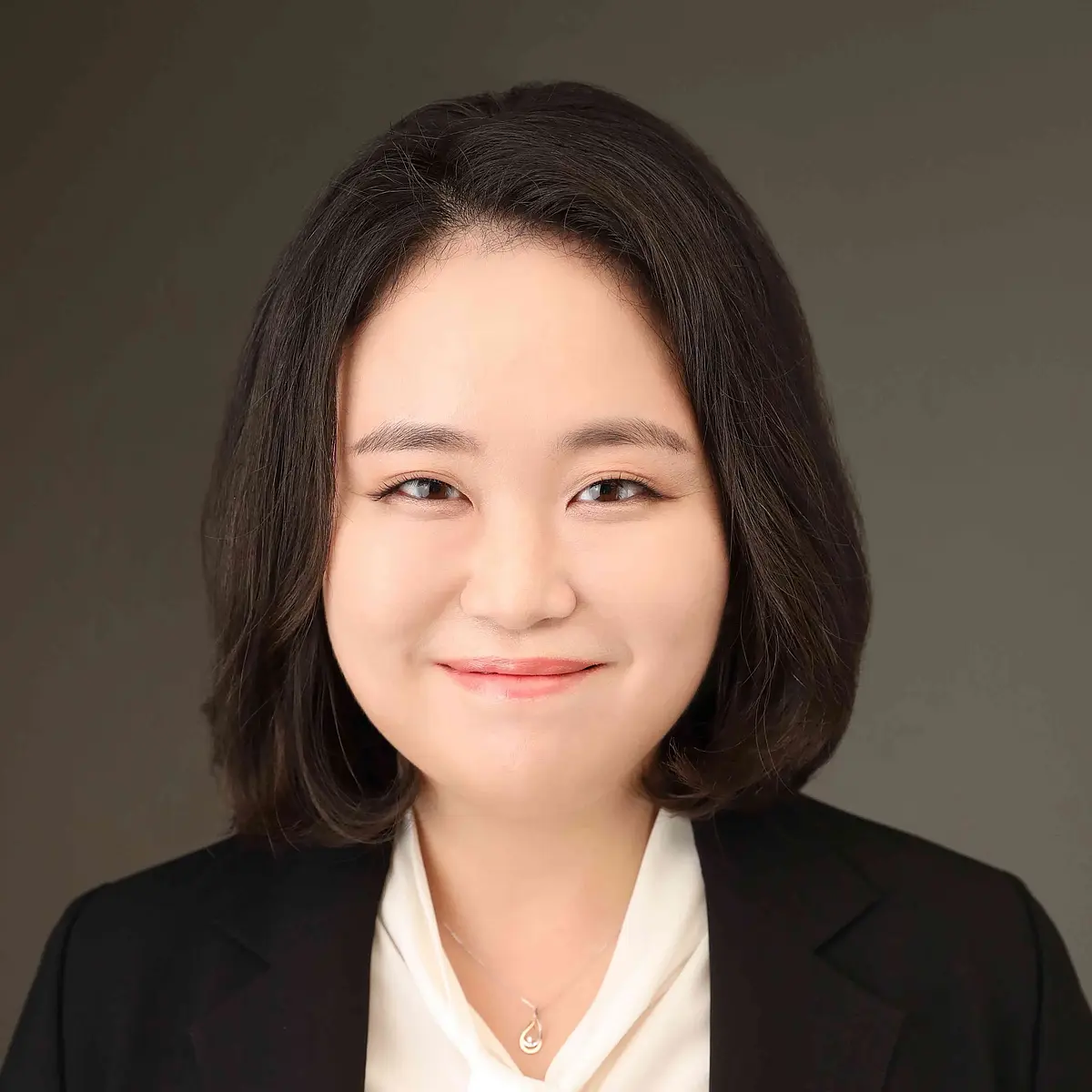
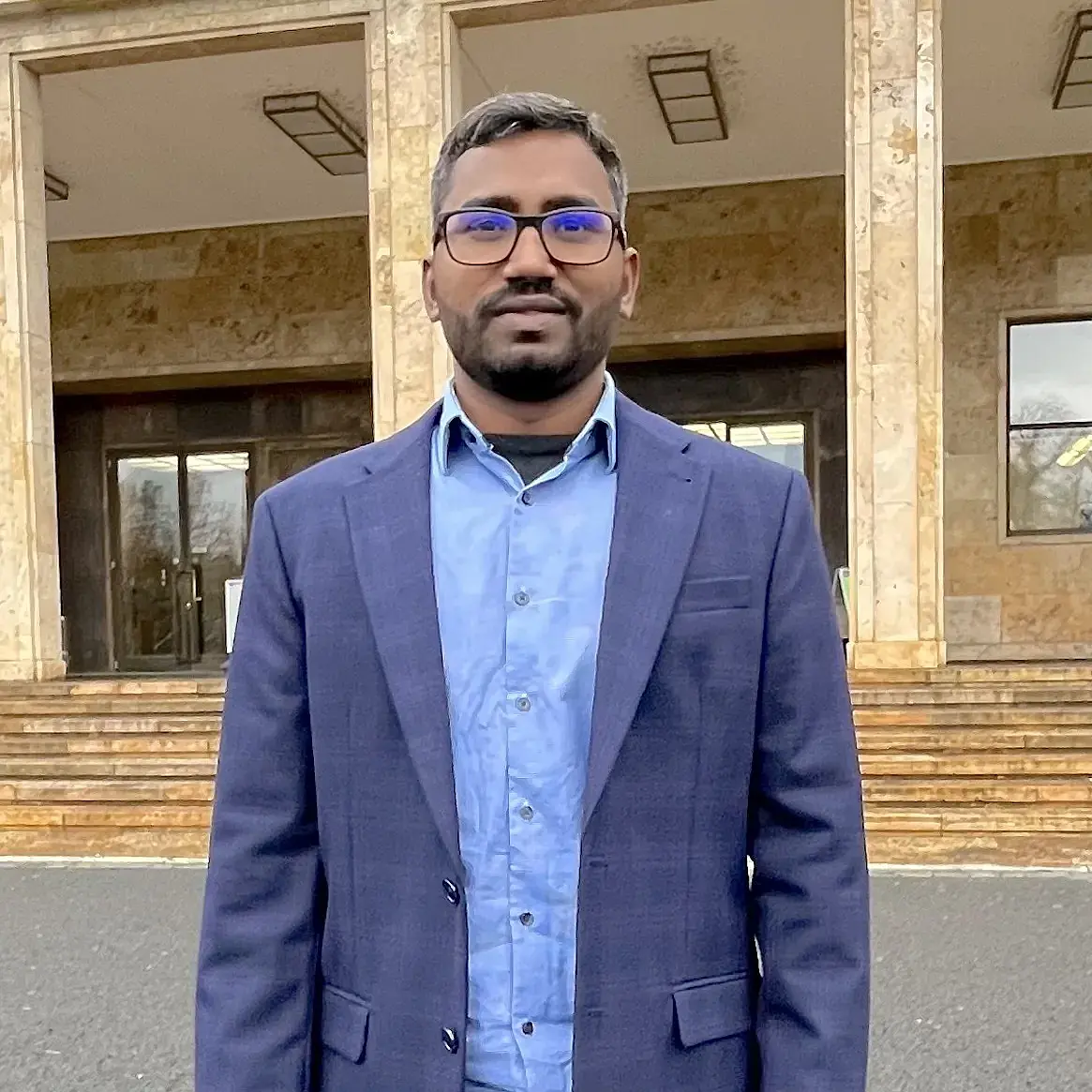
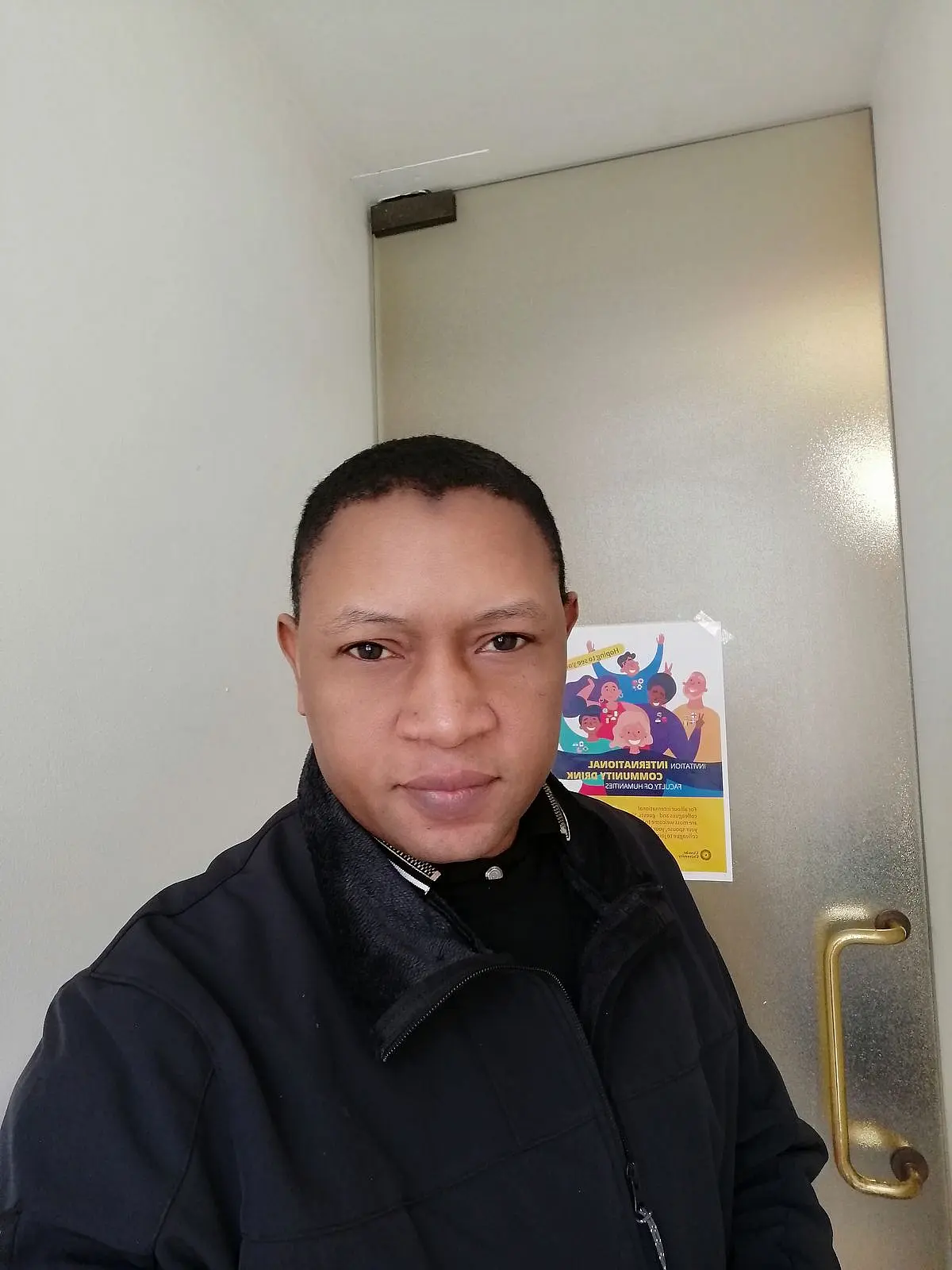
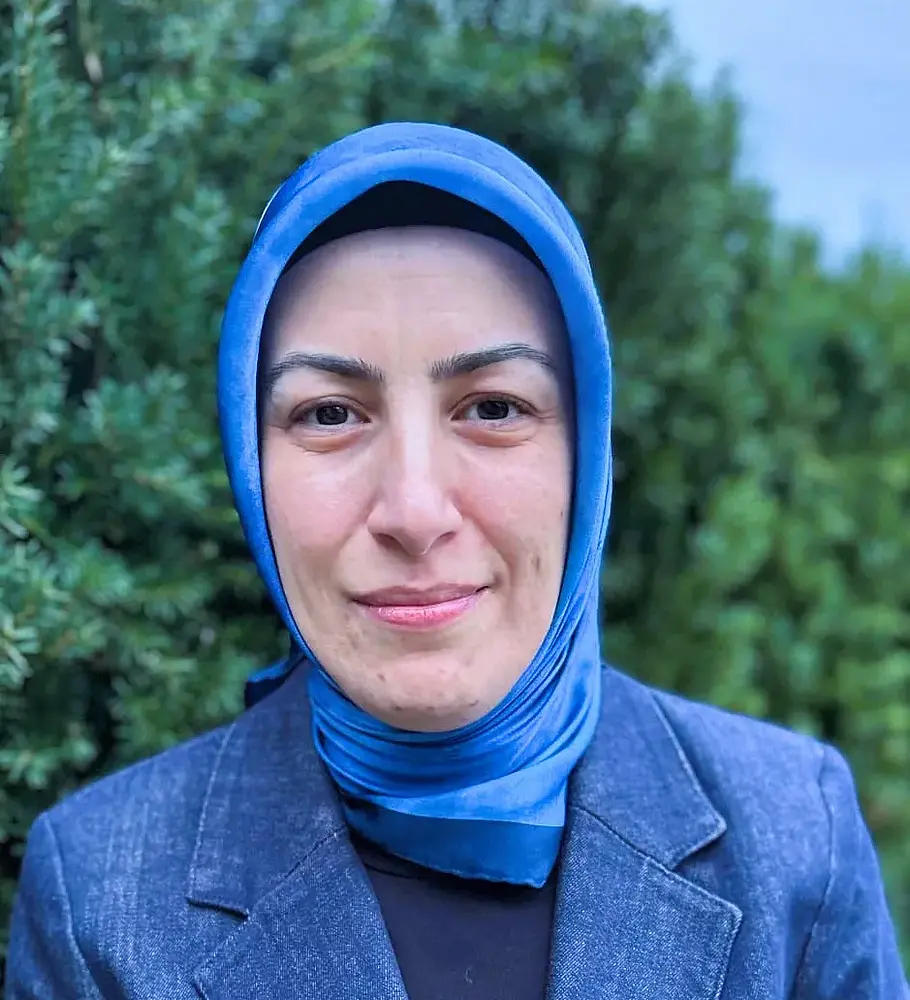
Prof. Amaya Querejazu

Fellowship:
Global Encounters short-term visiting scholarship

Affiliation:
Institute of Political Science - Jun. Prof. Dr. Riccarda Flemmer

Research Project:
Beyond Peace with Nature: Negotiating Coexistence with Nature through Pluriversal Diplomacies

Stay in Tübingen:
2 May 2026 to 6 June 2026

Research Areas:
International Relations Theories, Relationality and Pluriversality, Latin America, Postcolonialisms, climate justice and rights of nature, arts-based research. 
 

Contact

About

Amaya Querejazu is a professor at the Faculty of Law and Political Science at the University of Antioquia, Colombia. She is a British Academy Newton International Alumnae. She holds a PHD in Political Science from University of Los Andes. Her research interests are: relationality, pluriversality, decoloniality, environmental issues, non-anthropocentric theories, creative and relational methods and Latin America. 

Research project

This research critically examines the growing global call to “make peace with nature” arguing that dominant international framings often reproduce Western, anthropocentric, and colonial assumptions by treating nature as an external entity and peace as a fixed, absolute and harmonious goal. The project proposes a pluriversal understanding of peace as an ongoing, negotiated practice of coexistence between human and more-than-human worlds. Using the concepts of cosmopraxis and pluriversal diplomacies, the research explores how alternative ontologies, spiritualities, and embodied practices—such as Indigenous rituals and arts-based methods like embroidery—can reimagine human–nature relations, challenge dominant modes of representation in multilateral institutions, and contribute to more ethical and inclusive frameworks for environmental governance climate justice and coexistence.  

Publications

Querejazu, A. (2026). Pluriversality as methodology. Third World Quarterly, 1–12. https://doi.org/10.1080/01436597.2025.2601814

Querejazu, A. (2025). Pluriversal IR in the Classroom. Alternatives: Global, Local, Political, 0(0). https://doi.org/10.1177/03043754251395230

Querejazu, A. (2025). “Naturaleza(s)” En Angela Iranzo, Itziar Ruiz-Giménez & Martha Iñiguez Heredia (eds.) Manual de estudios críticos: cartografías disidentes para comprender las relaciones internacionales. Madrid: Tirant lo Blanch.

Querejazu, A. (2024). Are the International Tribunals of Rights of Nature pluriversal? International Relations, 38(3), 369-387. https://doi.org/10.1177/00471178241269737

Querejazu, A. (2024). Animacy and the Agency of Spiritual Beings in Pluriversal Societies. International Political Sociology, Volume 18, Issue 2, June 2024, https://doi.org/10.1093/ips/olae012

Trownsell, T., Tickner, A. B., Querejazu, A., Reddekop, J., Shani, G., Shimizu, K., … Arian, A. (2020). Differing about Difference: Relational IR from around the World. International Studies Perspectives, 1–40. https://doi.org/10.1093/isp/ekaa008

Tickner, A. B., & Querejazu, A. (2021). Weaving Worlds : Cosmopraxis as Relational Sensibility. International Studies Review, (0), 1–18. https://doi.org/10.1093/isr/viaa100

Querejazu, A. (2022). Cosmopraxis: Relational methods for a pluriversal IR . Review of International Studies, 48: 5, 875–890 doi:10.1017/S0260210521000450 

Querejazu, A. (2022). Water Governance. New Perspectives,0(0) 1–9 DOI: 10.1177/2336825X221089189

Andrä, C., Bliesemann de Guevara, B., Querejazu, A. and Santos, V. (2023). Textiling World Politics: Towards an extended epistemology, methodology, and ontology, Global Studies Quarterly, Volume 3, Issue 4 ksad059, doi.org/10.1093/isagsq/ksad059


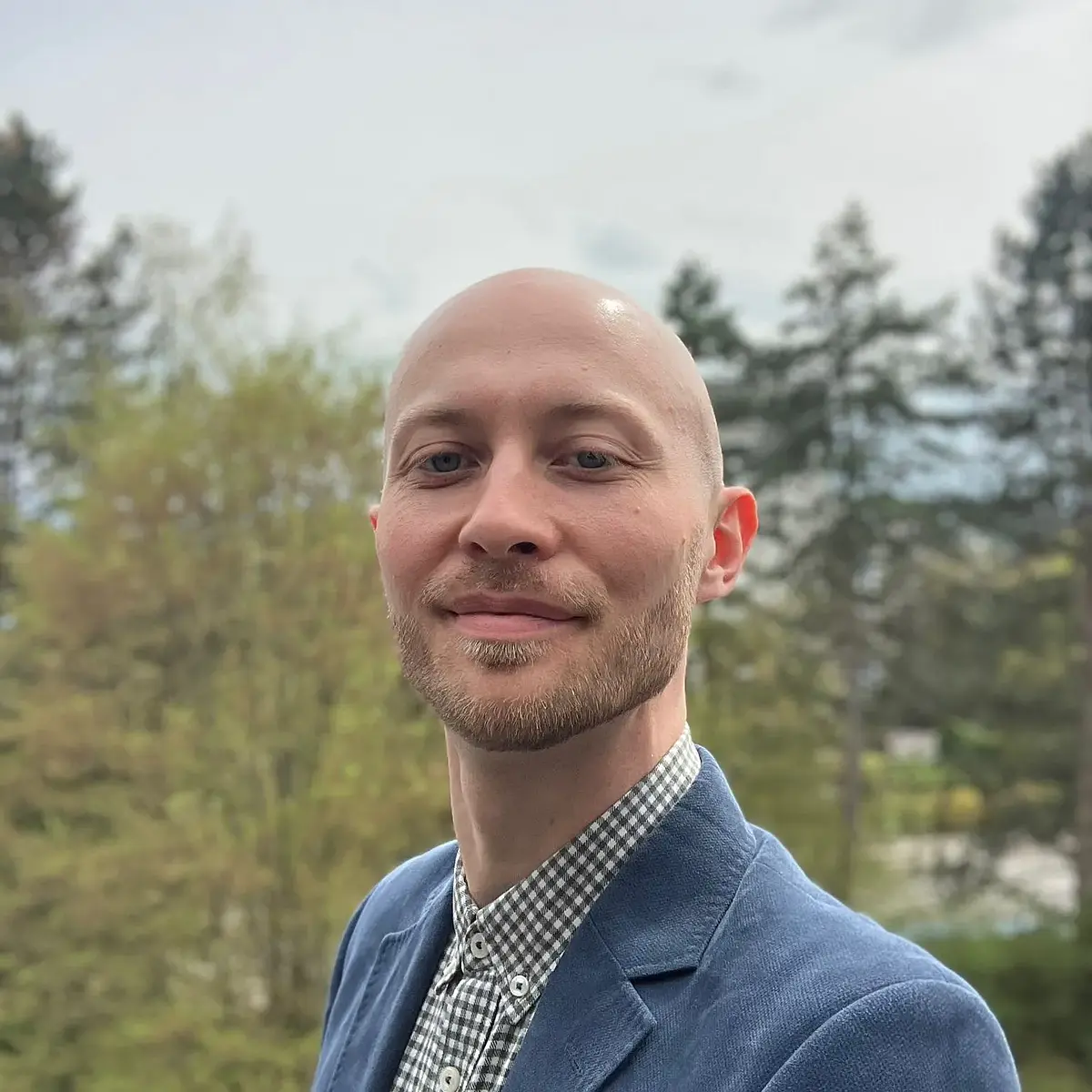
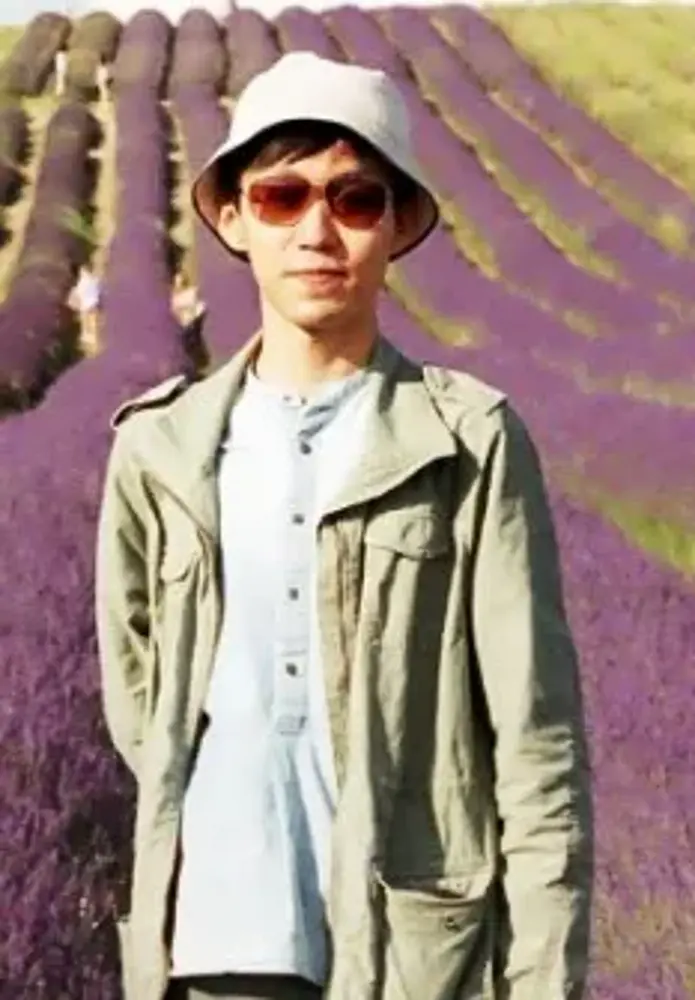
Dr Andrzej Stuart-Thompson

Affiliation:
English Department - Junior Professor Dr. Jacky Kosgei

Research Project:
Investigating Ecological Hopefulness in Lusophone Cultures

Stay in Tübingen:
1 April 2026 to 31 March 2027

Research Areas:
Ecocriticism; ecofeminism; critical animal studies; plant philosophy; queer ecologies; Portuguese-speaking cultures; literature; film; visual arts.
 

Contact

About

Working on ecocritical approaches to cultural production from the Lusophone sphere, I am using my Global Encounters Fellowship at the University of Tübingen to investigate how literature and the arts can help with combatting eco-anxiety and generating active hope for a greener and more biodiverse planet. Having completed my DPhil in Medieval and Modern Languages (Portuguese) in 2023 at the University of Oxford, with a thesis entitled ‘Unruly Daughters: complications of epic and identity in 20th and 21st century Portuguese women’s poetry’, I carried my love of eco-feminist women’s writing into my teaching practice with a stipendiary lectureship at Oxford’s sub-faculty of Portuguese. More recently, I have convened a module on masculinities (‘A Cultural Analysis of Swagger: Representing Performative Masculinities in Literature and the Arts’), as well as supervising master’s dissertations, for Oxford’s MSt in Women's, Gender, and Sexuality Studies.

Research project

During my 1-year position as a postdoctoral researcher at the University of Tübingen, I am inspired by this year’s Global Encounters Fellowship theme of ‘making peace with nature’ to research how literature and the arts can inspire hope at a time of human-made environmental crisis. Building on my background in Lusophone studies, I am building a panorama of cultural expressions of eco-optimism that emerge specifically in Portuguese-speaking contexts, namely Portugal and Brazil – where Indigenous languages and cosmologies provide additional critical counterpoints. Every culture’s storehouse of ecological wisdom and toolkit for green politics evolves in response to (even in co-authorship with) local climates, landscapes, ecosystems, and species. Disseminated more widely, Portuguese, Brazilian, and Indigenous artists’ own unique solutions to the problems of climate change, environmental degradation, and biodiversity loss can provide the global community with fresh ways of imagining an eco-utopian counter-apocalypse worth striving for.
In this vein, as my new and evolving research project (entitled more precisely Eco-Utopias of the ‘We-Earth’—Multi-Species Co-Authoring of Culture in Portugal & Brazil) begins to take shape, I will be exploring how Portuguese- and Indigenous language-speaking writers, filmmakers, and visual artists engage hopefully and reciprocally with other species in order to imagine solidaristic futures beyond the purely human. Examining a range of cultural objects co-authored in partnership with the biodiverse species of the Lusophone world, I am looking to redress anthropocentric narratives that prioritise exclusively human understandings of cultural creation, the future, and ecological catastrophe. By focusing on multi-species collaborations between cultural practitioners and the ‘more-than-human’ (to borrow a term first proposed by David Abram in his book The Spell of the Sensuous, from 1996, and expanded upon here, in 2024), I mobilise ecocriticism alongside critical animal studies, plant philosophy, and queer ecologies to celebrate the forms of conviviality, expressivity, and artistry that only a biodiverse world can sustain.
My stay in Tübingen equally represents an opportunity for me to revisit my DPhil thesis on the critique of Portuguese national identity offered by 20th and 21st century Portuguese women’s poetry, expanding upon its eco-feminist conclusions. In parallel, I am looking forward to sharing my collaborative work with Professor Cláudia Pazos-Alonso on translating into English the poetry of Natália Correia (1923-1993) – soon to be published by Shantarin. We feel that this Azorean surrealist poet and philosopher of eco-matriarchy, who dreamt of ‘rewilding the world with roses’, has much to offer today’s readers by way of revitalising our ecological hopefulness. 

Publications

Stuart-Thompson, Andrzej, and Dorothée Boulanger (eds.). Luso-Ecologies: Environmental, Ecocritical and More-Than-Human Perspectives in Lusophone Studies, Portuguese Studies, no. 41.1 (Spring 2025).
— .  ‘“A Casa da Porca”: the porcine undoing of domesticity and anthropocentrism in Hilda Hilst’s sensual world’, in Luso-Ecologies: Environmental, Ecocritical and More-Than-Human Perspectives in Lusophone Studies, Portuguese Studies, no. 41.1 (Spring 2025).
— . Boulanger, Dorothée, and A. Stuart-Thompson. ‘Postcolonial childhoods, literary filiations? Angolan boyhood narratives in the works of Luandino Vieira and Ondjaki’. Global Portuguese: Legacies of Empire and Acculturation, edited by Shihan da Silva and Stefan Halikowski-Smith (Leiden; Boston: Brill, 2025).
— . Joy, Vaughn, and A. Stuart-Thompson. ‘O Ornitólogo, João Pedro Rodrigues (2016)’, in Natureza e Cinema Português Contemporâneo, edited by Filipa Rosário and José Duarte (Lisbon: Editora Documenta/Sistema Solar, 2024).
— . ‘“Escrever um poema/ escavar uma toca”: inhabiting the world dis-anthropocentrically with the poetry of Adília Lopes’. Adília Lopes: do privado ao político, ed. Burghard Balstrusch et al. (Lisbon: Editora Documenta/ Sistema Solar, 2024).
— . ‘Ethically Inclined Models of Authorship and Lyric Subjectivity in the Poetry of Adília Lopes’. ELyra: Revista Da Rede Internacional Lyracompoetics, n. 14 (Dec. 2019), pp. 19-47, elyra.org/index.php/elyra/article/view/304.


Dr Rachel Macreadie

Affiliation:
English Department - Prof. Dr. Dr. Russell West-Pavlov

Research Project:
Listening to Country: Dialogue, Policy and Pathways to ‘Making Peace with Nature’ in Victoria, Australia

Stay in Tübingen:
1 April 2026 to 31 March 2027

Research Areas:
Cross-cultural communication; Risk management; Crisis communication; Climate justice; Planetary health; Minority rights; Public policy
 

Contact

About

Rachel Macreadie is an interdisciplinary political scientist and health policy researcher. She has a joint PhD in Translation Studies from the University of Melbourne and KU Leuven, an MA in Gender Studies and a Graduate Diploma in Law. Her PhD thesis examined crisis communication practices and policies with migrant communities during COVID-19. Rachel has nearly two decades of experience working as a parliamentary researcher for the Parliament of Victoria (Australia) in which she worked on several inquiries that led to important policy changes in areas including disability, forced adoption, perinatal health, First Nations health, and migrant inclusion. In 2011-12, she was an Australian Aid Youth Ambassador for Development and worked as a migrant health researcher for the International Organization for Migration (in Vietnam) and the Victorian Foundation for Survivors of Torture (Melbourne).

Publications

Pym, A. & Macreadie, R. (2026). Risk in translation and interpreting. In H. Nesi & P. Milin (Eds.) International Encyclopaedia of Languages and Linguistics. 3rd edition. Elsevier. https://doi.org/10.1016/B978-0-323-95504-1.01368-5

Pym, A. & Macreadie, R. (2026). Translator employment and the risk of market collapse. News from Australia. Translation & Interpreting. 18(1), 1-18. https://doi.org/10.12807/ti.118201.2026.a01

Macreadie, R., Bouyzourn, K., Pym, A. & Meylaerts, R. (2025). Thick and thin trust in cross-cultural vaccination messaging. What code of ethics do we need? Translation Studies, 18(2), 265-282. https://doi.org/10.1080/14781700.2025.2516000.

Meylaerts, R., Macreadie, R., Bouyzourn, K. & Pym, A. (2024). How should we study interactions between translation policies, practices, and beliefs? Comparing case studies from a time of crisis. Perspectives, 1–19. https://doi.org/10.1080/0907676X.2024.2408590 

Bouyzourn, K., Macreadie, R., Zhou, S., Meylaerts, R. & Pym, A. (2023). Translation policies in times of a pandemic. Language Problems and Language Planninghttps://doi.org/10.1075/lplp.22053.bou

Hajek, J., Pym, A., Hao, Y., Karidakis, M., Hasnain, A., Hasnain, A., Qiu, J., Hu, K. & Macreadie, R. (2024). Understanding and improving machine translations for emergency communications. (Report commissioned by the Victorian Government). https://www.researchgate.net/publication/381698599_Understanding_and_Improving_Machine_Translations_for_Emergency_Communications 

Fung, P. & Macreadie, R. (2018). Engaging culturally and linguistically diverse (CALD) communities in parliamentary inquiries. Parliamentary Library, Parliament of Victoria. https://apo.org.au/sites/default/files/resource-files/2018-12/apo-nid211056.pdf 


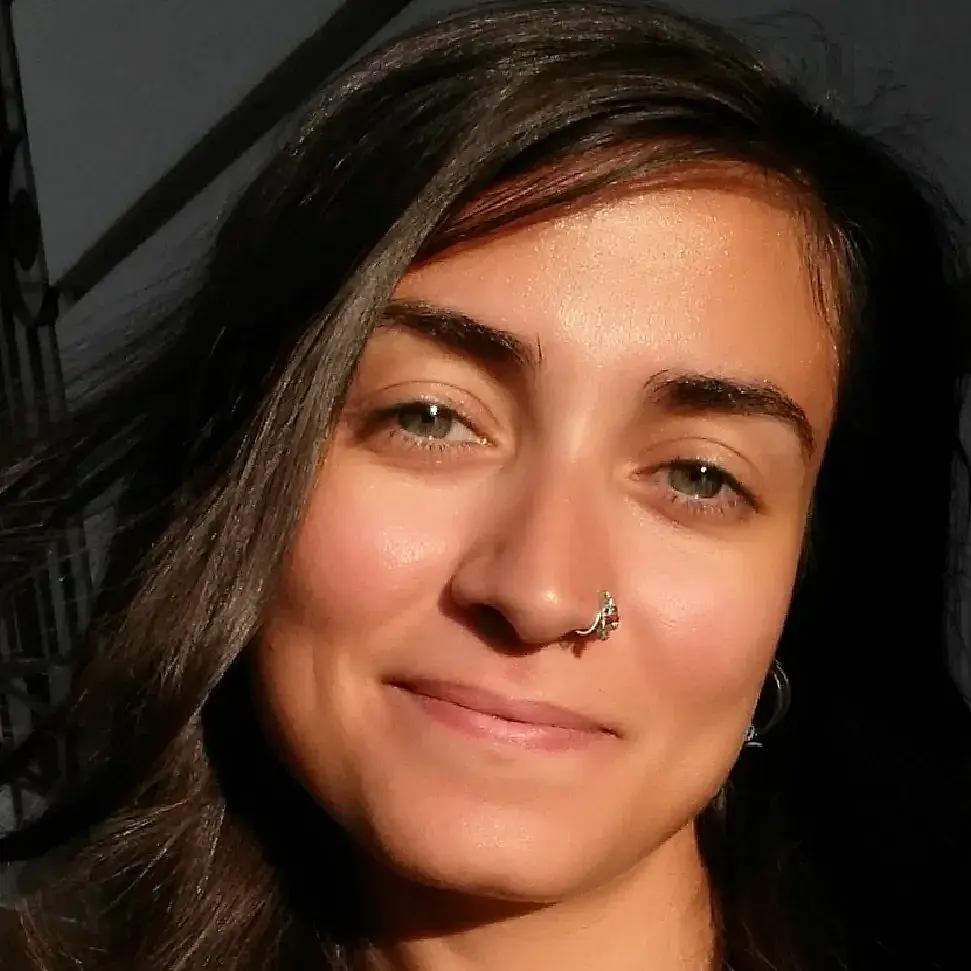
Dr Wendy He

Affiliation:
Institute of Political Science - Prof. Dr. Andreas Hasenclever

Research Project:
Making Peace with Nature: Confidence, Trust, and the Political Psychology of Climate Diplomacy

Stay in Tübingen:
1 April 2026 to 31 March 2027

Research Areas:
Political Psychology, Threat Credibility, U.S.–China Relations, Grand Strategy, Foreign Policy, Judgment and Decision Making in War, Alliance Politics, Civil Military Relations
 

Contact

About

Wendy He is an interdisciplinary scholar of international relations whose research bridges political psychology, international security, and diplomatic history. Her work examines how leaders and advisers assess credibility, escalation risk, and restraint under conditions of uncertainty, developing a psychological framework that explains how confidence calibration and trust dynamics shape foreign policy decision-making. She is currently developing a book project, The Confidence Trap, which advances this framework to explain how miscalibrated confidence distorts advice utilisation, trust, and cooperation in high-stakes negotiations.

She is a Global Encounters Fellow at the University of Tübingen, where she applies this framework to climate diplomacy, examining how confidence distortions and advice utilisation shape trust, cooperation, and norm formation in climate negotiations. She was a Hans J. Morgenthau Fellow in Grand Strategy at the Notre Dame International Security Center from 2024 to 2025 and was awarded the prestigious Singapore Social Science Research Council Graduate Research Fellowship in support of her postdoctoral research at Tübingen. Her broader research agenda explores how cognitive and relational dynamics shape cooperation across both traditional security crises and global challenges such as climate change.

Research project

Climate science has made the stakes unmistakably clear. The remaining challenge is political. How can states build trust and sustain cooperation under deep uncertainty? Why do some climate negotiations collapse while others produce breakthrough agreements?

This project examines how leader confidence and trust dynamics shape cooperation in climate diplomacy. Drawing on political psychology and research on advice utilisation, I argue that miscalibrated confidence, what I call the “Confidence Trap,” distorts how leaders interpret evidence, incorporate expert advice, and signal commitment. Overconfident leaders may dismiss credible counsel and overpromise. Underconfident leaders may hesitate and signal unreliability. Both patterns weaken trust.

Through comparative case studies of major negotiations such as Copenhagen, Paris, and Glasgow, as well as analysis of China’s role in climate diplomacy, the project investigates how calibrated confidence, trusted chairs, and epistemic communities enable durable cooperation and shared norms.

By integrating in-depth case analysis with experimental design, the research offers theoretical and practical insights into how diplomacy can move beyond tactical bargaining toward sustained trust-building. Achieving peace with nature requires scientific knowledge, political will, and carefully calibrated judgment. It requires rethinking the psychological foundations of cooperation itself.

Publications (selected)

“Getting Inside the Mind of Leaders and Advisers: A Data Collection Strategy for Historical Case Studies in International Relations” (with Pascal Vennesson) International Studies Perspectives 26 (3) (2025), pp. 356-376: https://doi.org/10.1093/isp/ekae017

“Naming and Shaming China: America’s Strategy of Rhetorical Coercion in the South China Sea” (with Haridas Ramasamy) in Contemporary Southeast Asia 42, No. 3 (2020), pp.317-345; DOI: 10.1355/cs42-3a 

No Peace without Pause: Why Ceasefires Must Precede Negotiation in Ukraine,” Institute of Defence and Strategic Studies (IDSS) papers, RSIS, NTU, December 9, 2025.

The Psychology of Waiting in U.S.-China Economic Statecraft: Why Washington’s Demand for Speed and Beijing’s Patience Create New Risks in the Tariff War,” China Dialogues (LSE IDEAS, London School of Economics and Political Science), December 5, 2025.


Dr Iymon Majid

Affiliation:
Institute for the study of Religions - Jun.-Prof. Dr. Carola Lorea

Research Project:
 Managing Conflict: Law, Politics and Religion in Kashmir

Stay in Tübingen:
15 June 2025 to 14 June 2026

Research Areas:
Comparative Political Theory; Modern South Asia, Contemporary Islam

Contact

About

Dr. Iymon Majid is a political scientist specializing in comparative political theory and South Asia. His work critically interrogates the tense negotiations between religious authority and state governance in modern Kashmir. Before coming to Tübingen, he held a fellowship at the Institute for Advanced Study, Princeton. 

Publications

  • “When Less is More: Low Voter Turnout and Electoral Politics in Kashmir” India Review 24, No.1, (2025): 108-129.
  • “Integrating Kashmir: Modernity, Development and Sedimented Narratives”, American Journal of Islam and Society 41, No. 3-4, (2024): 86-100.
  • “Violence and Insurgency in Kashmir: Understanding the Micropolitics”, India Review 21, No. 4-5, (2022): 576-598.
  • "Confronting the Indian State: Islamism, Secularism, and the Kashmiri Muslim Question”, International Journal of Asian Studies 19, No.1, (2022): 67-80.
  • “A Theseus Paradox: Interrogating the Shift in Islamism in Indian-administered Kashmir”, Politics, Religion & Ideology 21, No. 3, (2020): 353-373
  • “Politicizing the Street: Graffiti in Kashmir”, Economic and Political Weekly 53, No. 14, (2018): 61-66. (co-authored) 
     

Previous guests and Global Encounters Fellows

Dr. Hye Min Oh

Affiliation:
Department of Korean Studies - Jun.-Prof. Dr. Yewon Lee

Research Project:
Alternative Facts Built on Memes in the Politics of Division – Formation of Post-Truth Knowledge and Finding the Way Out

Stay in Tübingen:
1 April 2025 to 31 March 2026

Research Areas:
Anti-Feminist Backlash, Epistemic Justice, Feminist Pedagogy, Young Generation, New Media, Intersectionality and Cultural Diversity, Korean Society

About:

Dr Hye-min OH is a feminist scholar, writer, filmmaker, and educator. She holds a PhD in Women’s Studies from Ewha Women’s University in Seoul and an MA in Gender and Diversity from the Freie Universität Berlin.

Her dissertation, entitled ‘Epistemic Vulnerability of Korean Budding Feminists in the Era of Post-Feminism Reboot.' focused on the contemporary and generational context, examining the impact of feminism and anti-feminism backlash on the young generation.

Following the emergence of the #MeToo movement in the arts sector, she has taught mandatory feminist courses at the Korea National University of Arts in Seoul for six years. In an educational environment characterized by acceptance and resistance, she cultivated her interest in feminist pedagogy. She participated in numerous projects to develop educational content and published academic papers and books. In addition to her previous activities, she has expressed a desire to research the current situation in which alternative knowledge, defined as information that deviates from established facts and is often used to manipulate public opinion, is replacing and influencing reality. To this end, she was awarded a Global Encounters Fellowship at the Eberhard Karls University Tübingen, Germany, where she is currently engaged in research to identify responses to this phenomenon from a transnational perspective, with a particular focus on resilience and institutionalization.

Research project:

Presenting accurate facts to counter fake news that causes and simultaneously justifies hatred requires significant effort. However, this countermeasure remains limited in resolving the ‘uncomfortable’ effects already spreading in society due to disseminating alternative facts (Lehtonen, 2018). Repeated knowledge creation and refuting of counter-knowledge creation eventually made the confrontational structure solid and gave ‘both sides’ similar authority. Furthermore, in the aftermath of the entire process, this theme or the marginalized group was treated as subjects that induced uncomfortable feelings. Many scholars focused only on the output knowledge while missing the concentration on the language formation and distribution process analysis. 

The dichotomous axis, which subsequently solidified, was incorporated into the concepts of ‘diversity’ and ‘freedom of expression.’ These terms, which were initially intended to reflect the voices of minorities, have been appropriated and achieved a stable position over time. The field of discussion was distorted (Strossen, 2018). In light of these circumstances, it is imperative to recognize the need to address the process of creating a politics of division, in addition to regulating fake news and blocking hate speech.

Research focusing on the formation and effectiveness of knowledge and language can most effectively identify the workings of the politics of division and find the way out. Capturing the dynamics of knowledge that spread rapidly online nowadays is essential, considering the aftermath and downstream effects of knowledge.

This project demonstrates how the politics of division works and how the issues it creates can be resolved. It will explore the following: first, the appropriation of minority languages in traditional and new media; second, the construction of alternative facts; and third, the potential of improving resilience to help marginalized minorities in memes. The project will conclude with identifying a way out of the politics of division.

Publications:

2025. 02 You are the 20,000th person to ask me this question - the indefatigable Femi answers. Taehak Publishing/Nal Pub. Paju. ISBN: 979-11-681033-0-6

http://aladin.kr/p/PzmPM

2024. 02 Epistemic Vulnerability of Korean Budding Feminists in the Era of Post Feminism Reboot Doctoral Dissertation, Ewha Women's University 

https://dspace.ewha.ac.kr/handle/2015.oak/267226

2024. 01 The ‘Tal-jo’ Diary of a Matriarch – Ain’t I a Woman? In: Reading bell hooks together. Dongnyokpub. Paju. ISBN: 978-89-729711-4-6

http://aladin.kr/p/dQFXD

2022. 12 The Strangers in the Feminist Classroom. In: Equality in the Classroom, now. Dongnyokpub. Paju. ISBN: 978-89-729707-1-2

http://aladin.kr/p/FQiFe

2022. 06 Feminist Pedagogy through the Silence in a Time of Backlash. In: Women’s Studies Review, 39(1). Korean Women’s Institute at

Ewha Women’s University. Seoul. ISSN: 15987698

https://www.kci.go.kr/kciportal/landing/article.kci?arti_id=ART002853596

2021. 06 The Political Responsibility of “No. 1 Orphan Exporter” and the Appearance of Compassionate Korean. In: Memory&Vision, 44.

Korea Democracy Foundation. Seoul. ISSN: 1599712x

https://kiss.kstudy.com/Detail/Ar?key=3889946

2019. 12 Well-Grounded Anxiety Becoming Hate: A Focus on the Discourses of Recognizing Refugees’ and Women’s Fear. In:

Gender and Culture, 12(2). Keimyung University Institute of Women’s Studies. Daegu. ISSN: 20056354

https://www.kci.go.kr/kciportal/ci/sereArticleSearch/ciSereArtiView.kci?sereArticleSearchBean.artiId=ART002550145

2019. 06 Encounters with ‘Ugly Koreans’ and the Construction of the ‘Other’. In: Memory&Vision, 40. Korea Democracy Foundation.

Seoul. ISSN: 1599712x

https://kiss.kstudy.com/Detail/Ar?key=3683340

Contact

Dr. Blair Proctor

Affiliation:
Institute of Sociology - Prof. Boris Nieswand & Jun.-Prof. Bani Gill

Research Project:
Necropower: Perpetual Exploitation of Black Geographies in New Orleans & Johannesburg - The Quest for Human Liberation 

Stay in Tübingen:
1 April 2025 to 31 March 2026

Research Areas:
●    Geography (Black Geographies/ Urban Planning/ Exclusionary Zoning/ Public Policy)
●    Africana Studies (African Diaspora Studies/African American Diaspora Studies/African Studies) 
●    Sociology (Historical/ Whiteness Studies/ Race, Class, and Gender/ Urban Sociology/ Environmental Justice/ Social Justice/ Social Problems/ Sociology of Culture/ Sociology of the Body/ Race and Health)
●    Research Methods (Qualitative/ Archival/ Mixed-Methods)

About:

Blair M. Proctor, PhD, is an Assistant Professor of African History in the Department of Black Studies, State University of New York (SUNY) at New Paltz. Dr. Proctor is also a Research Associate with the Centre for Diversity Studies at the University of the Witwatersrand.
Dr. Proctor is a former Fulbright U.S. Scholar in South Africa, for a project titled: WESTBURY RISING: Promoting Yourself - CEO of your lives for the makings of a better community. 
Dr. Proctor’s latest article "Necropower in New Orleans: Plantation Politics and the Perpetuation of Black Geographies within the COVID-19 Era," published in the December 2024 issue of GeoJournal Springer Nature. Dr. Proctor’s article “Jazz, Vice, Geography, and Revolution: The Triumph and Fall of the Harlem & Sophiatown Renaissances (1920-1948)” in the Safundi journal, Routledge - Taylor & Francis., April 2025. Anticipated. Additionally, Dr. Proctor’s contribution “Host or Home in the Motherland?: Questions of Forgetting Mother, Diaspora, Circularity, & ‘Aliyah’ to Ghana,” to the edited volume Sacred Cultures in Politics, Roberta Sabbath and Daniel Nii Aboagye Aryeh, co-ed. DeGruyter Academic Press, September 2025. Anticipated

Research project:

From an environmental justice and human rights frame, rooted in the theoretical frameworks of Achille Mbembe’s necropolitics and Katherine McKittrick’s plantation geography and futures, this project will assert how the powers that be maintain suppression on the Black United States and South African populations in the twenty-first century.  In short, the socialization, racialization and spatialization of Blackness, which is quintessential to otherness at its core, is for the primary purpose of generating a space of controlled decay of the Black body. Hence, necro. Negro. Black. Death.  

Publications:

2025        “Host or Home in the Motherland?: Questions of Forgetting Mother, Diaspora, Circularity, & ‘Aliyah’ to Ghana,” in the edited volume Sacred Cultures in Politics. ed. Roberta Sabbath and Daniel Nii Aboagye Aryeh, co-ed. DeGruyter Academic Press, September 2025.. Anticipated

2025        “Jazz, Vice, Geography, and Revolution: The Triumph and Fall of the Harlem & Sophiatown Renaissances (1920-1948)” Safundi. Routledge - Taylor & Francis., April 2024. Anticipated

2024        “Necropolitics in New Orleans: Plantation Politics and the Perpetuation of Black Geographies within the COVID-19 Era” GeoJournal Springer Nature, GEJO-D-23-01237R2. December 2024.

2023        “Double-Consciousness Revisited: Garveyism & Colouredness in the Post-Apartheid Era,” International Journal of Humanities, Art, and Social Studies (IJHAS). IJHAS Publishing. ISSN: 2414-3073 (Online)/ISSN: 2415-0916 (Print), Vol. 1, No. 02, March 2023.

2022              “Race, Space and Urban Renewal in New Orleans: From Plessy through Katrina,” in Architecture_Media_Politics_Society (AMPS) Journal Proceedings Series 24.2: ISSN 2398-9467, Jason Montgomery, ed. UCL Press. February, 2022.

2018              “Coloured South African Consciousness: Blurring the Lines of Identity Formation and Space,” in the edited volume New Frontiers in the Study of the Global African Diaspora: Between Uncharted Themes and Alternative Representations. Glenn A. Chambers, Rita Kiki Edozie, and Tama Hamilton-Wray, co-ed. Michigan State University Press, 2018.

2016              “Coloured South African Politics and the New Orleans Afro-Creole Protest Tradition,” in the edited volume The African World in Dialogue: An Appeal to Action! Teresa N. Washington, ed. Oya’s Tornado’s Books, 2016.

Contact

Dr. Andrew Russo

Affiliation:
Center for Islamic Theology - Prof. Dr. Erdal Toprakyaran

Research Project:
Valorous Defeat: North African Narratives of the Morisco Expulsion

Stay in Tübingen:
1 April 2025 to 31 March 2026

Research Areas:
Mediterranean History, Europe and MENA, Migration and Diaspora Studies, Religious conflict and coexistence, Orientalism, Slavery and Captivity

About:

Dr. Andrew Russo is a historian of the late medieval and early modern period, with a focus on religious, cultural, and migration histories. He earned his PhD in History from the University of Rochester in 2024. His research has been supported by Fulbright-Hays, the Renaissance Society of America, and the American Institute of Maghrib Studies, among others. His current book project “Valorous Defeat: North African Narratives of the Morisco Expulsion” examines how memory, conflict, and religious identity interact during migratory processes and diasporic communities and is based on archival research in Morocco, Tunisia, and Spain.

Publications:

 “Memories of the Morisco Expulsion in the Writings of Muḥammad Ibn ʿAbd al-Rafīʿ.” The Journal of the Middle East and Africa 13.4 (2022): 435-450.
 “The North Atlantic in the Islamic Cartographic Imaginary,” Viator 51.1 (2021): 35-45.
 (Book Review) Autobiography and Letters of a Spanish Nun. ed. Susan Diane Laningham. trans. Jane Tar. Toronto and Tempe: Iter Press and Arizona Center for Medieval and Renaissance Studies, 2016. The Sixteenth Century Journal. L.2 (Summer 2019): 525-6.

Contact

Dr. Deep Chand

Affiliation:
Institute of Sociology - Prof. Dr. Bani Gill

Research Project:
Neighbourhood and Social Cohesion: Police, Protest, and the Citizenship (Amendment) Act [CAA] in India

Stay in Tübingen:
10 April 2024 to 30 September 2025

Research Areas:
State, Police, Sociology of Policing, Citizenship and Democracy, Belonging and Neighborhood, Caste and Education, Ethnography

About:

I have an MA and M.Phil. in Social Science from the Tata Institute of Social Sciences (TISS), Mumbai, India. I recently completed my PhD in Sociology from Goethe University Frankfurt, Germany, with a grade of magna cum laude distinction. I am trained in ethnography, discourse analysis and ethnomethodology. My areas of research include State, Police, Sociology of Policing, Citizenship and Democracy, Belonging and Neighborhood, Caste and Education, Ethnography. I have published my research work in national and international academic journals. I have presented my research at the University of Porto, Portugal, the International Studies Association, Nashville, USA and the World Congress of Sociology organised by the International Sociological Association (ISA) in Melbourne, Australia. I also participate in "Varieties of Ethnographic Research", initiated by the Goethe Research Academy for Early Career Researchers (GRADE).

Publications:

Chand, D. (2024). (Re)-production of Caste in the Classroom: A Dalit Perspective, Higher Education.

Chand, D. (2023). (Re)-production of Caste Prejudices: Viva-Voce Examination in Higher Education in Eastern Uttar Pradesh. In Dhaneshwar Bhoi & Hugo Gorringe (Eds.), Caste in Everyday Life: Experience and Affect in India. Palgrave Macmillan, London.

Chand, D. (2019). “Equal opportunities in Education: A perspective from below.” Contemporary Voice of Dalit (Sage) 11(1): 55-61. [with Sailu Karre]

Chand, D. (2017). “Parents’ Perception and Experiences of Scheduled Caste Students in Access to Higher Education.” Indian Journal of Dalit and Tribal Social Work 4 (1): 49-86.

Chand, D. (2017). “Critique of Brahmanical Hegemony: Understanding Indian Caste System through Gramsci.” Journal of Social and Economic Studies XXVII (1): 76-88.

Contact

Dr. Cansu Civelek

Affiliation:
Institute of Sociology - Prof. Boris Nieswand & Prof. Bani Gill

Research Project:
Entangled processes of urban ruination, dispossession, and depoliticization: A spatio-temporal analysis of the Karapınar neighborhood in Eskişehir, Turkey 

Stay in Tübingen:
01.04.2024 - 30.09.2025

Research Areas:
Urban studies, migration, politicization

About:

Cansu Civelek graduated from the Department of Political Science and Public Administration at the Middle East Technical University in Ankara. She received her master’s degree from the Department of Social and Cultural Anthropology at the University of Vienna with a thesis entitled “‘Regeneration on Site’ or Rent-Driven Urban Renewal? An Ethnographic Inquiry into the Karapınar Valley Urban Regeneration Project in Eskişehir, Turkey”. In 2015, she independently financed her first documentary film, “Warning Karapınar! Voices from an Urban Regeneration,” which was derived from her master’s thesis. In 2020, she received her doctoral degree from the Department of Social and Cultural Anthropology at the University of Vienna, with a dissertation entitled “Non-spectacular Policy-making: Urban Governance, Silence, and Dissent in an Abortive Renewal Project in Eskişehir, Turkey.” As a post-doctoral researcher at the Democracy Institute of the Central European University, she focused on her book project titled “Igniting the Spark of the Political,” examining urban policy-making and governance practices of Eskişehir’s municipal government while addressing questions of collective silence and (de)politicization.

With a post-doctoral fellowship at the University of Tübingen's Global Encounters Program, she was developing a research project on neighborhoods of Eskişehir where Afghan refugees reside. The aim was to comprehend the interactions between refugee newcomers and long-standing residents, as well as the mechanisms of claim-making employed by both groups.

Publications:

2023 Beyond Lawfare: An Analysis of Law’s Temporality through Russian-doll Urbanization from Turkey. PoLAR: Political and Legal Anthropology Review.
2020 Tackling participation beyond the theses of neoliberal urban governance or citizen empowerment. Urban Anthropology and Studies of Cultural Systems and World Economic Development, Special Issue [The Contemporary Turkish State: The Changing Landscape of Political Economy in Turkey] 49(1-2): 39-83. ISSN 0894-6019
2019 Urban renewal with dancing and music”?: The renewal-machine’s struggle to organize hegemony. Focaal Journal of Global and Historical Anthropology. 84: 47-61.


Contact

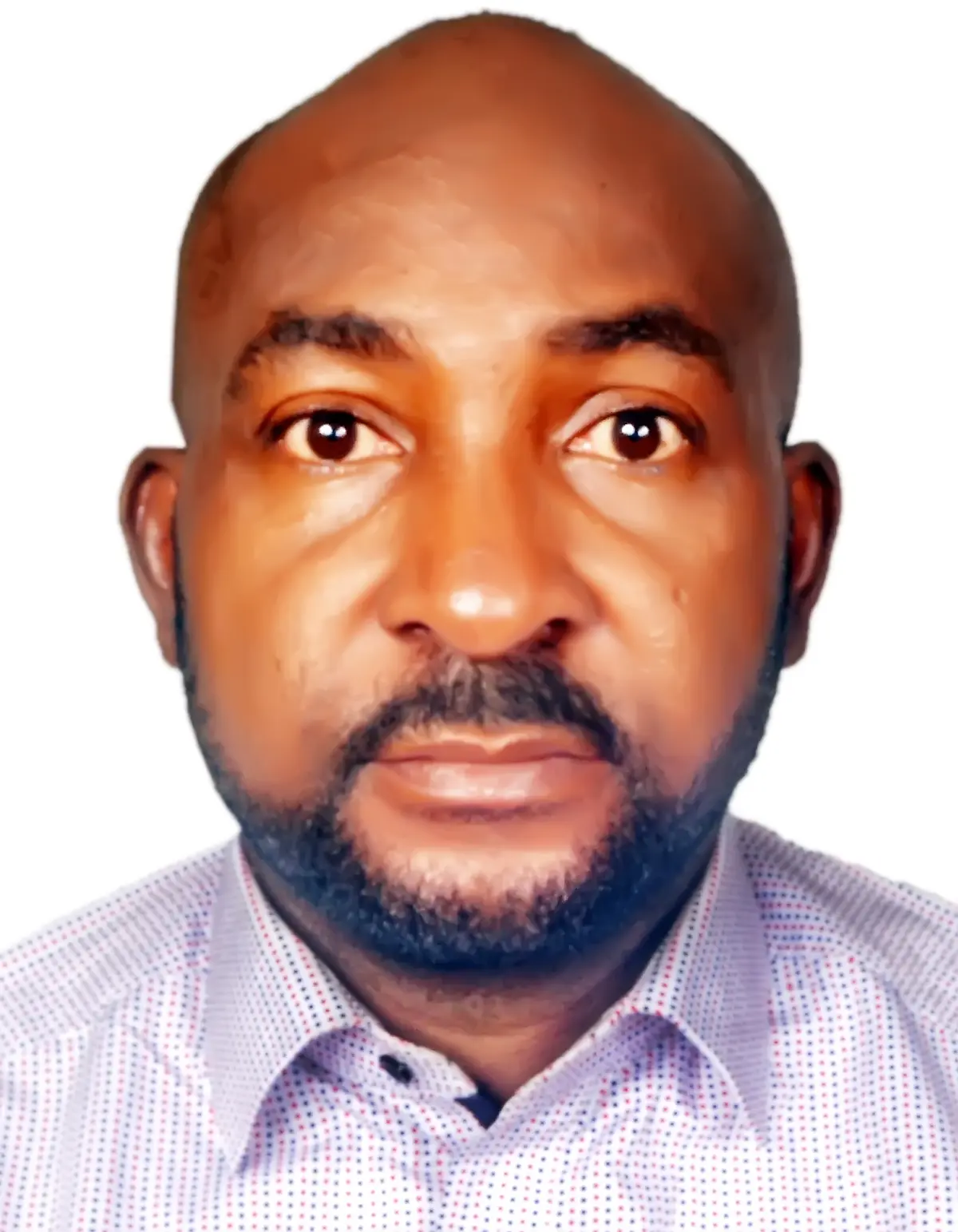
Dr. Olisa Godson Muojama

Affiliation:
Institute of Didactics of History and Public History - Prof. Dr. Bernd-Stefan Grewe

Research Project:
Neighbourhood Encounters in Anglo-German Colonial Frontiers in West Africa, 1884-1914

Stay in Tübingen:
from 1 April 2024 to 30 September 2025

Research Areas:
Global History, Colonial History, International Political Economy, Intellectual History

About:

Dr. Olisa Godson MUOJAMA is an Associate Professor in the Department of History, University of Ibadan, Ibadan, Nigeria. His research cuts across African History, global history, economic history, and colonial history. He is a fellow of Global Encounters, Eberhard Karls Universität Tübingen, Germany (2024-2025). He was a Fellow in Global History at the Munich Centre for Global History, Ludwig-Maximilians-Universität München, Germany (2022). He was a Laurette of the Council for the Development of Economic and Social Research in Africa (CODESRIA), Dakar, Senegal (2016). He was also a Fellow of the African Humanities Program (AHP) of the American Council of Learned Societies (ACLS) from 2011 to 2012. He is the Principal Investigator/Principal Faculty in Nigeria of the Global History Lab (GHL), University of Cambridge, formerly of Princeton University, New Jersey, USA. He is the author of The Nigerian Cocoa Industry and the International Economy in the 1930s: A World-Systems Approach. He has also published in specialist journals such as African Economic History 47, no.1 (2019): 1-31 (Wisconsin) and Journal of World History 35, no. 3 (2024, upcoming). His current post-doctoral research is on Deutsch-Westafricanisches Begenungen, 1840-1990.

Research project:

The important defining components of neighbourhood are the physical and the social, while its basic elements are people, place, interaction system, shared identification and public symbols. These components and elements of neighbourhood are not fixed and static but undergo continuous organic evolution, constantly responding to the changing conditions in its central core.  Studies have been carried out on the mechanisms and processes by which neighbourhoods are formed, changed and decline, with little attention paid to the West African experience. Similarly, extant studies on colonial encounters in Africa have paid scant attention to the effects of the Anglo-German imperial rivalry on West African neighbourhood. This study is, therefore, designed to examine the effects of the Anglo-German colonial encounters on neighborhoods in West Africa, from 1884 when Germany joined the colonial race to 1914 when the First World War broke out, leading to the loss of German colonial territories. This is with a view to analyzing how the forces of colonialism and migration transformed not only the neighborhoods, but ways of doing and thinking neighbourhood in West Africa, as well as how the local communities responded to the tension of the imperial conflicts and the necessities of local cooperation. The significance of this study is not only in its contribution to the literature on the neighbourhood encounters, but in extending the conversation on the dimensions of the impact of Anglo-German relations in Africa.  The study draws on original archival research and oral interviews in Togo (former German colonial territory) as well as Nigeria and Ghana, the British colonial territories with significant contiguity with German colonial territories in West Africa. These will be augmented with sources to be generated from the German national and company archives as well as secondary sources from the library of Universität Tubingen. The analytical frame of the study is historical, intersectional, and transdisciplinary. It argues that the partition and delimitation of the colonial boundaries of the Neutral Zones of Togoland and Gold Coast as well as the Hinterlands by Germany and Britain led to the transformation of neighbourhood as points of overlap and intersection.  This bifurcation and territorial contiguity had numerous implications for doing and thinking neighbourhood in West Africa in the period under discussion.

Publications:

Olisa Muojama.‘Victims of Nationality: German Civilian Internment in British West Africa during the Second World War.’ Journal of World History Vol. 37. No. 3 (Sept. 2024)

Mattin Biglari and Olisa Muojama, ‘Global Histories of Environment and Labour in Asia and Africa.’ In Emily O’Gorman, William San Martin, Mark Carey, Sandra Swart. The Routledge Handbook of Environmental History (Oxon and New York: Routledge 2024), 247-260

Gertschen, A. and Olisa Muojama, ‘Multinational Enterprises.’ In Unger, C. R.; Borowy, I. and Pernet, C. A. The Routledge Handbook on the History of Development (Oxon and New York: Routledge, 2022). 278-296.

Olisa Muojama, ‘Cocoa Marketing Board and Sustainable Cocoa Economy in Colonial Nigeria. African Economic History Vol.47. No.1 (2019): 1-31
Contact

Dr. Maja Sawicka

Affiliation:

Ludwig-Uhland-Institut für Empirische Kulturwissenschaft -  Prof. Dr. Christoph Bareither

Research Project:

Meaning-making in digital counterpublics: social ordering of emotions in ambiguous (post)pandemic circumstances

Stay in Tübingen:

from 1 June  to 30 July 2025

Research Areas:

  • Digital cultures
  • Emotions
  • Social interactions
  • Digital communities

About:

Dr. Maja Sawicka is an Assistant Professor at the Chair of Digital Sociology, Department of Sociology, University of Warsaw (Poland). She is interested in the sociology of emotions and social interactions. In her research she currently focuses on digital interactions and investigates emotional mechanisms underpinning the emergence of local digital cultures of emotions. She specializes in qualitative research methods with a focus on digital ethnography. She is an active member of the European Sociological Association, Research Network 11 (Sociology of Emotions). She is a graduate of Alexander von Humboldt Foundation research fellowship. She has authored and co-authored articles published in journals such as Symbolic Interaction, Cultural Sociology, Cultural Studies – Critical Methodologies, Criminology and Criminal Justice, and others. 

Research project:

The aim of this project is to identify and investigate collective mechanisms of meaning-making operating within health-oriented digital subaltern counterpublics as they navigate the ambiguous (post)pandemic reality. In contrast to the dominant cognitive bias and methodological individualism, my focus is on the emotional dynamics underpinning meaning-making in digitally connected collectives.

The current phase of the project aims to analyze already collected empirical data and develop a conceptualization of digital localizations—spaces where emotional claims that challenge dominant narratives are articulated and performed. I argue that, in the existing literature, digital spaces where marginalized viewpoints are expressed are often described metaphorically. While previous research has emphasized the link between affective/emotional expression and digitally mediated communication, there remains a lack of an analytical framework that integrates the specific socio-technical features of digital spaces with the dynamics of meaning-making and emotional performance within them. During my two-month stay in Tübingen, I am developing such a framework to highlight the importance of collective emotional performances in digital processes of meaning-making.

Publications:

Maja Sawicka (2025). Emotional foundations of ontological struggles: Collective truth–making in fragmented societies. Polish Sociological Review, 230(2), 131–148.

Maja Sawicka i Agnieszka Karlińska (2025). Agency Attributions under a Normative Crisis: Corpus Analysis of Emerging Frameworks of Meaning during the COVID-19 Pandemic in Poland. East European Politics and Societies, doi: 10.1177/08883254251332296.

Maja Sawicka (2025). Mask wearing as an emotional practice: Collective emotion work in the COVID-conscious digital counterpublic. Symbolic Interaction, https://doi.org/10.1002/symb.1240

Maja Sawicka (2024). Investigating Collective Emotional Structures: Theoretical and Analytical Implications of the ‘Deep Story’ Concept. Cultural Sociology, 18(2), 199–216.

Maja Sawicka (2023). Managing Fear Through Digital Interactions: Emerging Narratives of the COVID-19 Pandemic in a Vaccine-Hesitant Cyber Community. Cultural Studies ↔ Critical Methodologies, 23(4), 385–396.

Maja Sawicka, Angus Bancroft, Irene Rafanell (2023). The emotional infrastructure of a cybercrime collective: Evidence from Dark0de. Criminology & Criminal Justice,  https://doi.org/10.1177/17488958231212412 

Maja Sawicka, Irene Rafanell, Angus Bancroft (2022). Digital localisation in an illicit market space: interactional creation of a psychedelic assemblage in a darknet community of exchange. International Journal of Drug Policy, 100, 103514.\

Silvia Cervia, Barbara Sena, Maja Sawicka i Marco Serapioni (2022). Looking at Covid-19 vaccine hesitancy through a macro perspective. A comparative study of Italy, Poland and Portugal. Partecipazione e Conflitto, 15(3), 595–613.

Irene Rafanell, Maja Sawicka (2020). Emotions in Digital Interactions. Ethnopsychologies of Angels' Mothers in Online Bereavement Communities. Cham: Springer International Publishing (Palgrave Macmillan)

Maja Sawicka (2017). Searching for a narrative of loss: Interactional ordering of ambiguous grief. Symbolic Interaction, 40(2), 229–246.

Contact

Prof. Neguin Yavari

Affiliation:

Asien-Orient-Institut, Abt. Orient- und Islamwissenschaft - Prof. Dr. Regula Forster

Research Project:

Religious Change, Language and the Islamic Early Modern

Stay in Tübingen:

from 5  to 25 May 2025

About:

Neguin Yavari studied medieval history at Columbia University. Her book on the rhetoric of advice in medieval political thought, Advice for the Sultan: Prophetic Voices and Secular Politics in Medieval Islam (2014), is a comparative study of mirrors for princes from the European and Islamic worlds. Mirrors for princes across political and spatial divides is the subject of her co-edited volume, Global Medieval: Mirrors for Princes Reconsidered (2015). Representations of power in premodern secular biographies frame her 2018 study on a prominent eleventh-century vizier, entitled The Future of Iran's Past: Nizam al-Mulk Remembered (2018). The focus in her current research is on the purchase of a global approach to early modern configurations of religion and politics in the Islamic world.

Publications:

Books

  • Global Secularity: A Sourcebook, Vol. 2, Middle East and North Africa, co-editor with Florian Zemmin, Markus Dressler, Nurit Stahdler (De Gruyter, 2024)
  • The Future of Iran’s Past: Nizam al-Mulk Remembered (Hurst/Oxford University Press, 2018)
  • Global Medieval: Mirrors for Princes Reconsidered, co-edited with Regula Forster (Harvard University Press/ILEX Series, 2015)

Articles

  • “Deciphering Difference in Medieval Islamic Political Thought,” in L’Adab, Toujours Recommencé: “Origins,” Transmission and Metamorphoses of Adab Literature, Catherine Mayeur Jaouen, Francesca Bellino, and Luca Patrizi, eds (Brill, 2023), pp. 316-33
  • “Supra-Confessionals in the Medieval and Early Modern Persophone Zone,” in a symposium on “The Premodern World and the Secular,” Political Theology Network, April 2023; https://politicaltheology.com/secular-confessionals-in-the-premodern-persophone-zone/
  • “Progressif et illibérale: la critique ash’arite de l’état politique au Xie siècle,” in Liberté de parole: les elites savantes et la critique des pouvoirs, Orient et Occident, VIIIe-XIIIe siècle, Makram Abbés and Marie-Celine Isaïa, eds (Brepols, 2022)
  • “Fakhr al-Dīn Ṣafī ‘Alī Kāshifī’s Prologue,” in A Turquoise Cornet: Studies in Persian Language and Literature in Honour of Paola Orsatti, Mohsen Ashtiany and Mauro Maggi, eds. (Ludwig Reichert Verlag, 2021), pp. 249-69
  • Shifting Modes of Piety in the Early Modern Iran and the Persophone Zone, Working Paper Series of the HCAS “Multiple Secularities: Beyond the West, Beyond Modernities” 10, Leipzig, 2019; https://www.multiple-secularities.de/media/wps_yavari_shiftingmodesofpiety_web.pdf
  • “The Political Regard in Medieval Islamic Thought,” Historical Social Research, Special Issue: Secularities 44: 3 (2019), pp. 52-73
  • “Secularity in the Premodern Islamic World,” in The Companion to Secularity, HCAS “Multiple Secularities: Beyond the West, Beyond Modernities,” Leipzig, 2019; https://www.multiple-secularities.de/publications/companion/secularity-in-the-premodern-islamic-world/ 

Contact

Dr. Murtala Ibrahim

Affiliation:
Institute of Political Science - Prof. Andreas Hasenclever

Research Project:
The Middle East Geopolitics of Religion and the Emergence of Global Salafi and Shia Identities in the Anguwan Rogo Neighborhood of Jos, Nigeria 

Stay in Tübingen:
1 April 2024 to 31 March 2025

Research Areas:
Anthropology of religion and politics of religion

About:

Trained in Religious Studies (University of Jos, Nigeria), I received my Ph.D. at the Department of Philosophy and Religious Studies, Utrecht University in 2017. After concluding a one-year research fellowship at the Institute of Cultural Anthropology, Freie University Berlin, I became a postdoctoral researcher at the Department of Cultural Anthropology, Utrecht University from 2020 to 2023.

Publications:

Ibrahim, M. (2022): Sensational Piety: Practices of Mediation in the Nigerian Pentecostal and Islamic Religious Movement. London: Bloomsbury Publishers. 
- Refereed articles    

Ibrahim, M. (2022). Theoretical exploration of literature on Pentecostalism and media in Africa. Religion Compass, e12452. 

Ibrahim, M. (2022). The clash of sound, image and light: Inter- and intra-religious entanglements and contestations during Mawlūd celebrations in the city of Jos, Nigeria. Africa, 92(5), 759-779. 

Ibrahim, M. (2020). Spatial Piety: Shia Religious Processions and the Politics of Contestation of Public Space in Northern Nigeria. In: Balkenhol, M., van den Hemel, E., Stengs, I. (eds) The Secular Sacred. Palgrave Politics of Identity and Citizenship Series. Palgrave Macmillan, Cham. 

Ibrahim, M. (2020). "The Sites of Divine Encounter: Affective Religious Spaces and Sensational Practices in Christ Embassy and NASFAT in the City of Abuja", Affective Trajectories: Religion and Emotion in African Cityscapes, Hansjörg Dilger, Astrid Bochow, Marian Burchardt, Matthew Wilhelm-Solomon, Durham. NC. Duke University Press. Pp. 78-97. 

Ibrahim, M. (2017). Oral transmission of the sacred: Preaching in Christ Embassy and NASFAT in Abuja. Journal of Religion in Africa, 47(1), 
108-131. 

 Contact

Dr. Weiao Xing

Weiao Xing is a cultural and literary historian of the early modern Atlantic world, focusing on English-Indigenous and French-Indigenous encounters from the late 16th to the early 18th centuries. He earned his PhD in History from the University of Cambridge in 2023 and was previously trained in translation studies, historical sociolinguistics, and liberal arts. For his doctoral research, Weiao Xing integrated digitised primary sources with rare books and manuscripts consulted in the UK, France, Canada, and the US. In 2023, Weiao Xing undertook short-term visiting fellowships at the British Library’s Eccles Centre for American Studies, the Huntington Library, and the Massachusetts Historical Society.

Weiao Xing was a visiting postdoctoral fellow at the Institute of Modern History, University of Tübingen, hosted by Professor Renate Dürr. His project built upon his thesis research on languages, translation, and encounters in the 17th-century North Atlantic world, aiming at producing a monograph that illustrates language learning and translingual knowledge production. Meanwhile, he is delving into the history of books and print culture, seeking to comprehend the early modern reception of the French Jesuit Relations and the translation of books on the Americas in Europe. As a historian with strong interdisciplinary interests, Weiao Xing has explored themes including language education in 17th-century Massachusetts, historical narratives in early 18th-century New England, and the dramas and historical accounts in 17th-century Québec. Beyond his academic engagement, Weiao Xing is a practitioner of public history. He has served as an editor for ‘Doing History in Public’, a blog series run by postgraduate historians at the University of Cambridge and has contributed posts to various platforms.

Duration of Stay: January 2024 – January 2025

Email

Dr. Flavia Guerra Cavalcanti

Flavia Guerra Cavalcanti holds a PhD in International Relations from the Institute of International Relations (IRI) of PUC-Rio in Brazil. Her Ph.D. thesis dealt with the strategic relationship between the European Union and Latin America from a poststructuralist and postcolonialist perspective, specifically focusing on how European identity was - and continues to be - constructed through discourses about the Latin American Other. Since 2010, she has been a full-time professor in the International Relations course at the Institute of International Relations and Defense (IRID) of the Federal University of Rio de Janeiro in Brazil. Her research interest profoundly connects to the disciplines she teaches, such as International Political Sociology, Postcolonialism Studies, Critical Border Studies, and Critical Security Studies. As a postdoctoral Global Encounters fellow at the Institute of Political Science at the University of Tübingen, she worked on the project "Oceanic Thinking in Migrant Resistance: How the Concept of Wet Ontology Can Destabilize the Fixed Conceptions of Territory and Belonging." At the first moment, the research aimed to investigate how Oceanic Thinking or Ocean Studies, particularly the concept of "wet ontology," coined by Philip Steinberg (2010), can destabilize conceptions about territory, sovereignty, citizenship, and belonging that emerge from a supposed binarism between Land and Sea embedded in the discipline of IR. As Rob Walker puts it (1993), the individual depends on his attachment to an inside (a territorial space) to be eligible for citizenship and human rights, whereas others are not. Our modern idea of the Subject, the Sovereign and the Citizen, comes from a territorial and exclusionary logic based on the binarism between land and Sea, where the former is the space of security and History, whereas the latter represents insecurity and emptiness.

In contrast, "wet ontology" breaks with the idea that the Sea is a space devoid of History/story and distinct from Terrestrial Space regarding the production of political imaginaries. The supposed emptiness of the maritime space has as many lines, traces, and narratives as the terrestrial space; in this sense, they also shape our notions of citizenship and belongingness. The project's objective is to explore the representation of the Ocean as a place of variety and production of new imaginaries about citizenship, space, territory, and belonging. 

Duration of stay: December 2023 - November 2024

Email

Dr. Havva Sinem Uğurlu

Havva Sinem Uğurlu holds a PhD in Religious Education from Ankara University in Türkiye. She has been working in Ankara University Divinity Faculty, Department of Religious Education as an Assistant Professor for two years. Between 2011 and 2022 she also worked as a research assistant at this department. During the 2021-2022 academic year, she conducted/started her postdoctoral research under Teach@Tübingen Fellowship at the University of Tübingen. While she was conducting her project, she also taught lectures at the Center of Islamic Theology of the University of Tübingen. She specializes in the field of higher religious education, pedagogy, and didactics of formal and non-formal Islamic religious education.

Dr. Uğurlu continued the second part of her postdoctoral project as a Global Encounters Platform fellow at the Tübingen University Faculty of Protestant Theology.  Her research project focuses on the theological basis of religious education. She has proposed to put forward a perspective on the sources of knowledge in the current religious education perspective and the transformation of the knowledge to be obtained from these sources. This research focuses on understanding the sources of knowledge of religious education (with all its sub-headings/fields of study) from both Christian and Islamic perspectives. It also examines how the reference to and interpretation of practical theological sources of knowledge can also be a source of knowledge transformation and how this happens. After examining and revealing this process one of the main problems of the research is to present a scientific perspective in accordance with contemporary understanding of the sources/ways of producing knowledge in Islamic religious education and transforming it into communication and interaction with the target audience.

Duration of stay: November 2023 - October 2024

Email

Dr. Ponni Arasu

Dr. Ponni Arasu is a feminist researcher, historian, activist, legal practitioner, translator and theatre artist hailing from Chennai and currently based in Batticaloa, Sri Lanka. She is trained in History at the University of Delhi, the Jawaharlal Nehru University and the University of Toronto. Her academic work is on historical ethnographies of contemporary India, with specific focus on social movements such as the Dravidian movement and the women's movement(s). Her PhD research has led her to propose a theoretical framework and methodology called TamilThanmai. She has done research in India and Sri Lanka on the realities of those marginalised on the grounds of their gender, sexuality, caste, class, language, labour, ability, ethnicity, religion etc. for the past twenty years. Her research emerges from and feeds back into movements for social change that she is a part of. She has taught entire courses and guest lectures in the disciplines of history, South Asian studies, Tamil studies, women and gender studies, Caribbean studies and anthropology at the University of Toronto - Canada, University of Minnesota - USA, University of Tubingen - Germany, the University of Jaffna in Sri Lanka, the Tata Institute of Social Studies, Azim Premji University and the University of Pune in India. She has been evolving pedagogic methods of teaching the history and contemporary realities of Sri Lanka with a focus on rigorous research methodology and critical thinking in non-formal and yet consistent teaching spaces to Tamil-speaking students from all over Sri Lanka. This has taken the form of the “Ezhuval: for young women and social change” that she has designed and co-teaches, hosted at the Church of the American Ceylon Mission, Batticaloa. For the past three years she has undertaken research projects in Sri Lanka including on women farmers' collectives; lives and movements for change of women living with disabilities in eastern Sri Lanka; the present realities of LGBTQIA+ individuals and on the status of sex workers. She has produced theatre work with collaborators in India and Sri Lanka on a range of issues which are grounded in using the arts to further the important process of making realities of the marginalised visible and accessible to all. Ponni is also a trained expressive arts therapist practicing primarily in Tamil among women and queer folks from marginalised communities in India and Sri Lanka. She is the Arts and Catalyst Fellowship holder for 2023 at the Studio for Movement Arts and Therapies in Bangalore. She was a Global Encounters fellow at the Department of Social and Cultural Anthropology at the University of Tubingen pursuing research on the life of the goddess Mariamman among descendants of largely Dalit indentured workers in Port of Spain, Trinidad and among rural communities in Tamilnadu. She hopes to bring her proposed concept of TamilThanmai as theory and method to this work.

Duration of stay: November 2023 - November 2024

Email

Dr. Courtney Rivard

Affiliation:

Ludwig Uhland Institute for Historical and Cultural Anthropology - Prof. Dr. Christoph Bareither

Research Project:

Disaster Archiving and Crisis Collecting: Rhetoric, Affect, and Archives in the 21st Century

This project traces the emergence of a new method of archival collection that I refer to as “disaster archiving” that began in the wake of September 11,th was deployed again after Hurricane Katrina, and then was cemented into crisis collecting strategies with subsequent disasters including the Covid-19 pandemic. These methods include: (1) immediately collecting materials, (2) extensively documenting the objects in situ, i.e. the context of the place in which they were collected, and (3) using digital modalities to collect stories from the public. Employing an interdisciplinary approach that draws from rhetorical studies and digital humanities, I argue that the use disaster archiving methods demonstrate how the concept of archives has undergone a fundamental shift over the last 25 year. Rather than representing neutral storehouses of materials from the past, archives are now called upon to serve as both memorials that commemorate lives and ways of life that have been lost and catharsis that create a sense of doing, of preservation, in the face of trauma.

Research Areas:

  • Archival Rhetorics
  • Digital Humanities
  • Public Humanities
  • Critical Game Studies

Stay in Tübingen:

June to August 2024

Contact

Publications:

  • Layered Lives: Rhetoric and Representation in the Southern Life History Project (layeredlives.org) with Lauren Tilton and Taylor Arnold, Stanford University Press, 2022.
  • “‘Flagged for Deletion’: Wikipedia, The Federal Writers’ Project, and First-Year Composition” in Teaching Rhetoric and Composition through the Archives. Eds. Wendy Hayden and Tarez Samra Graban. Southern Illinois Press, 2022.
  • “Turning Archives into Data: Archival Rhetorics and Digital Literacy in the Composition Classroom.” College Composition and Communication, 2019.
  • “Building Pedagogy into Project Development: Making Data Construction Visible in Digital Projects” with Lauren Tilton and Taylor Arnold, DH Quarterly, 2019.
  • “Decolonizing Projects: Creating Pluriversal Possibilities in Rhetoric” with Ellen Cushman, et. al. Rhetoric Review, 2019.

About:

Director of the Digital Literacy and Communications (DLC) Lab and Assistant Professor in English & Comparative Literature with a secondary appointment in the School of Data Science & Society at the University of North Carolina, Chapel Hill.

Prof. Dr. Dereje F. Dori

Affiliation: 
Institute of Sociology
Prof. Boris Nieswand

Research Project:
South-South Migration (SMM)  - Ethiopia - South Africa Corridor (decision making, process of settlement, flow of resources and return migration

Stay in Tübingen:
1 April 2024 to 30 June 2024

Research Areas:
Migration Studies, local significations of critical global encounters

Publications:

  1. Dereje Feyissa and Meron Zeleke. The Ethiopian Orthodox Tewahido Church in the Context of State Reformation. Journal of North East African Studies. 22(2), 2022.
  2. Dereje Feyissa Dori, Jessica Hagen-Zanker, and Caterina Mazzilli. The Entanglement Between Tangible and Intangible Factors in Shaping Hadiya Migration Aspirations to South Africa. International Migration Review. February 6, 2024.
  3. Dereje Feyissa, Meron Zeleke and Fana Gebresenbet. Migration as a Collective Project in the Global South: A Case Study  from the Ethiopia - South Africa Corridor. In: Heaven Crawley and Joseph Kofi Teye. The Palgrave Handbook of South South Migration and Inequality. 28 December 2023.
  4. Dereje Feyissa. “Integration through conflict: The Proliferation of Mutually Constituted Sacred Narratives in the Process of State (Re)formation in Ethiopia”. In: Markus Hohene, Echi Gabbbart and John Eidson (eds.). Dynamics of Identification and Conflict: Anthropological Encounters. 2023, PP.109-215.
  5. Dereje Feyissa and Faiz Mohammed. “A Non-violent Struggle against the EPRDF’s Hegemony:: The Case of the Muslim Protest (2011- 2015)”. In: Camille Pellerin and Logan Cochrane (eds). Citizens, Civil Society and Activism under the EPRDF Regime in Ethiopia. An Analysis from Below. Mc-Gill-Queen’s University Press.
  6. Haustein, Jorg and Dereje Feyissa.‘The Strains of “Pente” Politics: Evangelicals and the Post-Orthodox State in Ethiopia’. In Jean-Nicolas Bach (ed.) Routledge Handbook on the Horn of Africa, edited by , 481–94. London: Routledge, 2022.
  7. Dereje Feyissa. “Beyond economics : The Role of Socio-political Factors in Hadiya Migration to South Africa”. Zanj: The Journal of Critical Global South Studies. 14 June 2022

Contact:
derejefdori2011spam prevention@gmail.com

About:
Dereje Feyisa Dori was a Global Encounter Fellow from April to June 2024. He is a Social Anthropologist with a PhD from Martin Luther University/Max Planck Institute for Social Anthropology. Currently he is Professor at Addis Ababa University and Research and Policy Advisor for the Life and Peace Institute. Dereje is also Alexander von Humboldt Fellow (since 2011) and Distinguished Guest Professor at the Institute of Sociology, University of Tuebingen (2024 - 2026). He focuses on the Horn of Africa region, Ethiopia in particular. His main research areas include ethnicity and nationalism, migration and transnationalism, religion and politics, state formation and centre-periphery relations, and the political economy of development. He has published two books and co-edited three books as well as over 15 articles in peer-reviewed journals and over 30 chapters in edited volumes. Dereje has received several academic awards and he is actively engaged in services to the scientific community. He is a Board Member of the US-based Social Science Research Council (SSRC) and Addis Ababa University.

Prof. Dr. Glauco Vaz Feijó

Glauco Vaz Feijó holds a double doctorate degree from the University of Jena, Germany, and the University of Brasilia, Brazil. In his Ph.D. thesis he focused on the processes of (re)constructing identities through the narratives of Brazilian immigrants in Germany and Portugal, with an emphasis on the interpretation of discursive representations of nationalities.  His main research focus for the last two decades has been contemporary international migration between Brazil and Europe, especially between Brazil and Germany and, contrastingly, between Brazil and Portugal. Feijo's research is located at the interdisciplinary crossroads of sociology, history, culture- and critical discourse studies, among others. His theoretical approaches are based on concepts dear to British Cultural Studies and Latin American Decolonial Thought. Methodologically, Feijó’s research draws on concepts from Latin American Critical Discourse Studies and Cultural Analysis of Narratives. 

Since 2016, Glauco Vaz Feijó has been an Associate Professor of Sociology at the Federal Institute of Education, Science and Technology of Brasilia, Brazil. In 2016 he was a Visiting Researcher at the University of Jena and, in 2020, he carried out post-doctoral research at the University of Tübingen, resulting in the publication of the book Retratos do Brasil na Alemanha: 30 anos de imigração (Portraits of Brazil in Germany: 30 years of immigration). As a Global Encounters Fellow, Prof. Vaz Feijó was co-leading the formation of an international research group with the participation of several Brazilian and German institutions, united around the creation of a large research corpus from the digitalization of German-language periodicals published in Brazil between the years 1852 and 1940. As part of the major project to digitize this corpus, which covers all print runs of around 800 catalogued periodicals, Prof. Glauco Vaz Feijó co-leads the initiative to create the research project entitled Prozesse der Wissensgenerierung deutscher Migrant: innen in Brasilien, 1852-1940.

Duration of stay: January 2024 - April 2024

Email

Dr. Àlex Mas-Sandoval

Àlex Mas-Sandoval is a population geneticist that studies how evolutionary processes driven by social structure and cultural changes impact the genetic diversity of populations. He got his PhD at the Institut de Biologia Evolutiva (UPF), in Barcelona, and at the Universidade Federal do Rio Grande do Sul, in Porto Alegre. There he focused on the reconstruction of the precolonial demographic history from admixed populations of Brazil. Then, during a Postdoc at Imperial College London, he studied how social hierarchies constrain the mating patterns and the admixture dynamics of the populations of the Americas. As a postdoctoral researcher at Università di Bologna, he is focused on understanding the socioeconomic factors that drive assortative mating in these populations. 

Dr. Mas-Sandoval was a short-term visiting researcher at Universität Tübingen in the framework of the Global Encounters platform, aiming to disentangle how social inequalities and population stratification have impacted a wide range of populations across time and space.

Six short stays from June 2023 - March 2024

Email

Dr. Sukhwan Kang

Sukhwan Kang holds a PhD in History from Georgetown University in the USA. Between 2017 and 2018, he worked as a research associate at the Université de Franche-Comté in Besançon, France. From 2021 to 2022, he served as a lecturer at Georgetown University, the University of Maryland at Baltimore County, and Idaho State University. Following that, from 2022 to 2023, he was a postdoctoral research fellow at the Leibniz Institute of European History (IEG) in Mainz.

Sukhwan Kang was a postdoctoral Global Encounters fellow at the Institute of Modern History at the University of Tübingen. His research project focuses on the transnational Huguenot refugees and their interactions with host societies across the Atlantic world from the 1680s to the 1750s. The English word “refugee” itself originates from the French word, réfugié, and it was first used to describe the Huguenot exiles who fled France after the revocation of the Edict of Nantes in 1685. Despite the Revocation marking the end of eighty-seven years of legal tolerance for Huguenots, the story of early modern France’s largest religious minority did not end. Except for the expulsion of the Jews (1492) and Moriscos (1609) from Spain, the migration of 150,000-200,000 Huguenots into the Atlantic world within a single generation from 1680 to 1710 was the most massive exodus of religious dissenters in the Christian world.

​​The existing literature has mainly focused on the biggest communities: London, Amsterdam, Rotterdam, Geneva, Berlin/Brandenburg, New York, and Charleston, South Carolina. However, his research pinpoints underrepresented regions despite sizable populations of Huguenot immigrants: Neuchâtel, The Hague, and Frankfurt, Boston-Newport and Dublin-Lisburn. Overall, this project contributes to the historical understanding of Huguenot refugees in the early modern Atlantic world, and—adopting an interdisciplinary approach—explores how issues related to religious coexistence with minorities/refugees have shaped our society in the long term.

Duration of stay: June 2023 - May 2024

Email

Dr. Eva Falaschi

Eva Falaschi holds a diploma and Ph.D. in archaeology from the Scuola Normale Superiore of Pisa and a Master of Arts in Classics from the University of Pisa. From 2014 to 2020, she was a research fellow at the Scuola Normale, working on the reception of Greek art in Roman Imperial literature and, in particular, in Pliny the Elder’s Naturalis Historia. Between 2021 and 2022, her project on art treatises and artists’ biographies in ancient times was funded by the Center for Hellenic Studies (Harvard University), the James Loeb Gesellschaft / Zentralinstitut für Kunstgeschichte (München), and the Getty Research Institute.

As a postdoctoral Global Encounters fellow at the University of Tübingen (Philosophische Fakultät, Philologisches Seminar), she was working on the project “Natural Histories in a Global Perspective. Pliny, Oviedo and the Americas: An Ancient Encyclopedia as a Model to Transfer and Transmit Knowledge”. This research aims at a historical analysis of global knowledge formation. It examines the impact of Pliny the Elder's Naturalis Historia (c. AD 70) on the understanding and global transmission of “New World” natural history. To this end, the project takes up findings from current specialist literature and asks to what extent characteristic Plinian methods of acquiring and transmitting knowledge (including autopsy, use of oral and local sources, anecdotal narrations, selection and organization of information, criticism of the exploitation of natural resources; aesthetic and religious values of nature; concepts of wonder, marvel, and otherness; ethical, philosophical, and socio-economical themes) shaped the standards, structures, concepts, and methods that made the knowledge of the nature of the two Americas accessible to the European, Latin-influenced culture in the early modern period.

The aim is to make the globality of modern Latin literature visible by using the example of one of the most influential “Northern” models and to analyze the dynamics of the transmission of natural history’s knowledge between the “new” and “old” world from a historical perspective.

Duration of stay: April 2023 – May 2024

Email

Dr. Carlos Nazario Mora Duro

Carlos Nazario Mora Duro holds a PhD in Social Sciences from El Colegio de México (El Colmex), and a Master in Social Sciences from the Facultad Latinoamericana de Ciencias Sociales (Flacso Mexico). Between 2018 and 2020, he was a research fellow at the Max Planck Institute for Social Anthropology, conducting a project on the migration experience of Mexicans in the city of Berlin. Afterwards, he was a research associate at The Centre for Advanced Studies in the Humanities and Social Sciences: "Multiple Secularities - Beyond the West, Beyond Modernities" at the University of Leipzig.

As a postdoctoral Global Encounters fellow at the Institute of Sociology at the University of Tübingen his research aimed to analyse the integration process of migrants in the post-pandemic period, focusing on Mexican migration to Germany. According to recent data, the number of Mexicans in Germany increased from 10,543 to 18,015 between 2011 and 2019 (7% average annual growth) (DESTATIS, 2020), although some claim that the actual figure is likely to be around 25,000 individuals (Cedeño, 2019). The topic is relevant for understanding the forms of integration of migrant minorities from the South (of the Americas) to the global North after the emergence of the pandemic and its social effects.

His areas of interest are the sociology of religion; migration and integration; and the use of information technologies and social networks in social and cultural change.

Duration of stay: September 2022 - August 2023

Email

Dr. Abbed Kanoor

Abbed Kanoor holds a PhD in philosophy with focus on phenomenology of time from the universities of Paris Sorbonne and Wuppertal. Between 2020 and 2022, he was a senior research fellow at the Center for Interdisciplinary and Intercultural Studies of University of Tübingen, conducting a project on the intercultural philosophy and philosophy of interculturality. He is also a directeur de programme de recherche at the Collège International de Philosophie in Paris (2019 - 2025). Before coming to Tübingen, he was visiting lecturer at the universities of Toulouse (teaching phenomenology and political philosophy) and Hildesheim (French contemporary philosophy).

As a postdoctoral Global Encounters fellow at the College of Fellows at the University of Tübingen his research project aimed to theorize a phenomenological framework for the study of cultural ontologies based on comparative philosophy. Cultures claim a total understanding of the world, but when their claims are deprived of recognition, they can be vulnerable to alternative forms of totality, i.e. ideologies. This is exactly where the weakness of the culturalist attitude lies. The same signifier Culture is both revealing, insofar as the “cultural turn” indicates a real encounter of different worldviews and lifestyles, and concealing, insofar as the signified of Culture remains at the level of representation. Cultures are often visible features of an invisible process of sense-constitution, normally overlooked in representational approaches. Cultures are by no means flat spatial entities juxtaposed next to each other in a multicultural order or unequal blocks meeting and colliding with each other in the “clash of civilizations”. If their source of sense-constitution remains invisible, the embodiment of their constant reference to this invisible source is more likely to be traced in their ontologies. It is precisely here that approaches such as intercultural philosophy, comparative philosophy and phenomenology could be useful. What characterizes our world is not only the diversity of cultural traditions that come into contact with each other, but also the reversible temporalities and sophisticated understandings of the world that accompany them. In the background of the "Cultures", we are dealing with specific configurations of the world and complex ontologies, associated with cosmological particularities, multiform anthropologies, specific rhythms of life and multiple ranges of sensibilities.

During his Global Encounter Fellowship, he has organised following workshops and conferences:

27. – 28. October 2022 (Tübingen): Interkulturelle Philosophie und dekoloniales Denken / Philosophie interculturelle et pensée décoloniale

23. – 24. March 2023 (Tübingen): Religions in Global Encounters: Traditions and Ideologies

3. – 5. May 2023 (Yaoundé): Fabien Eboussi Boulaga. Reprise de soi et décolonisation des savoirs

His areas of interest are German and French phenomenology, intercultural philosophy, global epistemology, decolonial thought and postcolonial theories.

Duration of stay: September 2022 – May 2023

Email

Prof. Dr. René Ramírez

With the support of the Global Encounters platform, Prof. René Ramírez from the Universidad Autónoma de México (UNAM) was invited to the Interdisciplinary Centre for Global South Studies at the University of Tübingen (ICGSS). Prof. Ramírez not only has an extensive academic curriculum, but also extensive experience in government administration, having served as Ecuador's Minister of Education and Planning. This invitation also included funding from the ISAP-DAAD platform and organisational support from the Brazil and Latin America Centre at the University of Tübingen.

One of Professor Ramírez's main research topics is the study of time. Within this work, which is based on sociology and economics but has a broader interdisciplinary perspective, one of the central themes is the notion of "Buen Vivir" (Good Life). This aspect was discussed at the CIVIS School North-South Encounters "Pluriverse: Challenges of Post-Developmentalist Thought for Global South Studies", organised by the ICGSS, expressed very well. In this context, Prof. René Ramírez participated in Sebastian Thies' Obserseminar, gave one of the main lectures of the Summer School entitled "Ucronías' for the good life: a theoretical and methodological proposal" (27.09.2022 in the lecture hall of the Old Assembly Hall) and gave a workshop on "Temporalities of Buen Vivir" for the students (27.09.2022). Throughout the school, he participated in the various seminars and workshops and always made a critical contribution. Finally, he was a commentator on the students' projects, which were presented in the form of a video minute.

On the other hand, Professor Ramírez's visit was used by ICGSS researchers to develop new research perspectives, which have been reflected in the constitution of the working group "Estudios sobre el tiempo y las temporalidades" before the Consejo Latinoamericano de Ciencias Sociales (CLACSO), which has already been approved and in which Sebastian Thies and Esteban Morera participate as representatives of the University of Tübingen. This working group is intended as a platform for joint research between UNAM and the University of Tübingen.
Esteban Morera

Duration of stay: 12.09.2022- 01.10.2022