Affiliation:
Department of Korean Studies - Jun.-Prof. Dr. Yewon Lee
Research Project:
Alternative Facts Built on Memes in the Politics of Division – Formation of Post-Truth Knowledge and Finding the Way Out
Stay in Tübingen:
1 April 2025 to 31 March 2026
Research Areas:
Anti-Feminist Backlash, Epistemic Justice, Feminist Pedagogy, Young Generation, New Media, Intersectionality and Cultural Diversity, Korean Society
About:
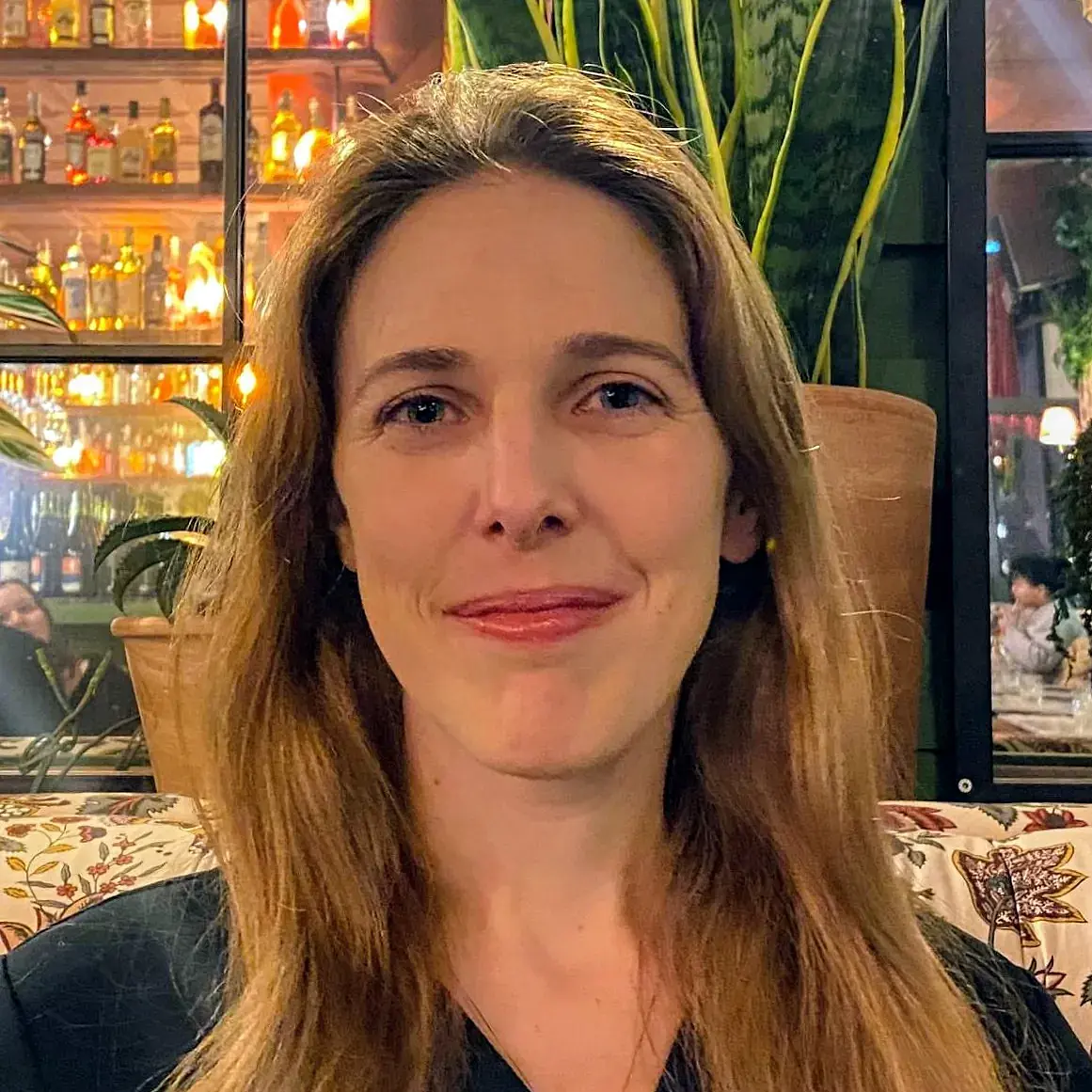
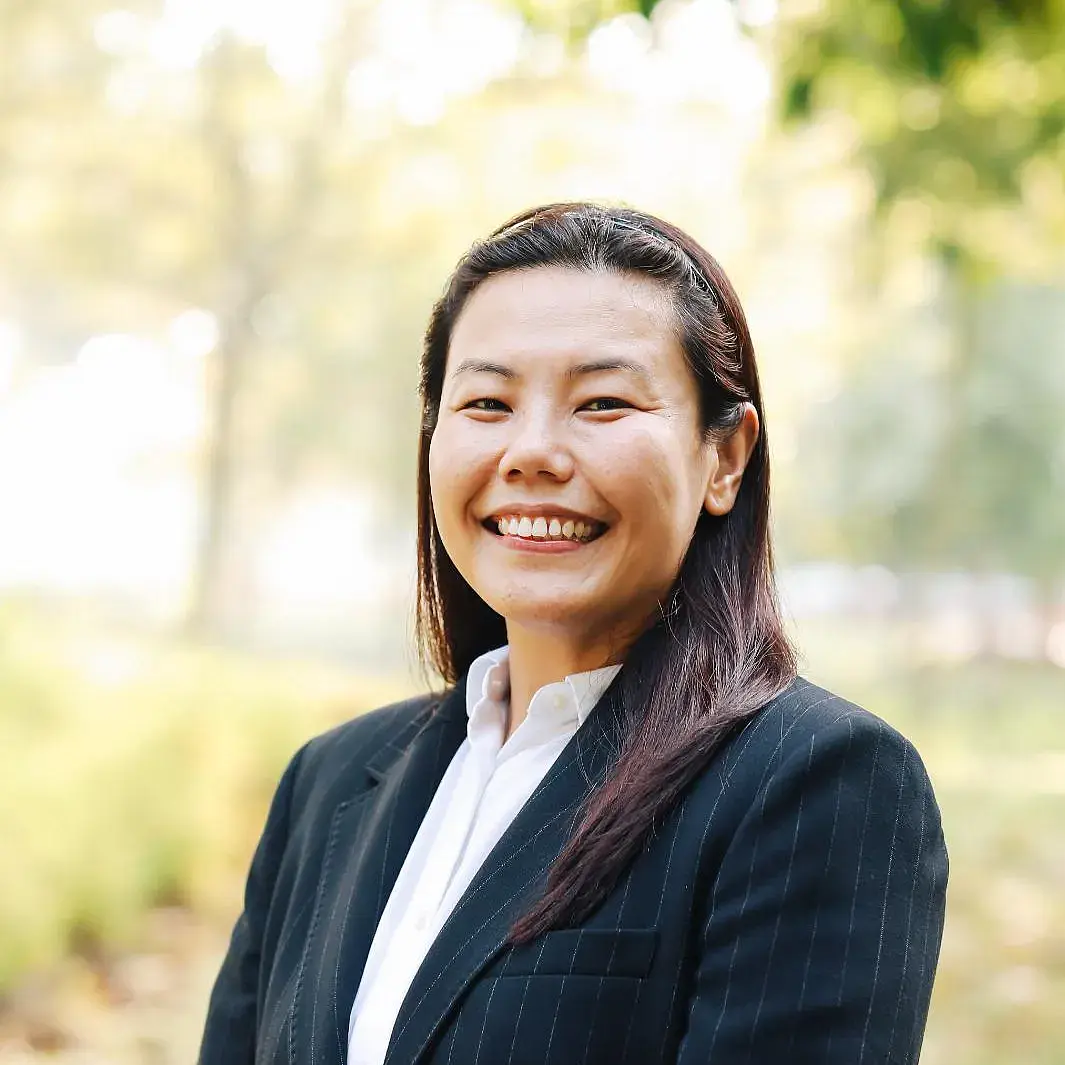
Dr Hye-min OH is a feminist scholar, writer, filmmaker, and educator. She holds a PhD in Women’s Studies from Ewha Women’s University in Seoul and an MA in Gender and Diversity from the Freie Universität Berlin.
Her dissertation, entitled ‘Epistemic Vulnerability of Korean Budding Feminists in the Era of Post-Feminism Reboot.' focused on the contemporary and generational context, examining the impact of feminism and anti-feminism backlash on the young generation.
Following the emergence of the #MeToo movement in the arts sector, she has taught mandatory feminist courses at the Korea National University of Arts in Seoul for six years. In an educational environment characterized by acceptance and resistance, she cultivated her interest in feminist pedagogy. She participated in numerous projects to develop educational content and published academic papers and books. In addition to her previous activities, she has expressed a desire to research the current situation in which alternative knowledge, defined as information that deviates from established facts and is often used to manipulate public opinion, is replacing and influencing reality. To this end, she was awarded a Global Encounters Fellowship at the Eberhard Karls University Tübingen, Germany, where she is currently engaged in research to identify responses to this phenomenon from a transnational perspective, with a particular focus on resilience and institutionalization.
Research project:
Presenting accurate facts to counter fake news that causes and simultaneously justifies hatred requires significant effort. However, this countermeasure remains limited in resolving the ‘uncomfortable’ effects already spreading in society due to disseminating alternative facts (Lehtonen, 2018). Repeated knowledge creation and refuting of counter-knowledge creation eventually made the confrontational structure solid and gave ‘both sides’ similar authority. Furthermore, in the aftermath of the entire process, this theme or the marginalized group was treated as subjects that induced uncomfortable feelings. Many scholars focused only on the output knowledge while missing the concentration on the language formation and distribution process analysis.
The dichotomous axis, which subsequently solidified, was incorporated into the concepts of ‘diversity’ and ‘freedom of expression.’ These terms, which were initially intended to reflect the voices of minorities, have been appropriated and achieved a stable position over time. The field of discussion was distorted (Strossen, 2018). In light of these circumstances, it is imperative to recognize the need to address the process of creating a politics of division, in addition to regulating fake news and blocking hate speech.
Research focusing on the formation and effectiveness of knowledge and language can most effectively identify the workings of the politics of division and find the way out. Capturing the dynamics of knowledge that spread rapidly online nowadays is essential, considering the aftermath and downstream effects of knowledge.
This project demonstrates how the politics of division works and how the issues it creates can be resolved. It will explore the following: first, the appropriation of minority languages in traditional and new media; second, the construction of alternative facts; and third, the potential of improving resilience to help marginalized minorities in memes. The project will conclude with identifying a way out of the politics of division.
Publications:
2025. 02 You are the 20,000th person to ask me this question - the indefatigable Femi answers. Taehak Publishing/Nal Pub. Paju. ISBN: 979-11-681033-0-6
http://aladin.kr/p/PzmPM
2024. 02 Epistemic Vulnerability of Korean Budding Feminists in the Era of Post Feminism Reboot Doctoral Dissertation, Ewha Women's University
https://dspace.ewha.ac.kr/handle/2015.oak/267226
2024. 01 The ‘Tal-jo’ Diary of a Matriarch – Ain’t I a Woman? In: Reading bell hooks together. Dongnyokpub. Paju. ISBN: 978-89-729711-4-6
http://aladin.kr/p/dQFXD
2022. 12 The Strangers in the Feminist Classroom. In: Equality in the Classroom, now. Dongnyokpub. Paju. ISBN: 978-89-729707-1-2
http://aladin.kr/p/FQiFe
2022. 06 Feminist Pedagogy through the Silence in a Time of Backlash. In: Women’s Studies Review, 39(1). Korean Women’s Institute at
Ewha Women’s University. Seoul. ISSN: 15987698
https://www.kci.go.kr/kciportal/landing/article.kci?arti_id=ART002853596
2021. 06 The Political Responsibility of “No. 1 Orphan Exporter” and the Appearance of Compassionate Korean. In: Memory&Vision, 44.
Korea Democracy Foundation. Seoul. ISSN: 1599712x
https://kiss.kstudy.com/Detail/Ar?key=3889946
2019. 12 Well-Grounded Anxiety Becoming Hate: A Focus on the Discourses of Recognizing Refugees’ and Women’s Fear. In:
Gender and Culture, 12(2). Keimyung University Institute of Women’s Studies. Daegu. ISSN: 20056354
https://www.kci.go.kr/kciportal/ci/sereArticleSearch/ciSereArtiView.kci?sereArticleSearchBean.artiId=ART002550145
2019. 06 Encounters with ‘Ugly Koreans’ and the Construction of the ‘Other’. In: Memory&Vision, 40. Korea Democracy Foundation.
Seoul. ISSN: 1599712x
https://kiss.kstudy.com/Detail/Ar?key=3683340
Contact