Koreanistik

Download Poster 

DateSpeakerAffiliationTitle
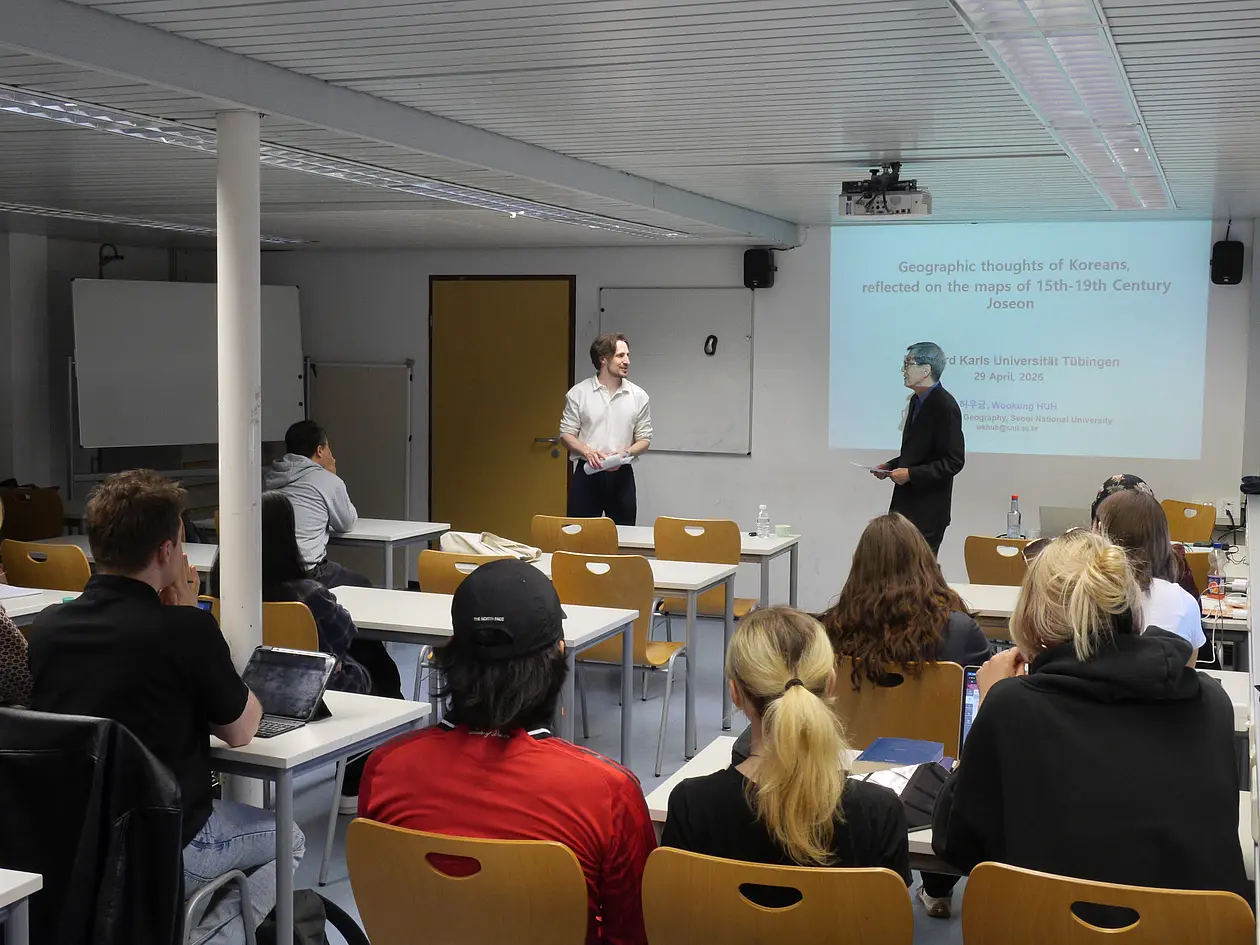
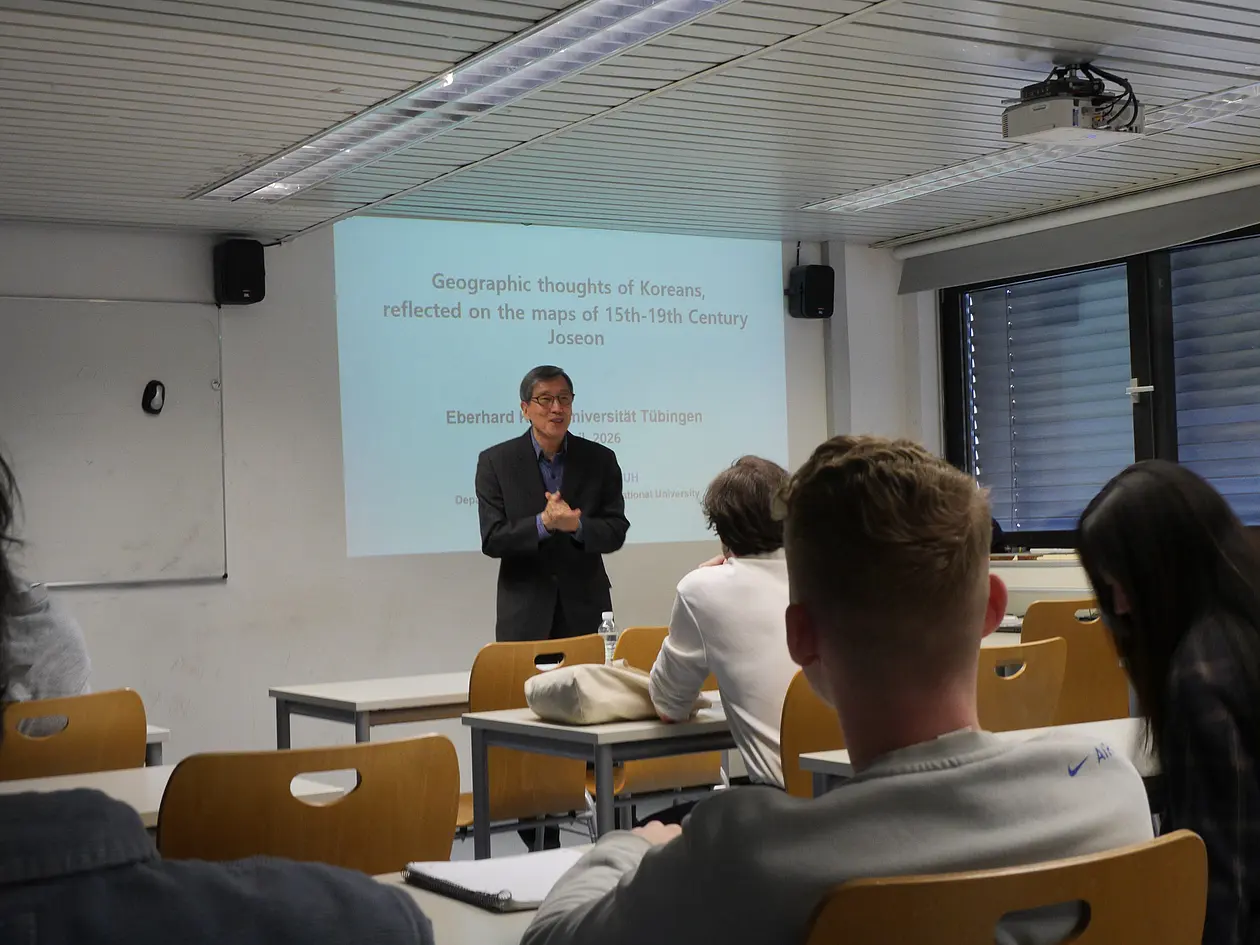
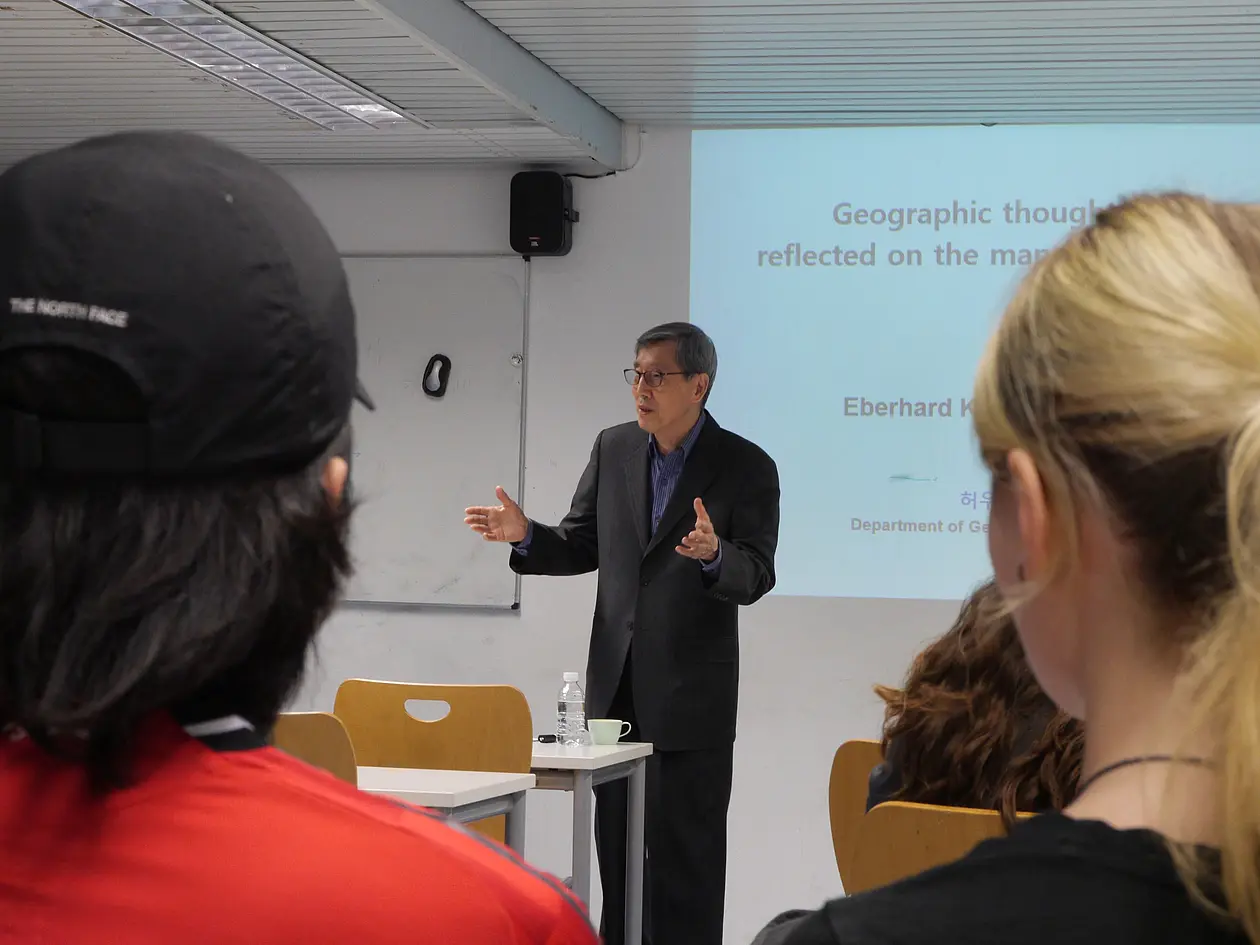
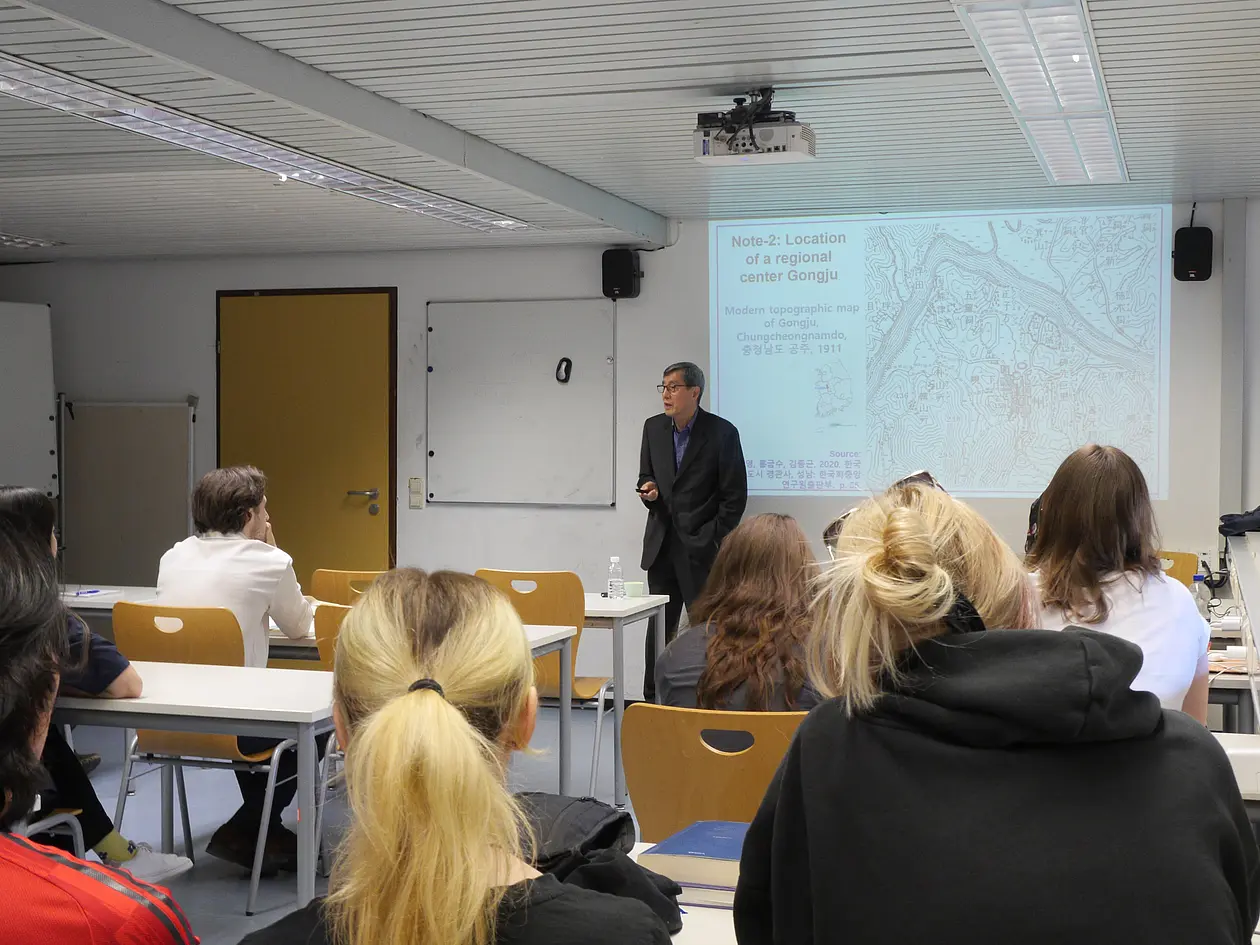
April 29Wookung HuhSeoul National University“Geographic Thoughts of Koreans, reflected on the Maps of 15–19th Century Joseon”
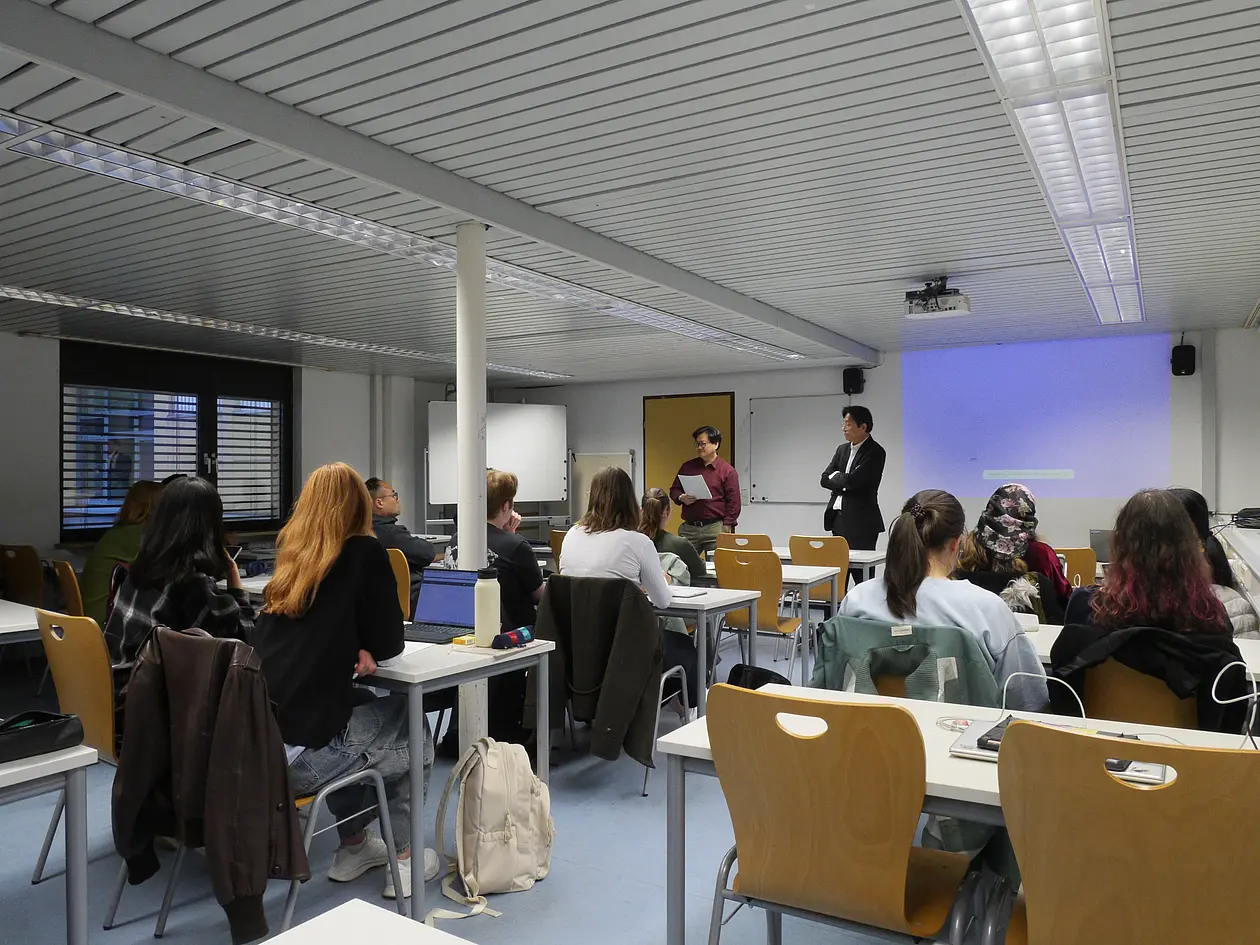
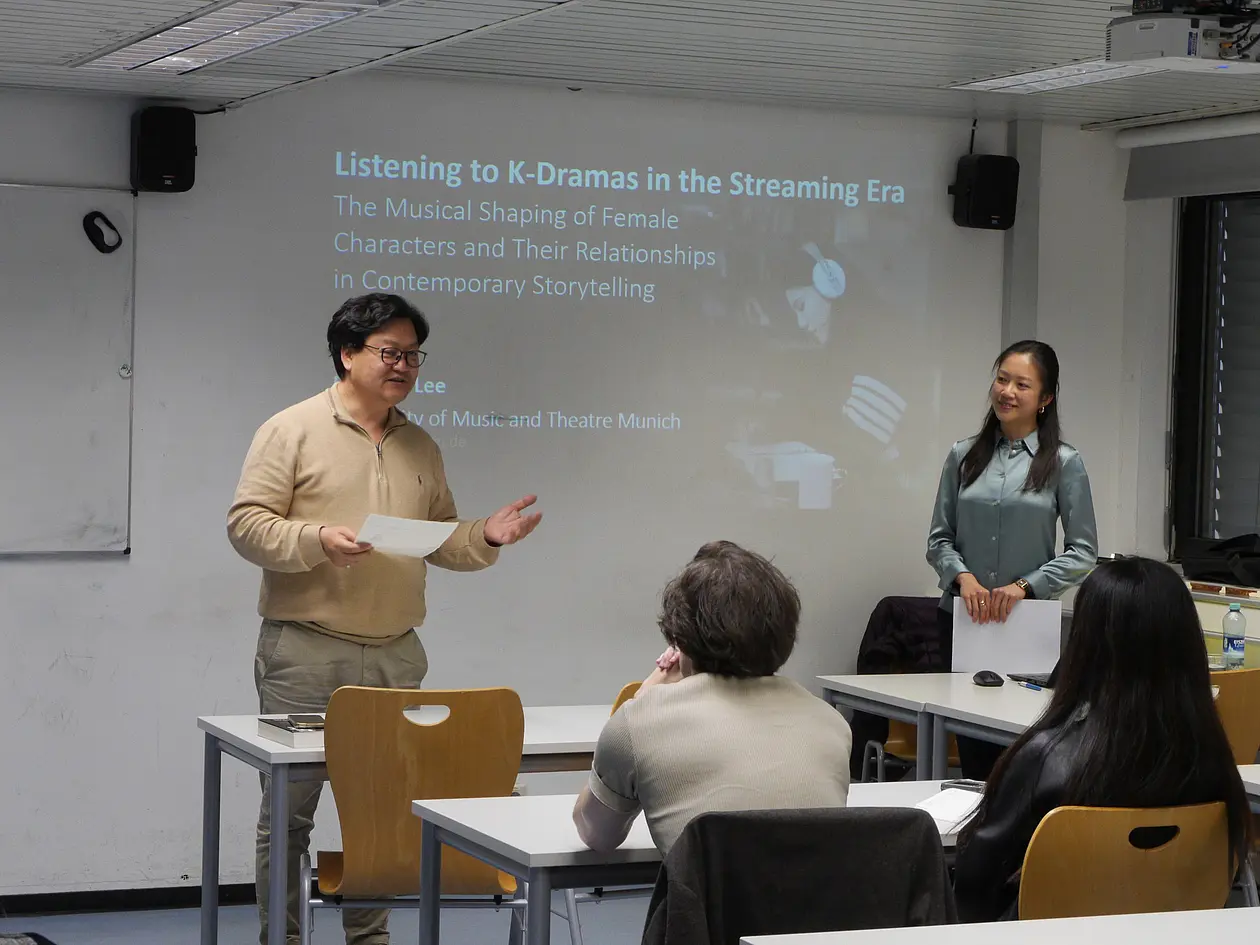
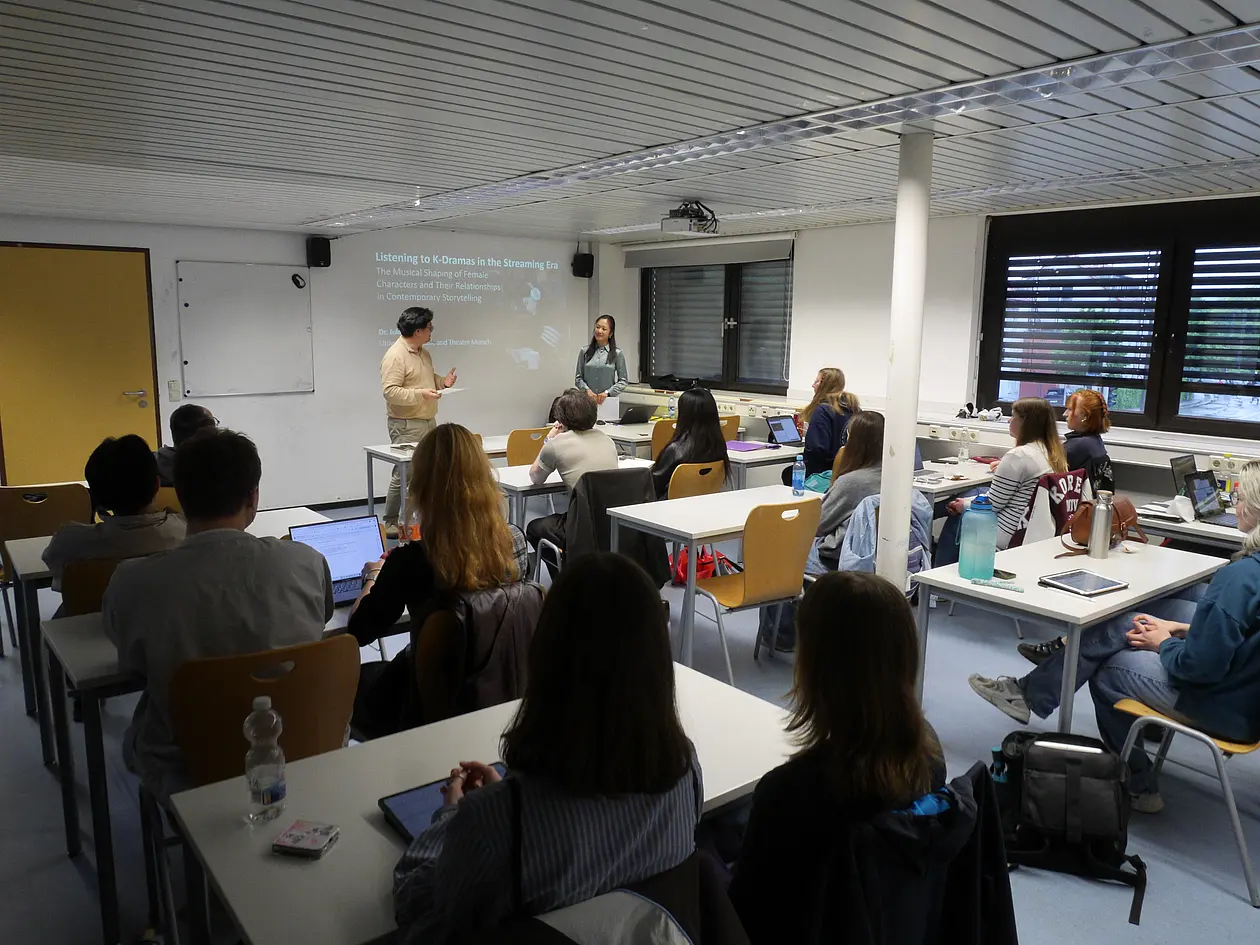
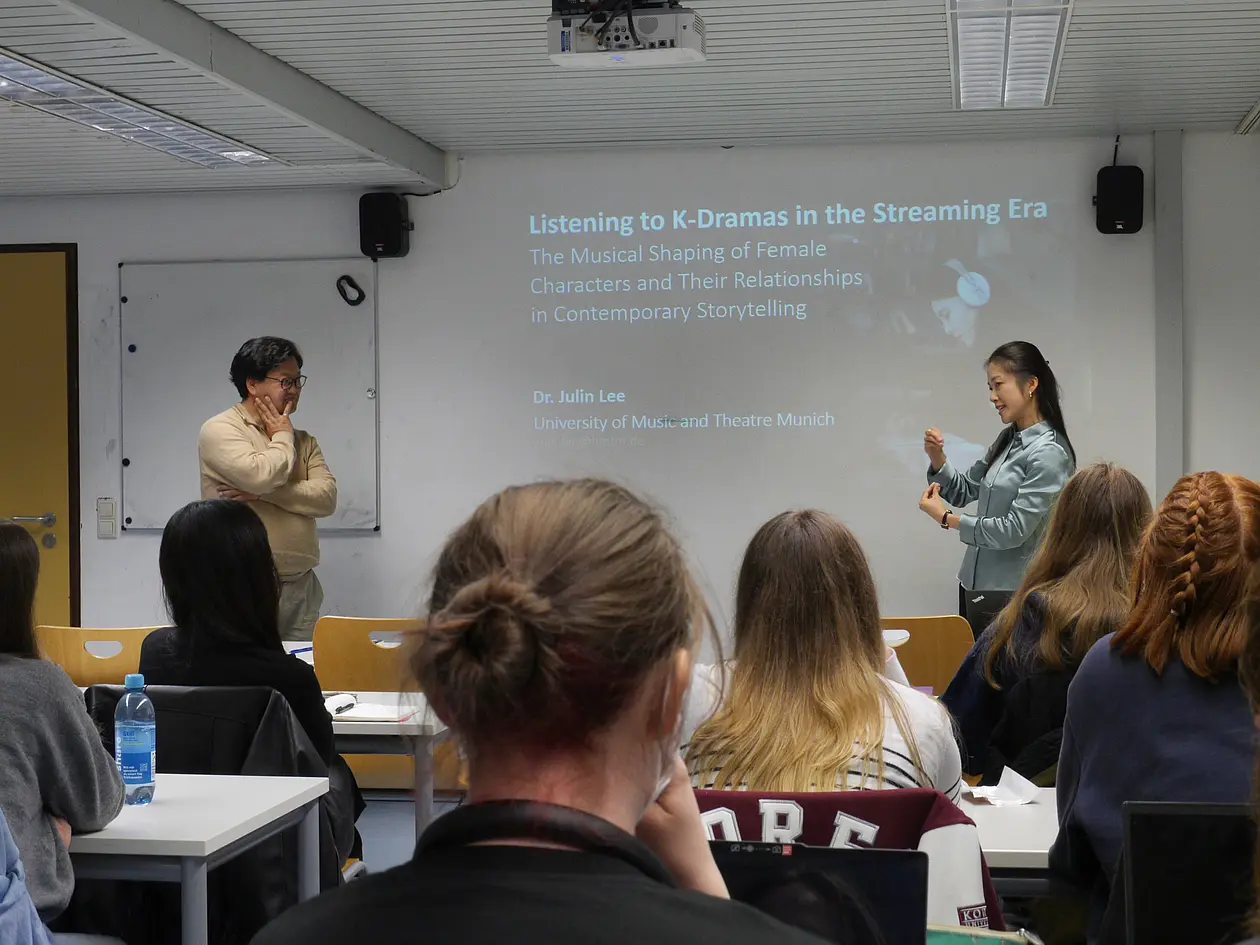
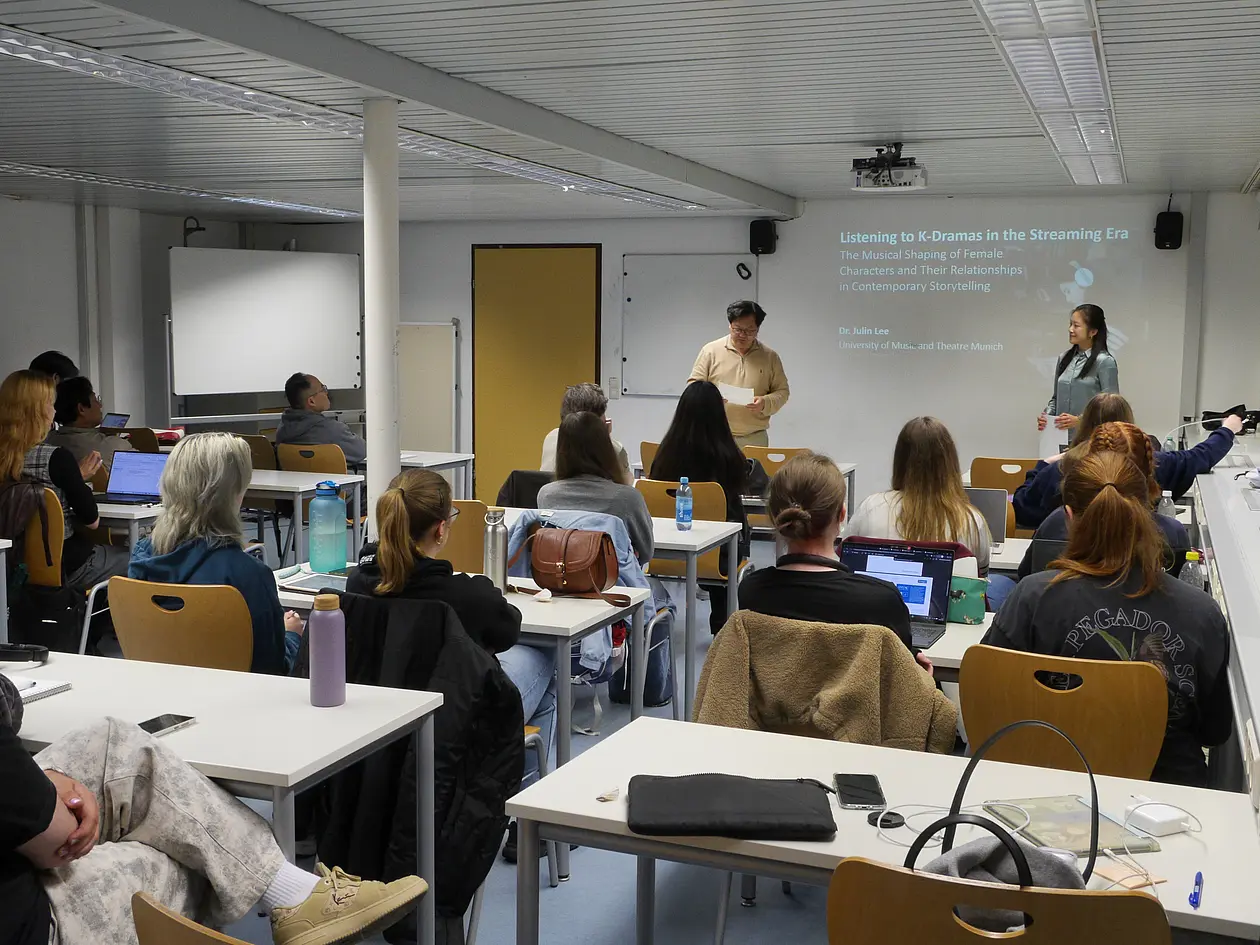
May 6Julin LeeUniversity of Music and Theatre Munich“Listening to K-Dramas in the Streaming Era: The Musical shaping of Female Characters and their Relationships in Contemporary Storytelling”
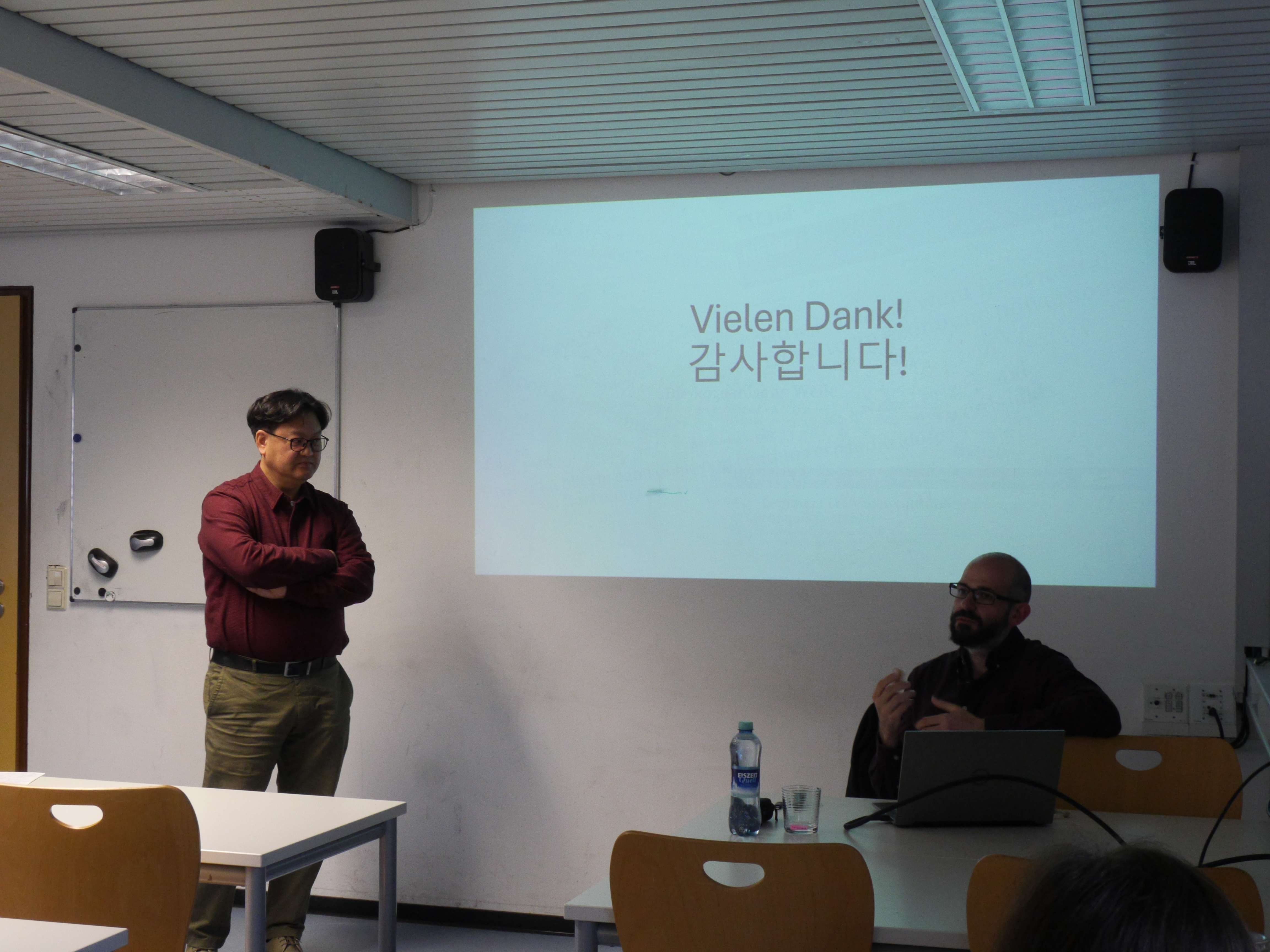
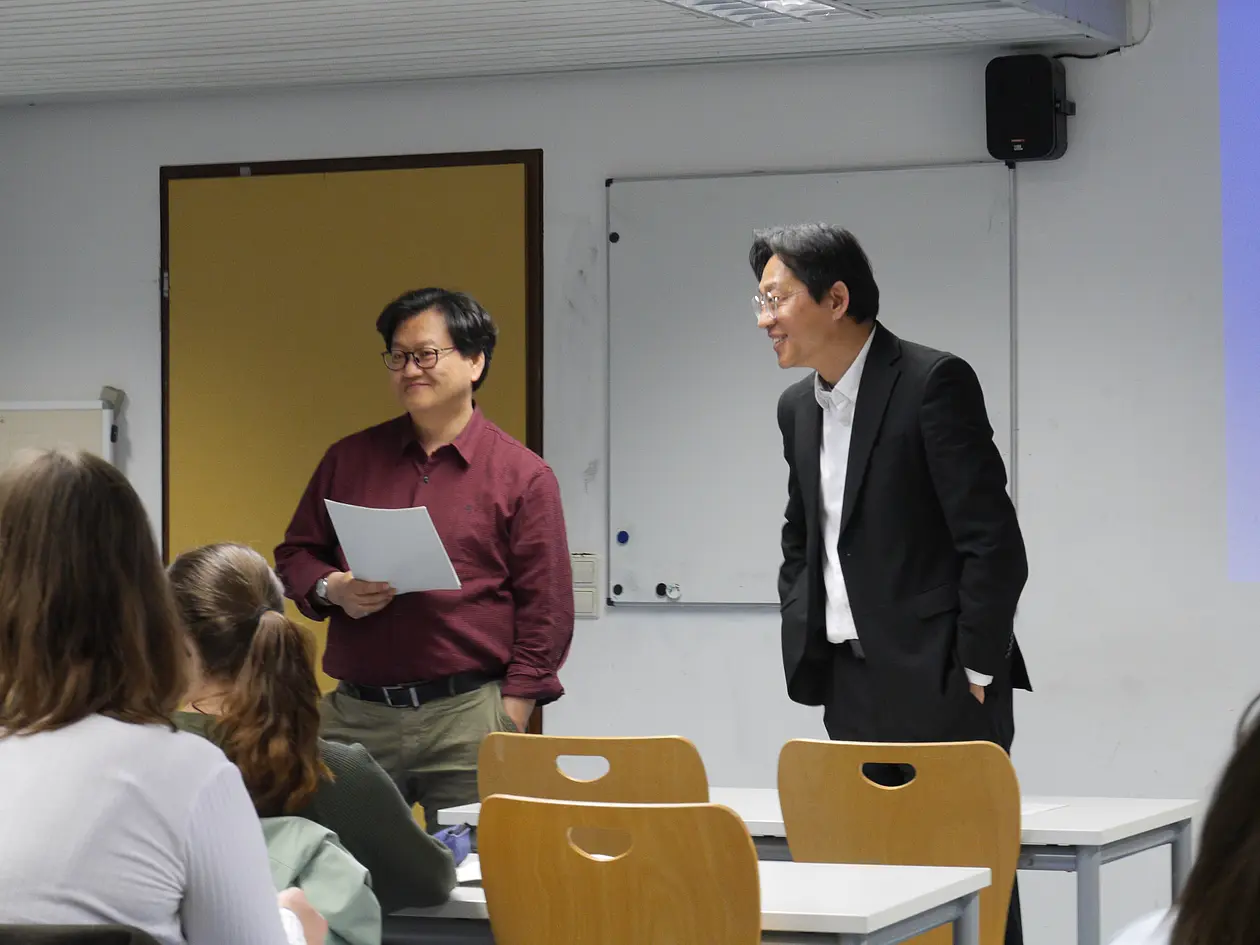
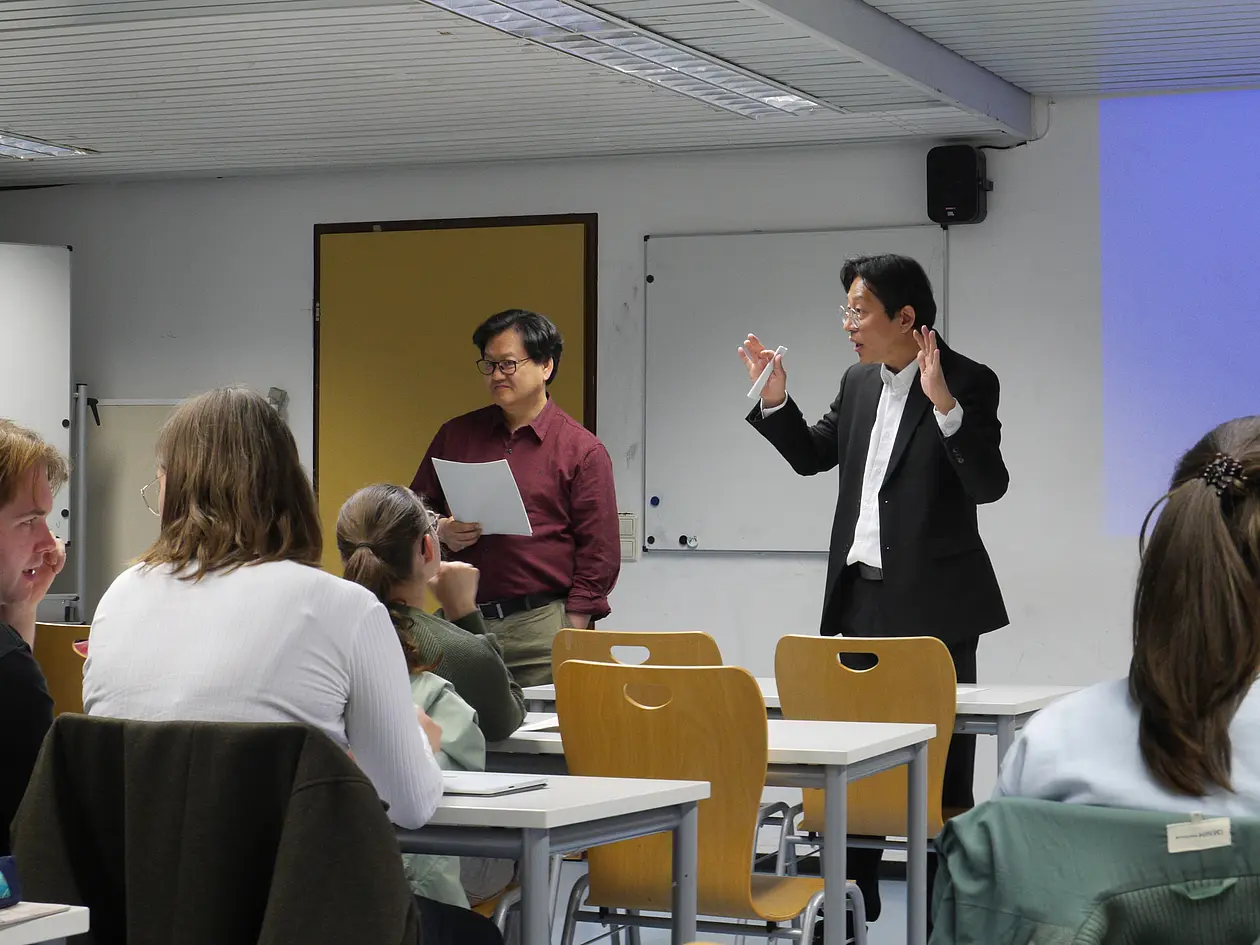
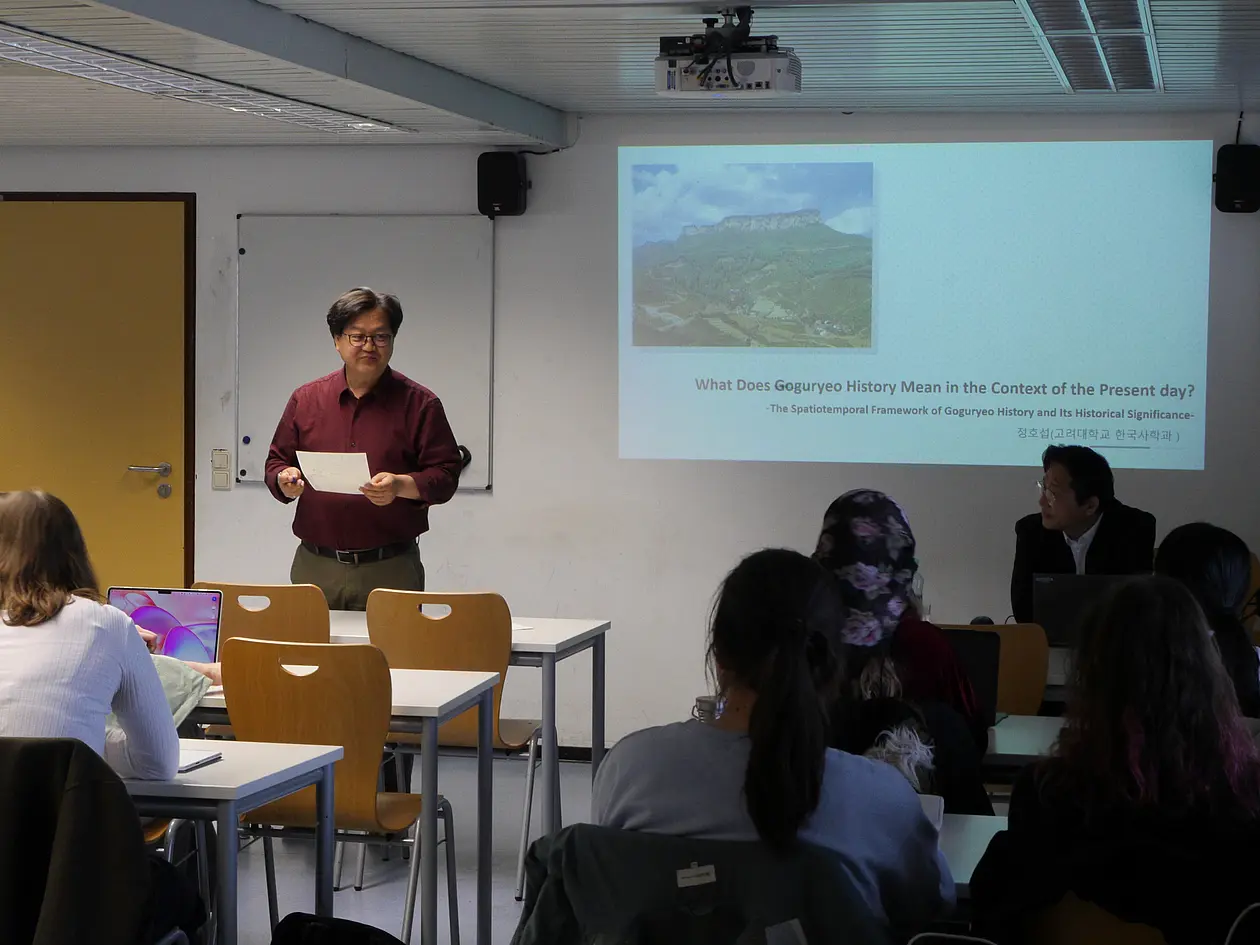
May 13Hosub JungKorea University“현재의 맥락에서 본 고구려 역사의 의미: 고구려의 시공간적 틀과 그 역사적 의미”
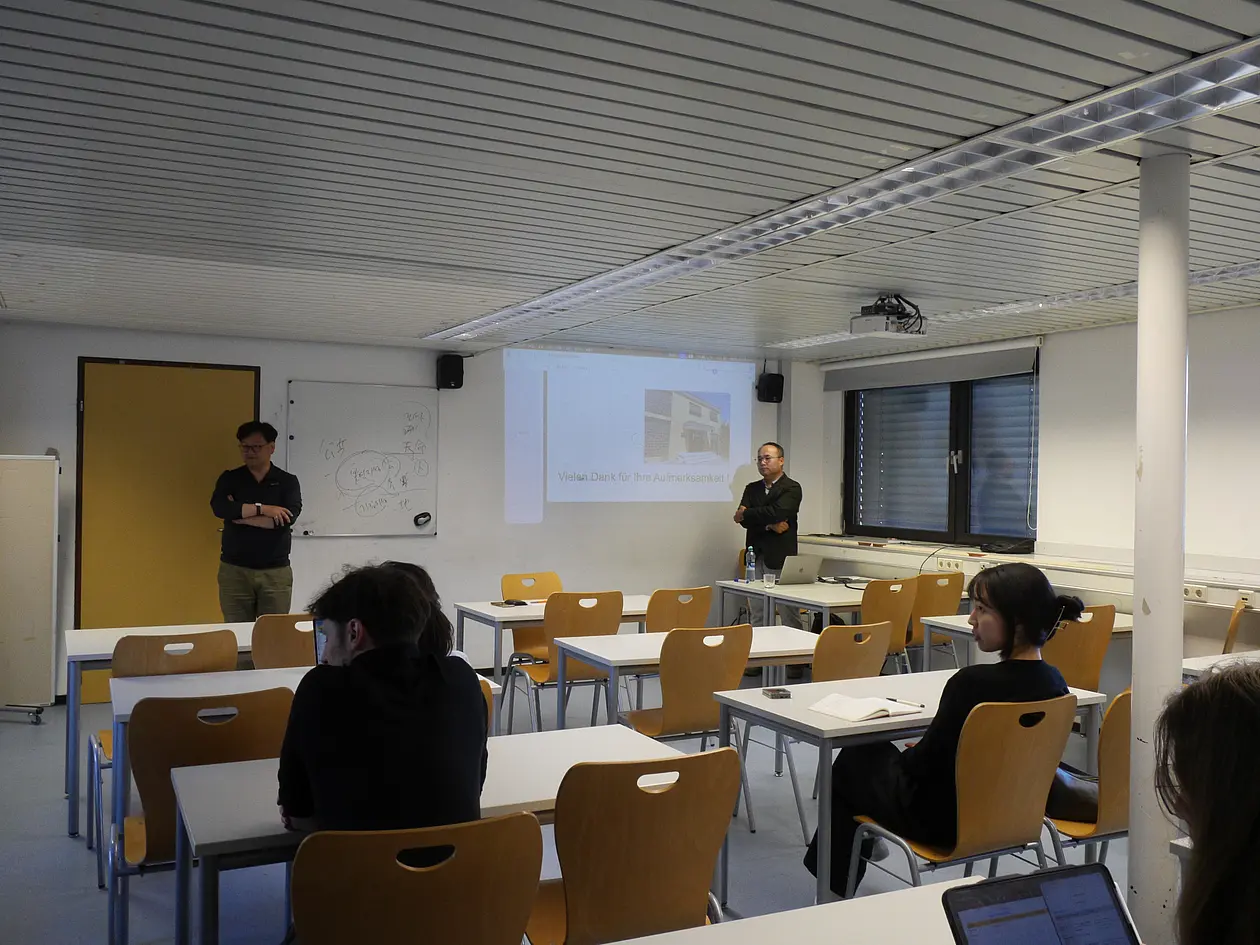
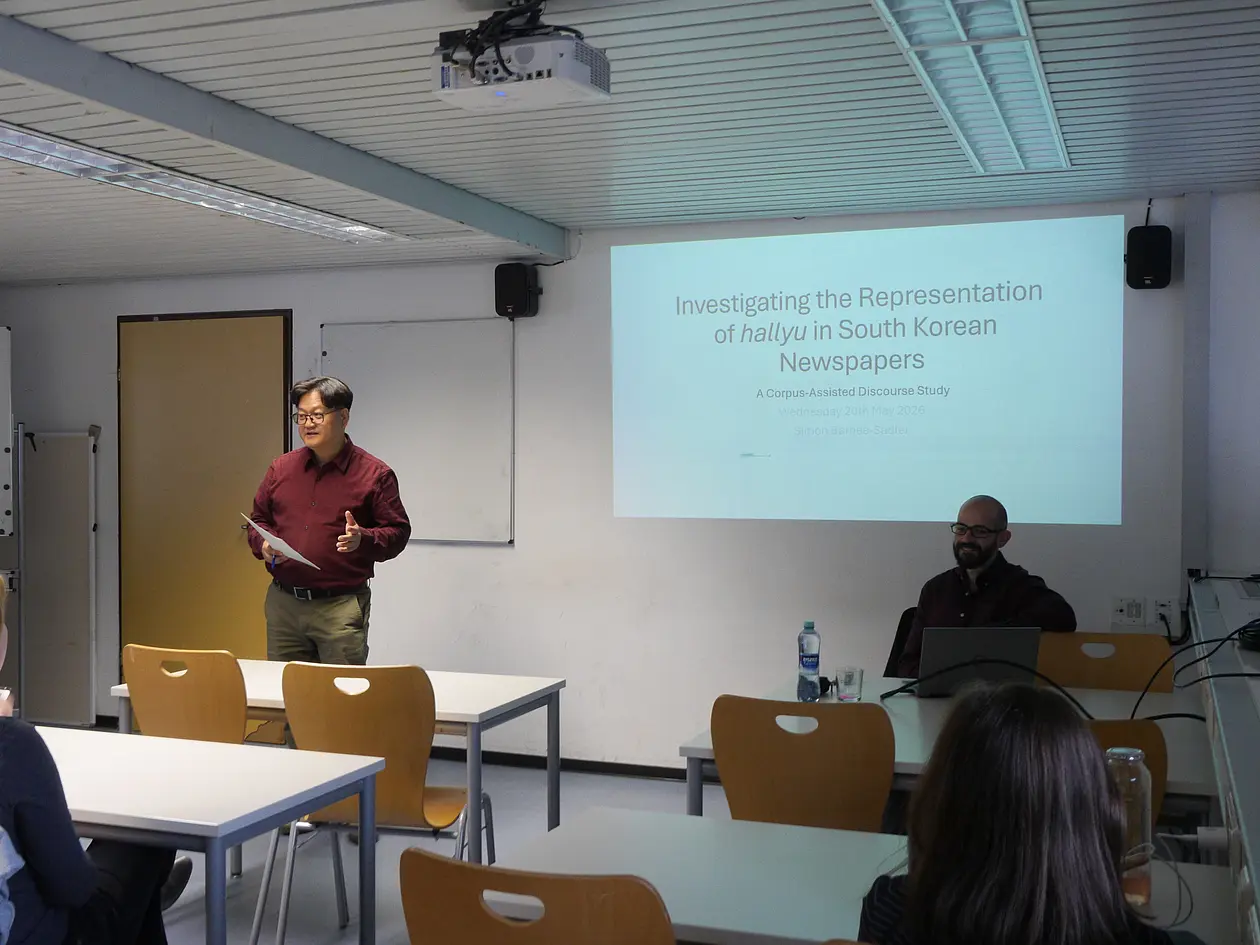
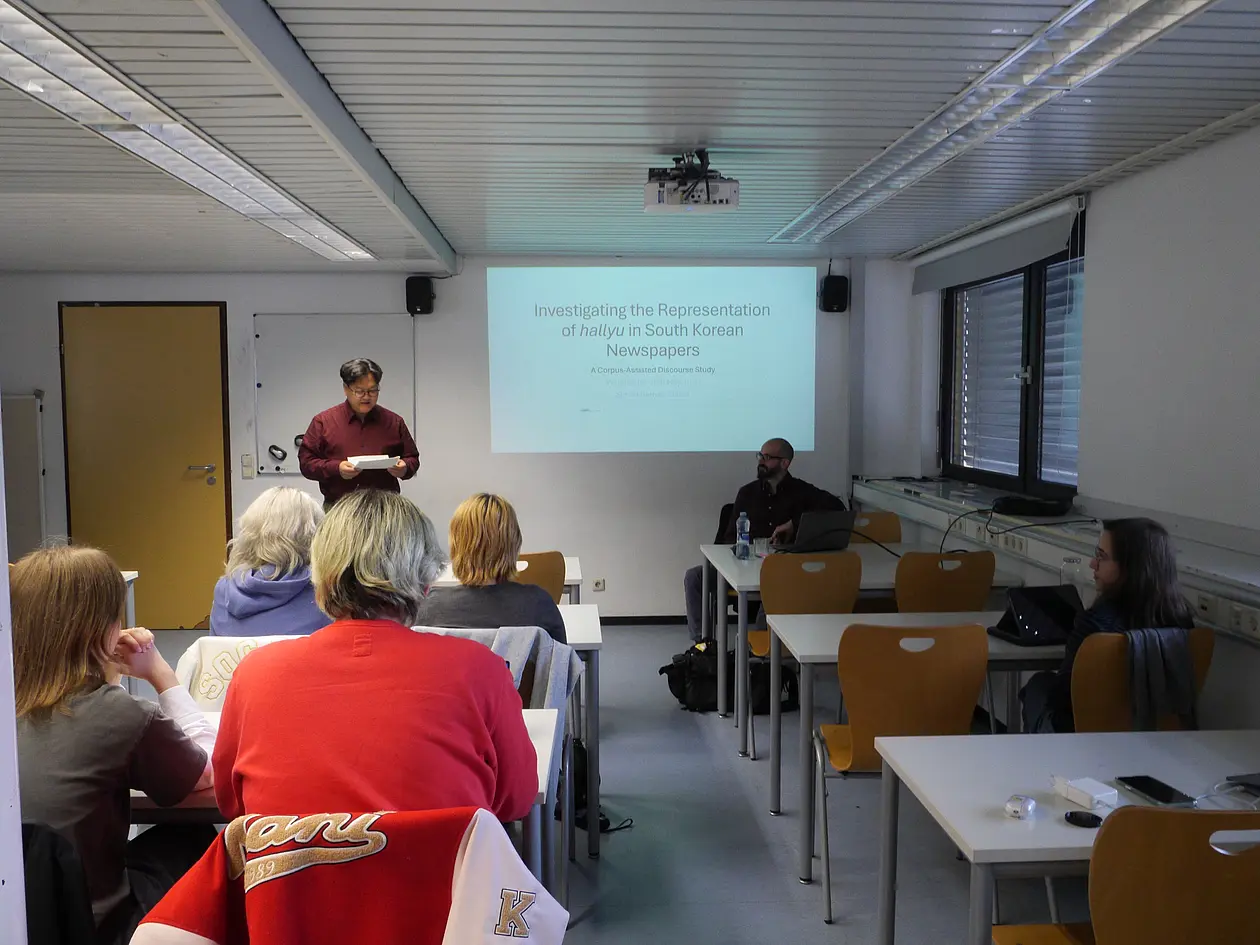
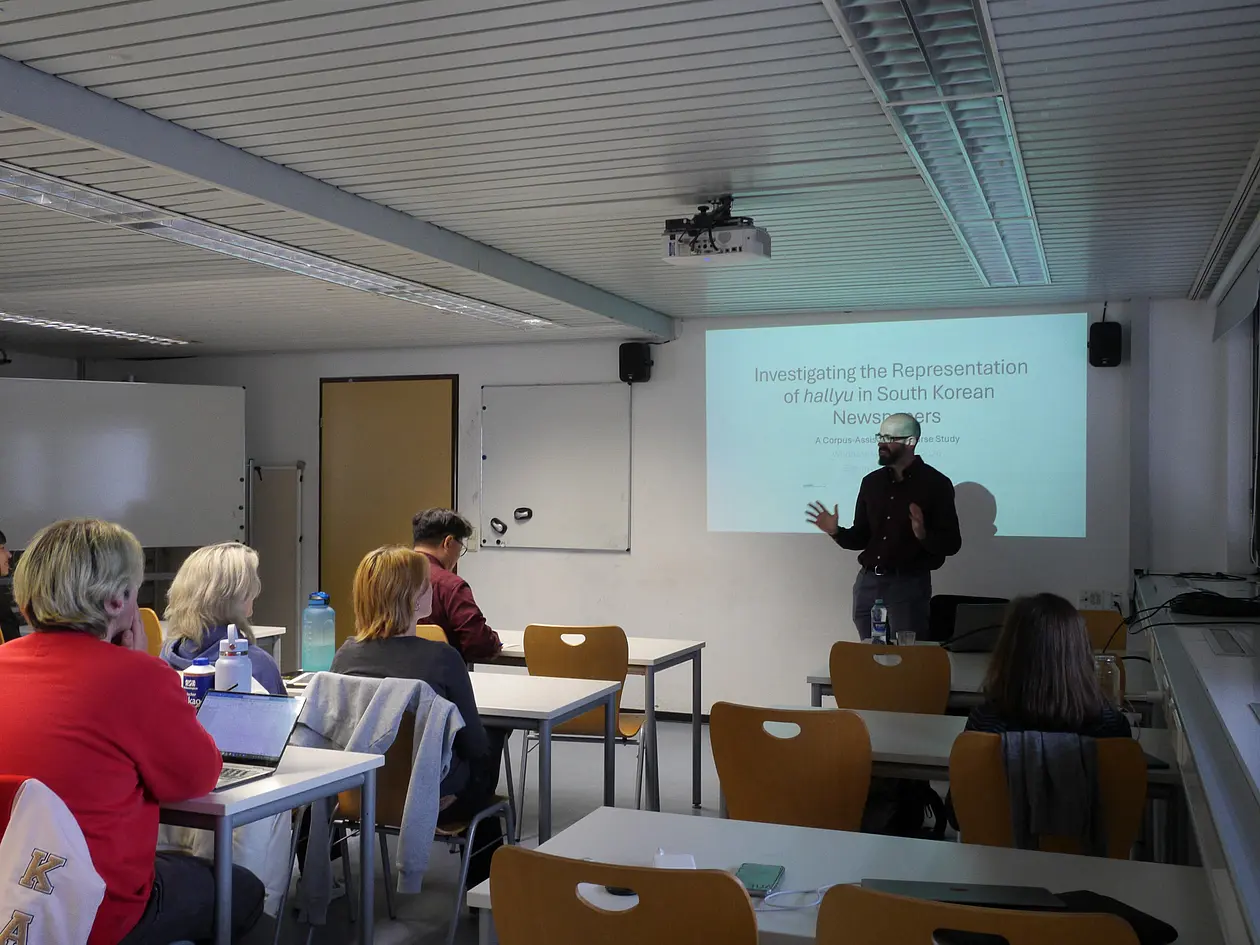
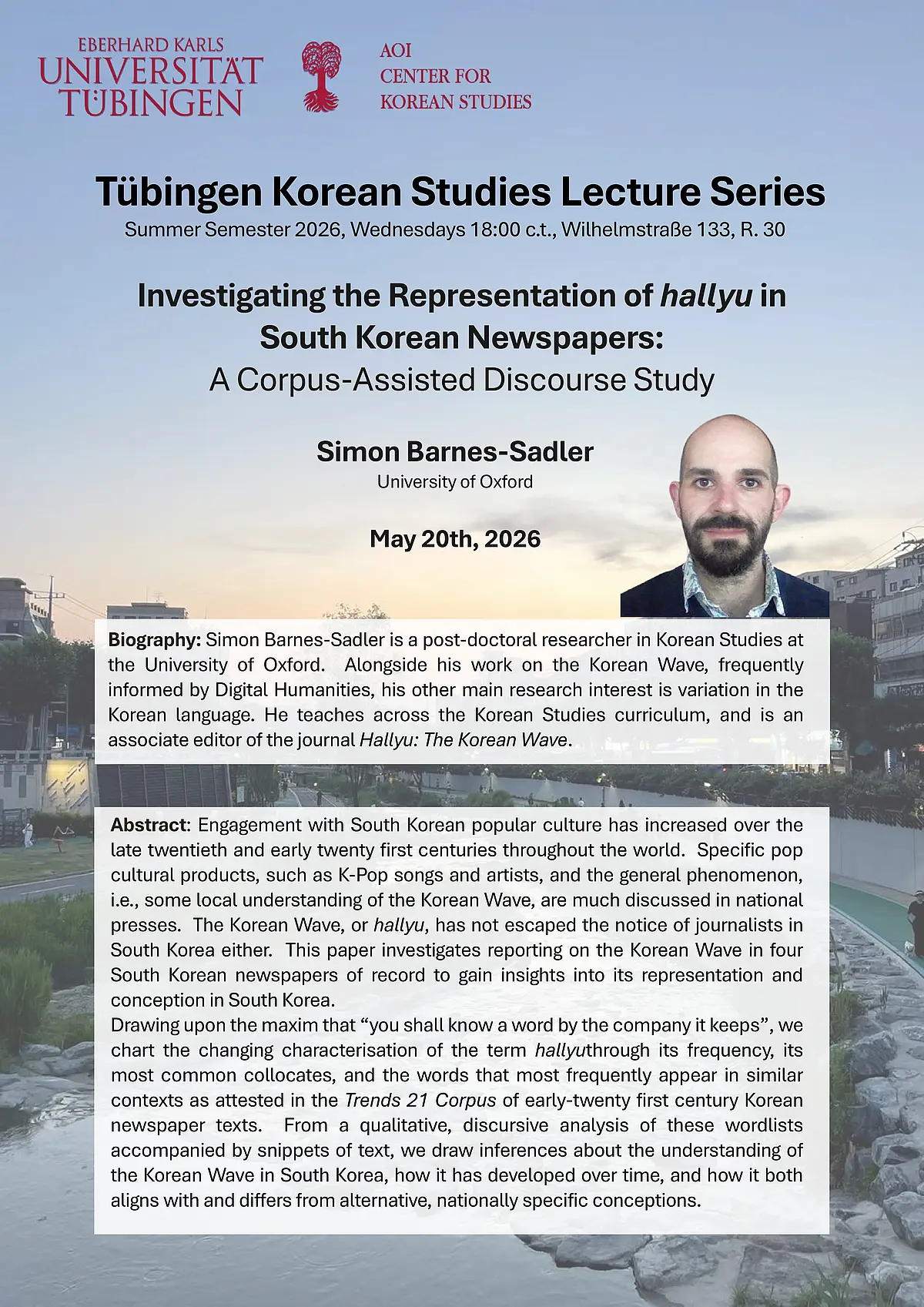
May 20Simon Barnes-SadlerUniversity of Oxford“Investigating the Representation of Hallyu in South Korean Newspapers: A Corpus-assisted Discourse Study”
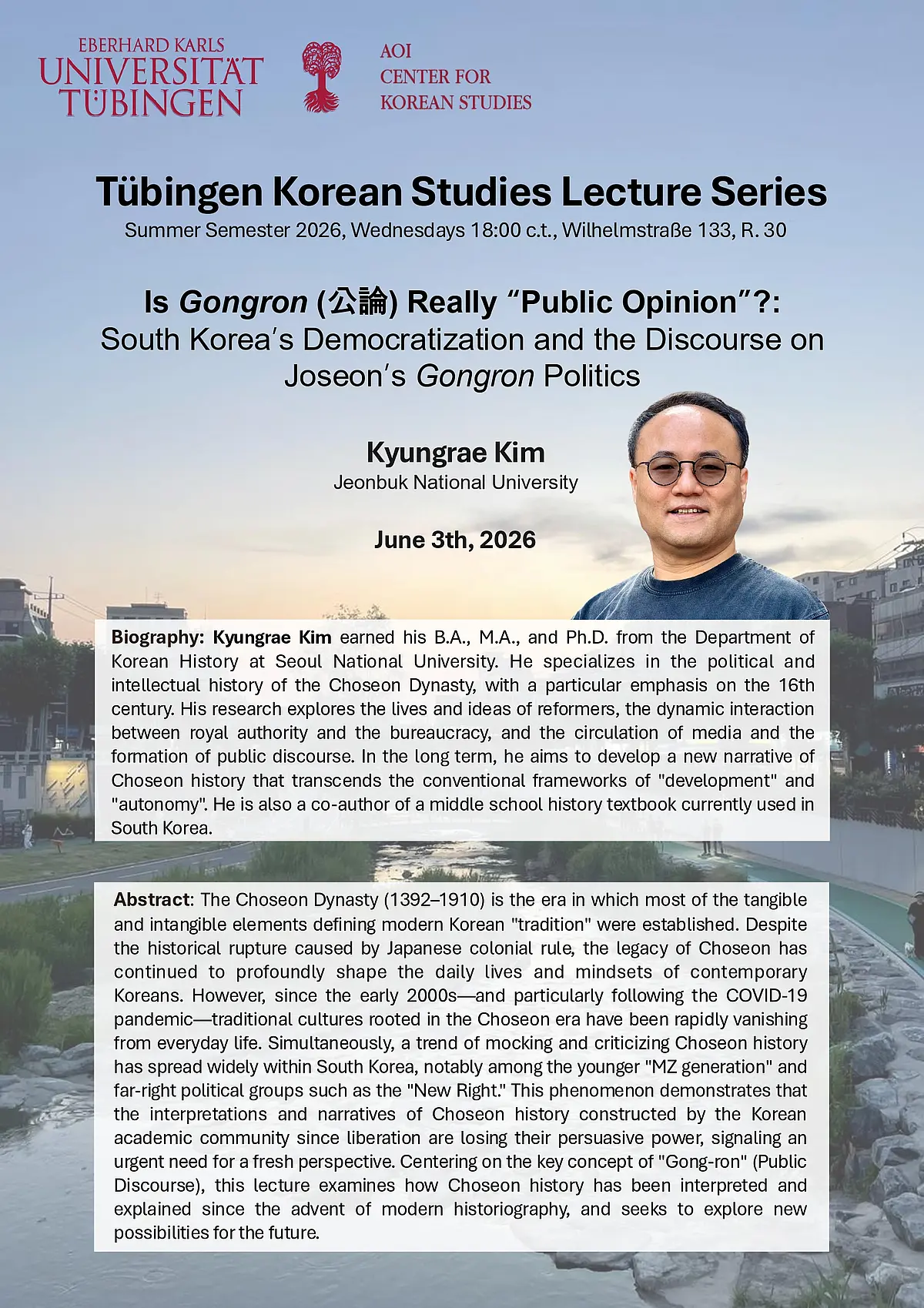
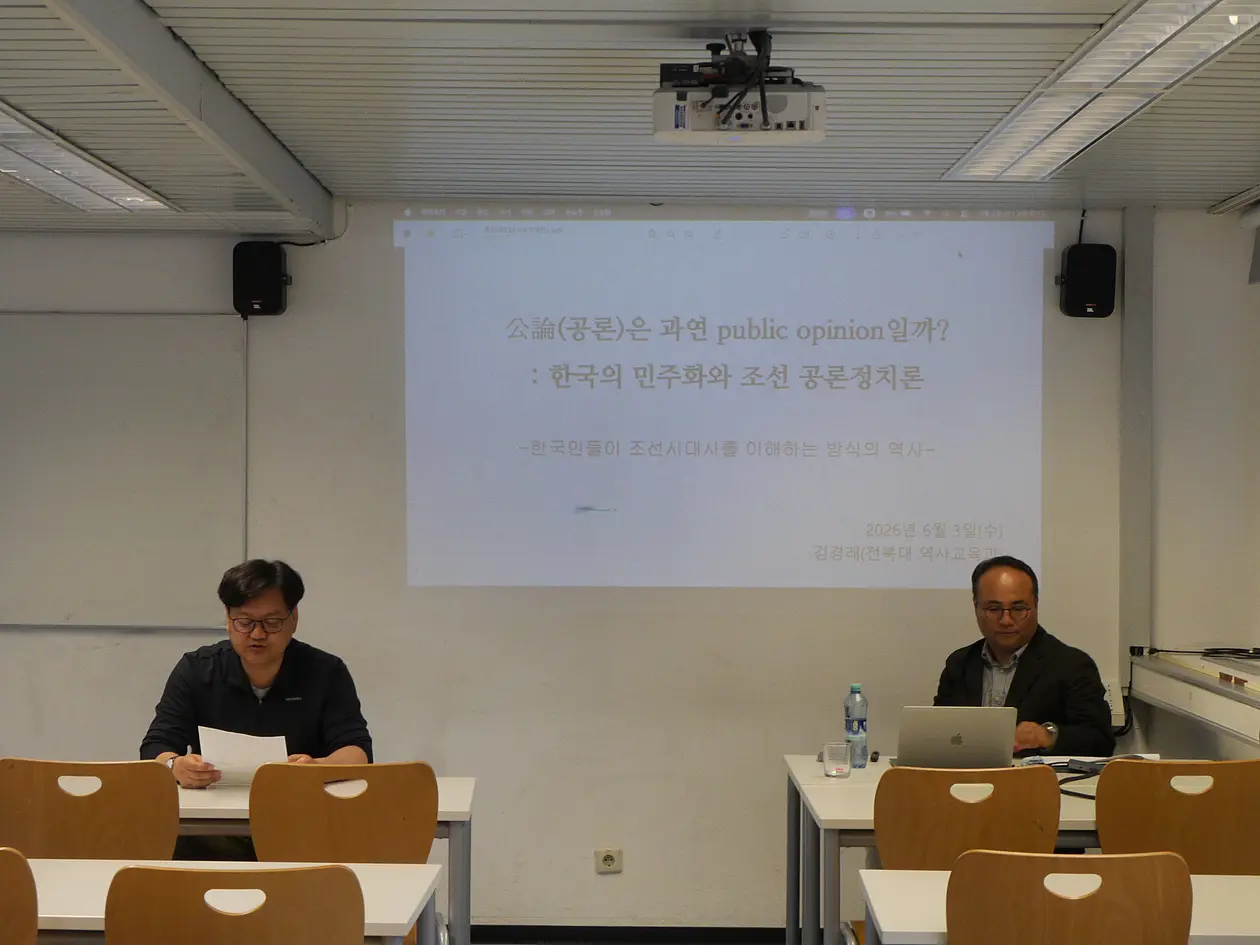
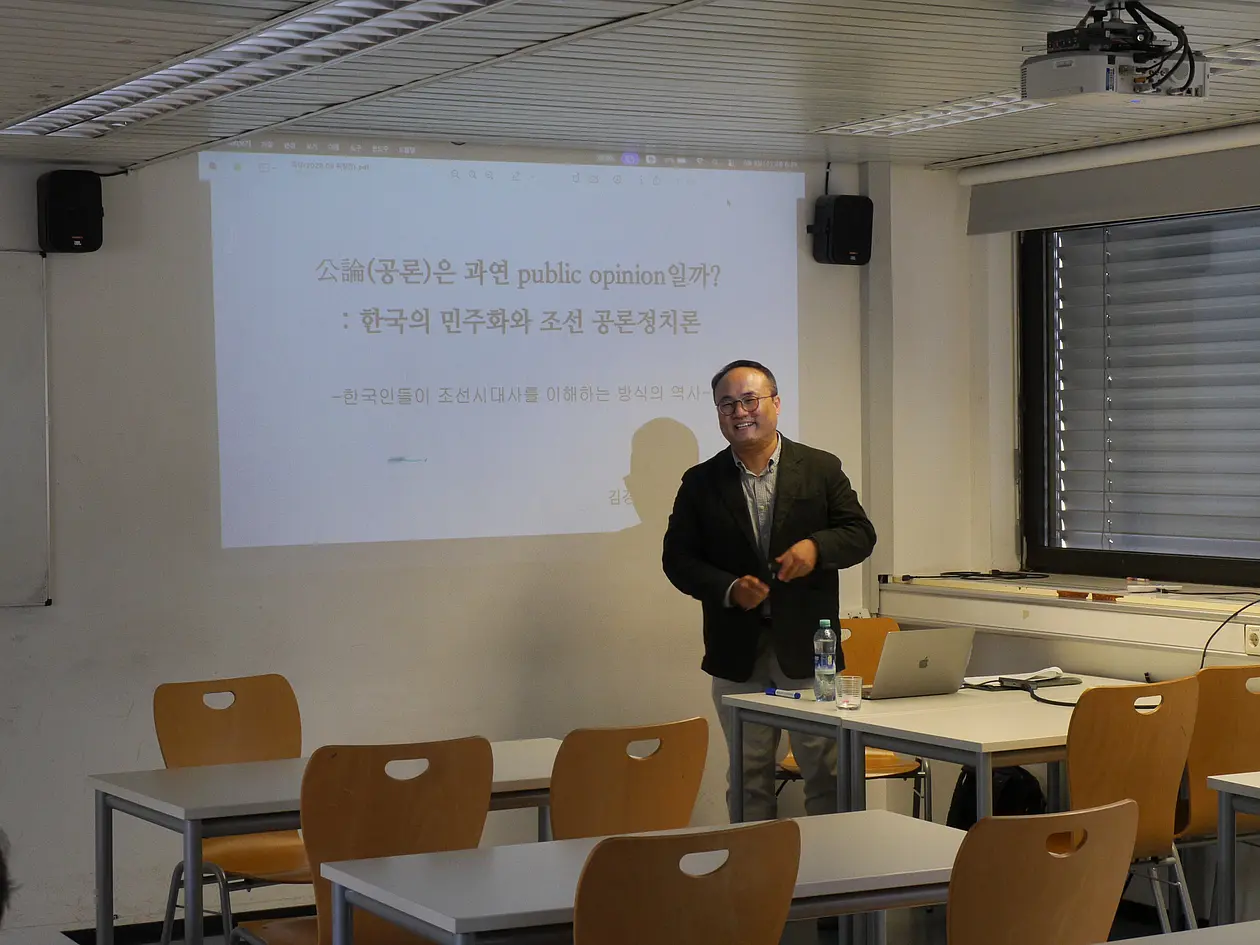
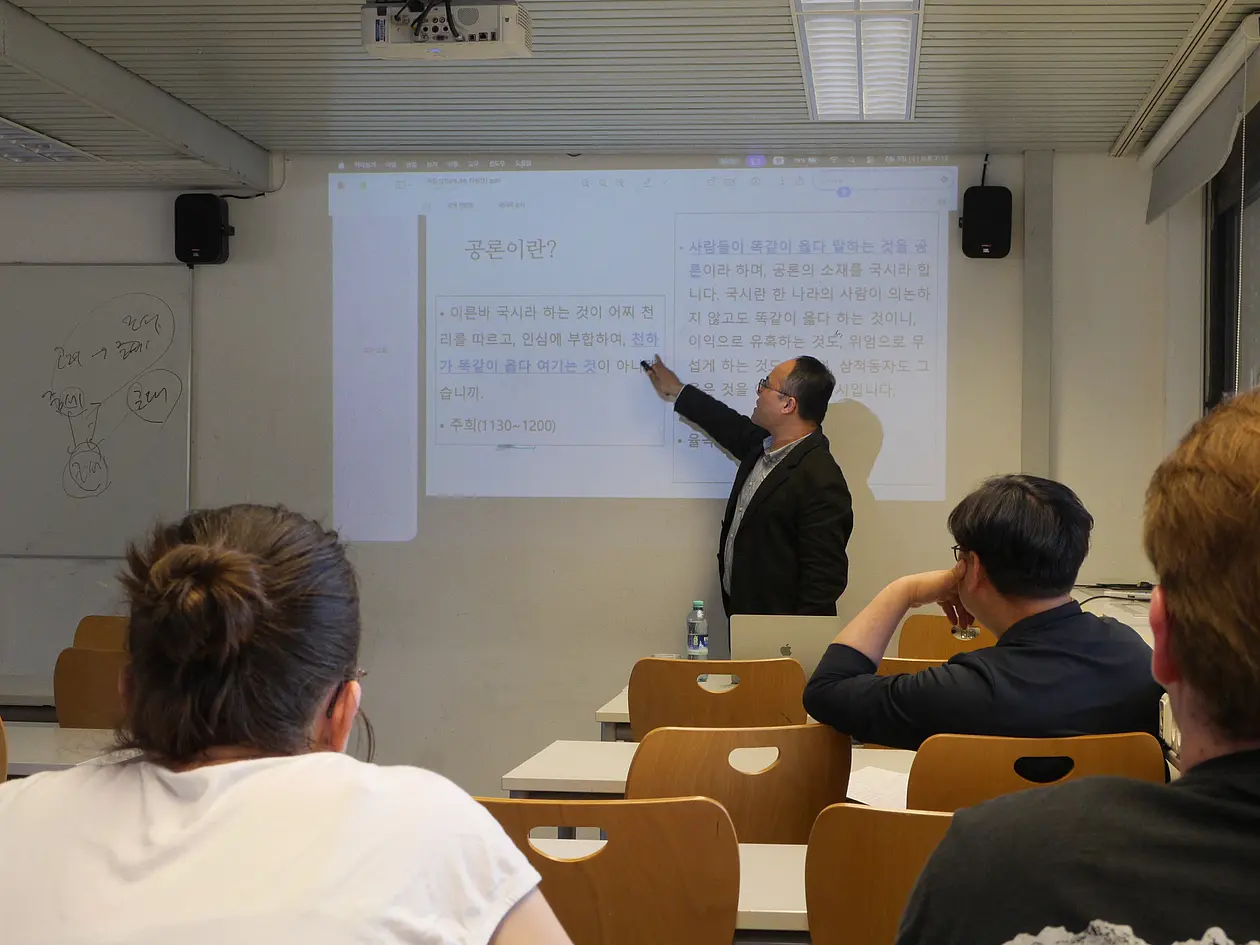
June 3Kyungrae KimJeonbuk National University

공론(公論)은 과연 Public Opinion일까? 한국의 민주화와 조선 공론정치론

 “Is Gongron (公論) Really “Public Opinion”?: South Korea’s Democratization and the Discourse on Joseon’s Gongron Politics”

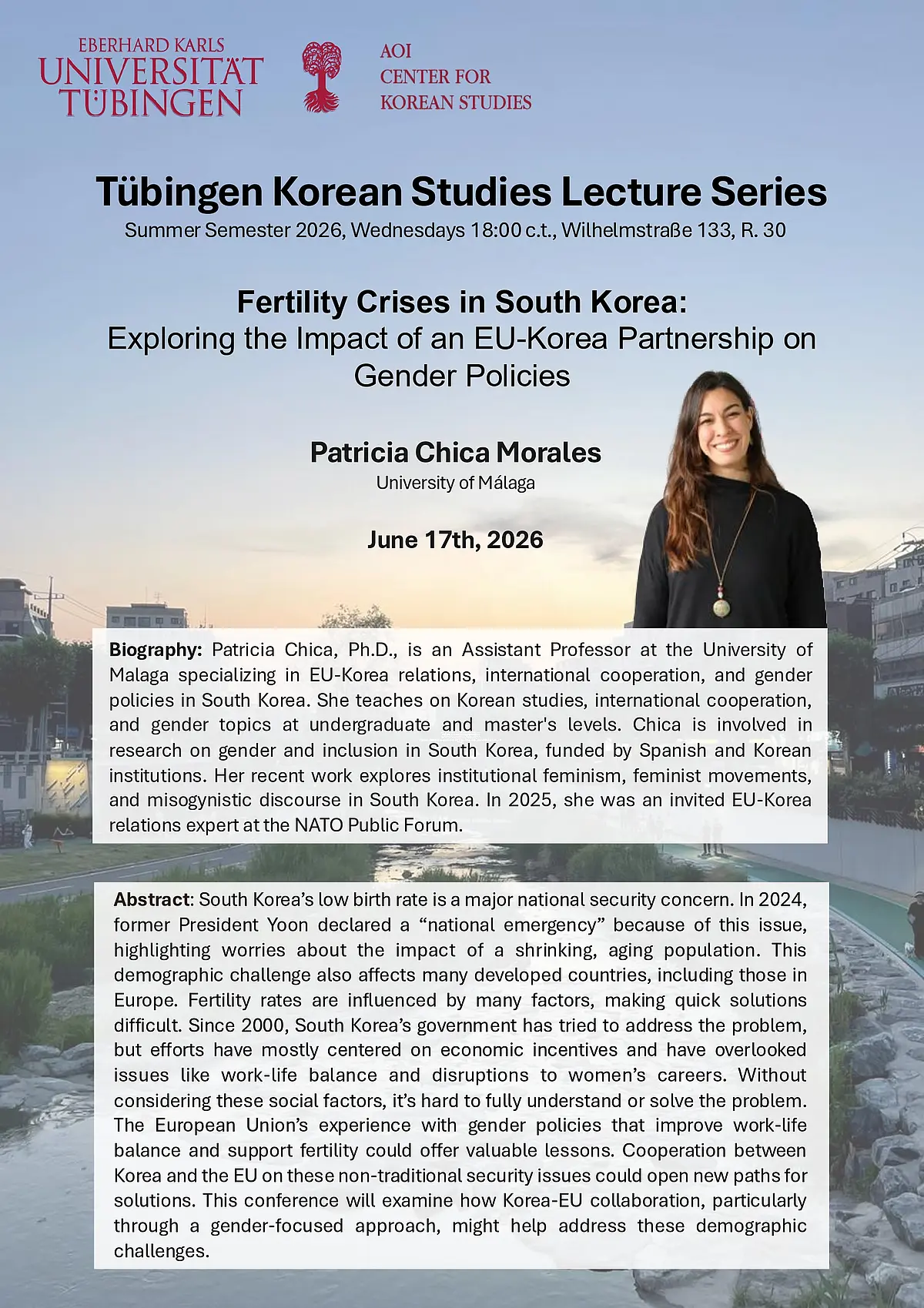
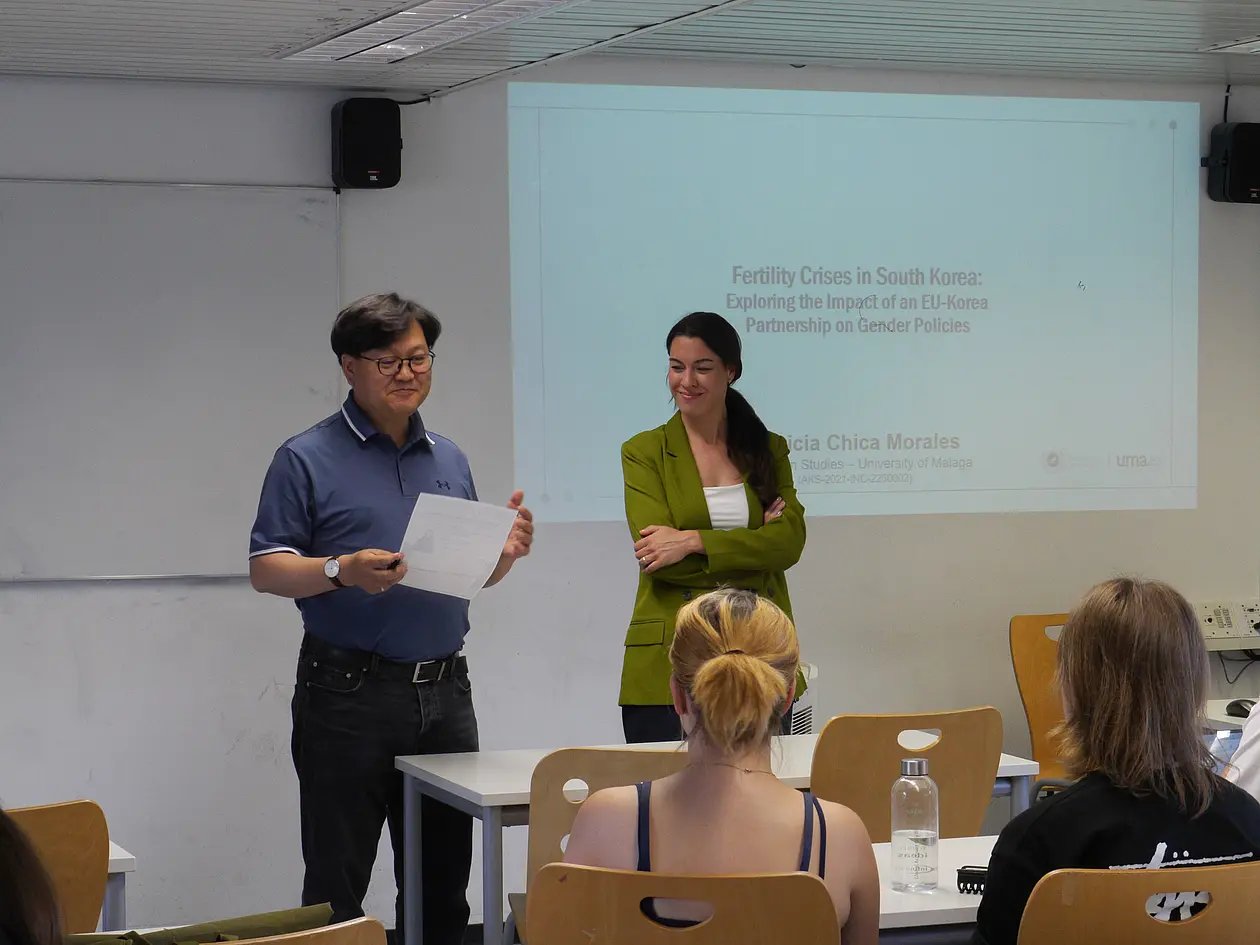
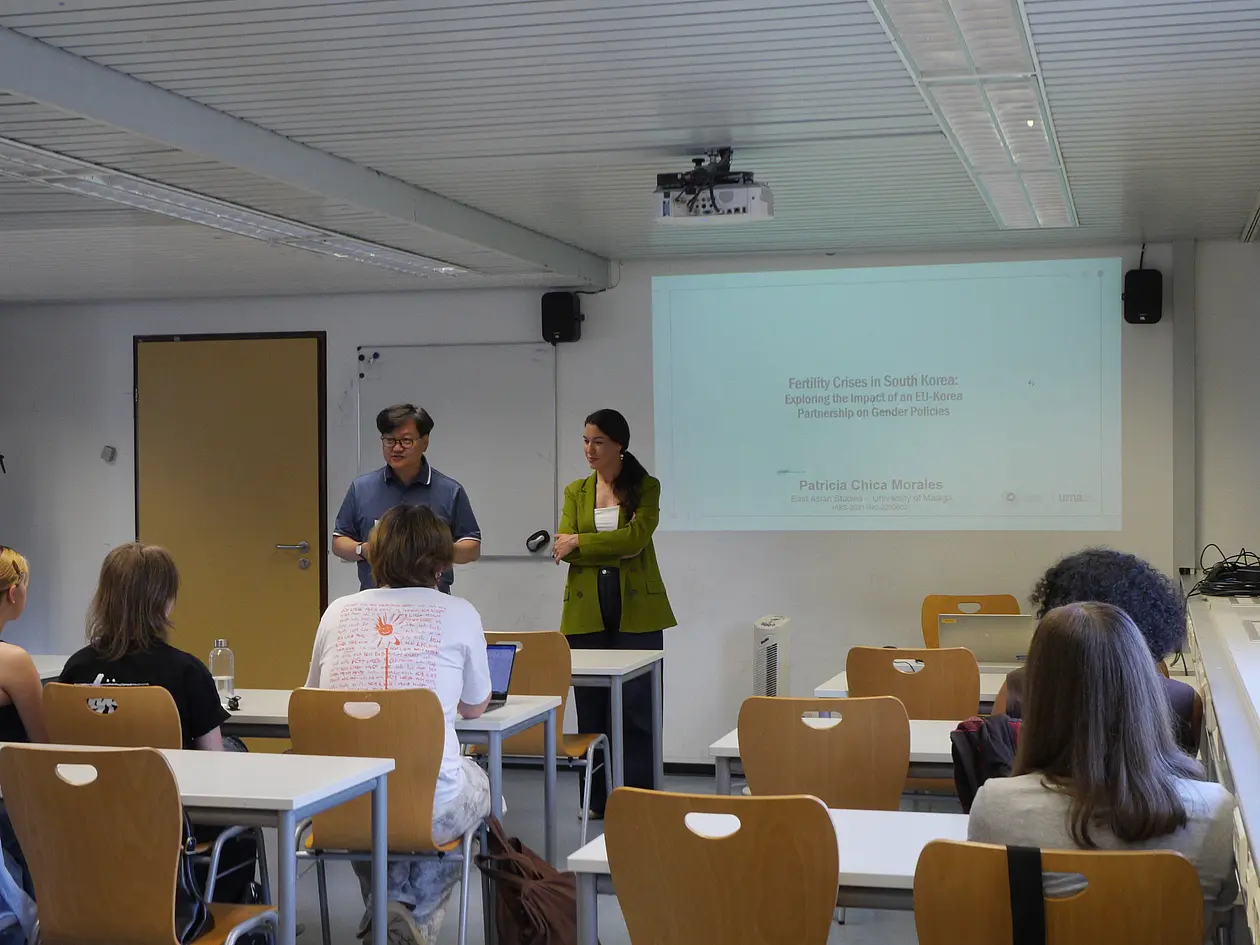
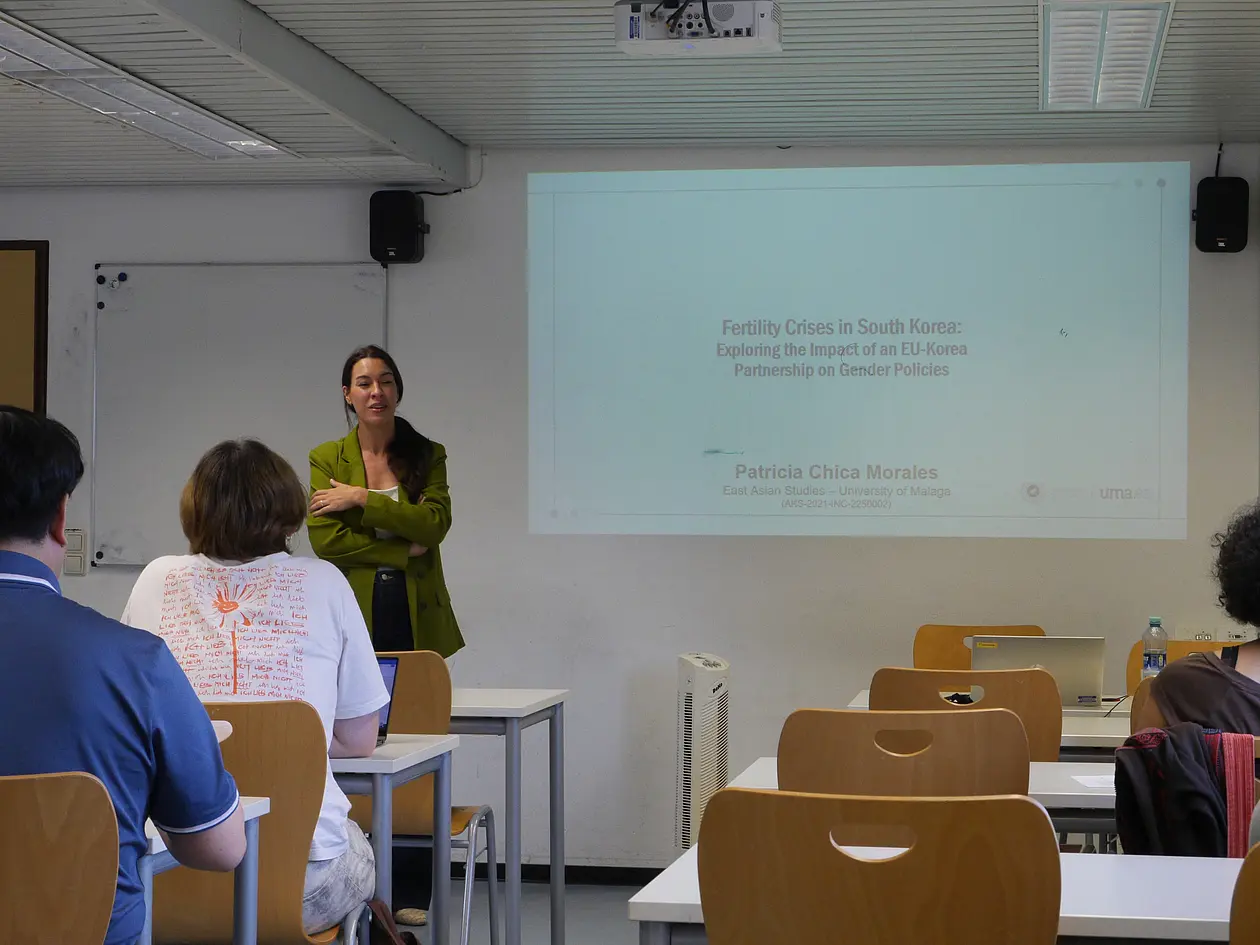
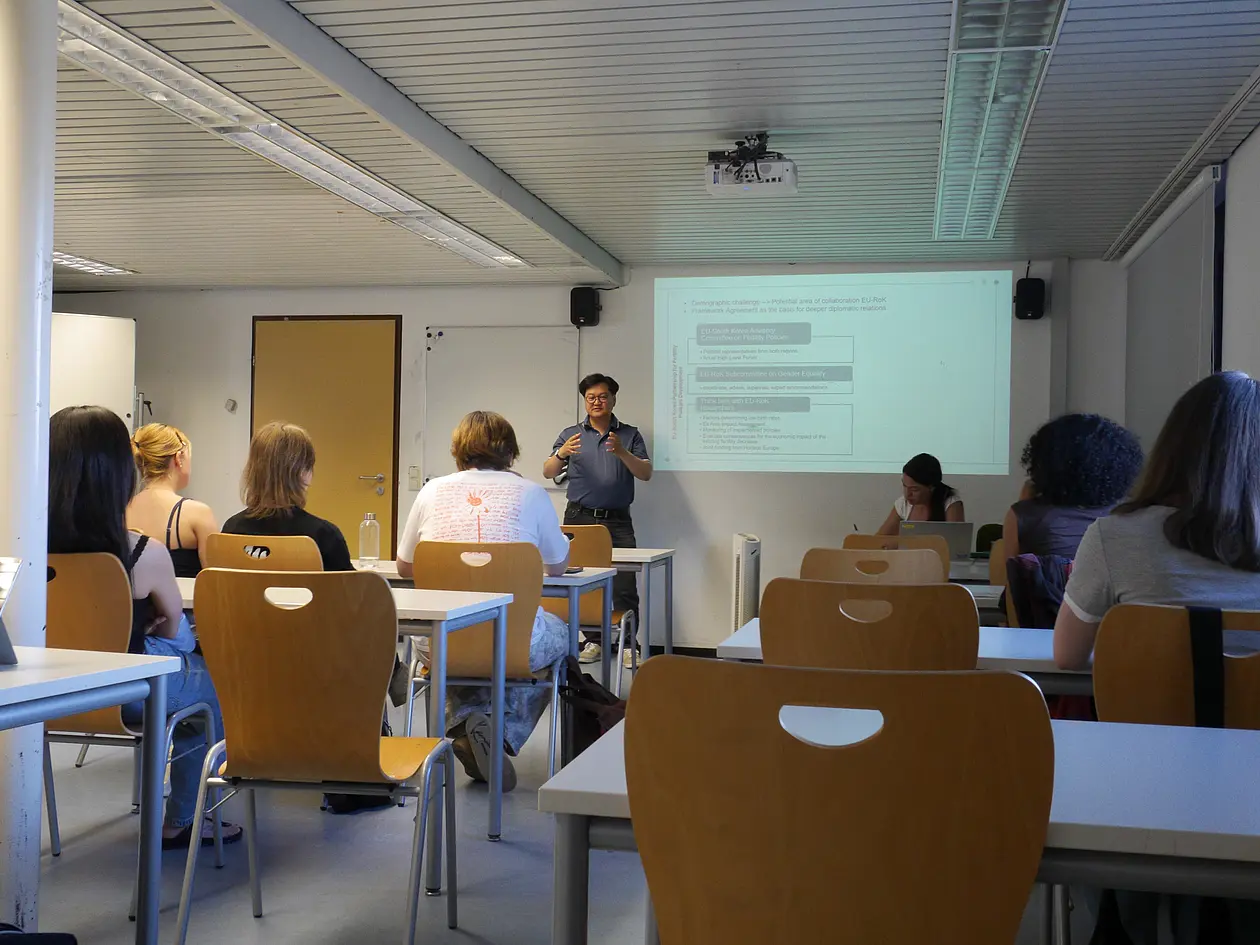
June 17Patricia Chica MoralesUniversity of Málaga“Fertility Crises in South Korea: exploring the Impact of an EU-Korea Partnership on Gender Policies”
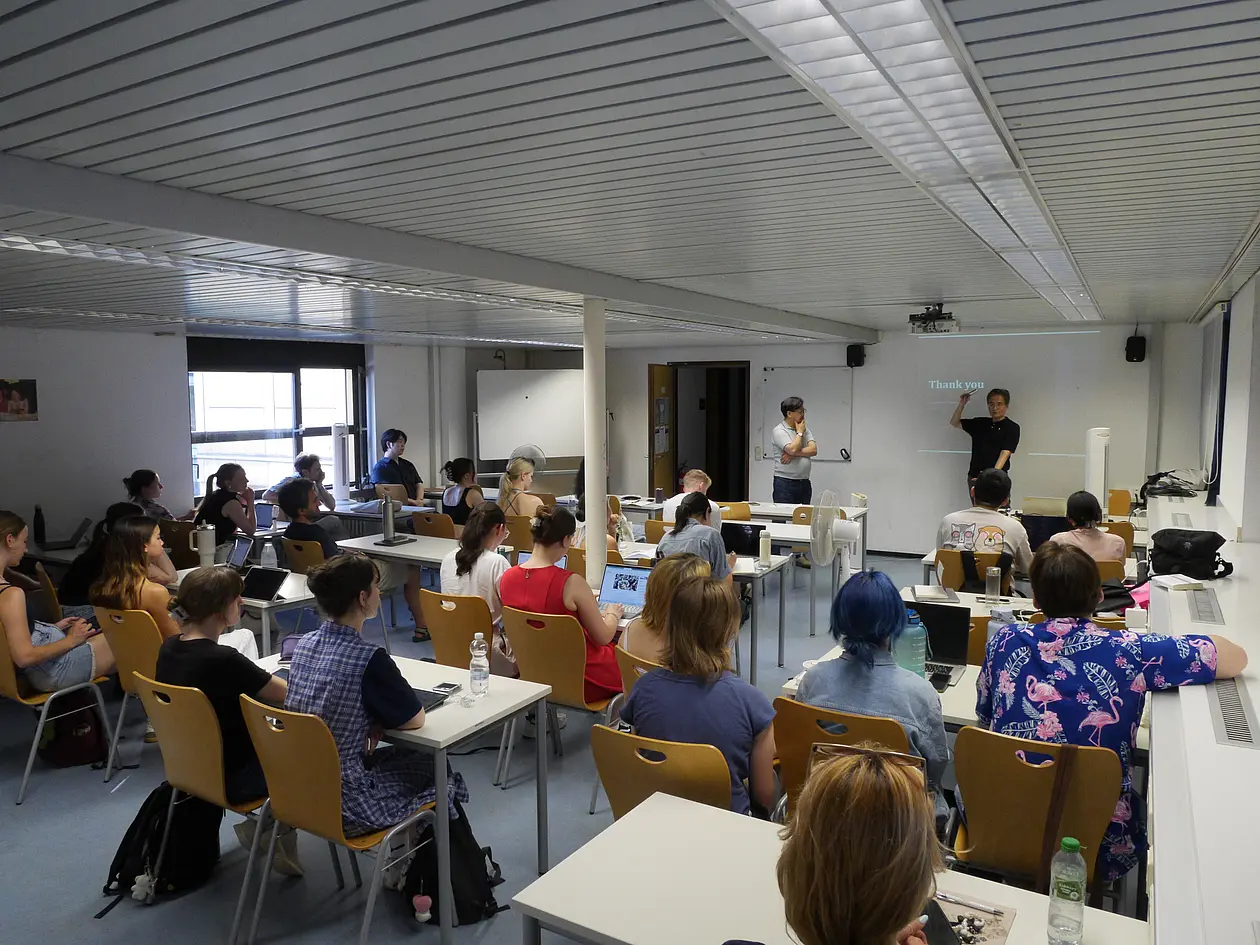
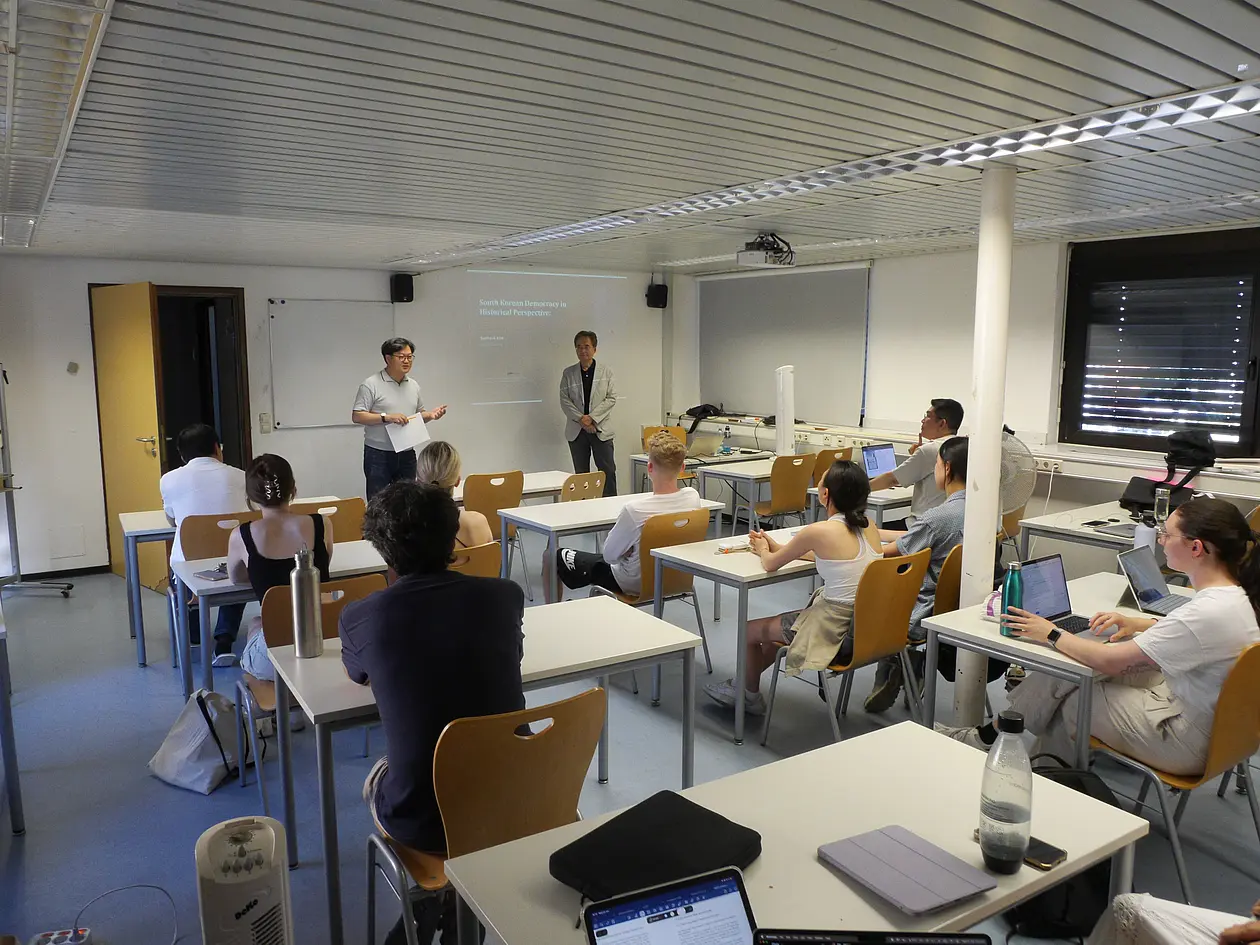
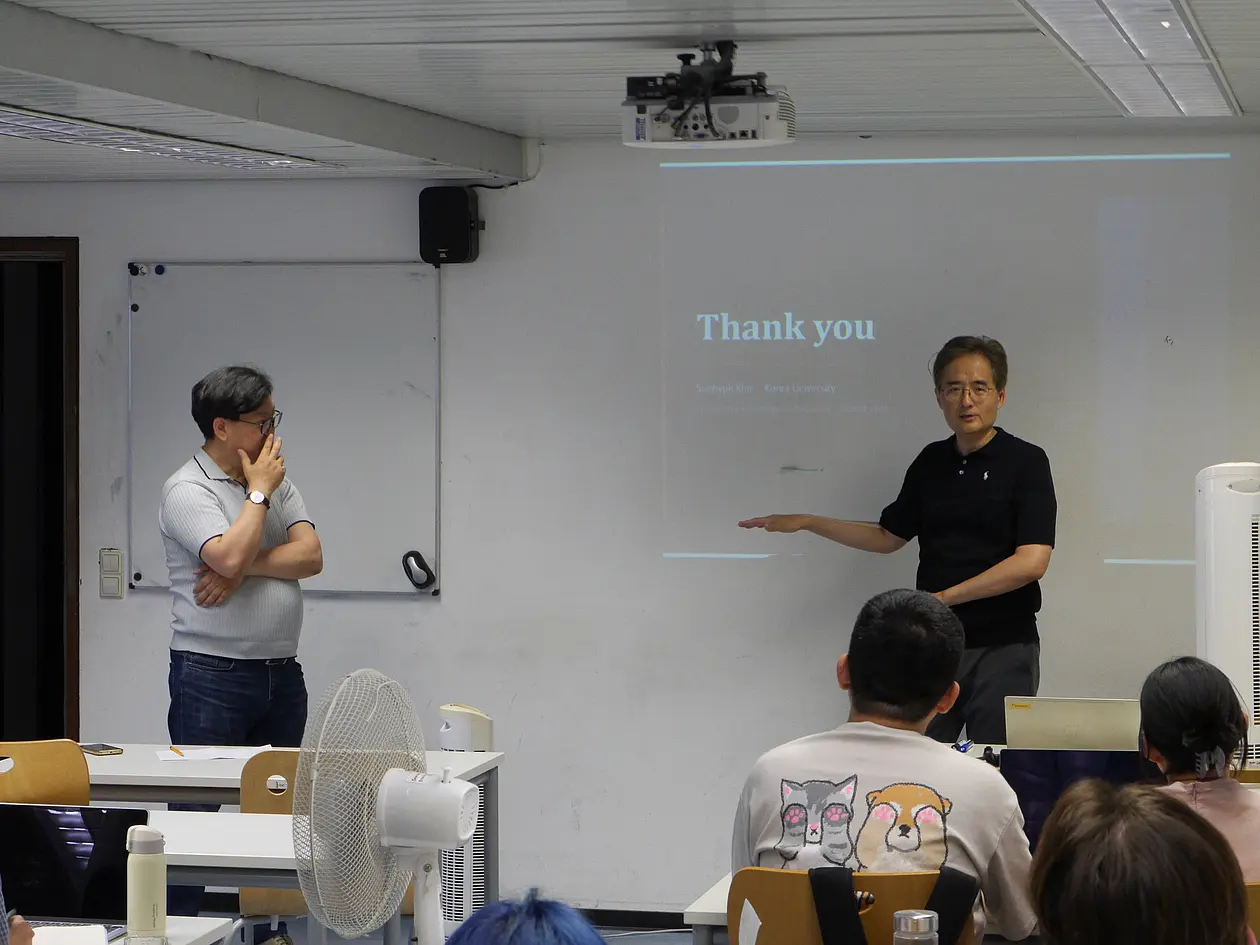
June 24Sunhyuk KimKorea University“South Korean Democracy in Historical Perspective: Transition, Stress, and Resilience”
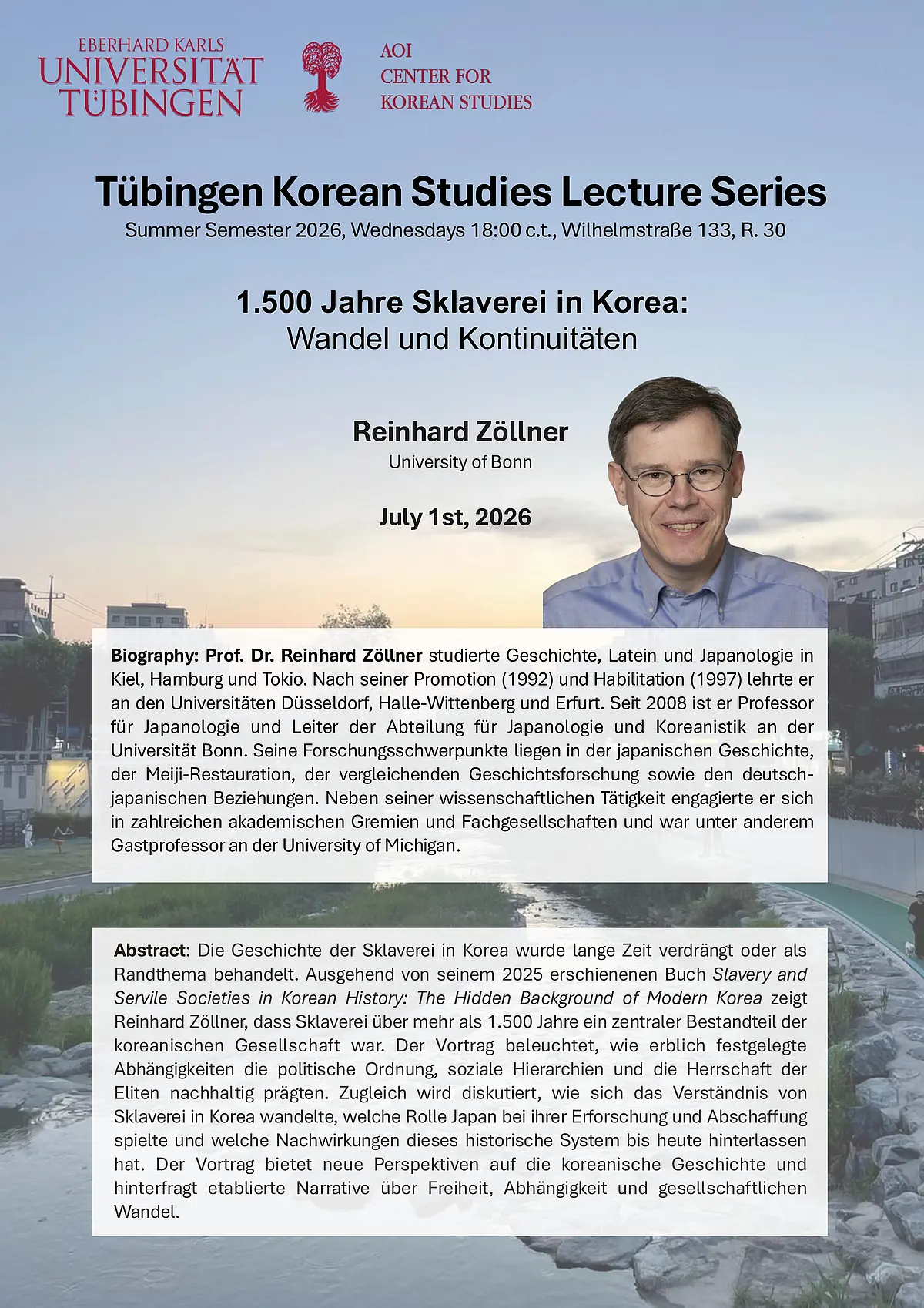
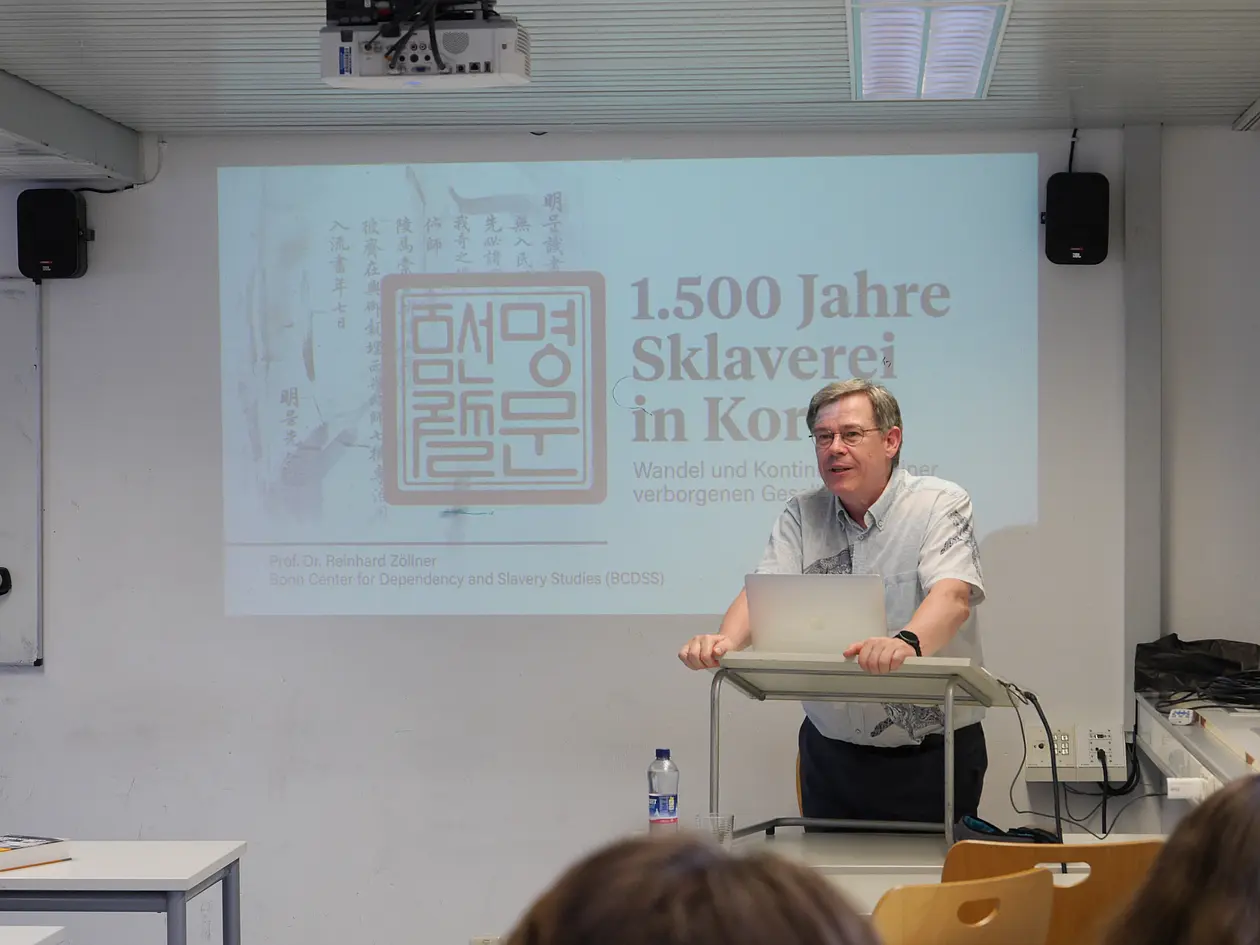
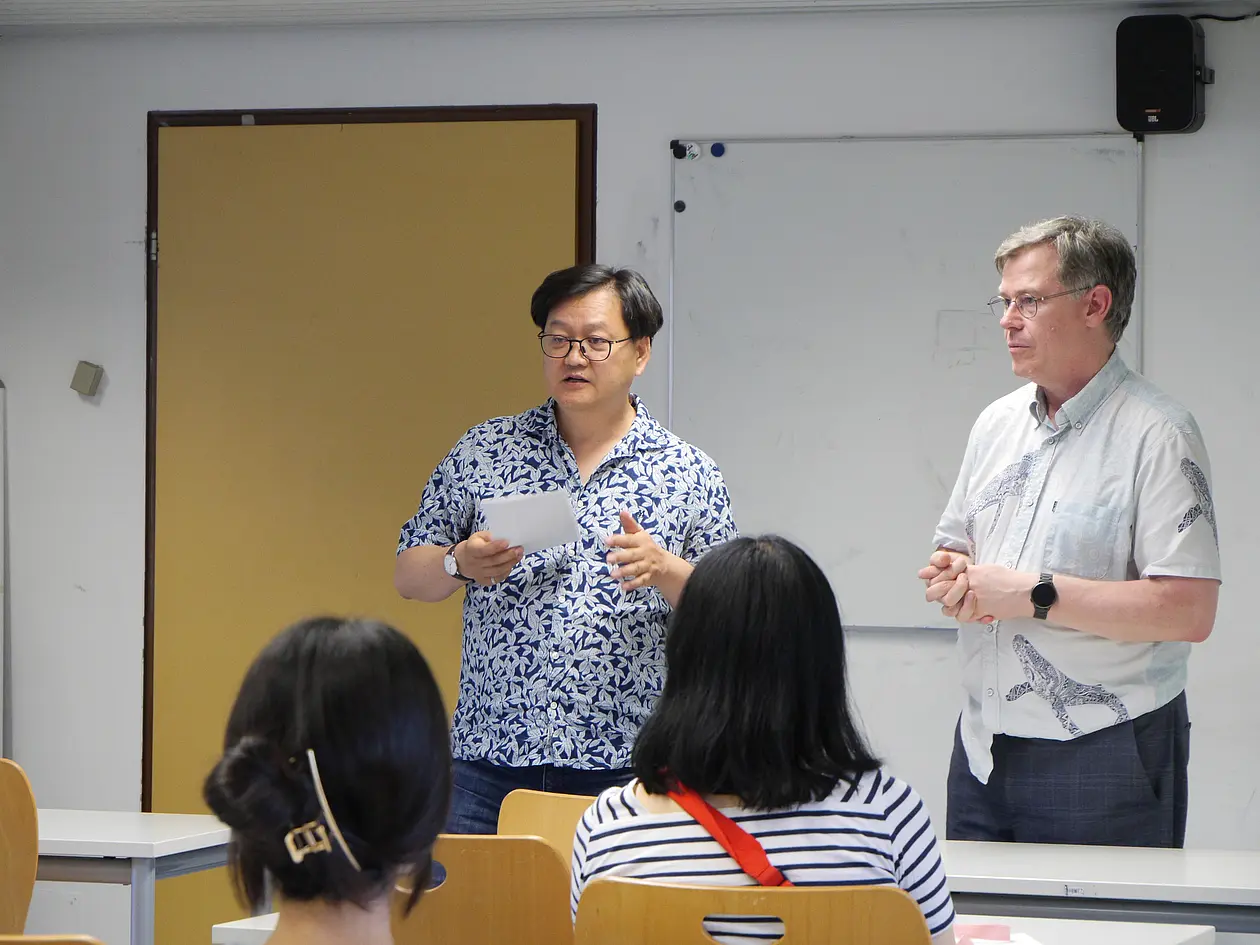
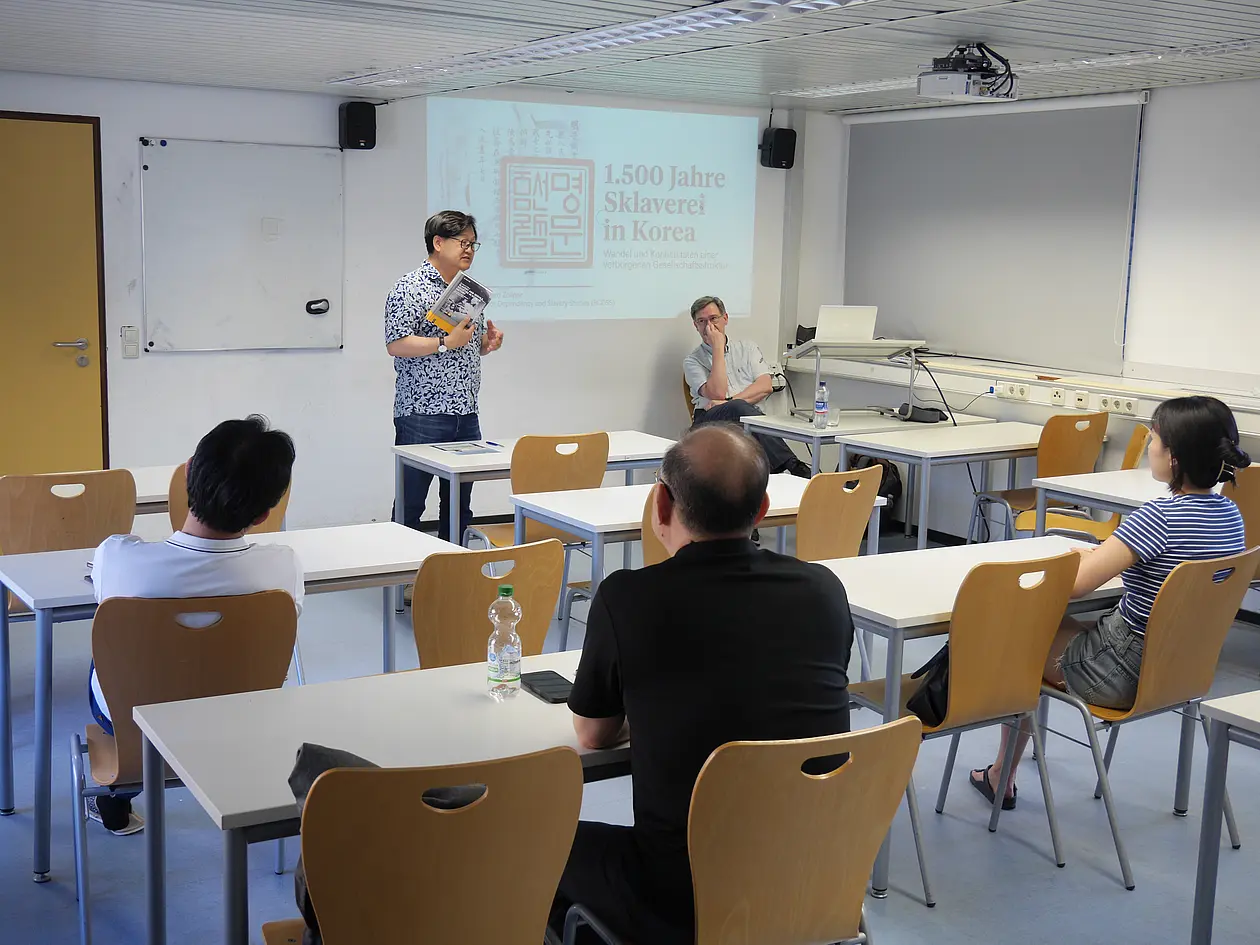
July 1Reinhard ZöllnerUniversity of Bonn“1.500 Jahre Sklaverei in Korea: Wandel und Kontinuitäten”
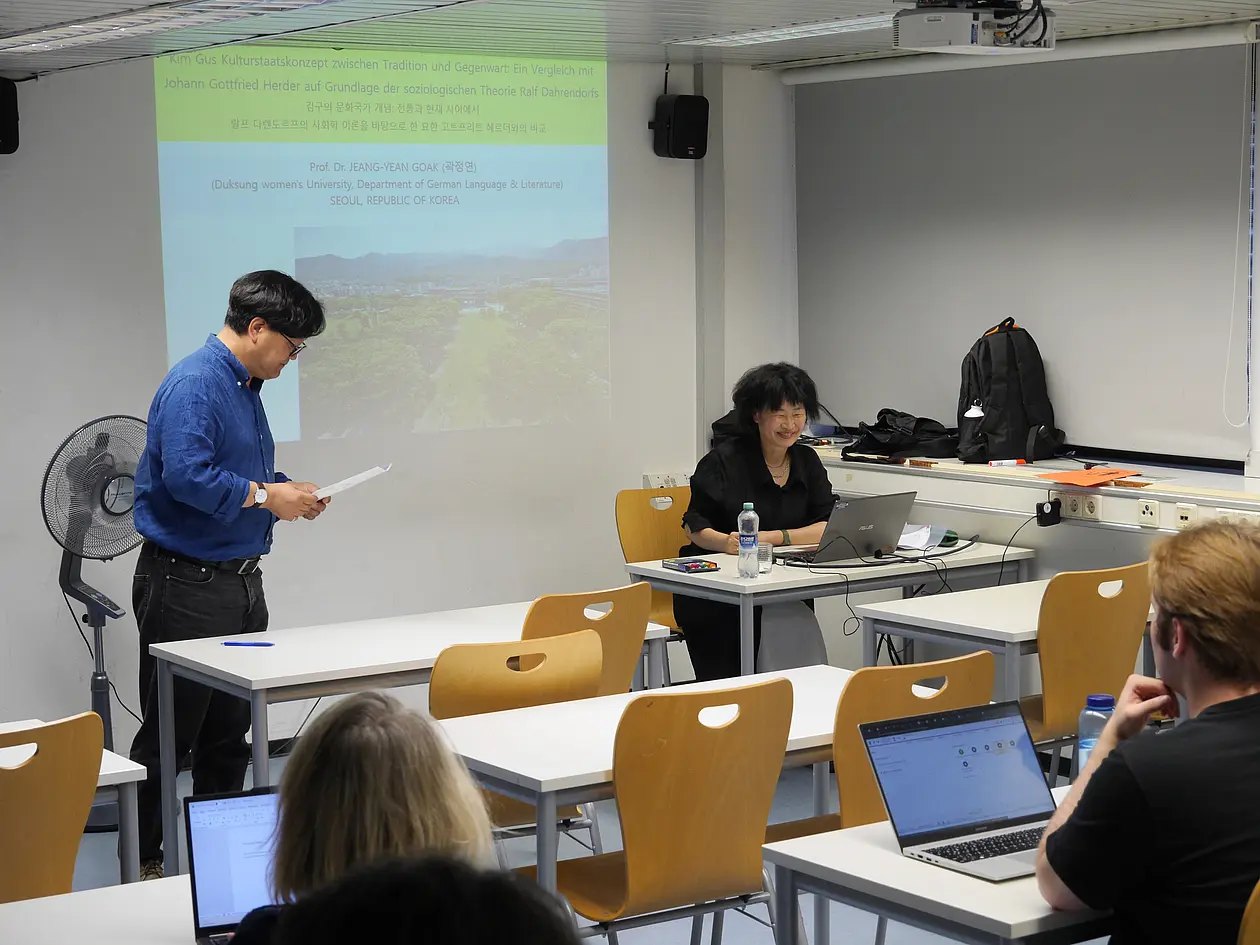
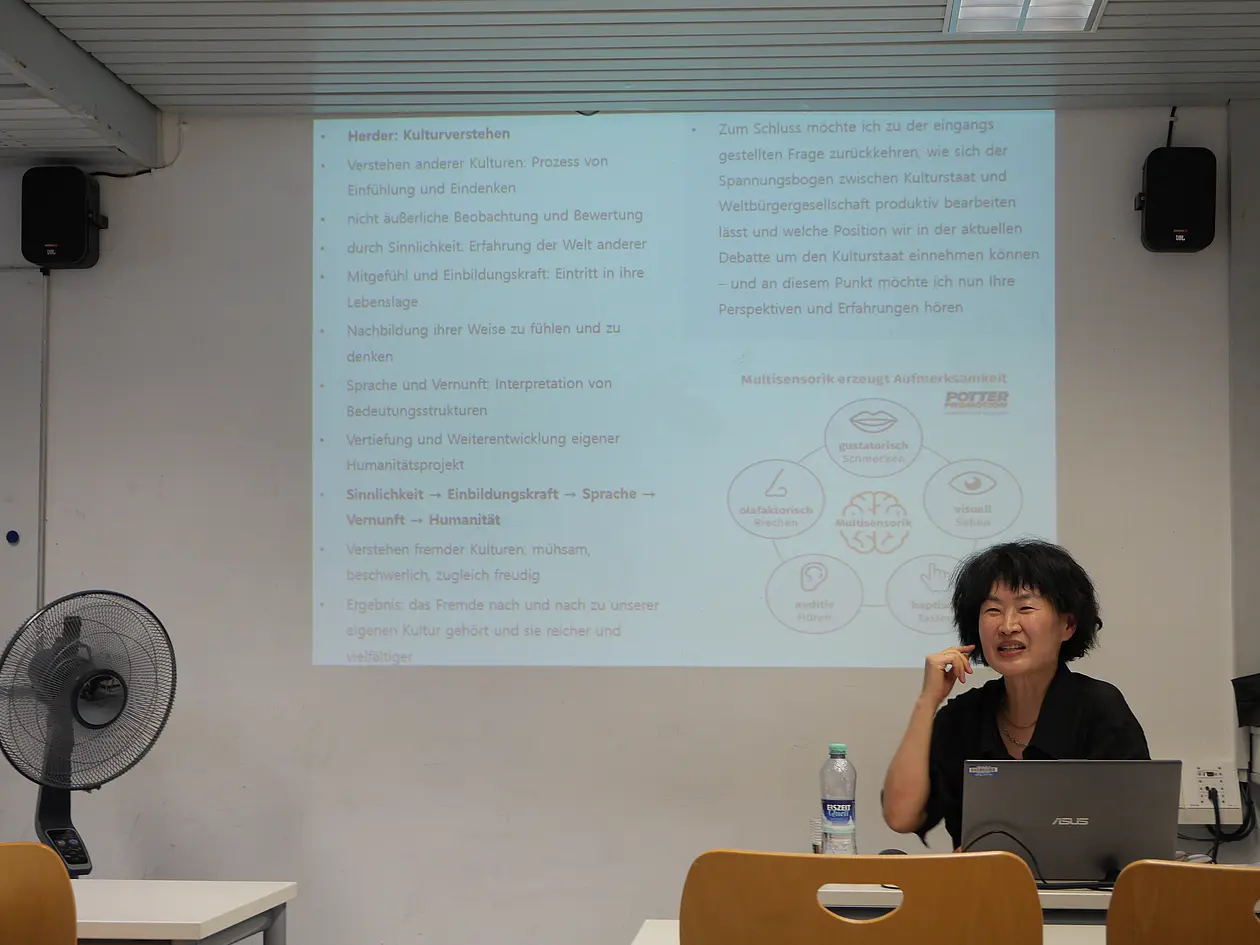
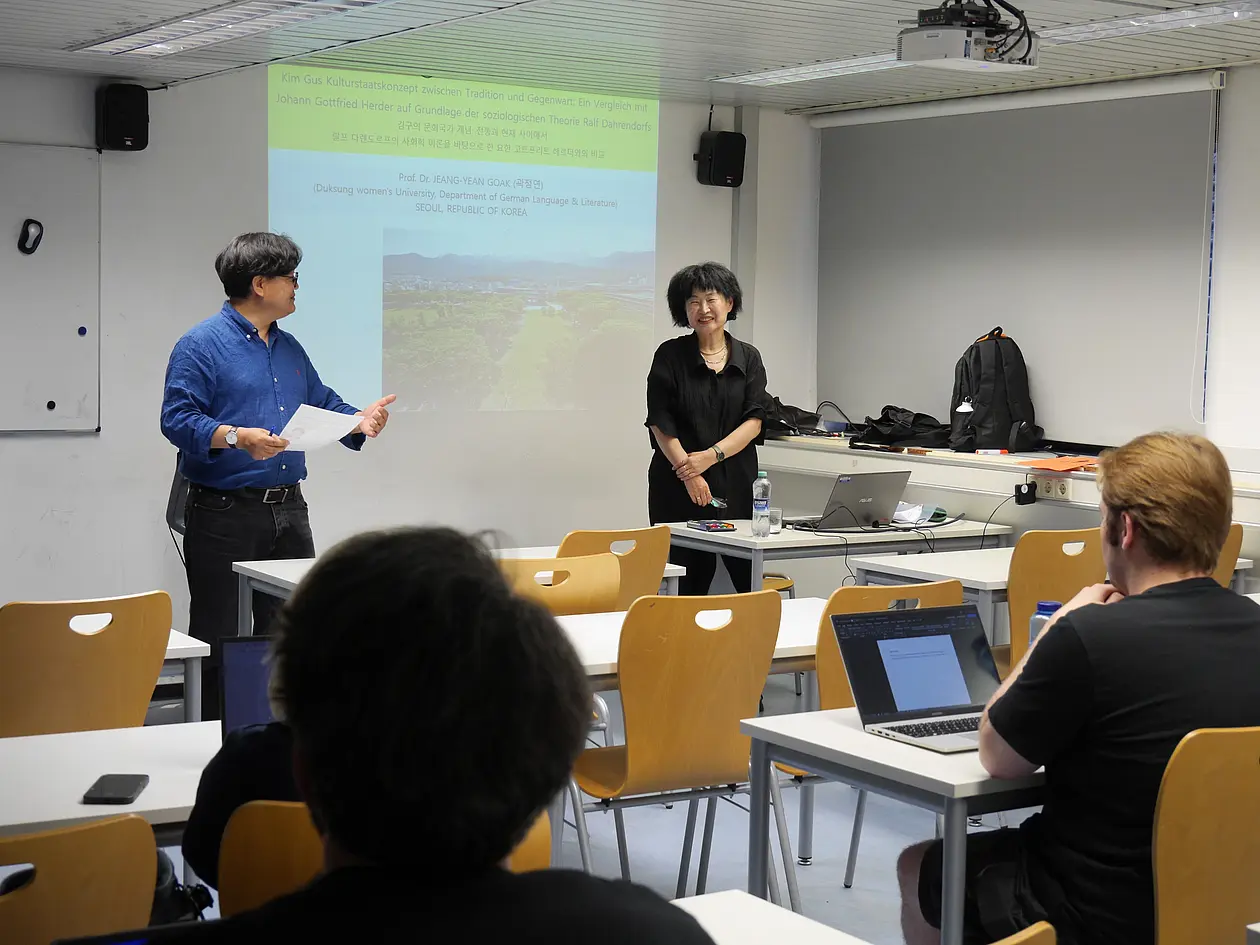
July 15Jeang-Yean GoakDuksung Women’s UniversityKim Gus Kulturstaatskonzept zwischen Tradition und Gegenwart: Ein Vergleich mit Johann Gottfried Herder auf Grundlage der soziologischen Theorie Ralf Dahrendorfs
July 22Yoon-Zi KimEconomic Research Institute of the Export-Import Bank of Korea“설계되지 않은 성공, 한류”

Investigating the Representation of hallyu in South Korean Newspapers: A Corpus-Assisted Discourse Study

Simon Barnes-Sadler
University of Oxford
May 20th, 2026

Biography: Simon Barnes-Sadler is a post-doctoral researcher in Korean Studies at the University of Oxford. Alongside his work on the Korean Wave, frequently informed by Digital Humanities, his other main research interest is variation in the Korean language. He teaches across the Korean Studies curriculum, and is an associate editor of the journal Hallyu: The Korean Wave.

Abstract: Engagement with South Korean popular culture has increased over the last twentieth and early twenty first centuries throughout the world. Specific pop cultural products, such as K-Pop songs and artists, and the general phenomenon, i.e., some local understanding of the Korean Wave, are much discussed in national presses. The Korean Wave, or hallyu, has not escaped the notice of journalists in South Korea either. This paper investigates reporting on the Korean Wave in four South Korean newspapers of record to gain insights into its representation and conception in South Korea. Drawing upon the maxim that “you shall know a word by the company it keeps”, we chart the changing characterisation of the term hallyu through its frequency, its most common collocates, and the words that frequently appear in similar contexts as attested in the Trends 21 Corpus of early-twenty first century Korean newspaper texts. From a qualitative, discursive analysis of these wordlists accompanied by snippets of text, we draw inferences about the understanding of the Korean Wave in South Korea, how it has developed over time, and how it both aligns with and differs from alternative, nationally specific conceptions.


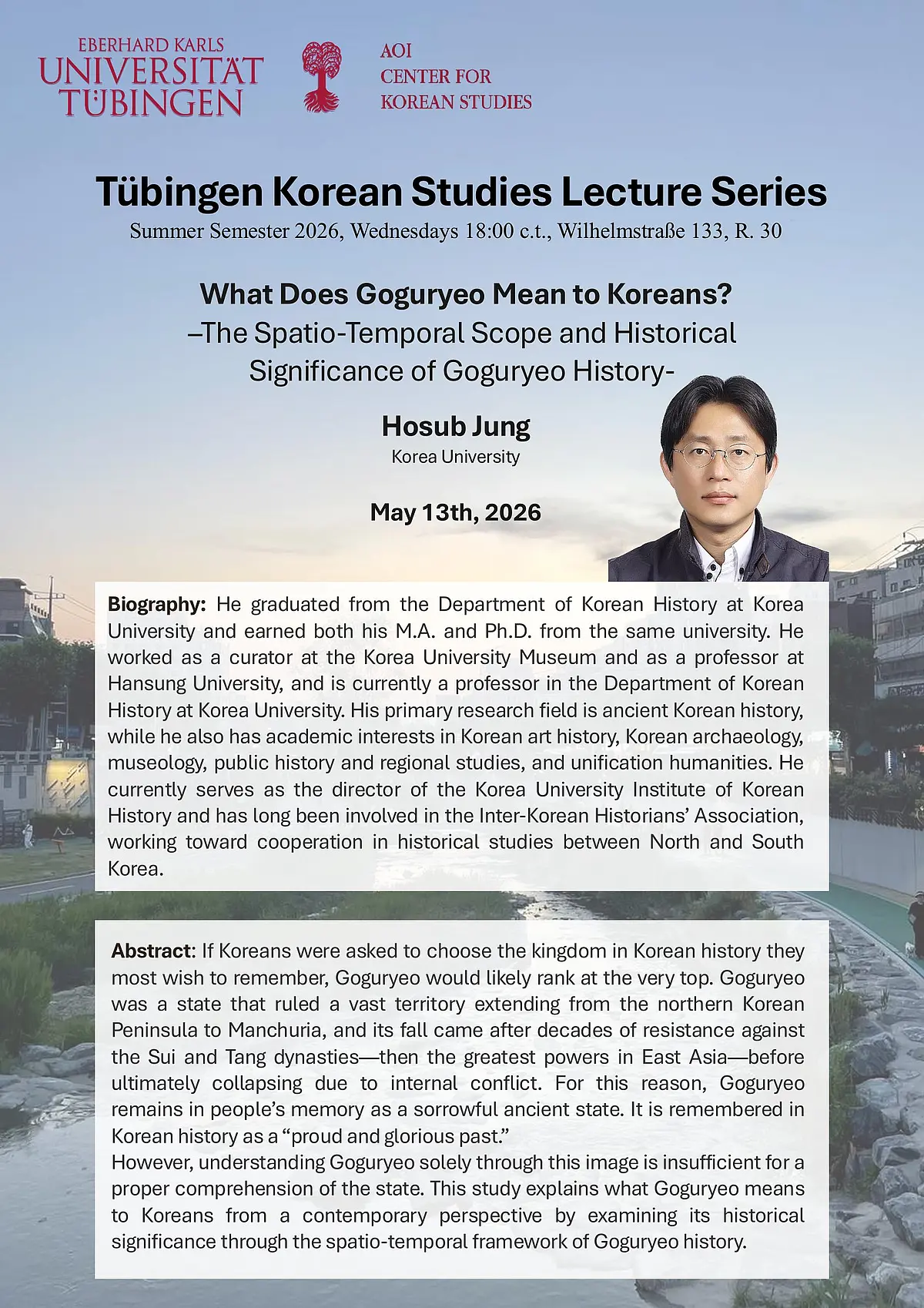
What Does Goguryeo Mean to Koreans?
–The Spatio-Temporal Scope and Historical Significance of Goguryeo History–

Hosub Jung
Korea University
May 13th, 2026

Biography: He graduated from the Department of Korean History at Korea University and earned both his M.A. and Ph.D. from the same university. He worked as a curator at the Korea University Museum and as a professor at Hansung University, and is currently a professor in the Department of Korean History at Korea University. His primary research field is ancient Korean history, while he also has academic interests in Korean art history, Korean archaeology, museology, public history and regional studies, and unification humanities. He currently serves as the director of the Korea University Institute of Korean History and has long been involved in the Inter-Korean Historians’ Association, working toward cooperation in historical studies between North and South Korea.

Abstract: If Koreans were asked to choose the kingdom in Korean history they most wish to remember, Goguryeo would likely rank at the very top. Goguryeo was a state that ruled a vast territory extending from the northern Korean Peninsula to Manchuria, and its fall came after decades of resistance against the Sui and Tang dynasties—then the greatest powers in East Asia—before ultimately collapsing due to internal conflict. For this reason, Goguryeo remains in people’s memory as a sorrowful ancient state. It is remembered in Korean history as a “proud and glorious past.” However, understanding Goguryeo solely through this image is insufficient for a proper comprehension of the state. This study explains what Goguryeo means to Koreans from a contemporary perspective by examining its historical significance through the spatio-temporal framework of Goguryeo history.


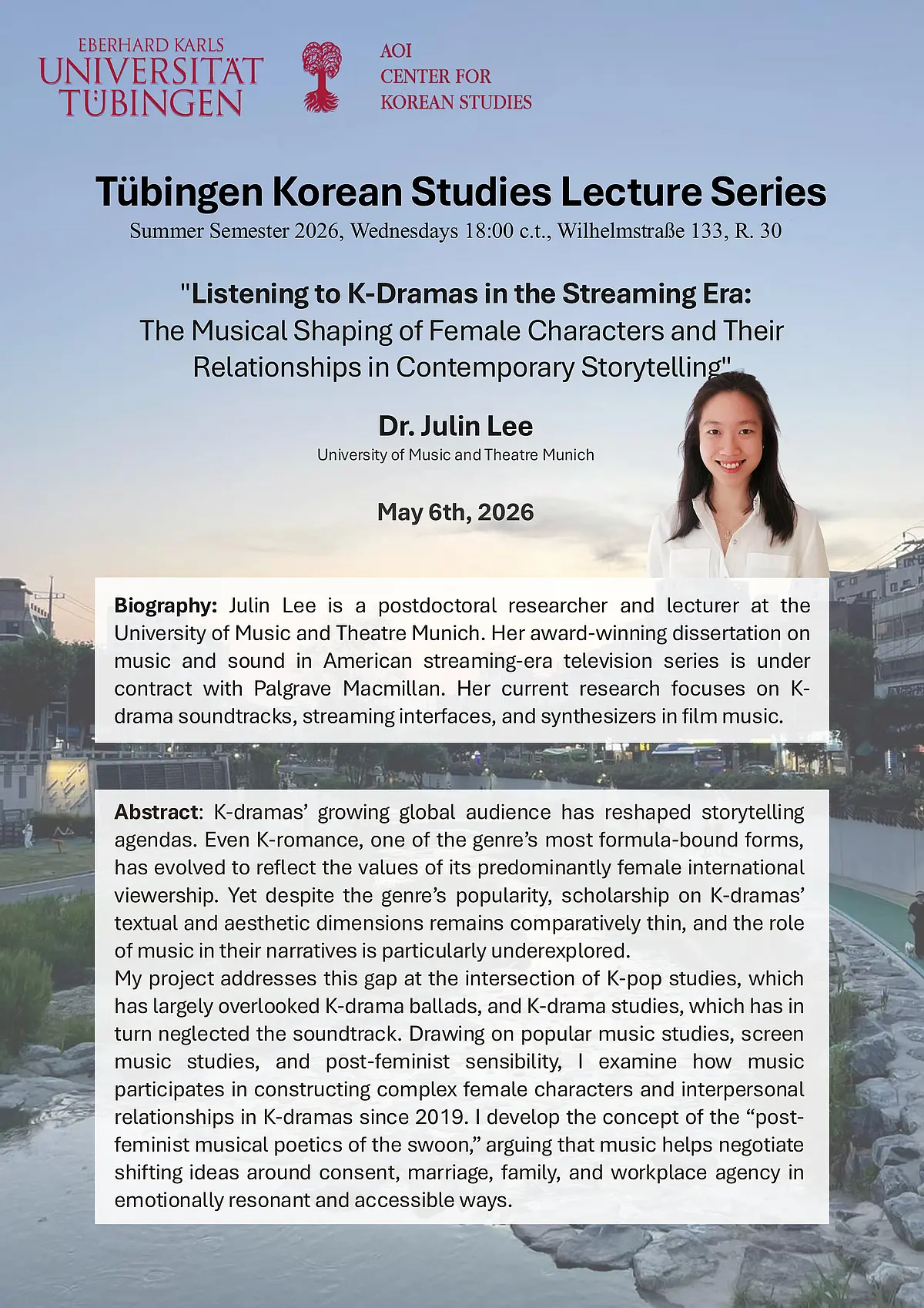
"Listening to K-Dramas in the Streaming Era: The Musical Shaping of Female Characters and Their Relationships in Contemporary Storytelling"

Dr. Julin Lee
University of Music and Theatre Munich
May 6th, 2026

Biography: Julin Lee is a postdoctoral researcher and lecturer at the University of Music and Theatre Munich. Her award-winning dissertation on music and sound in American streaming-era television series is under contract with Palgrave Macmillan. Her current research focuses on K-drama soundtracks, streaming interfaces, and synthesizers in film music.
Abstract: K-dramas’ growing global audience has reshaped storytelling agendas. Even K-romance, one of the genre’s most formula-bound forms, has evolved to reflect the values of its predominantly female international viewership. Yet despite the genre’s popularity, scholarship on K-dramas’ textual and aesthetic dimensions remains comparatively thin, and the role of music in their narratives is particularly underexplored. My project addresses this gap at the intersection of K-pop studies, which has largely overlooked K-drama ballads, and K-drama studies, which has in turn neglected the soundtrack. Drawing on popular music studies, screen music studies, and post-feminist sensibility, I examine how music participates in constructing complex female characters and interpersonal relationships in K-dramas since 2019. I develop the concept of the “post-feminist musical poetics of the swoon,” arguing that music helps negotiate shifting ideas around consent, marriage, family, and workplace agency in emotionally resonant and accessible ways.


"Geographic thoughts of Koreans, reflected on the maps of 15th-19th Century Joseon"

Wookung Huh
Seoul National University
April 29th, 2026

Biography: Wookung Huh, 허우긍, is an emeritus professor at Seoul National University, Seoul, Korea; and has been teaching an e-School class, Human Geography of Korea, at the Universität Tübingen since 2021. He studied geography at Seoul National University (B.A. and M.A.), and at the Ohio State University, Columbus, Ohio, USA (Ph.D.) He served the presidentship of Korean Geographical Society for the years of 1999 and 2000. His research interests include cartography, telecommunications, and transportation.
Abstract: A map may reflect geographic knowledge and thoughts of people of a certain time at a certain area. This seminar examines the old maps made by Koreans during the 500-some years of Joseon Era (AD 1392-1910) to reveal the ways Korean ancestors understood and perceived their surrounds. This presentation goes through maps of Korea at various scales: the entire Korean Peninsula, the provinces, the royal capital Seoul, and other local areas. Attention is given to the questions such as how much the Koreans of the Joseon Era knew about the location and extent of their country; in what ways they interpreted the topography of the country, the mountain ranges in particular; and how they perceived their immediate space. The presentation also explores how much the old-day geographic knowledge and thoughts have been passed down to contemporary Korea.