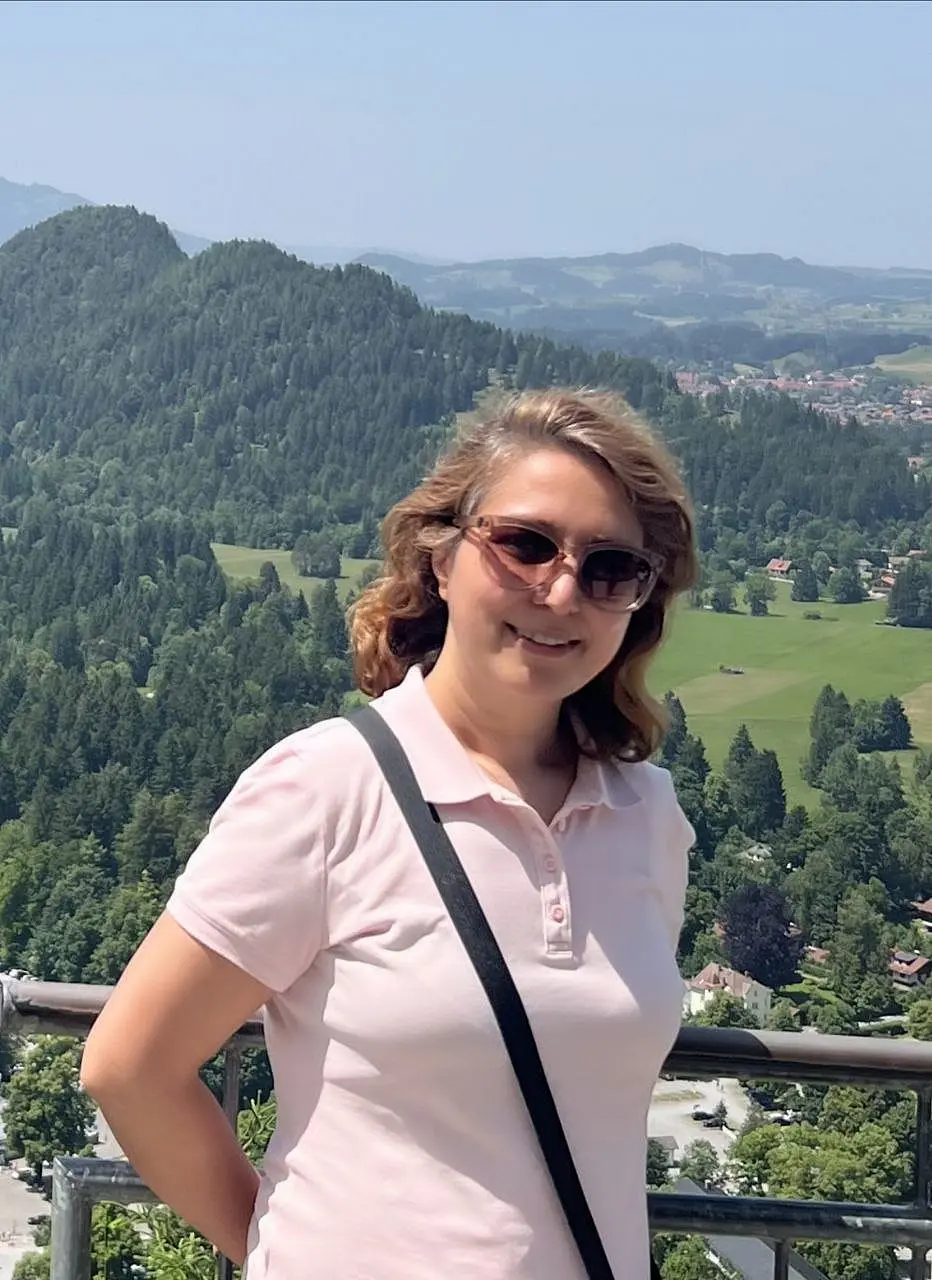
Please introduce yourself and the background of your stay as Research Fellow in Tübingen in one or two sentences.
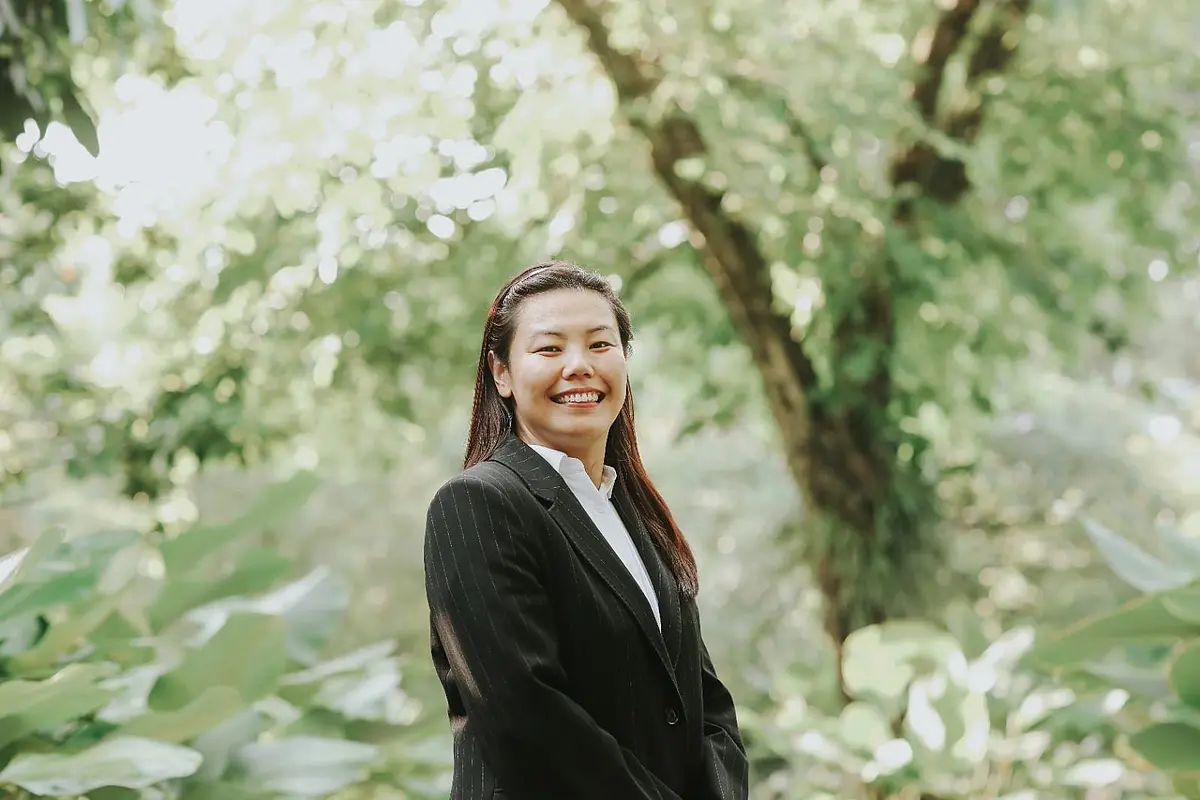
I am a postdoctoral researcher in philosophy at the University of Freiburg, working on Islamic philosophy with a focus on metaphysics and theories of human agency. During my stay in Tübingen as a Global Encounters Fellow, I will be working on a project on natural purposiveness and the concept of nature’s agency, with a particular focus on post-classical Islamic philosophy.
Which problem or question does your research address and what fascinates you about your research area?
My research addresses how nature can be understood not as a passive domain, but as a dynamic reality endowed with forms of awareness and agency. What fascinates me is the possibility of recovering alternative metaphysical frameworks that challenge assumptions about the separation between humans and the natural world.
Please briefly outline the social relevance of your research.
This research contributes to broader reflections on the human–nature relationship that may enrich contemporary discussions on environmental ethics and help move beyond strictly anthropocentric models.
Where do you see future opportunities for international and interdisciplinary cooperation for the university, and what role can an institution like the College of Fellows play in this?
The topic of human–nature relation, which is central to my research, invites interdisciplinary collaboration between philosophy, theology, and environmental studies. It also opens up opportunities for international exchange, as different intellectual traditions offer diverse conceptual approaches to shared global challenges. In this context, institutions like the College of Fellows provide a space for dialogue across disciplines and intellectual traditions. By bringing together researchers from different backgrounds, they create an environment in which new perspectives and collaborative approaches can emerge.