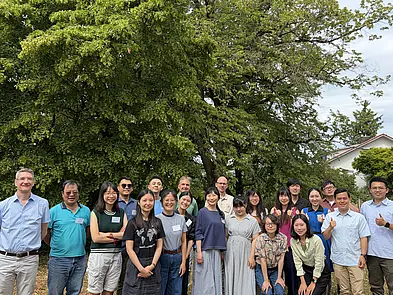
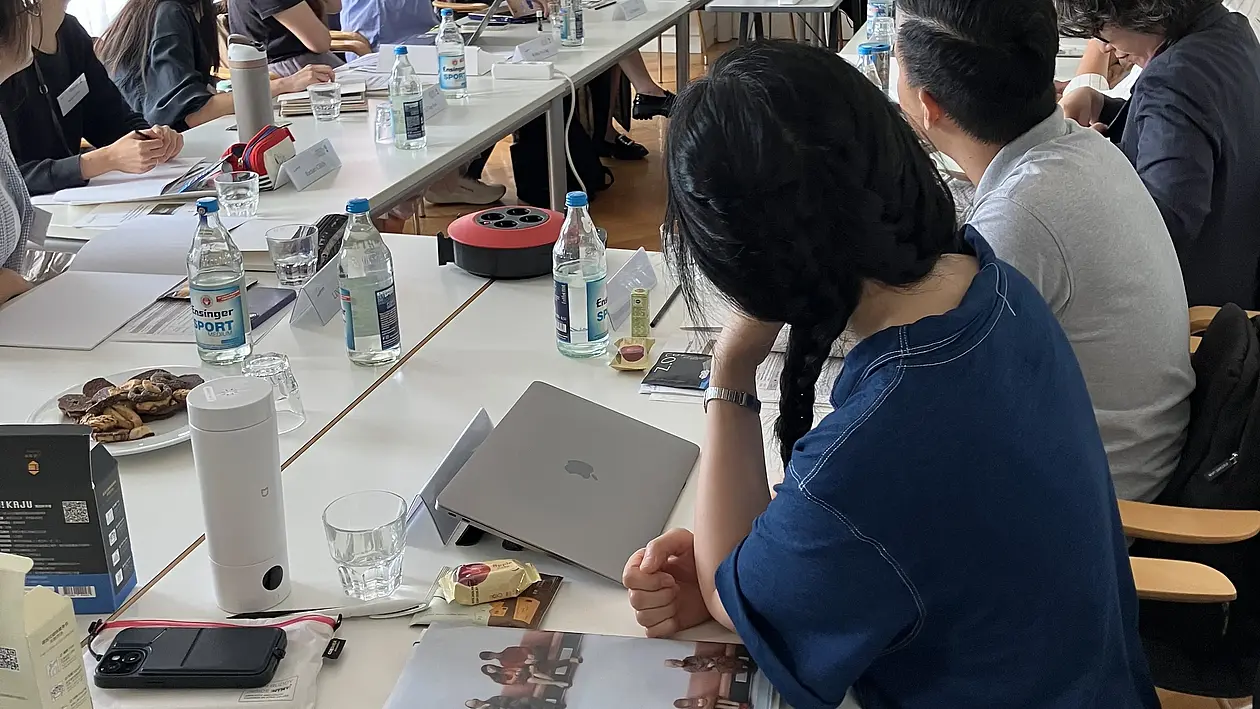
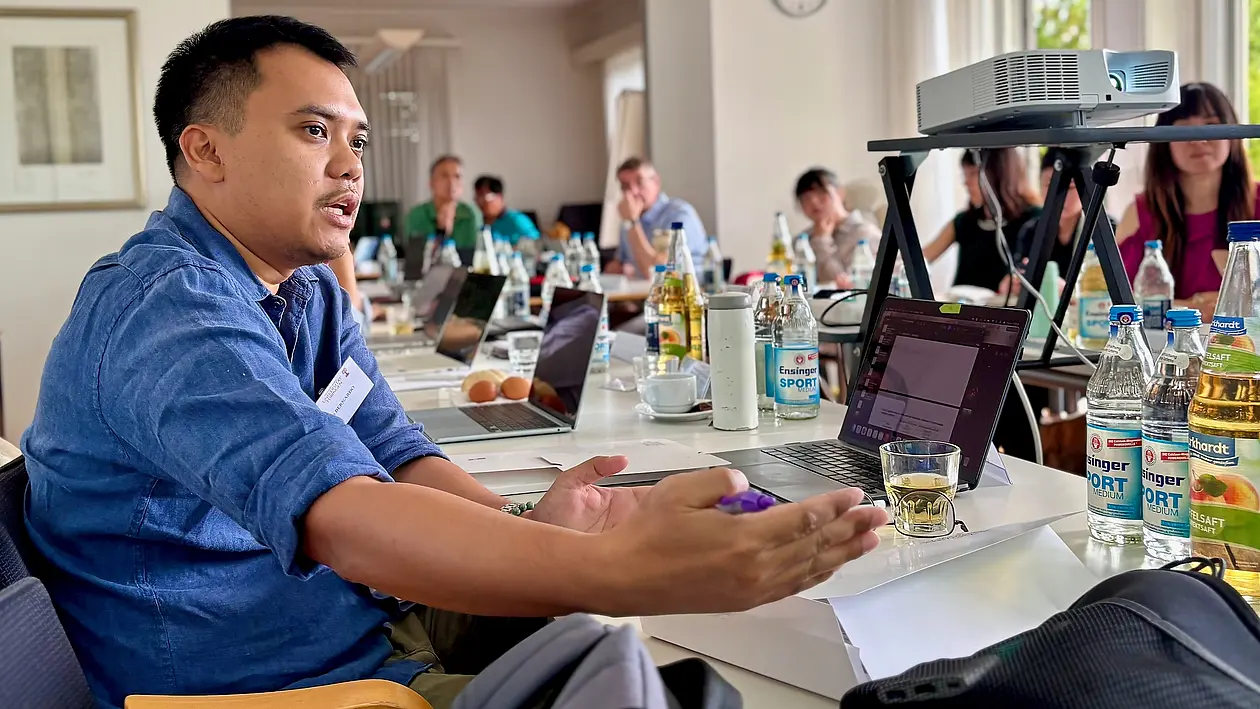
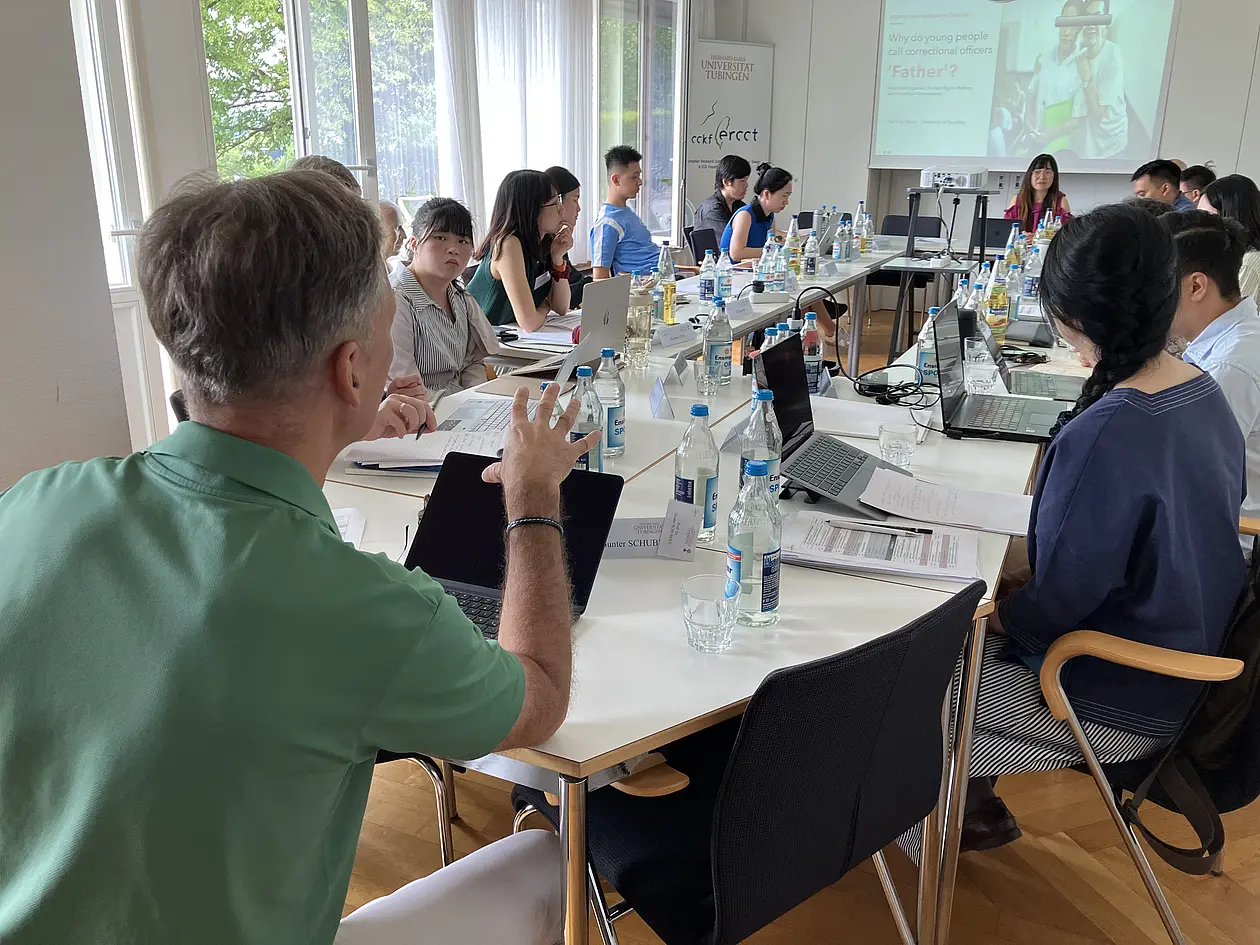
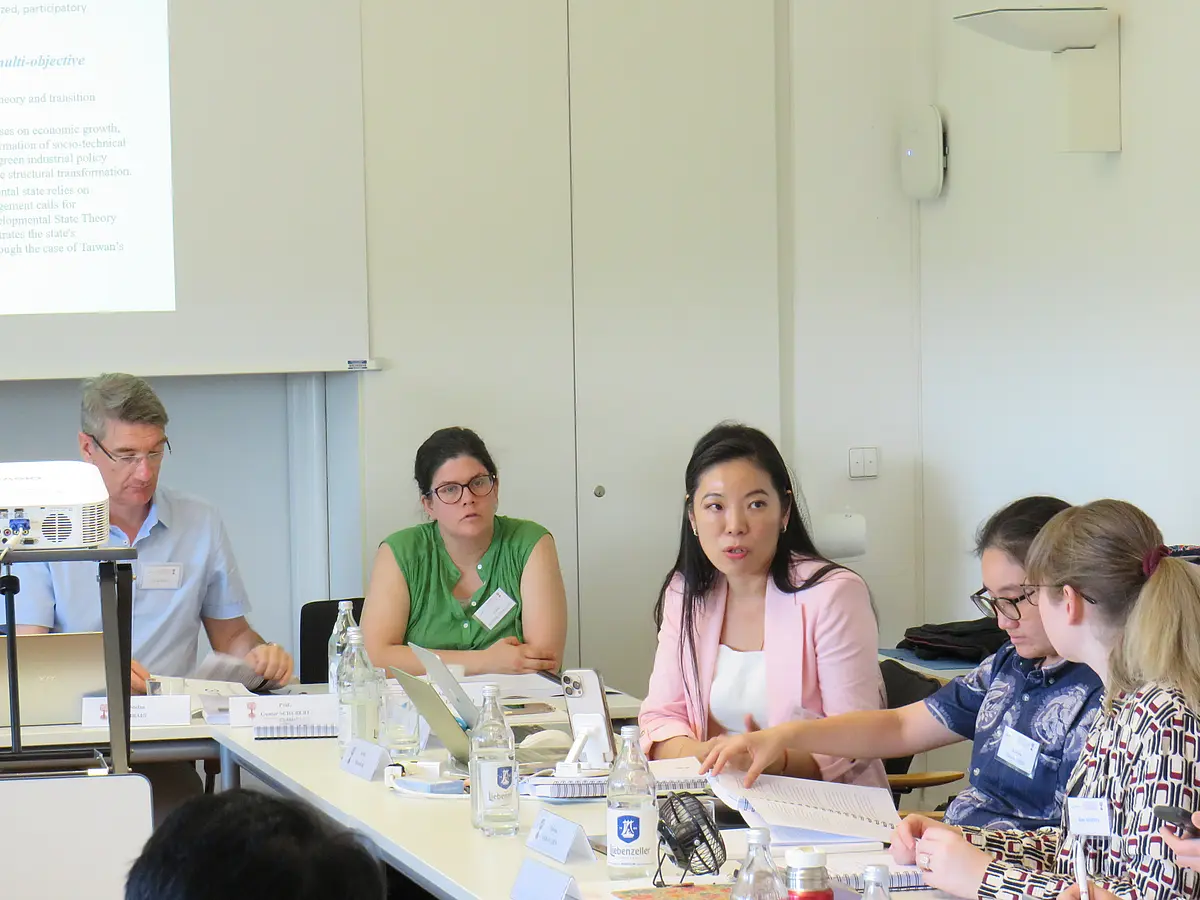
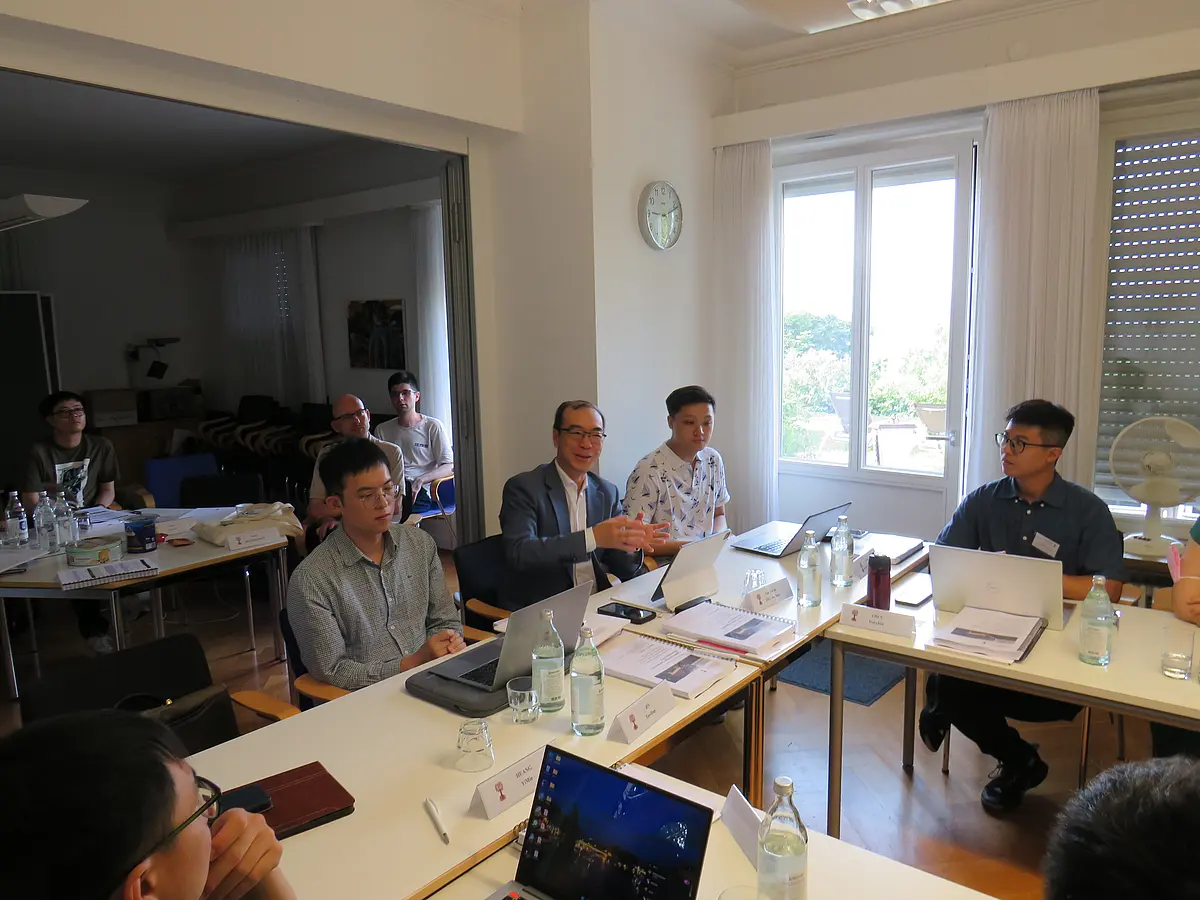
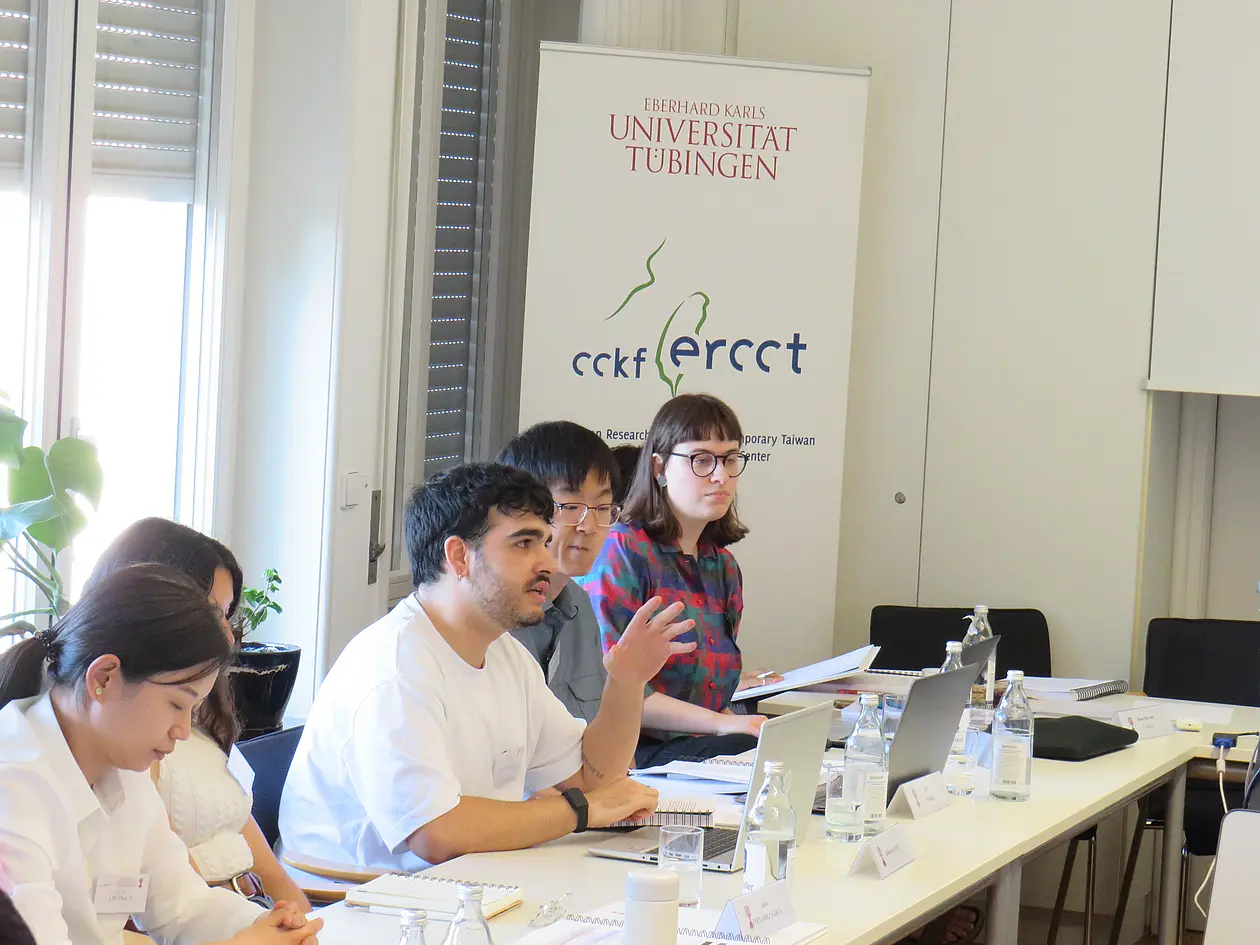
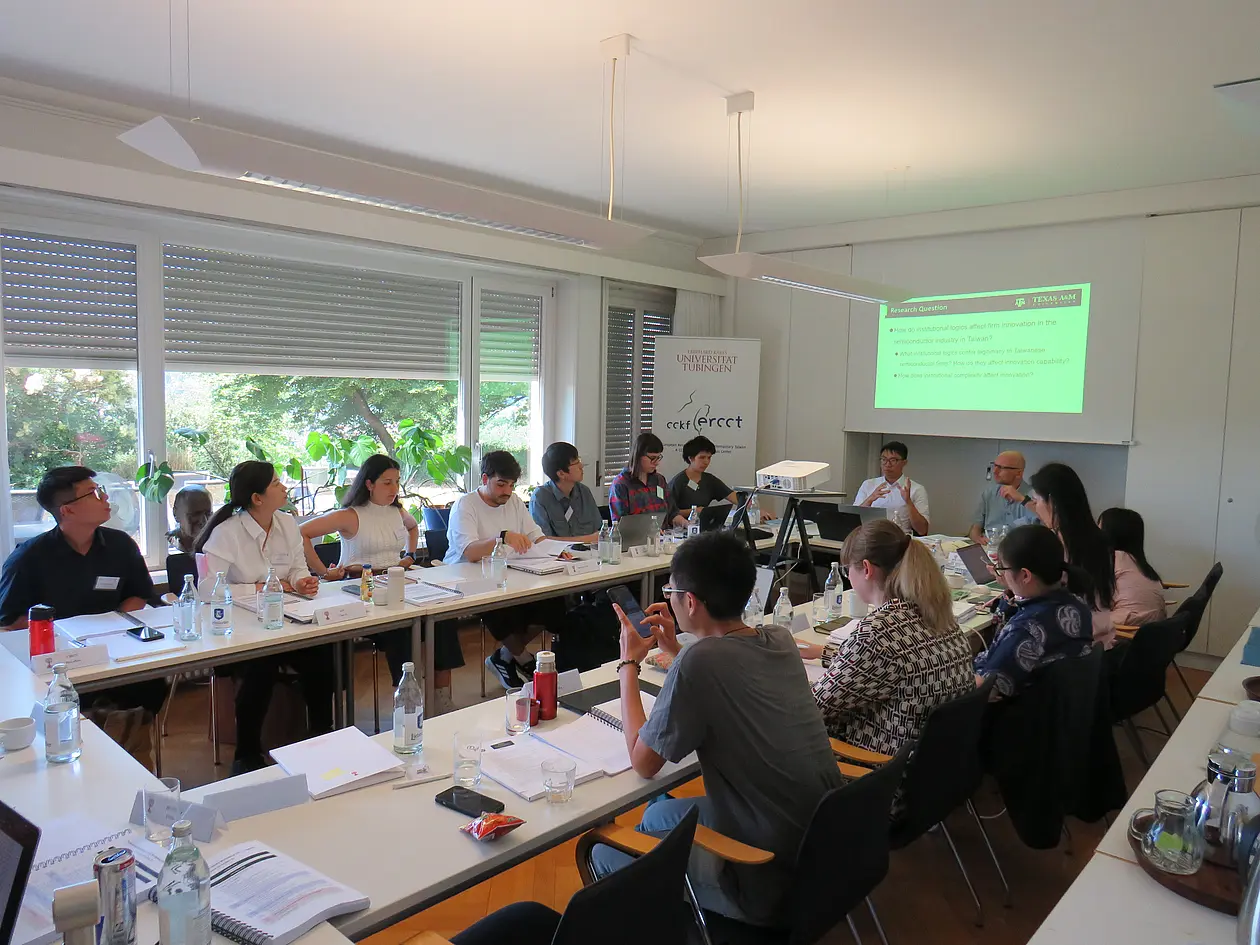
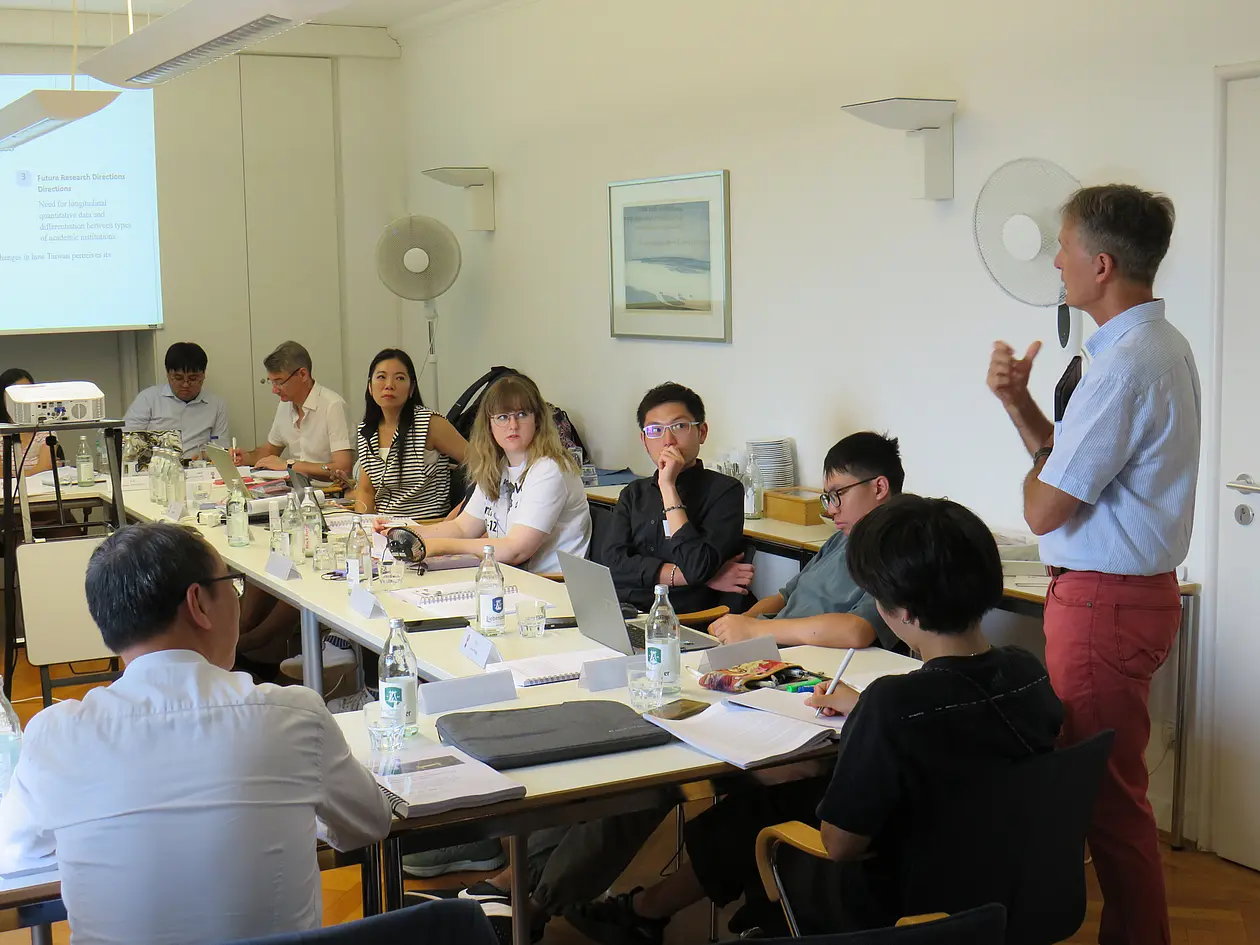
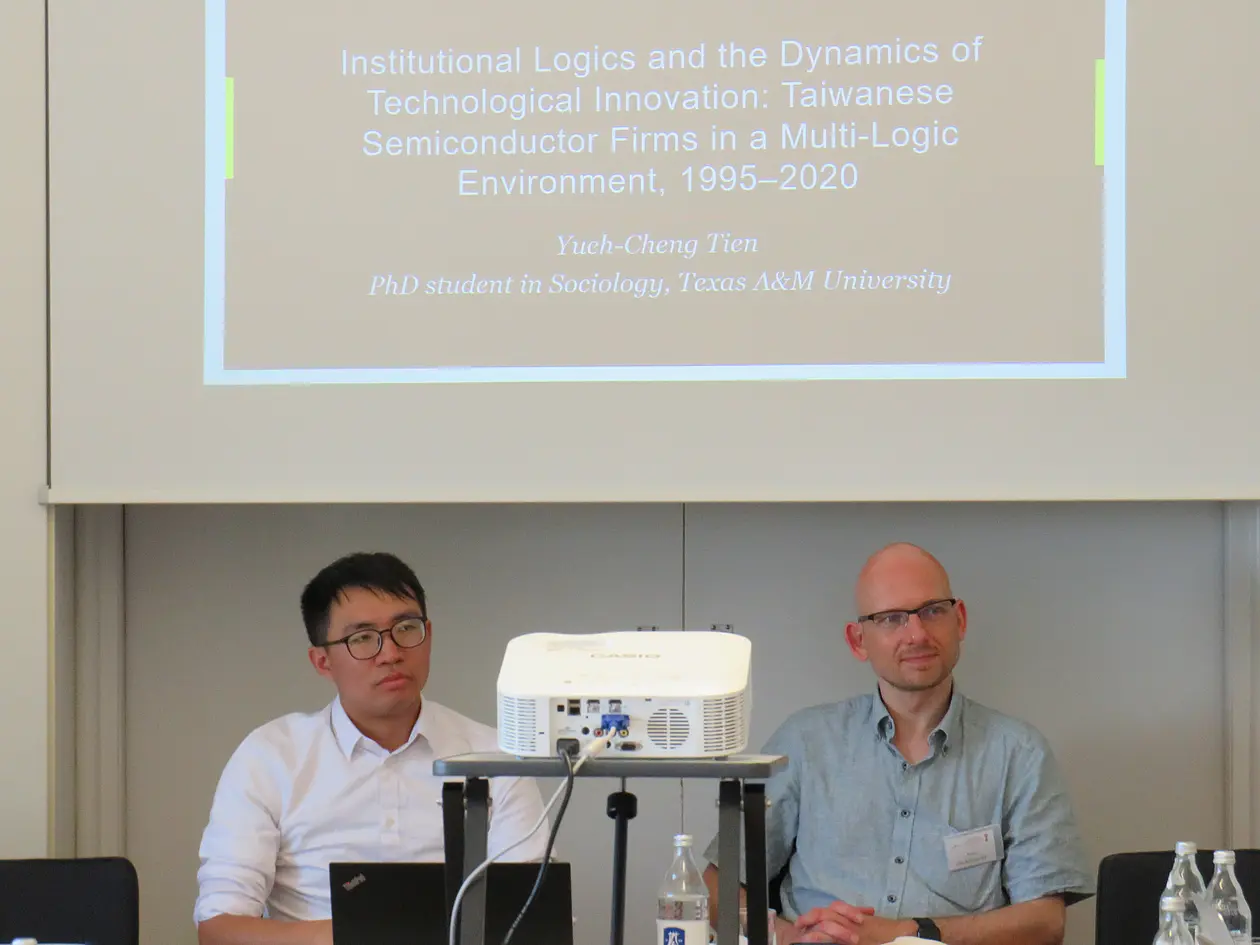
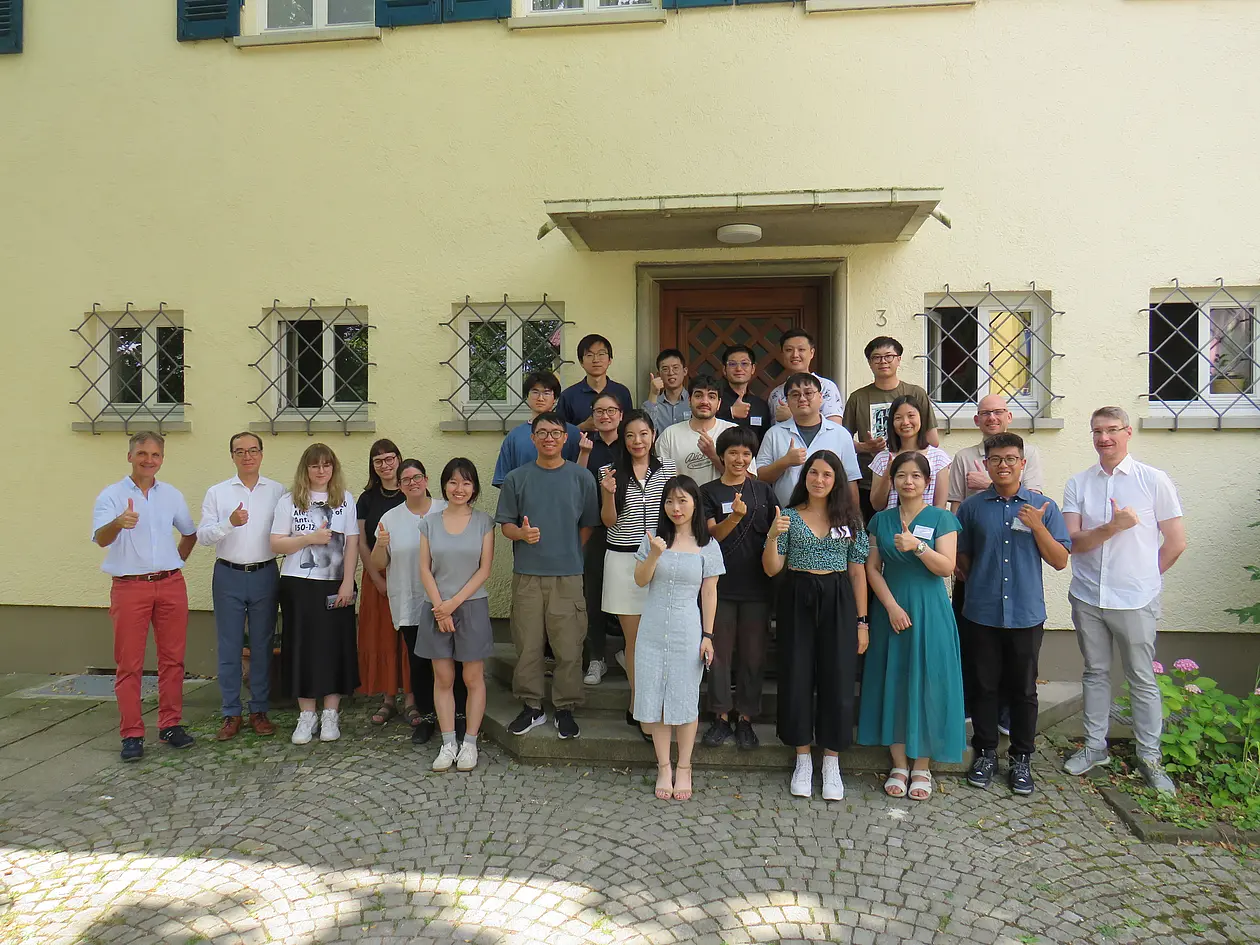
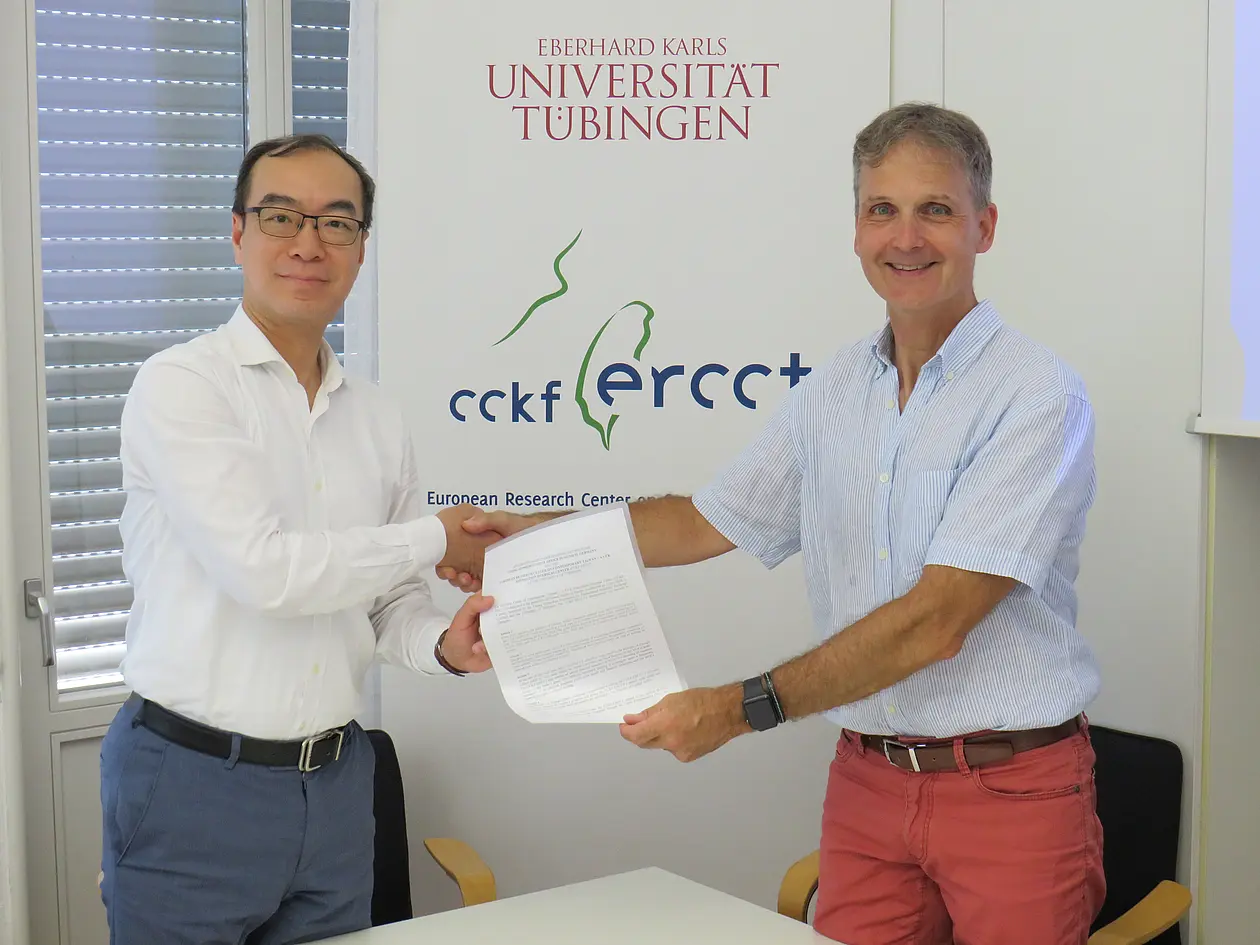
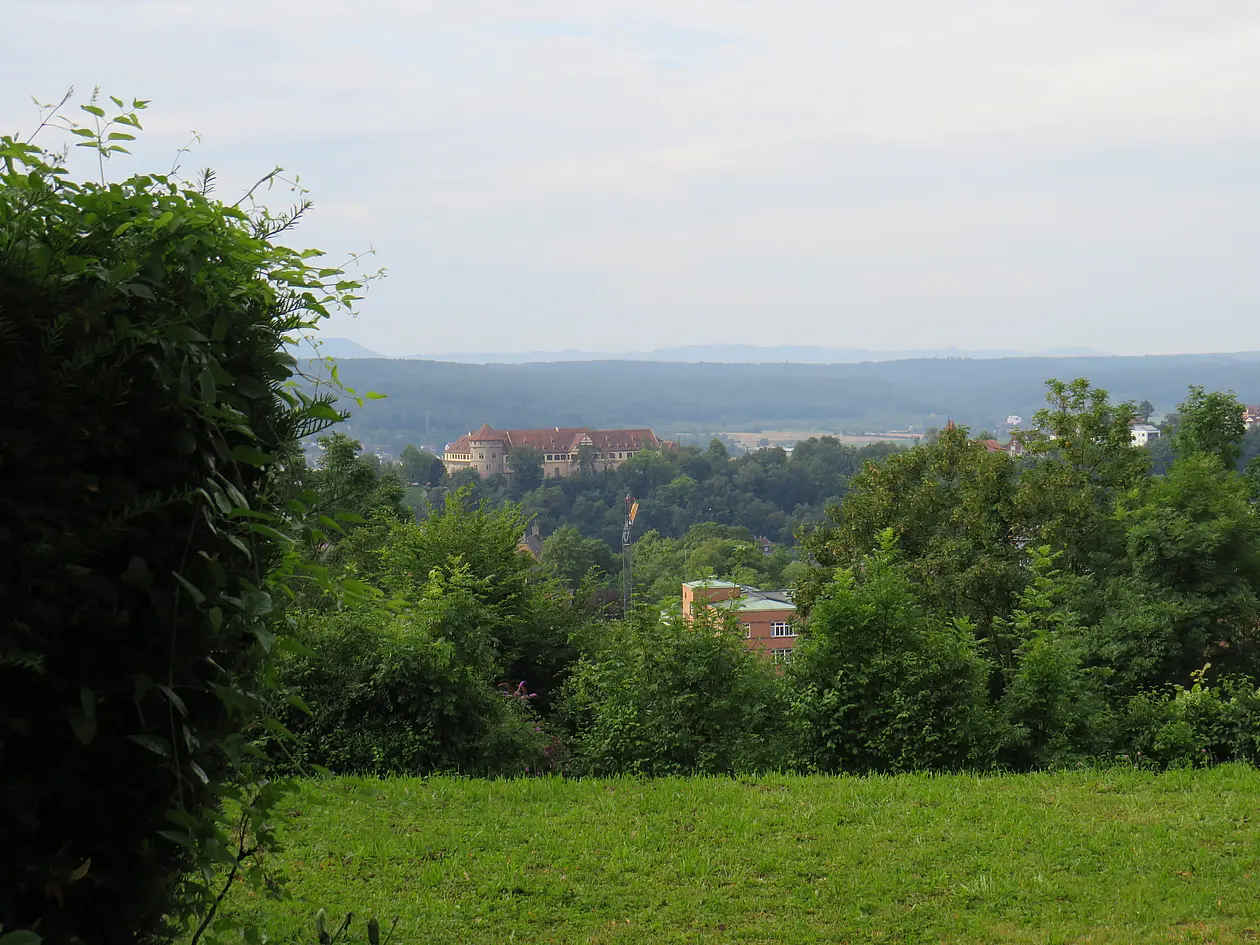
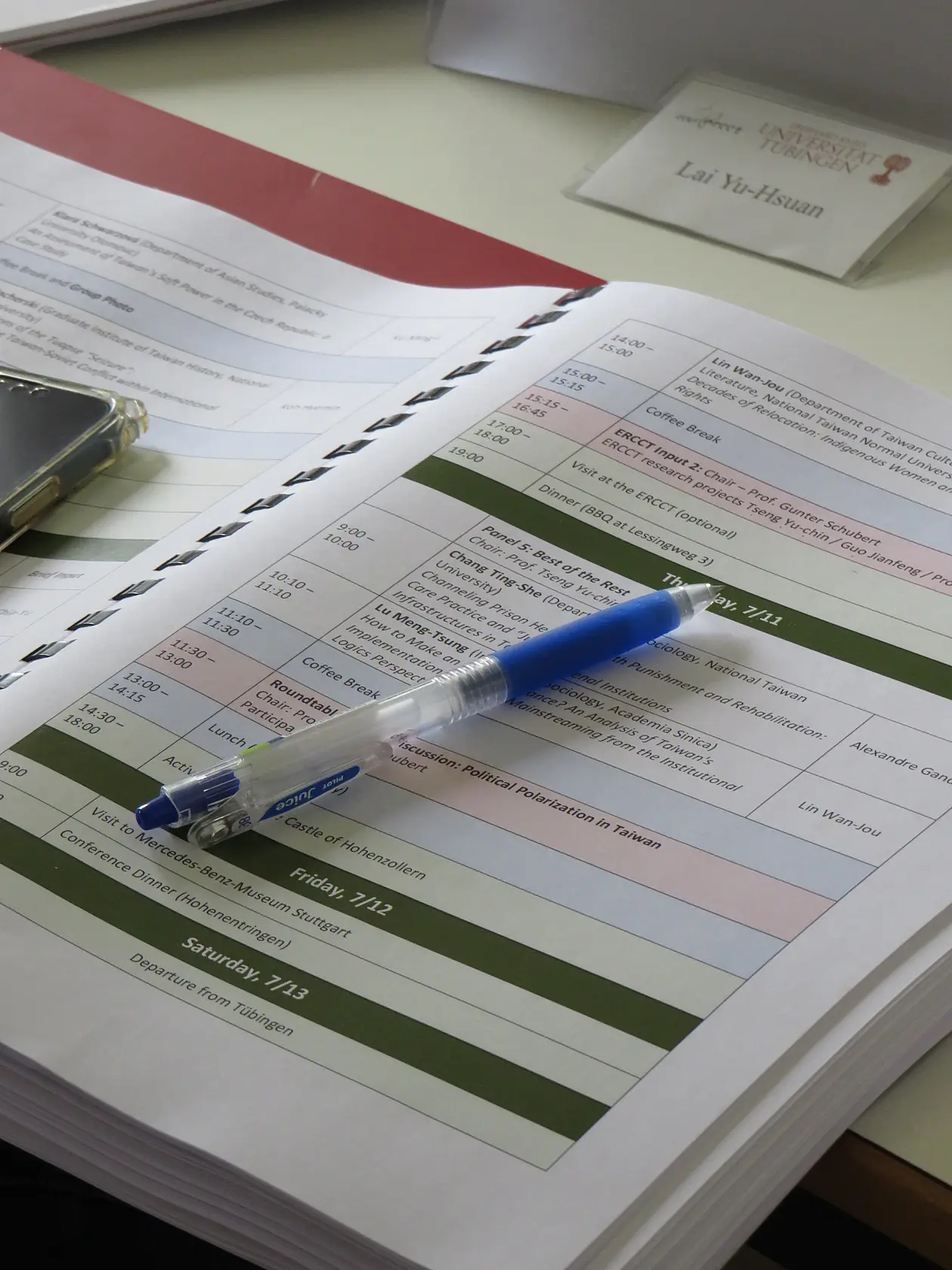
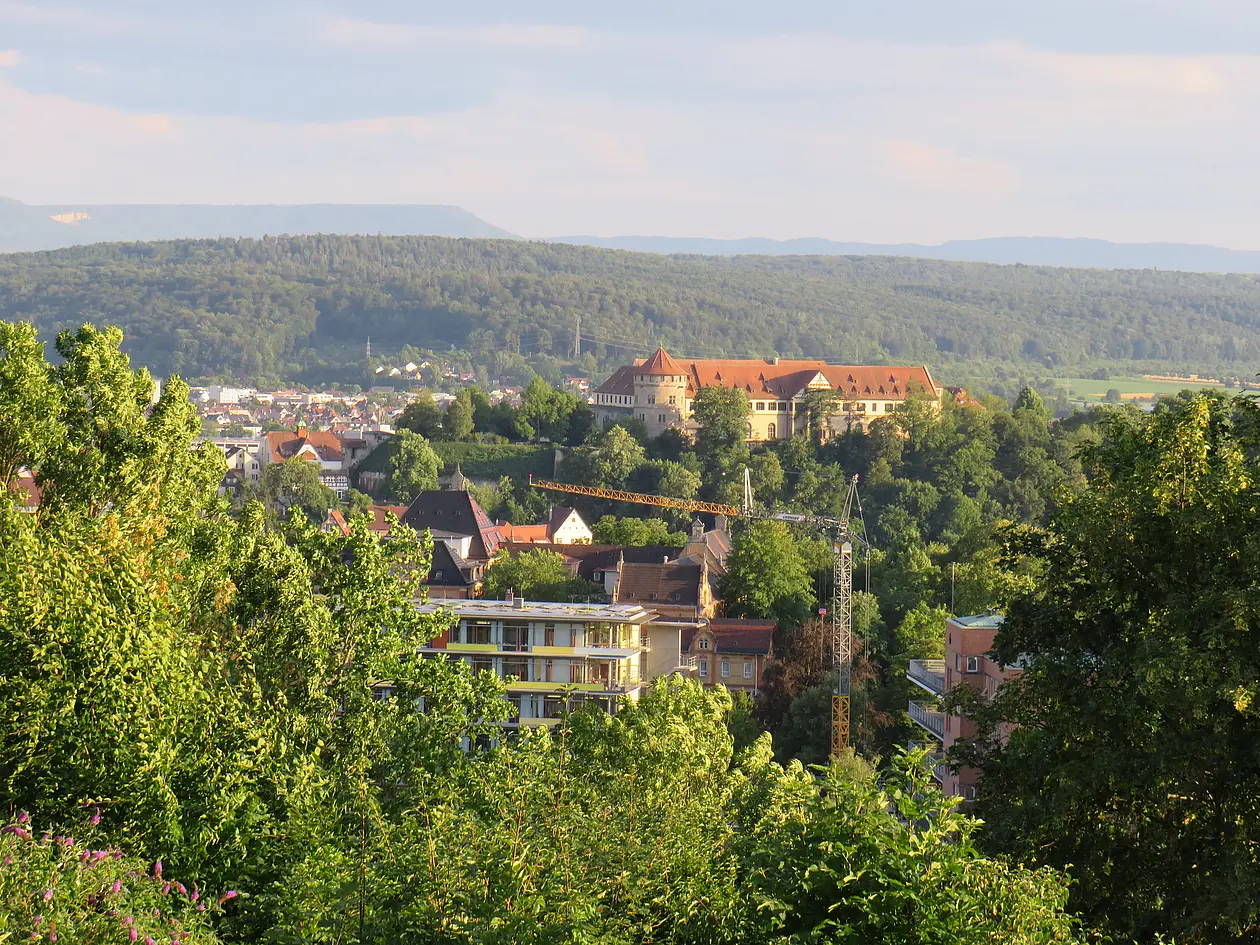
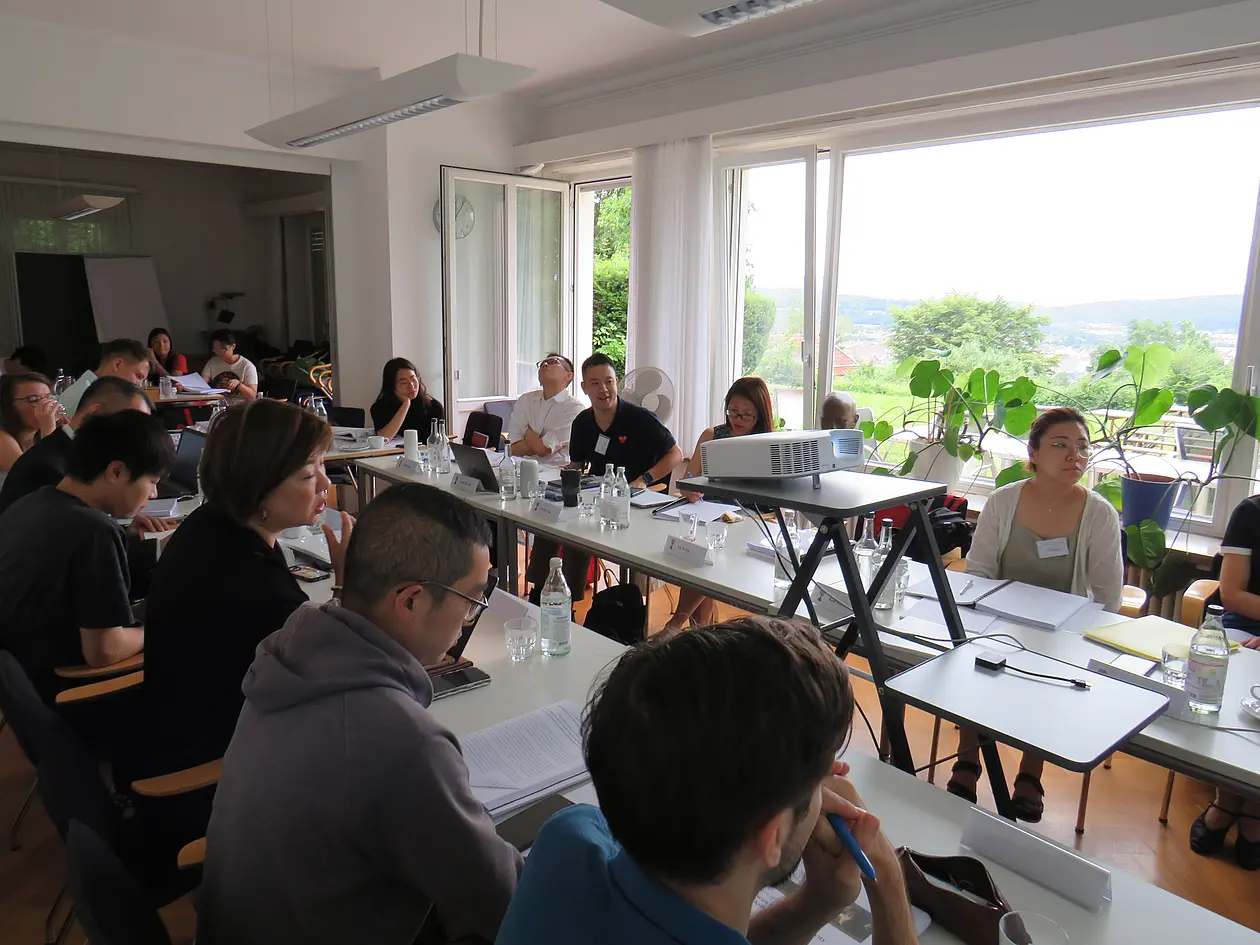
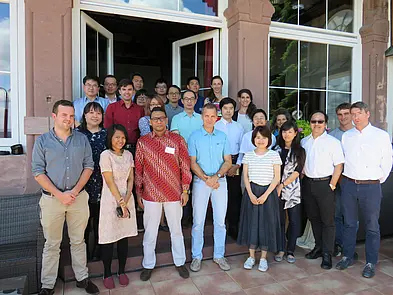
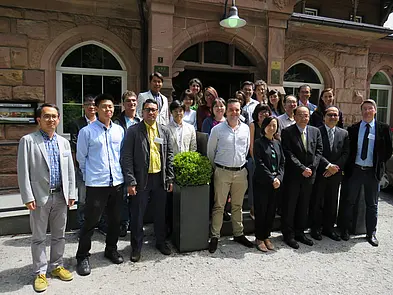
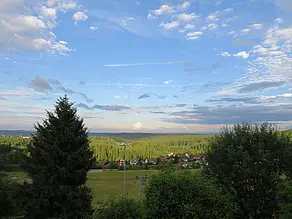
Continuing the popular series of the Taiwan Europe Connectivity Workshops, the ERCCT held the fifth such event from July 6 to 10, 2026, mainly at the lovely site of the University of Tübingen’s guesthouse. Generously sponsored by Taiwan’s Ministry of Foreign Affairs, the workshop was dedicated – but not limited to – the topic of “The development of Taiwan-EU relations under China’s gaze.”
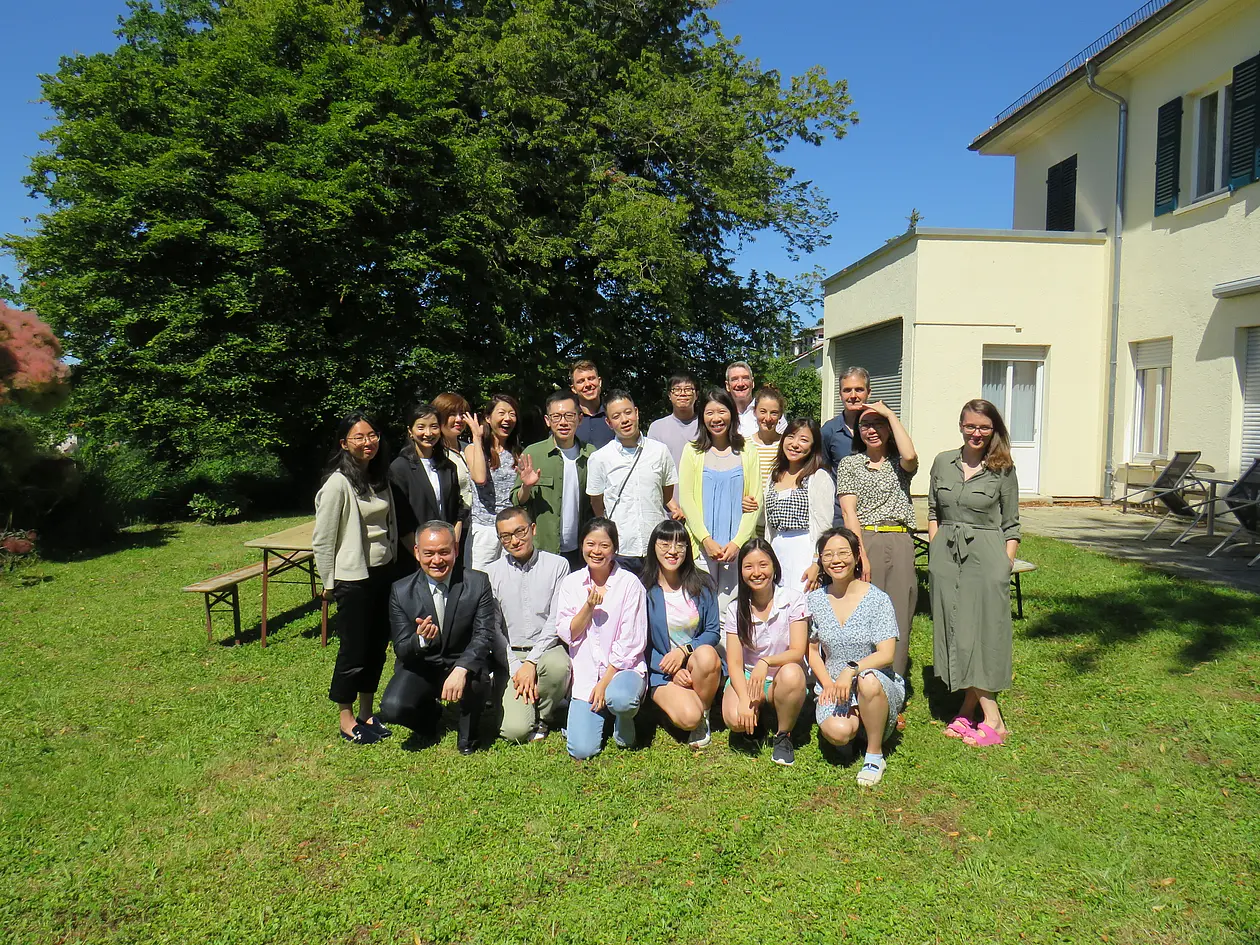
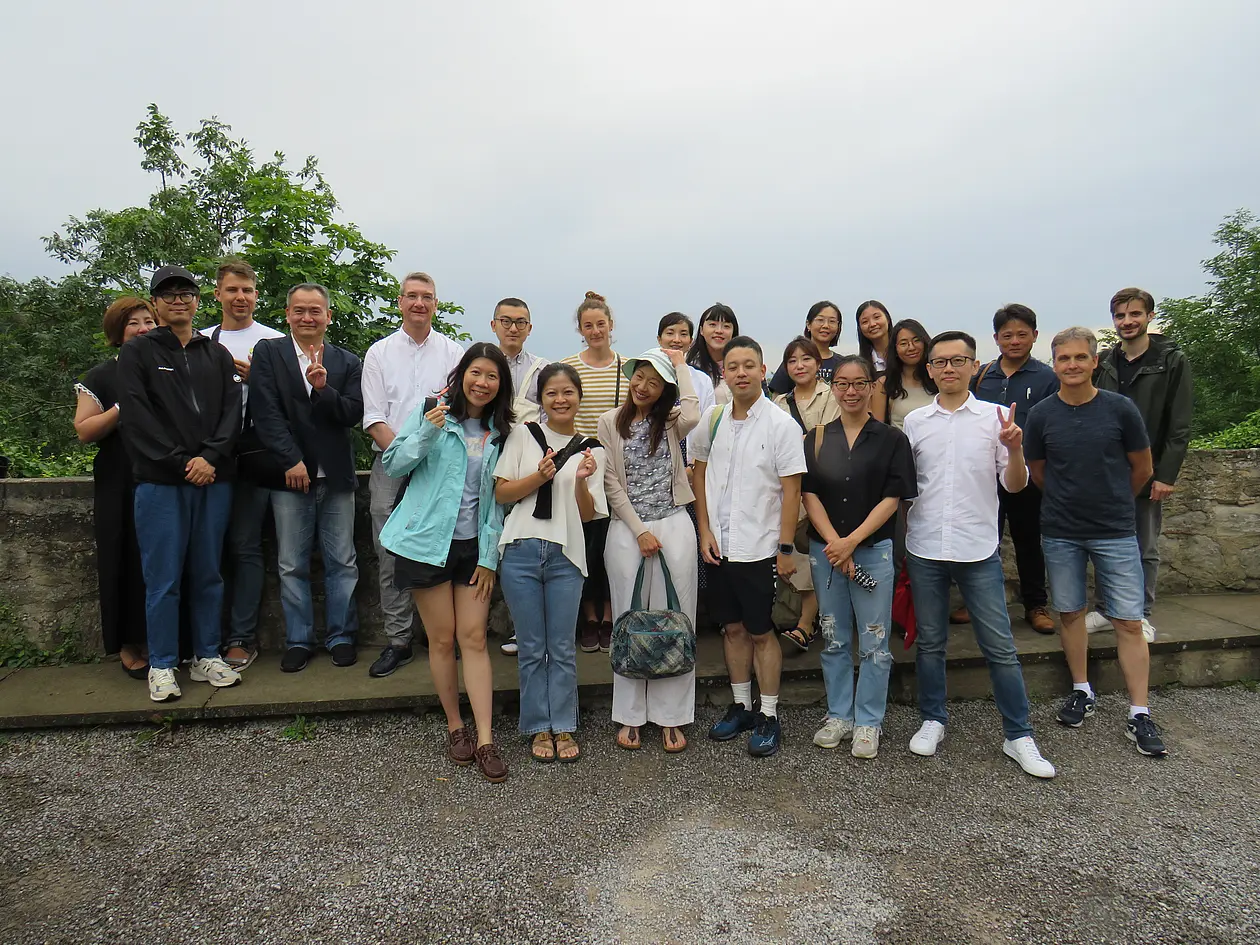
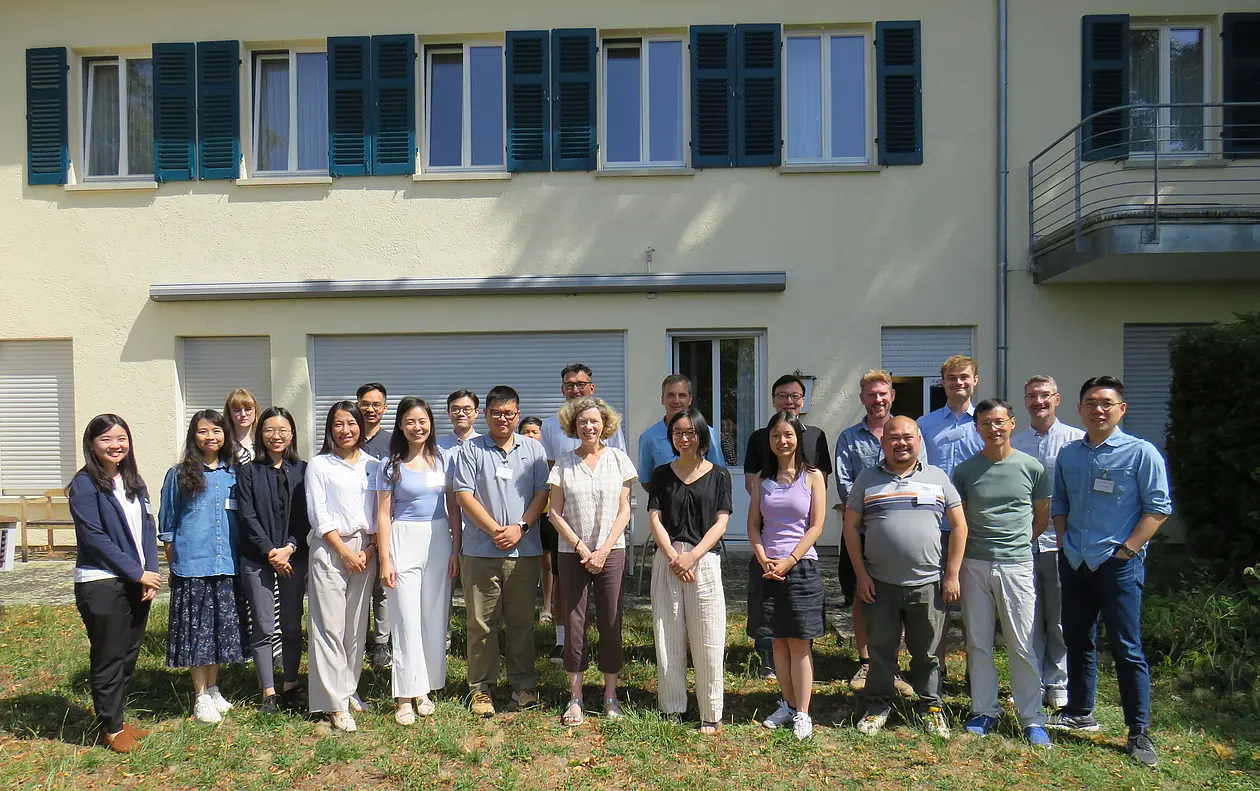
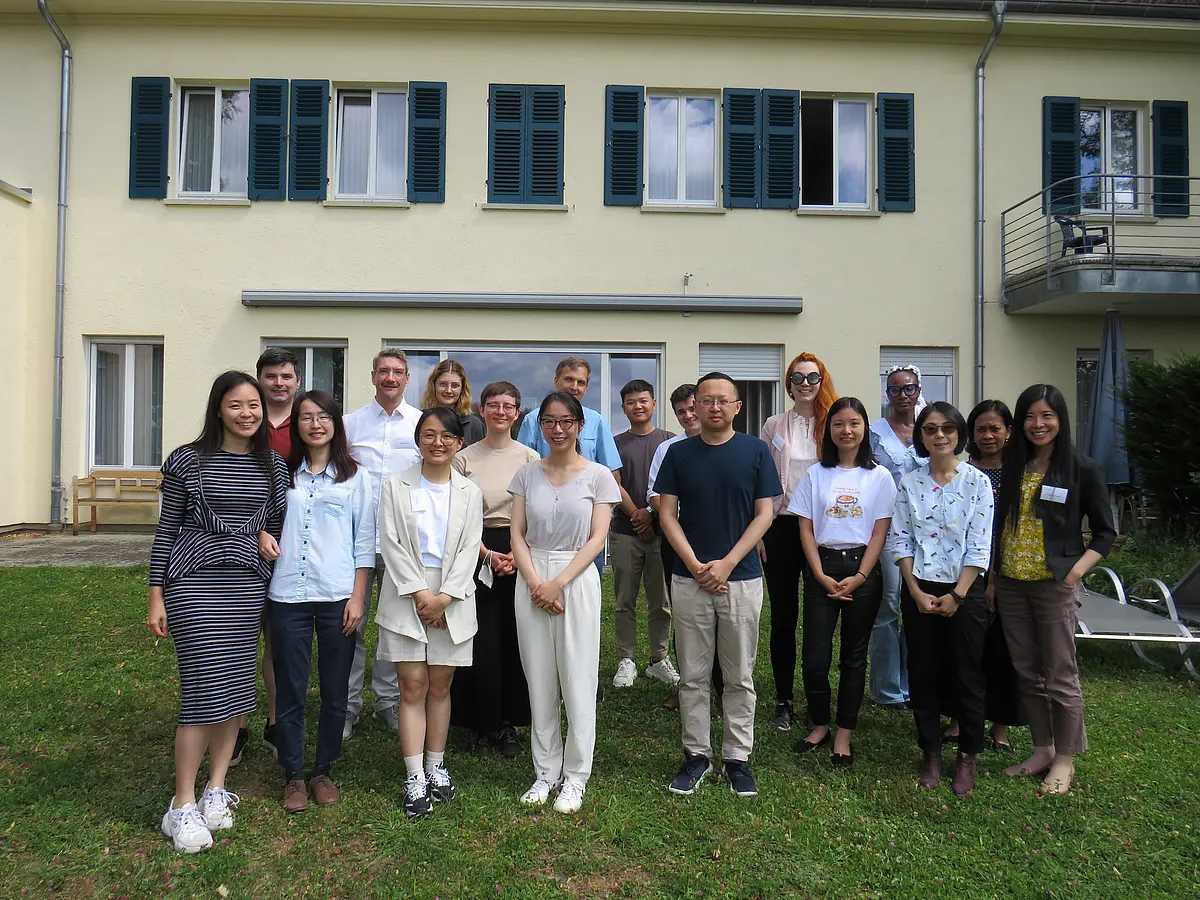
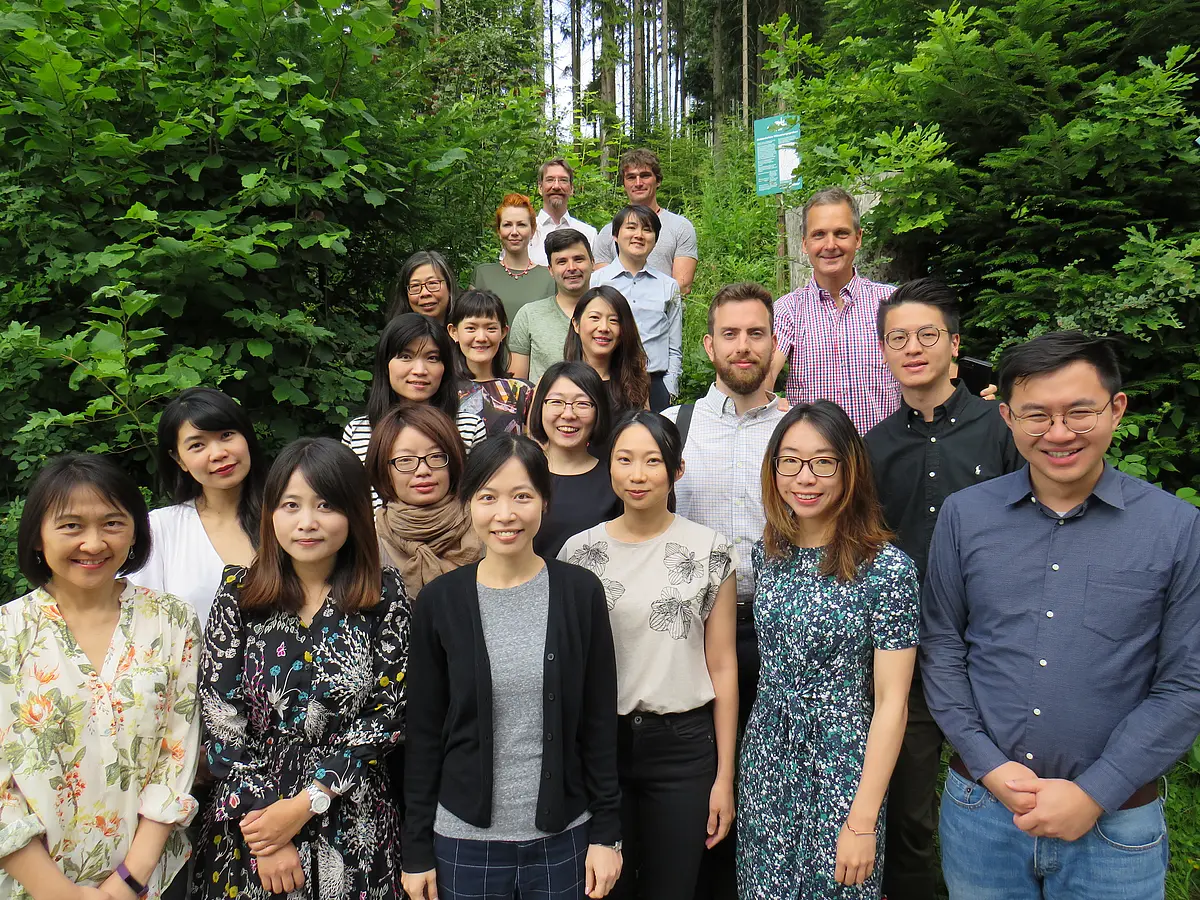
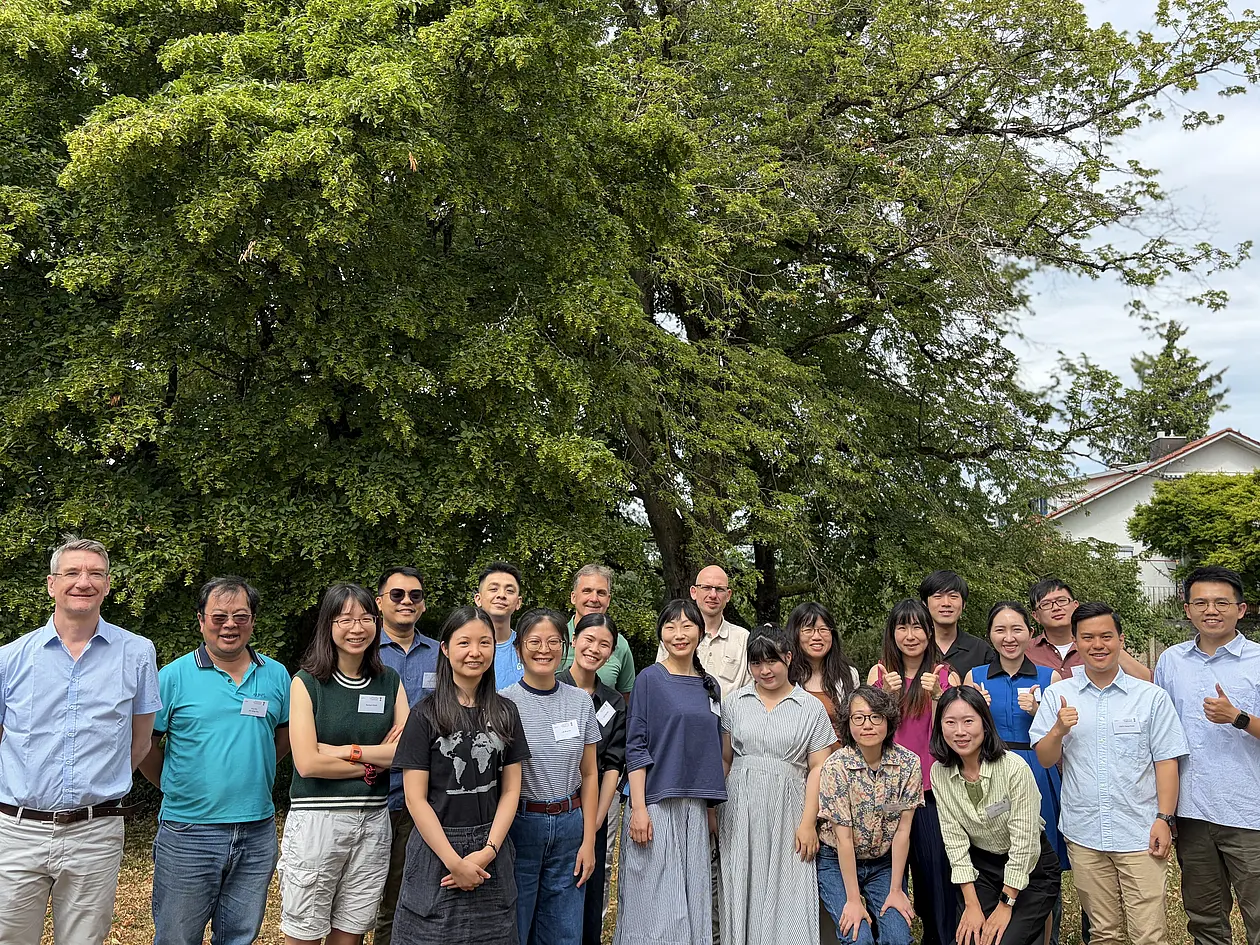
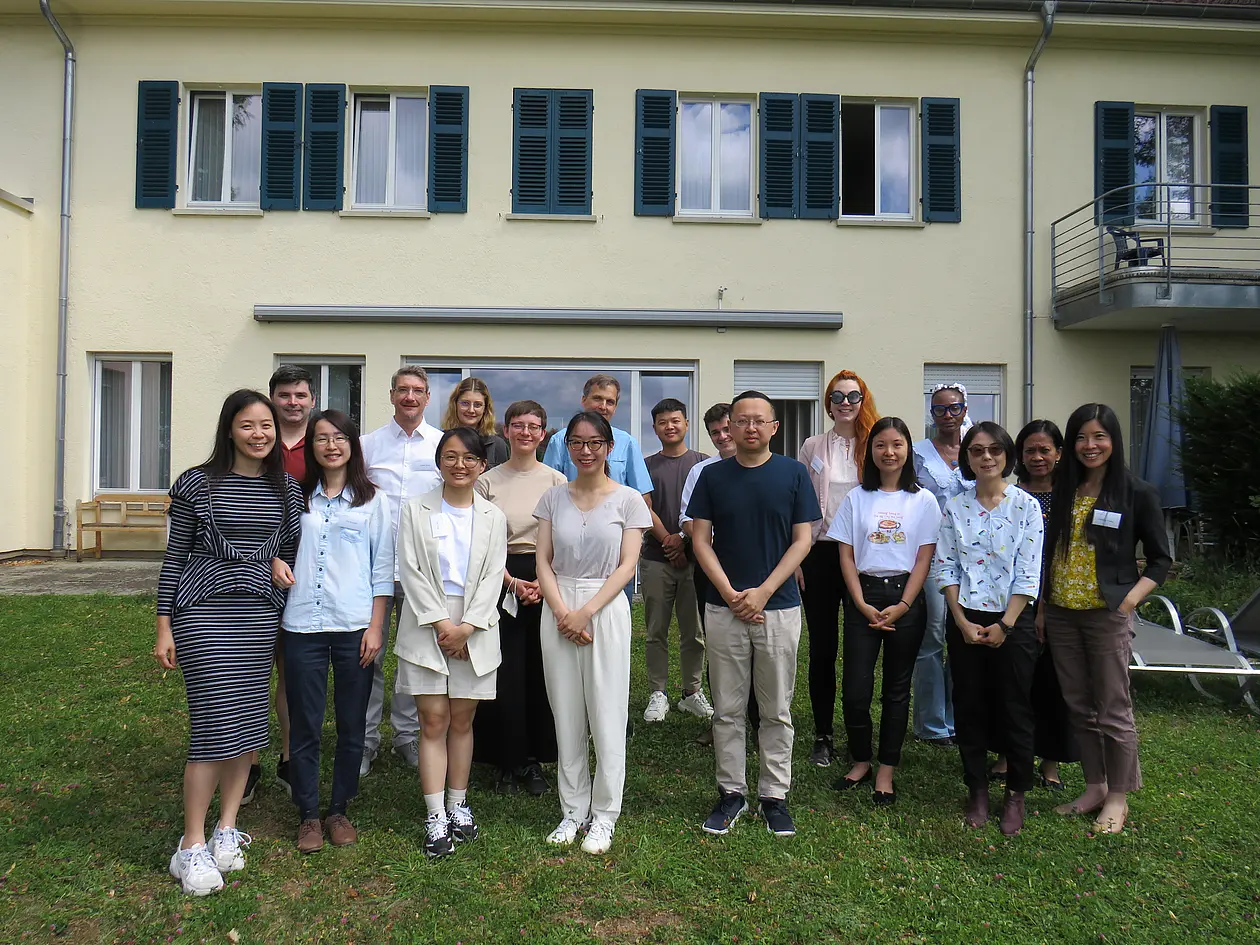
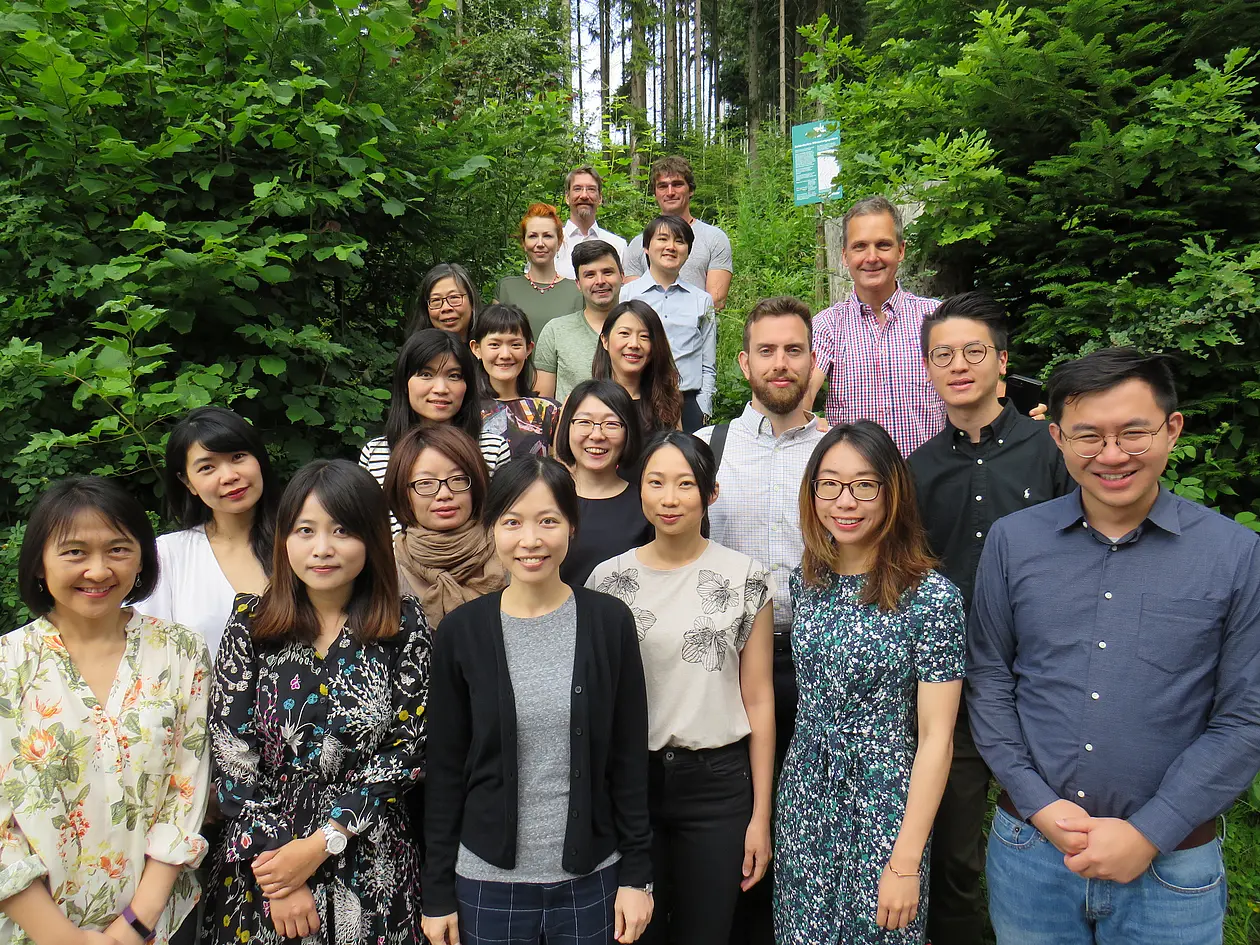
Exemplifying the spirit of connectivity, the workshop gathered twelve outstanding young social scientists affiliated with universities either in Taiwan or in Europe and hailing themselves from China, South Korea, the Philippines, Taiwan, and Vietnam – and all doing research on Taiwan.
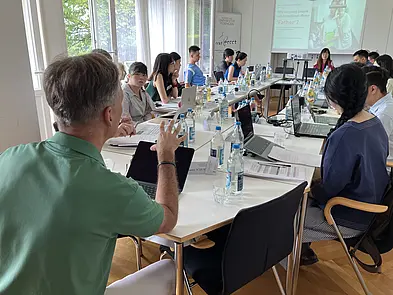
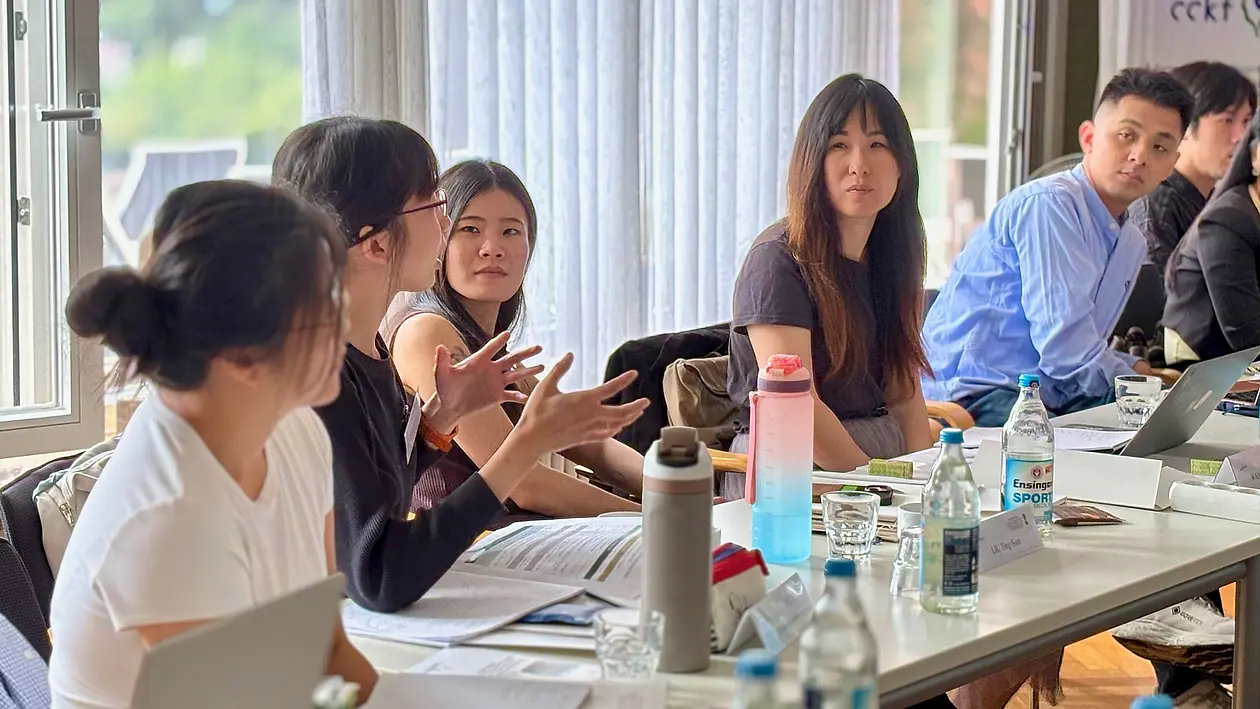
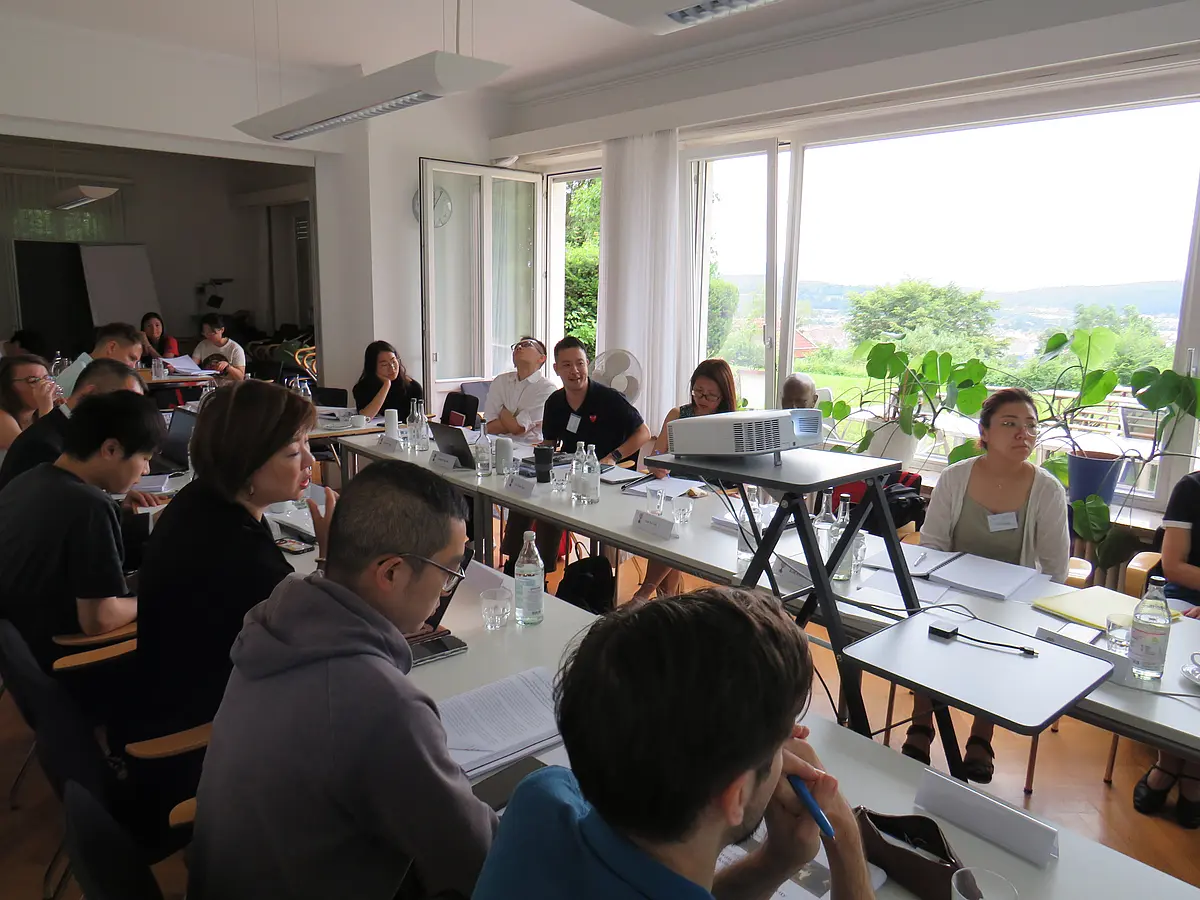
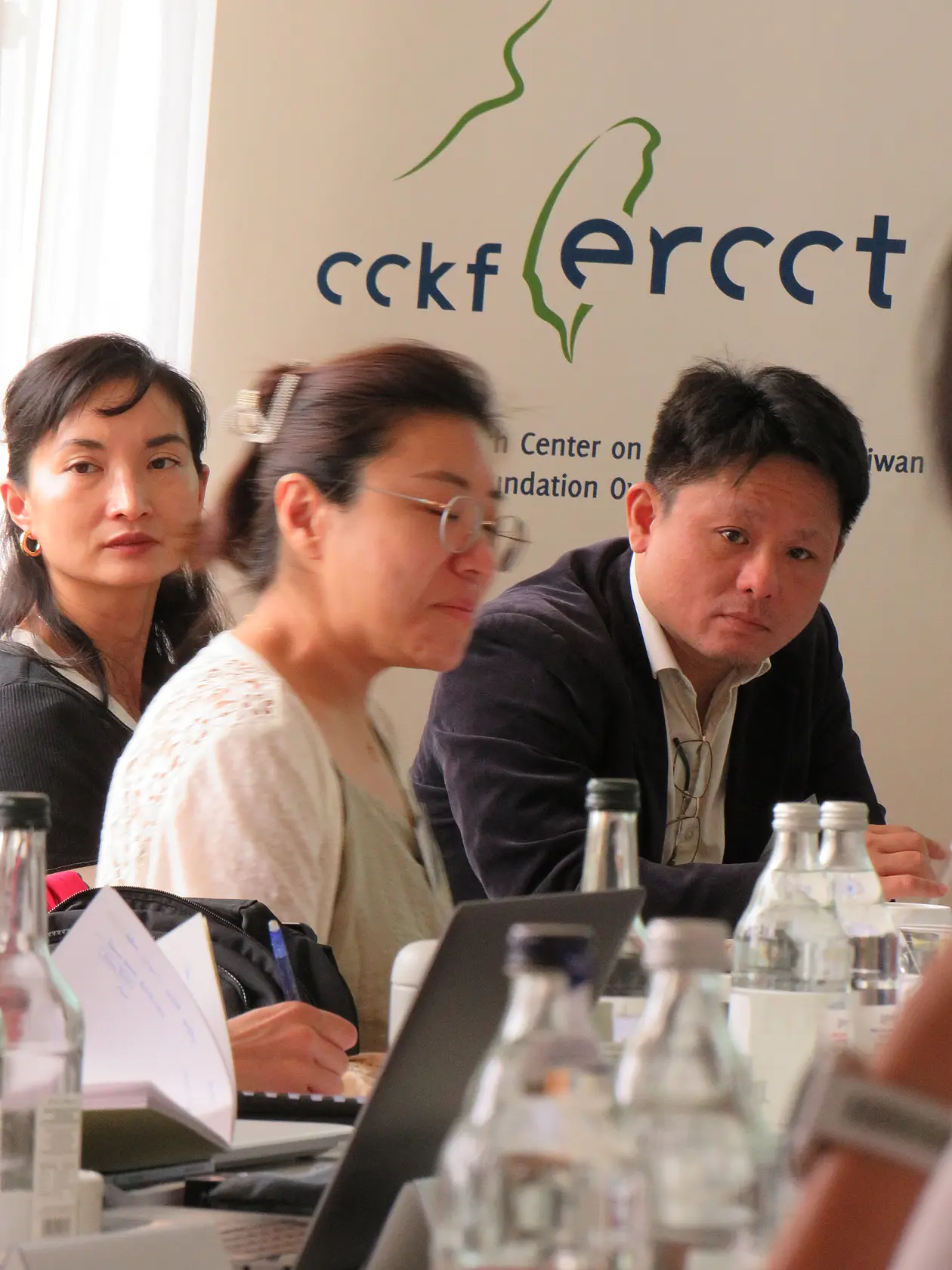
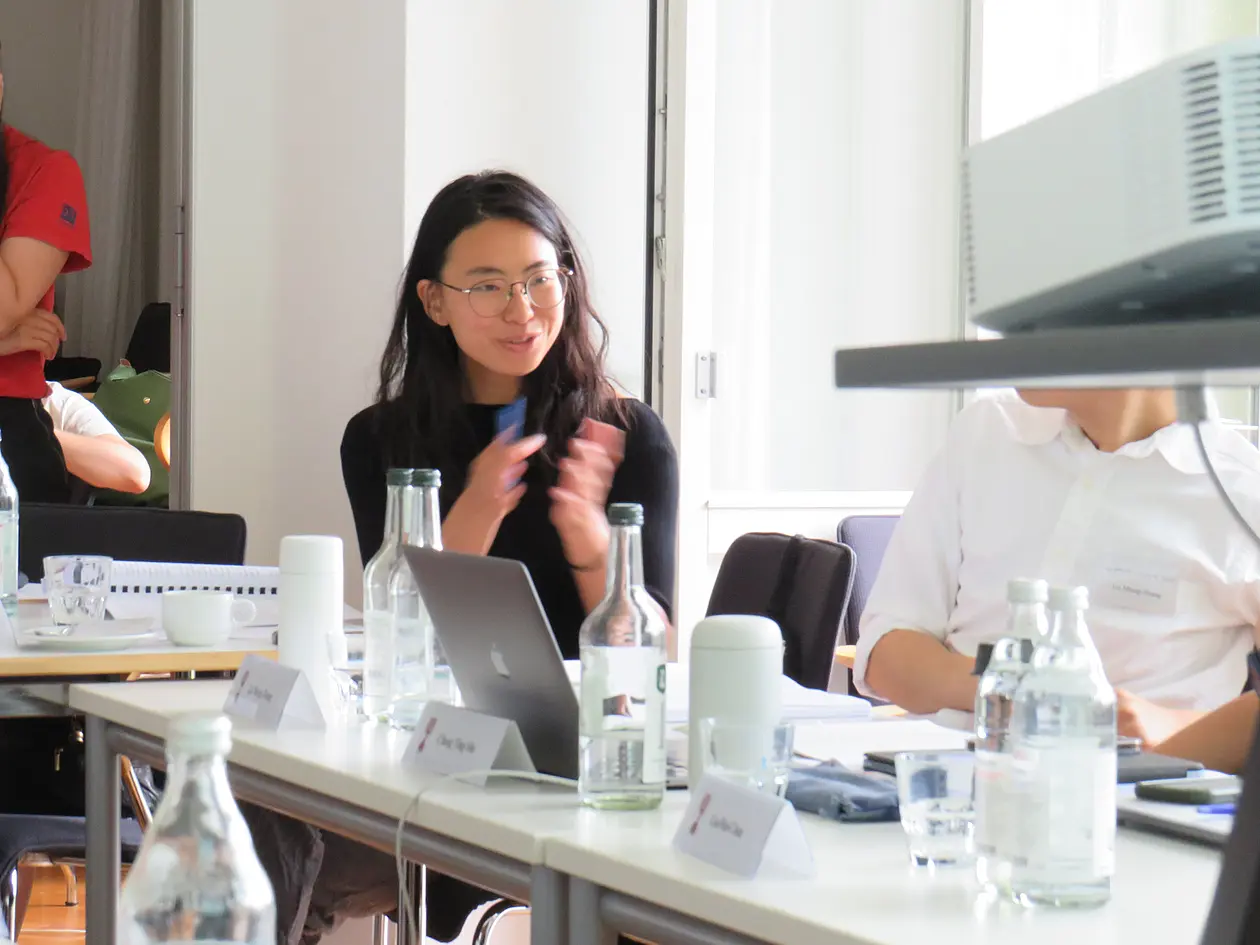
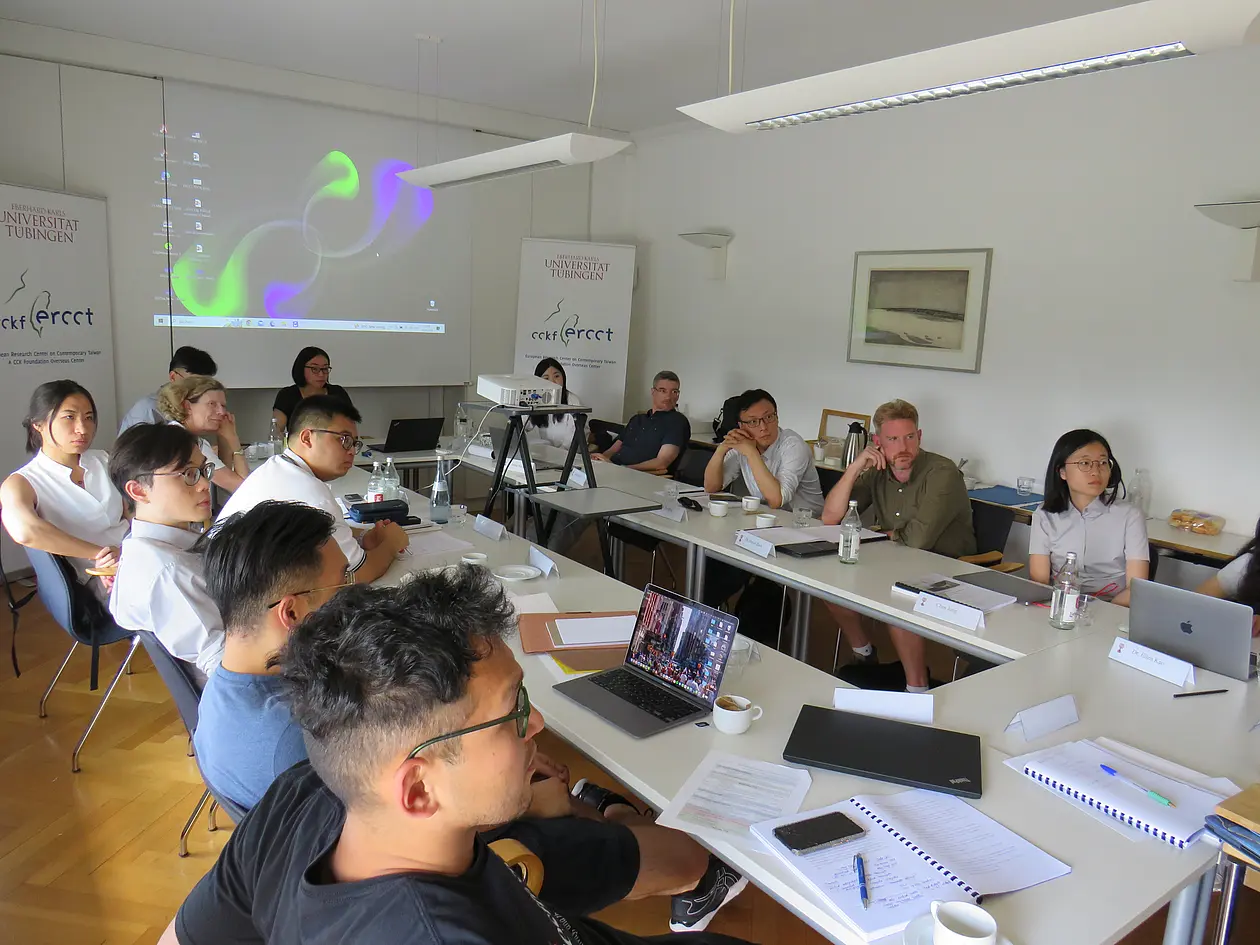
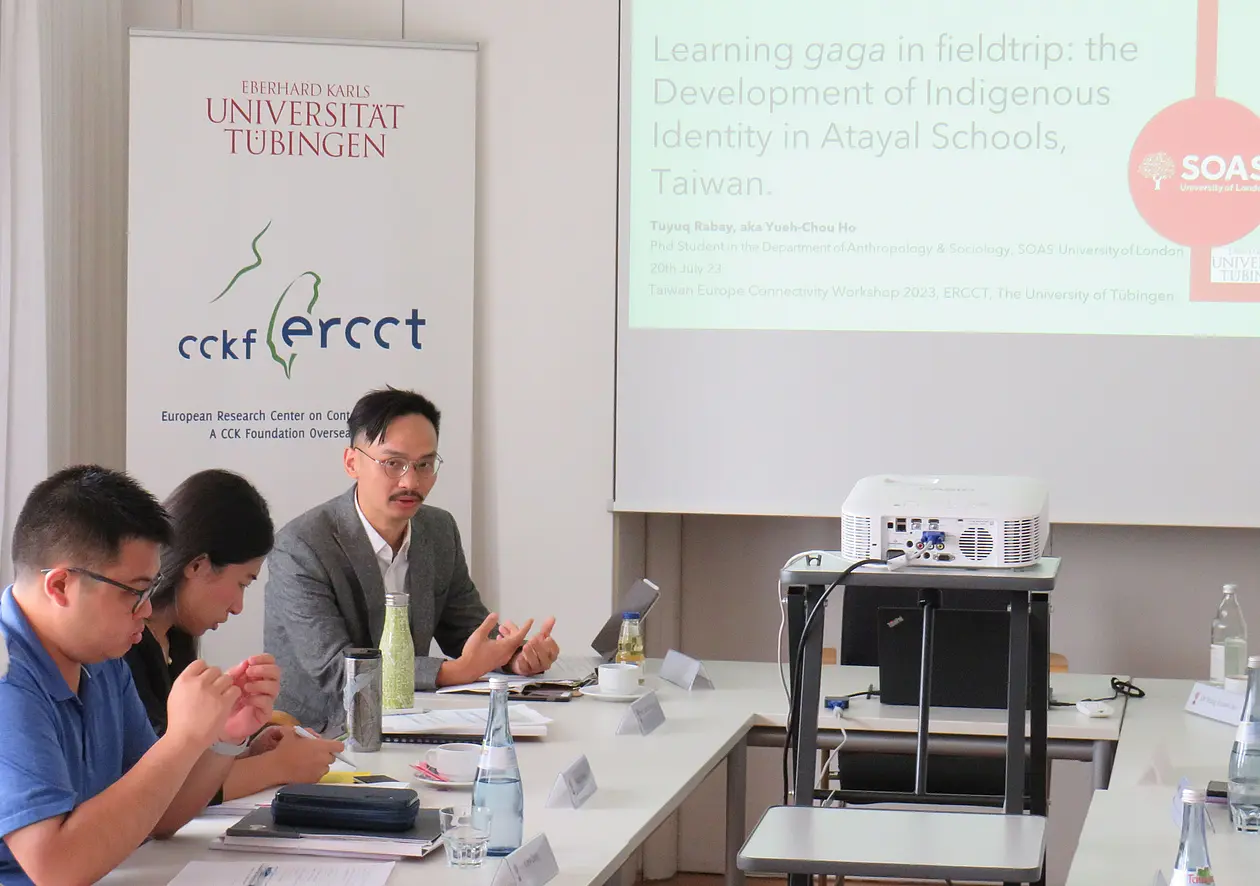
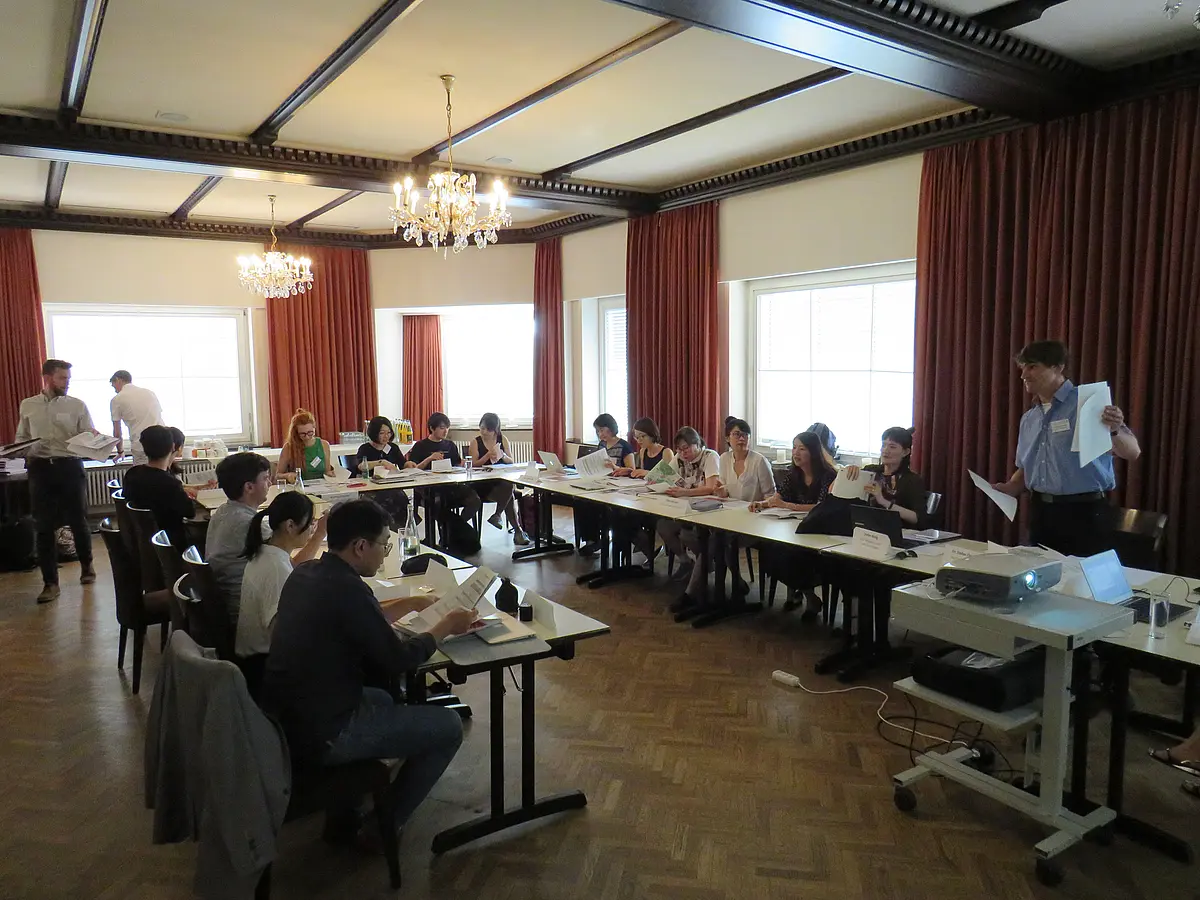
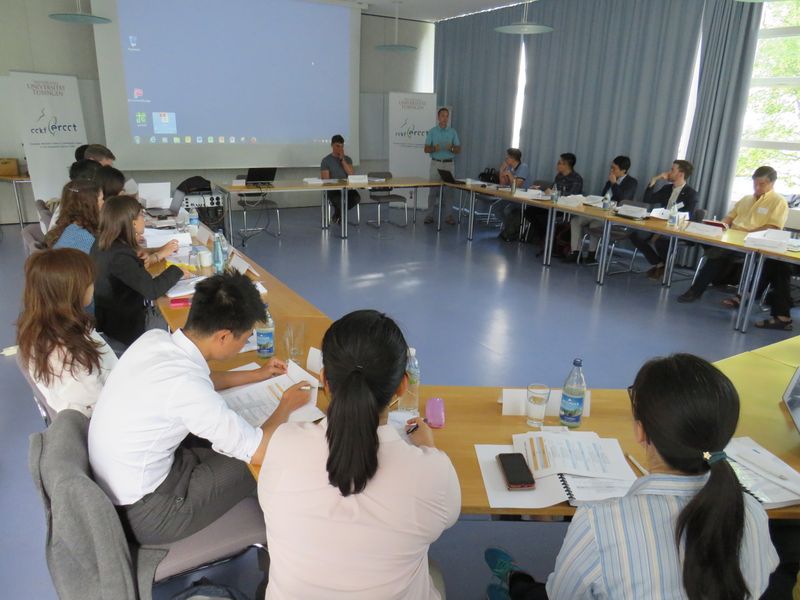
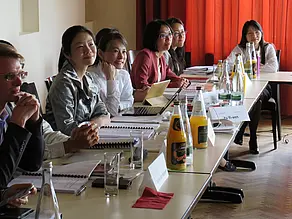
At the same time, connectivity was established also by bringing together participants coming from different disciplines and methodological paradigms to the constructive and fruitful discussion of the presented research projects, in which the visiting scholars Professor Ho Ming-sho and Dr. Sarah Liu as well as the ERCCT research fellows of various programs also took part.
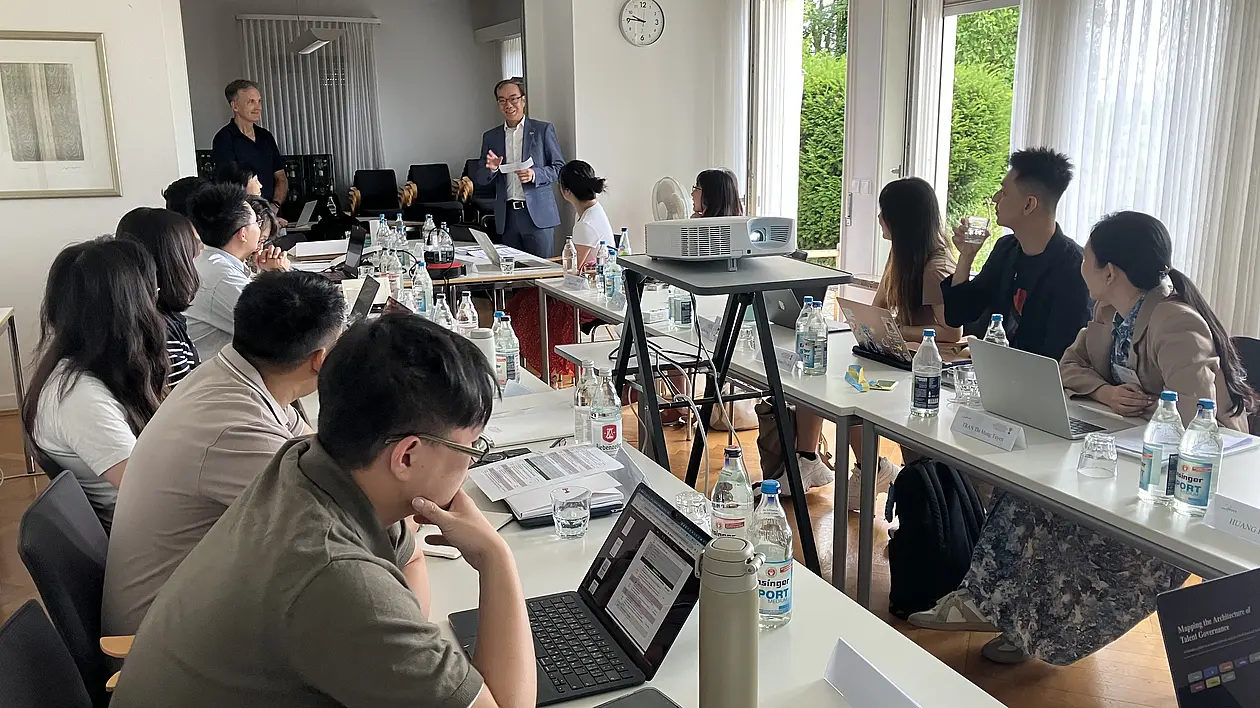
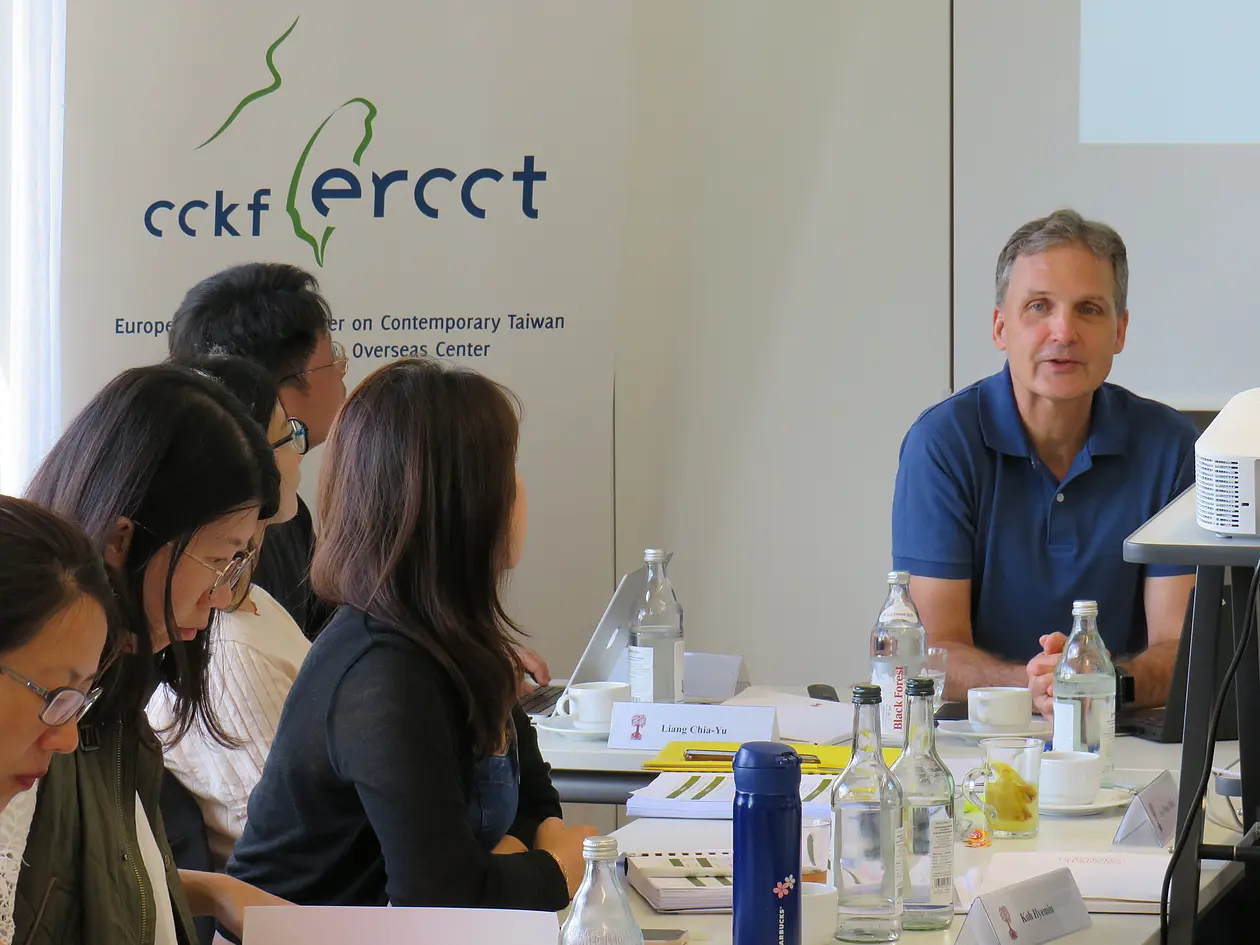
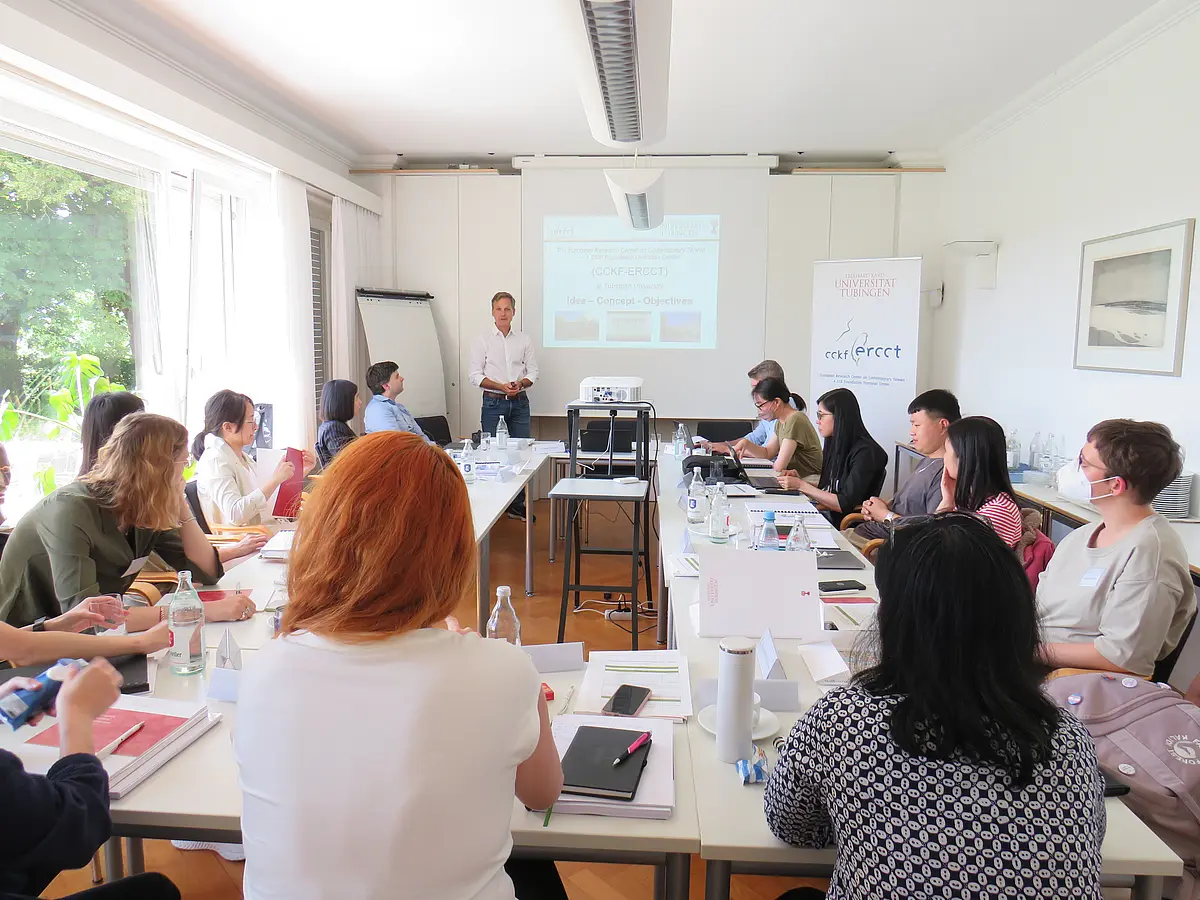
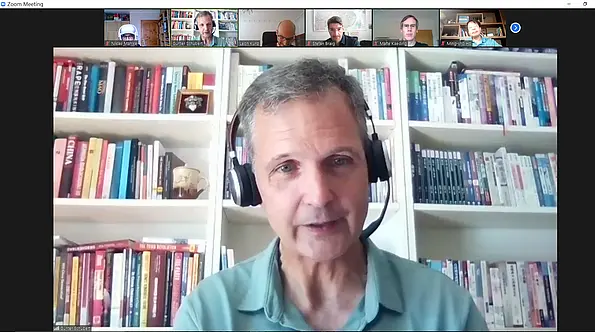
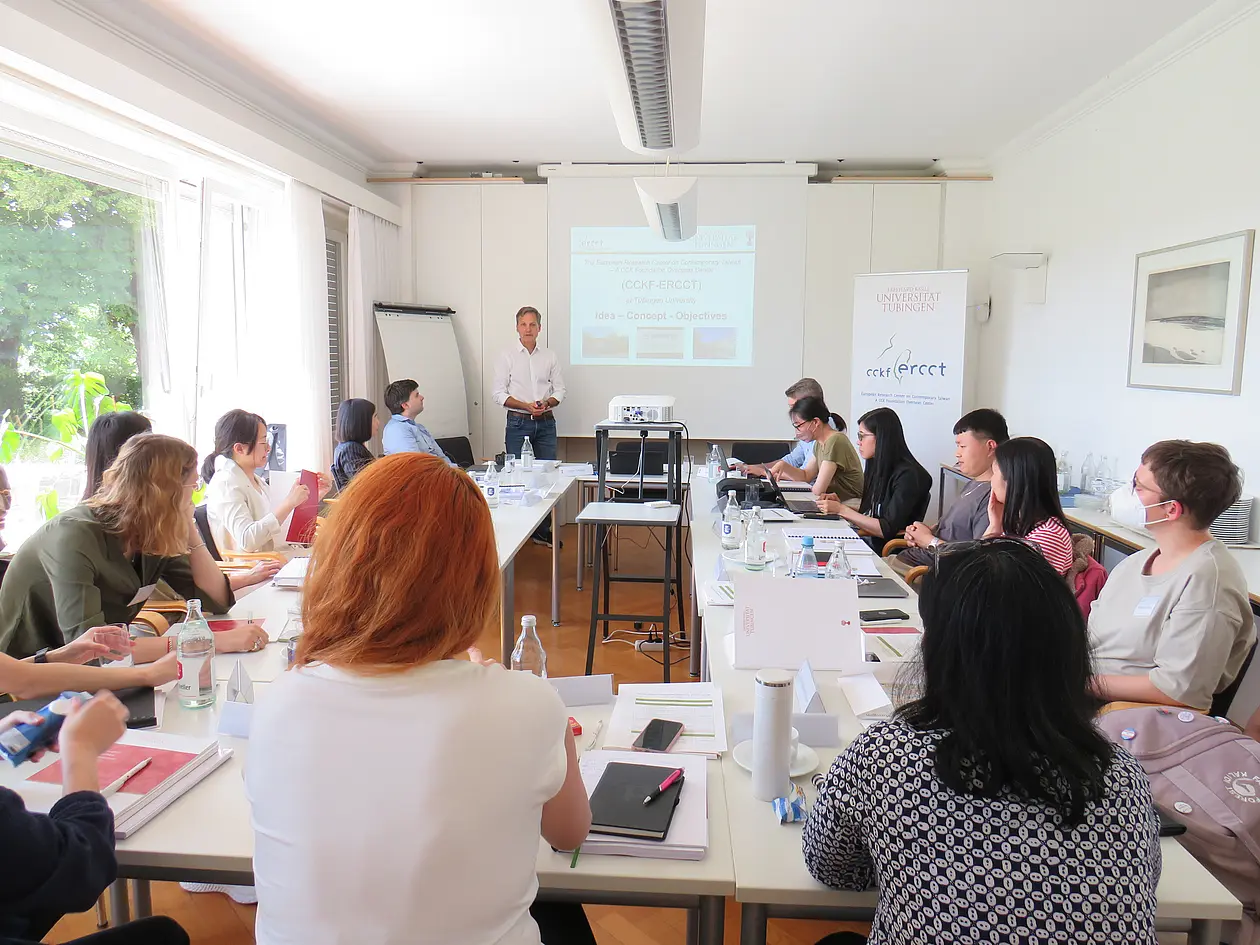
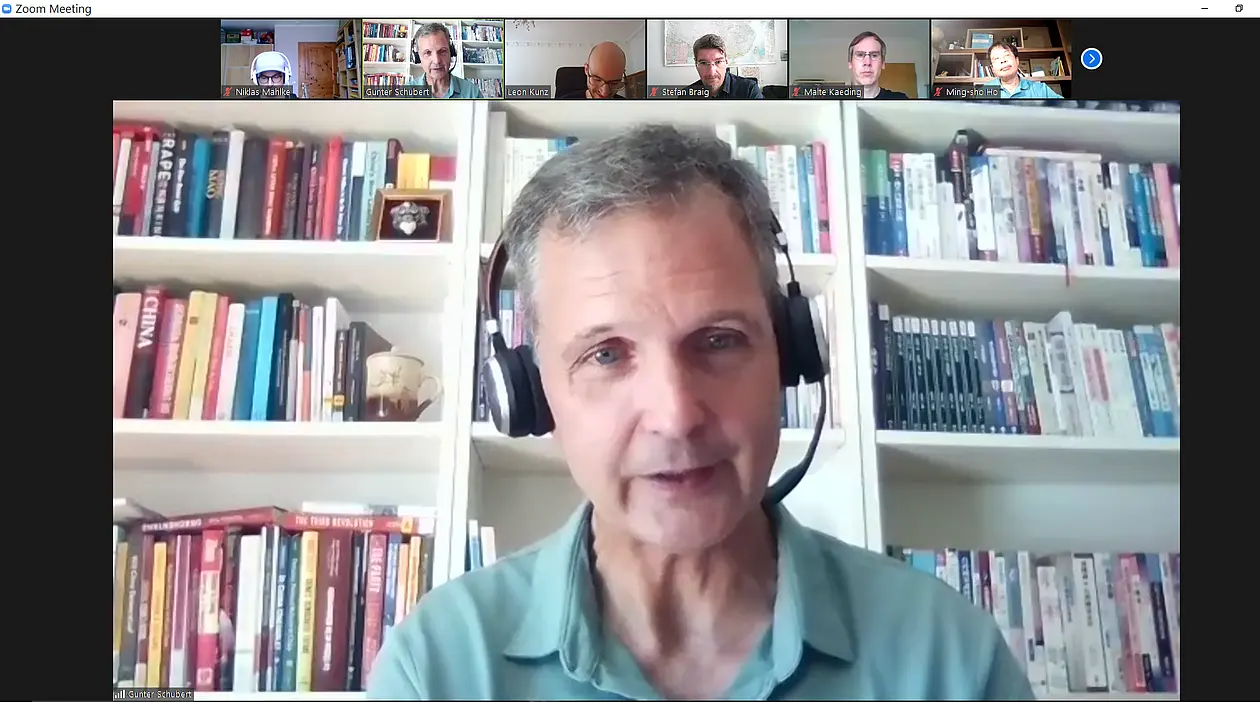
The workshop commenced on Monday, July 6, with welcoming remarks by ERCCT Director Prof. Dr. Gunter Schubert. He stressed that this event is meant to have truly open exchanges in an atmosphere marked by mutual trust and respect.
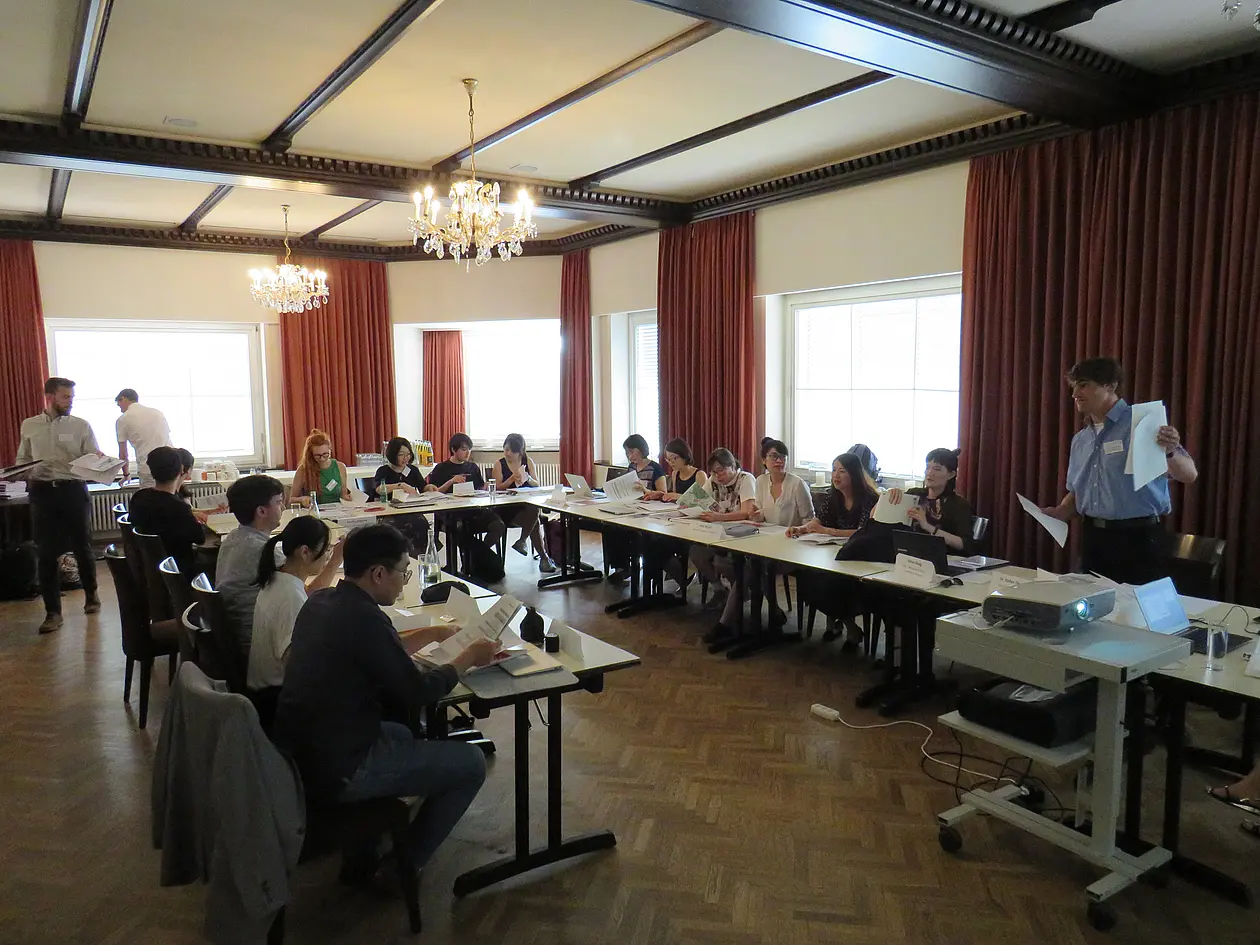
The workshop then opened with a panel on Security in the Taiwan Strait, chaired by ERCCT Managing Director Stefan Braig. Marvin Bernardo from the International Doctoral Program in Asia-Pacific Studies at National Chengchi University inaugurated the academic program with his presentation, "Understanding Third-State Perception: Conflicts in Asia under Europe's Gaze," examining how European actors perceive and interpret security dynamics in the Indo-Pacific. He was followed by Huang Kai-Yang from the Department of Geography at National Taiwan University, whose paper, "Border Consciousness under Geopolitical Suspicion: Memory, Affect, and Everyday Sovereignty in the Matsu Islands," explored the interplay of collective memory, identity, and everyday practices of sovereignty in one of Taiwan's most strategically sensitive frontier regions. The morning concluded with Kwon Mina from the Graduate Institute of East Asian Studies at National Chengchi University, who traced the evolution of Beijing's reactions to U.S. arms sales to Taiwan in her presentation, "From Diplomatic Protest to Coercive Power: China's Responses to U.S. Arms Sales to Taiwan."
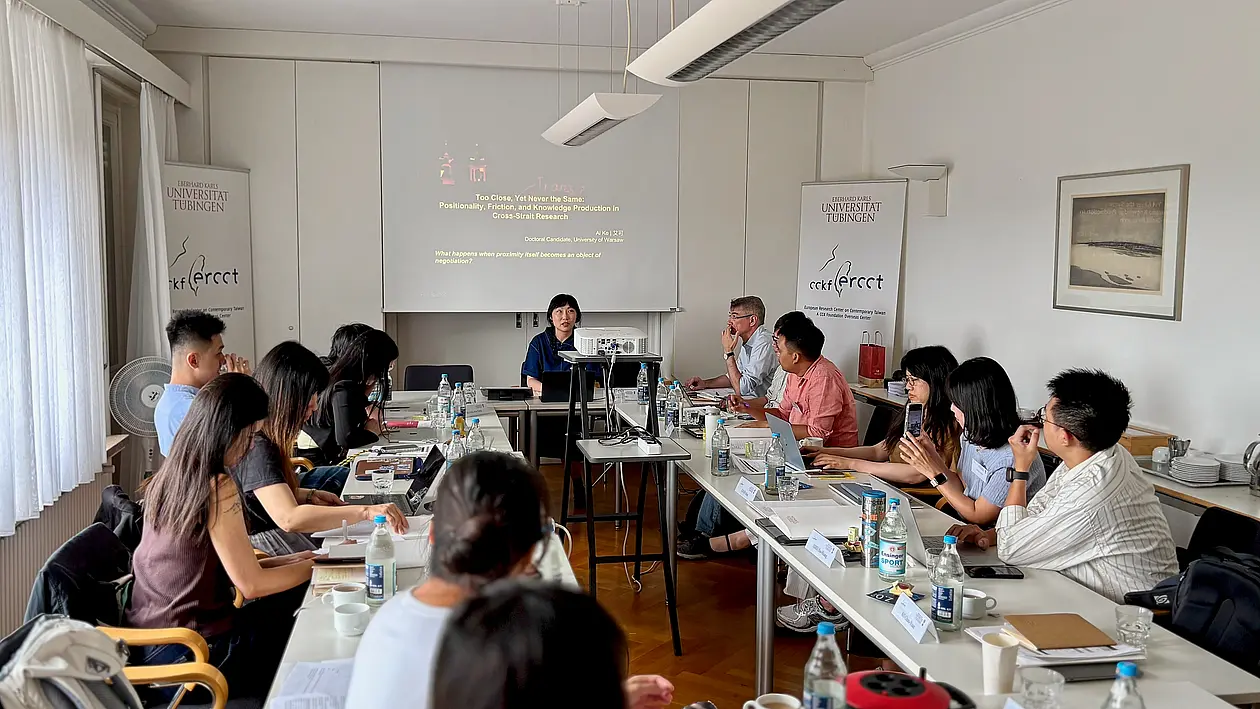
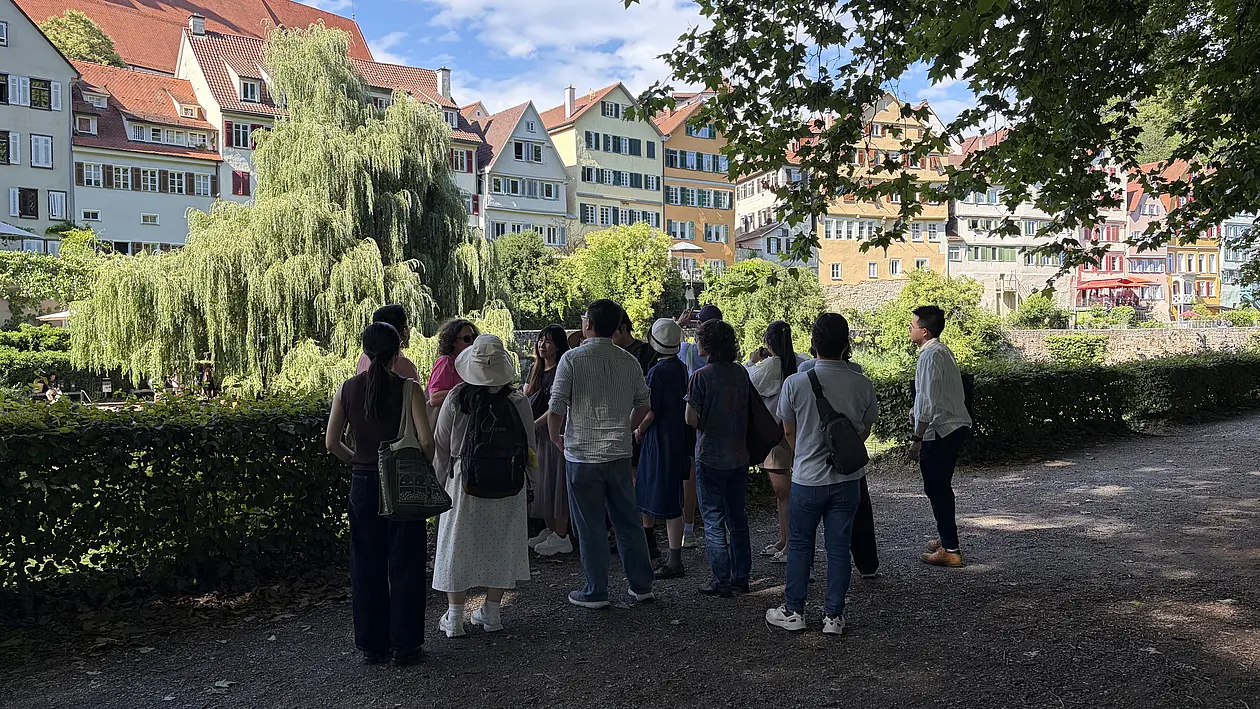
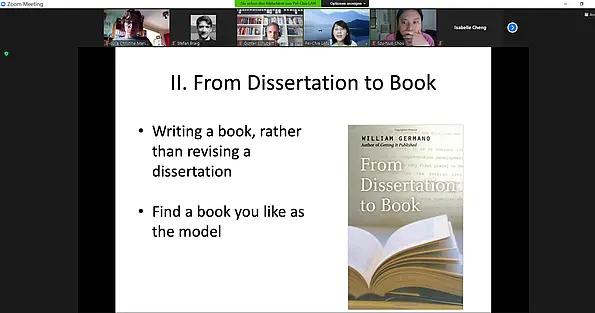
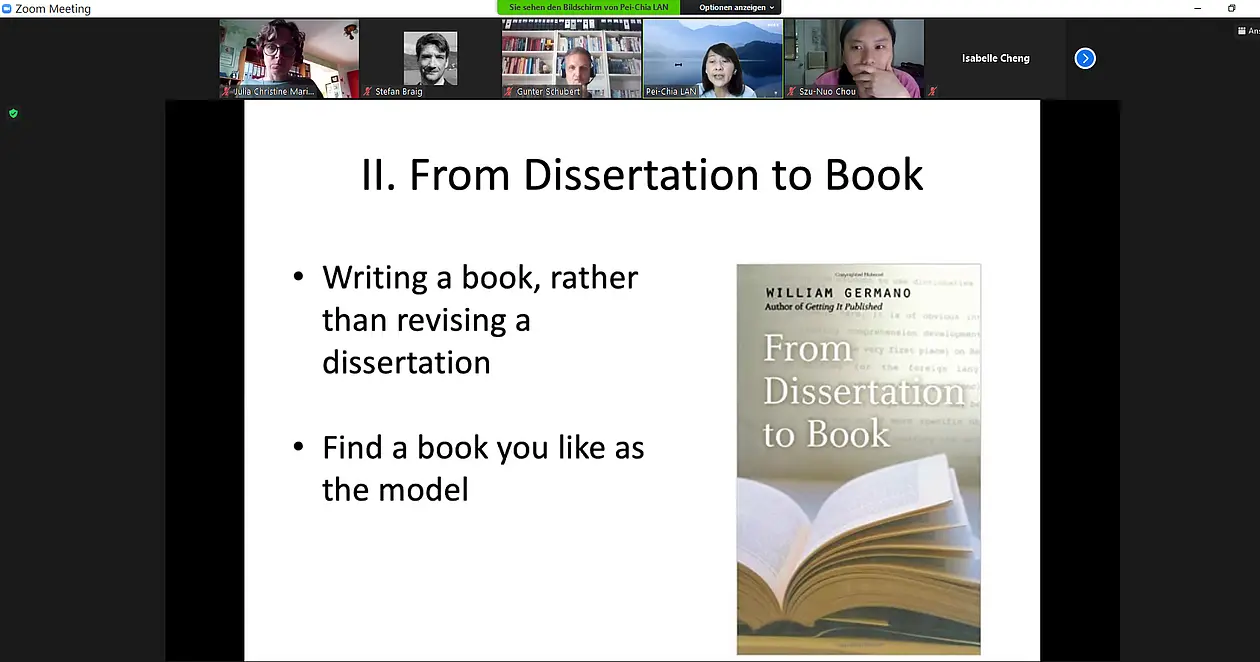
The afternoon shifted attention from substantive research to questions of research practice in a panel on Methodological Reflections, again chaired by Stefan Braig. Ai Ke from the Doctoral School of Humanities at the University of Warsaw reflected on the challenges of conducting research across the Taiwan Strait in the presentation "Too Close, Yet Never the Same: Positionality, Friction, and Knowledge Production in Cross-Strait Research." Drawing on personal fieldwork experiences, the paper highlighted the ways in which researchers' positionality, access, and political sensitivities in relation to those of their interviewees shape the production of knowledge in contested environments. The academic program of the first day concluded with an introduction to the ERCCT by Stefan Braig, who presented the centre's research agenda, international cooperation, and opportunities for early-career scholars. Afterwards, the group set off for a leisurely walk into Tübingen's historic city centre. A guided tour led by an experienced city guide familiarised participants with the city’s rich history and architectural heritage. Participants then gathered for the traditional welcome dinner at Restaurant Neckarmüller, where discussions continued in a relaxed and convivial atmosphere.
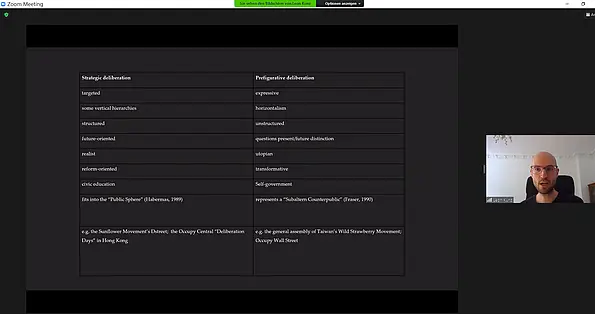
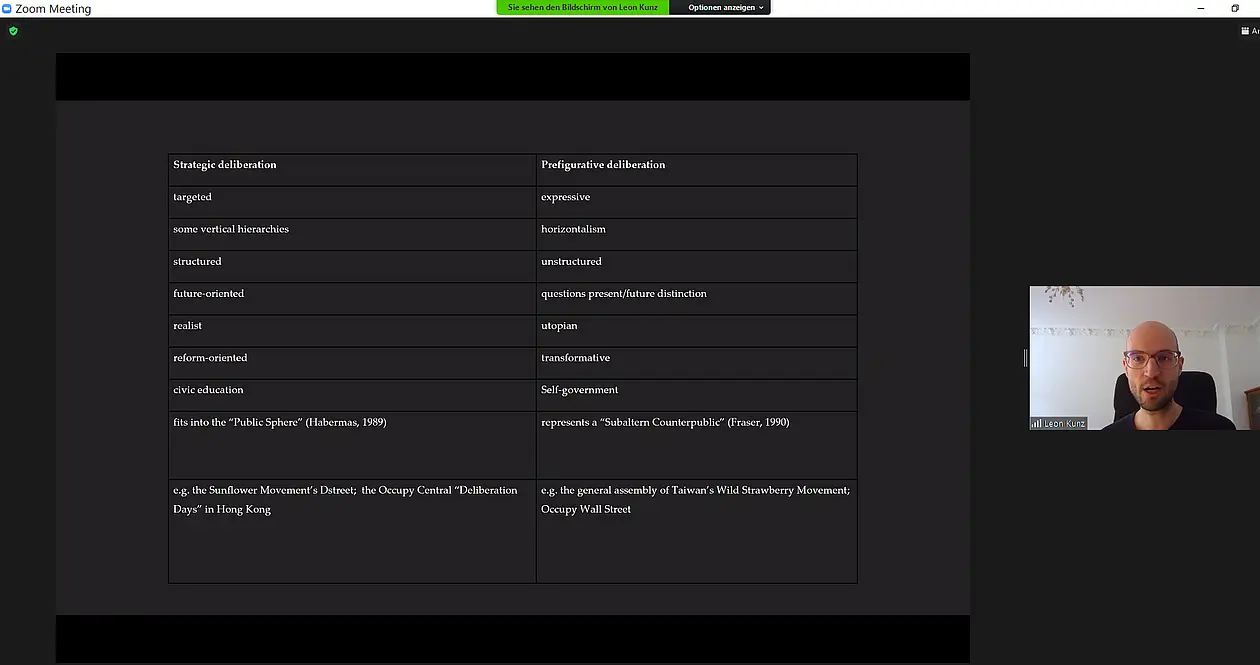
Tuesday, July 7, was devoted to Domestic Politics and Societal Issues, with ERCCT Research Fellow Dr. André Beckershoff chairing the panel. Wu Po-chun from the Department of Political Science at National Chengchi University opened the session with "Ambition, Campaigns, Inaction? When Legislators Seek Executive Office," examining how electoral ambitions shape the behaviour of Taiwanese legislators. Wang Pei-Ying from the School of Law at the University of Reading followed with "Youth Confinement in Taiwan: Historical Legacies, Human Rights Reform, and Relational Governance," offering a critical assessment of the evolution of juvenile justice and the challenges of balancing institutional reform with human rights protection. The morning concluded with Liu Ting-Sian from the Department of Gender Studies at the London School of Economics and Political Science, whose presentation, "Rootless Han Settlers Seeking the Roots: Settler Self-Indigenisation, Indigenous Fetishisation Becoming Taiwanese 'Natives'," examined the complex intersections of queer settler identity, indigeneity, and nation-building in contemporary Taiwan.
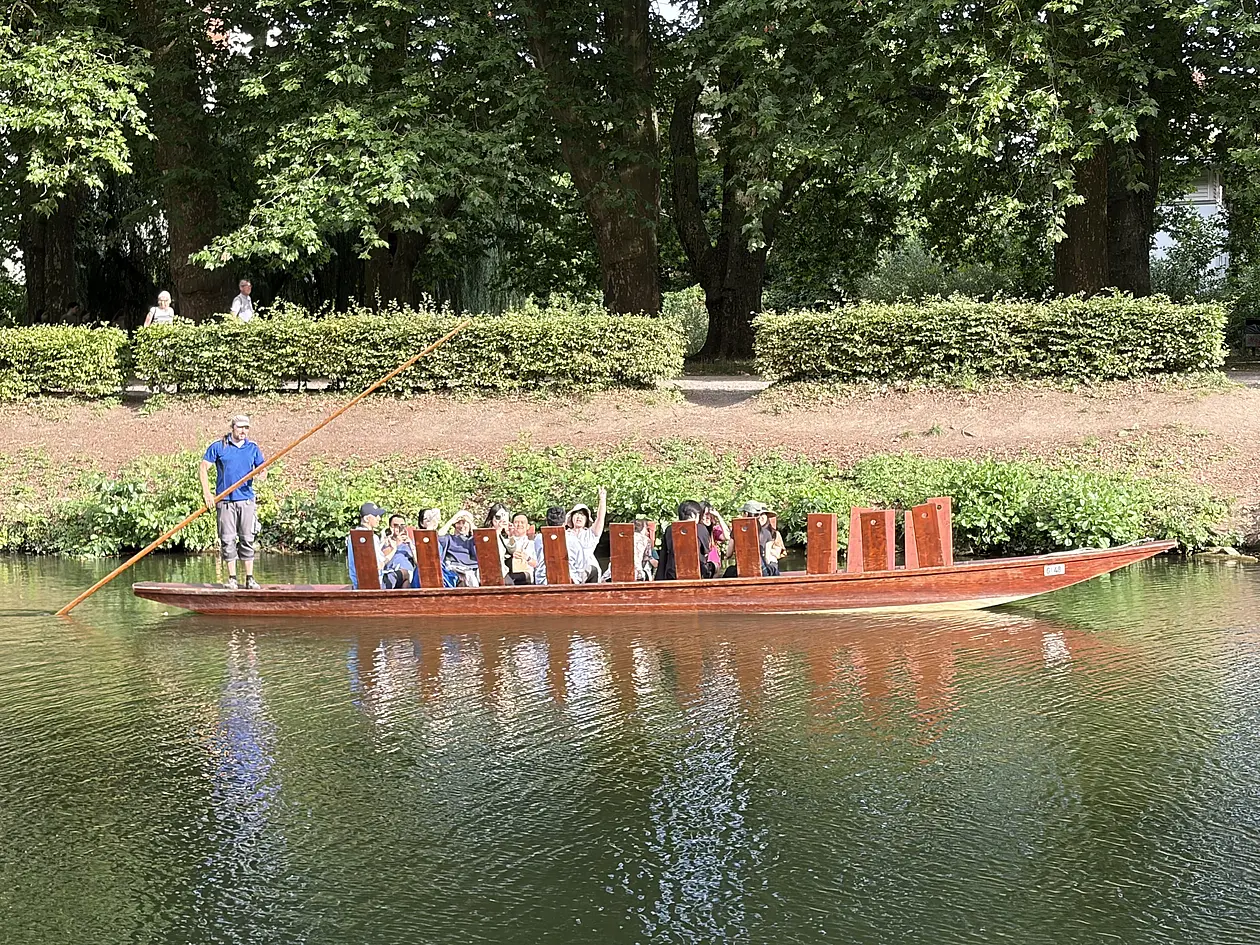
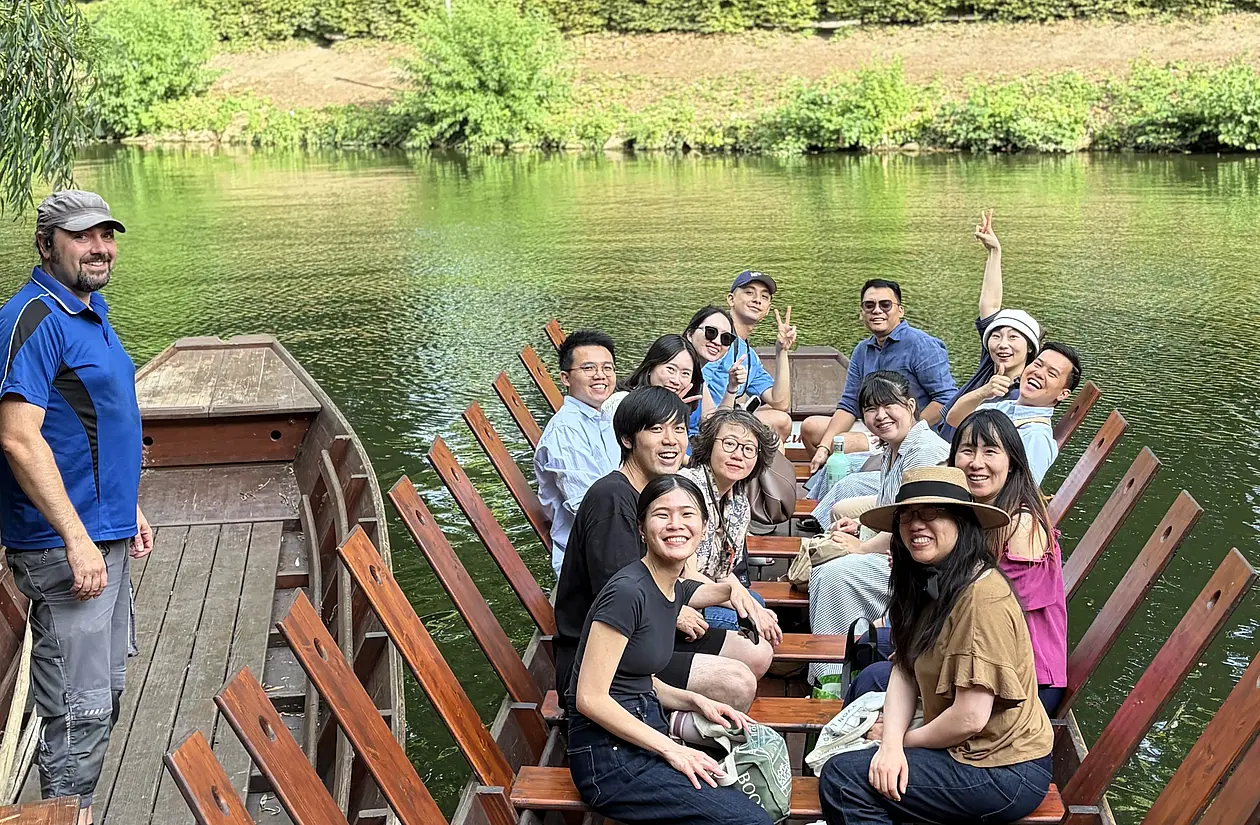
In the afternoon, ERCCT Research Fellow Yi-Nga Judy Lee gave participants an outstanding example of the centre's current research activities by presenting her Ph.D. project. A break of two hours then gave everyone an opportunity to explore the city by themselves, before the traditional punting boat excursion on the Neckar River offered a relaxed conclusion to the day's program.
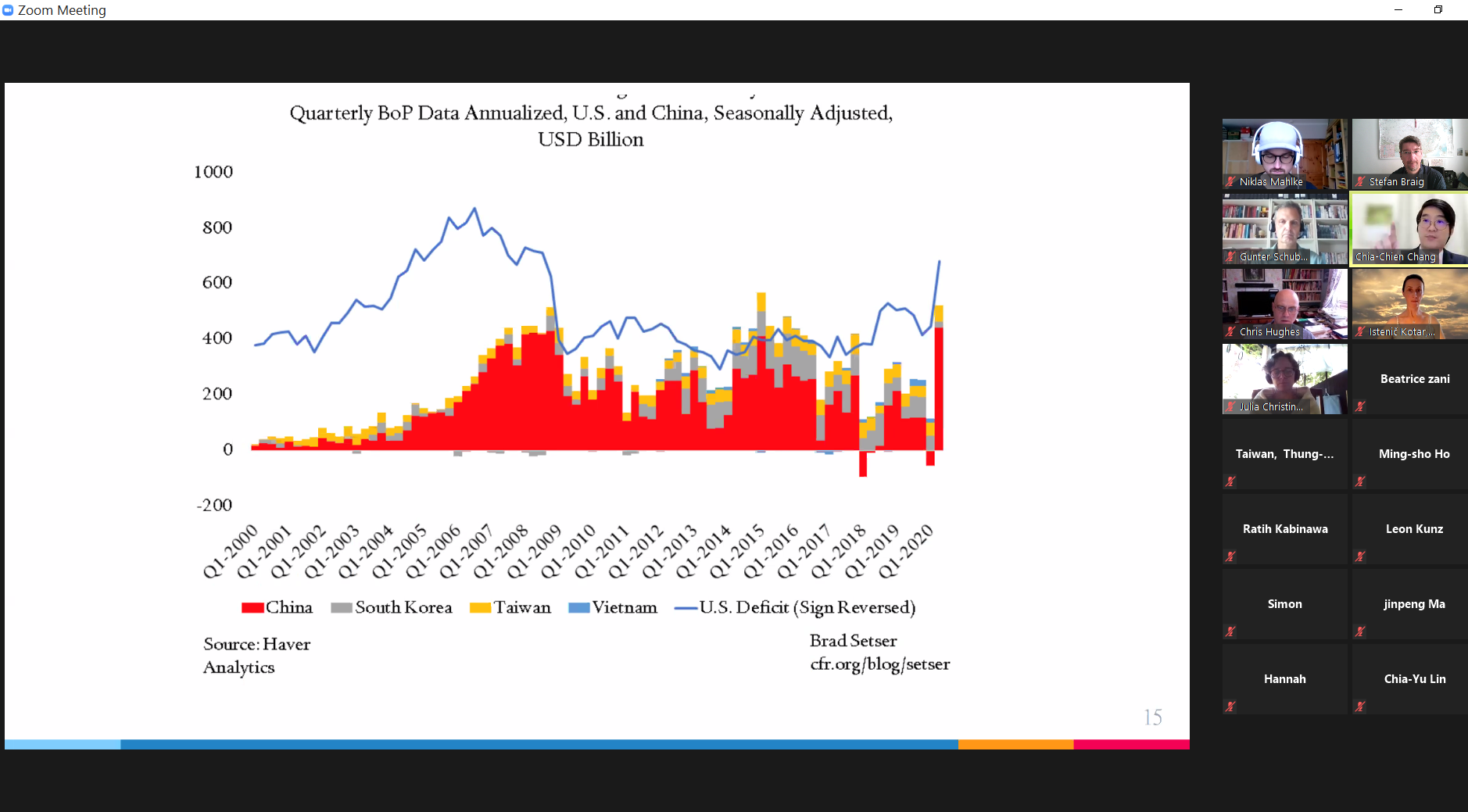
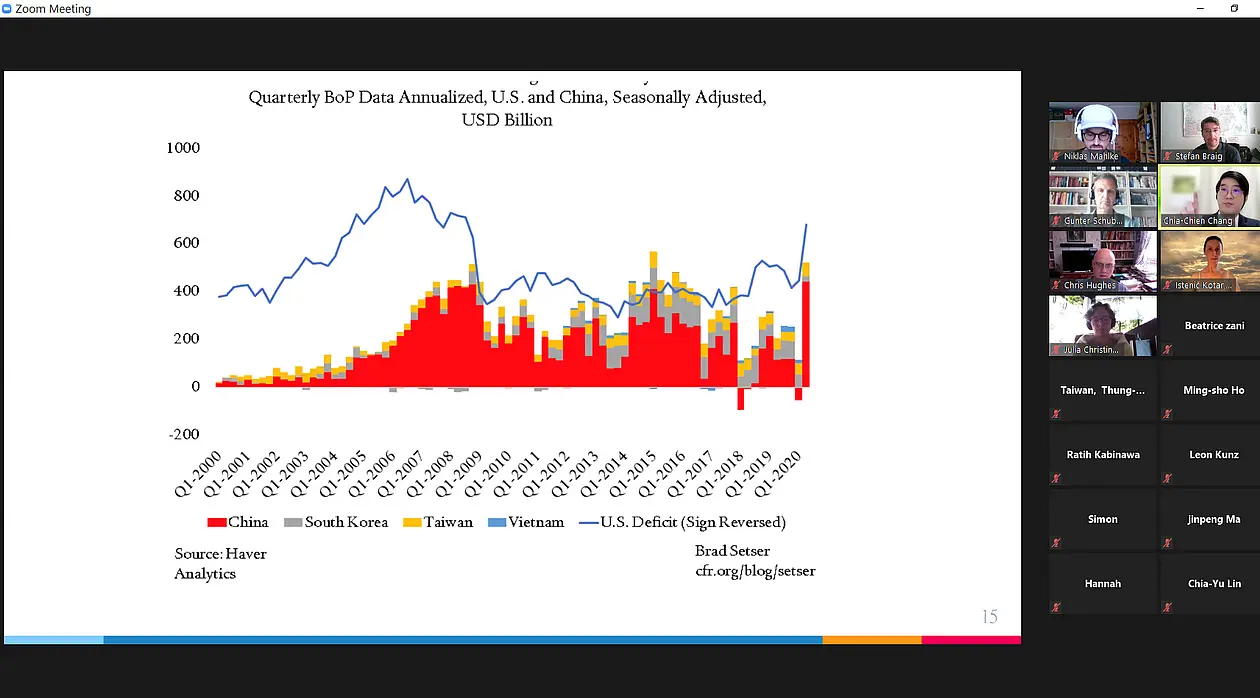
Wednesday, July 8, began with welcoming remarks by Dr. Joseph Dieu, Director General of the Taipei Representative Office in Munich. The subsequent panel on Geo-economics and Talent Mobility, chaired by Yi-Nga Judy Lee, opened with Vo Thanh Hien from the International Doctoral Program in Asia-Pacific Studies at National Chengchi University, whose presentation, "Mapping the Architecture of Talent Governance: A Dictionary-Guided Co-occurrence Network Analysis of South Korea and Taiwan," compared the institutional architecture of talent governance in two leading East Asian economies. Tran Thi Mong Tuyen, also from National Chengchi University, then explored Taiwan's use of semiconductor diplomacy in Southeast Asia and Europe under conditions of growing strategic competition with China in the paper "Taiwan's Semiconductor Diplomacy Across Southeast Asia and Europe under China's Influence." The panel concluded with Ko Chiao-Yuan from the Department of Geography at University College London, who presented "The Geopolitics of Mobility: Overseas Chinese Incorporation and Hong Kong Students' Mobility to Taiwan during the Late Cold War," shedding new light on the relationship between migration, geopolitics, and identity formation during the Cold War period.
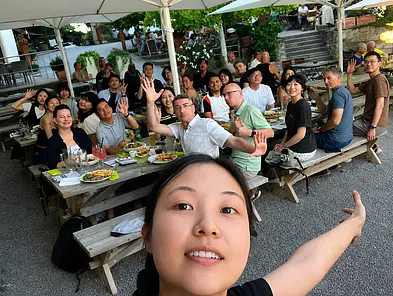
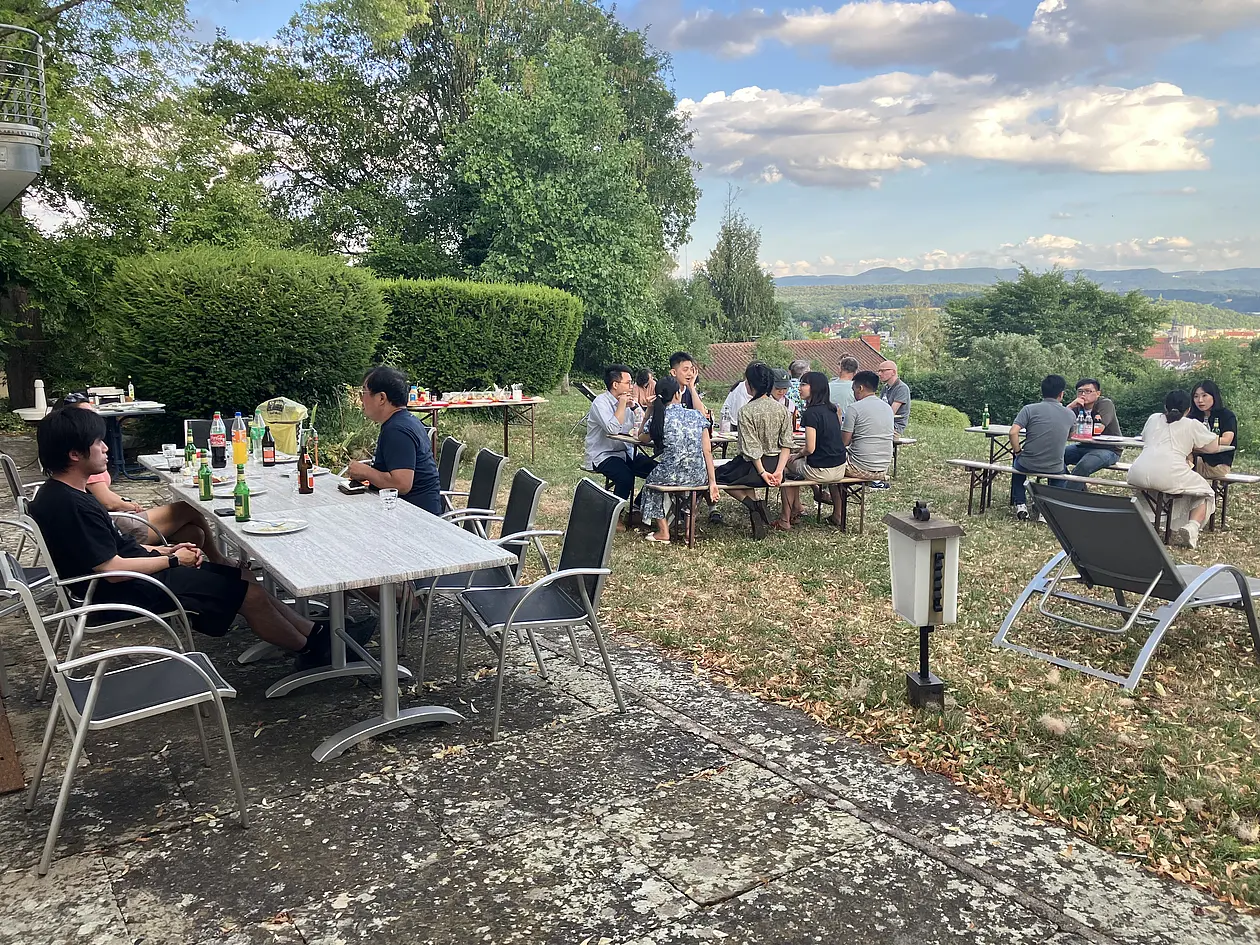
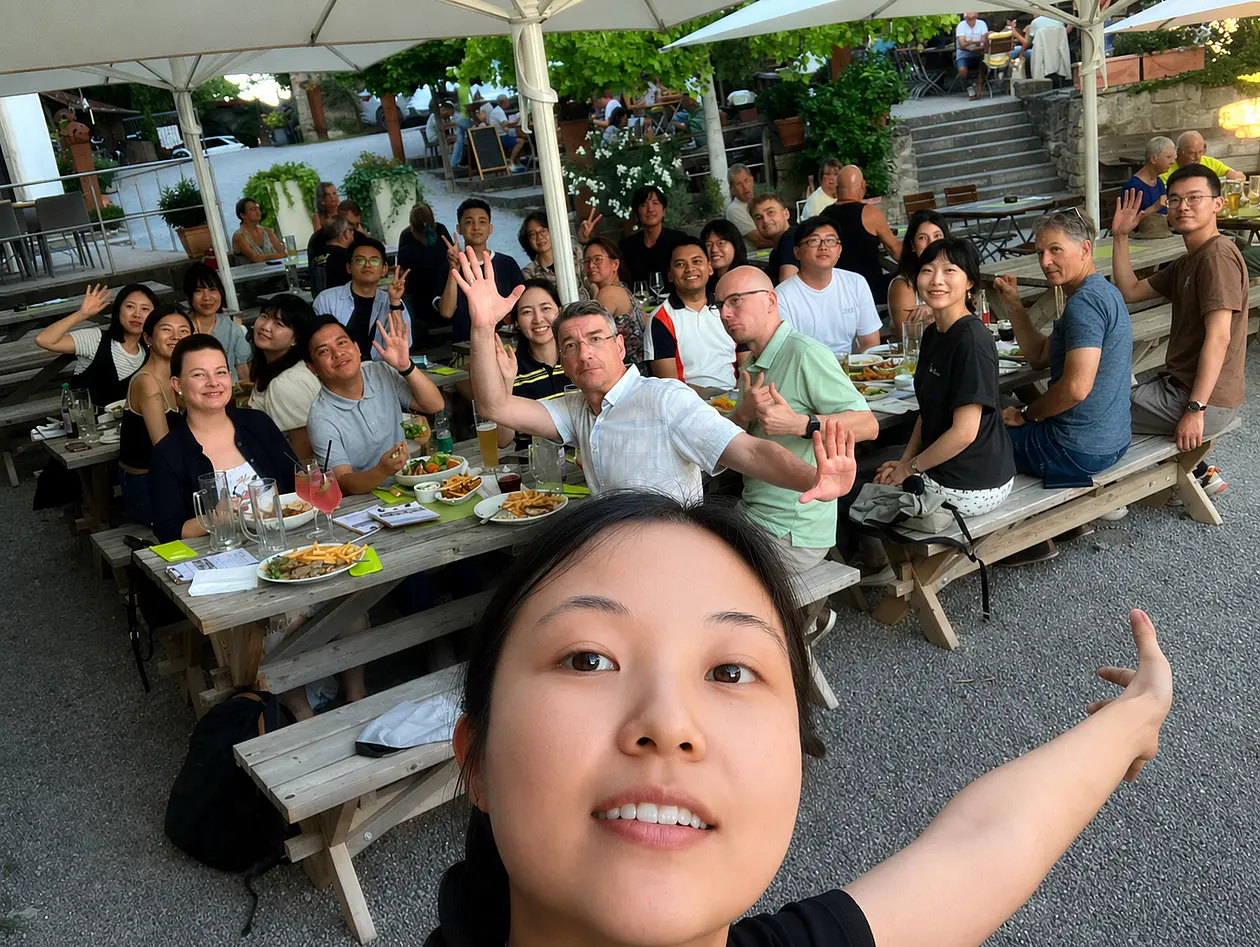
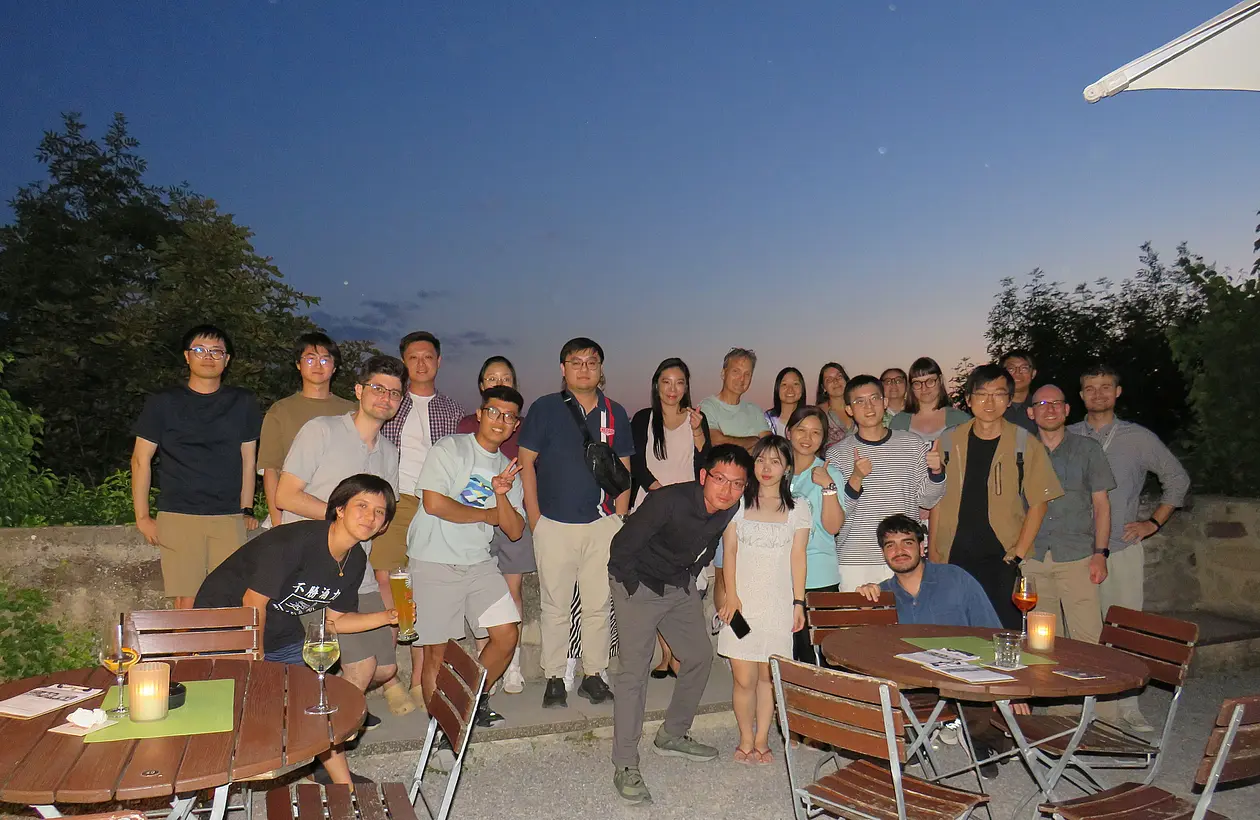
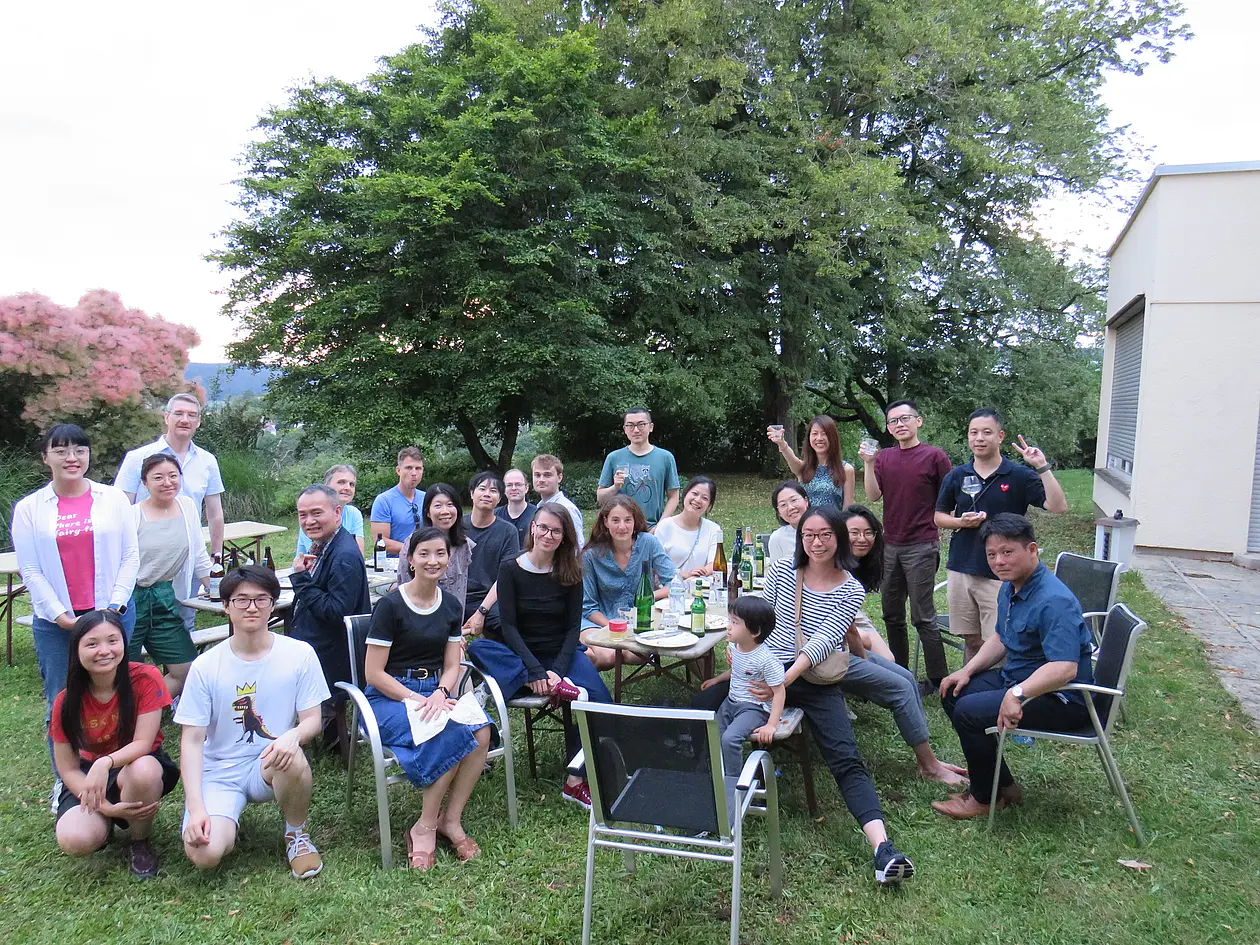
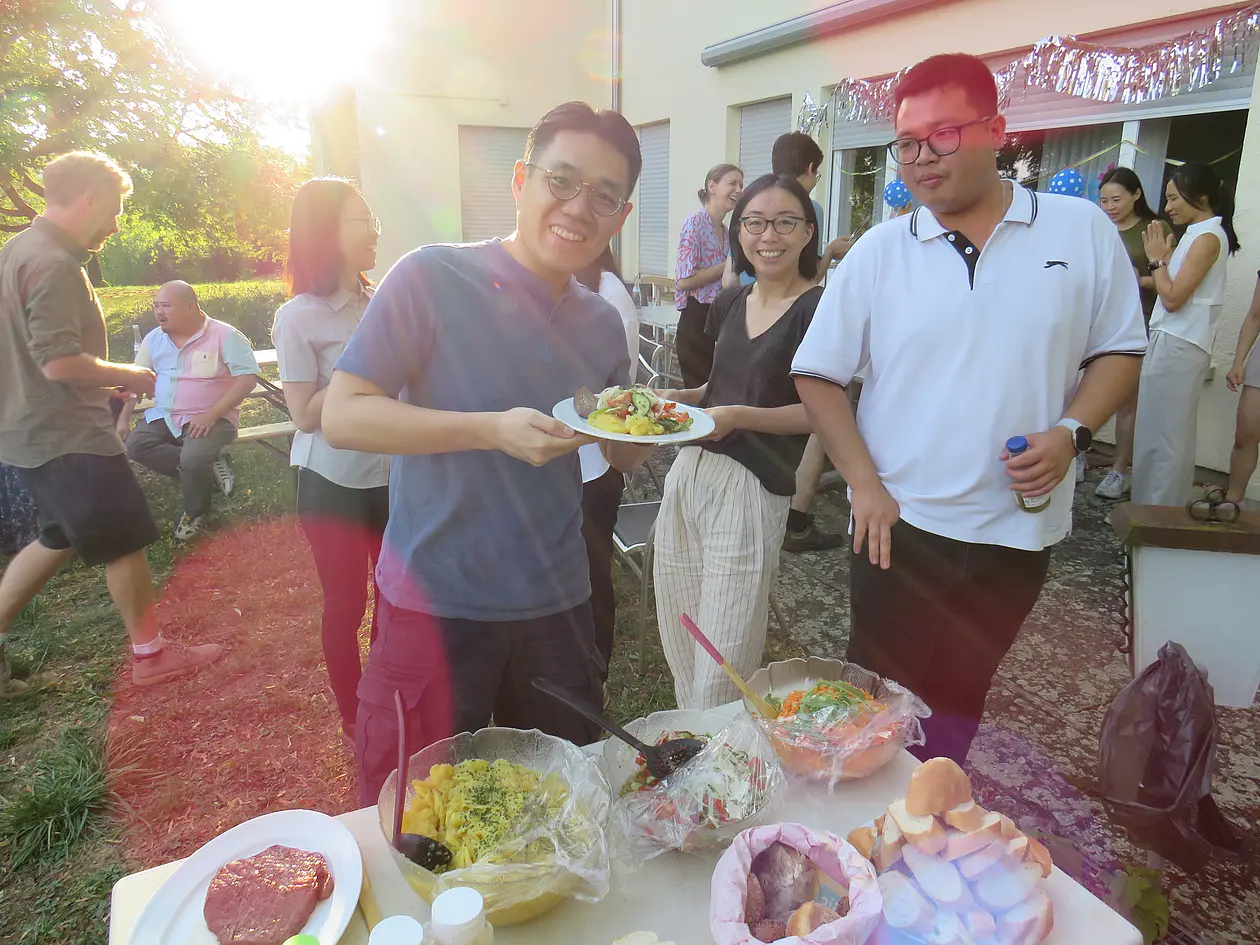
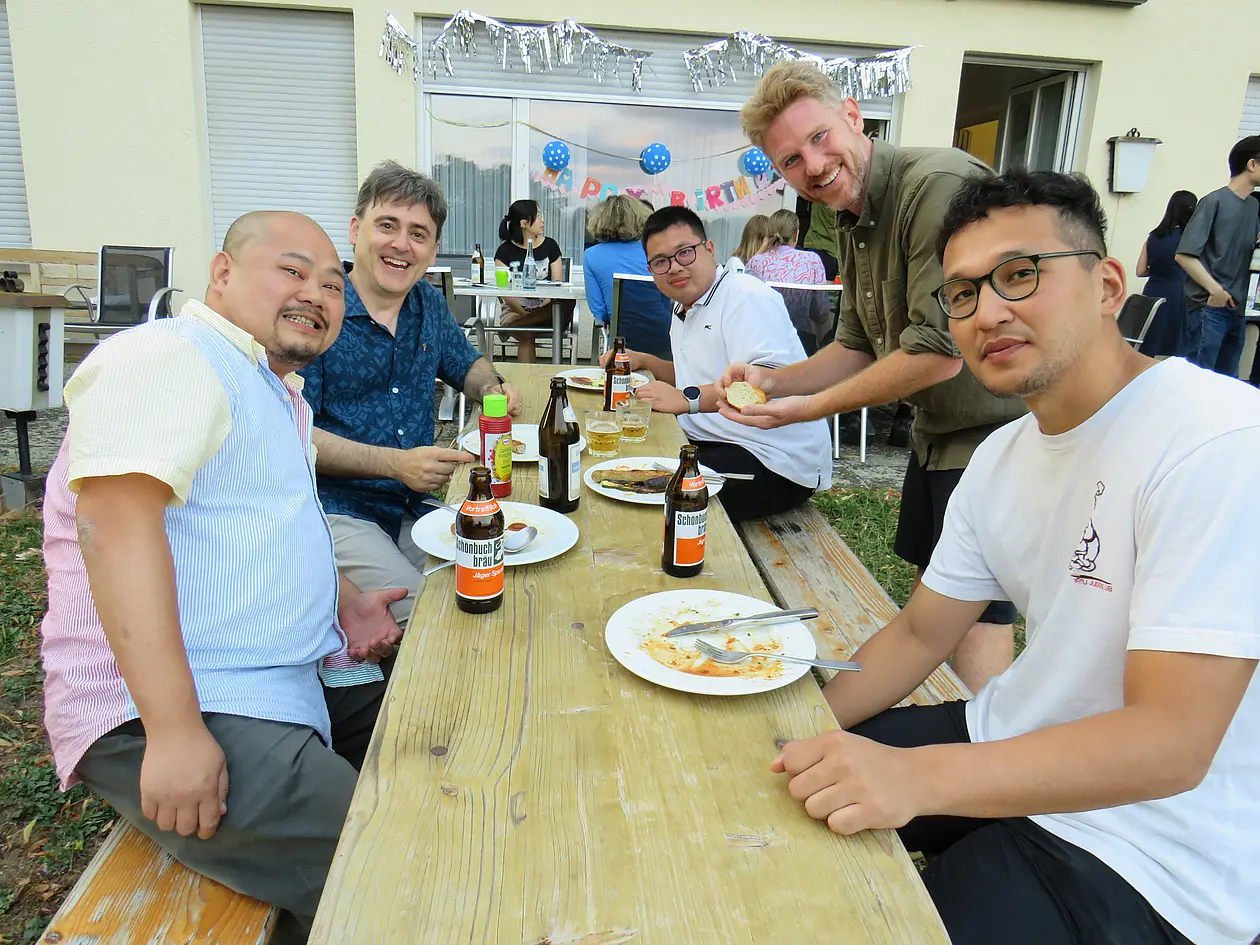
The afternoon included an opportunity to visit the ERCCT before participants gathered for a barbecue party at the university guest house. The informal setting once again encouraged lively conversations and further strengthened the collegial atmosphere that has become a hallmark of the Taiwan-Europe Connectivity Workshop.
The final academic day, Thursday, July 9, centered on Taiwan and the European Union, with Stefan Braig serving as chair. Chen Jing-Han from Edinburgh Law School opened the panel with "Citizenship Recognition under Geopolitical Pressure: Taiwan, Europe, and the Governance of Contested Citizenship," analysing the legal and political complexities surrounding citizenship recognition in contexts of contested sovereignty. Hsieh Hao-Hsiang from the Department of Diplomacy at National Chengchi University followed with "EU Normative Power in Combating Illegal, Unreported, and Unregulated (IUU) Fishing of Third Countries: With a Case of Taiwan," discussing the European Union's role in promoting international fisheries governance and the implications of its regulatory framework for Taiwan.
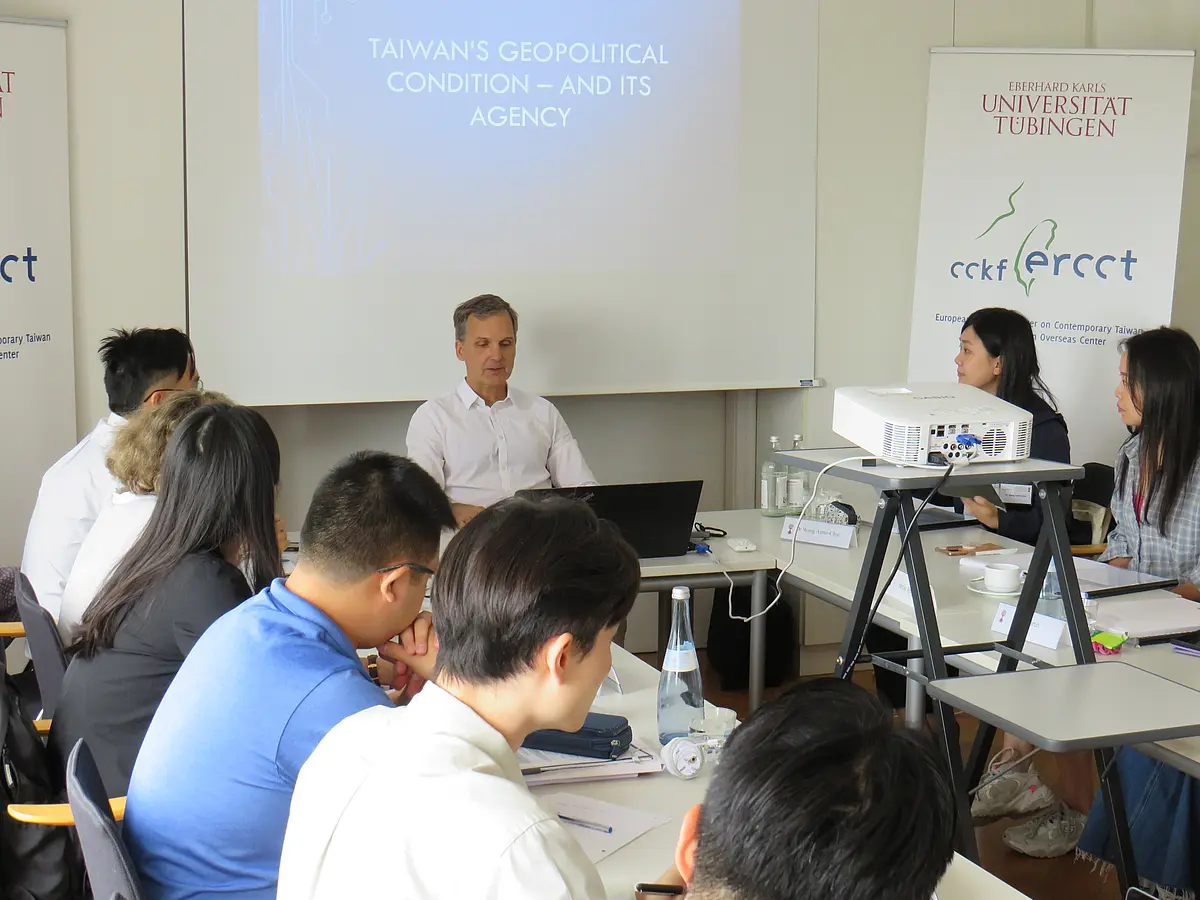
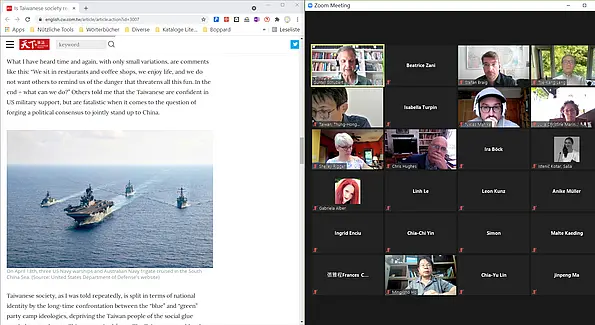
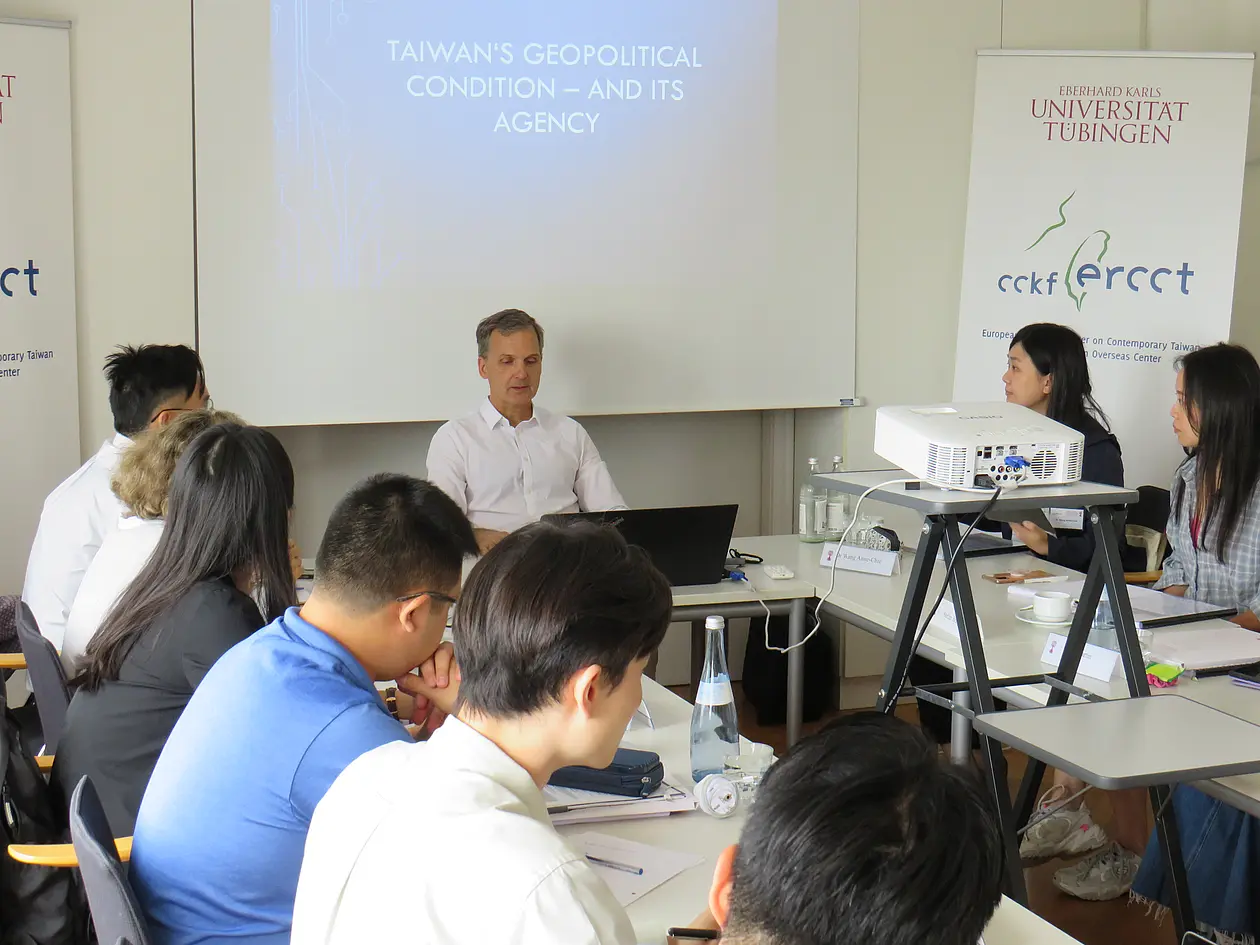
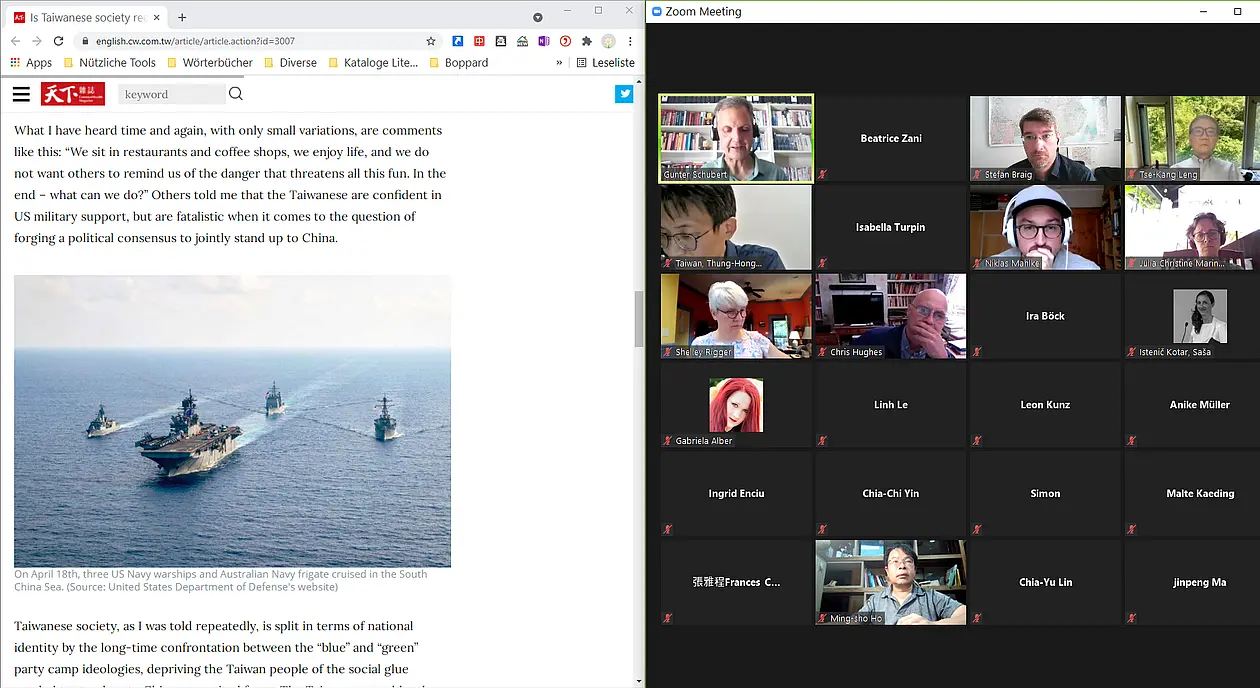
The workshop concluded academically with a roundtable discussion on Taiwan's Current Geopolitical Condition, chaired by Prof. Gunter Schubert. The discussion addressed the rapidly changing strategic environment surrounding Taiwan and the conundrum which the island finds itself in.
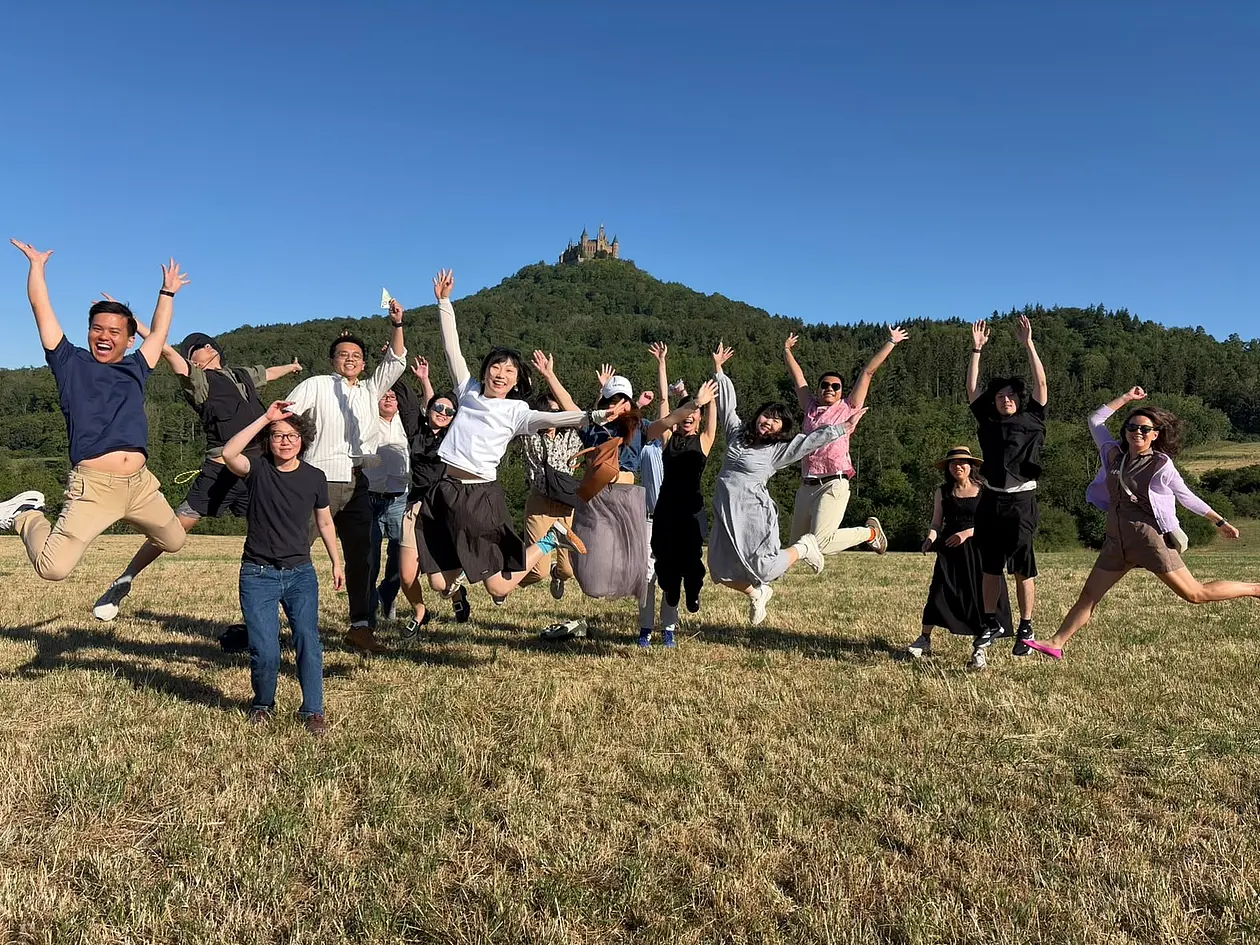
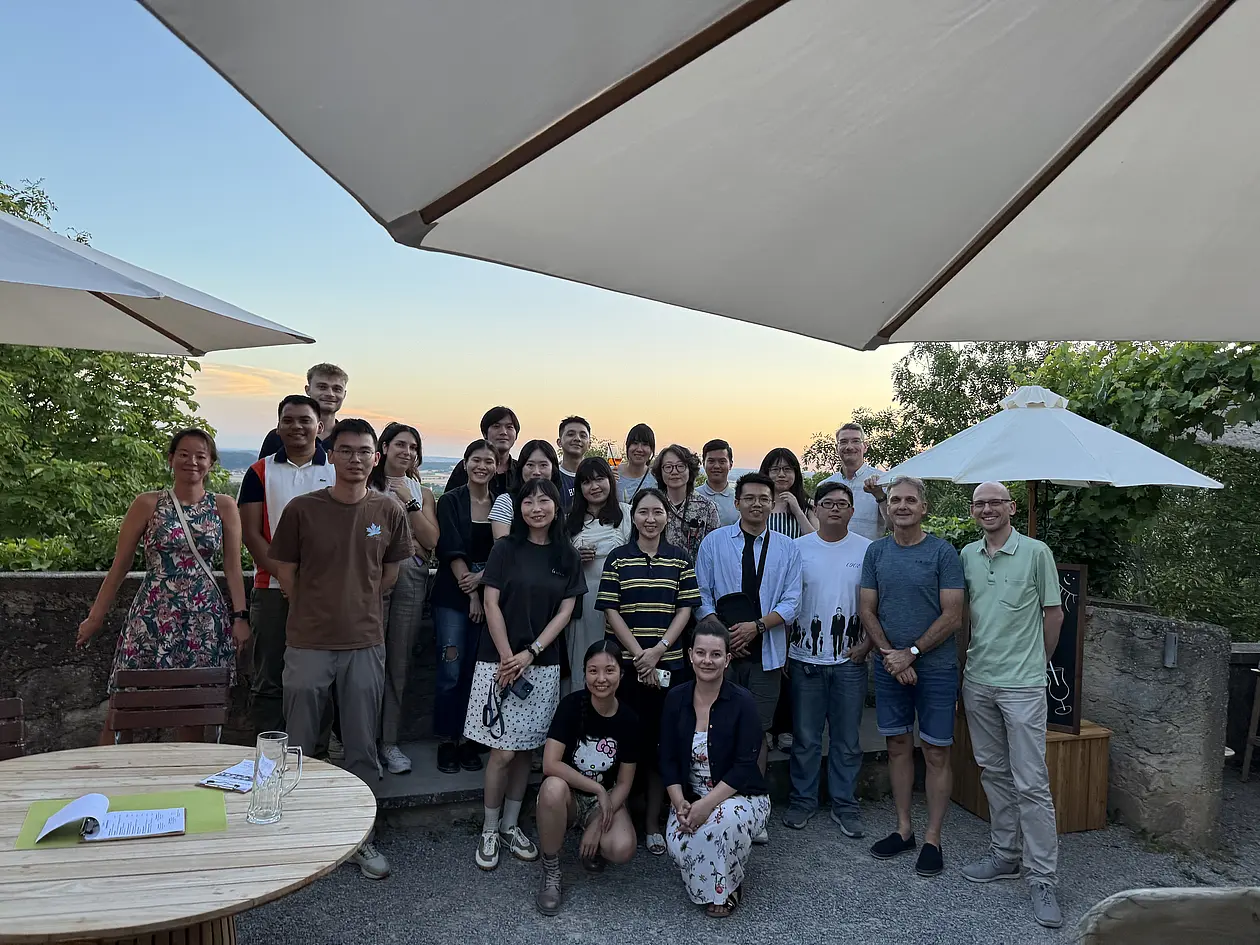
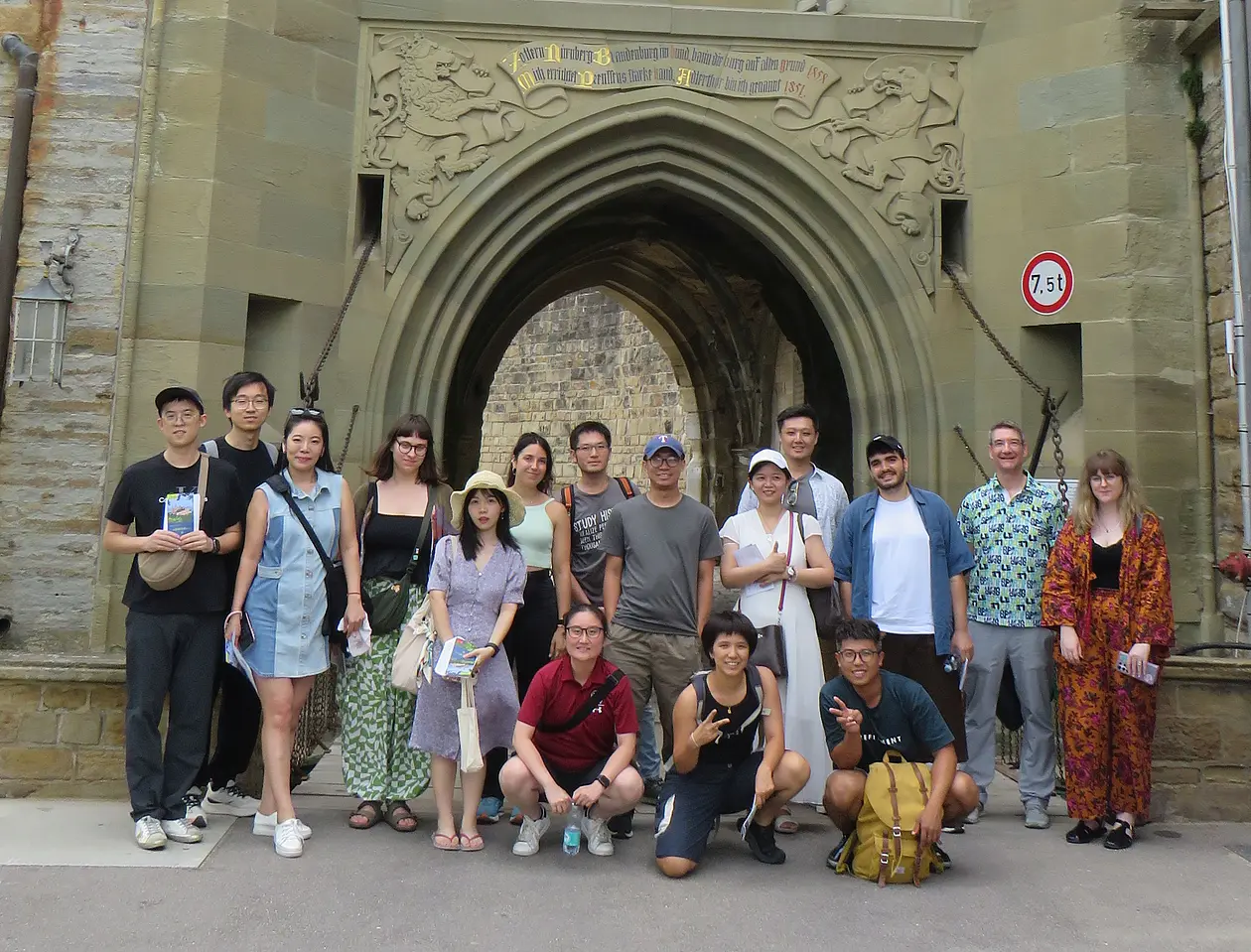
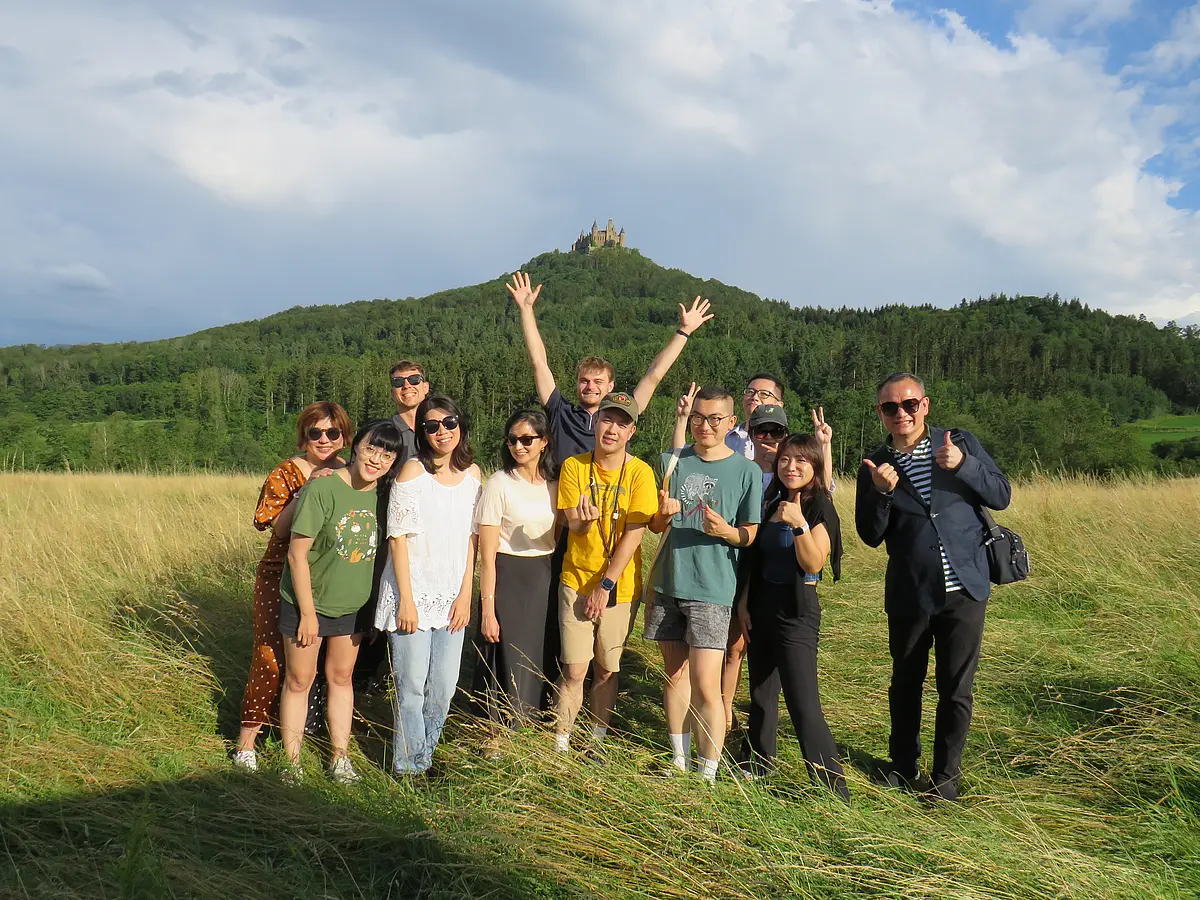
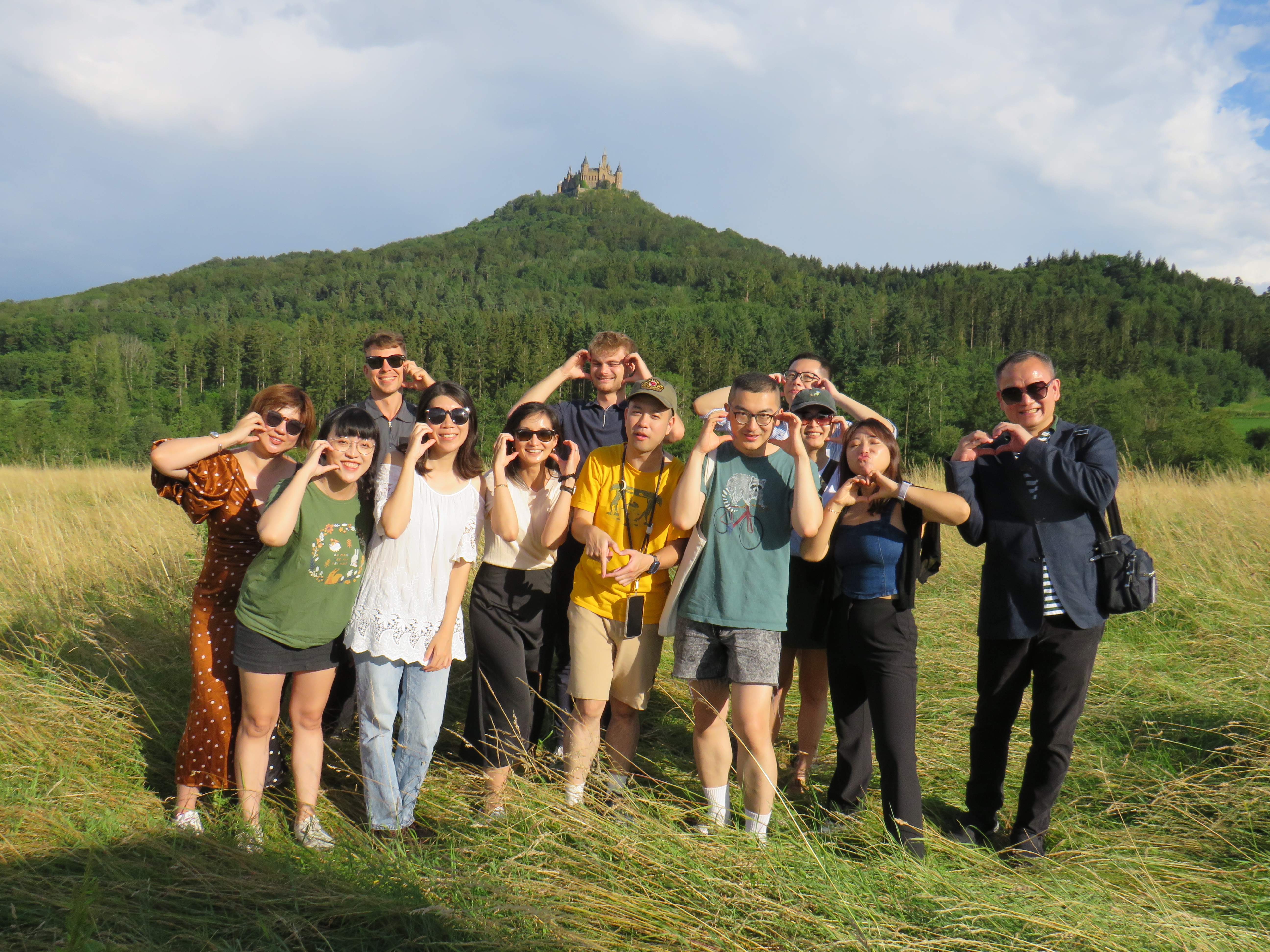
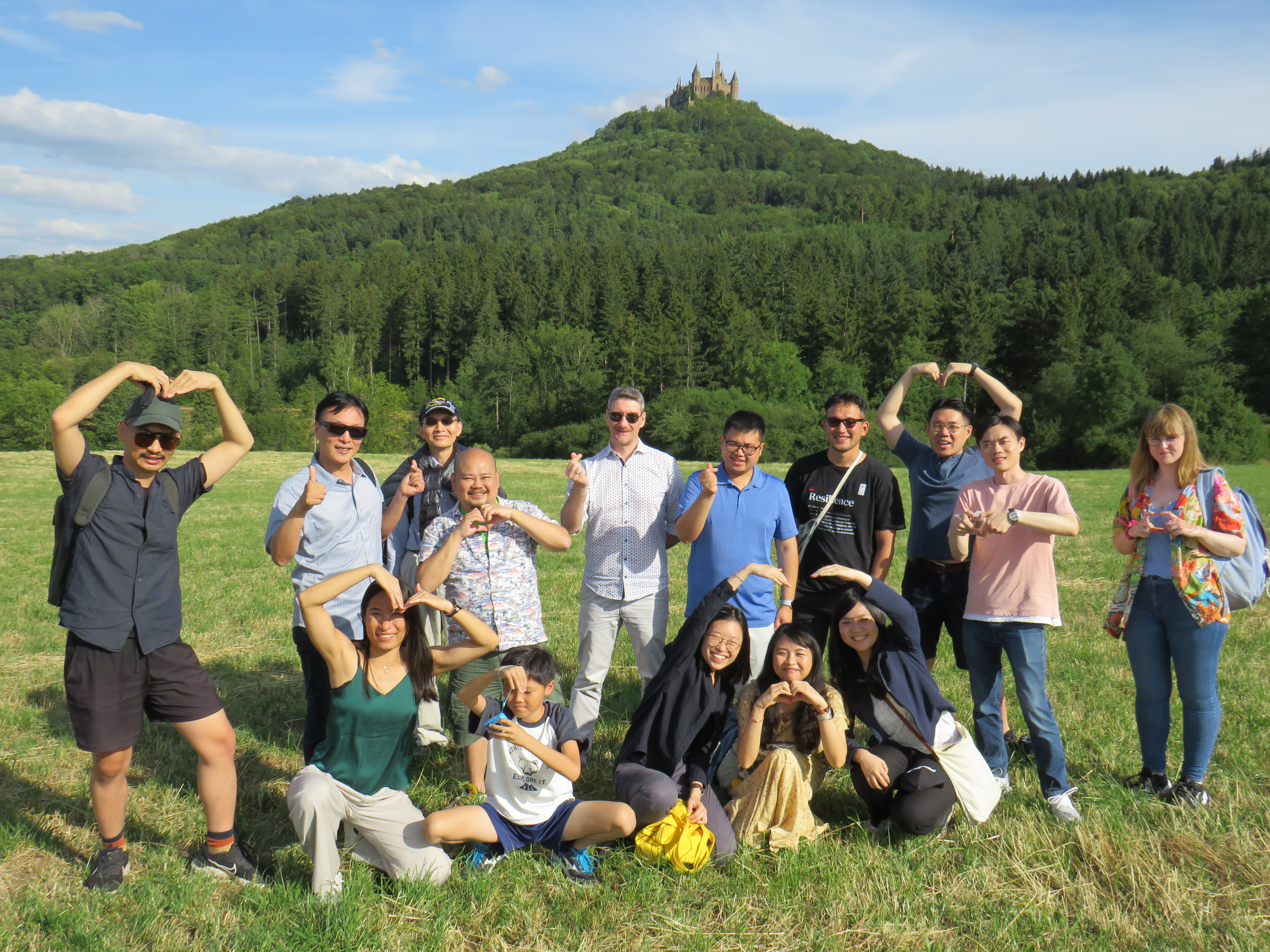
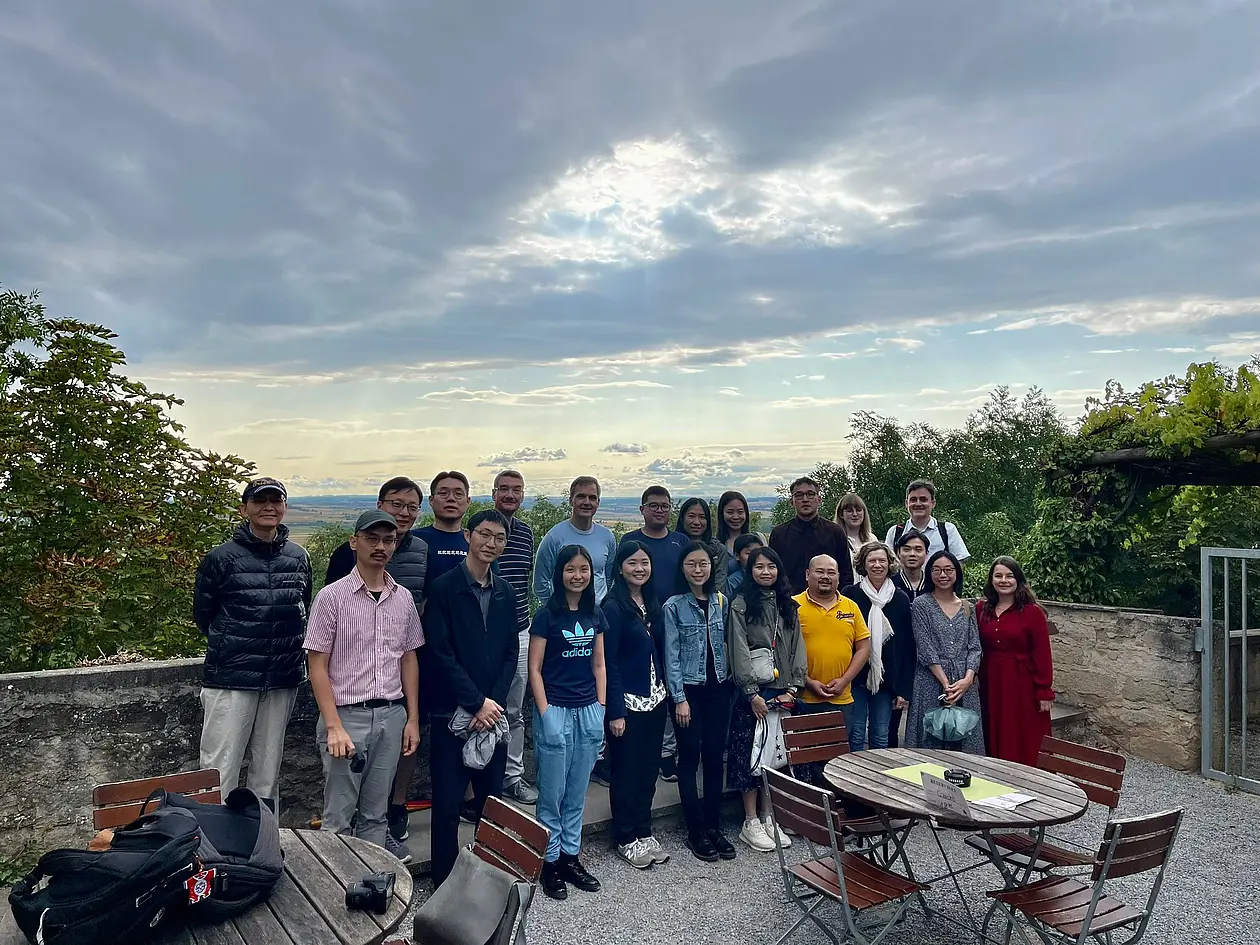
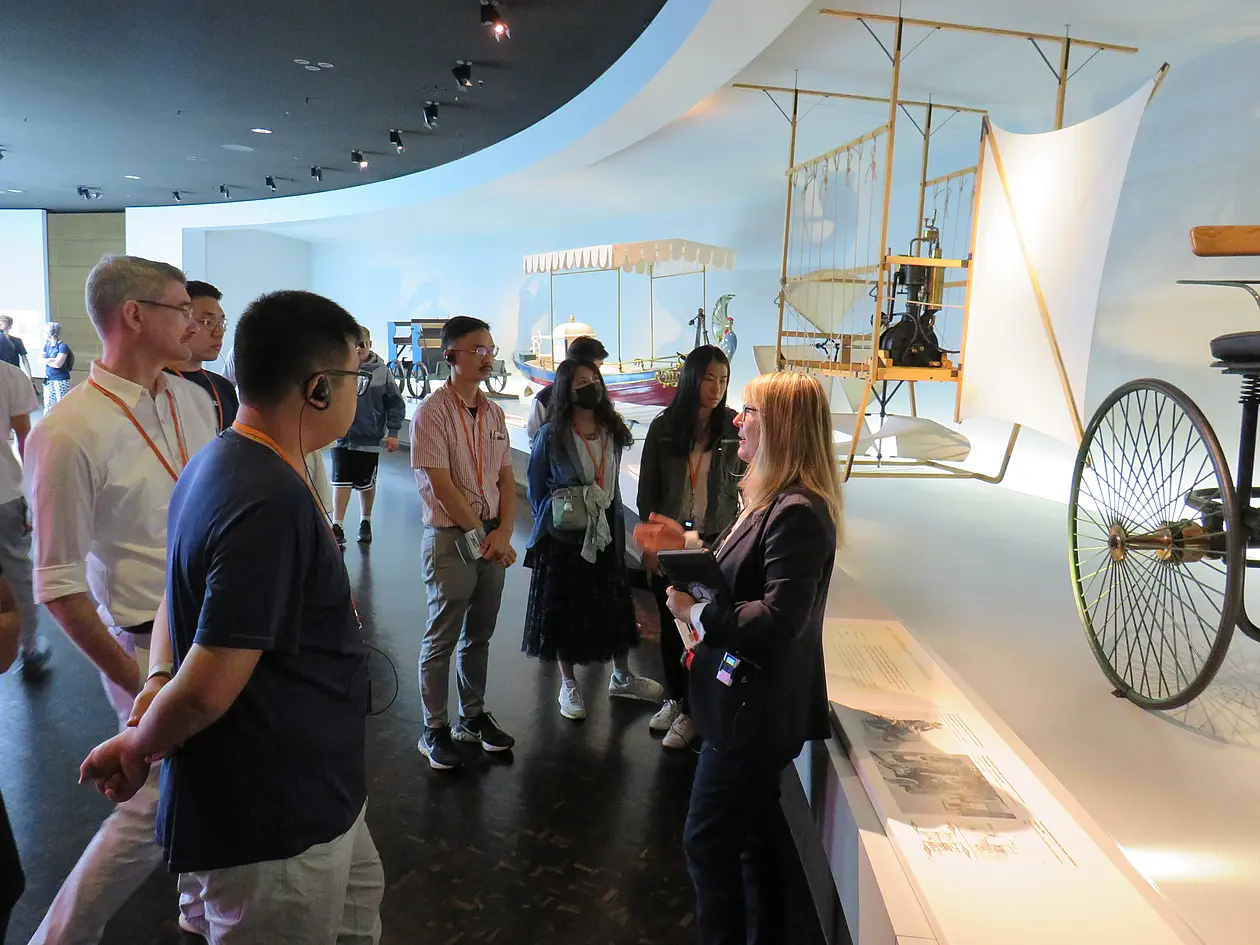
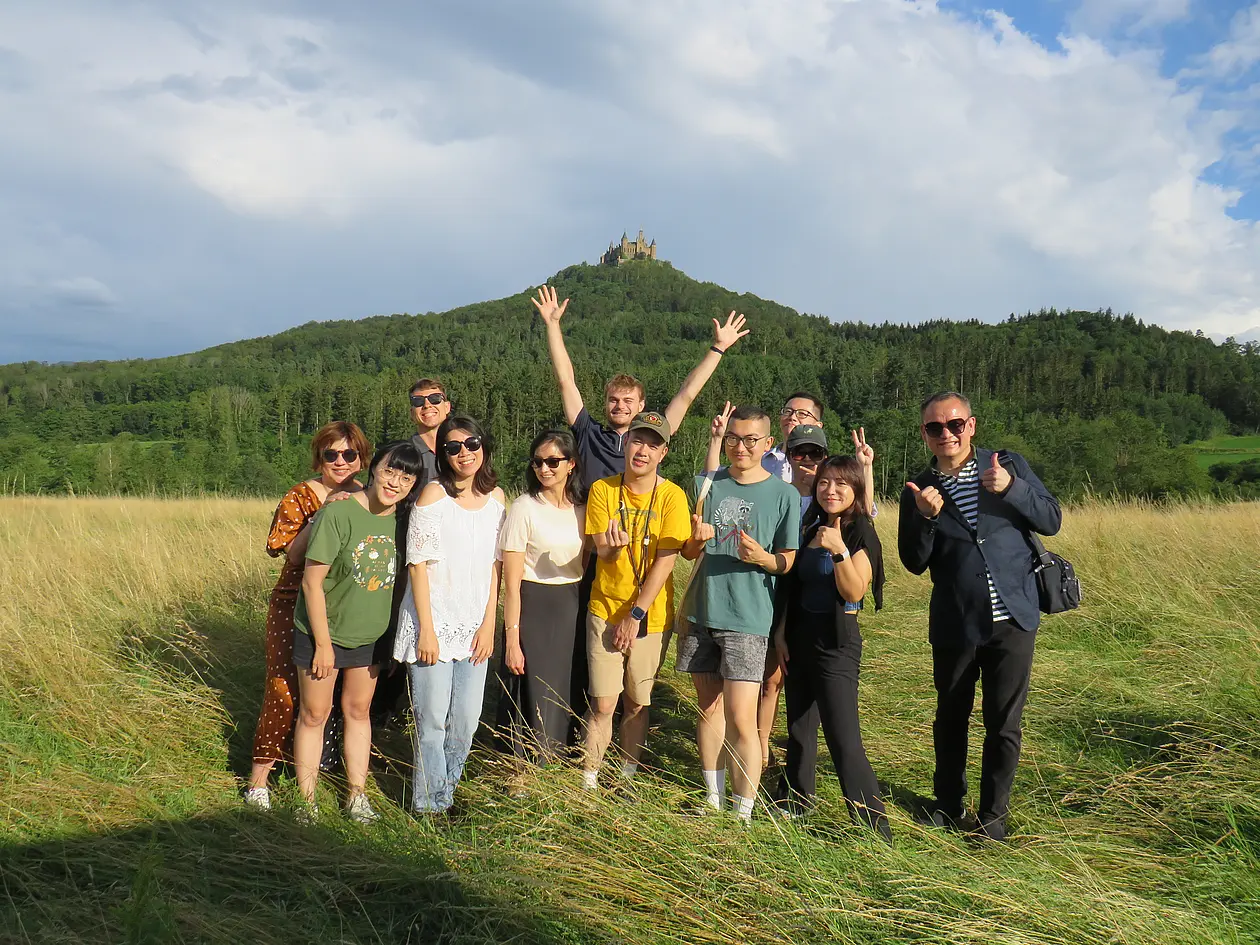
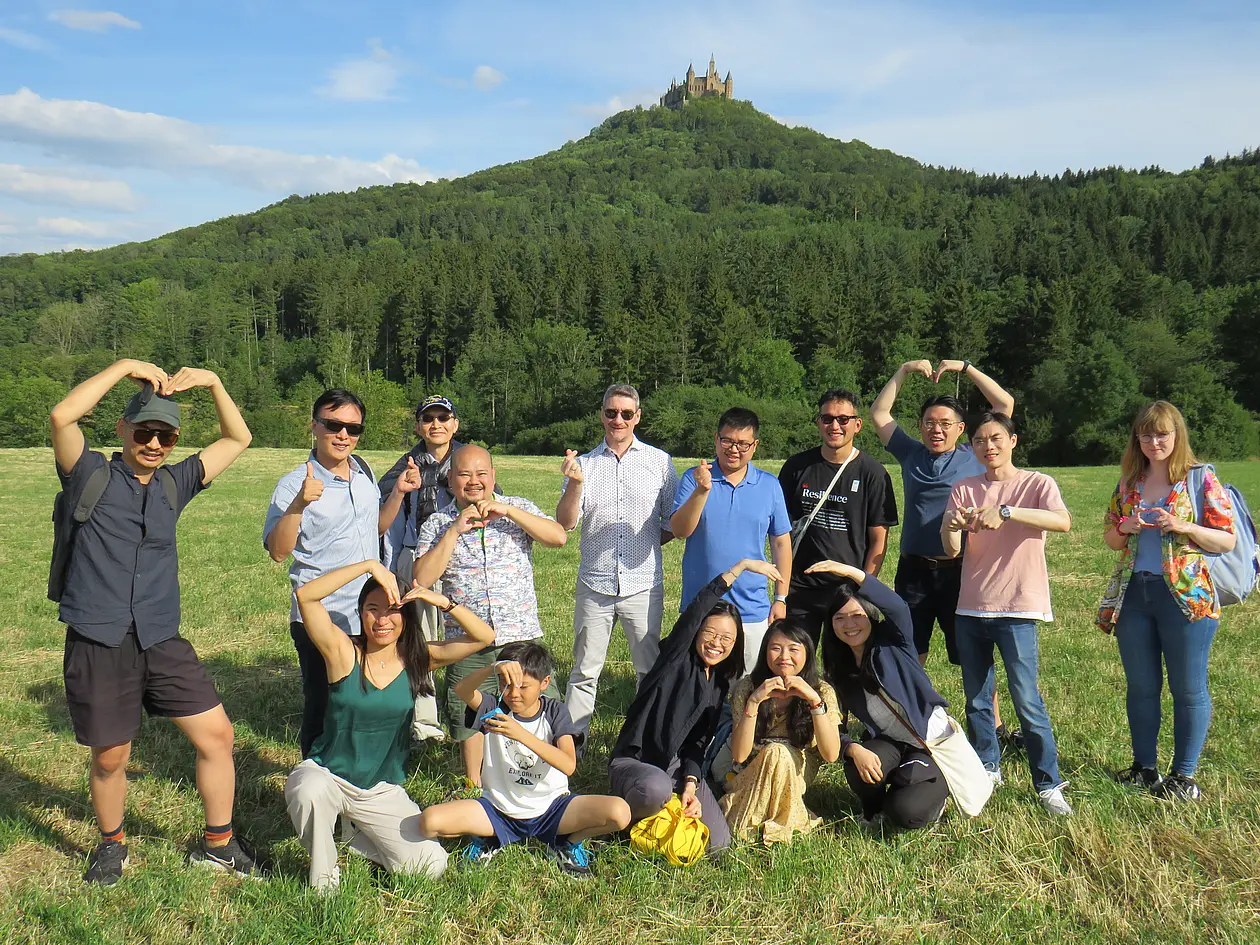
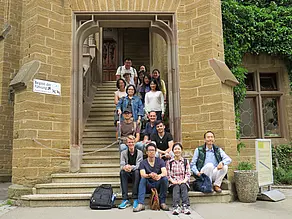
Beyond its academic programme, the workshop once again offered participants the opportunity to explore the cultural heritage of the region. An excursion to Hohenzollern Castle on Thursday afternoon was followed by a visit to the Mercedes-Benz Museum in Stuttgart on Friday. The workshop concluded with a conference dinner at Hohenentringen Castle, providing a festive setting to celebrate a week of intensive scholarly exchange and newly established academic friendships.
Once again, the Taiwan-Europe Connectivity Workshop proved to be an outstanding platform for fostering academic dialogue and strengthening research networks between Taiwan and Europe. By bringing together promising early-career researchers from a wide range of disciplines and providing an environment conducive to critical discussion, interdisciplinary exchange, and international collaboration, the workshop continued to advance the ERCCT's mission of promoting excellence in Taiwan studies and nurturing the next generation of Taiwan scholars.