Zeitgeschichte

Global History & Asia Pacific

'Rough' Postwar Democracies

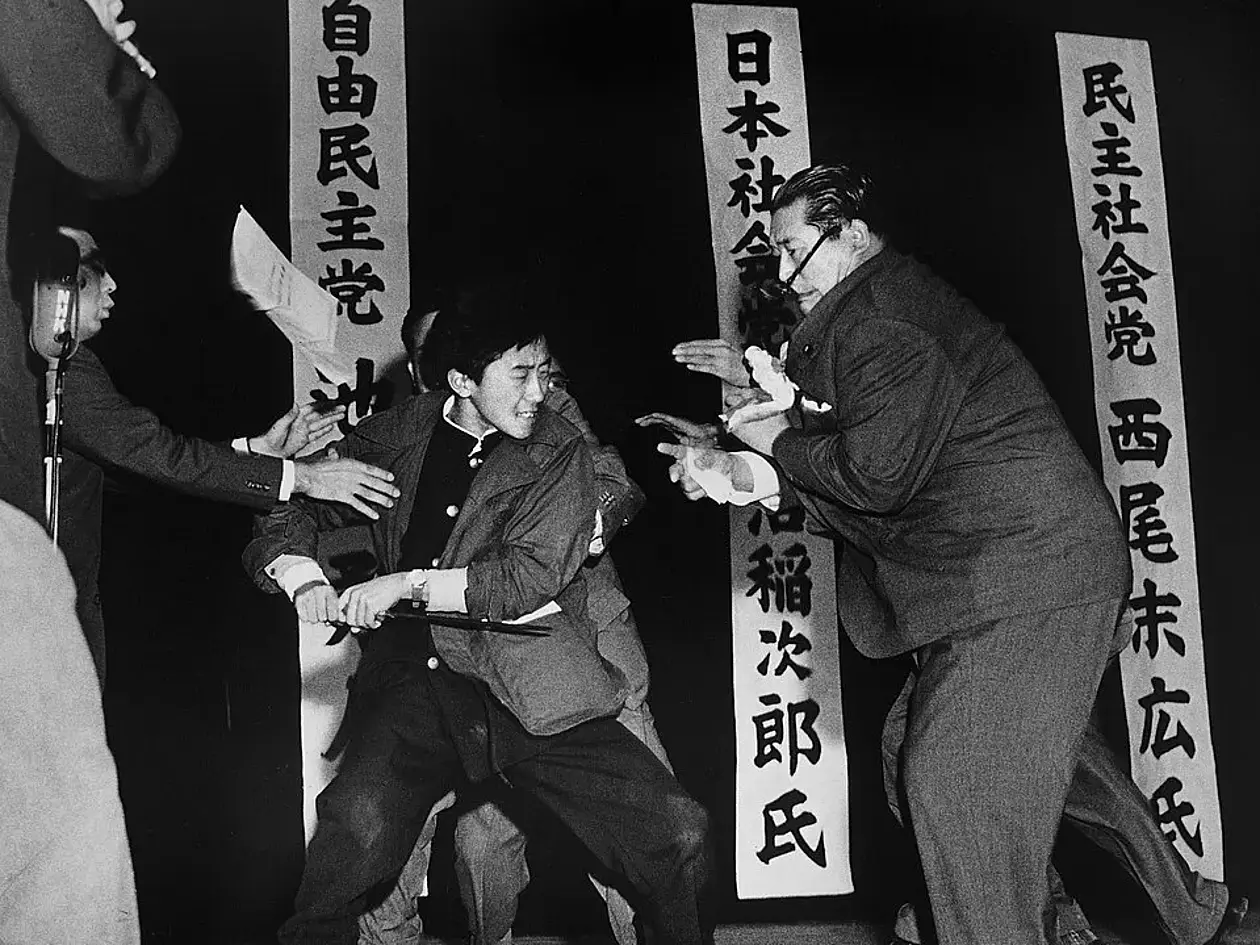
In recent years, historians have increasingly focused on the multifaceted nature of European postwar democracies (see, e.g., Conway 2020; Corduwener 2023). Almost unanimously, they have emphasized the “contained”, “controlled” nature of the first two decades after 1945, effectively declaring this period a sort of golden age of democratic stability. This project posits that postwar democracies during this period were not only “controlled” but also “rough” democracies (see also Nolte 2024 on this concept), in which physical violence remained a persistent feature of democratic conflict resolution. The project is funded by the Gerda Henkel Foundation and is part of its historically oriented sub-program “Democracy as Utopia, Experience, and Threat”. The project is led by Petra Terhoeven (DHI Rome), Robert Kramm (University of Tübingen), and Sonja Levsen (University of Tübingen).

More information.

In the Shadows of Lighthouses: Hidden Histories in and of the 19th Century Asia Pacific

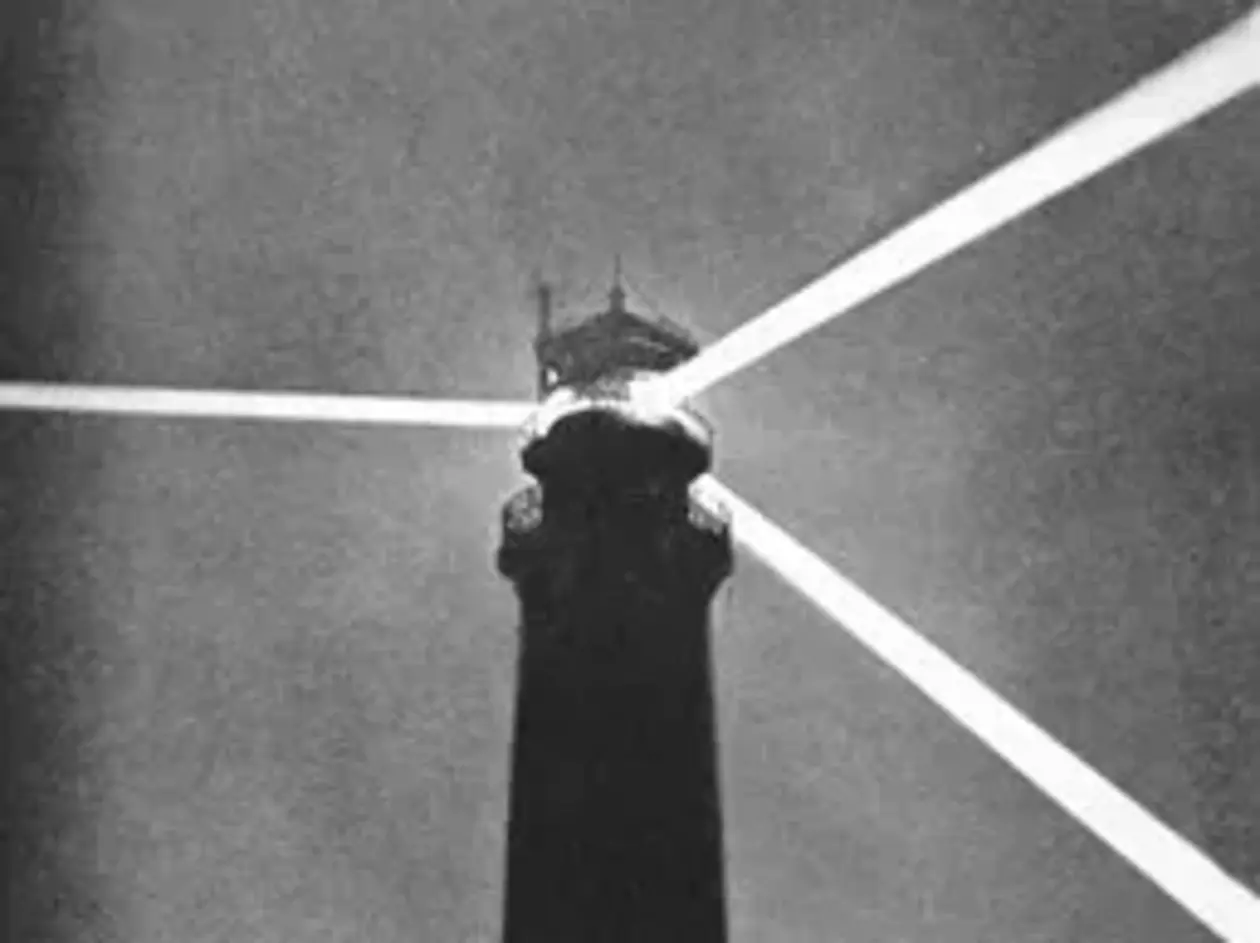
In the Shadow of Lighthouses is a global history of everyday life and technology that uses individual lighthouses to tell hidden, forgotten, and lesser-known stories of the 19th century Asia-Pacific. Through individual episodes, it examines trans-imperial entanglements facilitated by the expansion of imperial infrastructure, labor and migration regimes, as well as environmentalism and technology transfer. The regional focus is on Japan, Hawai’i, and the North American West Coast in the northern part of the Pacific Ocean. The goal is to highlight conflicts and frictions in the history of the Asia-Pacific by tracing the darker sides of the supposed success story of modernity: The project writes tensions and mishaps as well as disasters and failures into this history, and it further pushes ruptures, discrepancies, and inconsistencies as analytical categories in historical research. (Robert Kramm)

Besatzungsalltage: Race & Sex in Occupied Japan and Germany after WWII from Global History Perspectives

Besatzungsalltage explores opportunities and challenges of writing a transnational comparative and entangled history of occupied Japan and (West-)Germany after WWII. Based on Japan and Germany’s shared history of military aggression and occupation—both first occupier than occupied—, it will underscore the transnational character of post-WWII occupations at a global moment of decolonization with its historic specific forms of racism as they developed in the 1950s. Pivotal to the project will be analyzing the multiple forms of racist, sexist, and class-based discrimination as well as physical violence in peoples’ everyday life. (Robert Kramm)

The Search for Water beyond Modern Infrastructures in the 19th and 20th Centuries

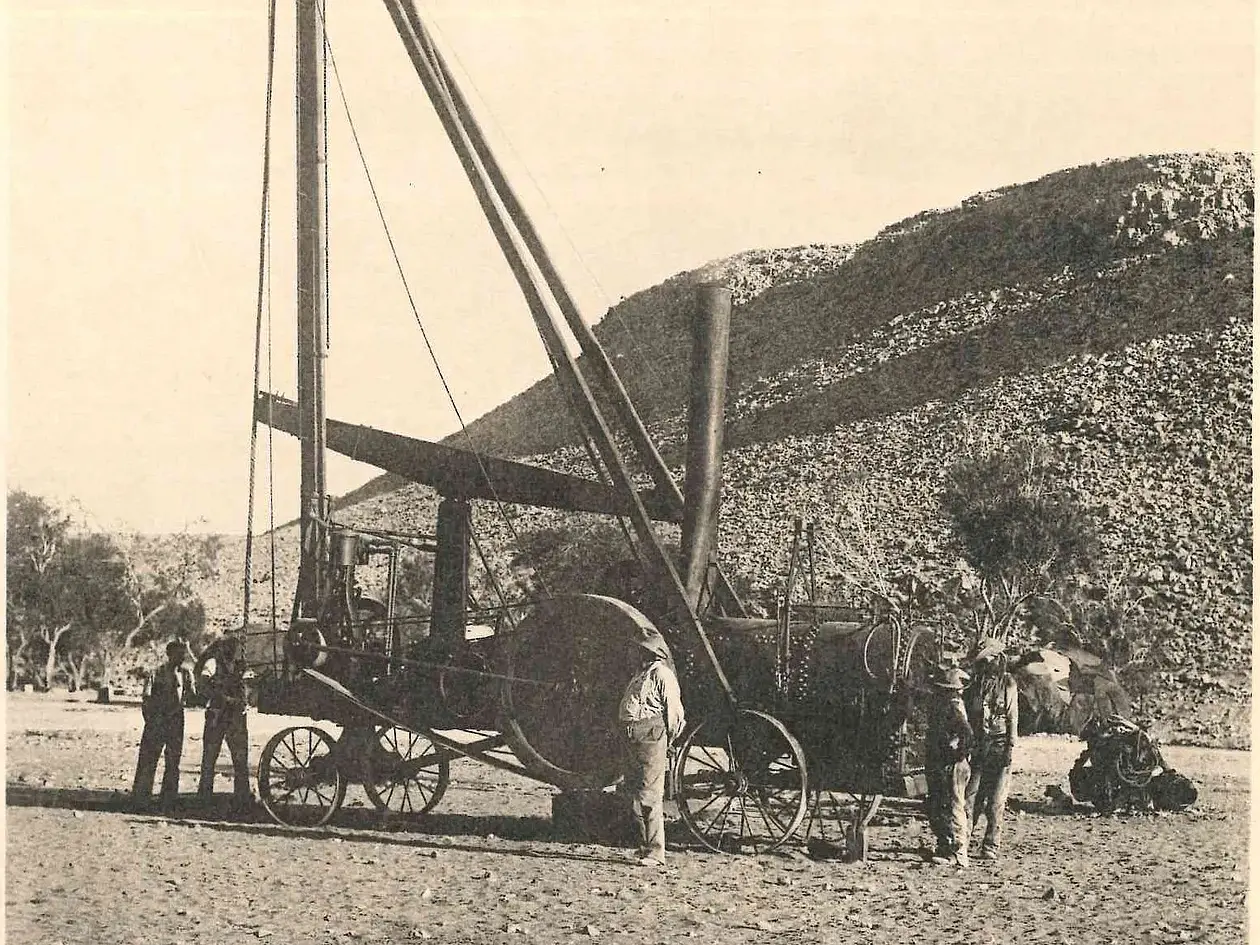
In my project, I am interested in a history of knowledge and the environmental history of the search for water from a trans-imperial perspective (British and German Empire, USA). Therefore, I investigate practices and forms of knowledge of the search for water, especially in imperial expansion movements since the late 19th century and into the age of decolonization. I focus on arid regions in Southwest Africa, East Africa and the USA. (Robert Pursche)