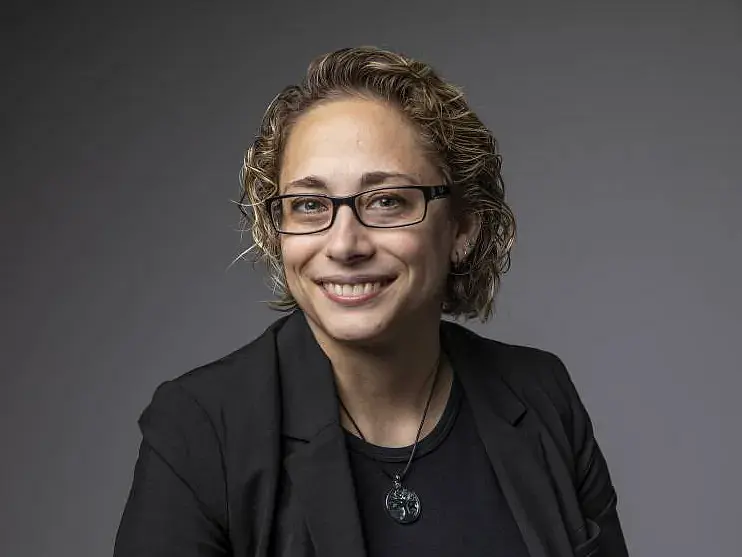
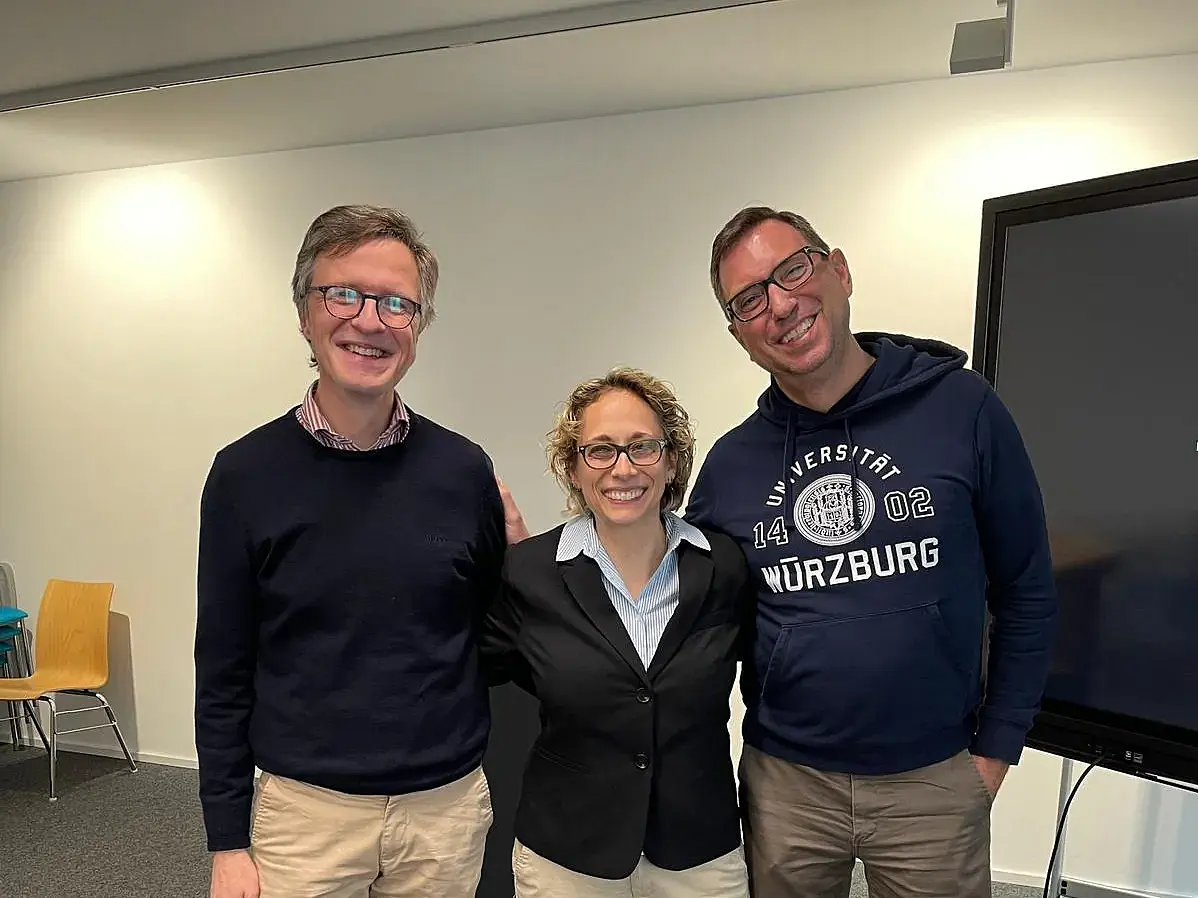
On 26.05. Prof. Dr. Stephanie Budwey, Tennessee/USA presented results of her research on history of discourse on gender-sensitive liturgical studies for discussion in a small expert discussion at the University of Würzburg (LS Prof. Dr. Martin Stuflesser). An abstract of the lecture can be found below.
The event has been organized by the Chair of Liturgical Studies in Tübingen - Prof. Dr. Stephan Winter. The expert discussion takes place in the context of a larger handbook and research project in which Budwey and Winter are both involved.
Digital participation was possible for those interested.
Abstract:
This talk begins by discussing the role of gender in liturgical studies, including the embodied nature of worship and the normative assumptions around sex, gender, and sexuality that are inscribed in various aspects of the liturgy such as liturgical language and participation. Next is a look at the history of gender discourse in liturgical studies, reflecting on the influence of the second wave of the women’s movement in the 1960s and 1970s and the impact this had on liturgy, such as changes in liturgical language and the creation of new rites and rituals that reflected women’s experiences and spirituality. This is followed by an exploration of the shifts in gender discourse in liturgical studies, moving away from a narrow and binary understanding of gender to a more expansive notion that incorporates intersectional approaches, including a womanist lectionary and rites and rituals that reflect the experiences and spiritualities of LGBTQIA+ people. Finally, gender discourse in the future of liturgical studies is considered in light of the continued exclusion of women and LGBTQIA+ people from various aspects of worship such as liturgical leadership and language, calling for a move from sexual dimorphism to sexual polymorphism in order to create liturgies of livability and avoid inflicting liturgical violence.