Interfaculty Research Institute for Sports and Physical Activity

The mobile activity lab for individualized physical activity and health promotion at the Interfaculty Research Institute for Sports and Physical Activity at the University of Tübingen

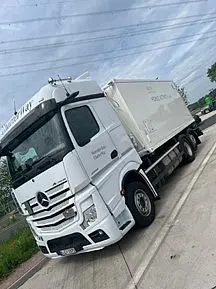
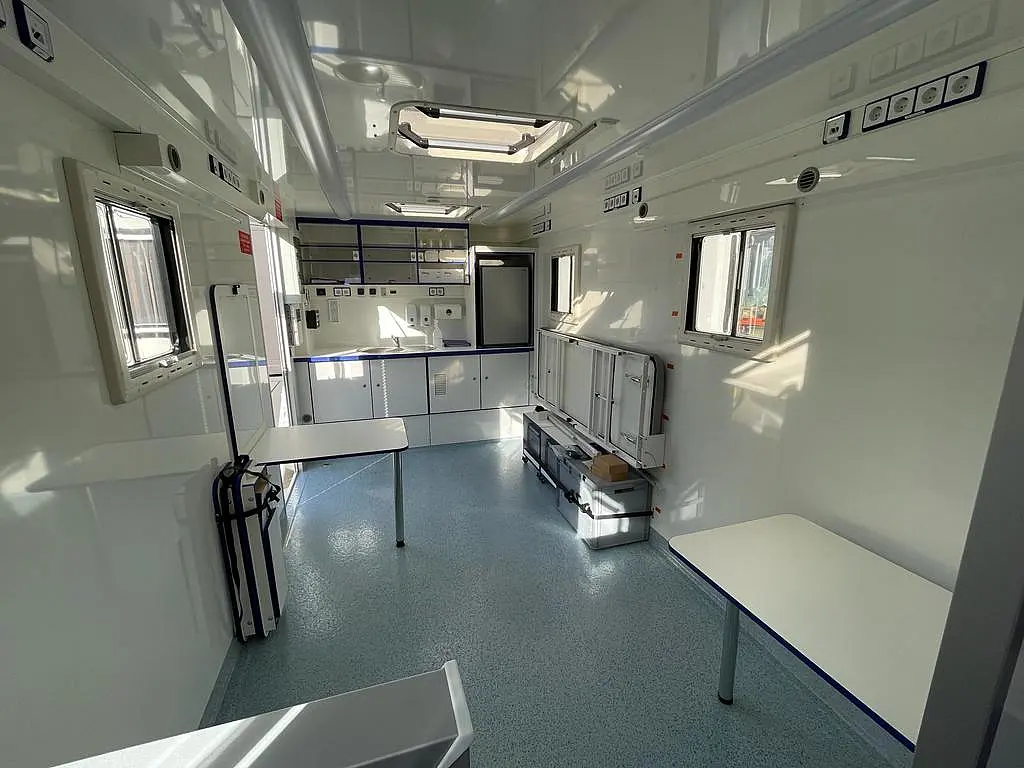
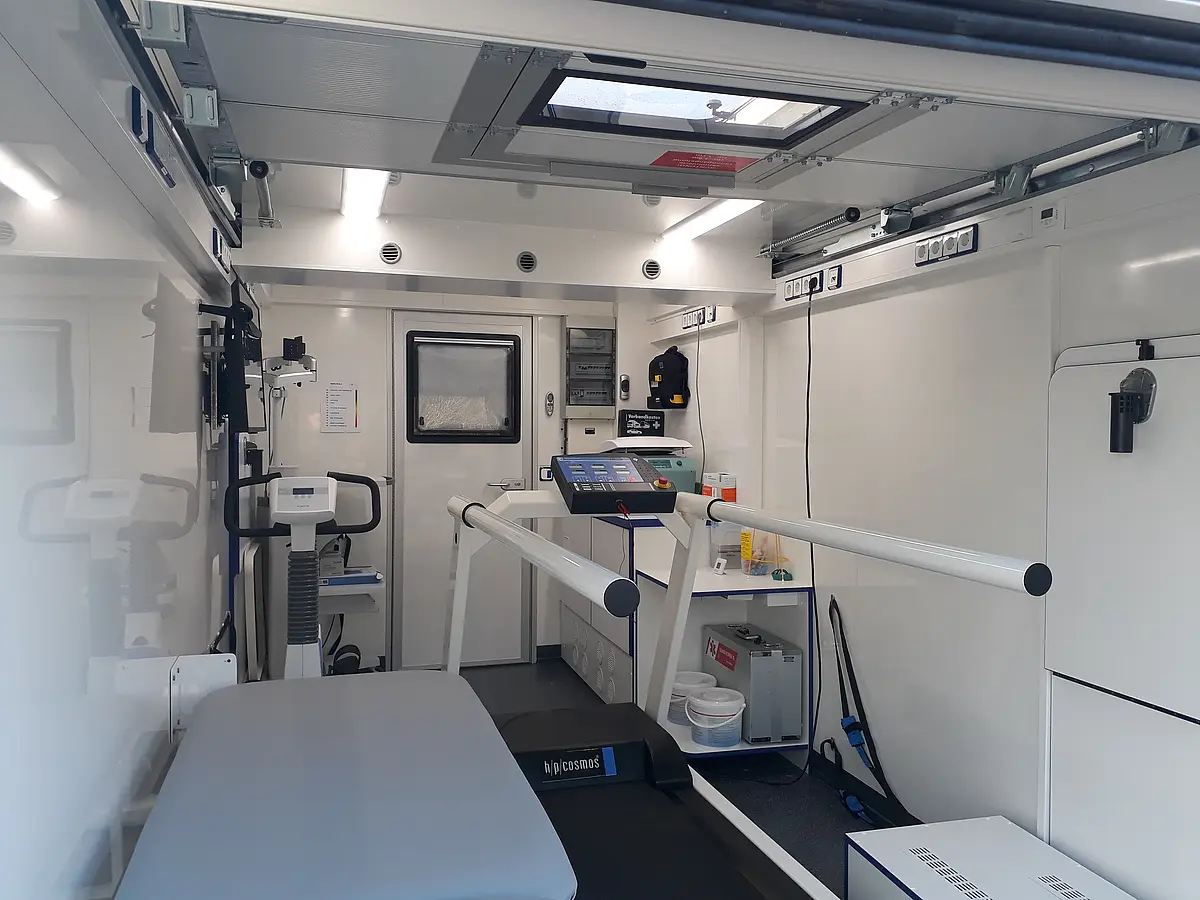
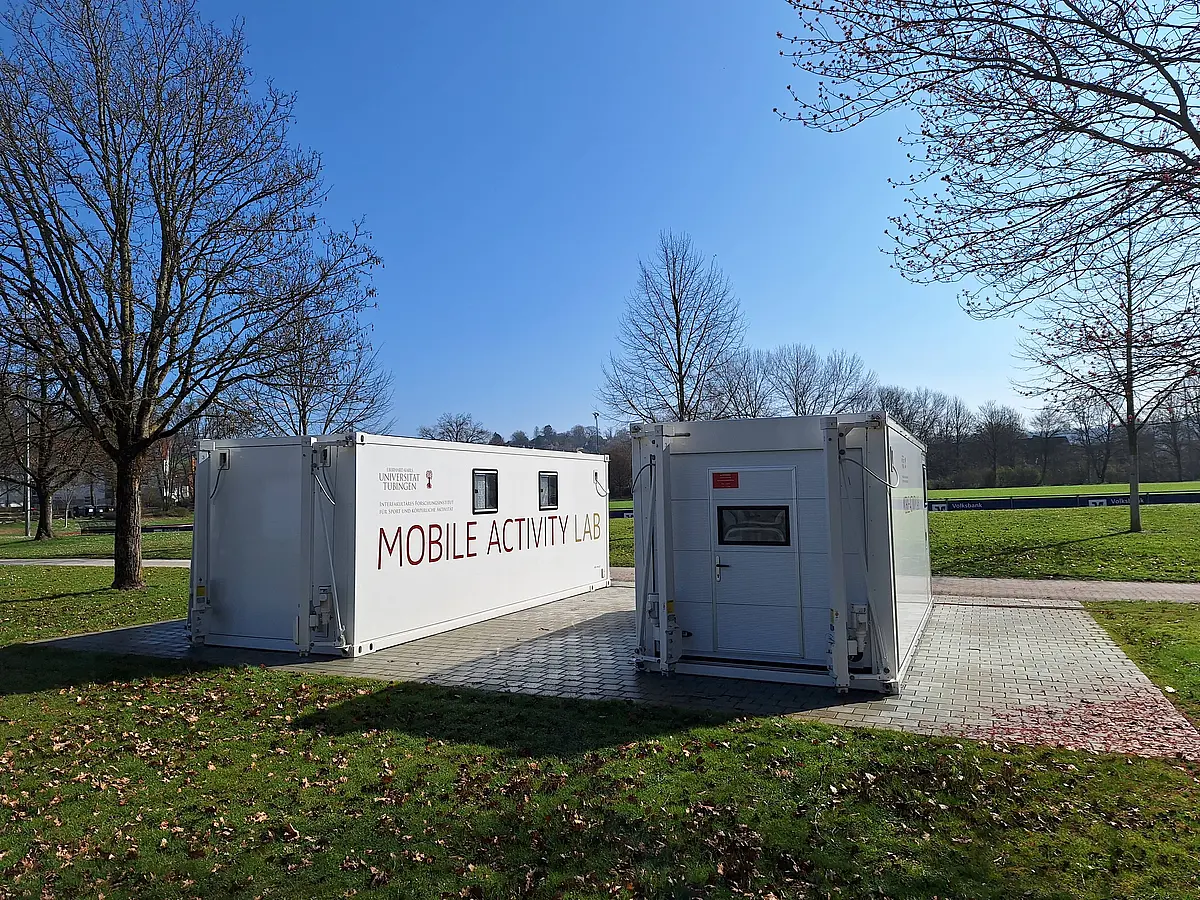
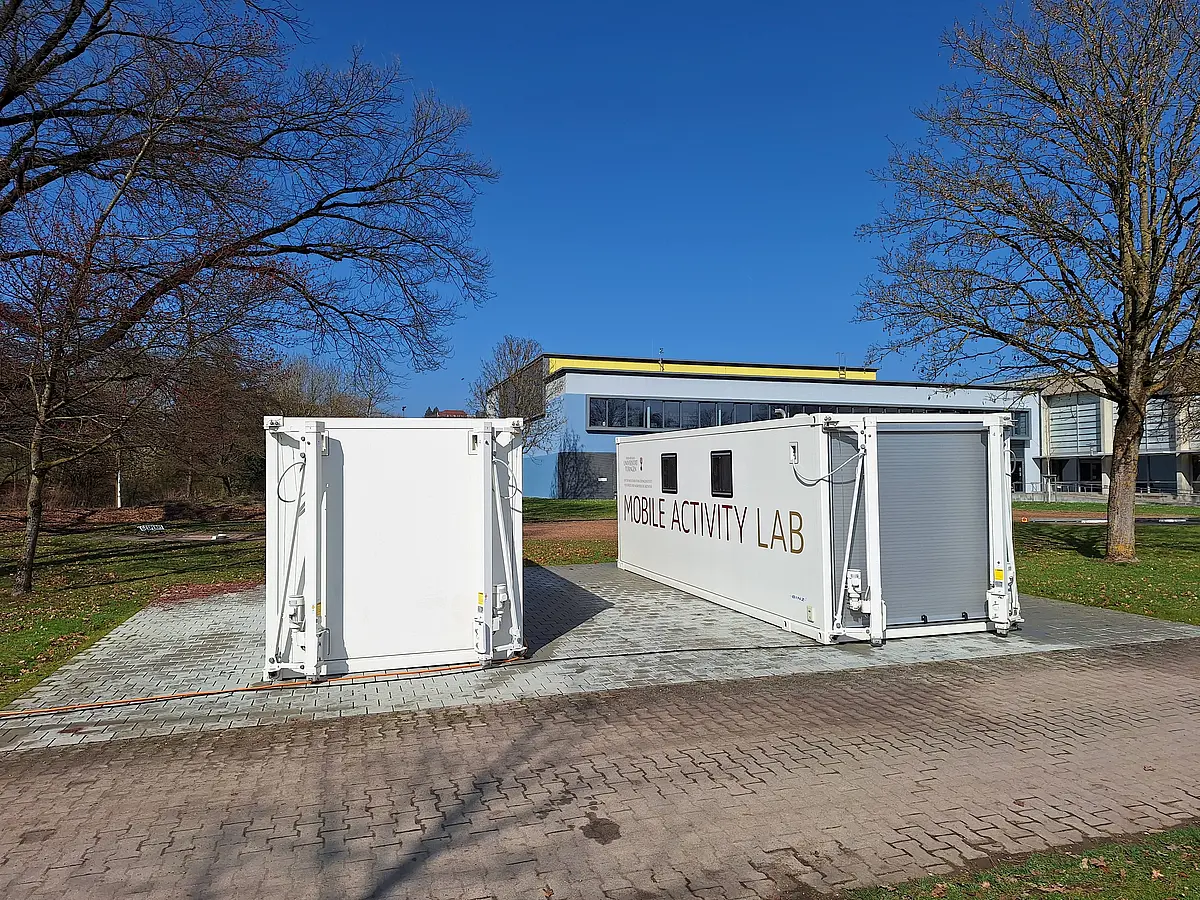
The Mobile Activity Lab (MAL) is a mobile container lab that can be transported on a truck and contains two modules with a comprehensive range of sports science and (sports) medicine methodology tools. It enables scientific research regarding the conditions and effects of physical activity under real-world conditions – especially in people who are physically inactive. Furthermore, the translational approach of the project enables a close link between research and activity-related counselling, training, and service offerings as a benefit for various target groups. 

A particular strength of the interdisciplinary MAL concept is the integration of further disciplines and expertise beyond the core subjects of sports science and (sports) medicine, which has already been successfully demonstrated in various interdisciplinary projects. Current and socially relevant topics are specifically addressed with the MAL concept.

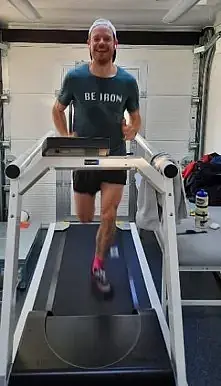
Supported by the Adolf Leuze Foundation (2020–2024), project management was initiated and the MAL infrastructure was further expanded. The MAL was equipped with a specially designed climate module, enabling heat exposure tests to be carried out. The PräHIT study (“Analysis of predictors for individual heat tolerance in triathlon”) examined the extent to which endurance exercise leads to a disruption of the intestinal barrier function and whether this correlates with possible gastrointestinal complaints during competition in triathletes.

Funded by the Federal Institute for Sports Science, the project examined the behavior of so-called “leaky gut” parameters in the blood and the intestinal microbiome. Among further investigations, this took place under standardized laboratory conditions within the MAL as well as under real-world on-field conditions during a half-distance triathlon. The initial results show a reproducible increase in “leaky gut” parameters on the individual level both under competition and laboratory conditions. Further findings, such as the analyses of the gut microbiome, are still pending. First findings on this topic have already been published (Beiter et al., Physiol Rep. 2025 Apr;13(7): e70305. doi: 10.14814/phy2.70305).

In addition, the MAL is being used in the setting of educational institutions in Baden-Württemberg, particularly in the districts of Tübingen, Esslingen, and Heilbronn, being part of the Wundine project (“Scientific Evaluation of the ‘Wundine on Wheels’ Swimming Mobile Offers”). Initiated by the Josef Wund Foundation, the program focuses on teaching swimming skills to (pre-)school children, focusing on water familiarization, coping with water and acquiring basic swimming skills. The use of mobile swimming pools (SchwimmMobile) expands the opportunities for (pre-)school children to take swimming lessons in their local area. In combination with the MAL, this forms an excellent basis for translational exchange. The aim of this project is to record the effects of the SchwimmMobile concept in a child-friendly manner, based on a holistic understanding of aquatic physical literacy, i.e. the ability to engage in physical and sporting activities in the aquatic environment. By drawing the results, implications for quality development of the SchwimmMobile concept will be derived in a further professional exchange with all stakeholders involved.

Furthermore, the MAL working group provides scientific support and evaluation for the program “Vorschulkinder lernen schwimmen” run by the Foundation Kinderland Baden-Württemberg and the Wiedeking Foundation. The aim is to promote swimming skills among preschool children through ten innovative projects, including the SchwimmMobil project run by the Josef Wund Foundation.