College of Fellows

COLLEGE OF FELLOWS
Center for Interdisciplinary and Intercultural Studies

The College of Fellows is the Tübingen model of a university-based Institute for Advanced Studies. It is addressed to all international postdocs and research fellows at the University of Tübingen. As a platform for research, networking and events, the CoF invites all university members to actively participate in shaping the international and interdisciplinary exchange within the university and with the public.
More Information about the College of Fellows

All Upcoming Events


10 August | CoF Lecture | Professor Robin Wang | "Can AI Learn relational responsiveness? Subtle Proximity and a Dao-Based Model of Intelligence"

10 August | Workshop with Professor Robin Wang | "Dwelling in Clarity: Zhuangzi’s Ming (明) and Subtle Proximity"

24 – 29 August | Summer School | "Way and Being: Between Daoist and Presocratic Approaches"

Vacancies

Administrative Assistant (m/f/d, E 9b TV-L, 50/30%)

The College of Fellows at the University of Tübingen is seeking to hire

an administrative assistant (m/f/d, E 9b TV-L, 50/30%)
for the College of Fellows – Center for Interdisciplinary and Intercultural Studies

The position is to be filled as soon as possible, and is a fixed-term appointment until 31 December 2028, in line with the duration of the Early Career Rescue Fellowship Program. The position is a part-time position, with 50% until 30 June 2028, and 30% from 1 July to 31 December 2026. The position will be appointed by the Central Administration of the University of Tübingen.

Read the detailed job description here (in German).
We look forward to receiving your application via email by 9 August 2026, to niels.weidtmannspam prevention@cof.uni-tuebingen.de.

News

From TikTok to the Ballot Box: Gendered Grievances and Democratic Erosion in Transatlantic Perspective

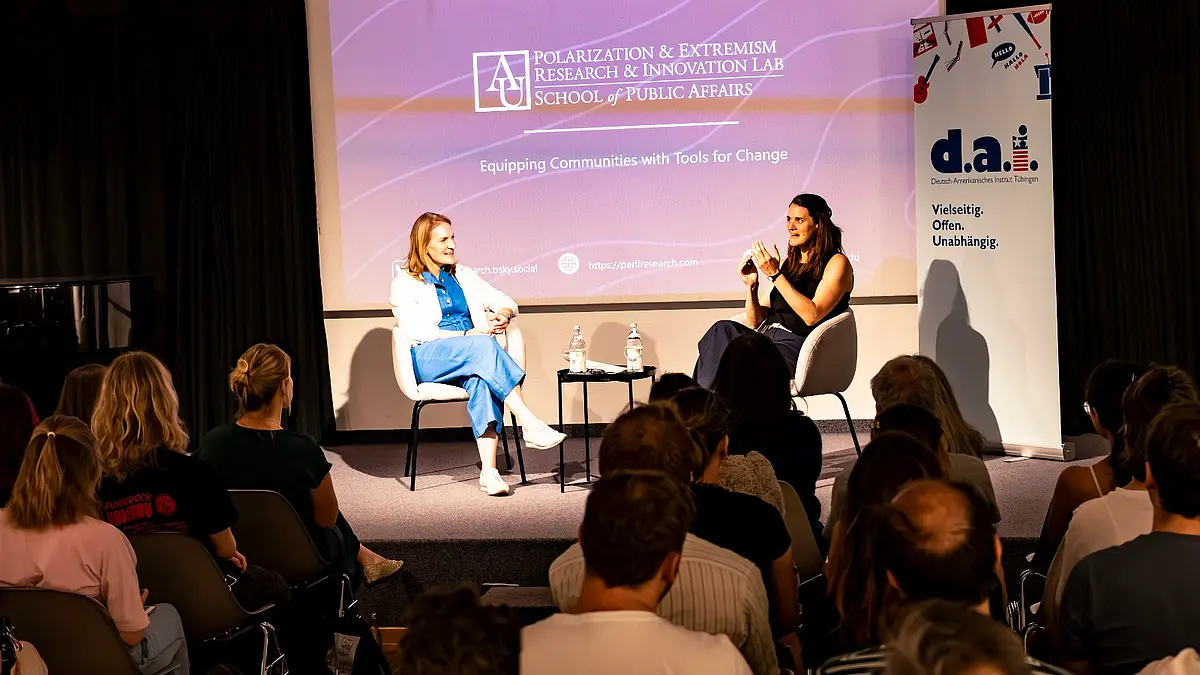
On 13 July, we enjoyed a thought-provoking evening with New Horizons Fellow Cynthia Miller-Idriss who discussed her insights from talking with 18–24 year-olds in the US, Canada, Kenya, and Jordan about what they experience online. 
Her research goes beyond the familiar debate about harmful algorithms, and uncovers a trifecta of outrage, retrenchment, and isolation that not only harms gender equality, but also eats away at the common ground democracies depend on. This results in the pressing question, of what this might mean for our shared democratic values.
The evening was a cooperation event between the College of Fellows, the German American Institute (d.a.i.), and the Institute for Research on Far Right Extremism (IRex). 


Mercator Fellow Rita Segato on feminism, power, and coloniality

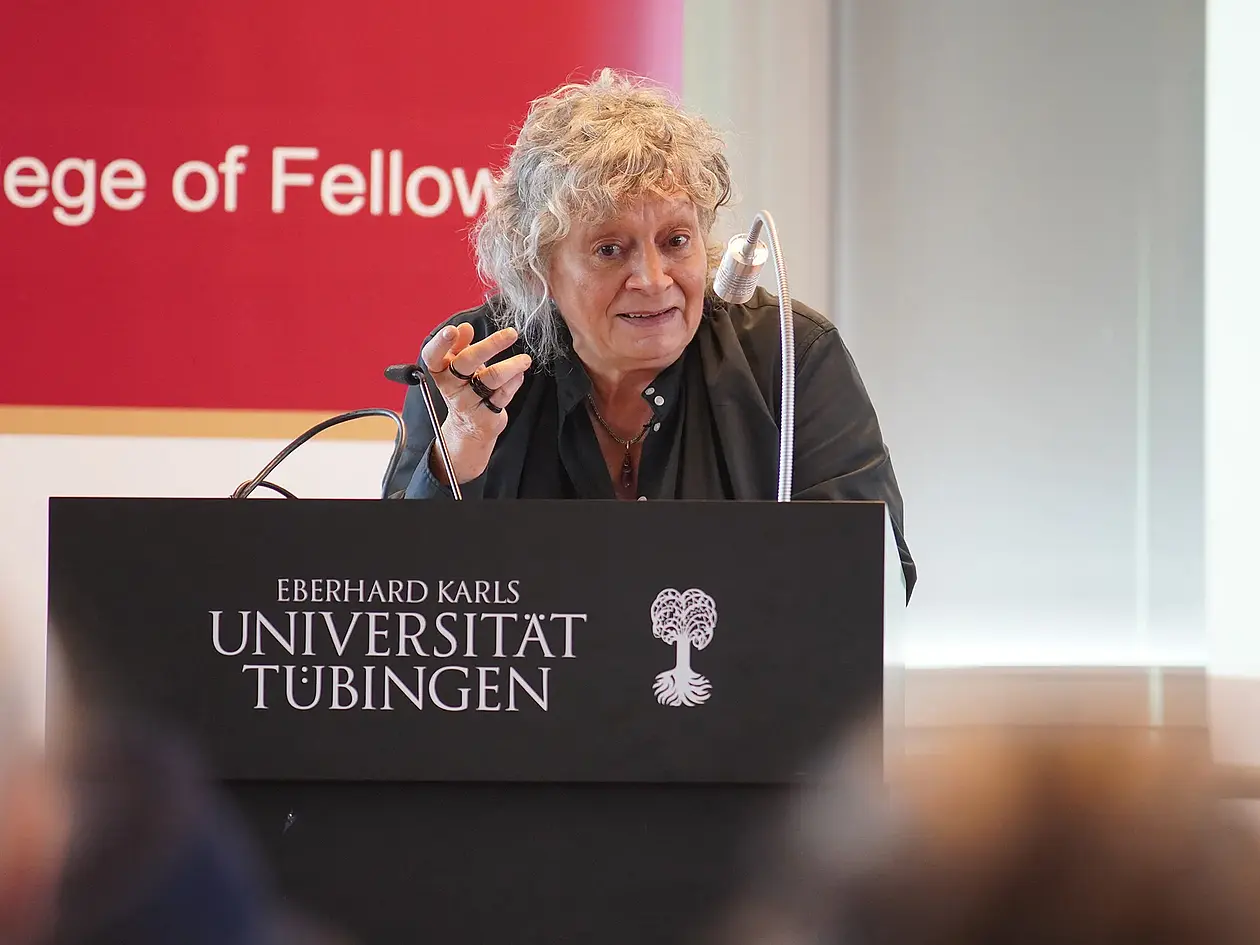
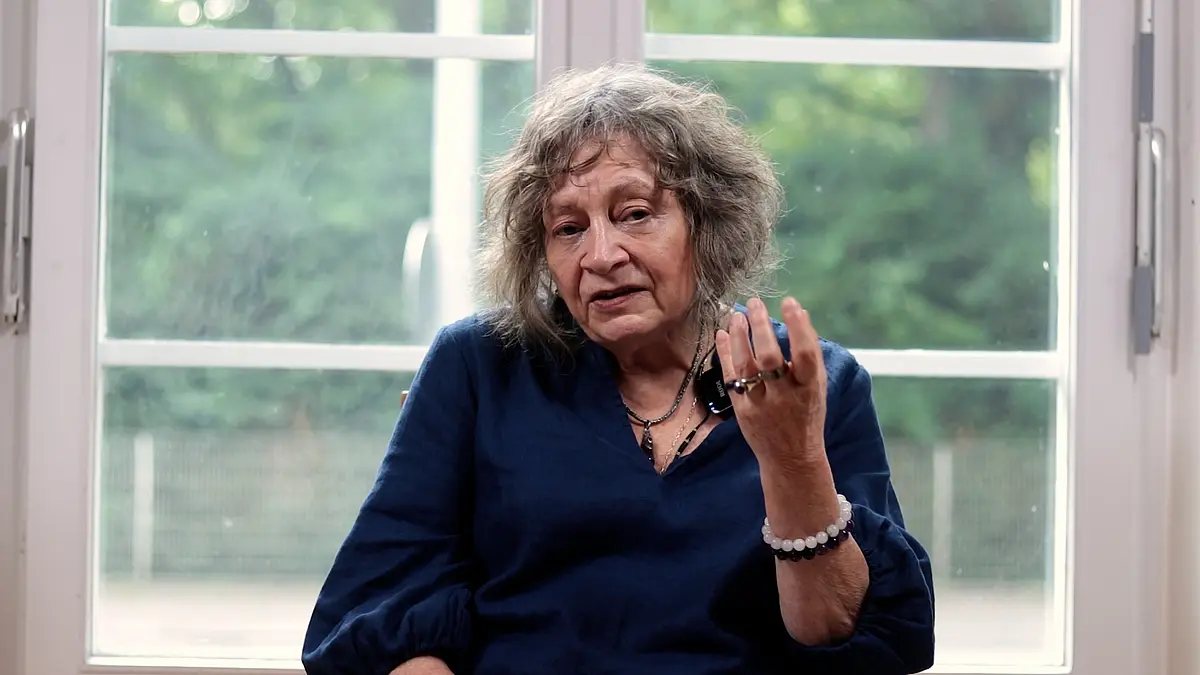
In June, the College of Fellows hosted renowned Argentinian anthropologist Rita Segato. 
As part of her Mercator Fellowship at the Research Training Group “Figurations of Precarity in the Global South,” the RTG, the Interdisciplinary Center for Global South Studies and the College of Fellows co-organized a four-day masterclass titled “Introduction to Discomforting Thinking: Decolonial Feminist Takes on Patriarchy and Race” (June 15–18) with 19 early-career researchers from Mexico City, Tübingen, Marburg, Halle (Saale), Brasília, Grenoble, Prague, Leipzig, and Frankfurt am Main, who had the opportunity to discuss their work with Rita Segato, as well as a public lecture titled “The Elementary Structures of Violence” (June 30).

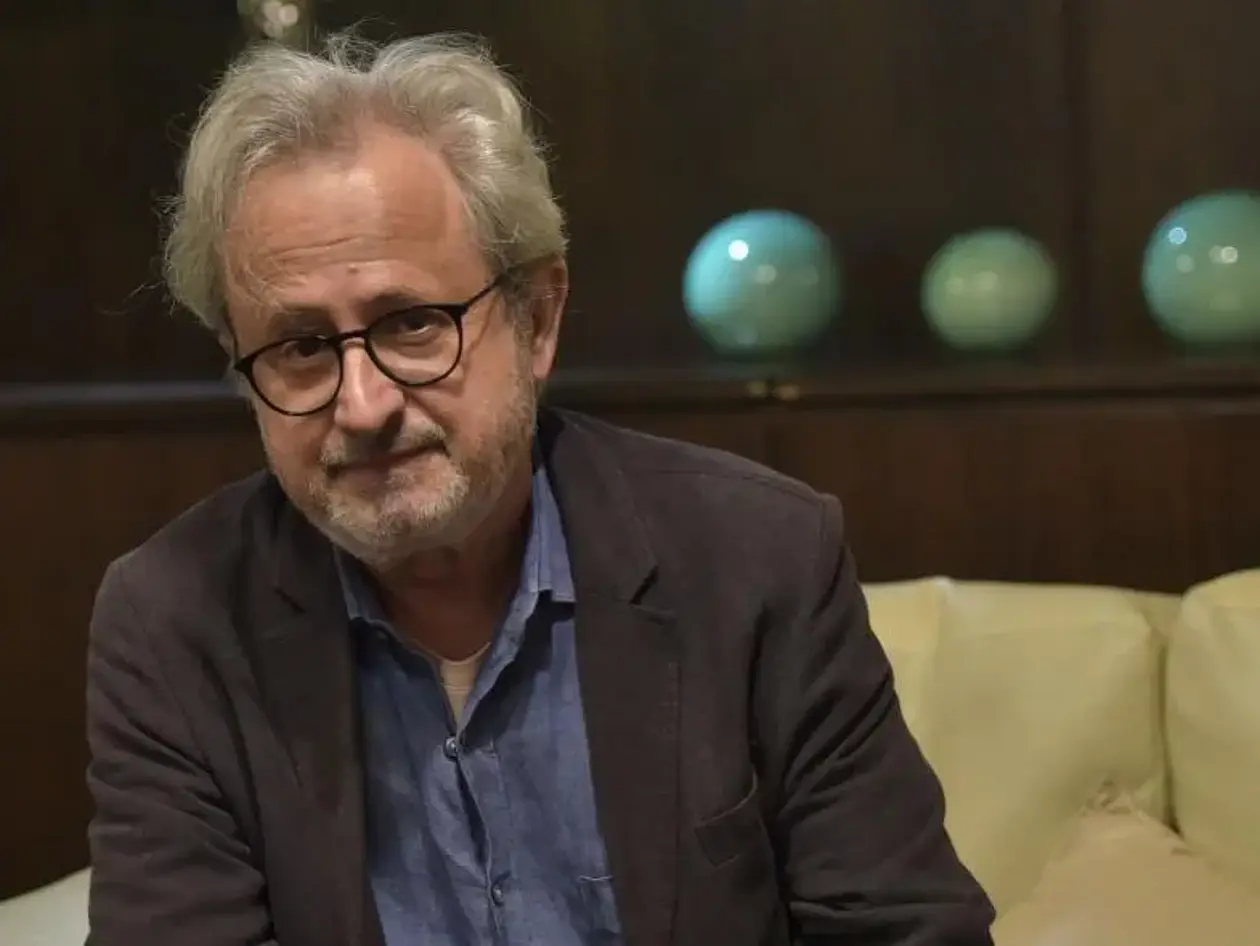
In this CoF interview with Niels Weidtmann, director of the College of Fellows, Rita Segato shares her personal thoughts on feminism, power, and the distinction between colonialism and coloniality.


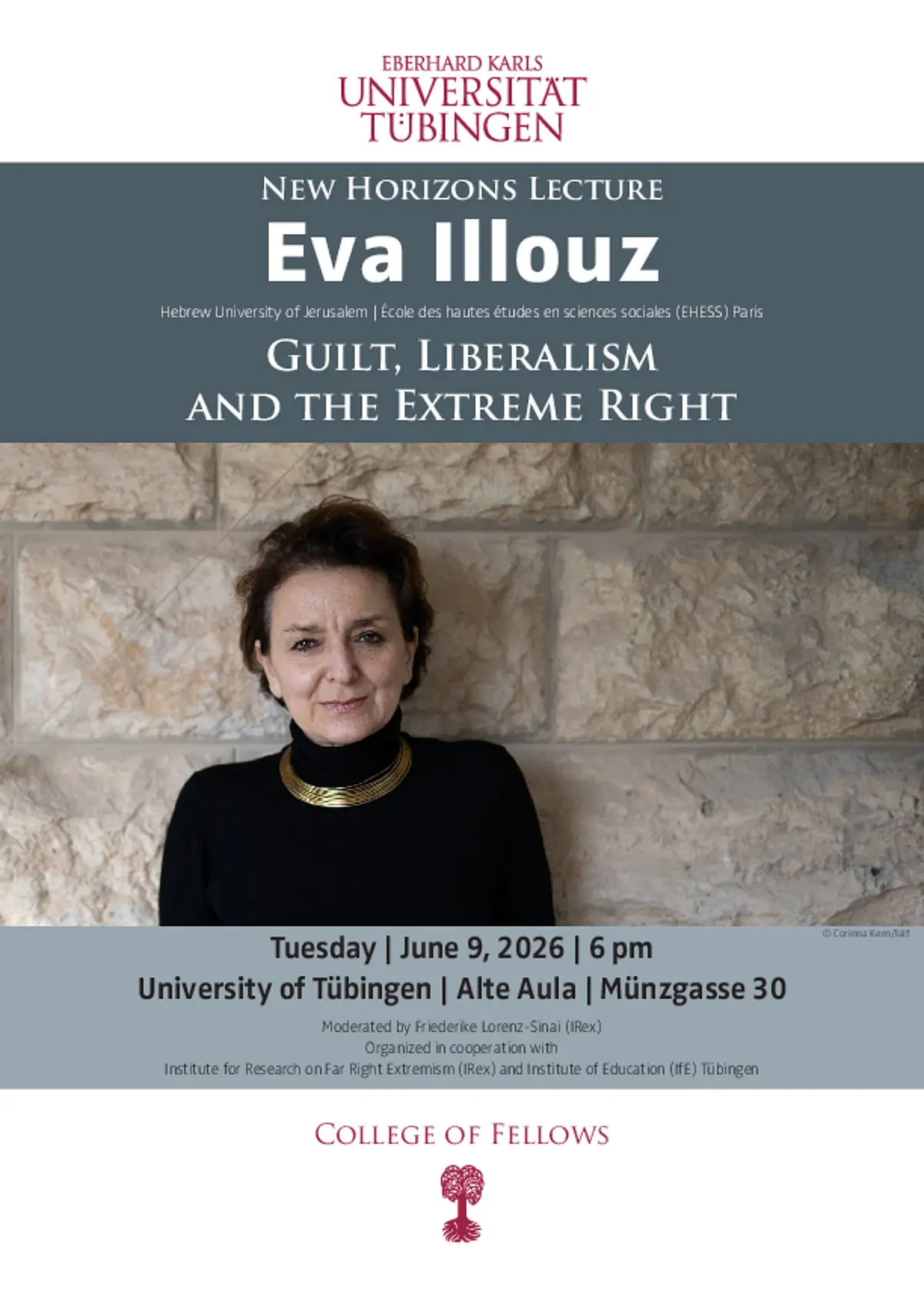
Eva Illouz hosted by the College of Fellows

In June, renowned sociologist Eva Illouz visited the College of Fellows as a New Horizons Fellow. 
In her Public Lecture “Guilt, liberalism and the extreme right”, she addressed guilt by exploring the ways in which guilt has been made central to the liberal democratic cultures after World War II, and examined how the extreme right has interpreted and utilized the motive of guilt in its political agenda. 
Illouz claims that emotions play a decisive role in shaping the political culture of democracy. Her research explores how fear, resentment, anxiety, disgust, and love emerge from social conditions and influence democracy in widely discussed works, including The Emotional Life of Populism: How Fear, Disgust, Resentment, and Love Undermine Democracy and Explosive Emotions: How Modern Society Shapes What We Feel

Fellows

Find an overview of all our fellows and information on our fellowships and fellow life here

BW Early Career Rescue Fellowship

Academic freedom is under pressure in light of current political developments. 
Three Institutes of Advanced Study in Baden-Württemberg – the College of Fellows (University of Tübingen), the Freiburg Institute for Advanced Studies (University of Freiburg), and the Zukunftskolleg Konstanz (University of Konstanz) – have awarded the BW Early Career Rescue Fellowship to a total of 14 international scholars whose work has been restricted due to political pressure in the United States.
The College of Fellows welcomes five fellows who will take up their position by November 2026. The fellowship's goal is to provide these scholars with the opportunity to continue their excellent research for a period of up to two years and to open up international perspectives for their future careers.


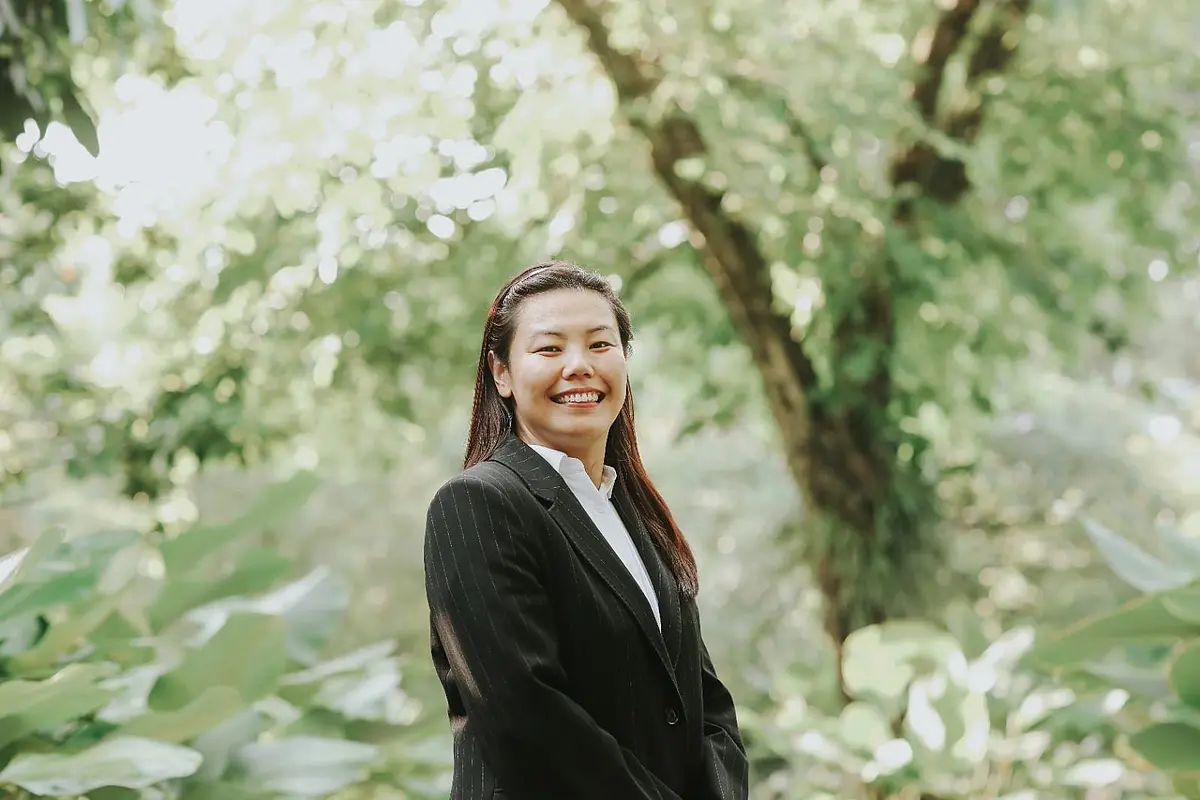
SSRC Graduate Research Fellowship for CoF Fellow Wendy He

Wendy He, an interdisciplinary scholar of international relations, has been awarded the Singapore Social Science Research Council Graduate Research Fellowship and is currently based at the University of Tübingen as a Global Encounters Fellow. Her research project examines how trust and leadership decision-making shape the course of climate negotiations, developing a psychological framework centered on the so-called "Confidence Trap" — the errors that arise from over- or undercalibrated confidence in diplomacy. Drawing on case studies of major climate conferences such as Copenhagen, Paris, and Glasgow, she analyzes how calibrated decision-making and trust dynamics can enable sustained international cooperation. The University of Tübingen is the first German university to be selected as a host institution for this prestigious fellowship, underlining its strong international standing.

Fellow in Focus

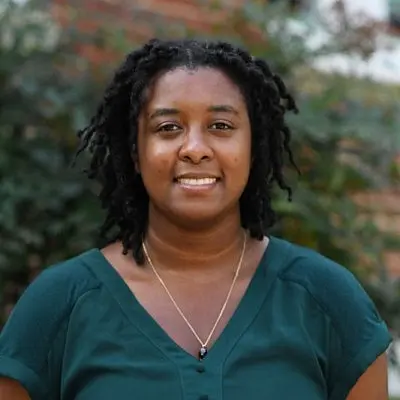
In August 2026, as our Fellows in Focus we introduce Teach@Tübingen Fellow Ivan Krivokorin as well as Sophia Johnson who is based in Tübingen with the newly initiated BW Early Career Rescue Fellowship.

August 2026: Sophia Johnson

Please introduce yourself and the background of your stay as Research Fellow in Tübingen in one or two sentences.

I like to tell people that I am a Bible scholar by training and political theologian or religious-political thinker by necessity. I am originally from the US and first became interested in the academic study of the Bible as it became a central source of American political discourse and identity posturing in the late 2010s. I have had the privilege to collaborate with colleagues in fields such as political science, law, and sociology to analyze similar trends on this side of the Atlantic and imagine ways in which religious traditions can be sources of democratic resilience. Thanks to the local funding of Baden-Württemberg, I can continue my research on the Bible and nationalism, which is under political pressure in the US, in partnership with my biblical studies colleagues at the Evangelisch-Theologische Fakultät.

Which problem or question does your research address and what fascinates you about your research area?

A lot of my research focuses on the mutual influences of the Bible on politics and politics on the Bible, both in its original ancient west Asian context and in modern-day Europe and the US. In Tübingen, I’m working to push back on narratives that trace the origin of nationalism back to the Hebrew Bible, specifically to the book of Joshua, by instead highlighting how the texts are shaped by imperial ideals, especially conquest. What fascinates me is how natural it feels to modern Western minds to identify “nations” or political concepts like “sovereignty” in ancient texts. This is largely because the modern study of the Bible and even vernacular Bible translations, which became the heart of European religious and cultural identity, were themselves intertwined with the rise of nationalist thought, especially in Germany. So not only does nationalism subtly shape our modern political imagination but also the historical and religious discussion around the Bible and the very language we use to talk about it.

Please briefly outline the social relevance of your research.

With the global resurgence of nationalism and transnational far-right networks, the Bible is being coopted by both religious and nonreligious movements as a weapon of political consolidation. Conservative religious communities, who have been alienated by secularist politicians denying the relevance of sacred traditions today, are told that nationalism is the only truly “biblical” form of political engagement. In some cases, academic scholarship is being appropriated to bolster historical claims that the Bible itself is a “proto-nationalist” document. My work specifically challenges religious and political fundamentalist narratives, not only by correcting historical misconceptions, but by demonstrating how the Bible itself contains a diverse collection of voices who continually renegotiated and reimagined belonging as their circumstances changed. Similarly, as the same Bible texts have been interpreted differently throughout history – Joshua, for example, was used both for and against Apartheid in South Africa – interpretation can be a source of inclusion and discourse rather than othering.

Where do you see future opportunities for international and interdisciplinary cooperation for the university, and what role can an institution like the College of Fellows play in this? 

Tübingen has a unique concentration of expertise at the intersection of religion and nationalism, particularly between the Theology Faculty, including one of the only departments of Islamic Theology in Germany, and the Institute for Research on Far Right Extremism (IRex). As demonstrated through their collaboration in hosting an international conference on Religion and the Far-Right (29-31 July 2026), the university has the unique opportunity to spearhead the growing international interest in this area—both within Europe, perhaps in partnership with initiatives like the Oxbridge Political Theologies Conference series, and beyond, building on the Transatlantic connections of the German-American Institute (d.a.i.) to reach institutions like the Public Religion Research Institute, that have analyzed these movements in North America and are eager to share their knowledge. The College of Fellows, which already boasts a focus group on Far-Right Threats to Democracy, is the perfect venue to bring together these seemingly disparate organizations and fields to address the multi-facetted global issues around religion, democracy, and co-existence.

August 2026: Ivan Krivokorin

Please introduce yourself and the background of your stay as Research Fellow in Tübingen in one or two sentences.

I am an Earth scientist with a background in geochemistry, stable isotope analysis, paleoecology, archaeology, and environmental research. I defended my PhD thesis titled "Out of the Shadows: Reconstructing Mammoth Paleoecology from Underrepresented Regions of the Western Siberian Plain and Estonia, Eastern Europe", and I enrolled in the Teach@Tübingen programme, because this was a great opportunity to share the vast amount of knowledge in different scientific areas that I have gained throughout my studies.

Which problem or question does your research address and what fascinates you about your research area?

My research, regardless of the field, has always focused on filling gaps in data and knowledge. My current research project is designed to try to shed a light on the 500 gap between ~7.8 ka  ~7.3 ka cal BP, and understand the extent and nature of human influence on local vegetation at the arrival of LBK groups in the Ammer Valley in Germany.

Please briefly outline the social relevance of your research.

The past is the key to the present. My project addresses a fundamental question in European prehistory: did the spread of agriculture into central Europe encounter pristine landscapes, or had Mesolithic hunter-gatherers already substantially modified the ecosystems that farmers entered? Understanding the history of our ancestors allows us to understand ourselves and where we come from, and to use this knowledge to understand how the landscape changes after human impact, and which changes are harmful and irreversible.

Where do you see future opportunities for international and interdisciplinary cooperation for the university, and what role can an institution like the College of Fellows play in this? 

I think that the College of Fellows provides great opportunities for researchers from various fields to connect, share their knowledge and get an interesting and unexpected perspective on their research. The College of Fellows creates a lot of workshops and organises lectures, and by doing so, researchers from different fields who may never meet each other during their professional life, have the opportunity to connect and familiarise themselves with the most up-to-date research in other distant fields.

Publications

Find an overview of all our publications here

Annual Report 2024

We are very excited to present our 2024 annual report to you. In it you will find interviews with some of the fellows who were with us last year in which they talk about their research and their time in Tübingen; you will also find reports on events and brief introductions to all of last year's visiting scholars. Our annual report is available for download. 


Porr, Martin und Weidtmann, Niels (Hrsg.): "One World Anthropology and Beyond. A Multidisciplinary Engagement with the Work of Tim Ingold" London: Routeledge.

This edited volume offers a multidisciplinary engagement with the work of Tim Ingold, one of the most influential anthropologists in recent decades. The contributions are drawn from fields such as social anthropology, archaeology, rock art studies, philosophy, and science and technology studies, and critically engage with Ingold’s approaches and ideas. The volume includes contributions from participants in the Masterclass "One World Anthropology" with Tim Ingold, hosted by the CIIS in September 2019.