Institute of Modern History

Religion and Mission

Interactions and Translation in Mission

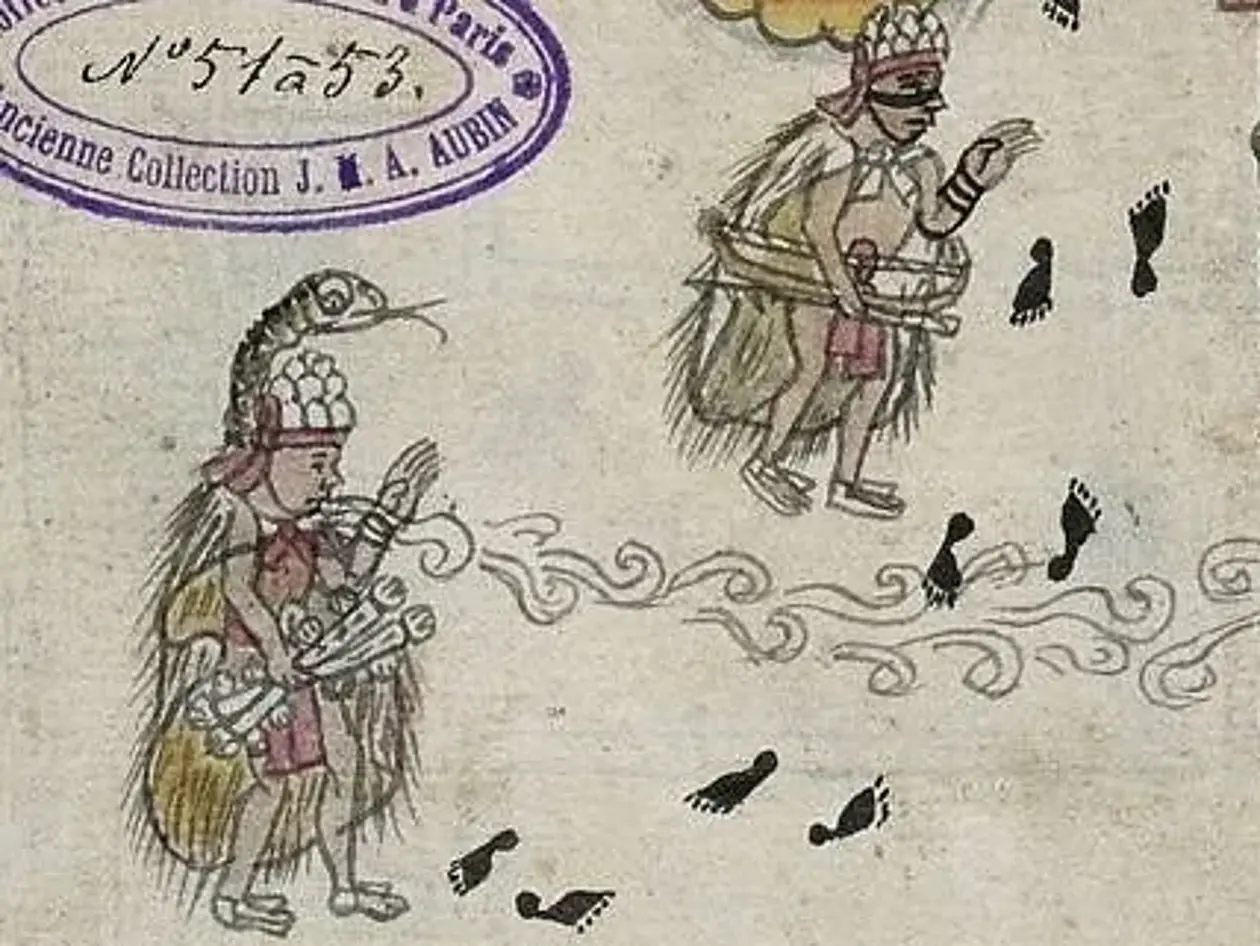
The project analyses sources of the Capuchin mission in the Kingdom of Kongo, applying a micro history approach focusing actors. From a perspective of cultural translation, the aim is also to reflect on local source production and its impact on Europe. (Johannes Gradel)

 

Religious Responses to Water Scarcity

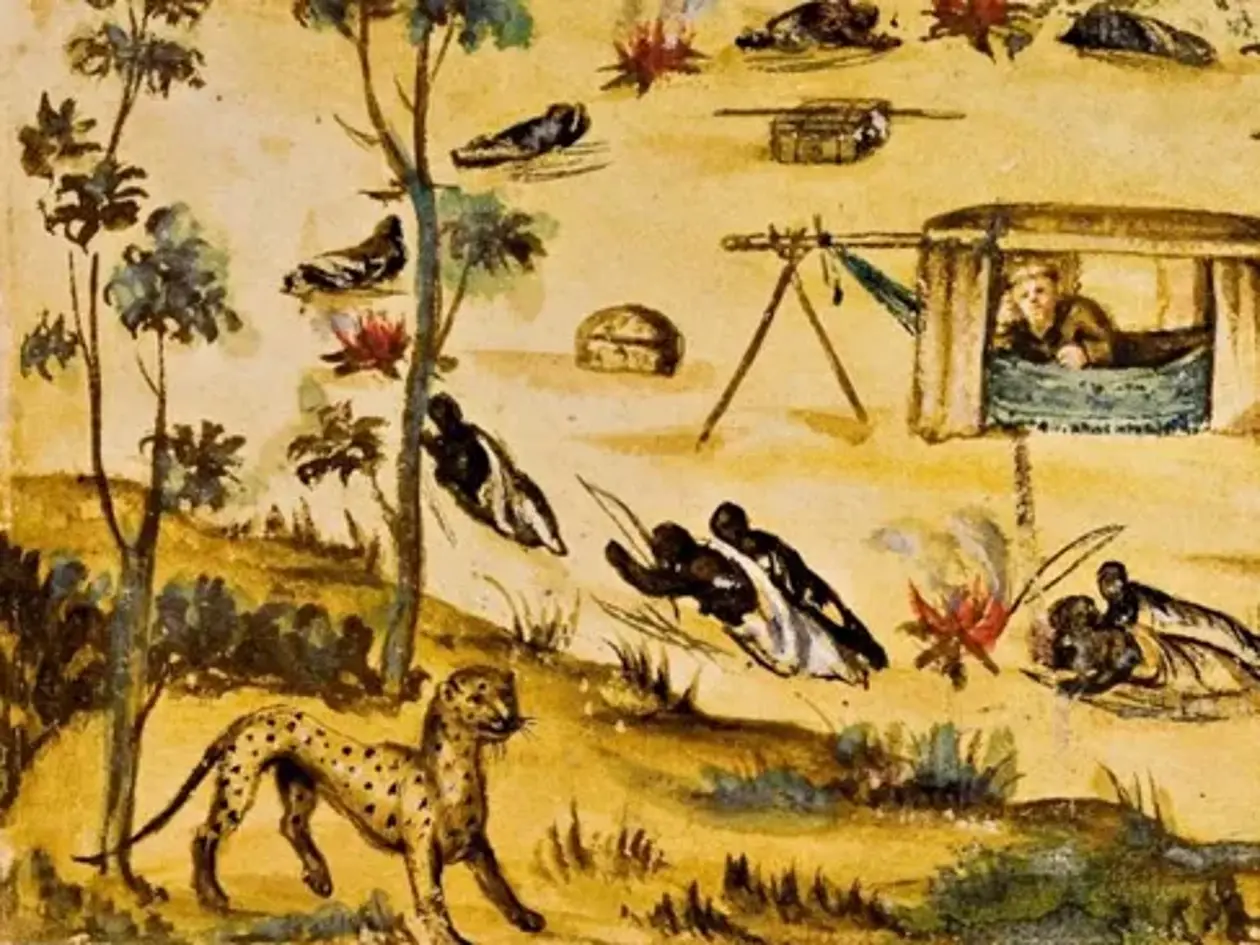
For my second book (Habilitation), I research religious and cultural responses to water scarcity (drought) and excess (flooding) on islands under the jurisdiction of the Spanish Empire, which were – and remain today- challenged by freshwater management. (Laura Dierksmeier, SFB 1070)

Multilingual ways of speaking about language

The project investigates how the multilingual communicative situation in missionary contexts in New Spain affected speaking about language itself. (Simon Siemianowski)

De-centering the Enlightenment

Through the interpretation of the "Neue Welt-Bott/ New World Messenger" (1726-1761), a collection of primarily Jesuit reports from around the world, Ulrike Strasser (San Diego) and Renate Dürr (Tübingen) are developing a new narrative of the Enlightenment. This project is funded by the VW Foundation within their "Opus Magnum" funding line. (Renate Dürr)

Mission and Money

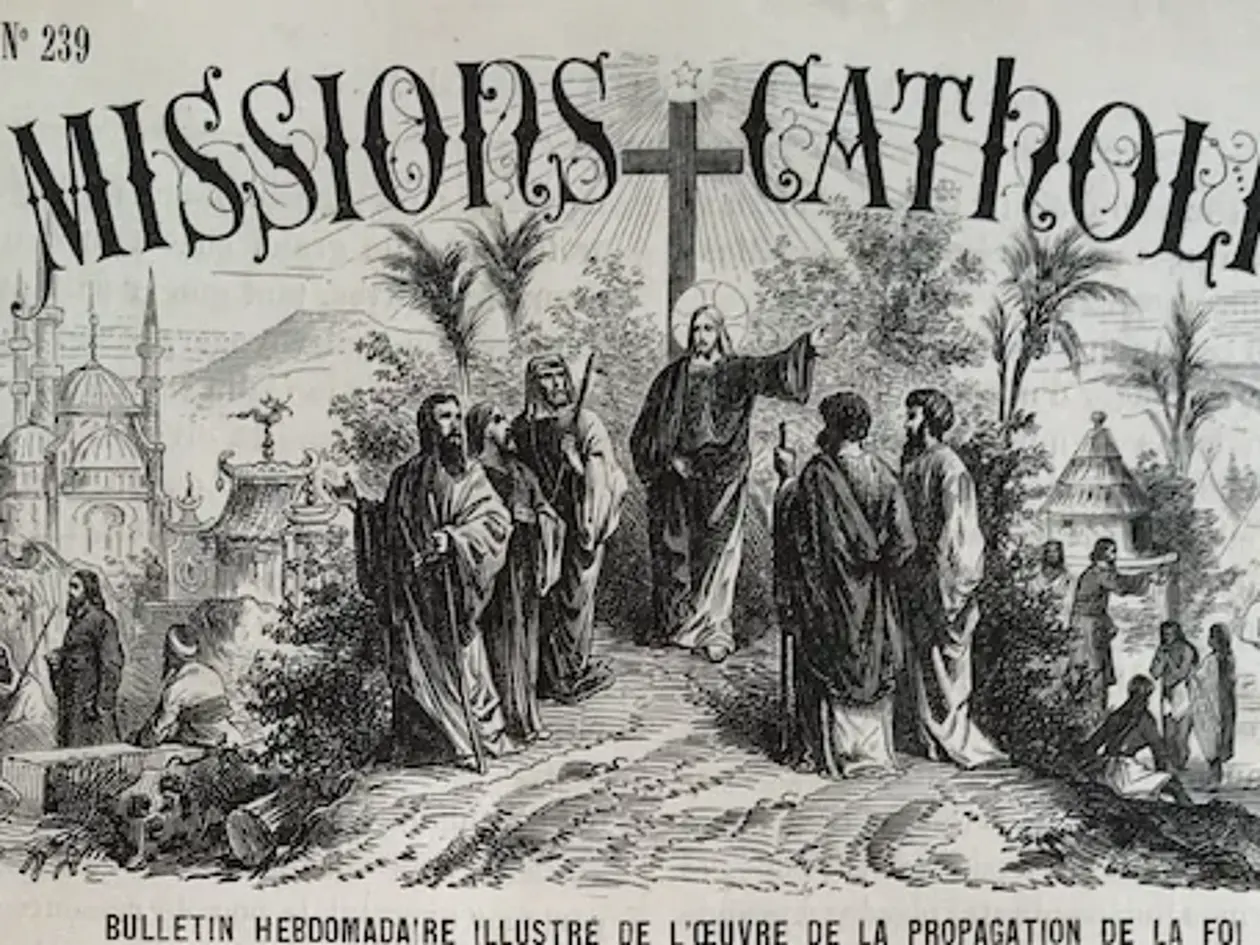
In my book-project I examine the transnationalization of Catholicism, which was largely carried out by Catholic “lay people” and a broad fundraising-movement. (Frederike Schotters)

Lutheran Baptisms of Muslims and Africans (16th-18th century)

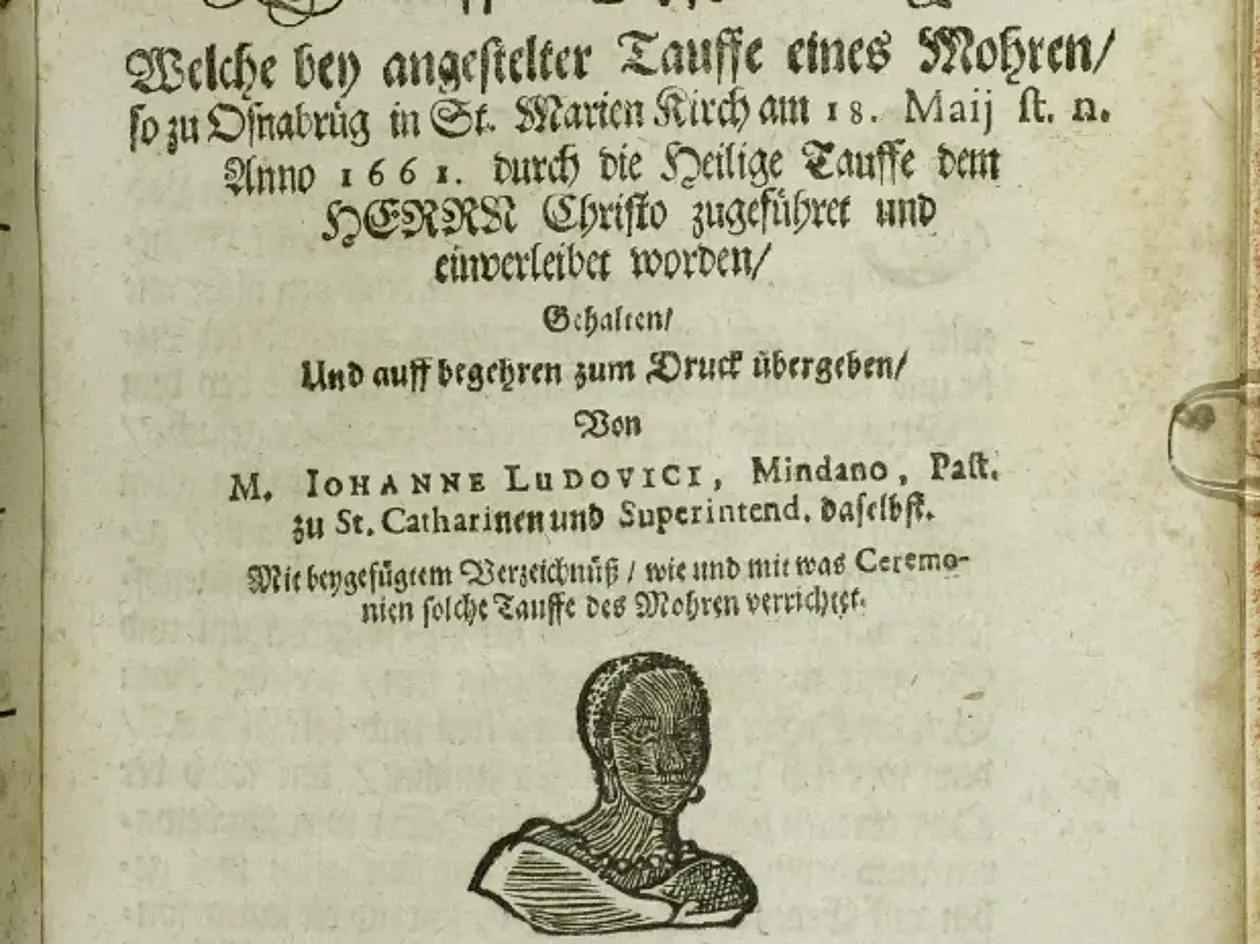
Forced migration to the German lands was no exception. This research project interprets Lutheran baptismal sermons. It focuses on three aspects mainly: 1) the development of baptismal rituals; 2) the reconstruction of the lives of the deported people; 3) the reconstruction of what is not said in these sermons. (Renate Dürr)

Atlantic Exiles: Refugees and Revolution in the Atlantic World, 1770s–1820s

“Atlantic Exiles” explores comparatively the large-scale refugee movements set off by the revolutions in North and South America, France, and Haiti. Based on case studies from the Caribbean and the American continent, the project sets out to show that political migrants and refugee movements were at the very core of at least four major transformations that the Atlantic world underwent during these decades. The project is funded by the European Research Council (ERC). (Jan Jansen)