Geo- und Umweltnaturwissenschaften

Climate, caves and isotopes

Monitoring changes on the Swabian Alb

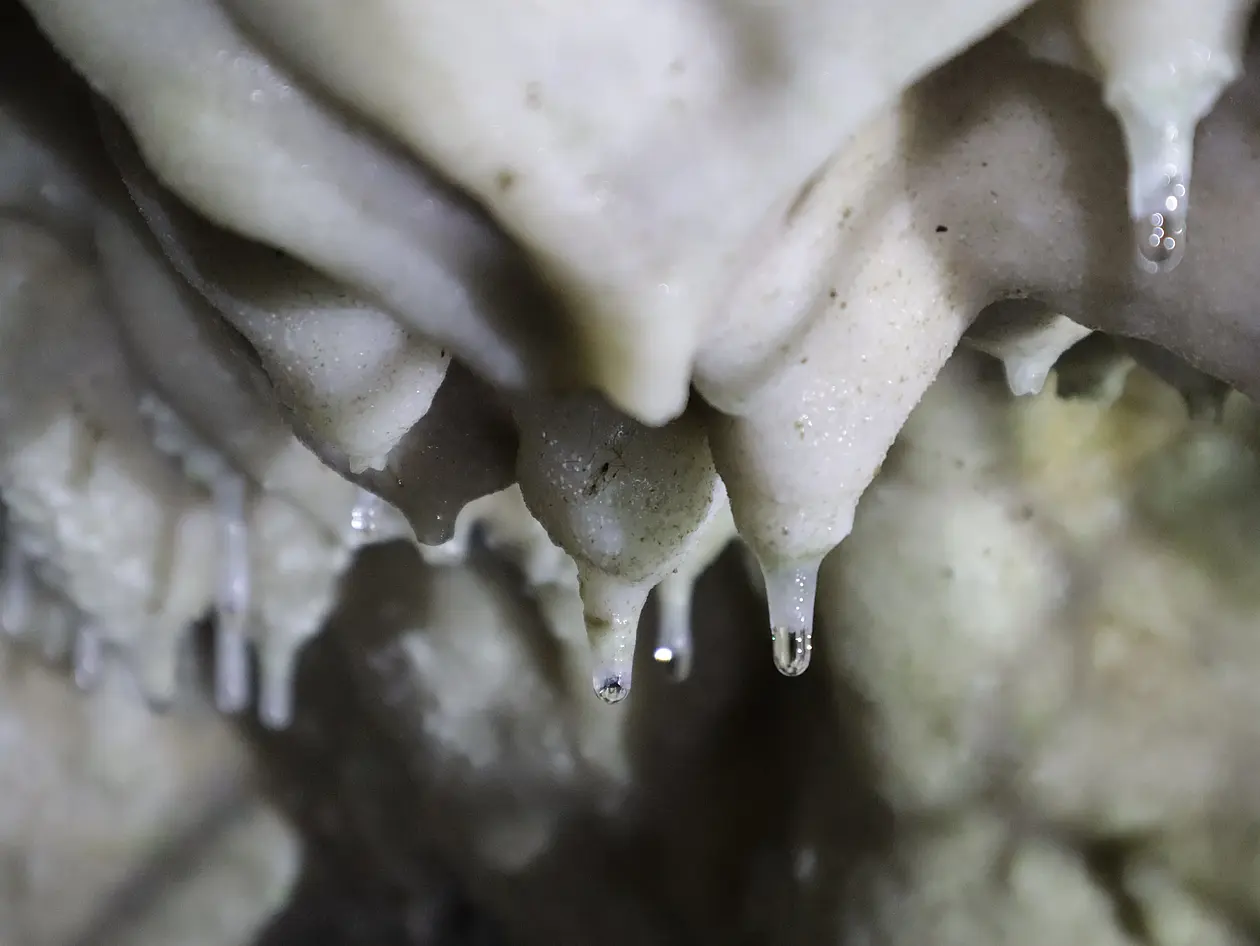
In karst landscapes, past climate can be reconstructed using cave archives such as speleothems and flowstone. These form when rainwater reacts with limestone: carbonic acid develops and leads to calcite precipitation. Because they grow slowly and remain relatively stable, they preserve a continuous record of regional climate, for example on the Swabian Alb.

By analyzing stable oxygen isotopes (δ¹⁷O and δ¹⁸O) and hydrogen isotopes (δ²H) in the water associated with these deposits, we can investigate climate-related processes within the hydrological cycle across both space and time. Changes in δ¹⁷O, δ¹⁸O, and δ²H are strongly controlled by precipitation amount and temperature, as well as by interactions between the atmosphere, prevailing weather patterns, and the properties of the karst host rock.

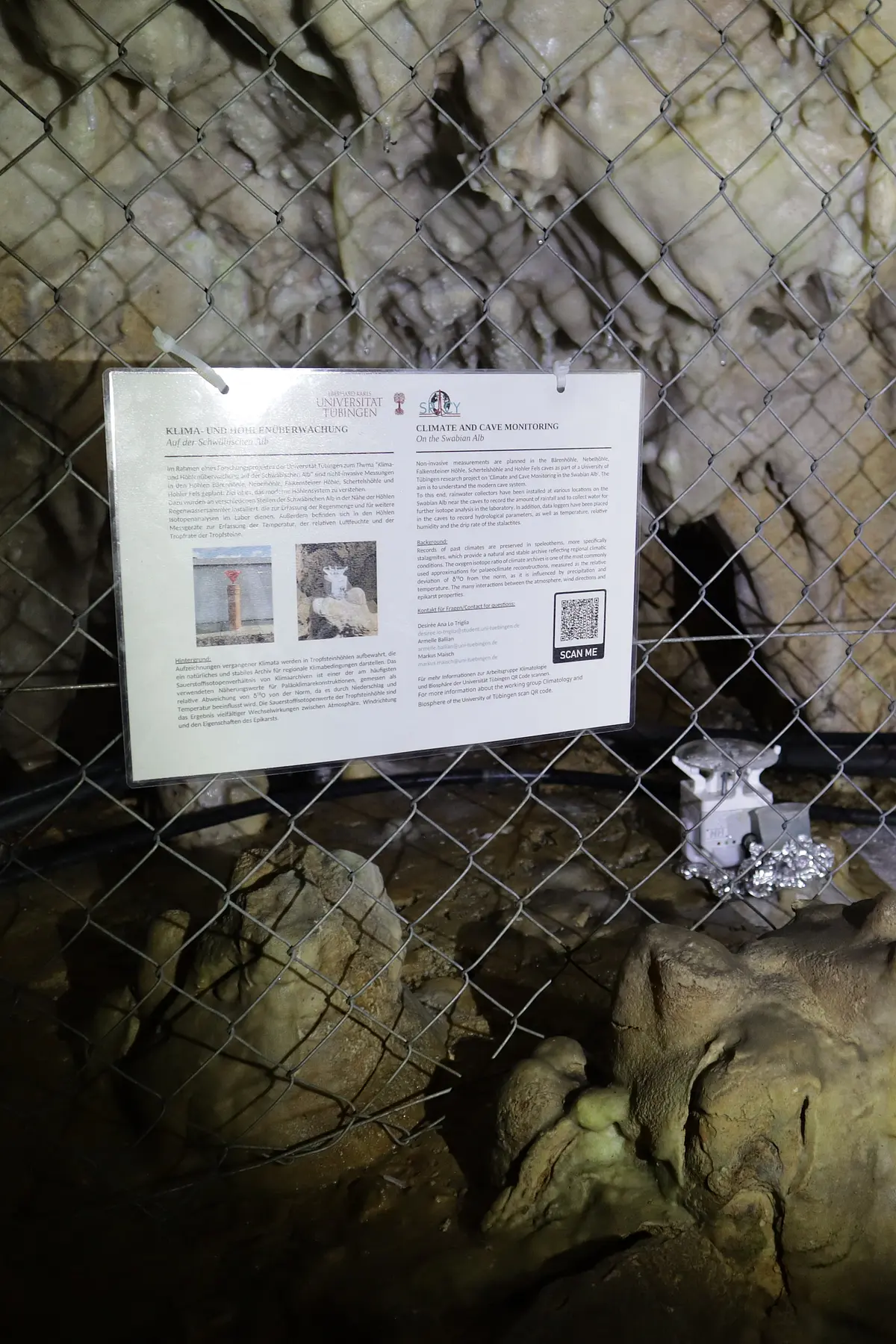
Our work aims to better understand key climatic parameters on the Swabian Alb — above and below ground — and to clarify how they drive hydrological processes in karst systems.

What has happened so far

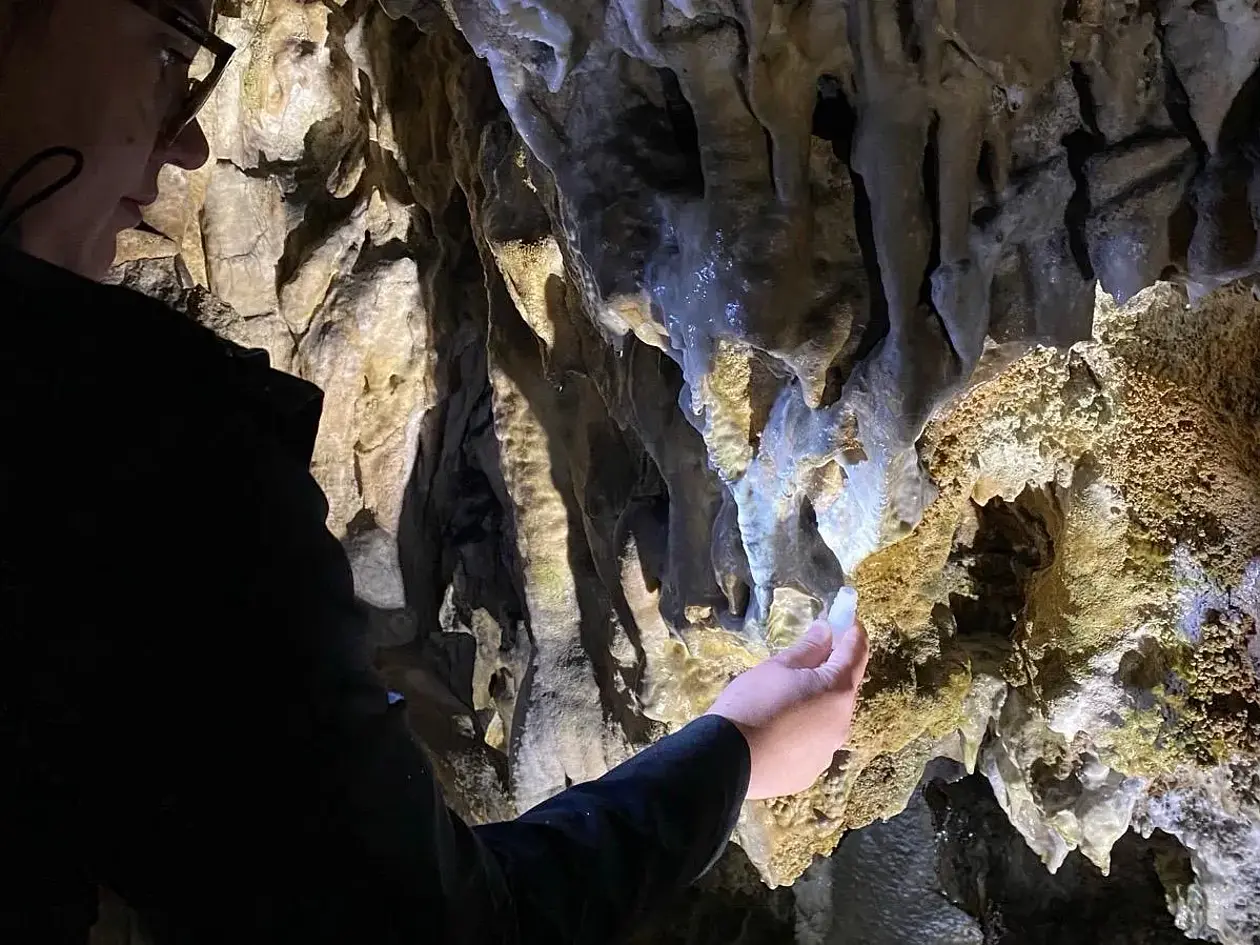
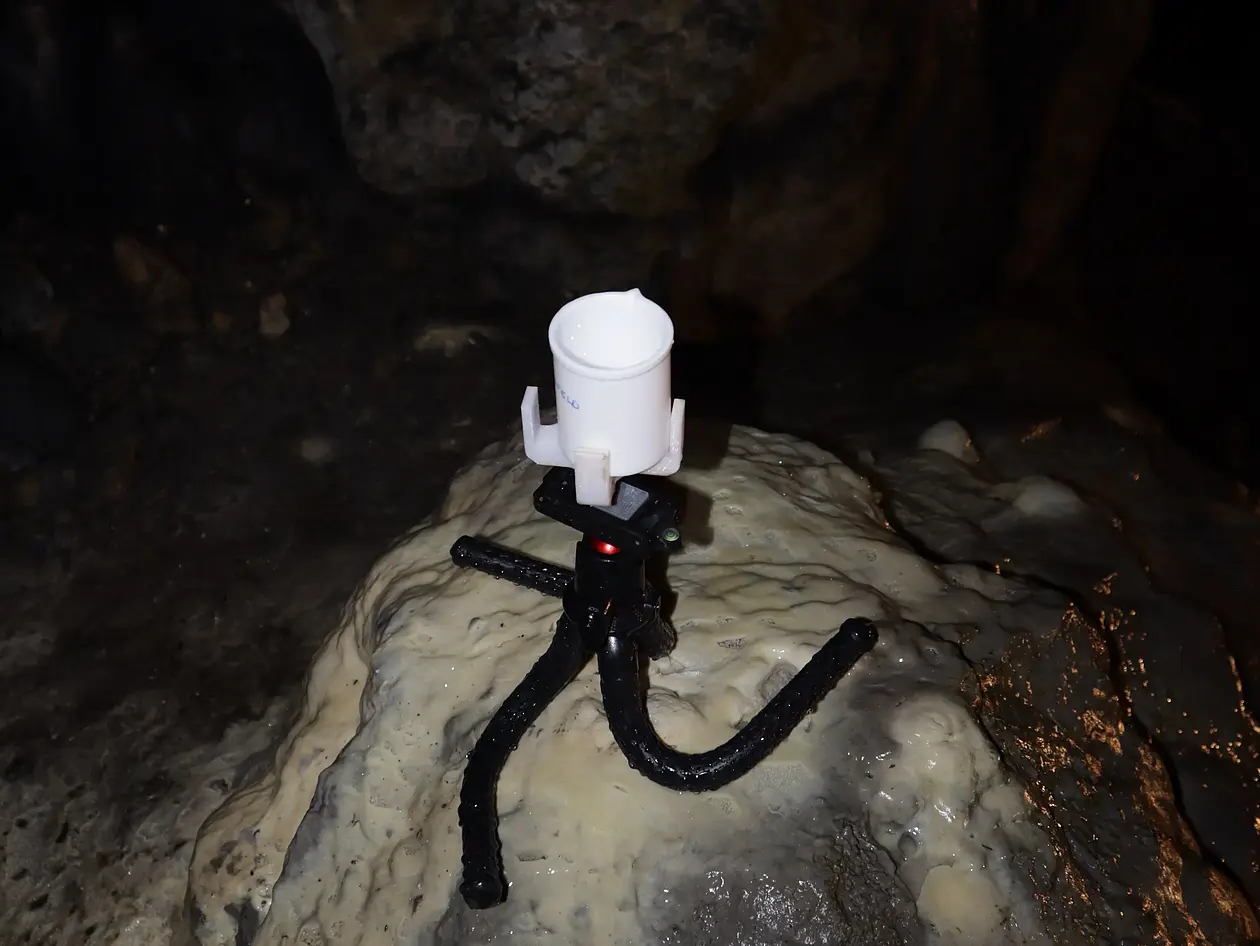
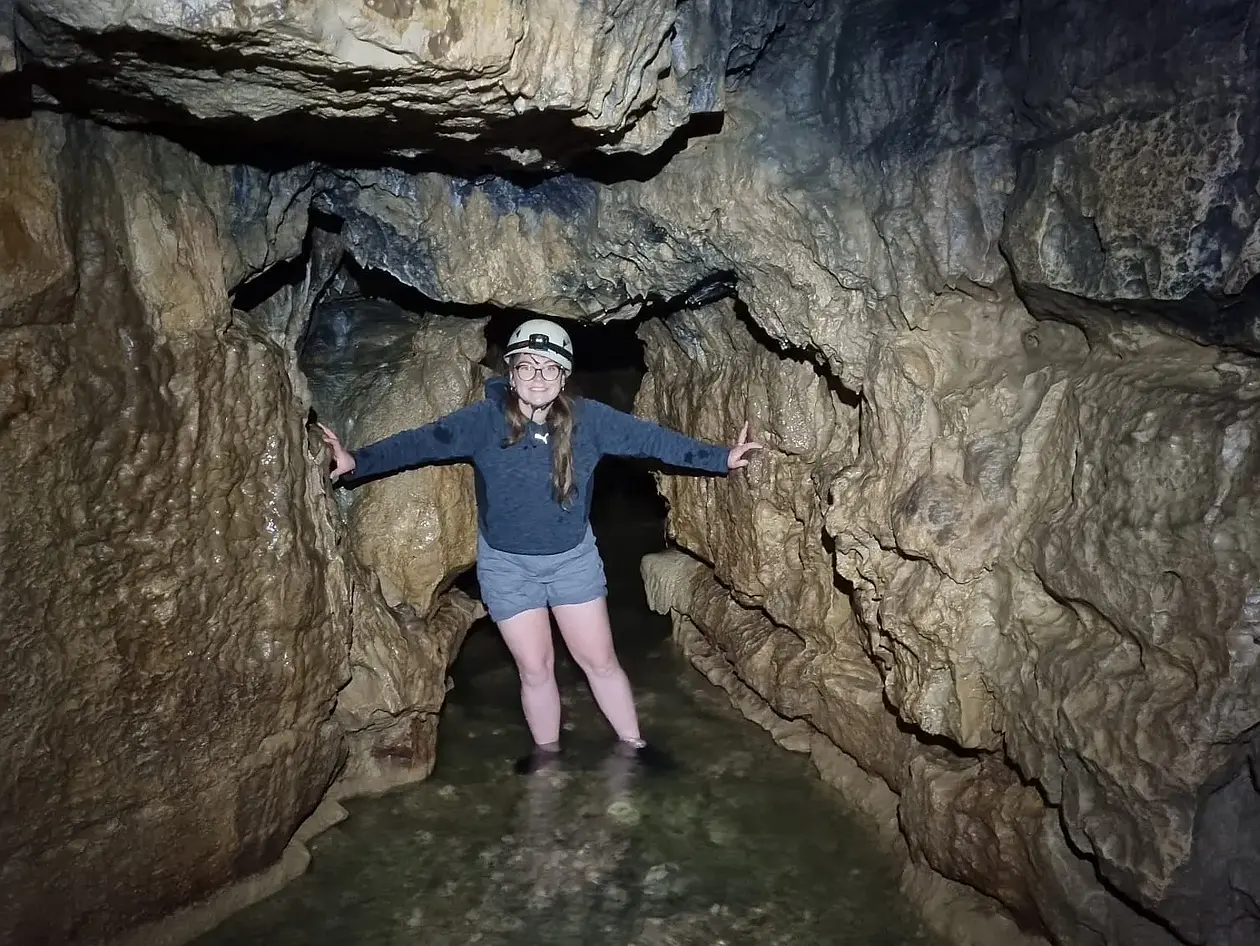
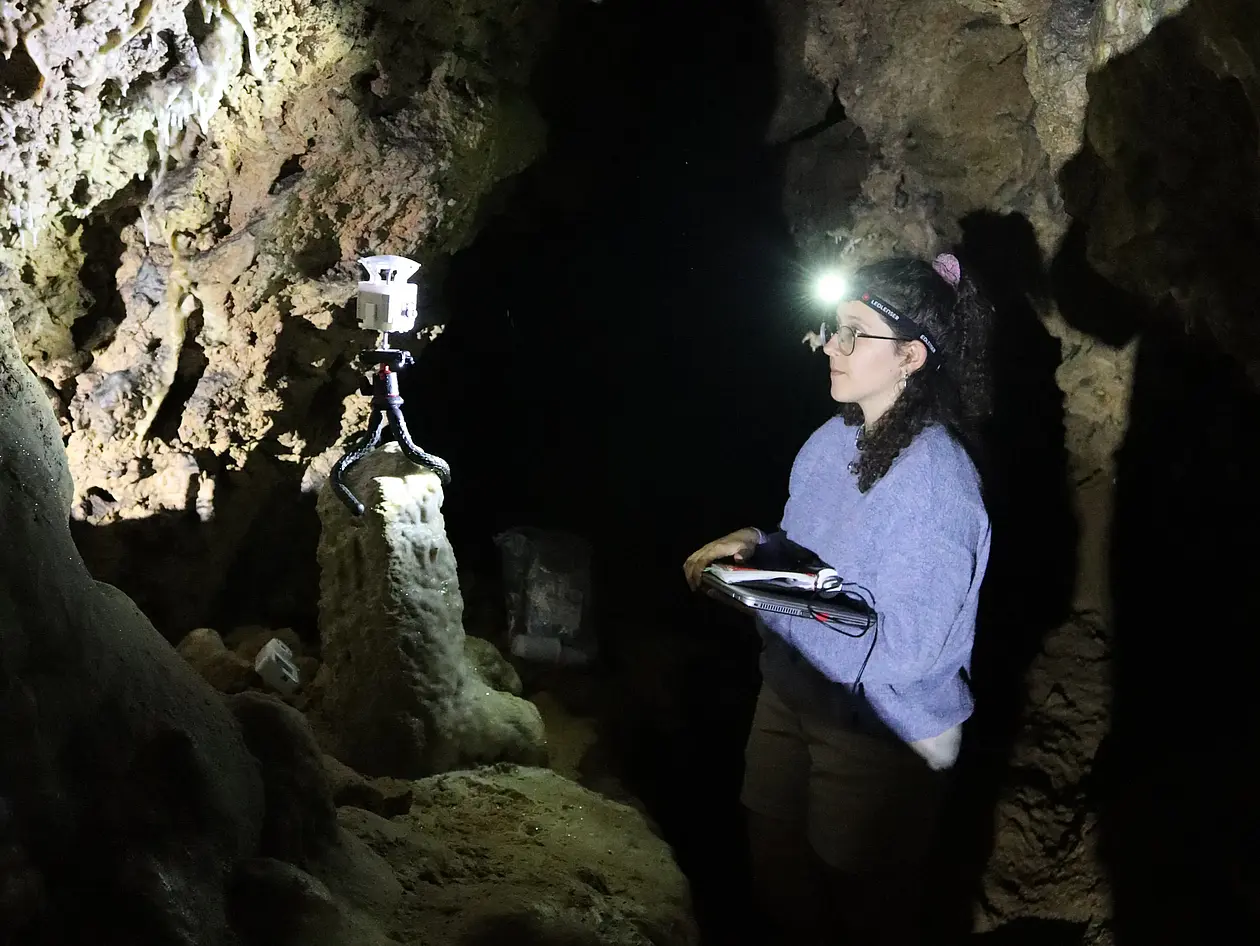
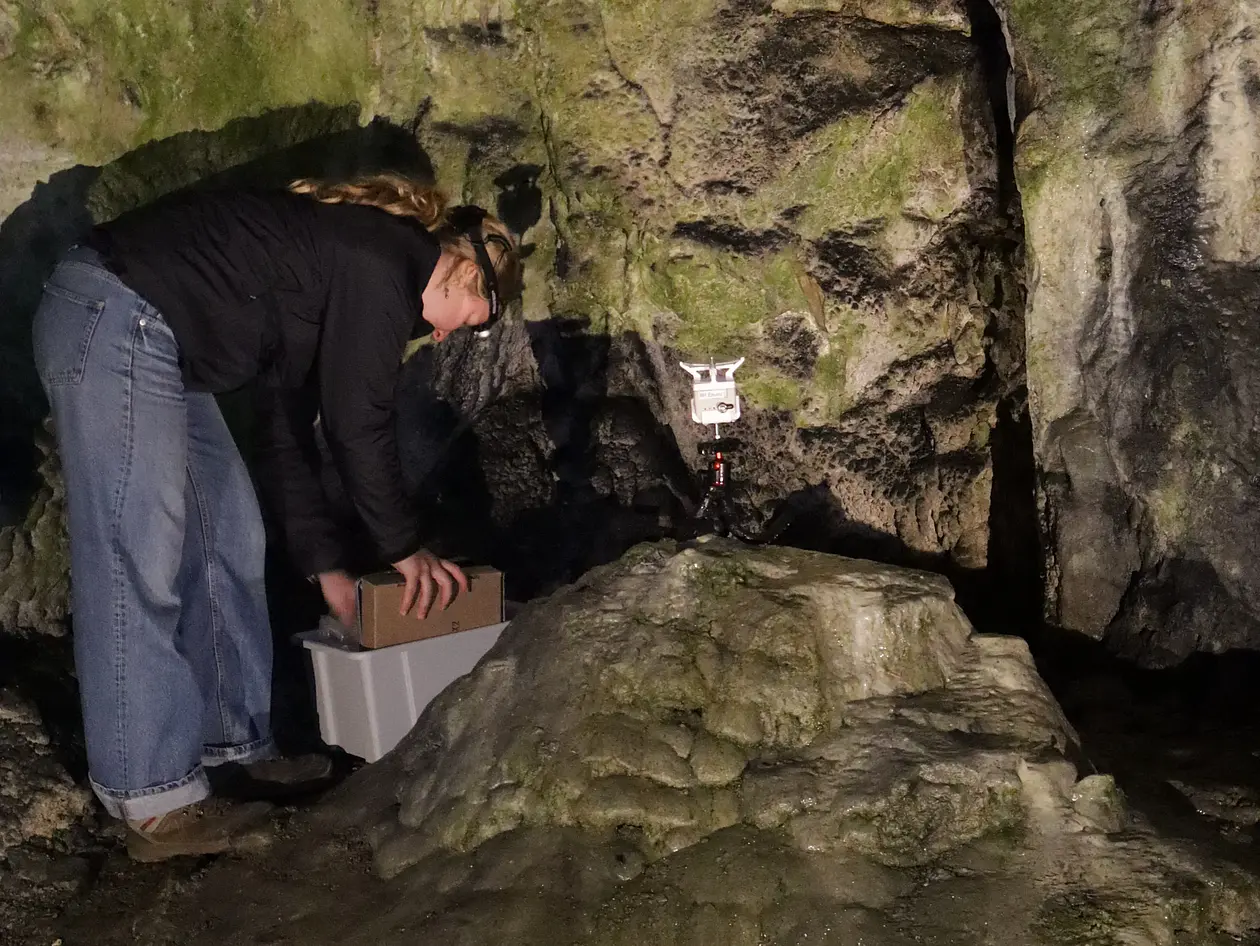
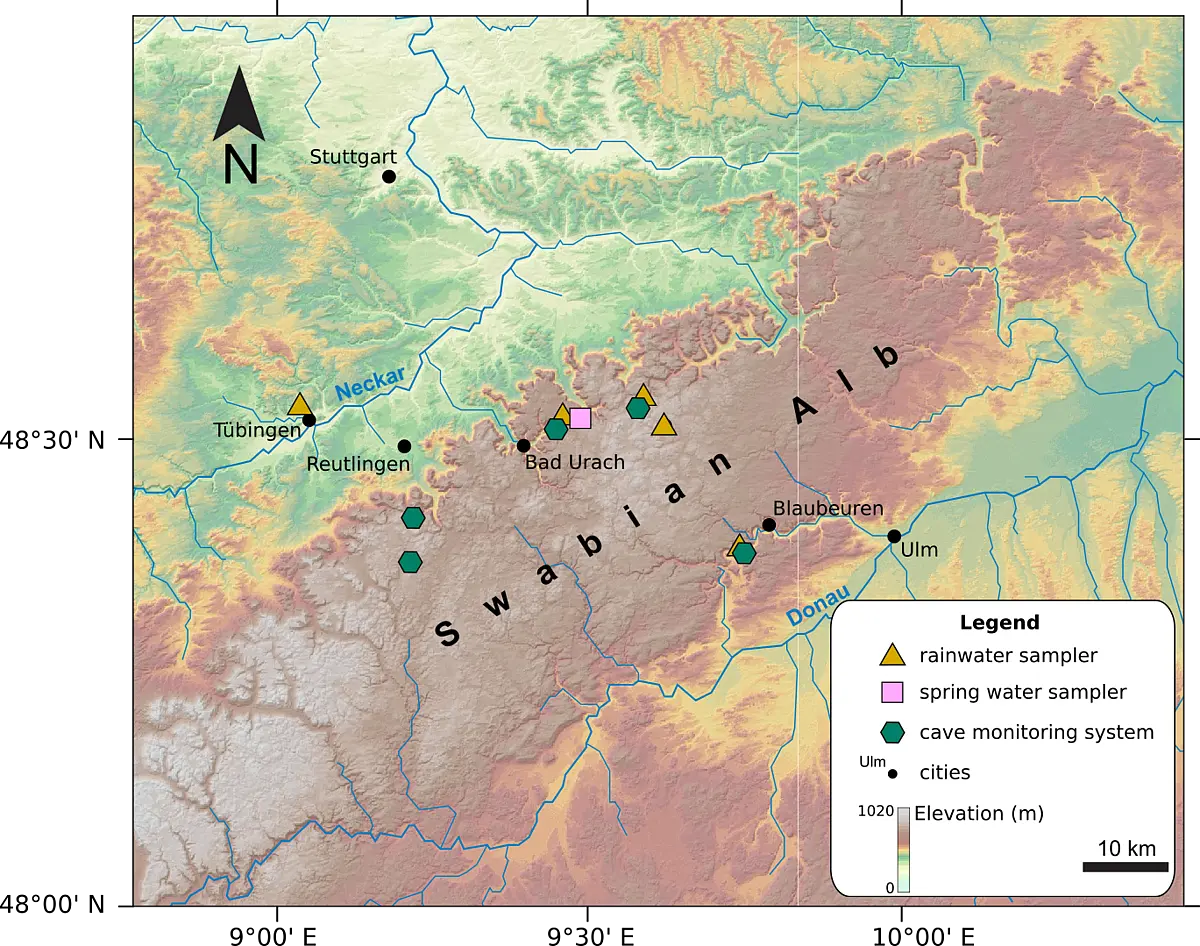
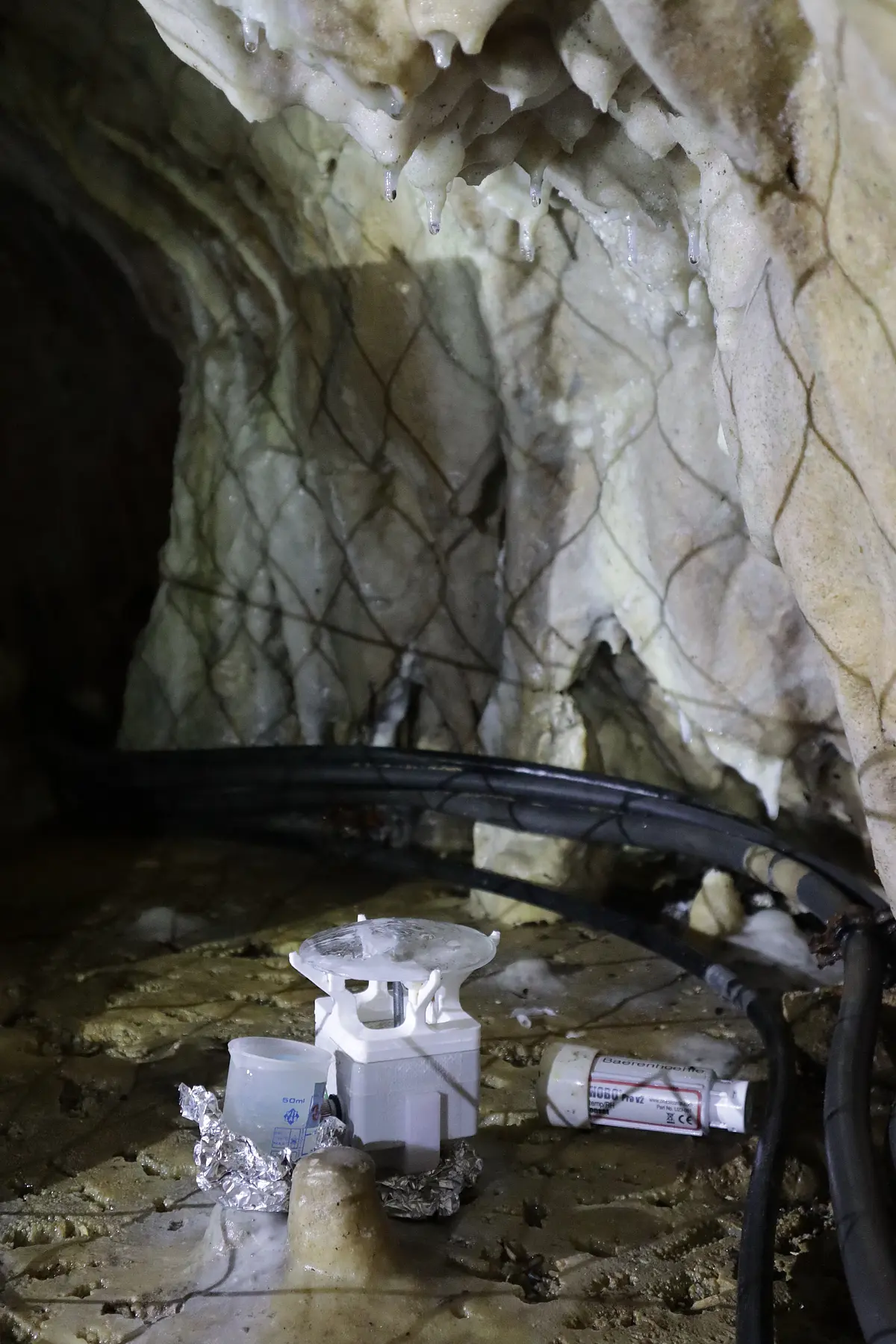
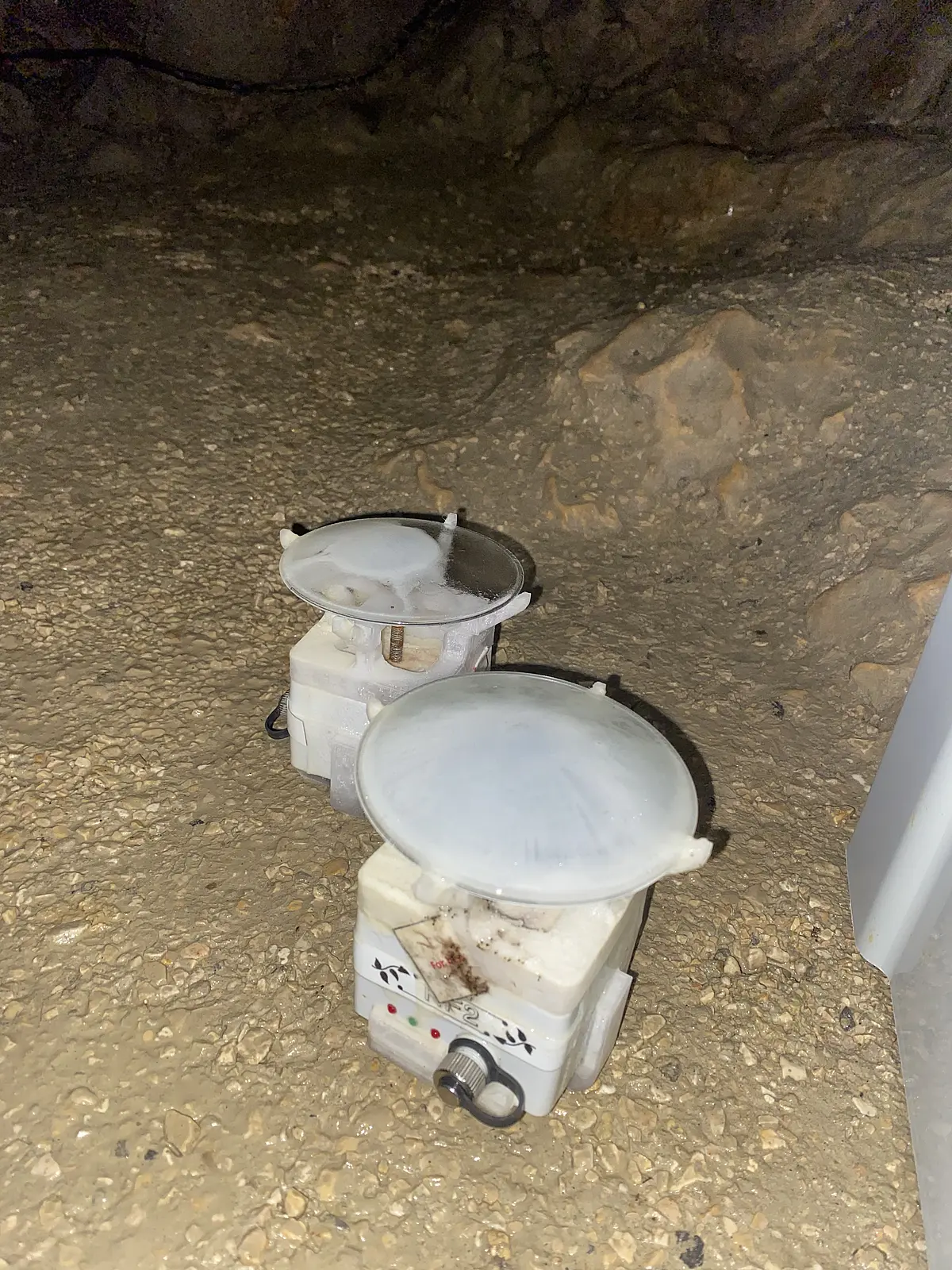
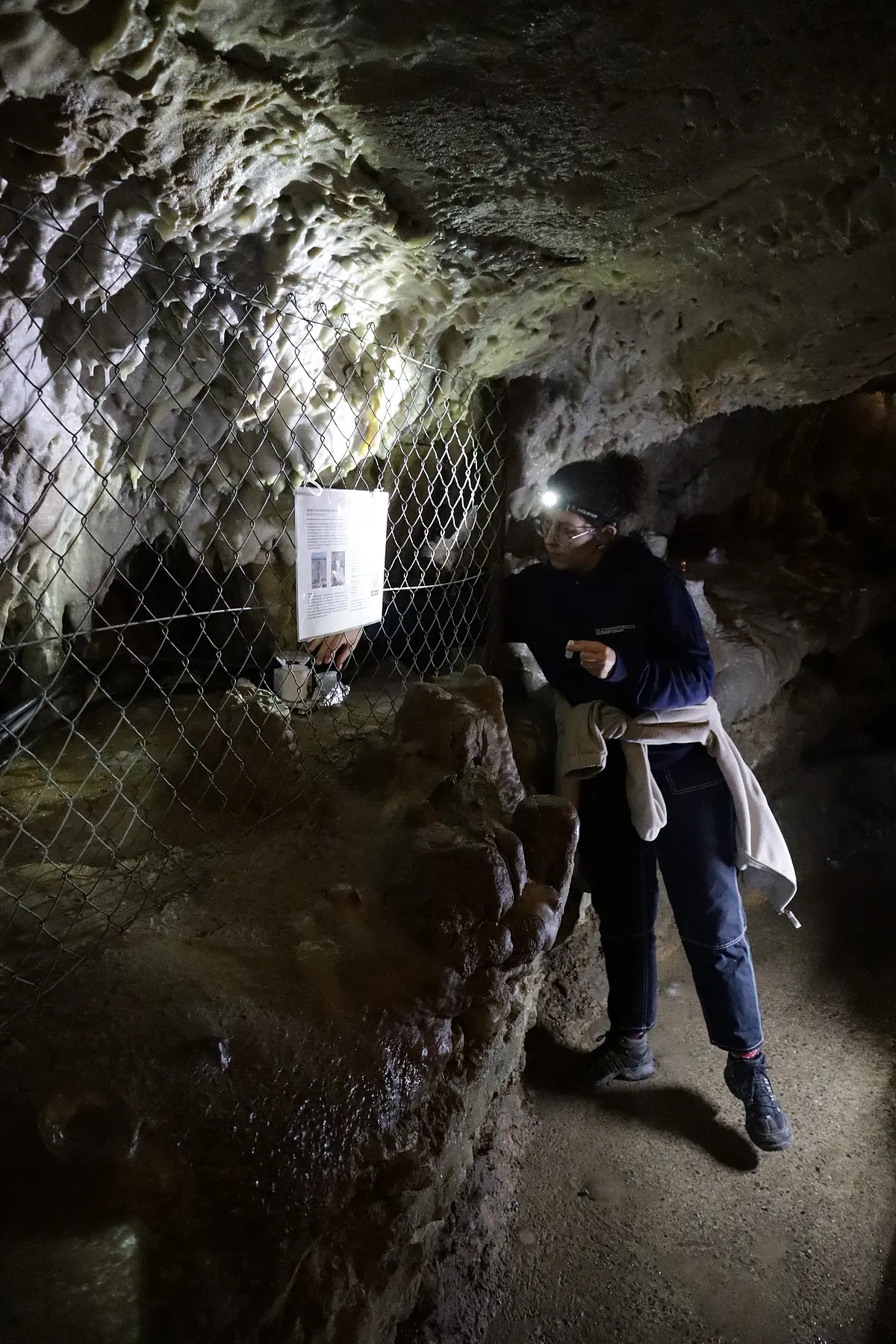
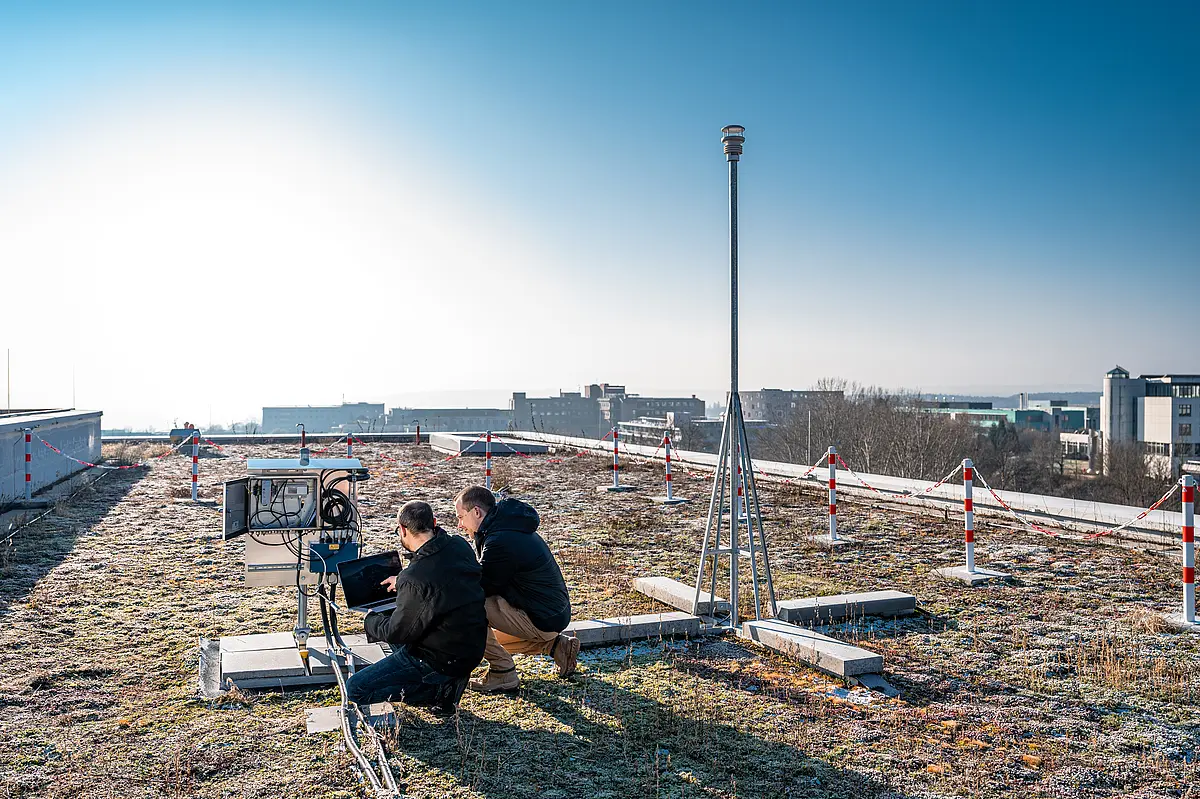
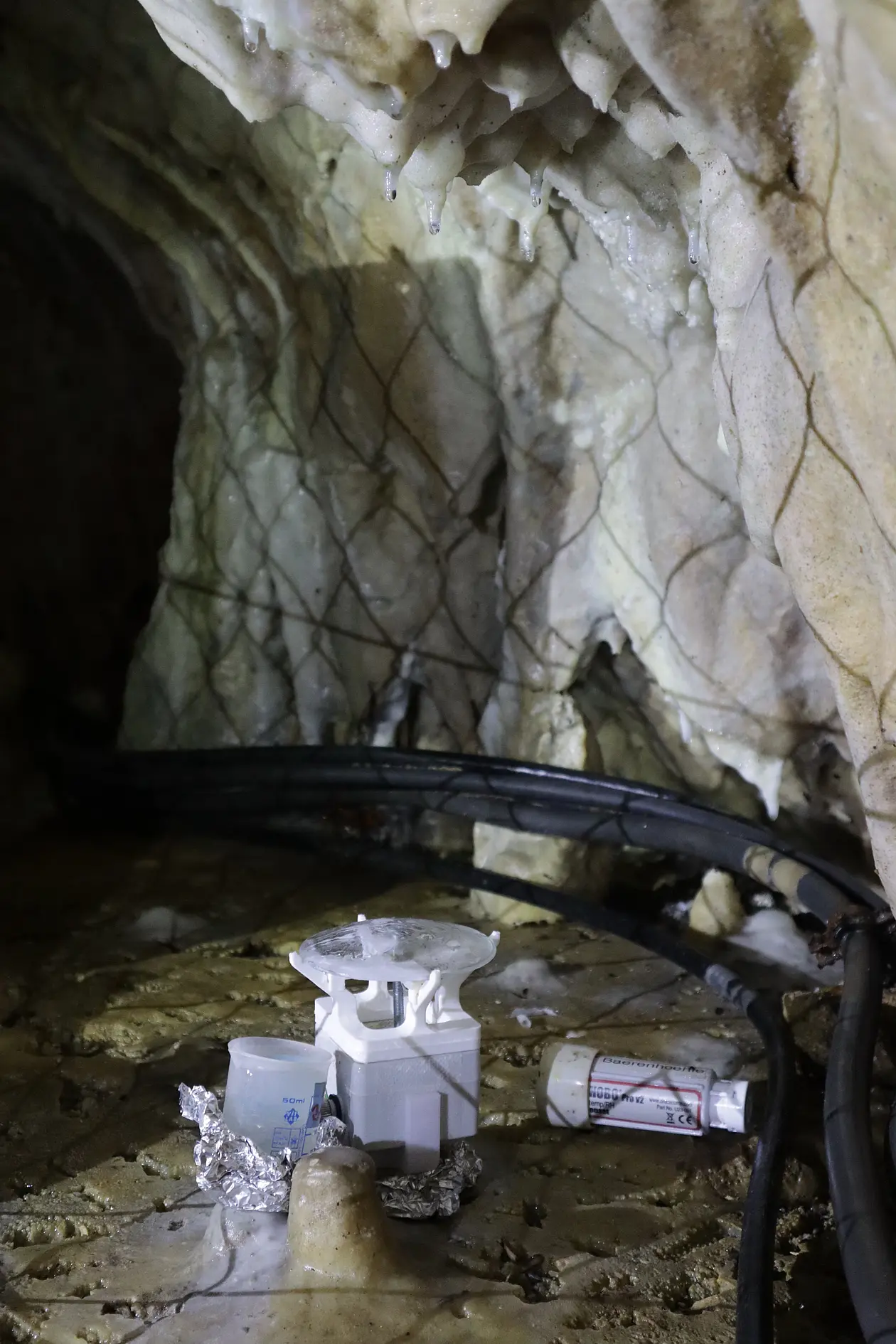
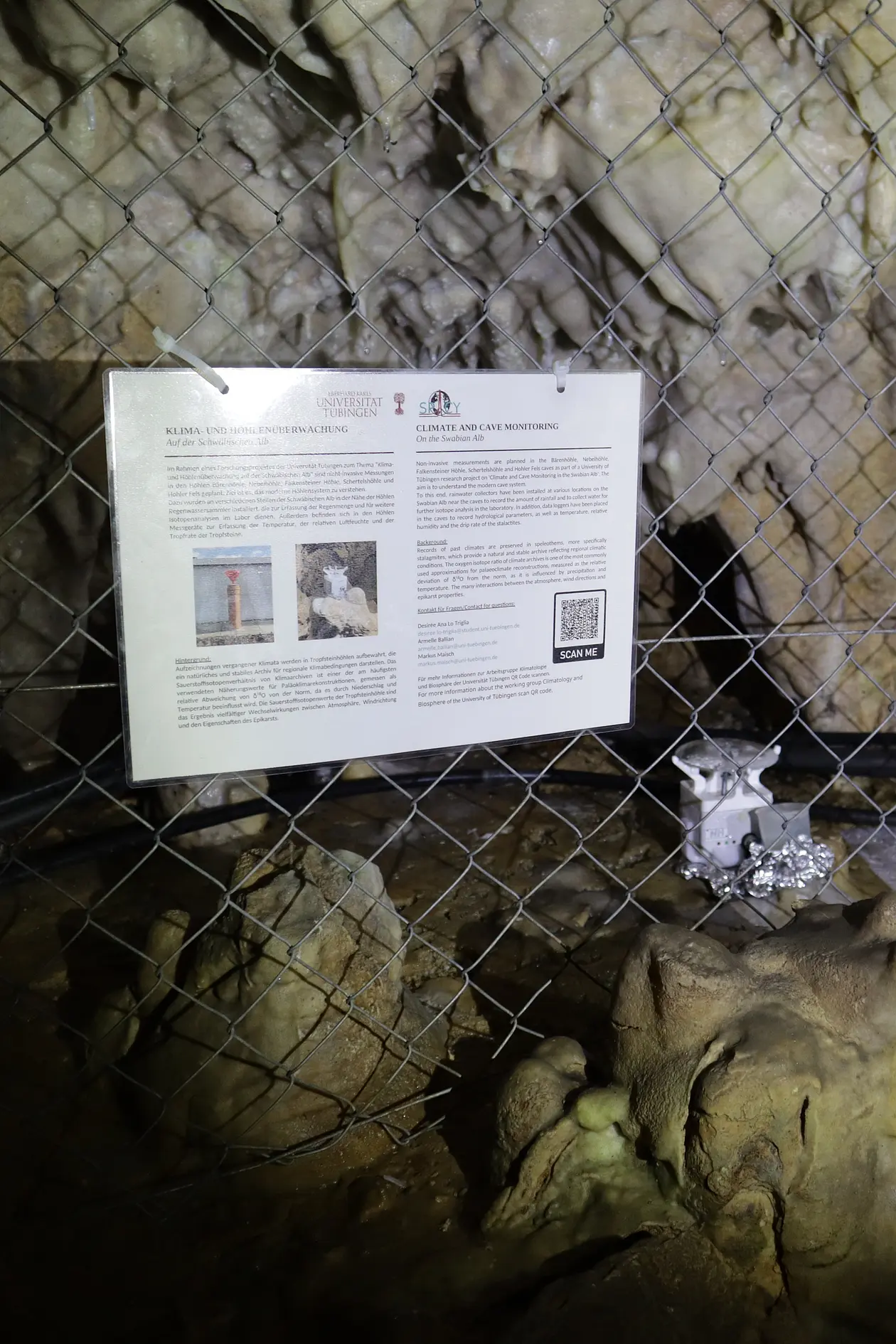
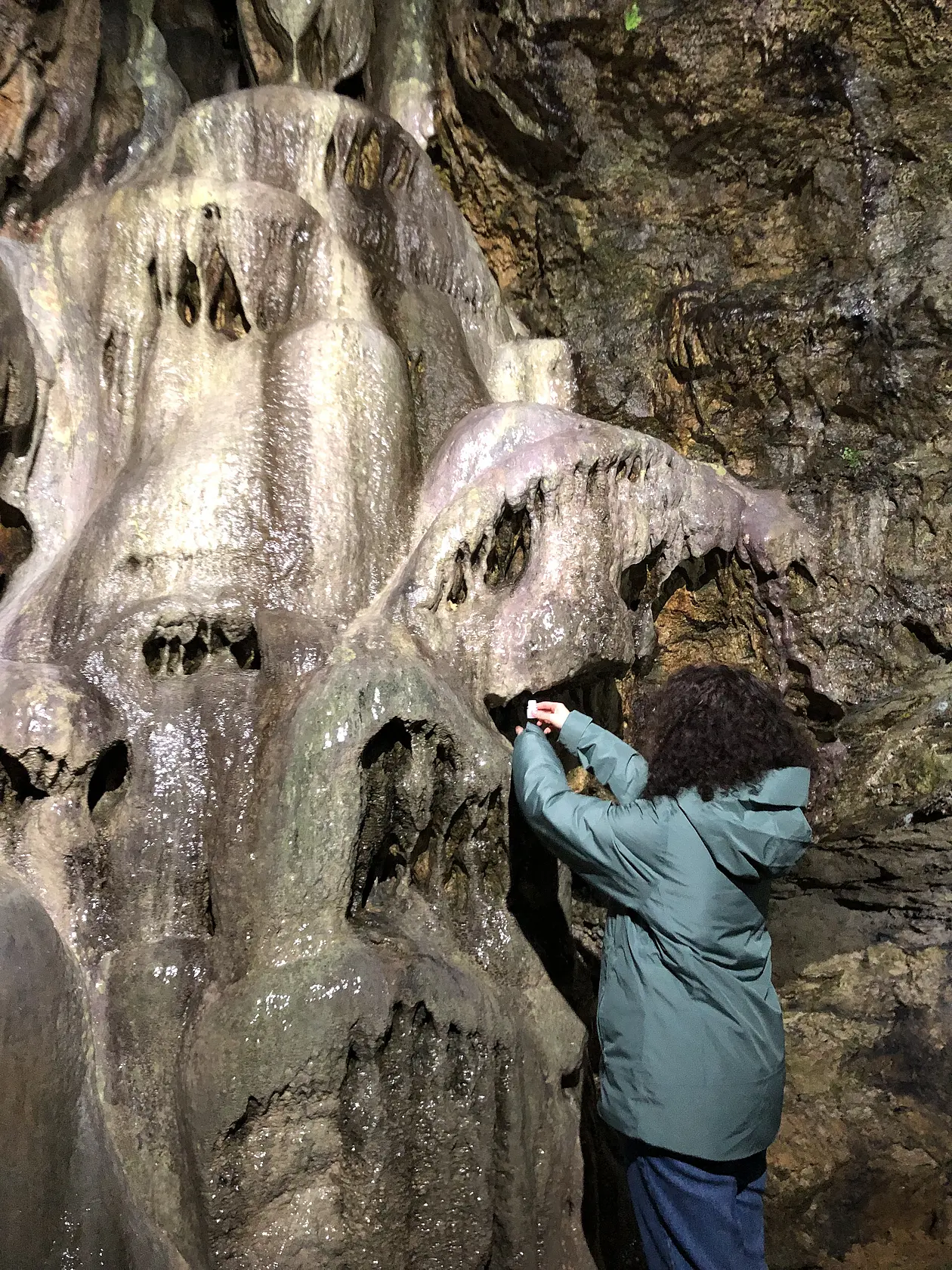
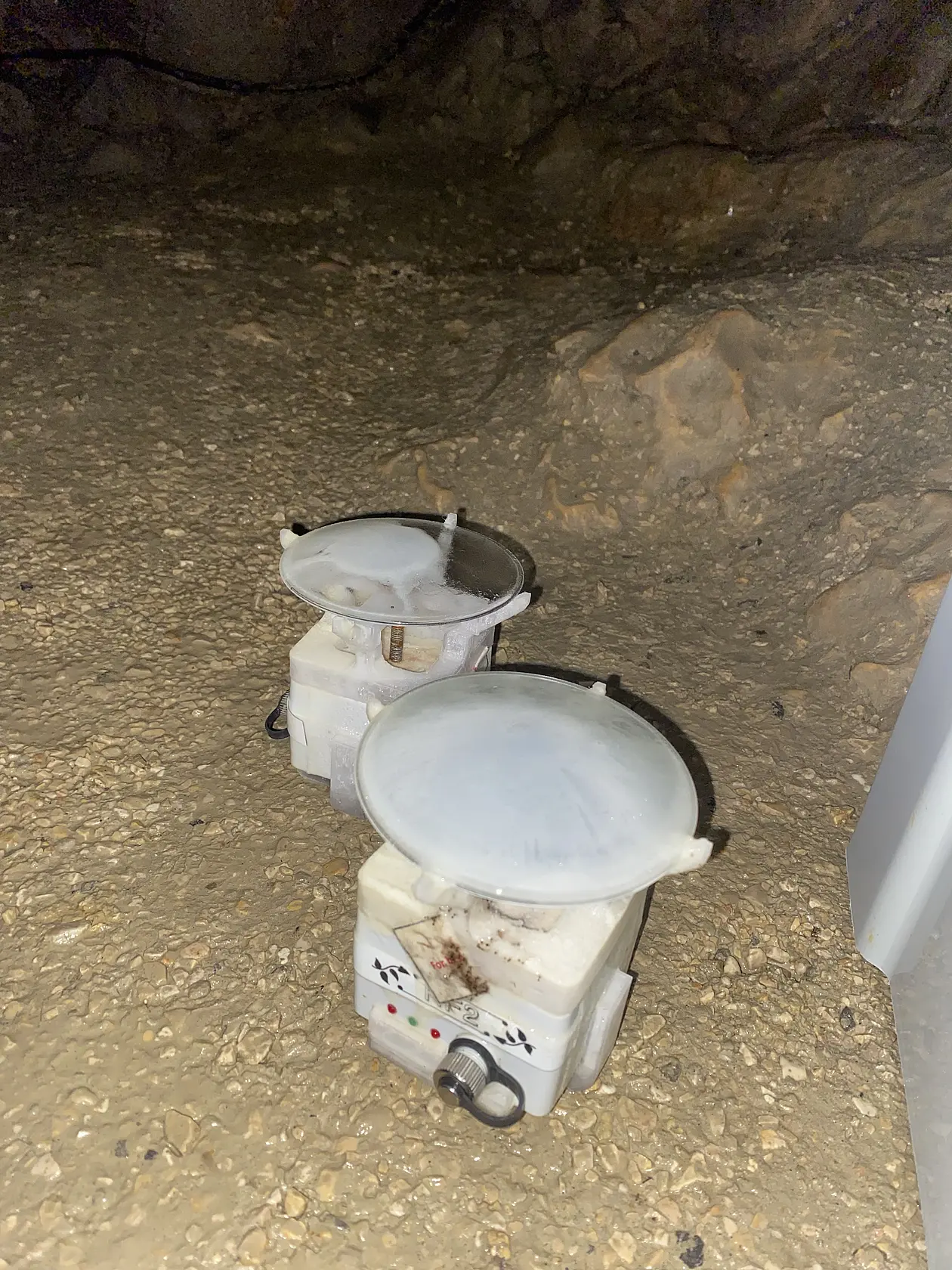
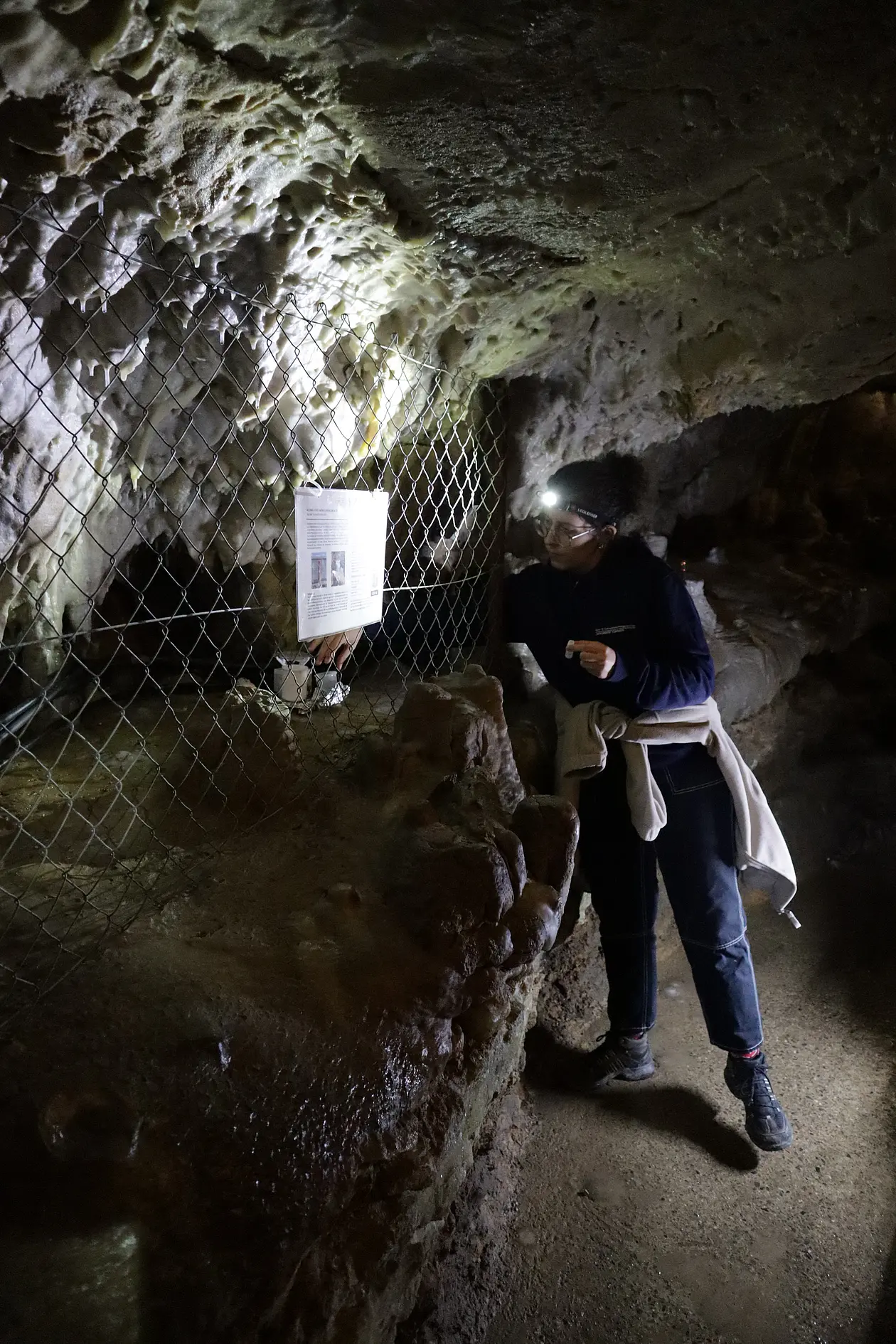
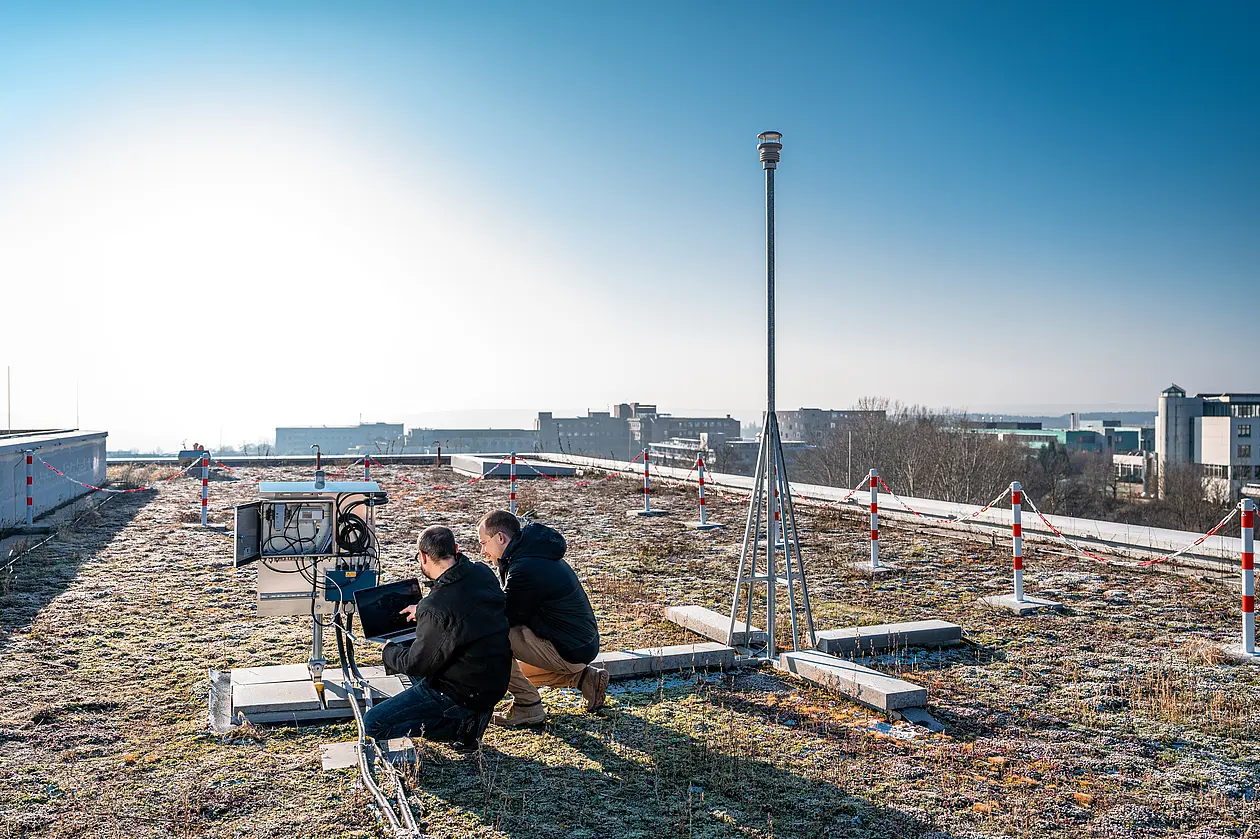
In 2022 the weather station on the institute roof in Tübingen was established, and we began looking for promising sites for monitoring weather and karst environments on the Swabian Alb. Since 2023, we have implemented a high-resolution monitoring program at Bärenhöhle, Nebelhöhle, Schertelshöhle, Falkensteiner Höhle, and Hohle Fels caves. At these sites, dataloggers continuously record temperature, relative humidity, drip water dynamics, and allow us to collect “modern speleothems” (precipitated calcite) that form on the watch glass at the top of the dataloggers (see picture below).

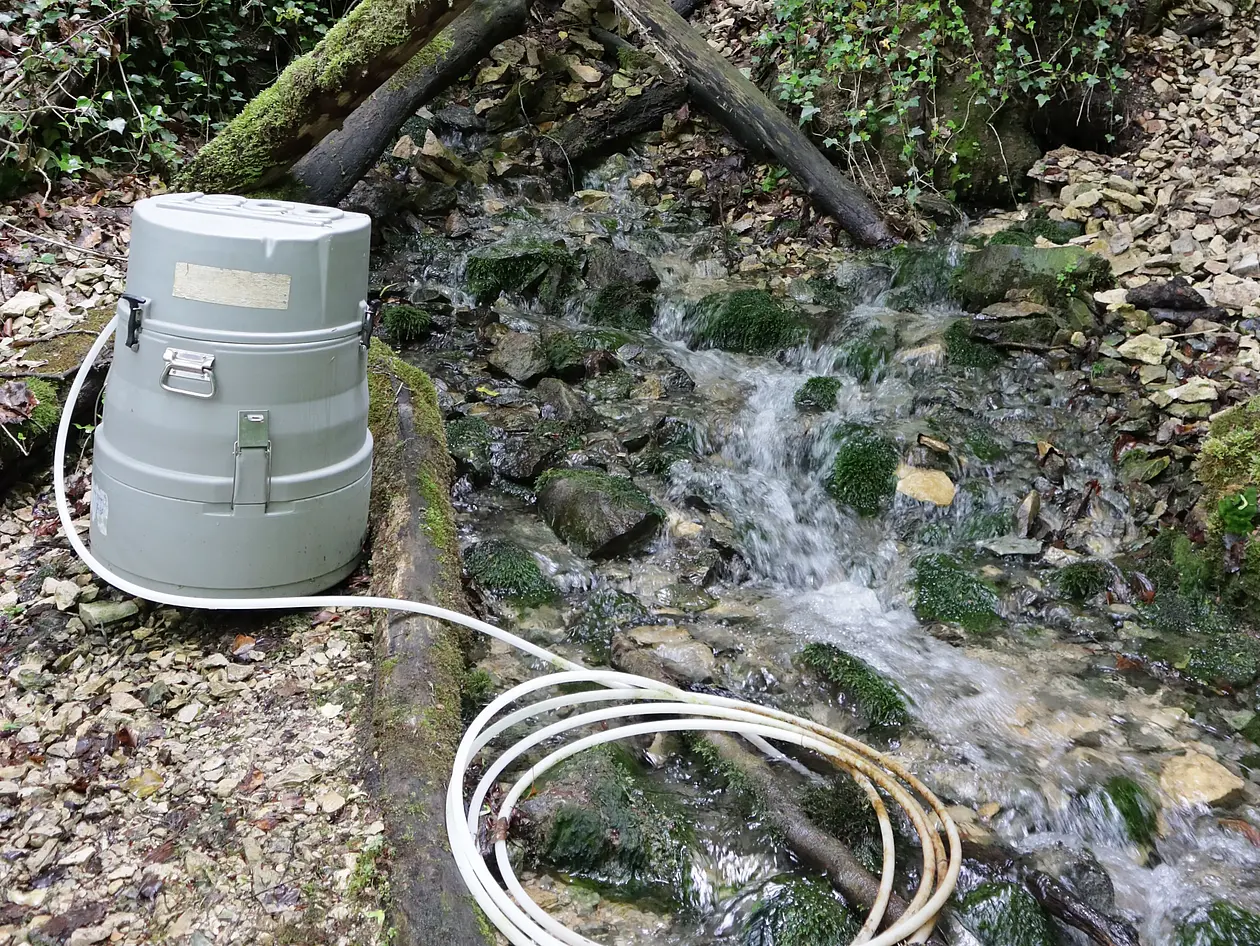
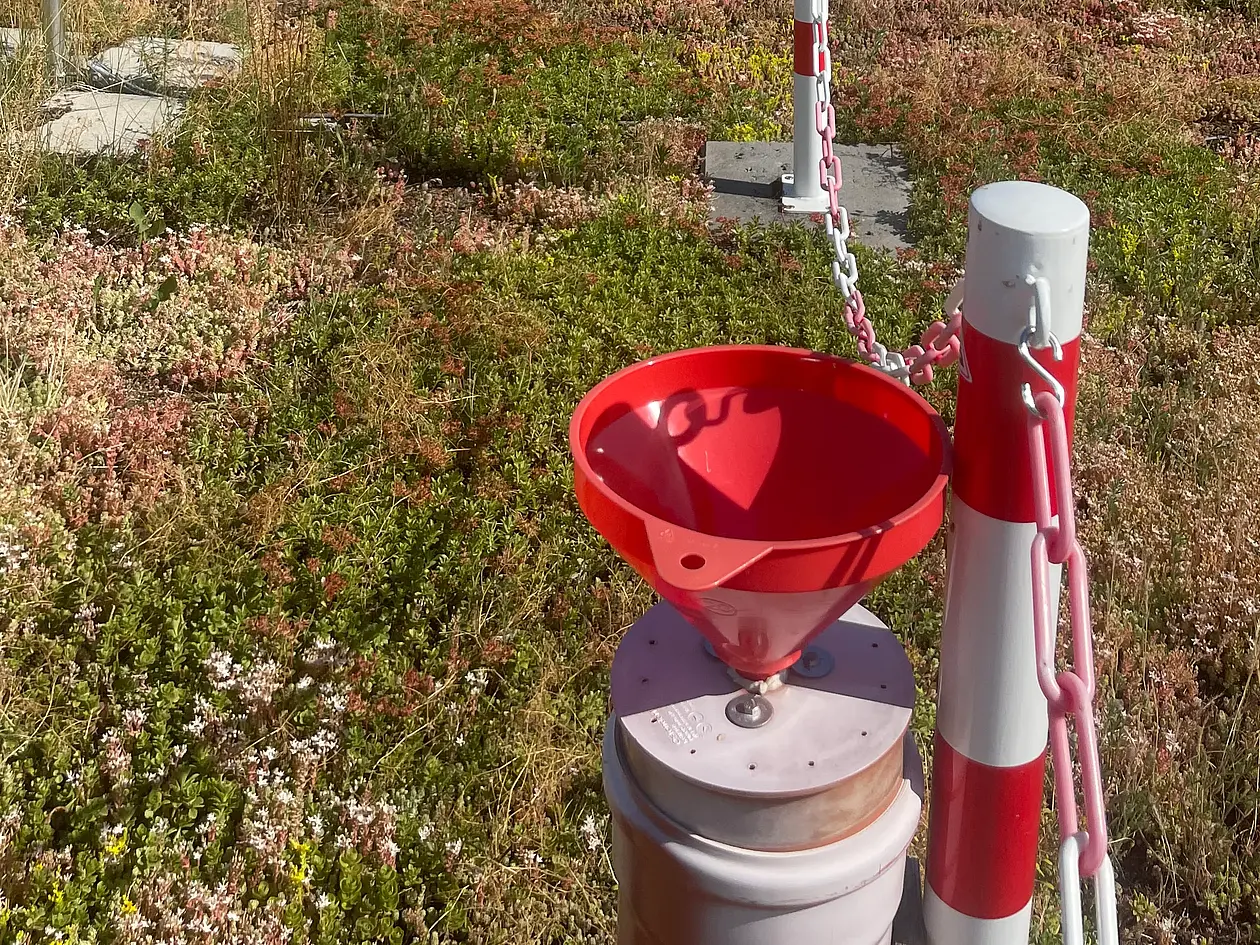
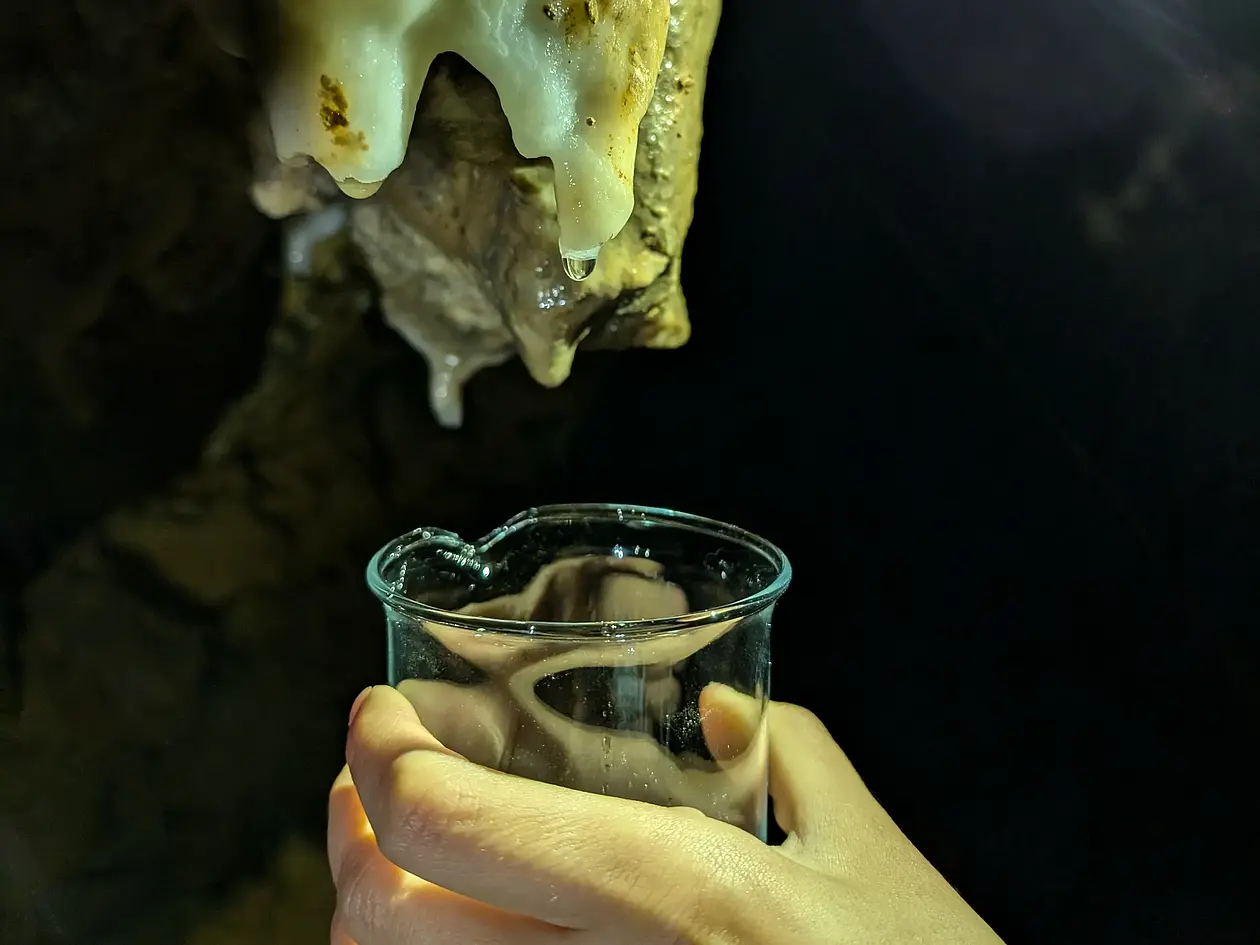
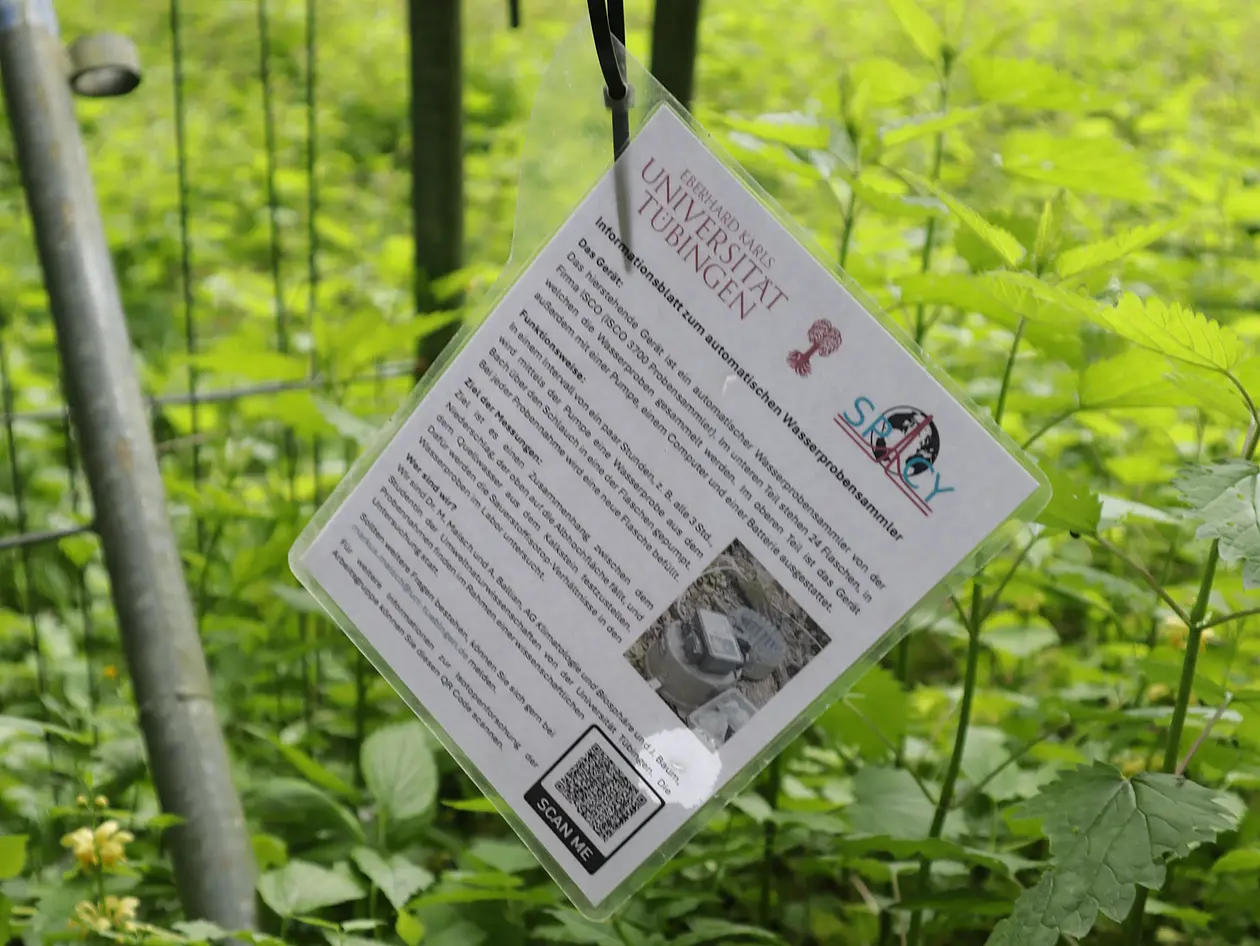
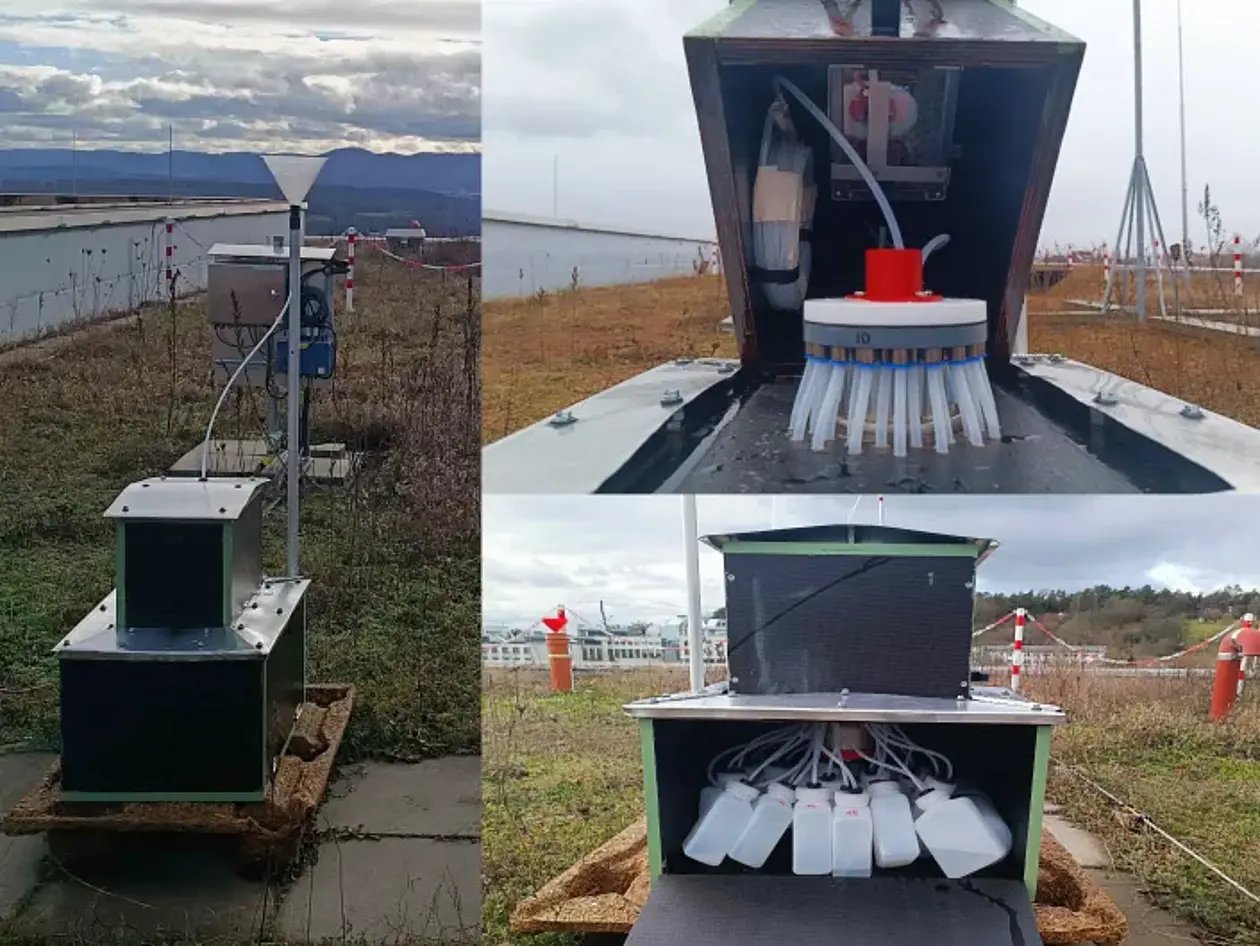
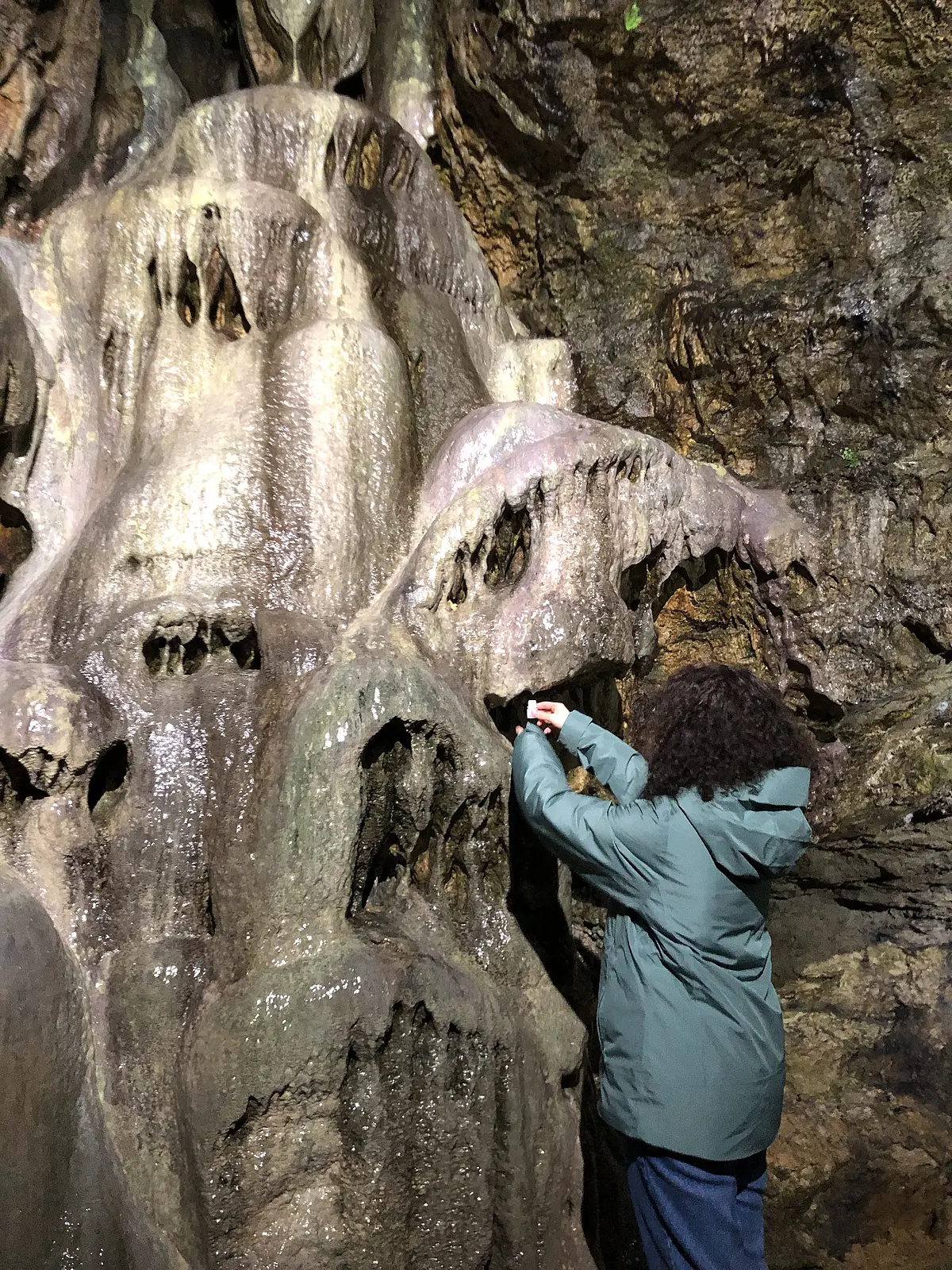
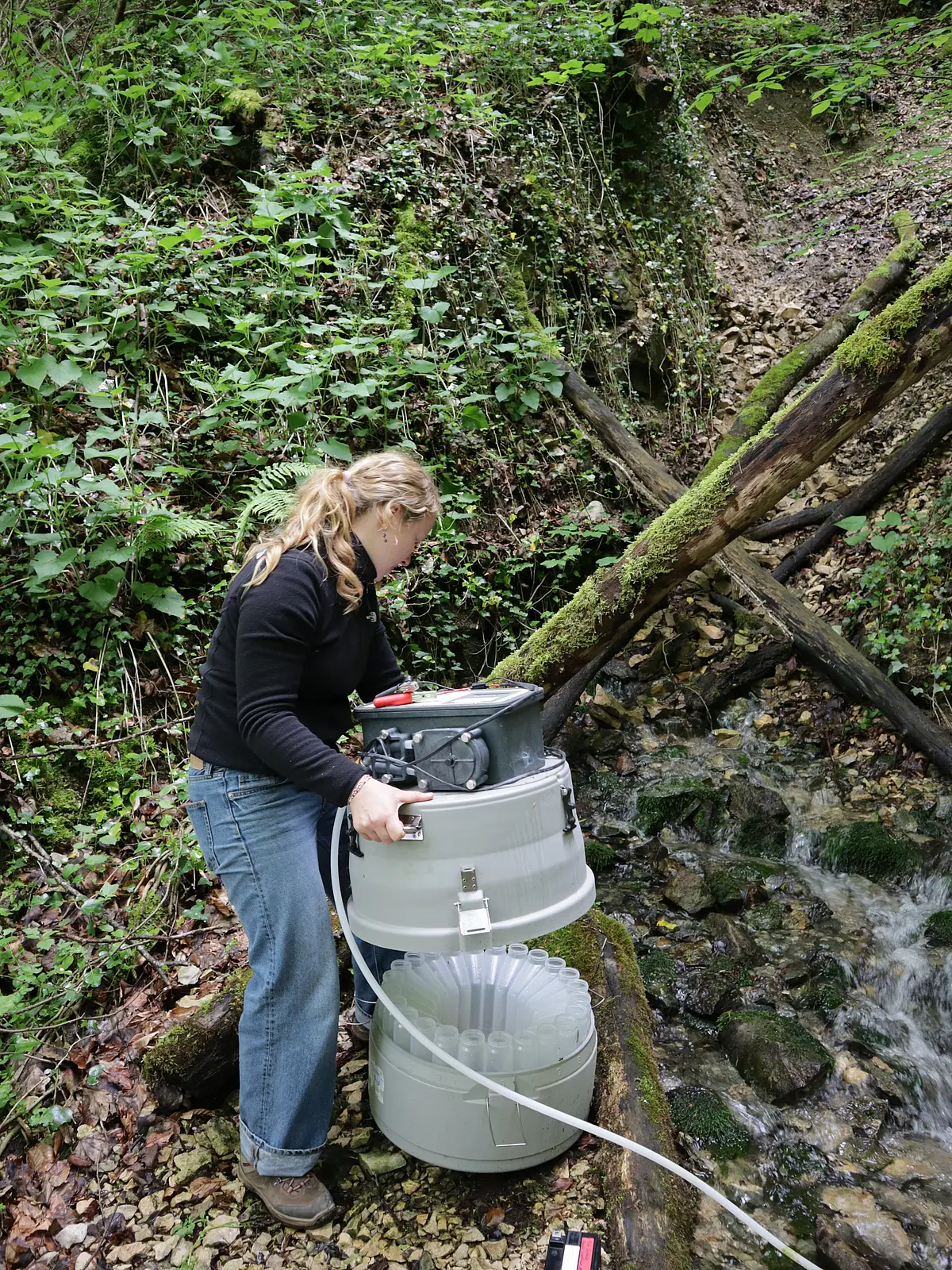
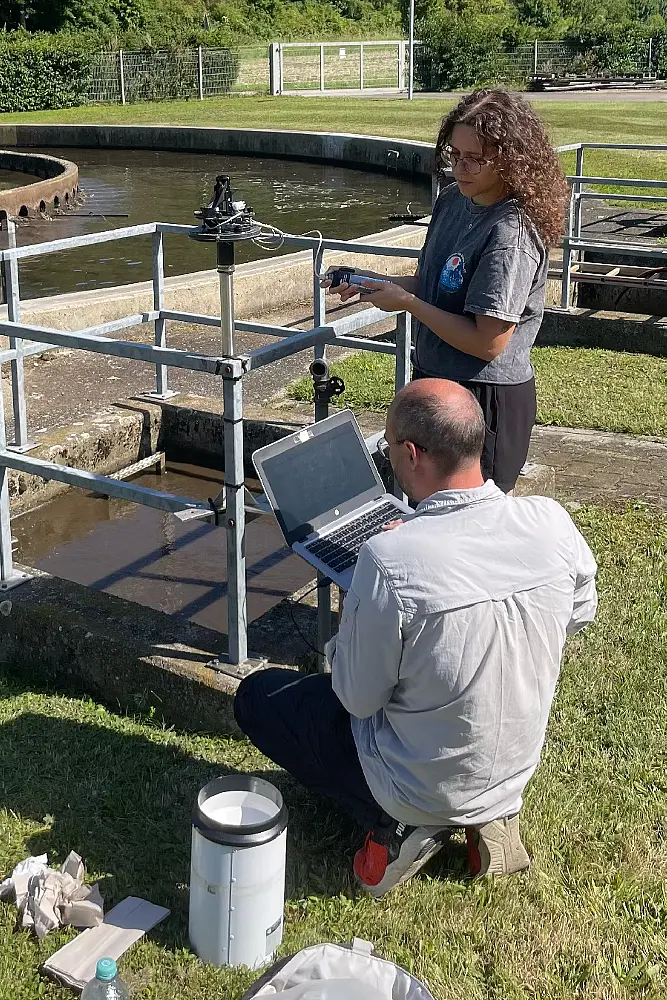
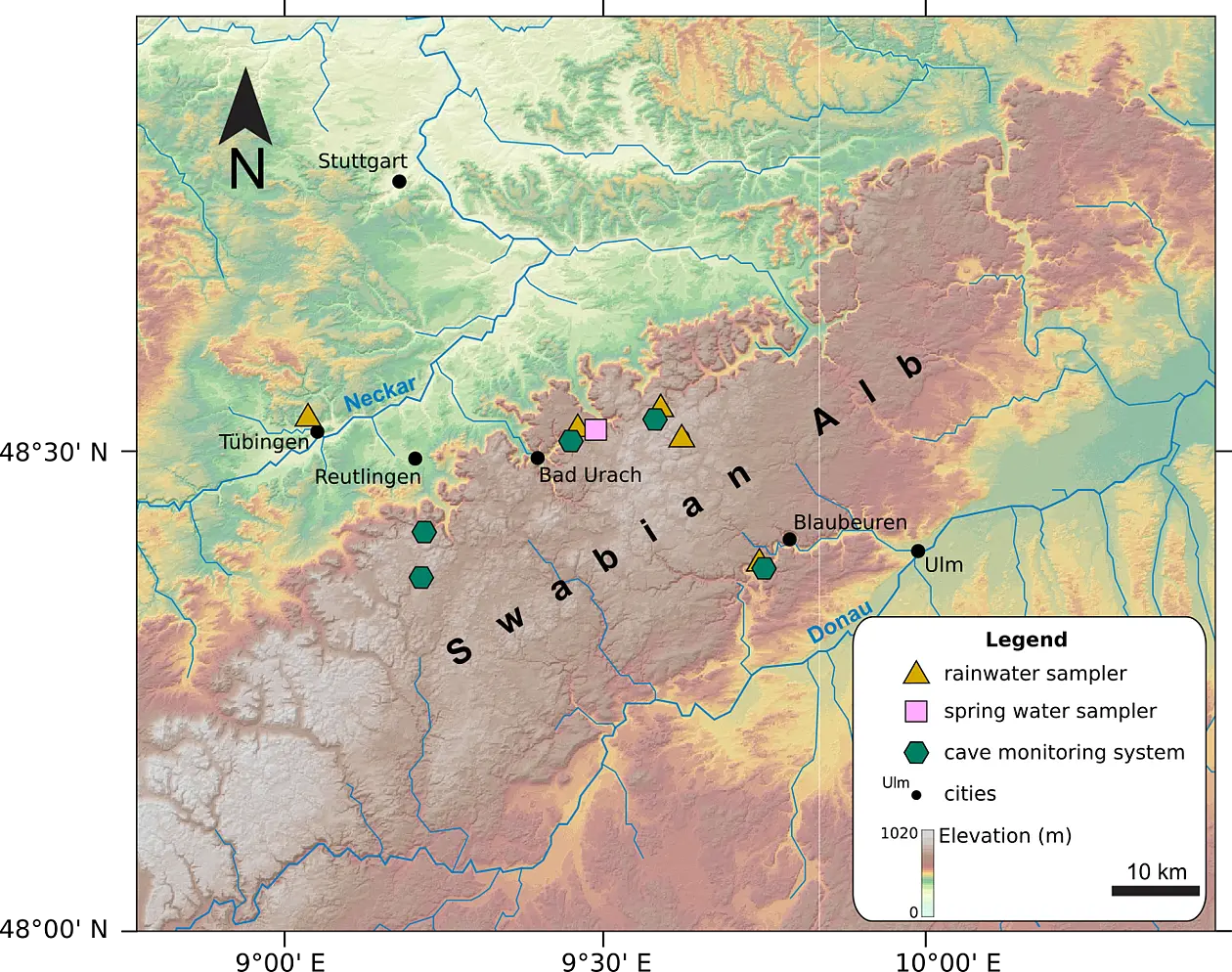
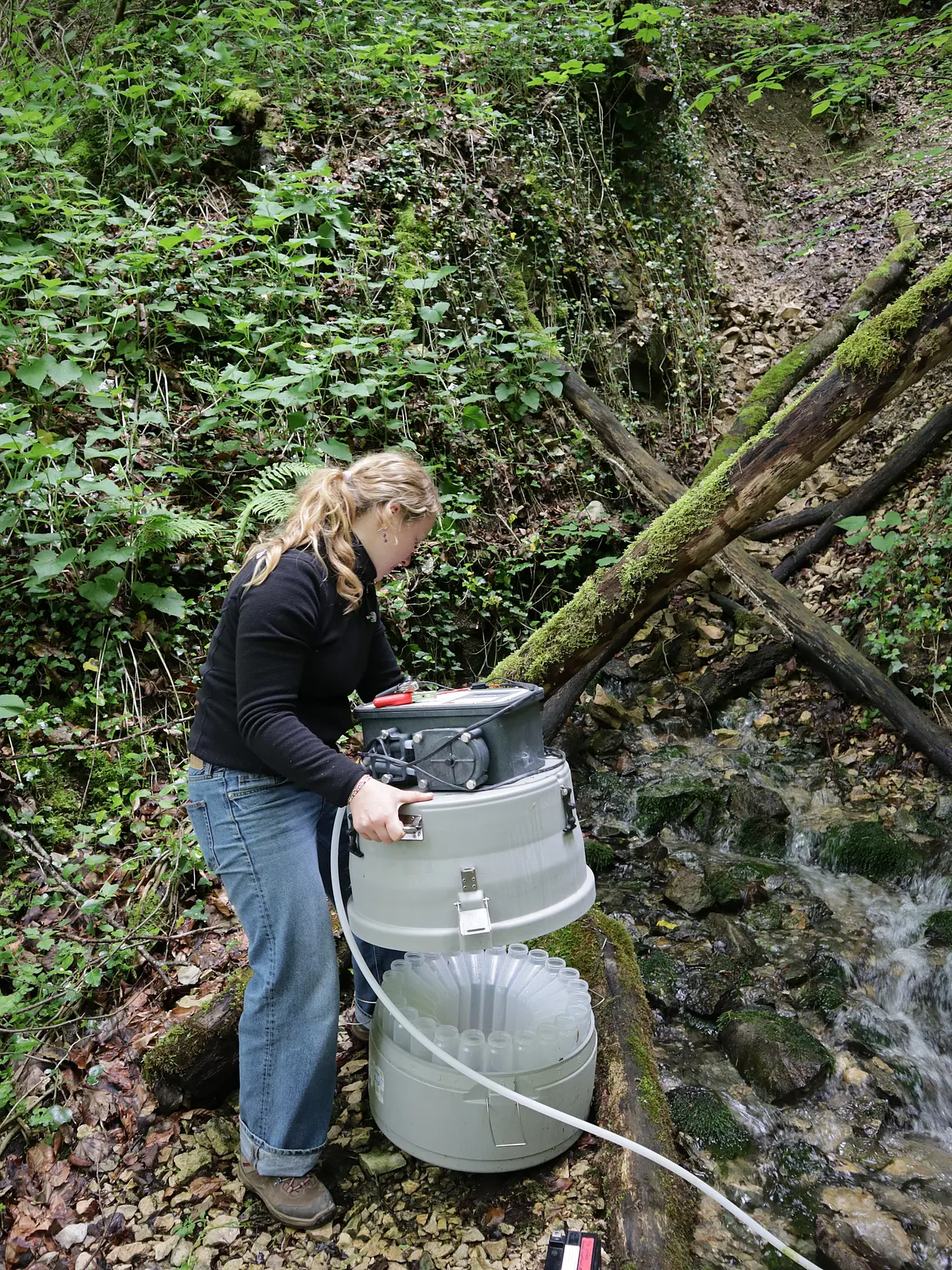
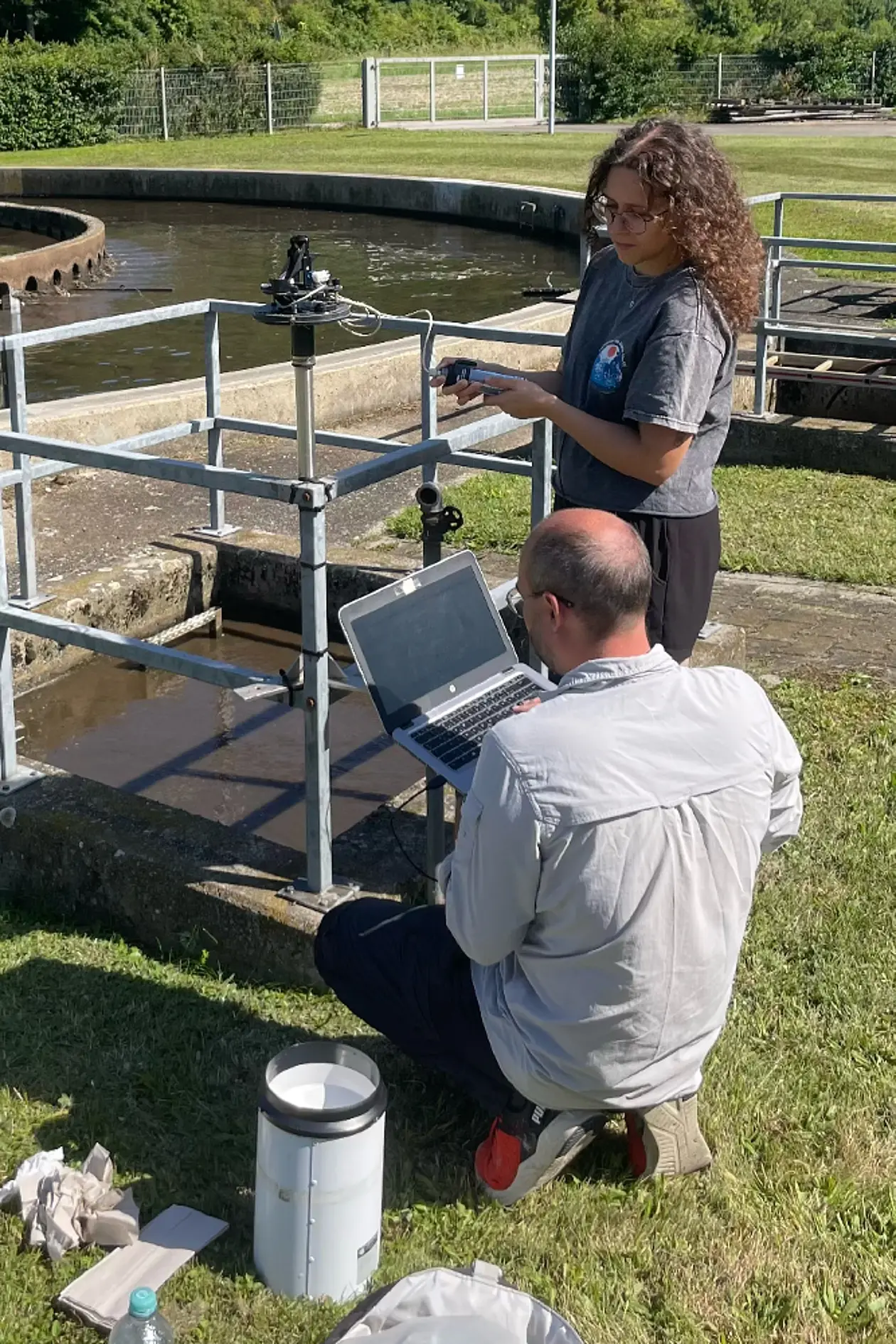
In addition, we regularly collect cave drip water and measure CO2 concentration at different locations within each cave. In parallel, rainfall amount and isotopic composition in rainwater and cave spring water in the surrounding region are measured using microclimate stations and water collectors at Tübingen, Blaubeuren, Westerheim, Grabenstetten, and Goldloch (Lenningen). This integrated setup enables us to track how surface climate signals are transferred into the subsurface cave environments, providing a robust process-based framework for understanding signal transfer and preservation.

Building on nearly three years of continuous data, we further aim to enhance this network with new, and mobile, weather stations across the Swabian Alb.

Our monitoring work in the news:

  • Newspaper article in “Grabenstetter Blättle” n34, 21.08.2025
  • Description of our research in the  digital exhibition guide for the exhibition on display at the Schlosslabor at Hohentübingen Castle from April 17 to November 29, 2026

Our team members Dr. Markus Maisch, Dr. Armelle Ballian and Dr. Sebastian Höpker are actively working on this research, in cooperation with Valdir Novello who played a key role in building the monitoring network. They supervise students as part of final Bachelor’s and Master’s projects. You can contact them if you have any question, or if you want to be involved in the project!

Alumni that worked on the research: Judith Baum (Bsc, 2025), Yannick Wolfhard (MSc, 2026). 

We thank our collaborators: 

Funding for the establishment of the monitoring program was provided by the University of Tübingen Excellence Strategy.