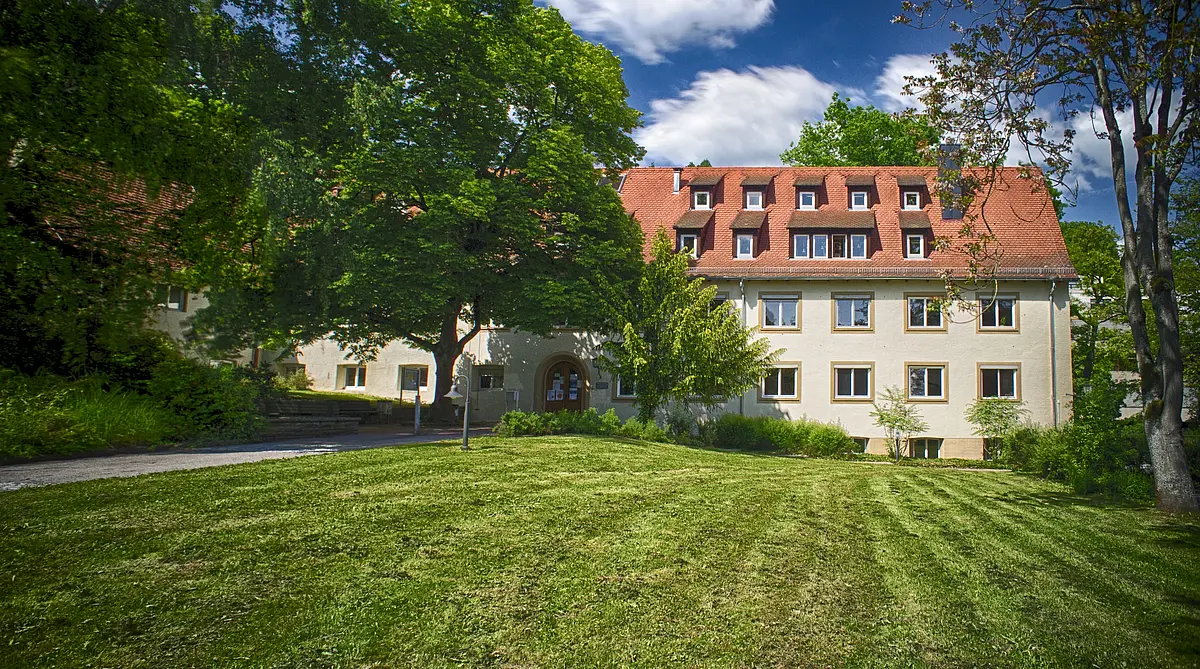
Institute of Political Science

Institute of Political Science

Welcome to the website of the Institute of Political Science at the University of Tübingen. Founded in 1952, we are the oldest political science department in Germany, and a renowned centre of excellence in both teaching and research. We offer a wide range of courses and programmes in political science for both BA and MA students. Cutting edge research is undertaken in our research units led by our professors, all international specialists in their respective fields. 

News

05.07.2010

Vortrag von Dr. Nadine Sika: Dynamics of Youth Political Engagement and the Persistence of Authoritarianism in Egypt

Neuer Termin! Am 08.07. um 14 Uhr im Raum 021, IfP

Nadine Mourad Sika acquired her Ph.D. in 2008 from Cairo University, Faculty of Economics and Political Science. She was an Assistant Professor of Political Science at Future University in Egypt until June 2010 and will be an Assistant Professor at the American University in Cairo starting September 2010. She is a consultant to the UNDP and other institutions. She is also a member of the board of directors of Partners in Development, an independent Egyptian think tank.

Dr. Sika will present her research results on the „Dynamics of Youth Political Engagement and the Persistence of Authoritarianism in Egypt“. She argues that the Egyptian political reform process is designed to keep the status quo rather than to promote political change. Political parties have a dual problem: they are constrained by government actions to contain their power, but they also have internal structural problems. These problems increase youth disengagement from political parties. Youth movements are mainly secular in nature, they are, however, few in number and in their outreach capabilities. Finally, the study found out that there is a schism between democratic political attitudes and political engagement levels by youth. The measurement of democratic political attitudes shows that youth does believe in the importance of attaining a democratic society. Yet, the survey concerning youth political engagement demonstrates that they are dis-inclined from actively participating in the conduct of the civic and political affairs of their country.

Social Media

Mailing-lists, Twitter and Facebook. Last not least: RSS-Feeds of the Institute.