Institute of Political Science

Previous events

Here you can find an overview of past ECRF events, their programmes and corresponding recordings.

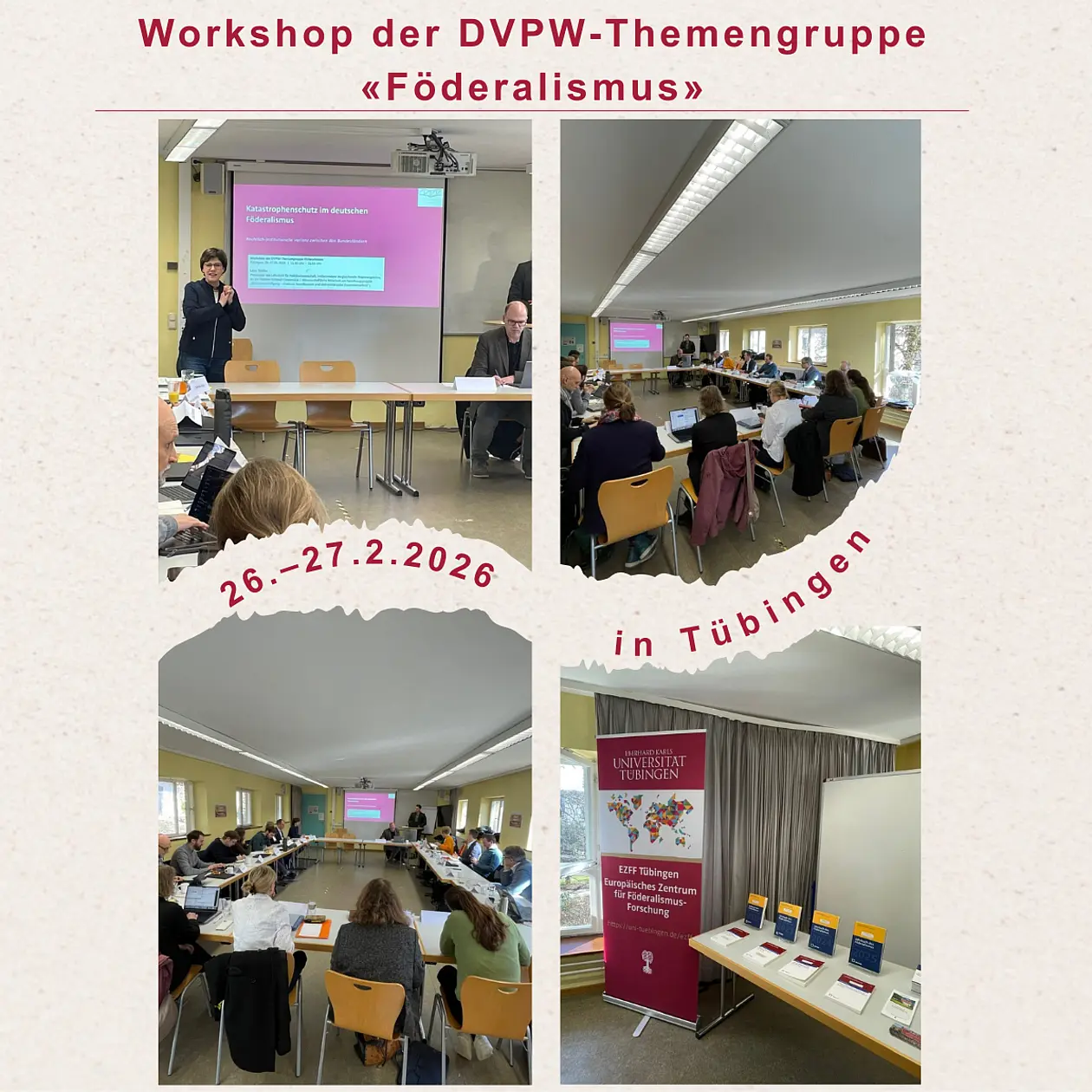
26./27.02.2026: Workshop of the GPSA Research Group ‘Federalism’

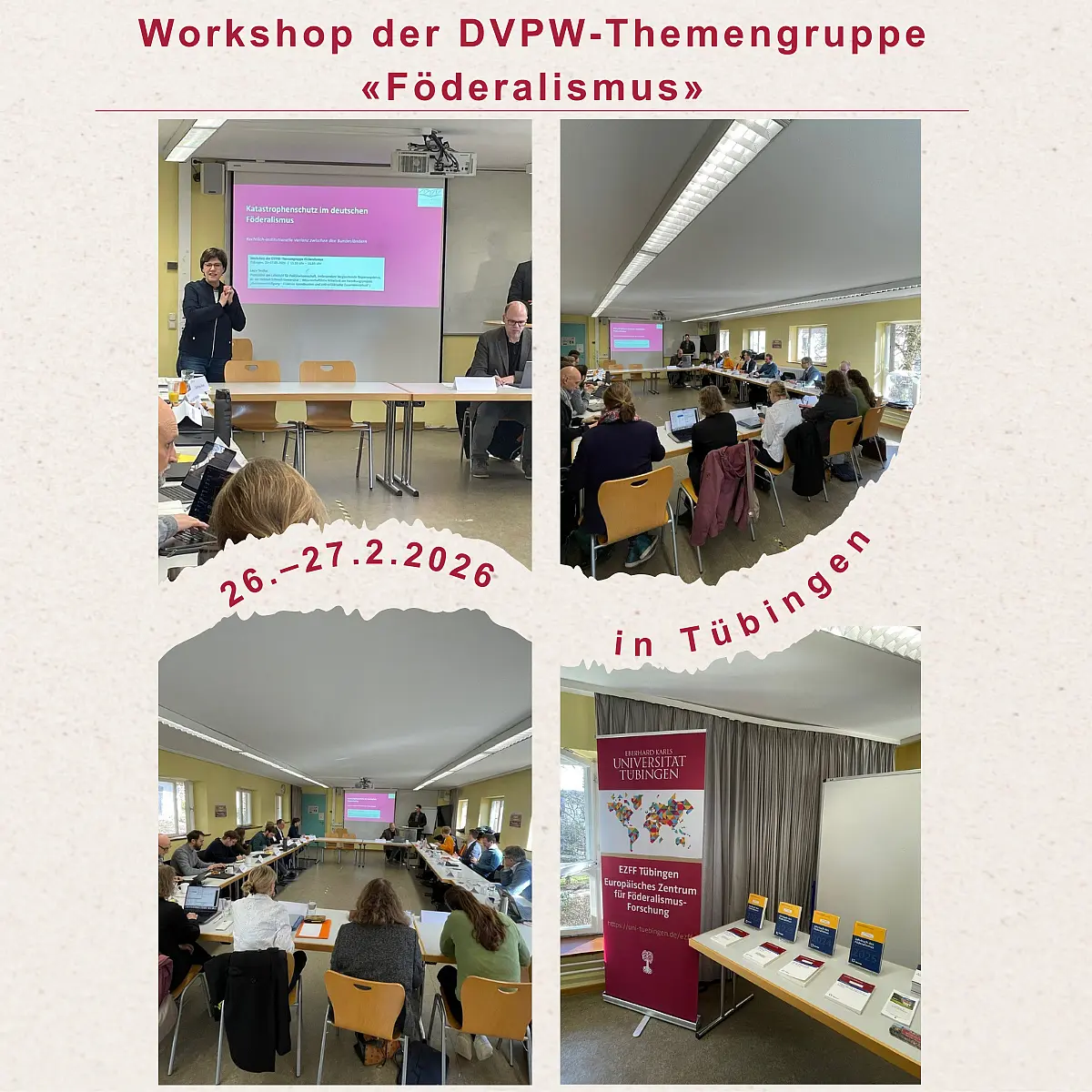
On 26 and 27 February 2026, the workshop of the GPSA research group ‘Federalism’ ('Deutsche Vereinigung für die Politikwissenschaft'; German Political Science Association) took place at the University of Tübingen in cooperation with the European Centre for Research on Federalism (ECRF). The aim of the event was to discuss the topic of federalism and multilevel governance in an intensive exchange within the thematic group.

In addition to Prof. Dr. Gabriele Abels, Speaker of the ECRF Executive Board and Director of the Institute for Political Science at the University of Tübingen, and Dr. Martin Große Hüttmann, Executive Member of the ECRF Board, a total of 24 other researchers participated in the workshop. The contributions ranged from theoretical and historical analyses to empirical and comparative approaches. Abels and Große Hüttmann presented the topic ‘(No) more of the same? The German Länder in the EU multilevel system’.

The event was organised by Johanna Schnabel, Sean Müller and Jared Sonnicksen in collaboration with Gabriele Abels and Martin Große Hüttmann. In conclusion, the workshop once again demonstrated the importance of intensive professional exchange on federal structures and multilevel governance, both at the national and European levels, and opened up perspectives for further joint research.

15.01.2026: "Populism and Federalism – Best Friends?"

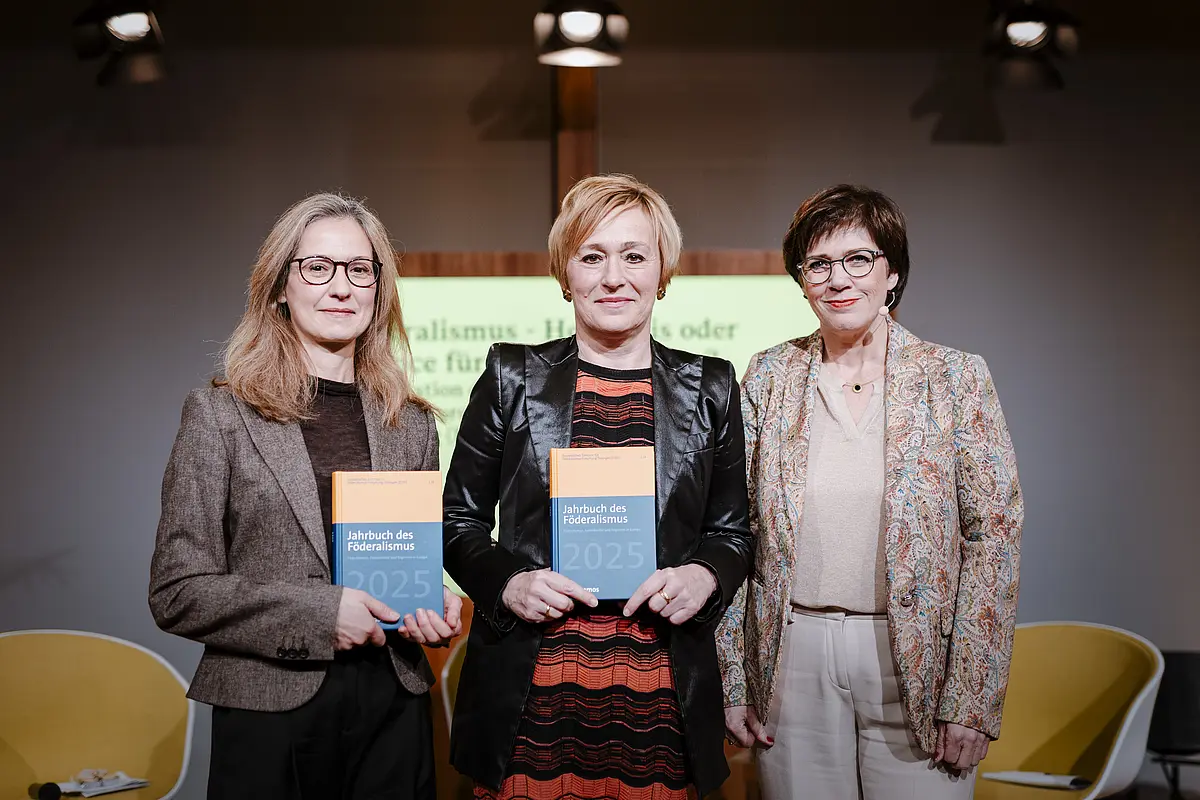
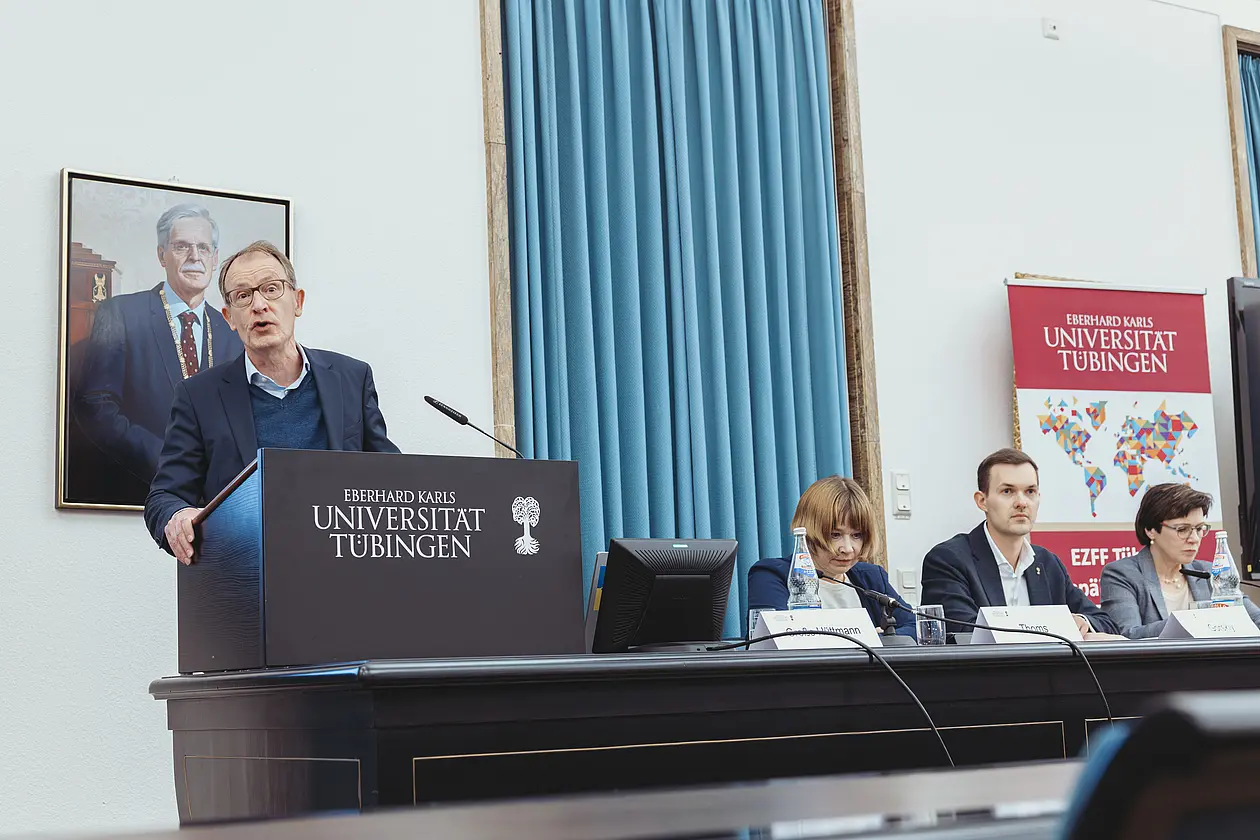
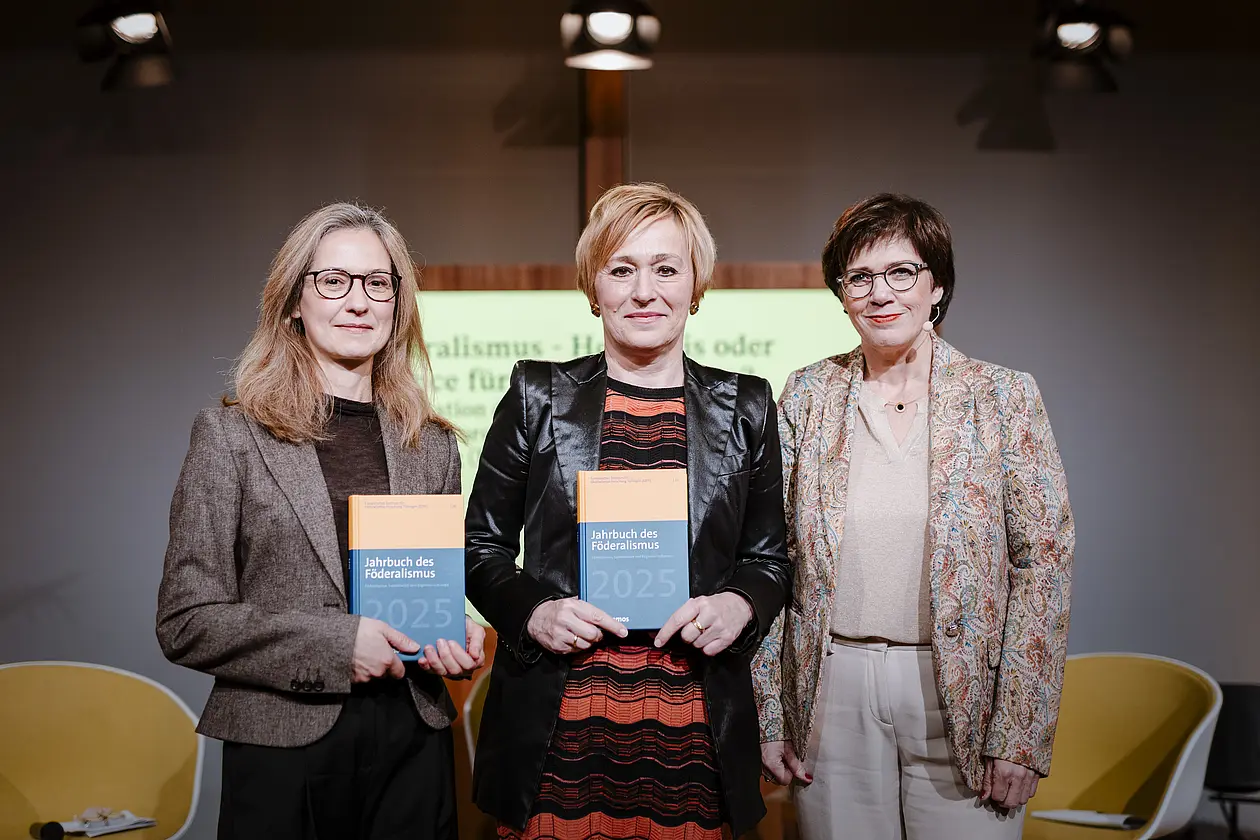
On January 15, 2026, the ECRF officially presented the “Yearbook of Federalism 2025,” which is dedicated to the interplay between populism and federalism, at the University of Tübingen. The event was a collaboration with the Institute for Research on Far Right Extremism (IRex).

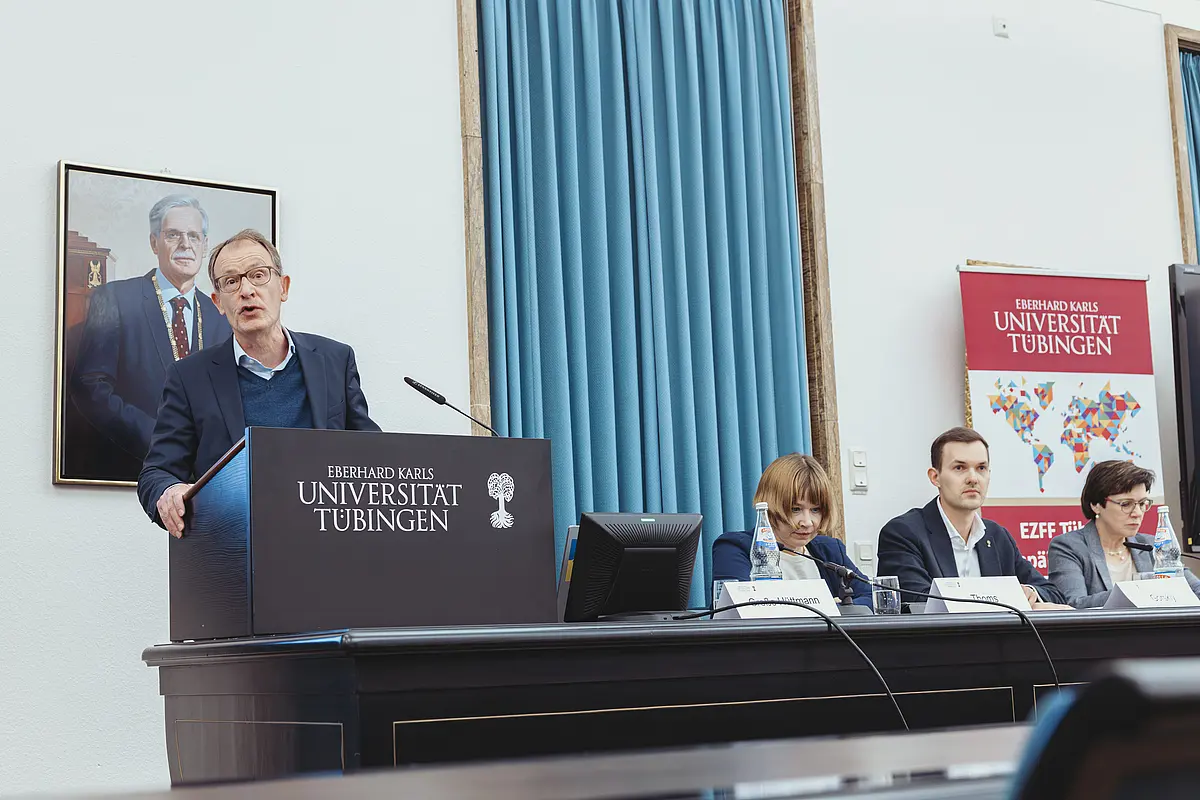
First, Prof. Dr. Gabriele Abels, Speaker for the ECRF Executiv Board and Director of the Institute for Political Science (IfP), welcomed the numerous guests and presented the work of the ECRF as well as the current Yearbook and its focus topic. She then discussed with Katharina Thoms, Deutschlandradio, and Dr. iur. Alexander Gorskiy, LL.M., University of Tübingen, Kehl University of Applied Sciences, and Ludwigsburg University of Applied Sciences, whether the federal structures of the Federal Republic of Germany can counteract the rise of populist parties or whether they can instead be instrumentalized to undermine or even dismantle the constitutional state. The discussion was moderated by Dr. Martin Große Hüttmann, Executive Member of the ECRF Board. In his introductory remarks, he referred, among other things, to the debate on state modernization and a new federalism reform, which is gaining momentum in light of the steady rise of the AfD.

In her opening statement, Ms. Thoms pointed out that the AfD is increasingly succeeding in establishing itself at the local level – for example, in municipal councils – and is perceived as largely “harmless.” This leads the other parties to assume that excluding or isolating the party no longer works. The AfD is also contributing significantly to a radicalization of political discourse, which is increasingly challenging for the media in their reporting. This is also having an impact on other parties, which are also increasingly sharpening their tone.

Dr. Gorskiy then explained which constitutional structures are particularly vulnerable to instrumentalization and called for appropriate adjustments. Specifically, he referred to the statehood and constitutional autonomy of the Länder, which would give a populist state government considerable leeway in implementing its policies. Even one Land in which a populist party comes to power would be enough to shake cooperative federalism in Germany: the consequences would be devastating in the Bundesrat and the conferences of minister presidents and ministers, where unanimity is often required. At the same time, a populist Land government would have the opportunity to restructure the respective political system in its favor. He emphasized that numerous control mechanisms and the separation of powers (e.g., the composition of state courts) in the Länder are often only regulated by state laws and can therefore be easily undermined.

Prof. Abels interjected that populist parties already had the opportunity to obstruct constitutional bodies from the opposition. She referred to her own experience as a judge at the Constitutional Court of Baden-Württemberg, which was often flooded with so many motions from the AfD that they were almost impossible to deal with, significantly hindering the court's work. Ms. Thoms added that the AfD, with its blocking minority in the Thuringian state parliament, would prevent the election of judges and capitalize on this politically. At the same time, she said, it was difficult to deal with these complex issues in journalistic practice. She then criticized the fact that, although there was often discussion before elections about how constitutional structures could be made more resilient, there was never any real progress because the other parties could not agree – until it was too late. She also warned that an AfD-led Land government could withdraw from the State Media Treaty.

Prof. Abels pointed out that many lessons could be learned from comparisons with other countries, citing the regional rise of the Freedom Party of Austria as a specific example. The frequent hope that a right-wing populist and/or anti-system party could be “tamed” in government is a fallacy. Comparisons with other countries show that participation in government does not lead to disenchantment, but rather to recognition. The parties could then act even more confidently and at the same time have the opportunity to push ahead with restructuring the Land in their favor.

Dr. Gorskiy concluded by criticizing the fact that numerous steps to strengthen constitutional resilience at the federal and Land levels (e.g., the anchoring of control mechanisms in a Land constitution) could have been taken long ago – now it may be too late. All three speakers expressed concern and pessimism about the upcoming elections in 2026. Many developments are already becoming apparent, but political decision-makers have failed to prepare for them accordingly. The system of cooperative federalism would continue to exist for the time being, but it is likely to bear scars.

17.11.2025: Presentation of the "Yearbook of Federalism 2025"

Monday, 17 November 2025,
5 p.m. – 8.30 p.m. CET,
Vertretung des Landes Baden-Württemberg beim Bund,
Tiergartenstraße 15, 10785 Berlin.

After a pre-reception, where specialities from both Berlin (Currywurst) and from the Ländle (Käsespätzle) were offered, Mr. Ulrich Aierstock, Deputy Head of the State Representation, opened the event and welcomed the guests. Prof. Dr Gabriele Abels, Speaker of the ECRF Executive Board, then presented the topics covered in the Yearbook. She paid particular attention to this year's main topic, ‘Populism and federalism – best friends?’ – a question that is becoming increasingly important in light of recent political developments in many different countries.

Prof. Abels then discussed the topic ‘Federalism – obstacle or opportunity for populism?’ with Prof. Dr. Paula Diehl, Christian Albrecht University of Kiel, and Prof. Dr. Sabine Kropp, Free University of Berlin. The focus was on the question of whether federal structures provide a fertile environment for populist forces or whether they are particularly well suited to curbing them.

In her opening statement, Prof. Diehl pointed out that the interplay between populism and federalism depends on three fundamental factors that can vary considerably from country to country: the functioning of the political system, the characteristics of the political culture, and the political level at which populist forces operate (federal, state or local?). At the same time, she reminded the audience that, despite some common characteristics, there is no such thing as ‘one form of populism’ and that populist actors can also evolve over time. Furthermore, populism does not always have to be authoritarian in nature, although this is increasingly the case due to its growing adoption by right-wing extremist forces. Normalising populist messages would only lead to even greater radicalisation. According to Diehl, the question of how populism affects the functioning of institutions is of central importance. She used the image of a drunk guest at a party: just as this guest can liven up the atmosphere, populism has the potential to revitalise democracy. At the same time, it could also destroy it. The role of federalism varies in this regard depending on the country and political level: while in the USA, for example, the states have proven to be an effective bulwark against the right-wing populist policies of the federal government, in Austria the populist FPÖ has succeeded in breaking through the cordon sanitaire of the federal parties by participating in state governments.

Prof. Kropp agreed with the assessment that a distinction must be made between populism and extremism. The central communication strategy of populism is to blame others, who are held responsible for problems, often in the name of ‘the people’. These may be ‘the elite’ (or ‘those at the top’), but also actors at other political levels in general. In this way, a federal government, for example, could pass on responsibility for failed reforms. Accordingly, populist communication is not only reserved for radical actors, but can also be practised by forces perceived as moderate. The federal structure of a country could be used by populist forces as a means of obstruction. German executive federalism in particular offers numerous opportunities for this, for example in the Bundesrat or the Fachministerkonferenzen. Since these usually work in a consensus-oriented manner and often require unanimity for decisions, even if a populist party is only (co-)governing in one state, this can already have considerable disruptive potential. According to Kropp, the key to strengthening the federal state's defences does not lie in small-scale institutional reforms. Instead, federal structures as a whole need to be made more flexible, for example by abolishing unanimity requirements.

When asked whether the rise of populist forces could be reversed, the two panellists came to a sobering conclusion. According to Prof. Diehl, the situation is more likely to worsen. The increasing coarsening of language, especially on social media, is difficult to reverse. Prof. Kropp similarly pointed out that a feeling of permanent crisis has become established in society, which populist forces know how to exploit. When Prof. Abels asked whether populist parties could be disenchanted by participating in government, Prof. Kropp replied that this was difficult to imagine given the growing influence of forces within the parties that insist on their maximum demands. A ‘let them join in’ approach at the state level could have disastrous consequences given the federal interdependencies and the consensus-oriented system of the Federal Republic. Prof. Diehl pointed to the example of the Rassemblement National in France, noting that the normalisation of populist discourse, coupled with an apparent willingness to compromise on the part of the populist party, could encourage other parties to move closer to them and ultimately tempt them to enter into a government coalition.

Afterwards, the audience had the opportunity to ask the panellists questions. A reception with drinks rounded off the evening.
20.11.2024: Presentation of the "Yearbook of Federalism 2024"

On November 20, 2024 (17:00-20:30) we presented the “Yearbook of Federalism 2024” in the Berlin State Representation of Baden-Württemberg (Tiergartenstraße 15; 10785 Berlin). 

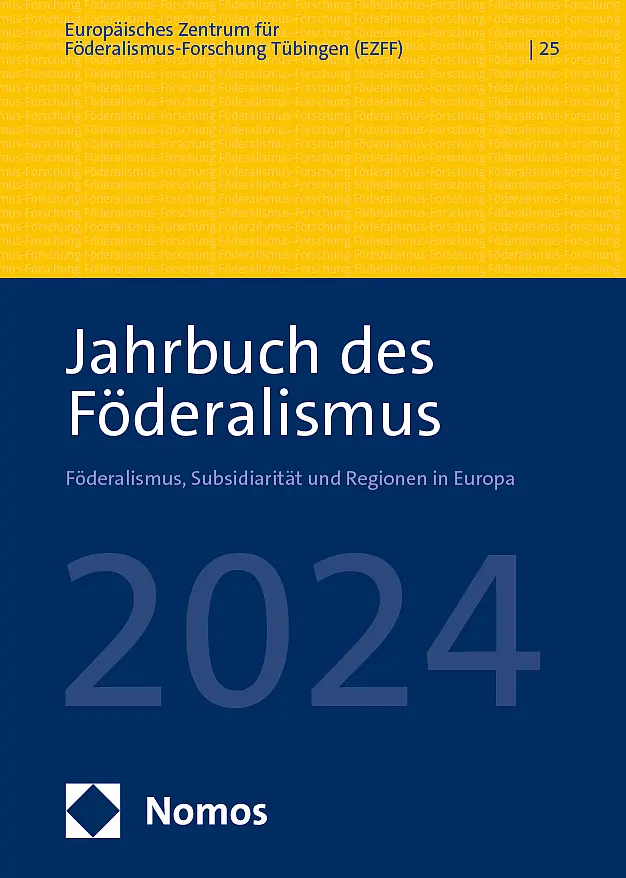
After a pre-reception with Swabian specialties and drinks (17:00-18:00), Mr. Iordanis Daniel Mouratidis, Head of Staff of the Plenipotentiary to the Federal Government, welcomed the guests. Prof. Dr. Gabriele Abels, speaker of the Executive Board of the ECRF, then presented this year's anniversary edition of the Yearbook and its focus topic “Climate change - federal responses to a global challenge”. This was followed by a panel discussion on the topic of "Climate Protection in Federal Interaction ” (18:30-19:30): Dr. Felix Schenuit, Stiftung Wissenschaft und Politik (SWP), Daniel Willeke, 1st Chairman of the Bundesverband Klimaschutz (BVKS) and Michael Schäfer, Managing Director of GermanZero debated under the moderation of Prof. Abels. The event concluded with a drinks reception (until 20:30).

08.12.2023: Celebration of the 30th anniversary of the ECRF

The European Centre for Research on Federalism (ECRF) was founded 30 years ago by Prof. Dr. em. Rudolf Hrbek as an interfaculty centre at the University of Tübingen, in which political science, law and geography are involved.

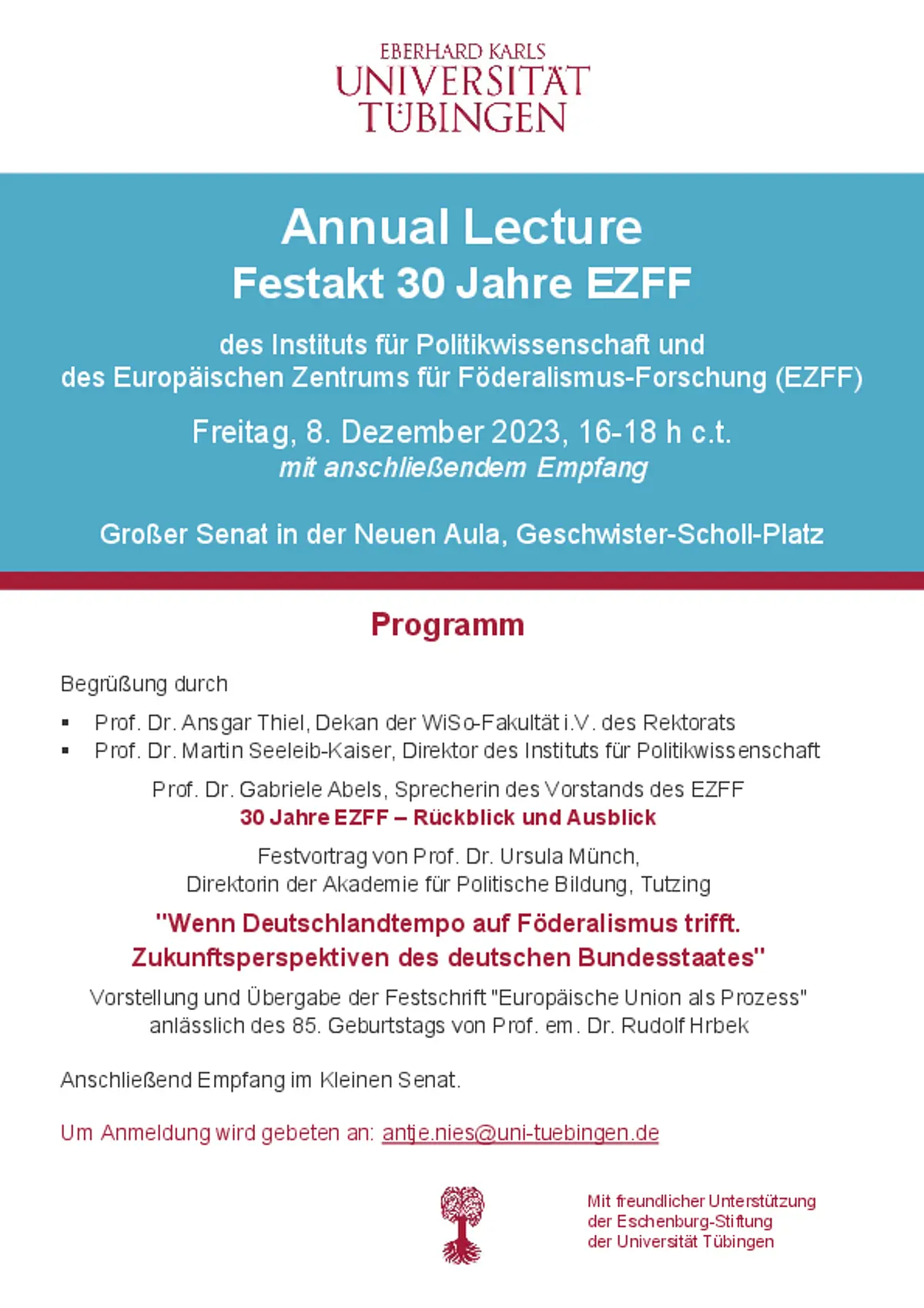
On the occasion of this year's anniversary, the ECRF and the Institute of Political Science (IfP) hosted the Annual Lecture and the celebration "30 Years of ECRF". As part of the ceremony, the commemorative publication "European Union as a Process" was presented to Prof. Dr. Hrbek on the occasion of his 85th birthday and in recognition of his services to European and federalism research.

The ceremony took place on Friday, 8 December 2023, 4-6 p.m. c.t. (Großer Senat in the Neue Aula, Geschwister-Scholl-Platz, 72074 Tübingen) with a review and outlook on 30 years of ECRF by Prof. Dr. Gabriele Abels, Spokesperson of the ECRF Executive Board, and a keynote speech by Prof. Dr. Ursula Münch, Director of the Academy for Political Education, Tutzing, on the topic "When German speed meets federalism. Future perspectives of the German federal state".

22.11.2023: Presentation of the Yearbook of Federalism 2023

The event took place on Wednesday, 22 November 2023, 5 p.m. (the presentation began at 6 p.m.) at the Landesvertretung Baden-Württemberg, Tiergartenstraße 15, 10785 Berlin.

The topic "German civil protection between noble aspirations and federal reality" was discussed by Leon Eckert MdB and Dr. Anna-Lena Hollo, University of Hannover, under the moderation of Prof. Dr. Gabriele Abels.

You can find a recording of the event here.

01./02.12.2022: Conference "How much federalism can a pandemic take? Dealing with the coronavirus and its consequences"

Federalism has come under pressure in the Covid 19 pandemic. Everywhere, the "patchwork" of regulation in dealing with the pandemic was criticised. What was allowed in one federal state was forbidden in another. At the same time, the federal states certainly switched back and forth between "Team Vorsicht" (Team Caution) and "Team Freiheit" (Team Freedom). The abbreviation MPK was previously familiar only to insiders, but since then it has become the talk of the town. For the eye was always fixed on the conferences of the Minister Presidents with the then Chancellor.
It is not the first time that the structures of German federalism have come under criticism in times of crisis. The need for reforms to improve the federal state's ability to act was also discussed during security policy crises (for example, in the aftermath of terrorist attacks). In the Covid 19 pandemic, personal concern about state regulation was clearly felt, not least in view of the unprecedented depth of encroachment on citizens' civil liberties.
Against the backdrop of the debates, the question arises as to the capacity to act and the need for reform of federalism in crises, specifically in the pandemic. How can the handling of the coronavirus and its consequences be explained? How efficient were the federal structures in Germany - not least in comparison with other states? Are unitary systems more capable of acting in crises? Are democratic states possibly even too slow in their decision-making processes in crises? What need is there for reform of German federalism and how can it be implemented?

These questions were discussed at a multidisciplinary symposium organised by the ECRF and the Akademie für Politische Bildung (Scholarship - Education - Public Services) in Tutzing.
You can find the program here.

16.11.2022: Presentation of the Yearbook of Federalism 2022

On 16 November 2022, the ECRF, together with the Representation of the State of Baden-Württemberg to the Federation in Berlin, presented the Yearbook of Federalism 2022 - after a two-year break due to the pandemic, finally again in the context of a live event.

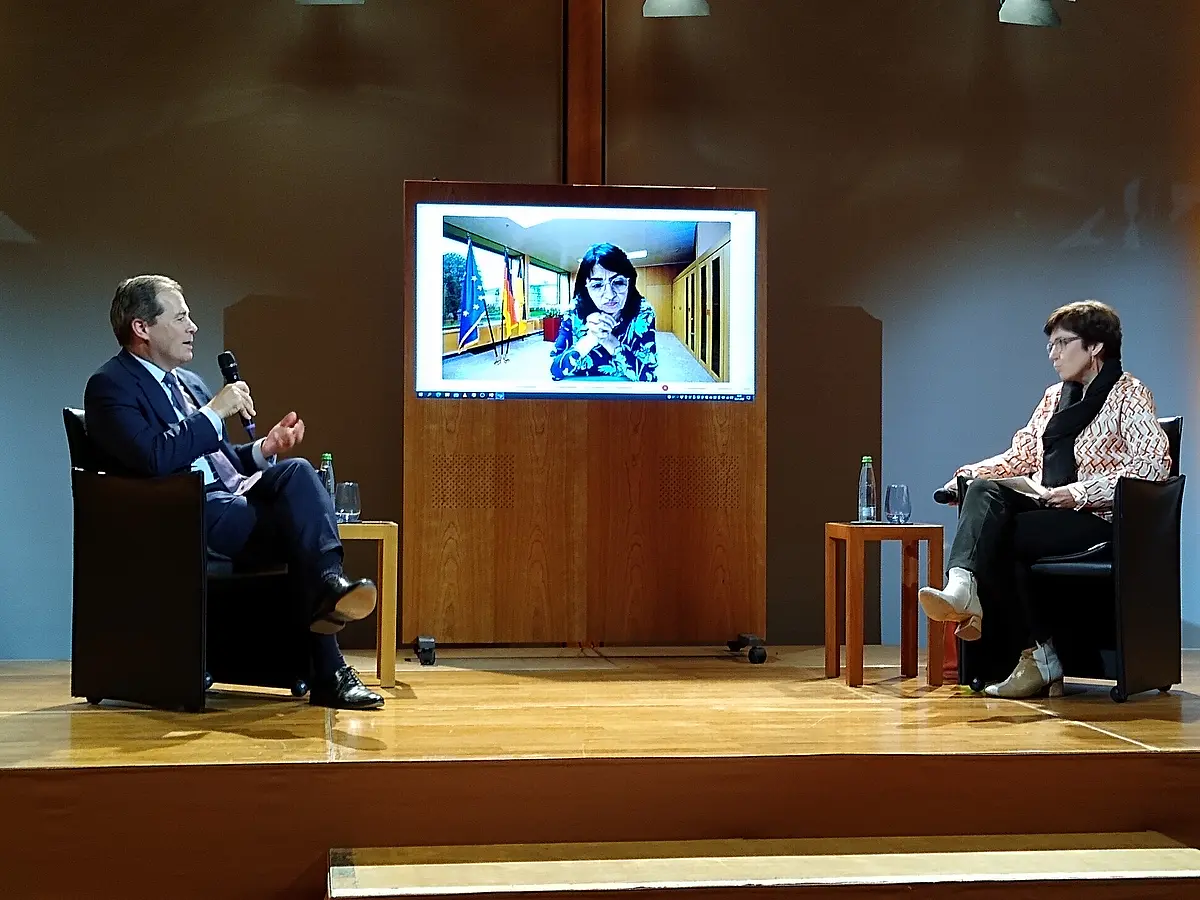
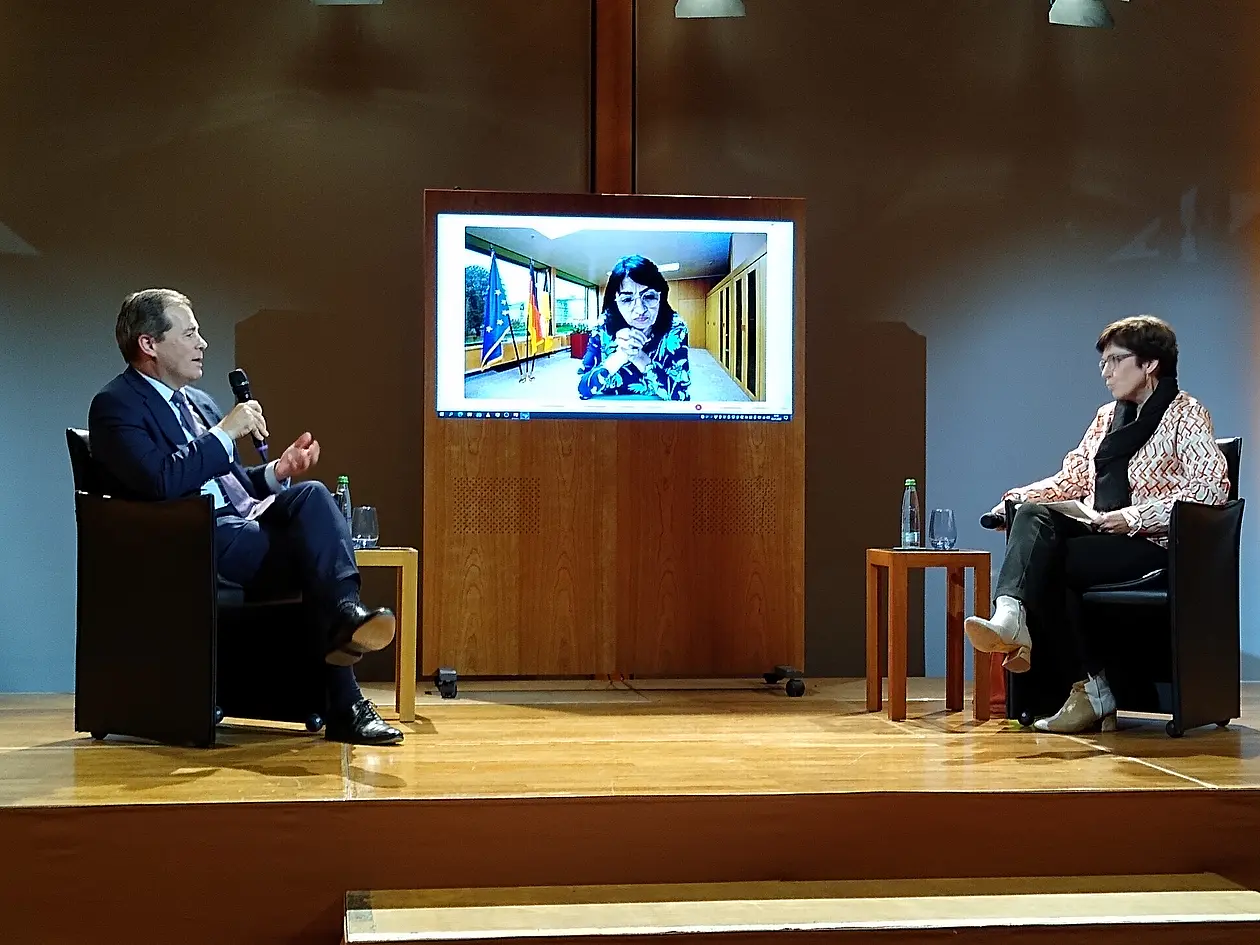
The presentation began with a welcome to the guests by the Head of Service of the Representation, Mr. Andreas Schulze, and a greeting from Ms. Muhterem Aras, President of the State Parliament of Baden-Württemberg, who had connected virtually from Stuttgart for the event. After she presented the range of topics of this year's Yearbook and gave a basic introduction to one of the main topics - the "Conference on the Future of Europe" - Prof. Dr. Gabriele Abels, Spokesperson of the Executive Board of the ECRF, discussed with Ms. Aras and Dr. Mark Speich, State Secretary for Federal and European Affairs, International Affairs and Media of the State of North Rhine-Westphalia and Representative of the State to the Federation, about their experiences from the conference, in which they had actively participated as part of the delegation of the European Committee of the Regions. The discussion also addressed the question of how to ensure a stronger involvement of citizens and regions in political processes at the European level and what the concrete follow-up should look like. Both discussants saw the Member States and the Council as being primarily responsible for this. The audience also participated actively in the discussion with questions and comments.

The ECRF would like to thank Ms. Aras and Dr. Speich for the excellent hybrid discussion, all participants and especially the Representation of Baden-Württemberg to the Federation for the successful event.

06.10.2022: Workshop "Subnational Foreign Relations: The Asian Policy of Selected Countries in Germany and Austria"

This was a cooperation between the International Relations Department of Webster Vienna Private University (WVPU) and the Institute for Political Science (IfP) and the European Center for Research on Federalism (ECRF) of the Eberhard Karls University of Tübingen. The programme of the workshop can be found here.

16.11.2021: Presentation of the Yearbook of Federalism 2021

In a digital format. Here you can find a recording of the event.

06./07.05.2021: Conference "From Takers to Shapers? Challenges for Regions in a Dynamic EU Polity"

Here you will find the programme of the international conference, which also included the following programme items:

For a conference report see "Von Mitspielenden zu Gestaltenden? Herausforderungen für Regionen im dynamischen Mehrebenensystem der Europäischen Union. Tagungsbericht, Mirjam Zillober, in: Jahrbuch des Föderalismus 2021, pp. 471–475".

30.11.2020: Presentation of the Yearbook of Federalism 2020

In a digital format. Here you can find a recording of the event.

13.11.2019: Presentation of the Yearbook of Federalism 2019

In the State Representation of Baden-Württemberg in Berlin.

26.03.2019: Presentation of the Yearbook of Federalism 2018

In the State Representation of Baden-Württemberg in Berlin.

23.10.2018-22.01.2019: Lecture series "Demands for autonomy and secessionist aspirations in Europe and the world"

Lecture series on the occasion of the 25th anniversary of the ECRF.

27./28.04.2018: Conference "Close to the citizens and strong in decision-making? - Regional parliaments in political competition"

Joint conference with Akademie für Politische Bildung (Scholarship - Education - Public Services) in Tutzing.

27./28.04.2016: Conference "Hope Europe - The EU as a space and destination for migration"

Joint conference with the Akademie für Politische Bildung (Scholarship - Education - Public Services) in Tutzing.

20./21.06.2013: Conference "Future questions of federalism"

Joint conference with State Representation of Baden-Württemberg in Berlin with the support of the DAAD (German Academic Exchange Service) as part of the "Meetings of the Friends of Federalism".