Verantwortlich: Prof. Dr. Susanne Greiff
Lehrsprache: Deutsch
Authentizität in der Archäologie – archäologische Quellen zwischen Irrtum, Fälschung und Instrumentalisierung
Die archäologischen Wissenschaften sind naturgemäß aufgrund ihrer fachlichen Natur und der lückenhaften Überlieferung ihres Untersuchungsgegenstands auf interpretierende Forschungen angewiesen. Immer wieder kam und kommt es zu Fehlinterpretationen und Irrtümern, die aber häufig dem aktuellen Stand des Wissens und der Methodik ihrer Zeit geschuldet sind. Das andere Ende des Spektrums stellen absichtliche Auslassungen, tendenziöse Auslegungen und bewusste Fälschungen von Objekten, Texten, Bildern und Befunden dar. Welche Auswirkungen hat das auf das Fach Archäologie und seine Authentizität? Wie dehnbar ist Authentizität? Wer hat die Deutungshoheit? Mit welchen Methoden können wir Fälschungen und Irrtümer entlarven?
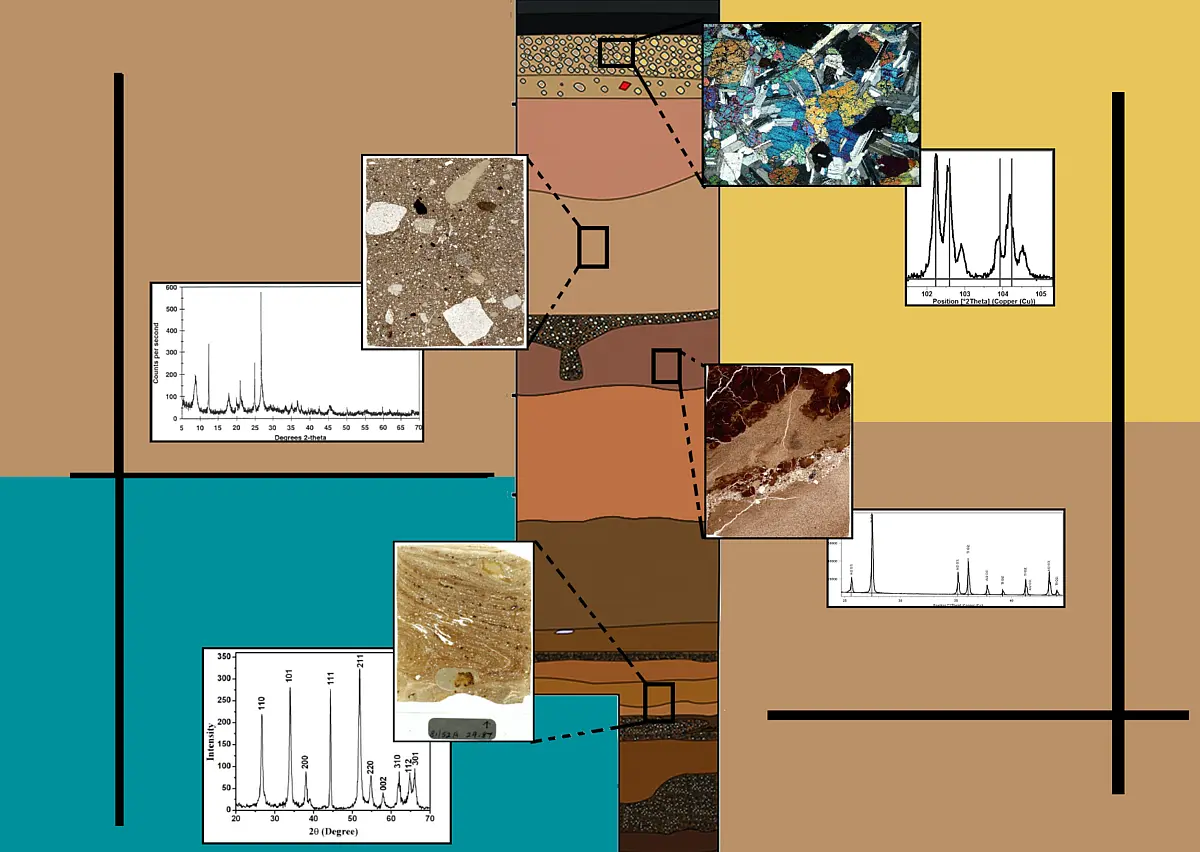
In diesem facettenreichen Seminar beschäftigen wir uns mit der ganzen Bandbreite archäologisch-historisch relevanter Quellen, ausgehend von Ausgrabungsbefunden, Fundobjekten, bis hin zu Bild- und Textquellen und deren Wirkkraft sowie Rekonstruktionen von Befunden aller Art.
Ein Schwerpunkt wird die Instrumentalisierung von Archäologie für politische Propaganda darstellen. Welche Beweggründe stehen dabei im Vordergrund und mit welchen Instrumenten wird hier operiert? Wer sind die relevanten Akteure? Wer beansprucht Deutungshoheit und warum?
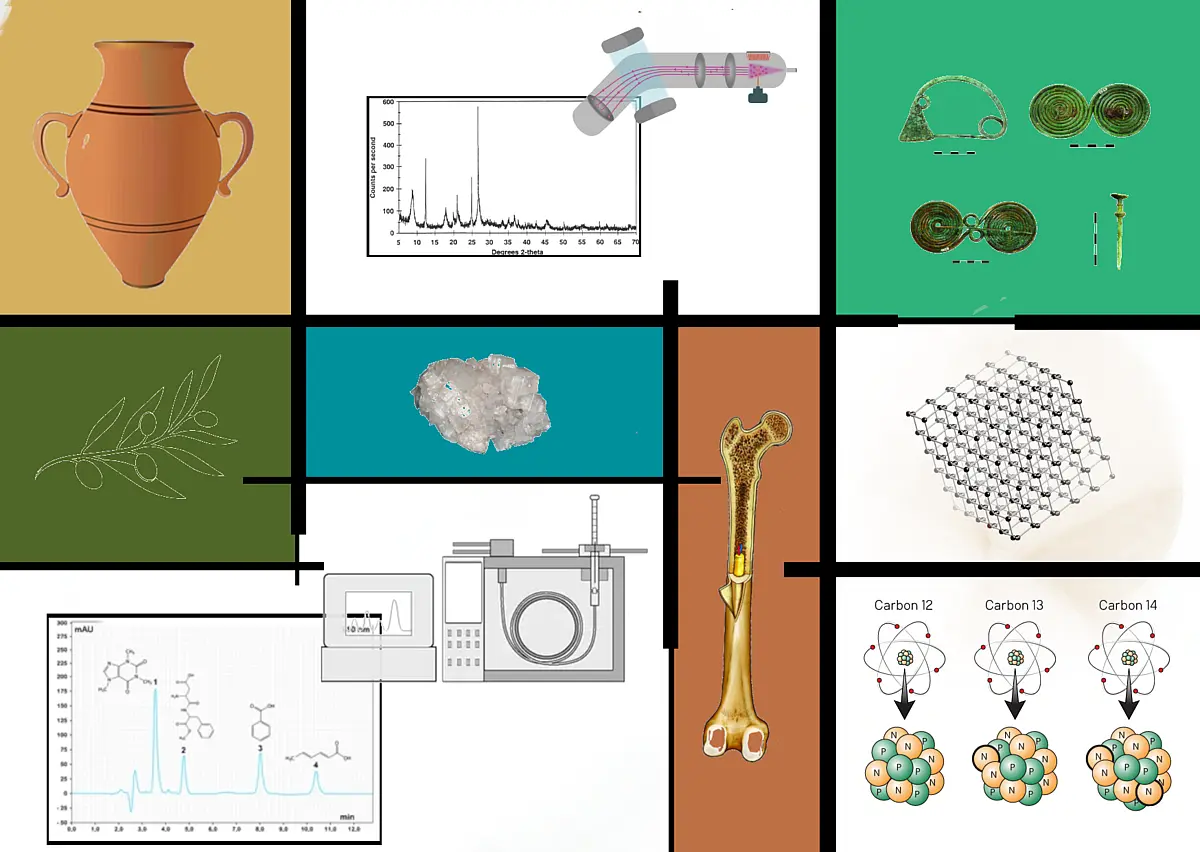
Auf der Ebene der materiellen Kultur betrachten wir neben eindeutigen Fälschungen auch die Grauzonen: Was ist eine Fälschung, was ist eine Kopie, was ein Replikat? Wie können wir das mit unterschiedlichen stilistischen und naturwissenschaftlichen Methoden herausfinden? Welche Rolle spielt dabei der Kunstmarkt?
Inwieweit beeinflusst die Restaurierung von Objekten unser Bild von Authentizität? Wie entstehen Rekonstruktionen von Befunden und wie erkenne ich ein fundiertes Reenactment? Was führt zu kuriosen Fake-News wie z.B. der Behauptung, dass fast 300 Jahre des Mittelalters frei erfunden sind und wie unterschiedlich werden diese im Fach und in der breiten Öffentlichkeit rezipiert?
Schlecht gedachte und schlecht gemachte Archäologie kann ebenfalls zu einem Verlust der Authentizität beitragen. Wir kennen Fundkomplex, die aus ursprünglich nicht zusammenhängenden Objekten „komponiert“ wurden und mangelhaft ausgeführte Ausgrabungen.
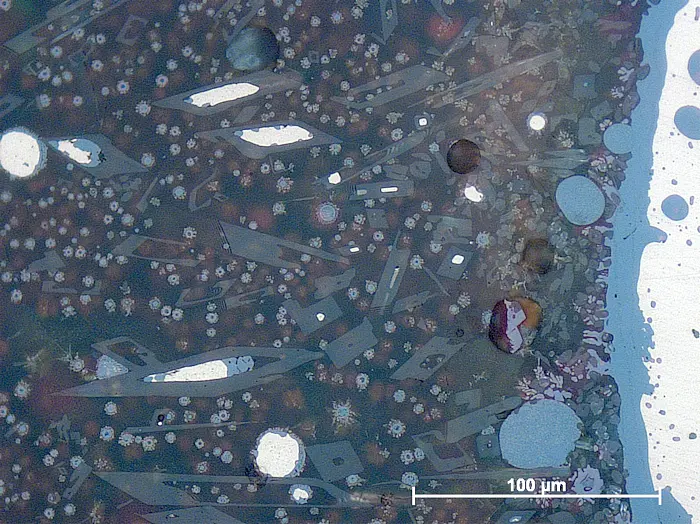
Wir wenden uns aber auch der Vergangenheit zu, wo man z.B. im Mittelalter versucht hat, durch gezielte Urkundenfälschung territoriale Besitzansprüche als historische Kontinuität zu legitimieren. Auch Markenfälschungen waren bereits ein probates Mittel, Dinge an den Mann (bewusst nicht gegendert) zu bringen. Man denke an die Ulfberht-Schwerter. Auch gefälschte Angaben zur Herkunft von Produkten sind bekannt, die man mit naturwissenschaftlichen Methoden entdecken kann.