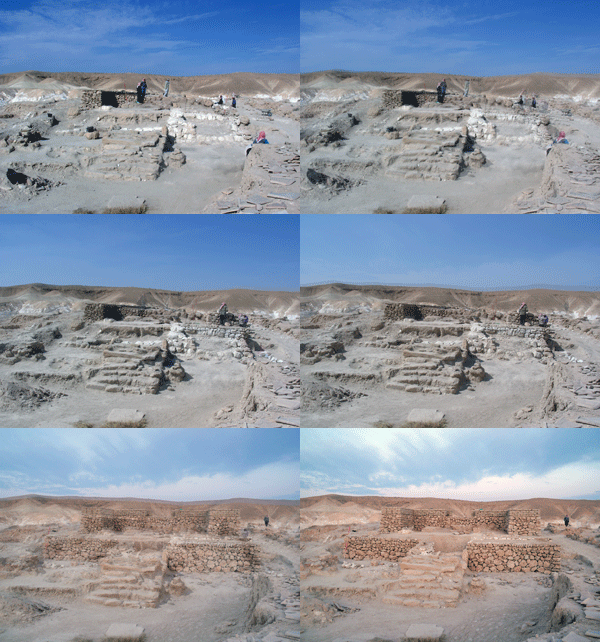
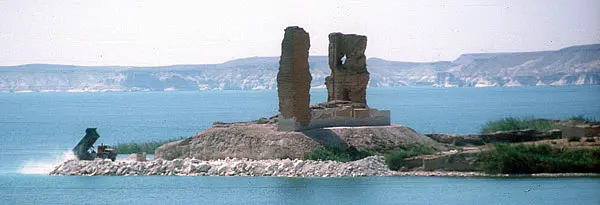
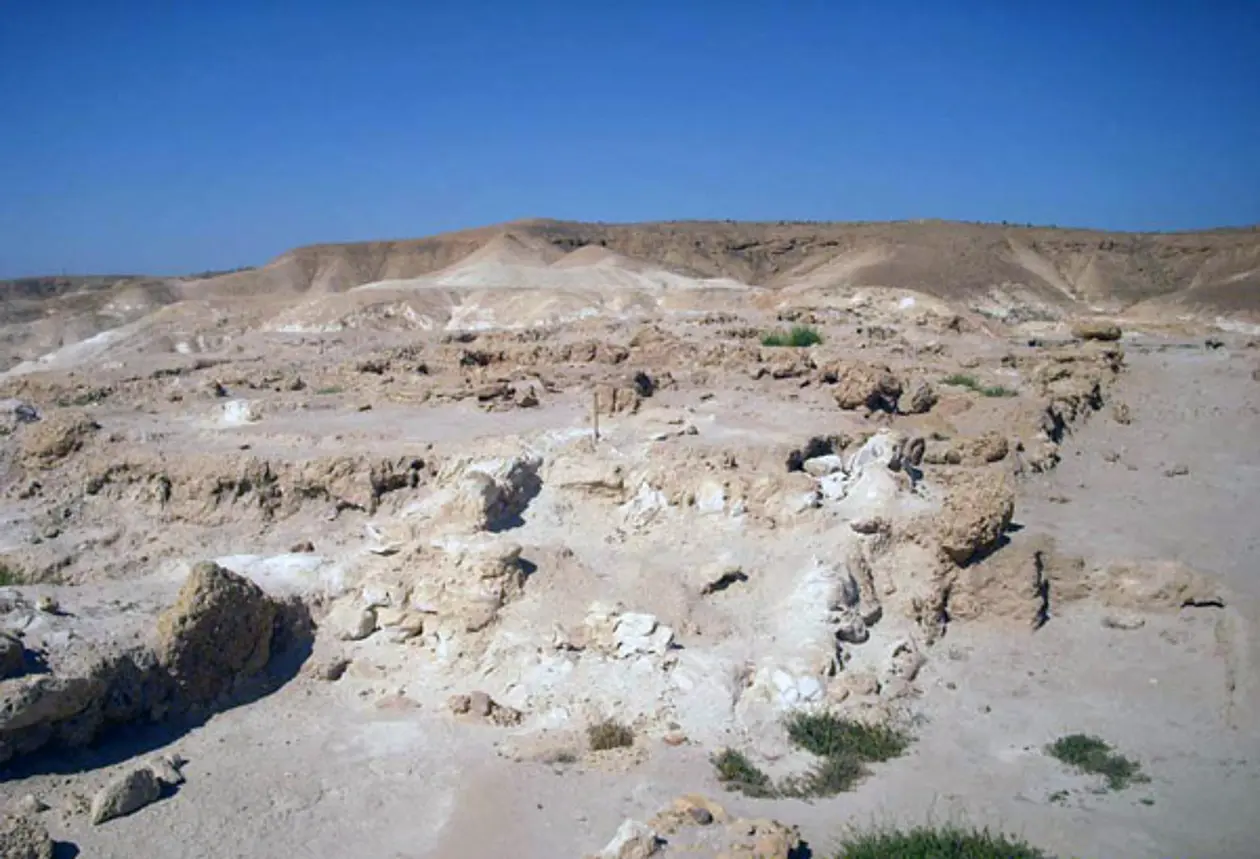
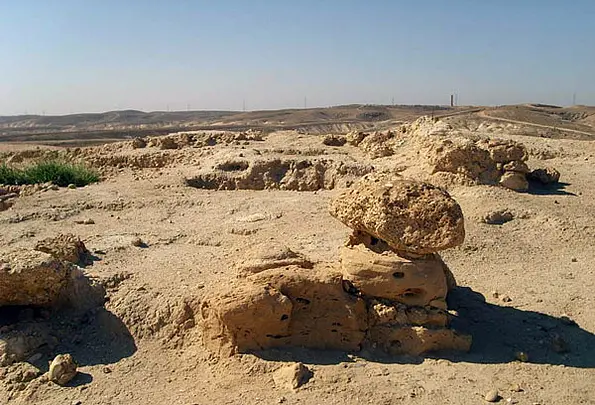
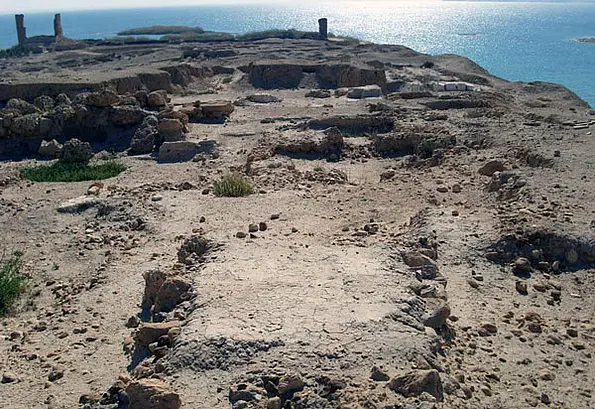
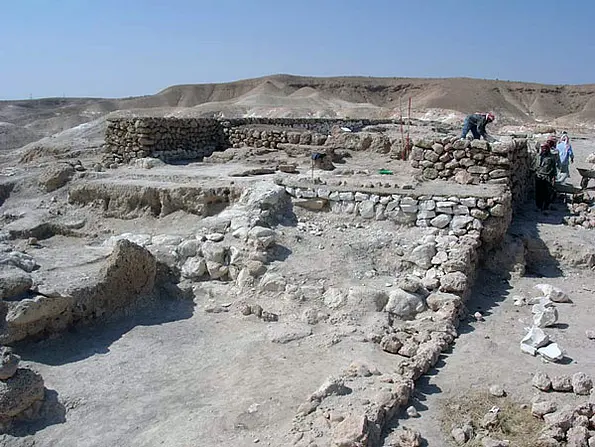
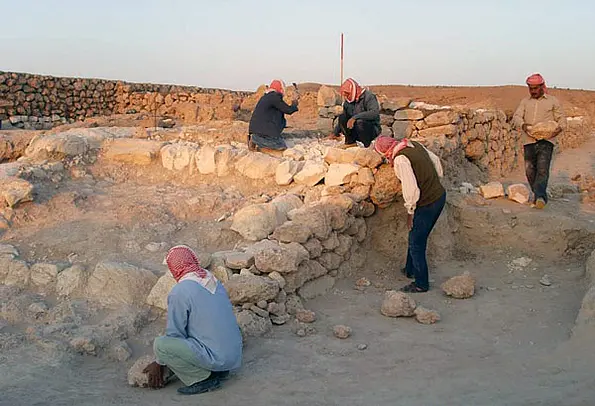
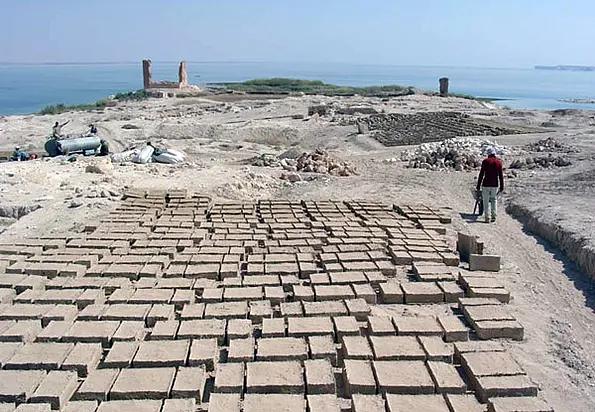
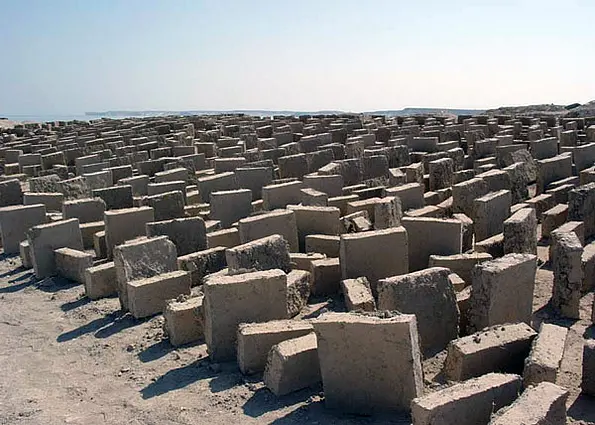
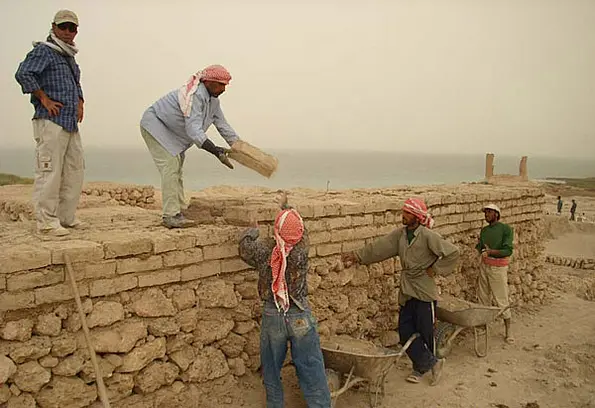
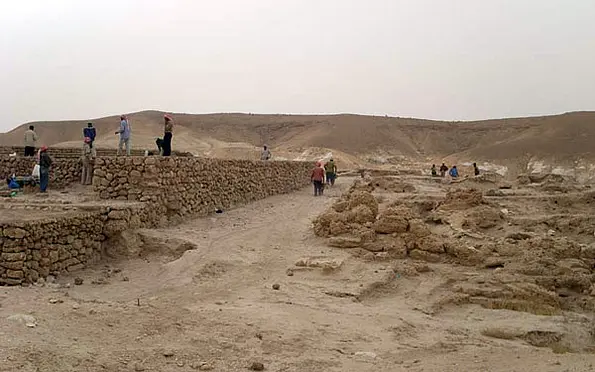
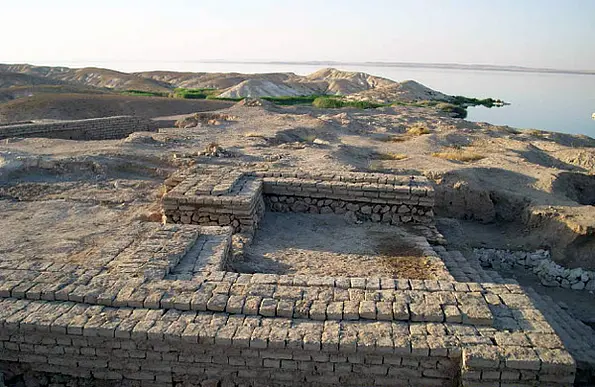
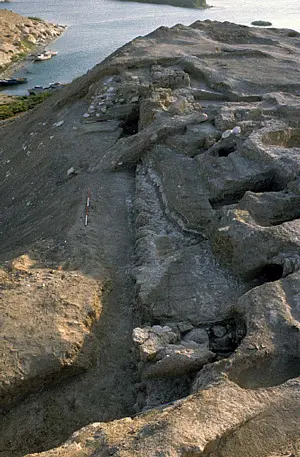
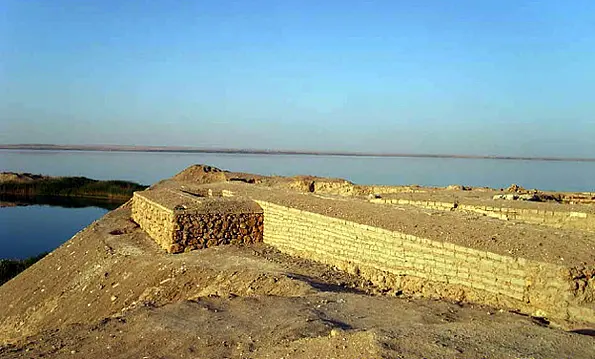
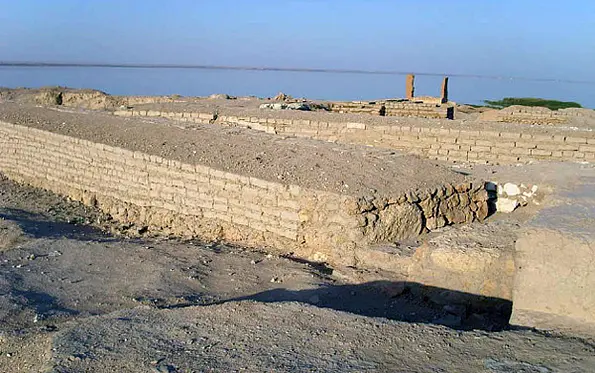
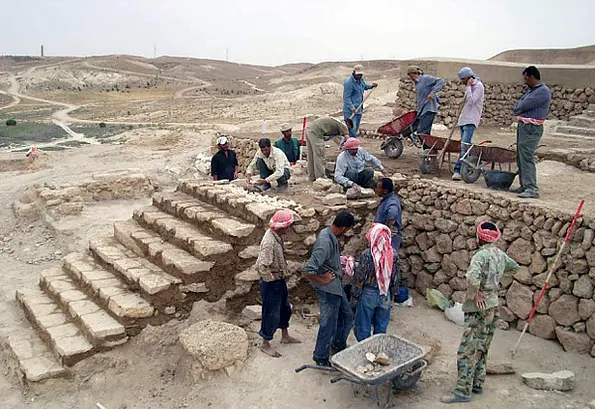
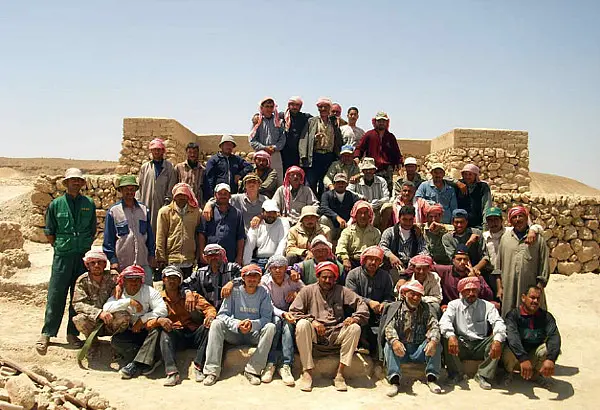
The restoration activities proper began on September 27 with first 18, later 24 workmen and two trained masons from the neighbouring villages Samuma and Hattin. Considering that the reconstruction of the temple was executed by the two masons and just three or four helpers, the number of workers seems very high. But the manpower was needed to collect the stones from the surroundings and to produce ca. 5000 mud bricks. At the end of the first week it was obvious that we could reach our aim only with additional working hours in the afternoon. After October 2 work time was from 6 a.m. to 1 p.m. and from 3 p.m. to 6 p.m.
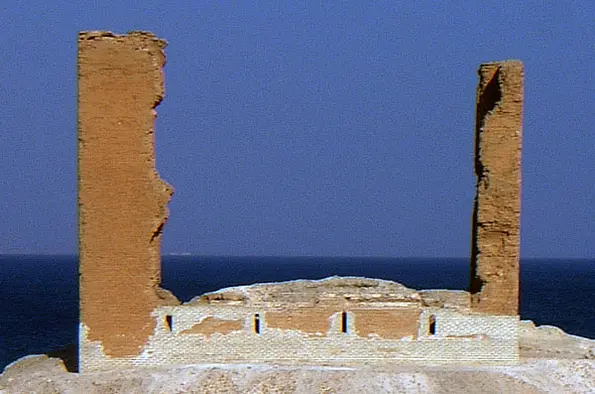
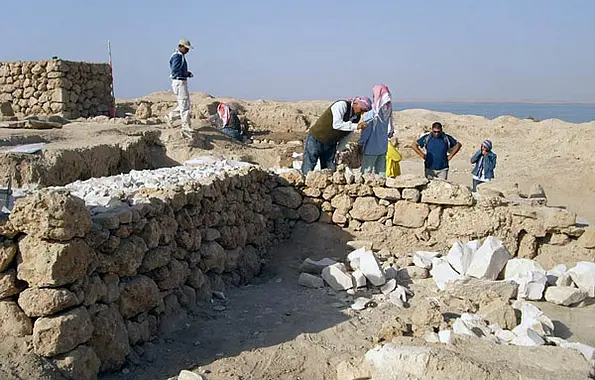
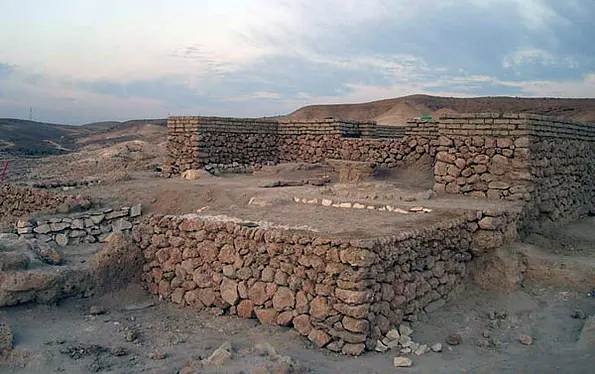
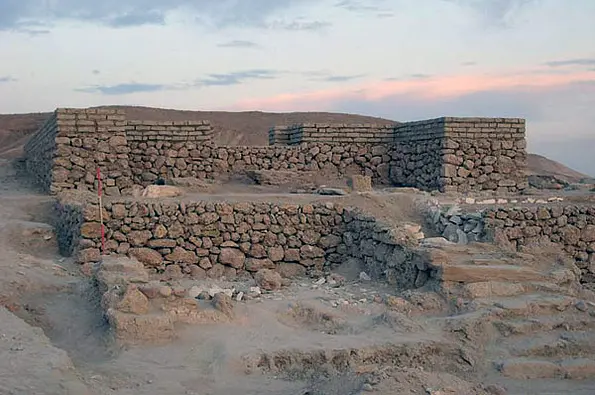
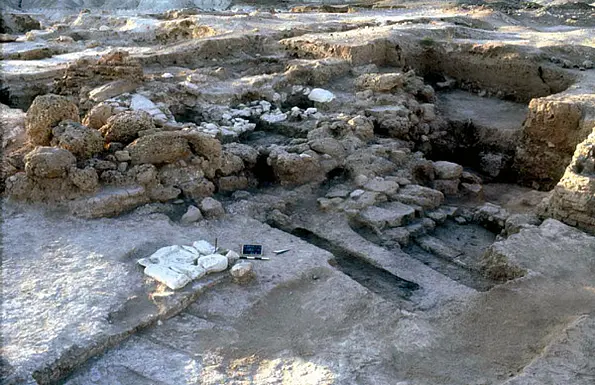
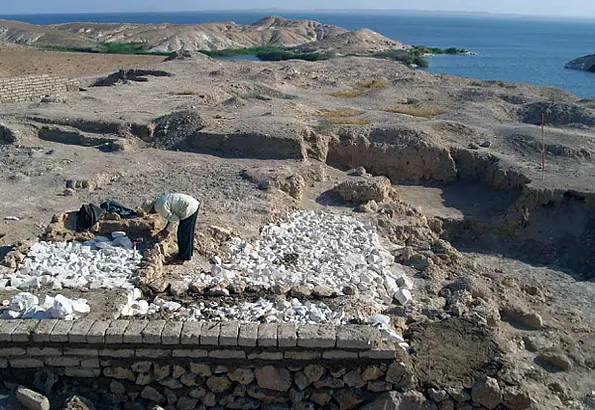
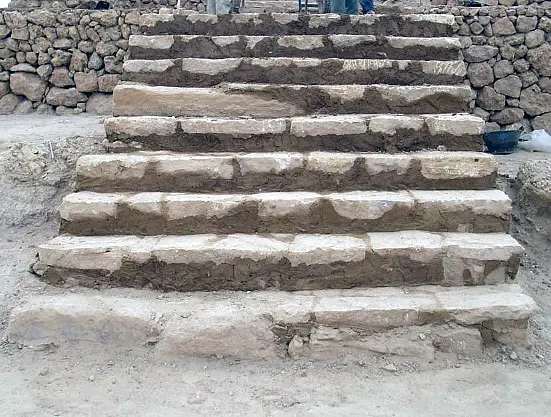
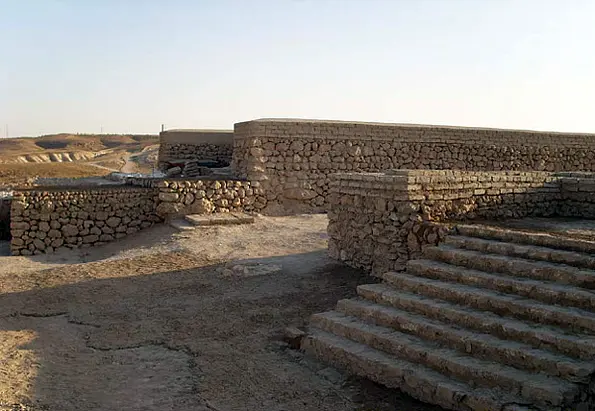
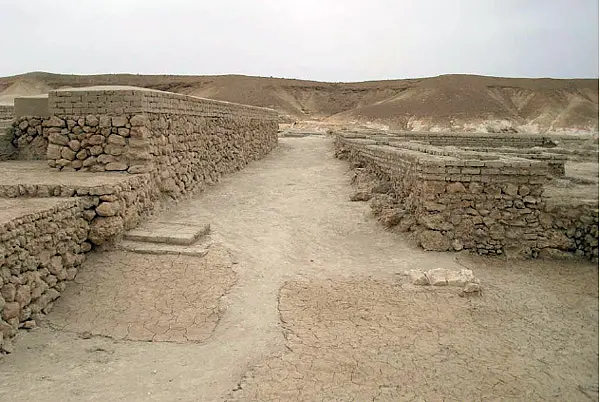
All stone foundations were built of unhewn stones, conglomerate stone for the outside, white limestone for the core. All stones were placed by hand and packed with mud thus corresponding by material and construction to the original walls. Lime or cement were not used at all.
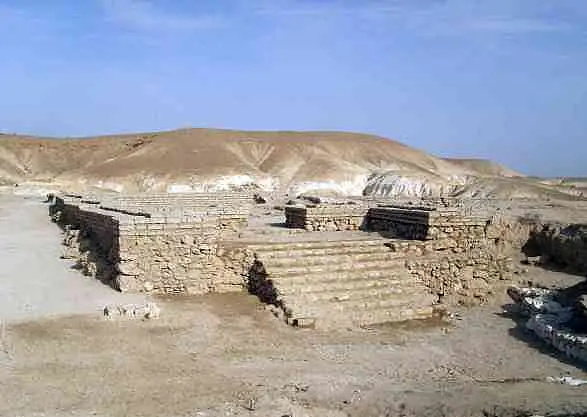
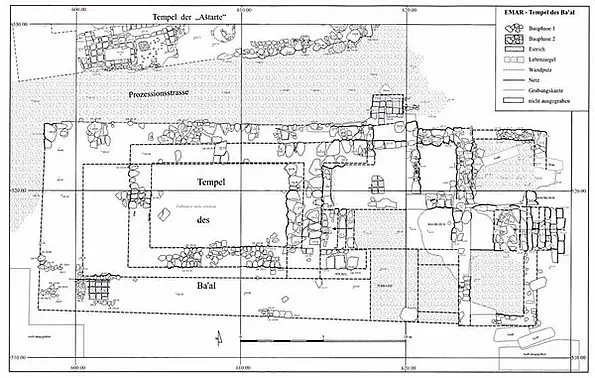
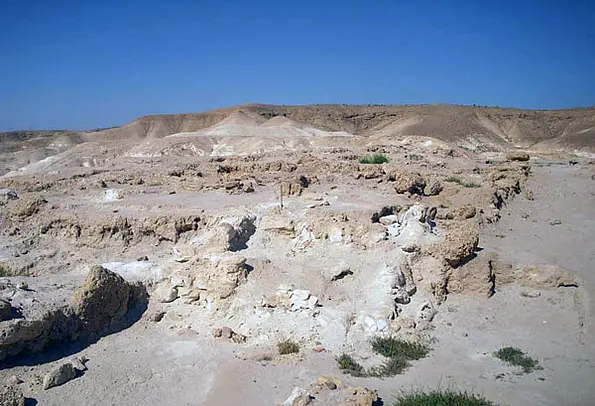
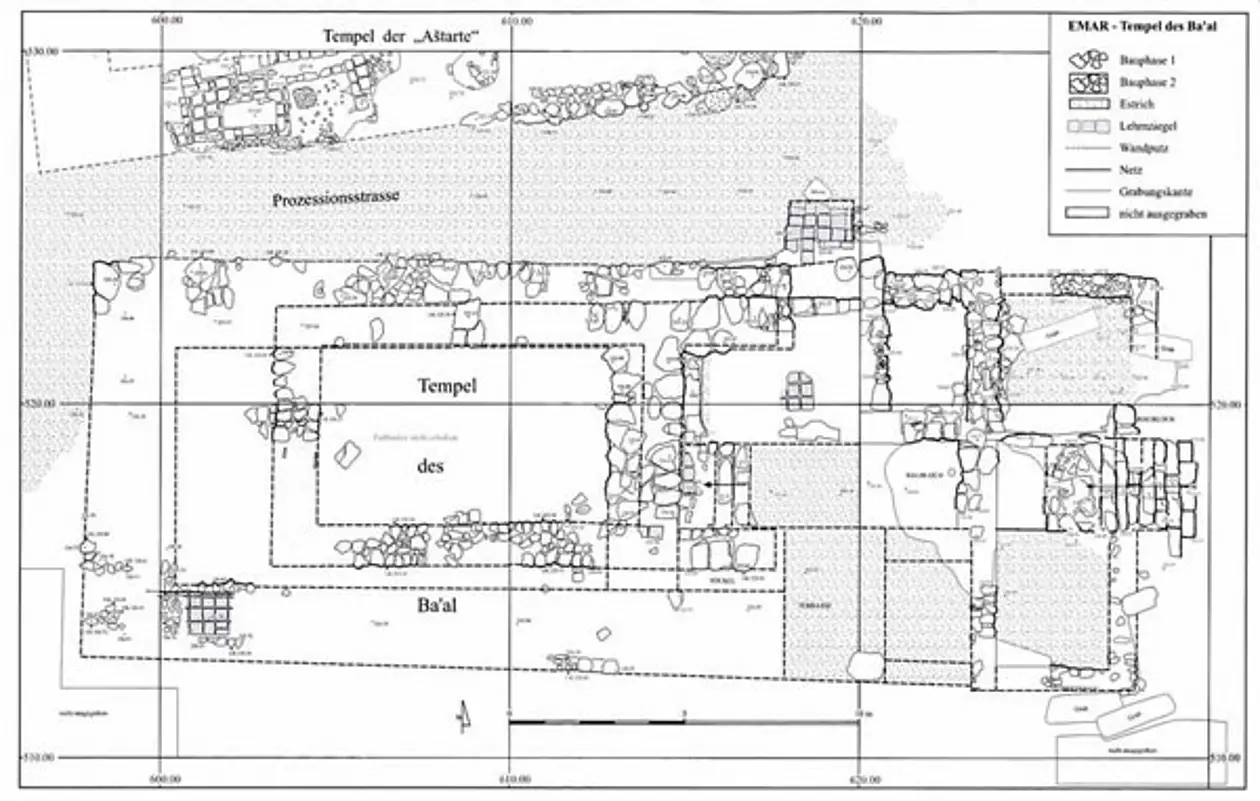
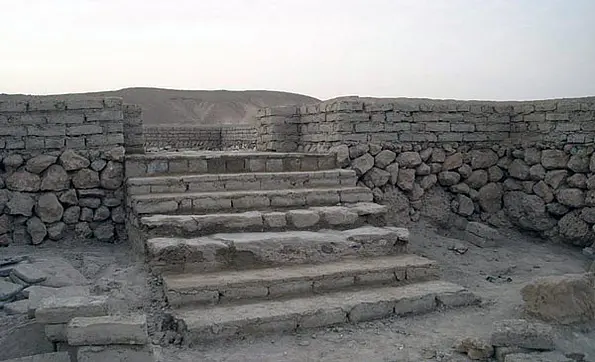
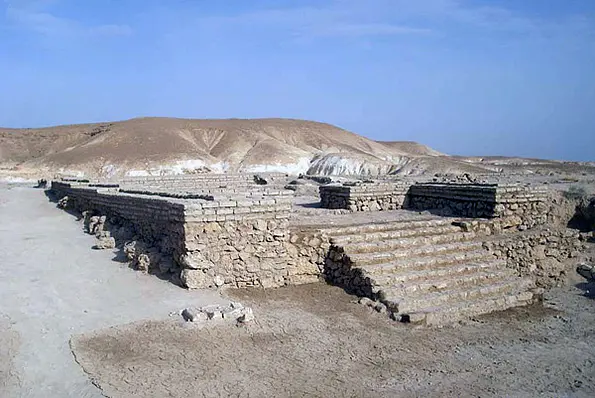
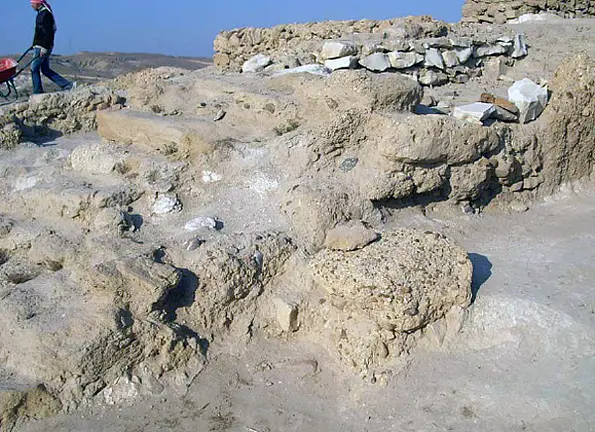
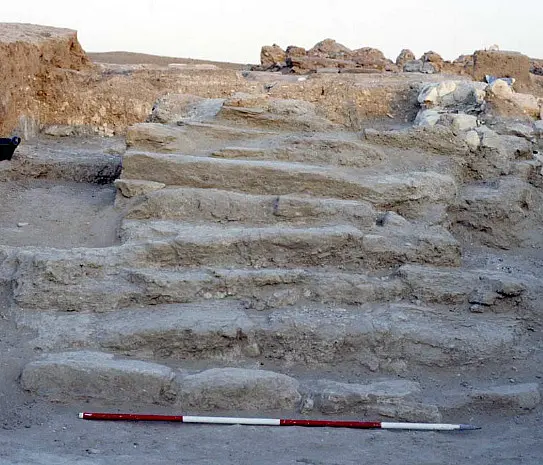
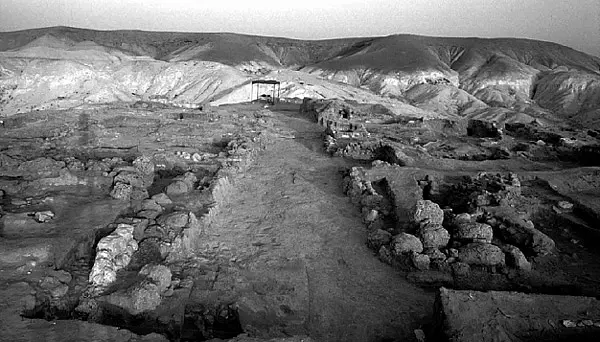
Reconstruction was begun at the north wall, because its course was still laid out by stones in situ. The south wall and the wall dividing the cella from the outer room between the antae followed next (fig. 5), and lastly the retaining walls in front of the entrance to the temple (fig. 6).