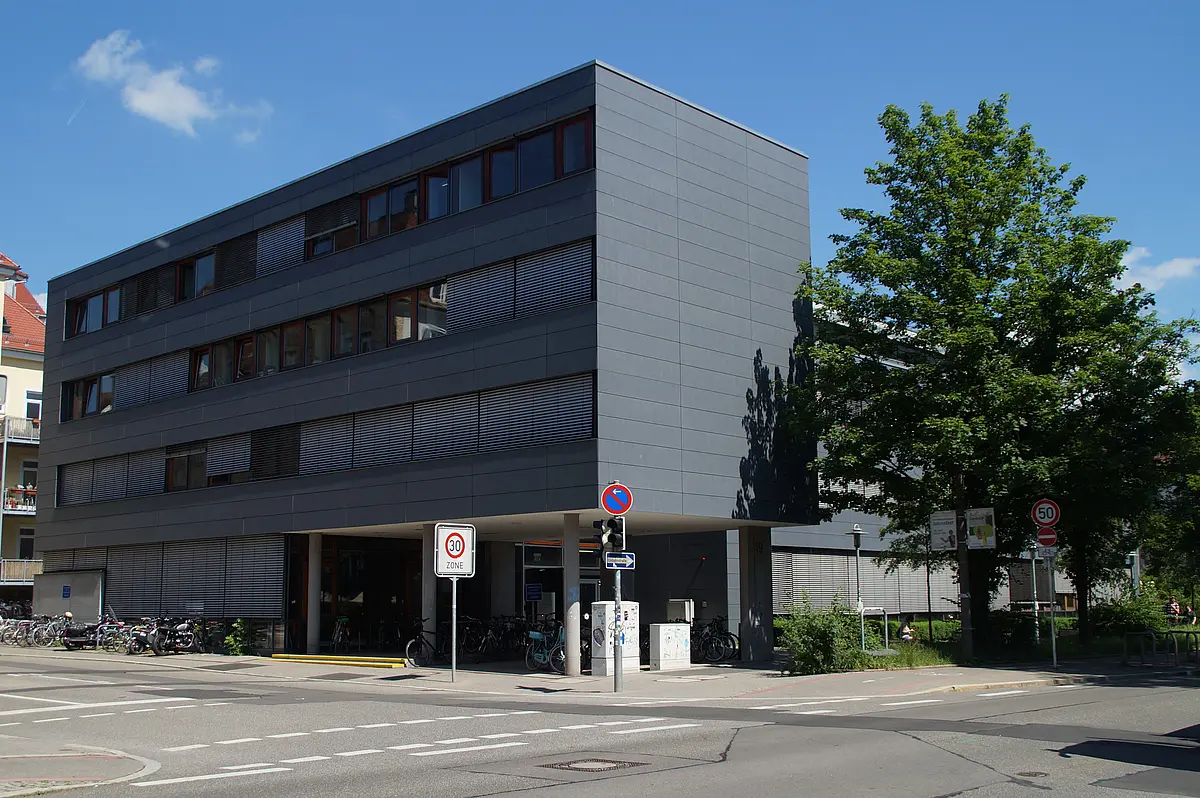
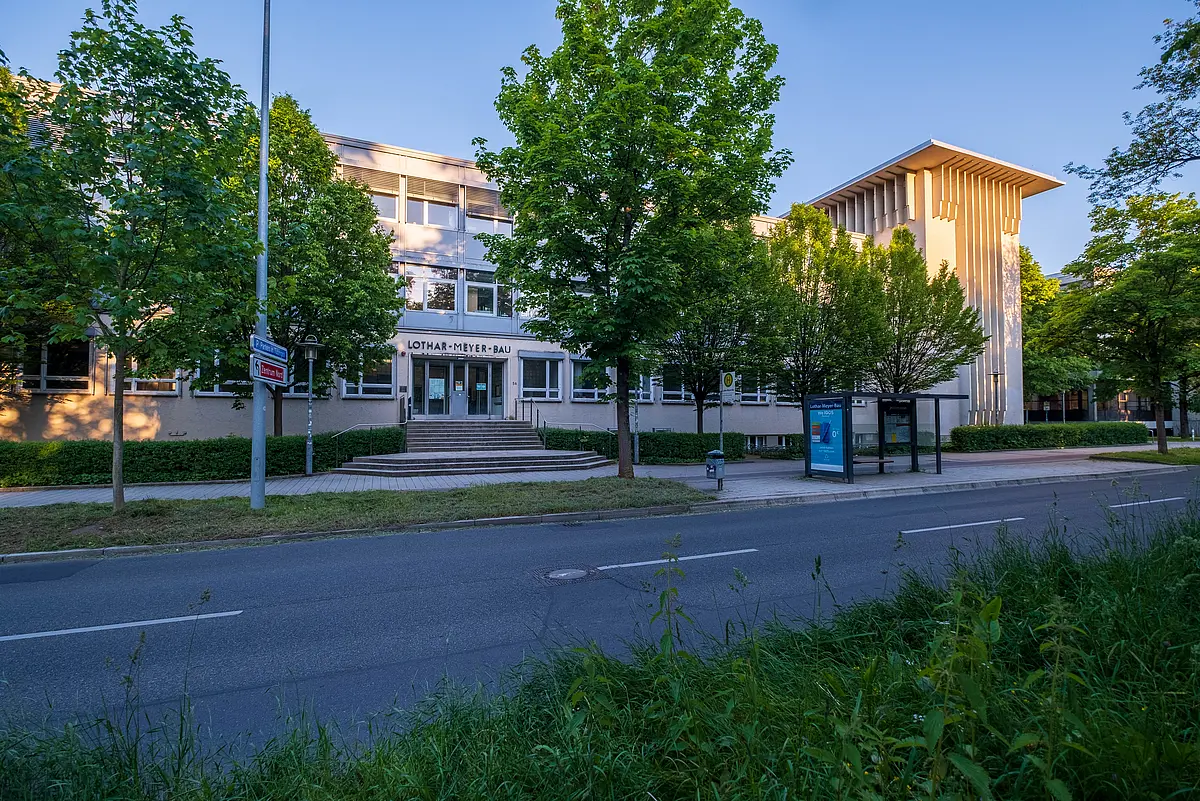
At the University of Tübingen‘s International Center for Ethics in the Science and Humanities (“IZEW”), we work together on ethical questions which arise within and from the sciences and that have far-reaching social implications. How might a sustainable society look like that respects its members and their shared world? What do we understand as “Freedom”, “Truth”, and “Safety” in a digitalized world? How can ethical reflection be successfully integrated into research projects, university teaching, and public discourse? Such questions highlight the interconnectedness between research, technical and social innovations, and public responsibility – and why ethics as Ethics in the Sciences is indispensable for a knowledge-based society.
Our approach to “Ethics in the Sciences” aims to address questions regarding responsibility precisely where and when knowledge is created. We strive to work interdisciplinary across the humanities, natural sciences, and social sciences, as well as transdisciplinary with partners from diverse societal contexts. This approach enables us to understand and consider a range of perspectives. By doing so, we can treat ethical questions constructively, practice-oriented, and theory-based. We aim to motivate the inter- and transdisciplinary discourse as well as researchers to reflect upon ethical questions which may already arise during the research process.
A fundamental component to establish ethical reflection comprehensively in the Sciences lies in the integration of such content into university curricula and training structures. The team of the Ethic’s Center provides a range of teaching formats on ethics in the sciences through various forms of collaboration. This spans from teacher training and certificate programs as well as sustainable development and ethical practice to professional ethics courses across disciplines.
The Ethics Center focusses its process in research groups such as “Co-laborative Research and Innovation”, “Ethics and Education”, “Media Ethics, Philosophy of Technology and AI”, “Nature and Sustainable Development” and “Security Ethics”. Moreso, the Competence Center for Sustainable Development is located at the IZEW. This partnership strengthens the whole-institution approach to integrate sustainable development in the fields of research, teaching, workflow, transfer and governance at the university. The institute’s library, of the largest libraries on ethics in science in Europe, offers all members and students of the University access to an extensive catalogue of literature in ethics in science and related fields.
We consider Ethics to be an integral aspect of science in the civil society. The reflection and reconsideration on values and norms demands for a dialogue between disciplines and societal parties in order to bring knowledge and responsibility together.
We look forward to the discourse with you.