International Center for Ethics in the Sciences and Humanities (IZEW)

Latest articles

October 27, 2025

Academics in Activism?

There is broad consensus among climate scientists around the world that the climate crisis is human-made and that urgent action is needed on all levels of society for climate mitigation and adaptation. But is it justified for academics as academics to take part in public protests against the climate crisis or in support of climate justice? Or should they—if they wish to do so—participate only in their capacity as private citizens, without displaying visible symbols of their scientific profession, such as lab coats or academic robes?

Article

July 17, 2025

Wellbeing@ University of Tübingen

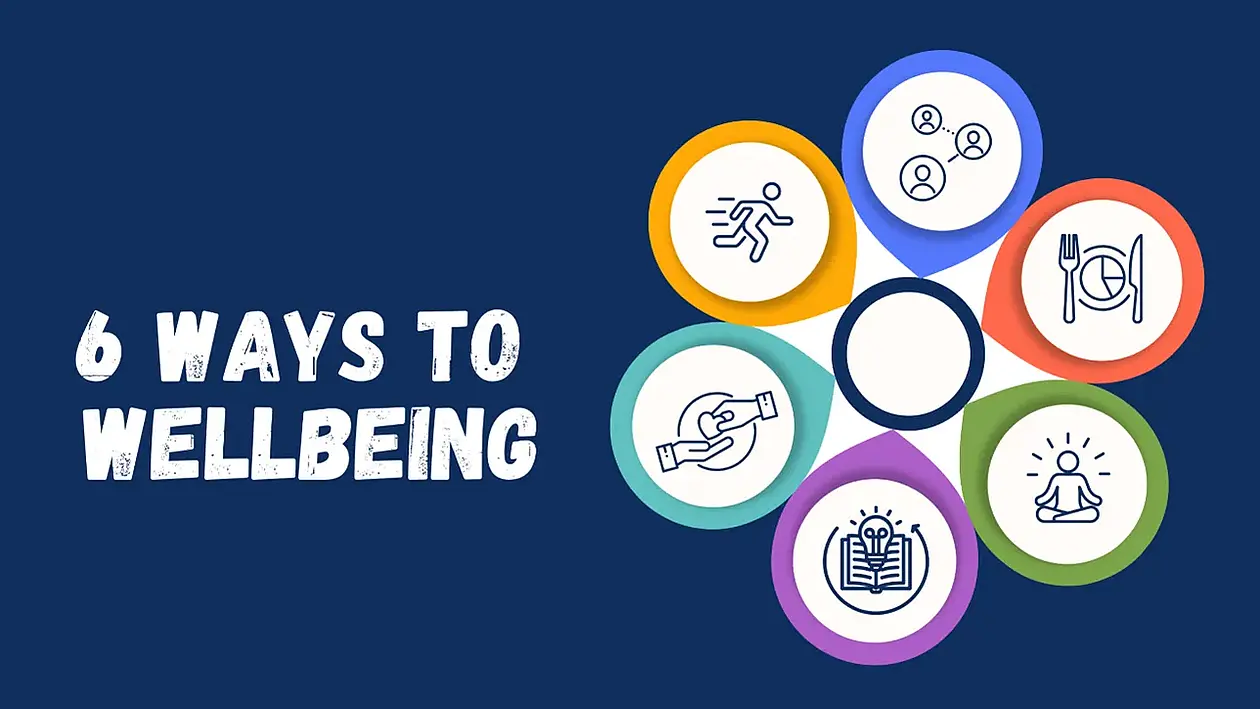
Wellbeing is relevant for all people. The promotion of health and thus wellbeing is also a central goal of the United Nations' Sustainable Development Goals. But what does wellbeing mean in the context of sustainable development and how can it be achieved and promoted at the University of Tübingen (UT)? Our ‘6 Ways to Wellbeing’ campaign offers one approach. The ways we have jointly identified to improve wellbeing at UT - Be active, Connect, Eat well, Be relaxed, Keep Learning and Get and give - offer impulses for action for students and staff at UT linked to health programmes.

Article

June 12, 2025

Refigured ethics. Moral negotiations in dealing with images of violence

The way we deal with images of violence is changing. What was once considered taboo is now often just a click away in the digital world. Videos of violence circulate on social networks, photos from war zones are shared millions of times and while some see them as necessary documents of reality, others consume them with voyeuristic fascination. But what does this change in behaviour mean for our ethical standards?

Article


Blog Categories

16th July 2024

Human(s) in the loop(s): On the use of AI in German law enforcement

The criminal justice system is a core area of society undergoing intense digitalization and datafication processes accompanied and accelerated by rapidly evolving artificial intelligence (AI) technologies. While the EU Artificial Intelligence Act (AI Act) provides the legal framework for the adoption of AI-based systems for the police, our research provides the empirical data to analyze this undertaking. By outlining the requirements for human oversight of AI applications in the context of policing, we demonstrate the importance of ethical reflection where AI use can have serious consequences.

Article  

March 26, 2025

Freedom that is meant how exactly?

“Freedom” is often contrasted with ‘ethics’ in science as if there were a zero-sum game: More of one means less of the other. Such ideas can even be found in contexts that otherwise provide extremely important impulses for current debates on academic freedom. Instead of halving both a meaningful concept of freedom and ethics, the dialectical enabling function of ethics for freedom (in) science should be emphasized.

Article

July 17, 2025

Wellbeing@ University of Tübingen

Wellbeing is relevant for all people. The promotion of health and thus wellbeing is also a central goal of the United Nations' Sustainable Development Goals. But what does wellbeing mean in the context of sustainable development and how can it be achieved and promoted at the University of Tübingen (UT)? Our ‘6 Ways to Wellbeing’ campaign offers one approach. The ways we have jointly identified to improve wellbeing at UT - Be active, Connect, Eat well, Be relaxed, Keep Learning and Get and give - offer impulses for action for students and staff at UT linked to health programmes.

Article

30th April 2024

The Shroud of Security

It is a much-trumpeted truism: there is no such thing as absolute security. In any case, the provision of security is limited in view of the associated material resources and the always limited knowledge. Moreover, security, as one value among many, must also be limited, as security ethicist Regina Ammicht Quinn emphasised.

Article 

15th December 2023

Grotesque Women in the Media

The media exert a significant influence on body images. They confirm cultural ideals of beauty, disseminate idealised images and influence social norms and values. This article will focus on how the grotesque, repulsive, obscene body, of all things, can contribute to breaking down such powerful representational conventions and questioning normative ideas of femininity.

Article 

October 27, 2025

Academics in Activism?

There is broad consensus among climate scientists around the world that the climate crisis is human-made and that urgent action is needed on all levels of society for climate mitigation and adaptation. But is it justified for academics as academics to take part in public protests against the climate crisis or in support of climate justice? Or should they—if they wish to do so—participate only in their capacity as private citizens, without displaying visible symbols of their scientific profession, such as lab coats or academic robes?

Article

June 12, 2025

Refigured ethics. Moral negotiations in dealing with images of violence

The way we deal with images of violence is changing. What was once considered taboo is now often just a click away in the digital world. Videos of violence circulate on social networks, photos from war zones are shared millions of times and while some see them as necessary documents of reality, others consume them with voyeuristic fascination. But what does this change in behaviour mean for our ethical standards?

Article

January 29, 2025

Madness as a strategy. Ethics of conviction and responsibility in politics

Richard Nixon's “Madman Theory” was intended to deter opponents in the Vietnam War through unpredictable behavior. But how did he combine ethics of responsibility with ethics of conviction - and still fail? The article sheds light on how calculated madness was used as a political tool and what parallels can still be drawn today.

Article  

April 07, 2025

Quod erat expectandum 

If you are reading this post, then you are doing so with certain expectations. Perhaps you have already read other posts on this blog that you found interesting and now expect that reading this post will not be a waste of time either. You probably also have certain expectations of the content of the text given the title - for example, that it has something to do with ethics or morals. So, what do expectations have to do with ethics and morals?

Article