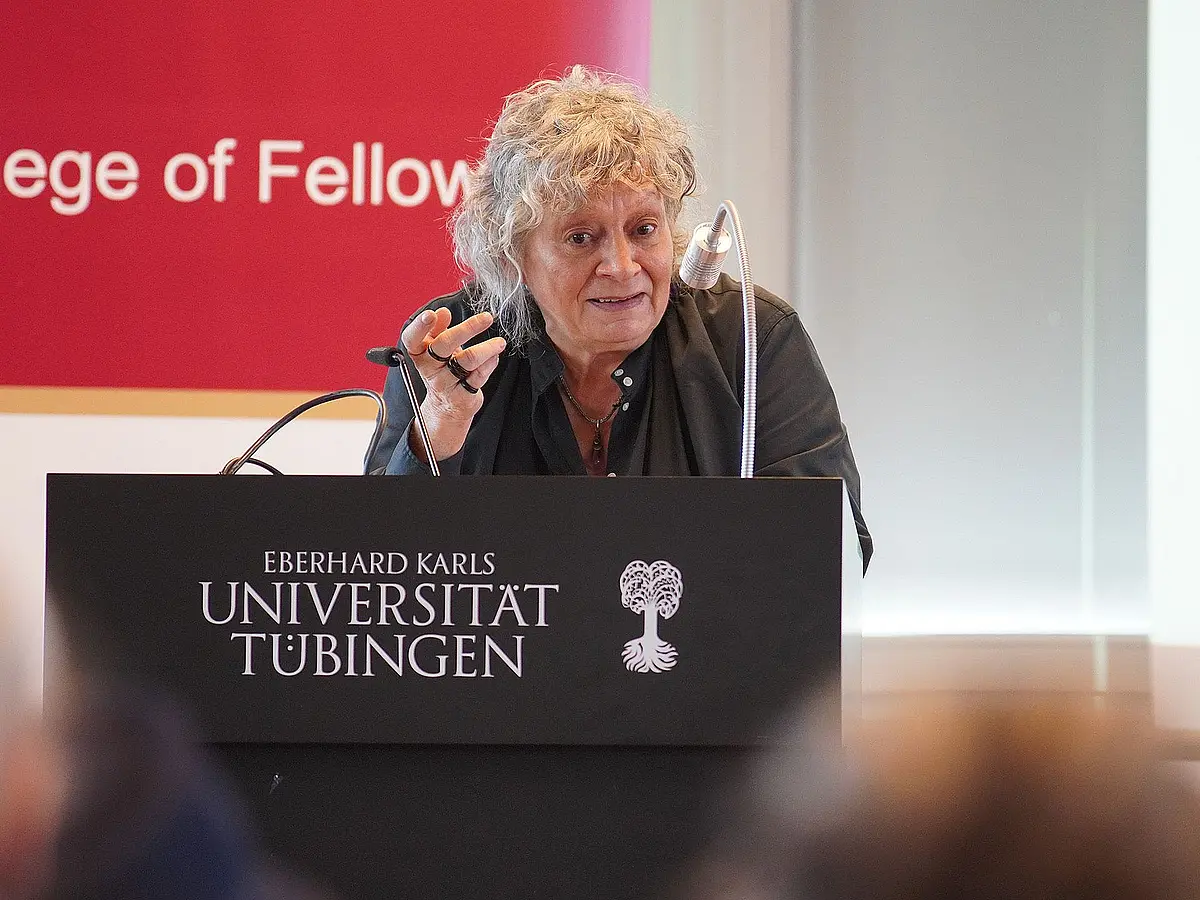
The anthropologist Rita Segato and holder of the Chair for Discomforting Thinking [Cátedra Rita Segato de Pensamiento Incómodo] at the National University of San Martín, Argentina, is one of the most influential contemporary political thinkers in the field of decolonial feminism from Latin America. She has critically explored how “apocalyptical capitalism”, together with colonial legacies, shapes structures of patriarchal oppression on a global dimension. She approaches the phenomena of patriarchal oppression through their often invisible or hidden structural groundwork. This epistemological shift towards a decolonial optics invites the participants of our master class to intellectually engage with the current day forms of “high intensity patriarchy” and the concurrent feminicidal “war on women”.
Discomforting thinking will be the starting point of our approach to Rita Segato’s oeuvre, and we will go beyond her well-known theoretical contributions to an understanding of feminicide in order to also explore her abundant work on coloniality, racism and new approaches to the punitive regime. Her innovative theoretical thinking, her decentering of colonialities in academic knowledge production as well as the powerful poetics of disobedience of her writing convert her into one of today’s key intellectual voices within the context of Theories from the South and a highly inspiring contributor to our RTG 3105 “Figurations of the Precarious in the Global South” with its focus on the embodiment of precarity via gender violence and racism. A relevant trait of her thinking is that she brings gender analysis to the center of the contemporary political scene avoiding the usual ghettoization of the subject and transforming patriarchy in the platform replicated in all other strata of oppression and exaction of surplus value.