Interfaculty Institute of Microbiology and Infection Medicine

Mitarbeiter

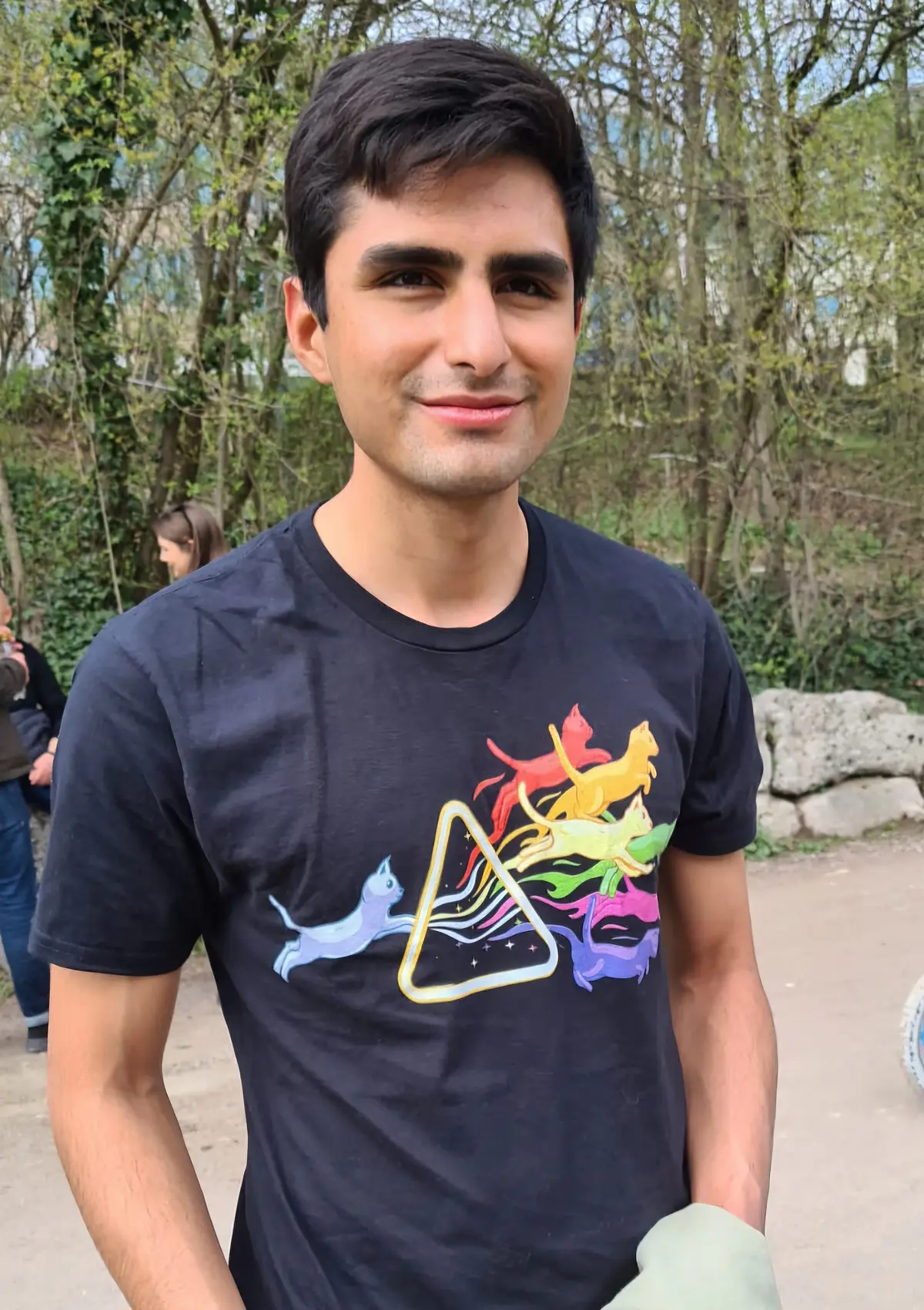
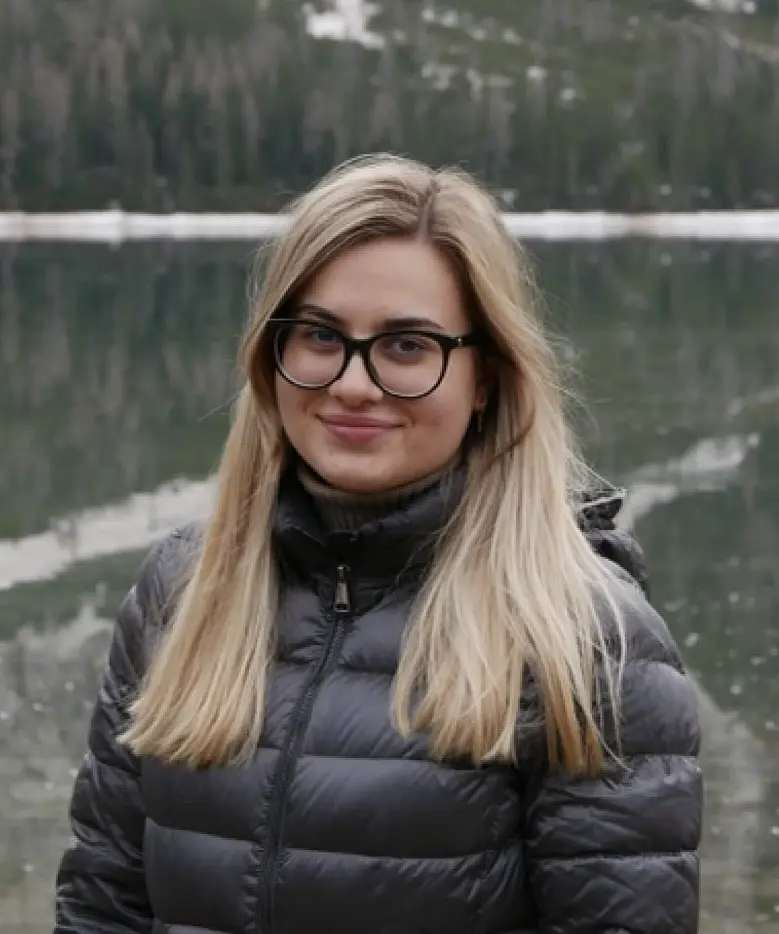
Dr. Azam Rashidian

“How do pharmacological agents exert their effects, and what are the implications of elucidating these mechanisms? Within our biomolecular modeling lab, we strive to address this inquiry utilizing computational algorithms. Our primary focus is elucidating the dynamic interplay between receptors and pharmacological agents, as well as elucidating the conformational rearrangements of receptors. As a member of the group with the background in veterinary medicine, structural bioinformatics, and computer aided drug design, I employ sophisticated methodologies such as Molecular Dynamics (MD) simulation and molecular modeling to deepen our understanding of drug-receptor interactions. We aim to facilitate the development of novel therapeutics with enhanced efficacy and safety profiles, fostering improvements in patient care and public health outcomes.”

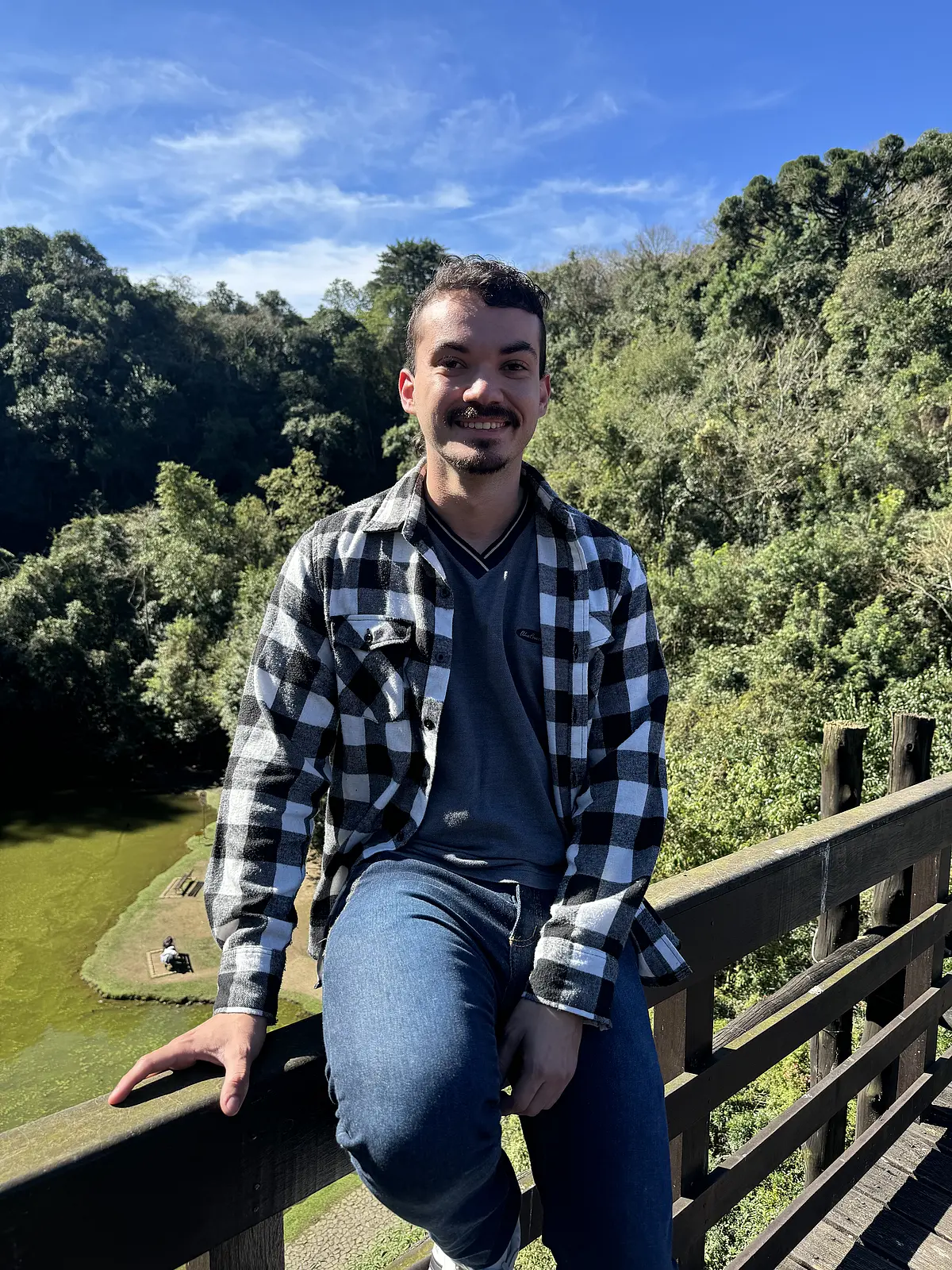
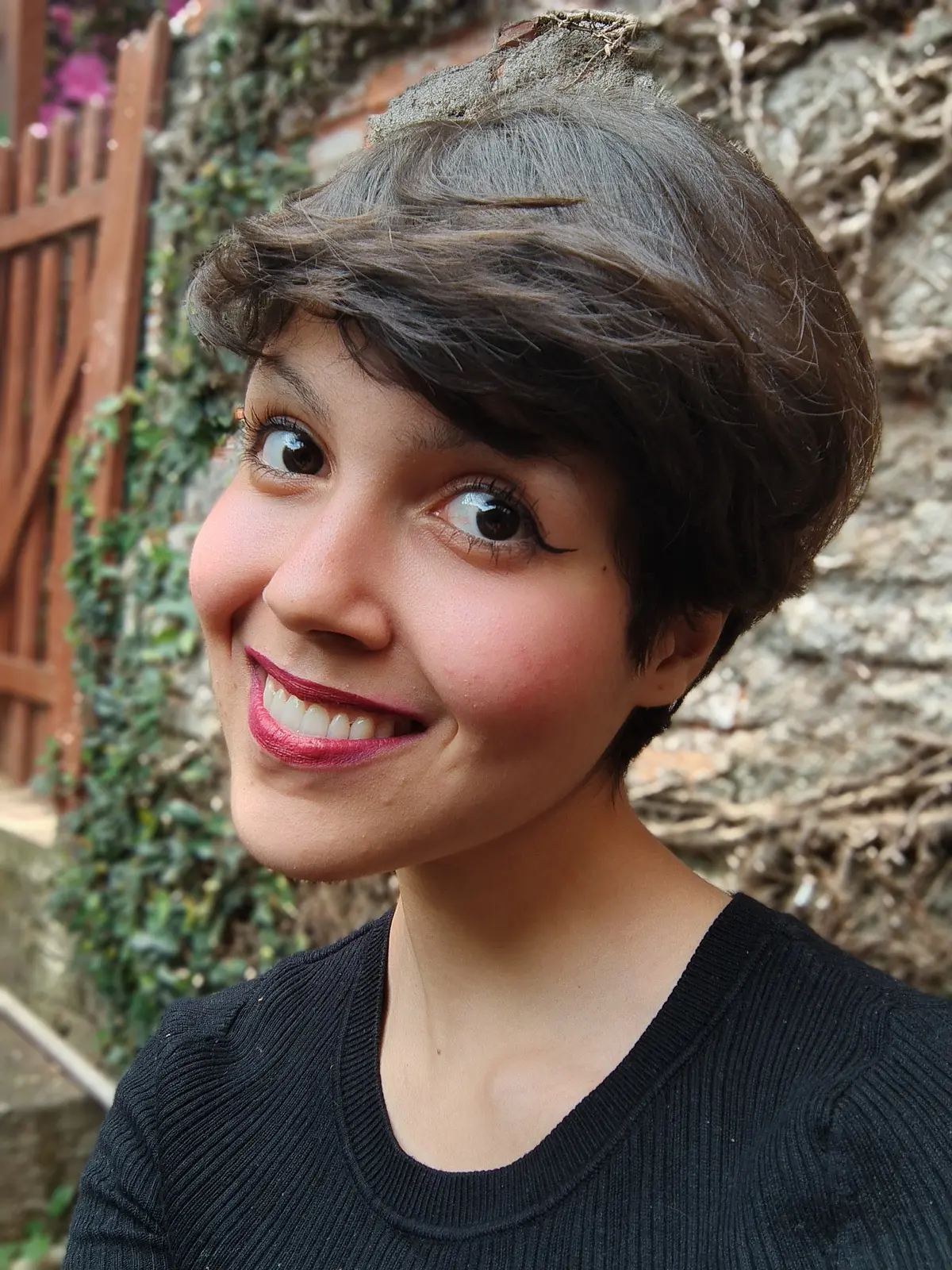
Julian Borbeck

“I am an undergraduate student majoring in Biochemistry and Bioinformatics at the University of Tübingen. With a background in biochemistry, bioinformatics, and machine learning, I focus on understanding and manipulating bacterial regulatory systems. Bacterial regulators of the Helix-Turn-Helix (HTH) family are diverse and modular, with numerous applications in biotechnology, synthetic biology, and as therapeutic targets. I study the phylogenetic distribution and evolutionary signals of these regulators, using this data alongside structural modeling and molecular dynamics simulations to decipher the mechanisms of regulatory protein complexes. Additionally, I am dedicated to developing innovative bioinformatic tools and methods for controlling bacterial gene expression.”

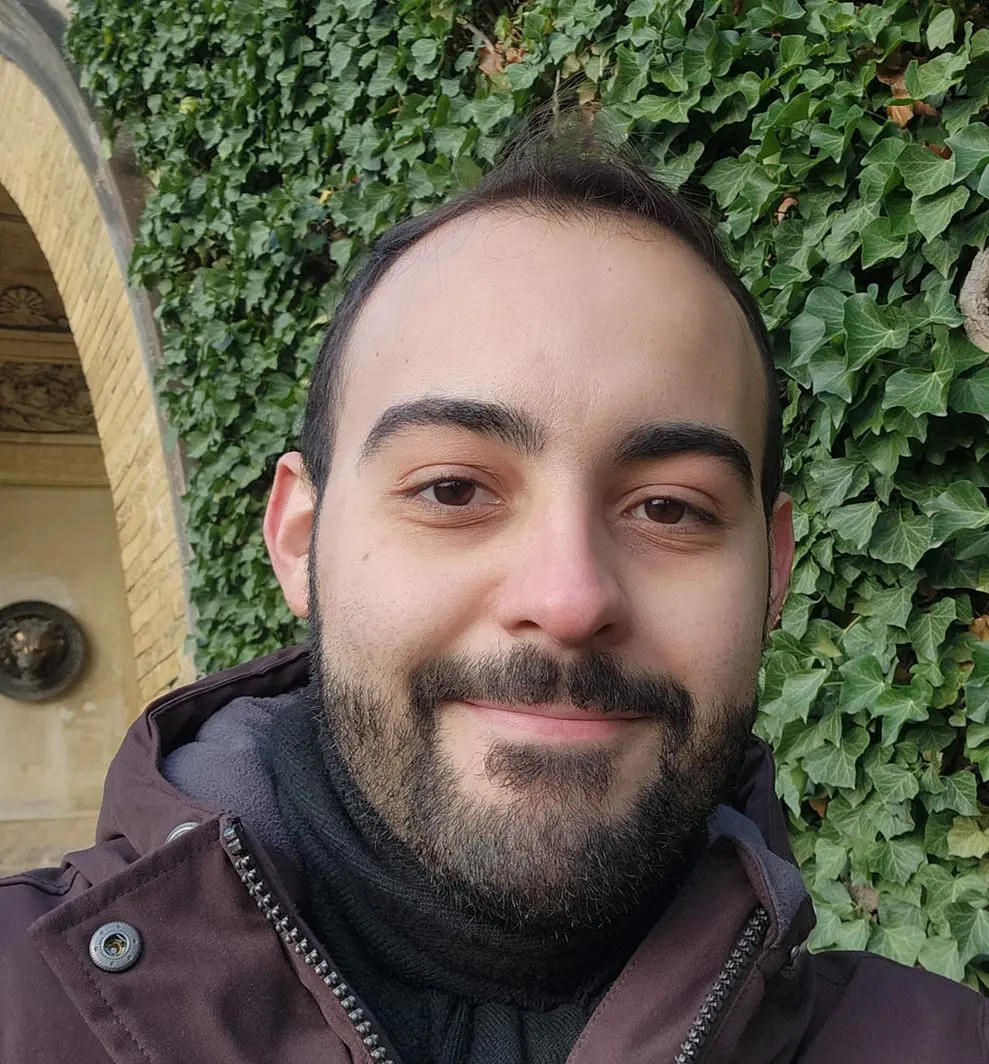
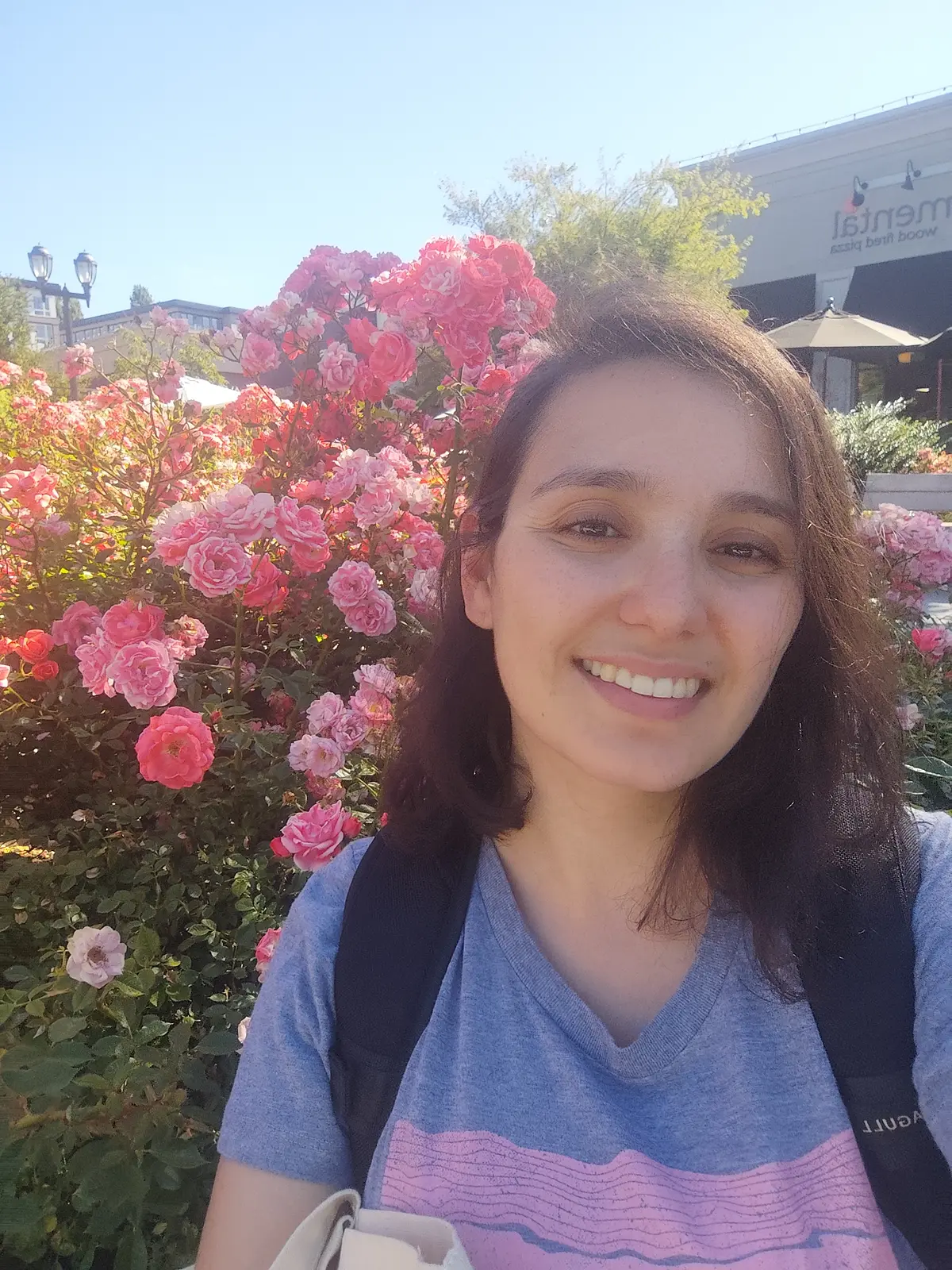
José Luis Muñoz Reyes

"I majored in Bioprocess Engineering and later earned a master’s degree in Chemical and Process Engineering at the Karlsruhe Institute of Technology (KIT). During my studies, I had the opportunity to specialize in three main areas: automation and control engineering, mechanical process engineering, and molecular biophysics. However, my curiosity led me far beyond these fields, and I ended up completing courses in Machine Learning and AI. Despite this broad exploration, I discovered that molecular biophysics is my favorite subject, and I am passionate about contributing to this field. In my master’s thesis, I developed regression models based on Raman spectroscopy and machine learning to quantify proteins during biopharmaceutical processes. Now, I am eager to take on new challenges and begin my PhD, where I will use molecular modeling to investigate conformational changes in proteins."
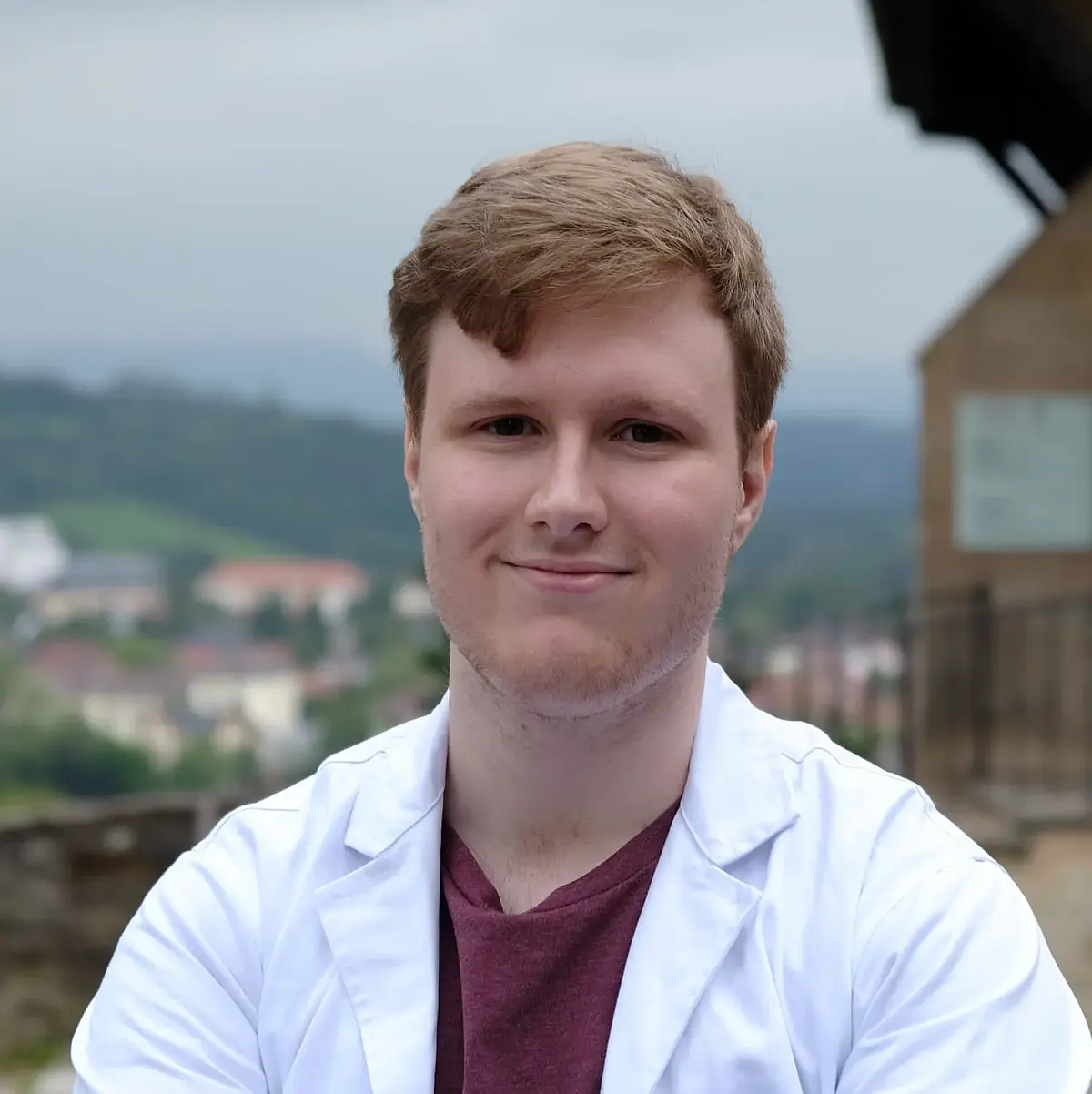
Arthur Oliveira

"I hold a degree in Biology, a Master’s in Biochemistry, and I am currently pursuing a PhD in Pharmaceutical Sciences. My research focuses on multiple drug resistance (MDR) in cancer, specifically mediated by ABC transporters. My main interests include developing inhibitors for these transporters and gaining a deeper understanding of the molecular mechanisms involved in substrate recognition and inhibitor binding. To explore these interactions in more detail, I use molecular dynamics tools"

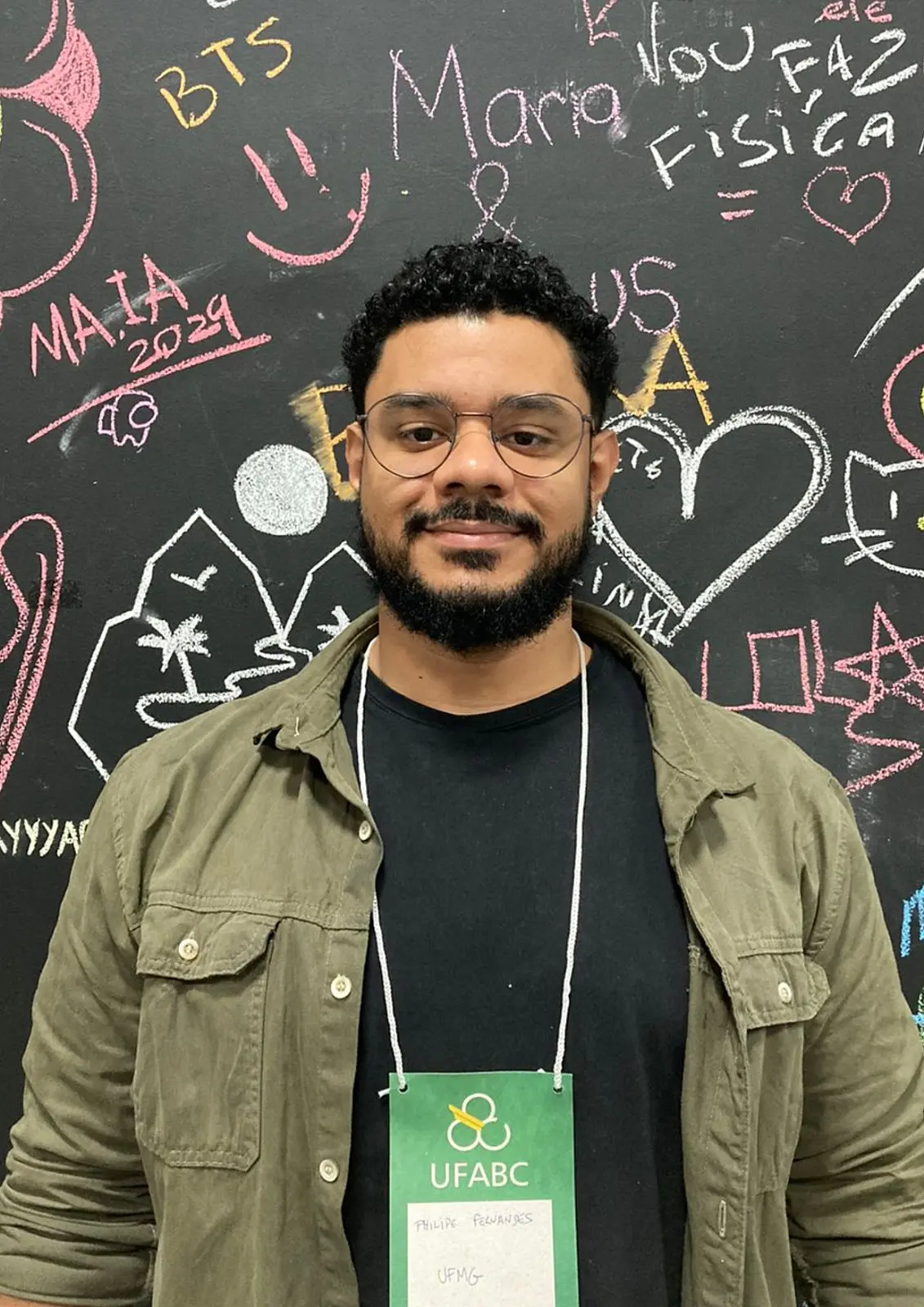
Philipe Oliveira Fernandes

"I hold a degree in Chemistry and a Master's in Pharmaceutical Sciences, with a focus on Computational Drug Design, Molecular Biology, and Biomolecular NMR as applied to Medicinal Chemistry. My current research integrates cutting-edge computational techniques with NMR to model and elucidate the conformational dynamics of Abelson (Abl) kinase, aiming to facilitate the design of novel therapeutics for Chronic Myeloid Leukemia (CML). By leveraging Molecular Dynamics, Machine Learning, and protein-ligand NMR experiments such as Saturation Transfer Difference (STD), we are able to evaluate the interactions of promising new hit and lead compounds targeting Abl kinase. Our ultimate objective is to pioneer the next generation of CML therapies and drive significant advancements in the treatment of this disease."

Gabriel Veríssimo

"I hold a BSc in Pharmacy (2021) and an MSc in Pharmaceutical Sciences (2023) from the Federal University of Minas Gerais (UFMG, Brazil). In 2015, I served as a student representative on the UFMG University Council, and in 2020, I completed an internship at the Biological Products Development Service of the Ezequiel Dias Foundation (FUNED), where I worked on optimizing anti-venom serum production. I am currently pursuing a PhD in Bioinformatics at UFMG, with research focused on machine learning, antibacterial drug design, molecular docking, molecular dynamics, and recombinant protein expression."

Weronika Jaśkowiak

“I hold a Bachelor's degree in Bioinformatics from Adam Mickiewicz University and the Poznań University of Technology in Poland. During my studies, I had the opportunity to participate in various projects at the Institute of Bioorganic Chemistry of the Polish Academy of Sciences in Poznań. I am currently writing my master's thesis under the supervision of Dr. Thales Kronenberger and Gabriel Veríssimo on the identification of inhibitors of E. coli and S. aureus FabI using virtual screening and machine learning.”

Camila Fonseca Amorim da Silva

"I hold a Biotechnology degree from the University of São Paulo (USP, Brazil, 2024). Previous projects during my undergraduate studies focused on drug design targeting coronaviruses for pandemic preparedness, with the support of USP and the São Paulo Research Foundation (FAPESP). Computational chemistry led me to the study of viral mutation effects, bioisostere generation, molecular docking alongside protein and membrane molecular dynamics. This background gave me the opportunity to be awarded by 3M in the fifth edition of the 25 Women in Science in Latin America. Additionally, I completed a 2-year internship at a science communication company, where I became  
an employee before currently pursuing my PhD in Information Systems at USP. I am working with machine learning for large scale virtual screening against the H5N1 influenza virus, supported by FAPESP."