Institute of Modern History

Mobility and (Dis)Entanglements

A Crucible of Mobilities

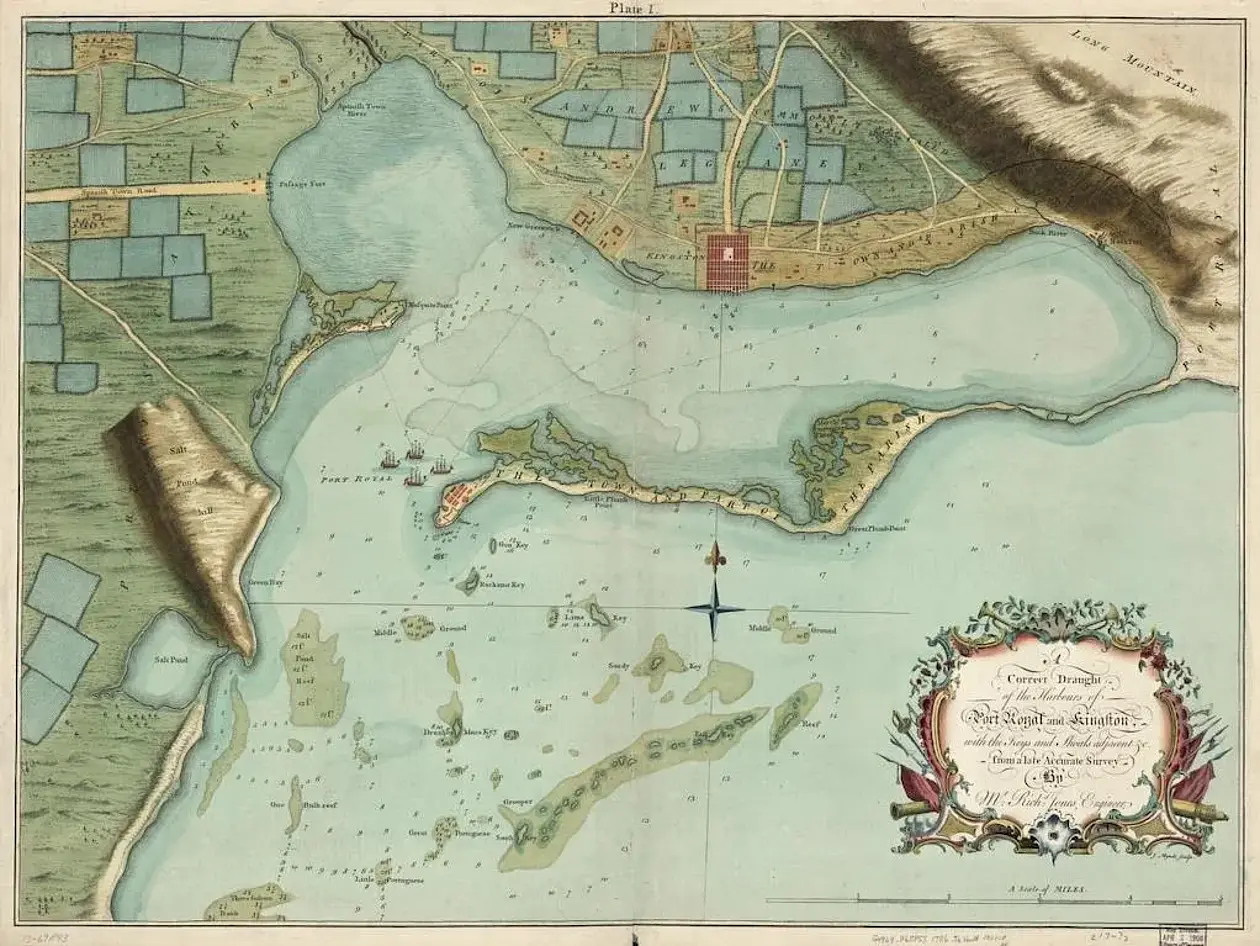
The dissertation project examines colonial conceptions of belonging and alienness against the background of political refugee movements during the Age of Revolutions. It focuses on the interactions of refugees from revolution with the Jamaican host society in the urban context of the port city of Kingston. (Jannik Keindorf)

Spanish Imperial Governance in Times of Threat (17th C. Panama)

The project, which until June 2019 was part of the CRC 923 Threatened Orders, studies Spanish imperial governance in late 17th century Panama. Its focus is the Scottish Darien colony, which its Spanish contemporaries perceived as a threat to the Spanish interests in the region. Drawing on global and entangled history, the project not only studies Spanish governmental and communication practices employed in reaction to the colony, but also other faactors such as conflicts between individual Spanish actors, indigenous agency, and the impact of weather, disease, and geography. (Marie Schreier)

End of Empire

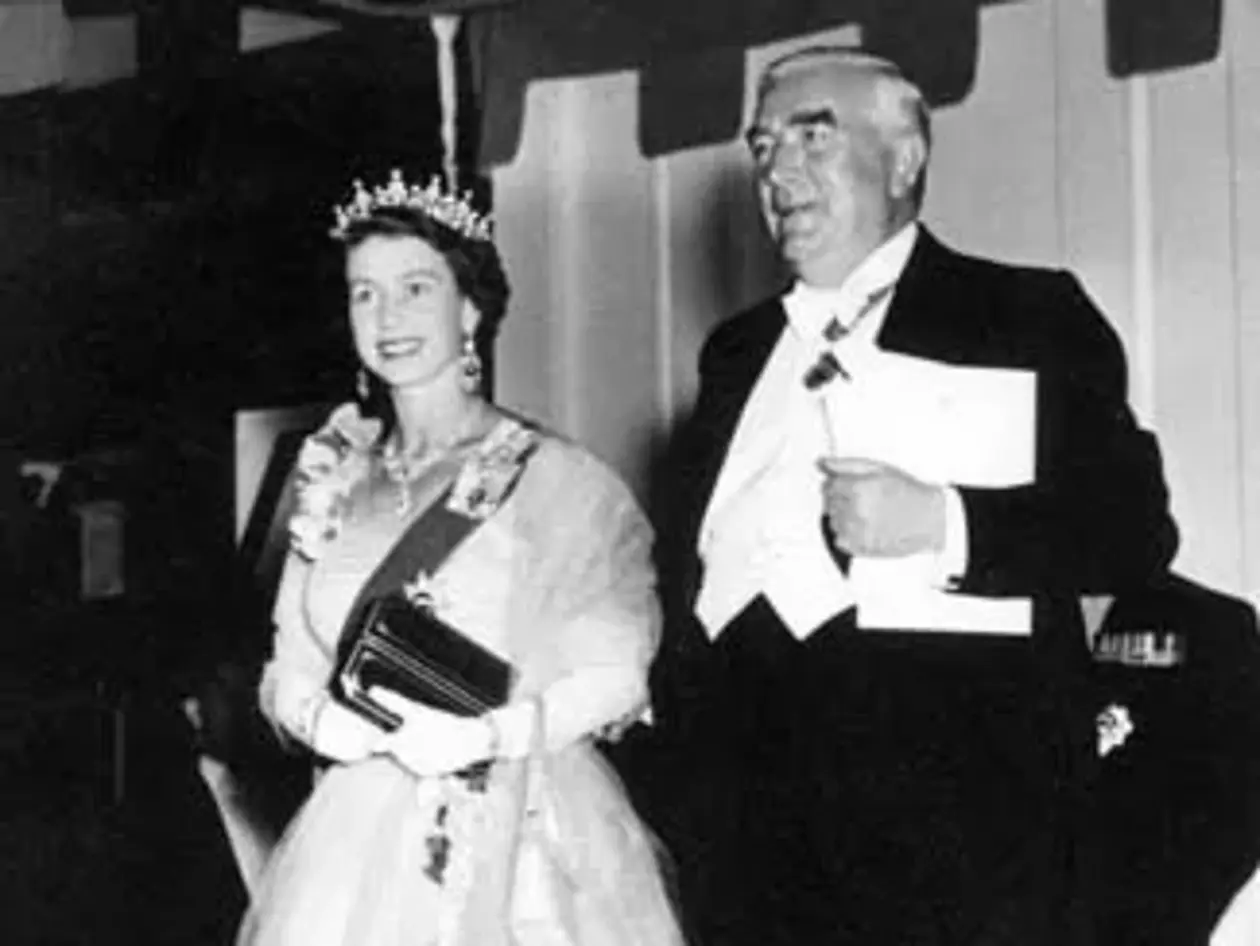
Our project examines the impact of the end of the British Empire on the former settler colonies of Australia and New Zealand, paying particular attention to practices of belonging and their perception of the South Pacific Islands in times of change. (Miriam Adler, Sabrina Jost, SFB 923)

De-centering the Enlightenment

Through the interpretation of the "Neue Welt-Bott/ New World Messenger" (1726-1761), a collection of primarily Jesuit reports from around the world, Ulrike Strasser (San Diego) and Renate Dürr (Tübingen) are developing a new narrative of the Enlightenment. This project is funded by the VW Foundation within their "Opus Magnum" funding line. (Renate Dürr)

Lutheran Baptisms of Muslims and Africans (16th-18th century)

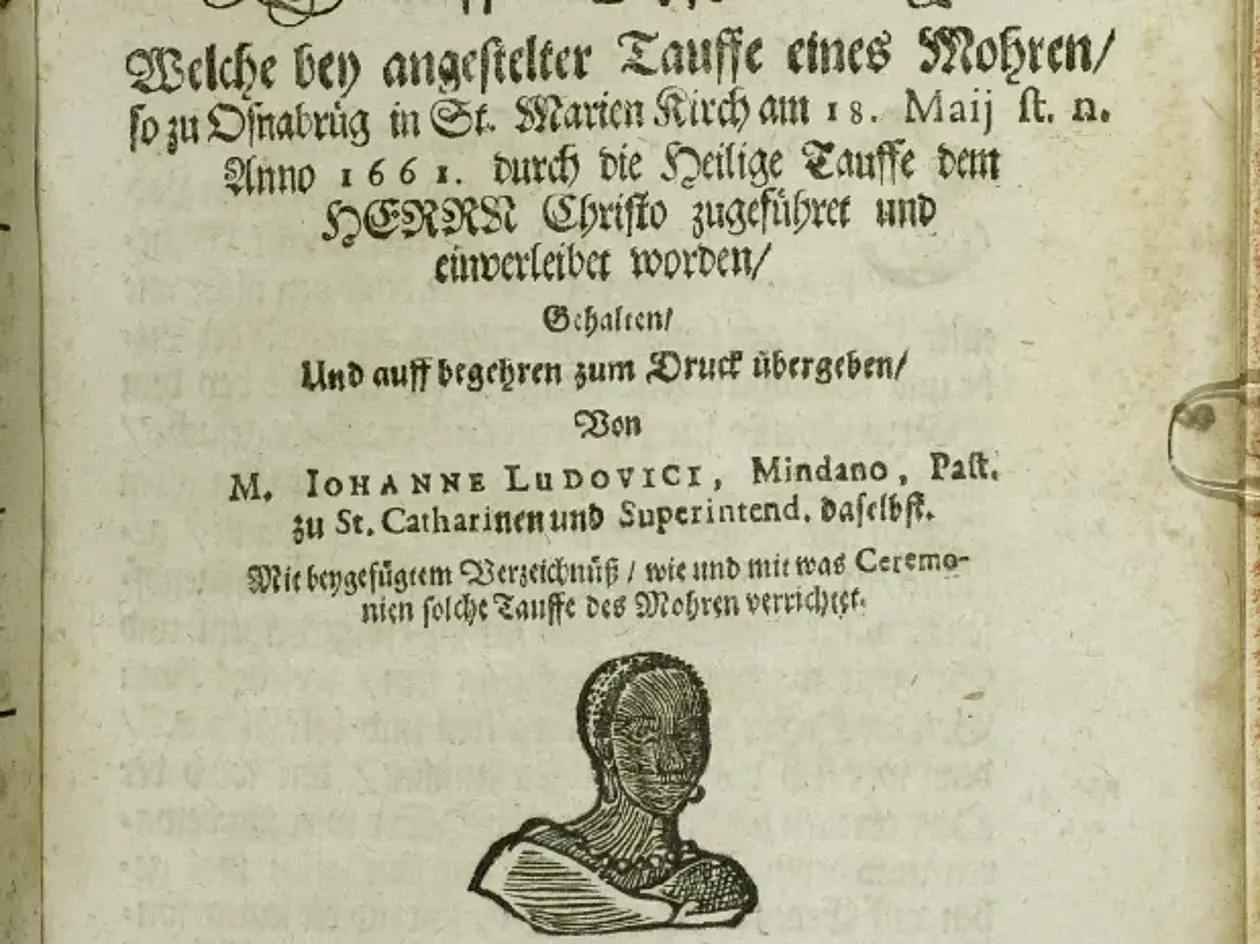
Forced migration to the German lands was no exception. This research project interprets Lutheran baptismal sermons. It focuses on three aspects mainly: 1) the development of baptismal rituals; 2) the reconstruction of the lives of the deported people; 3) the reconstruction of what is not said in these sermons. (Renate Dürr)

Historicizing the Refugee Experience, 17th–21st Centuries: Annual International Seminar in Historical Refugee Studies

The purpose of this seminar is to promote the historical study of refugees, who are too often regarded as a phenomenon of recent times. By viewing the problem of refugees from a historical perspective, the seminar seeks to complicate and contextualize our understanding of peoples who have fled political or religious conflicts, persecution, and violence. (Jan Jansen)

Birds of Paradise

The habilitation project examines the influence of birds of paradise, their behavior and the interest in their feathers on the various relationships in the colonial context of the island of New Guinea and its influences on Euro-American debates on animal welfare. (Sabine Hanke)

Chronopolitics and Temporality in Global History

How do global historians deal with time and temporality? My work explores both general methodological questions and specific debates such as the current discussion about the "Global Middle Ages”. (Christina Brauner)

Atlantic Exiles: Refugees and Revolution in the Atlantic World, 1770s–1820s

“Atlantic Exiles” explores comparatively the large-scale refugee movements set off by the revolutions in North and South America, France, and Haiti. Based on case studies from the Caribbean and the American continent, the project sets out to show that political migrants and refugee movements were at the very core of at least four major transformations that the Atlantic world underwent during these decades. The project is funded by the European Research Council (ERC). (Jan Jansen)

Collecting and Envisioning Global Fashion

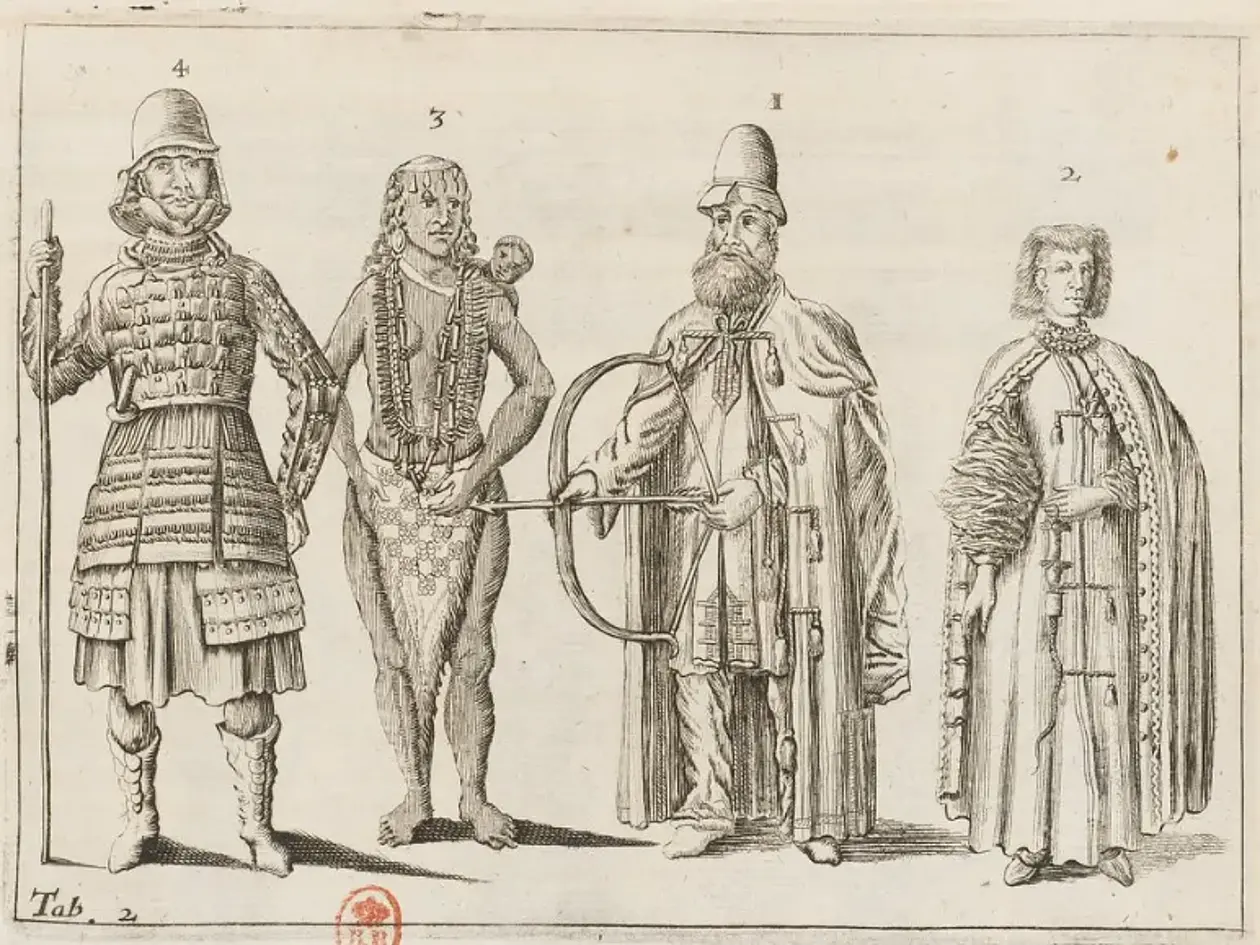
The dissertation explores the practice of collecting dress and textiles from Africa, Asia, and the Americas in European cabinets of curiosities during the 16th and 17th centuries as a process of cultural translation. Clothing is an expression of identity. Its material, visual and written manifestation served as a medium for portraying and discussing knowledge about the cultures of other continents. (Ruth Egger)

Mission and Money

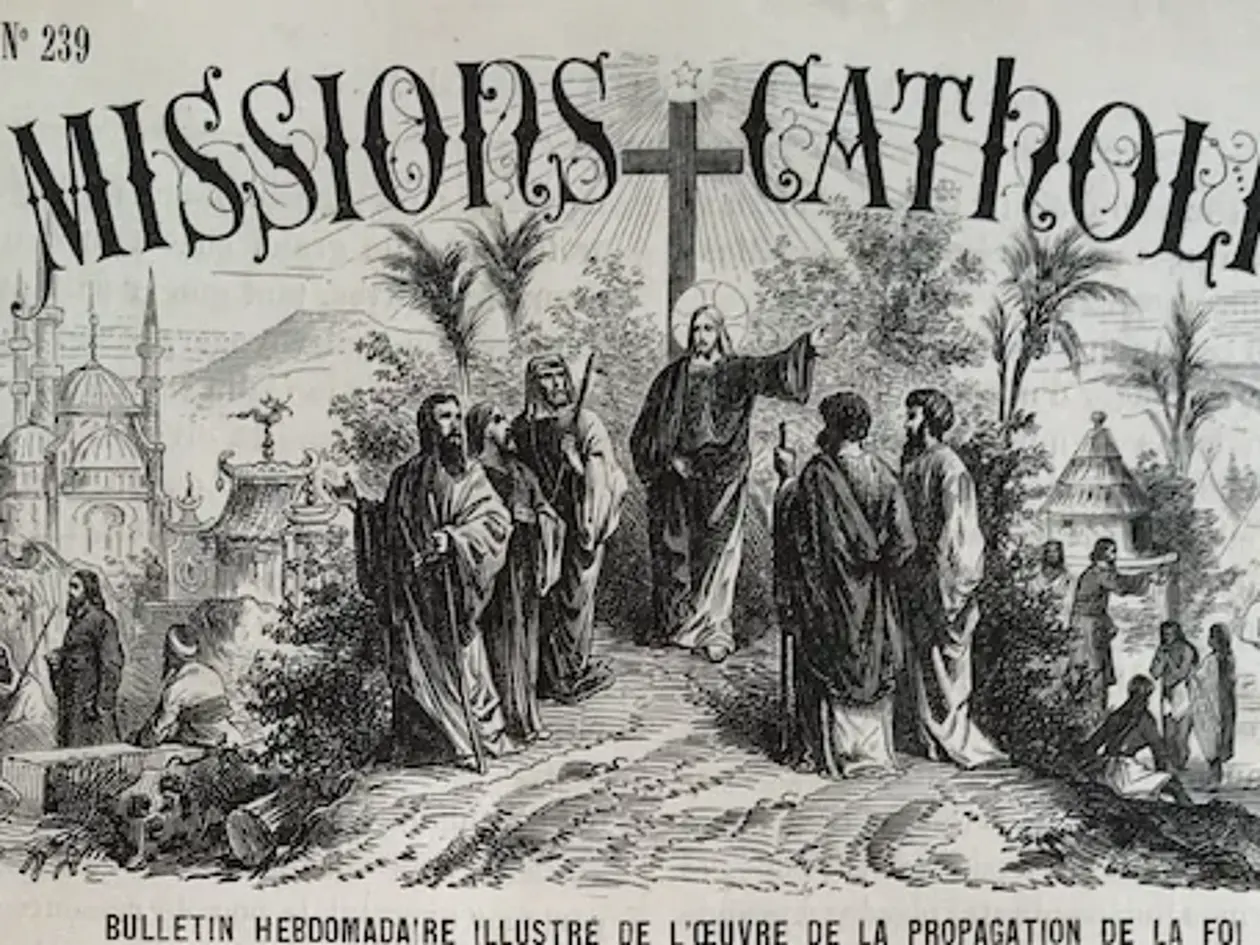
In my book-project I examine the transnationalization of Catholicism, which was largely carried out by Catholic “lay people” and a broad fundraising-movement. (Frederike Schotters)