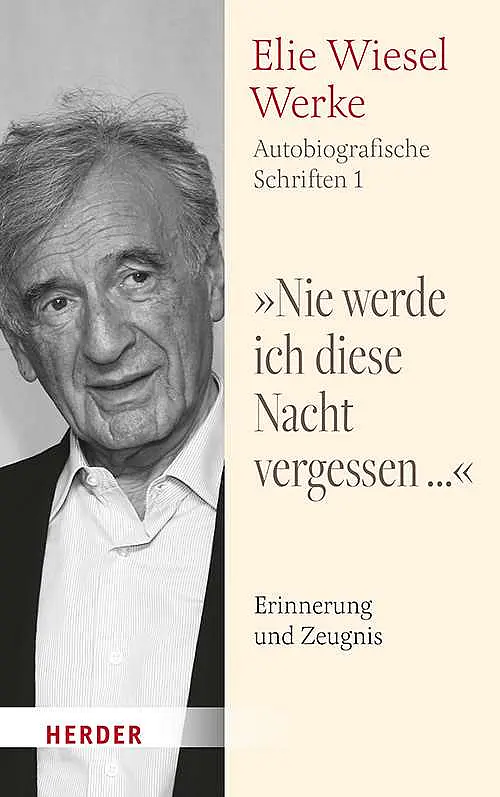
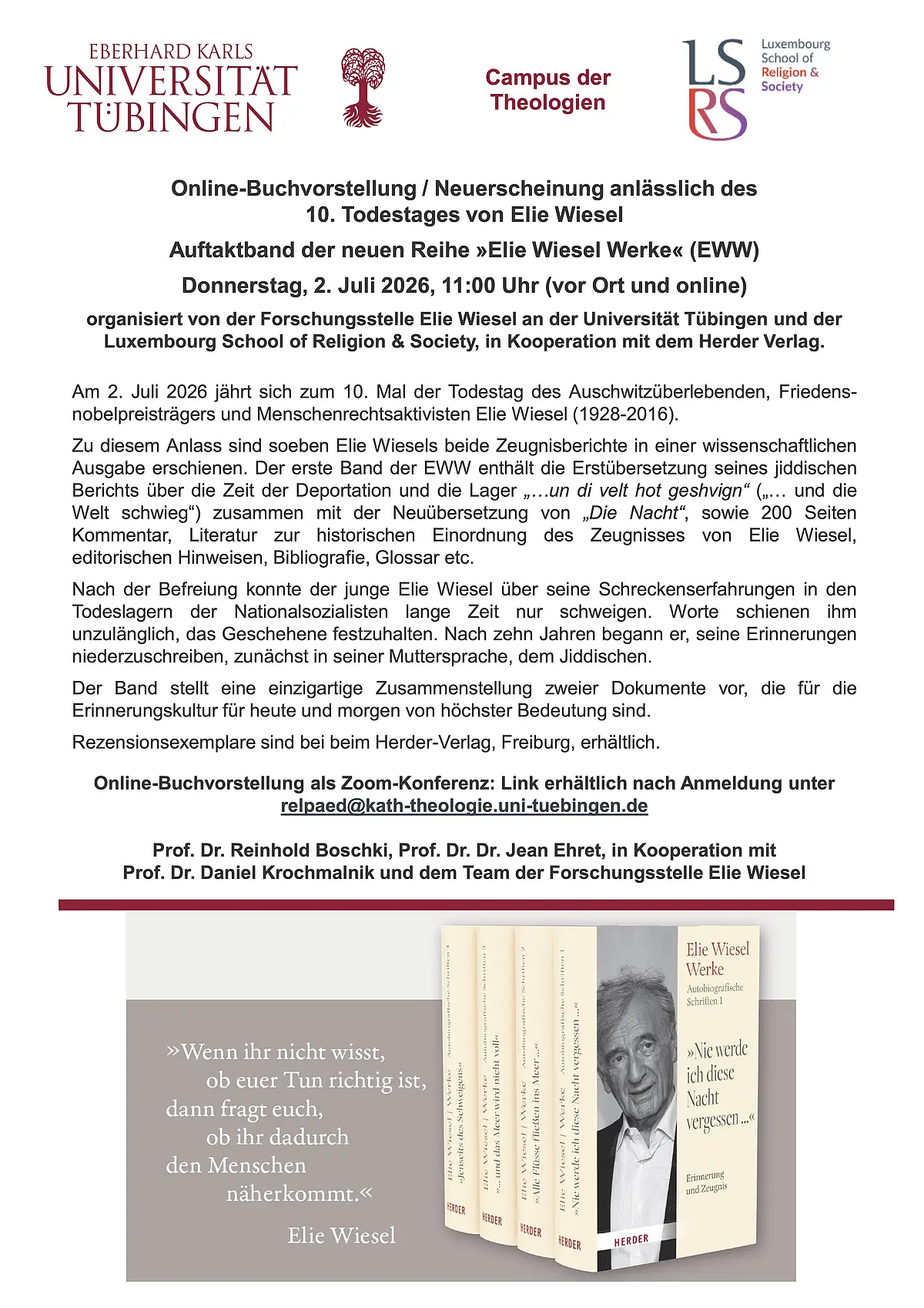
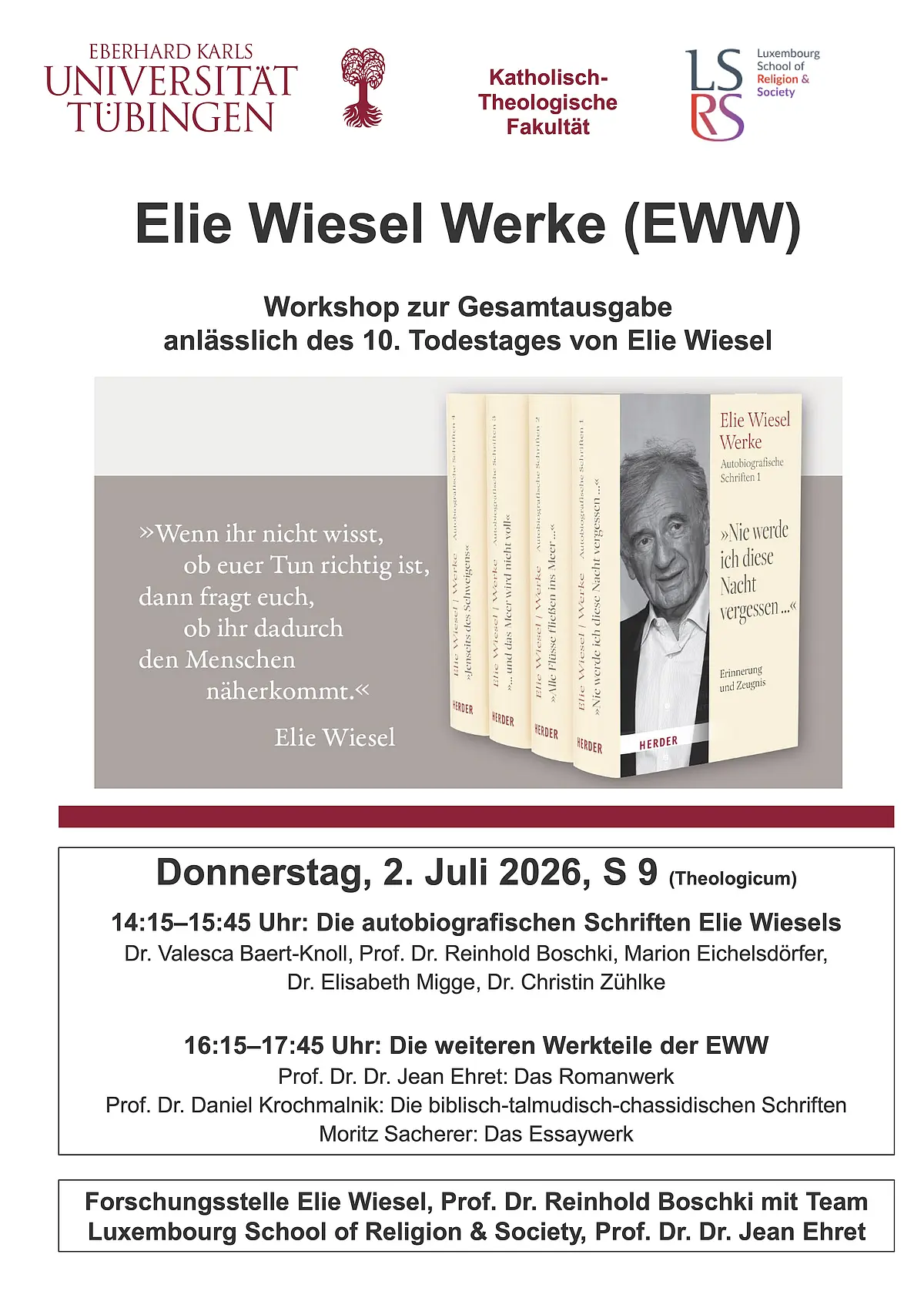
Book launch for the first volume, „Autobiografische Schriften 1, »Nie werde ich diese Nacht vergessen…« – Erinnerung und Zeugnis“ and a workshop on the new series „Elie Wiesel Werke“ (EWW) on July 2, 2026
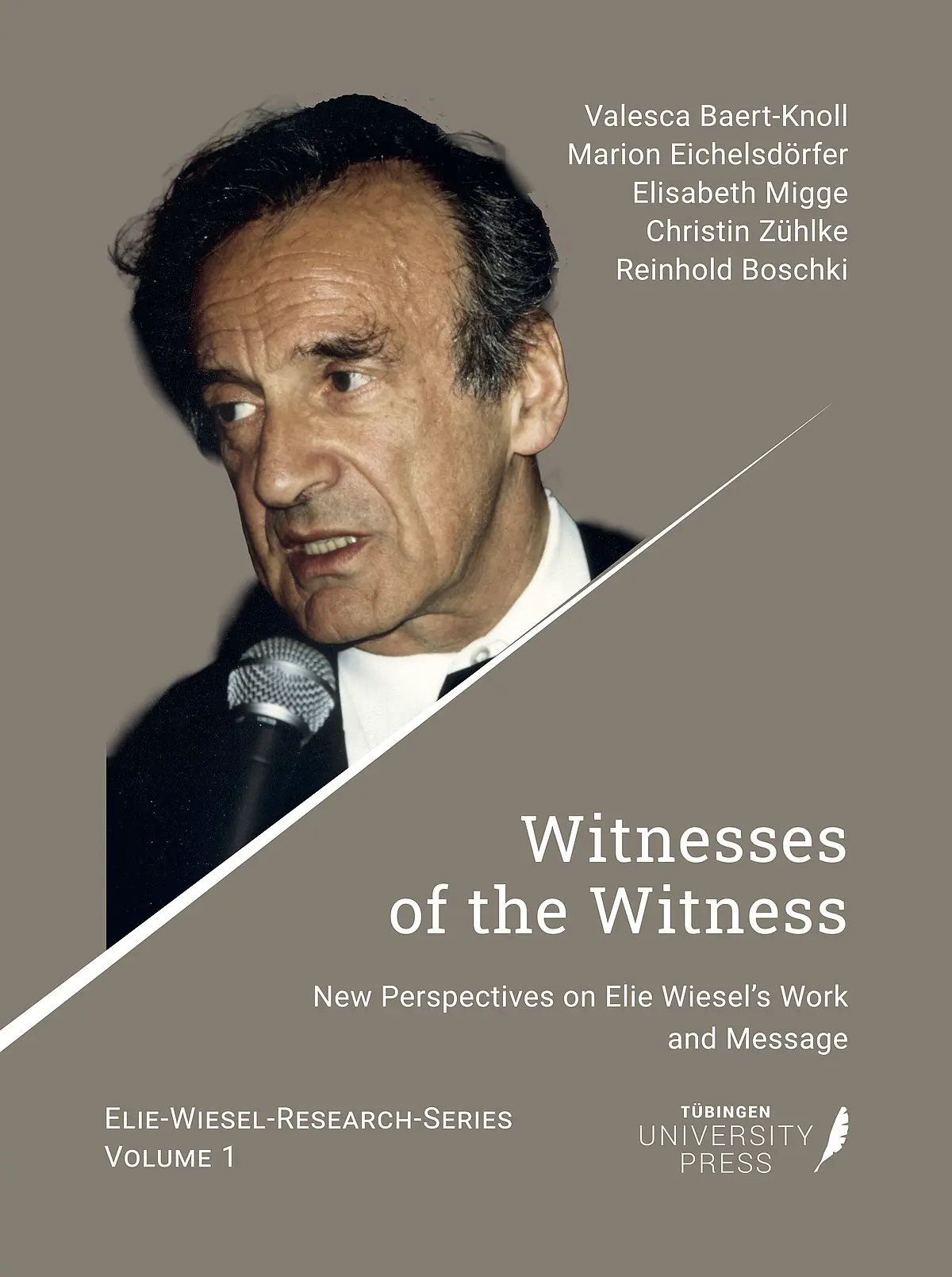
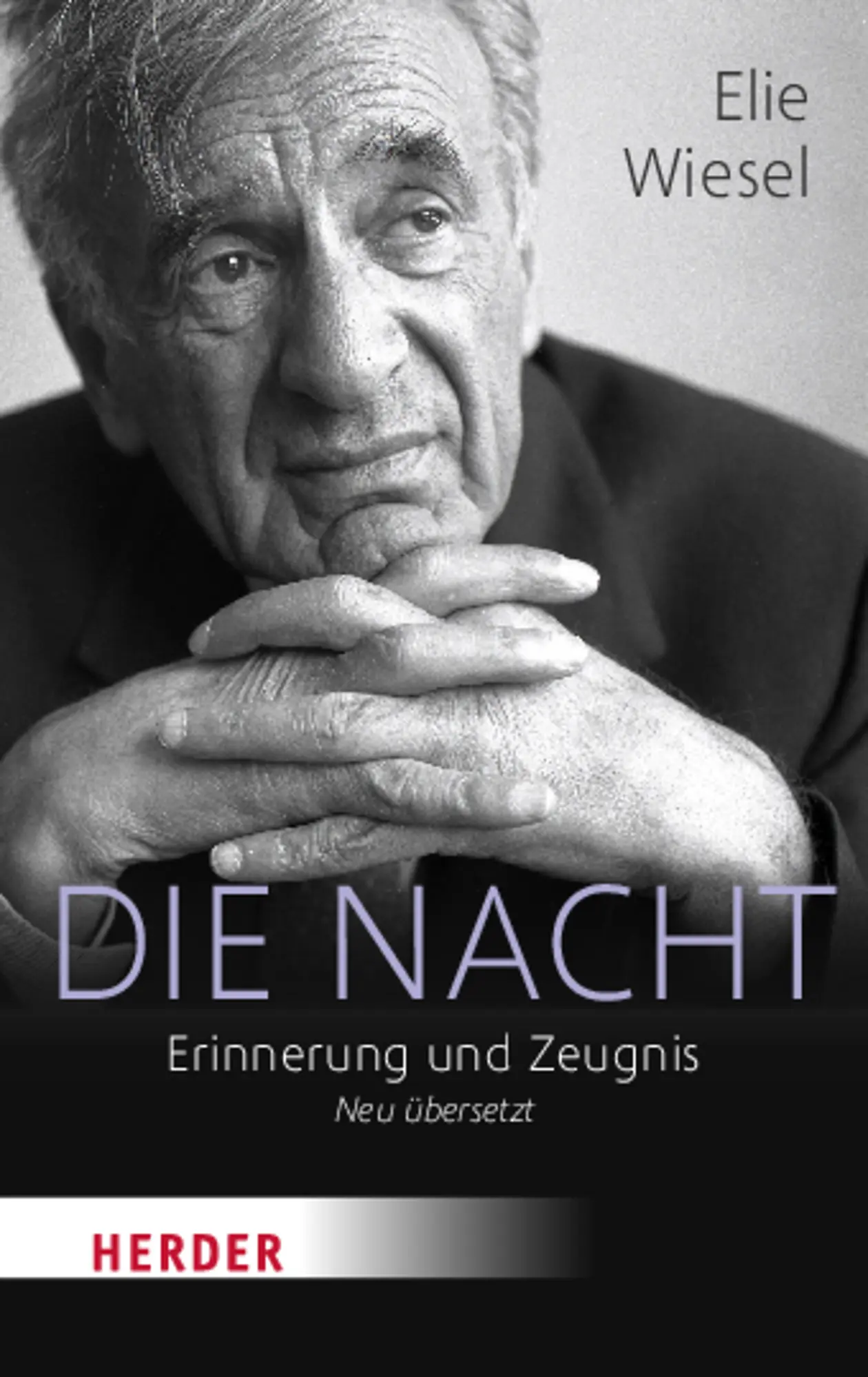
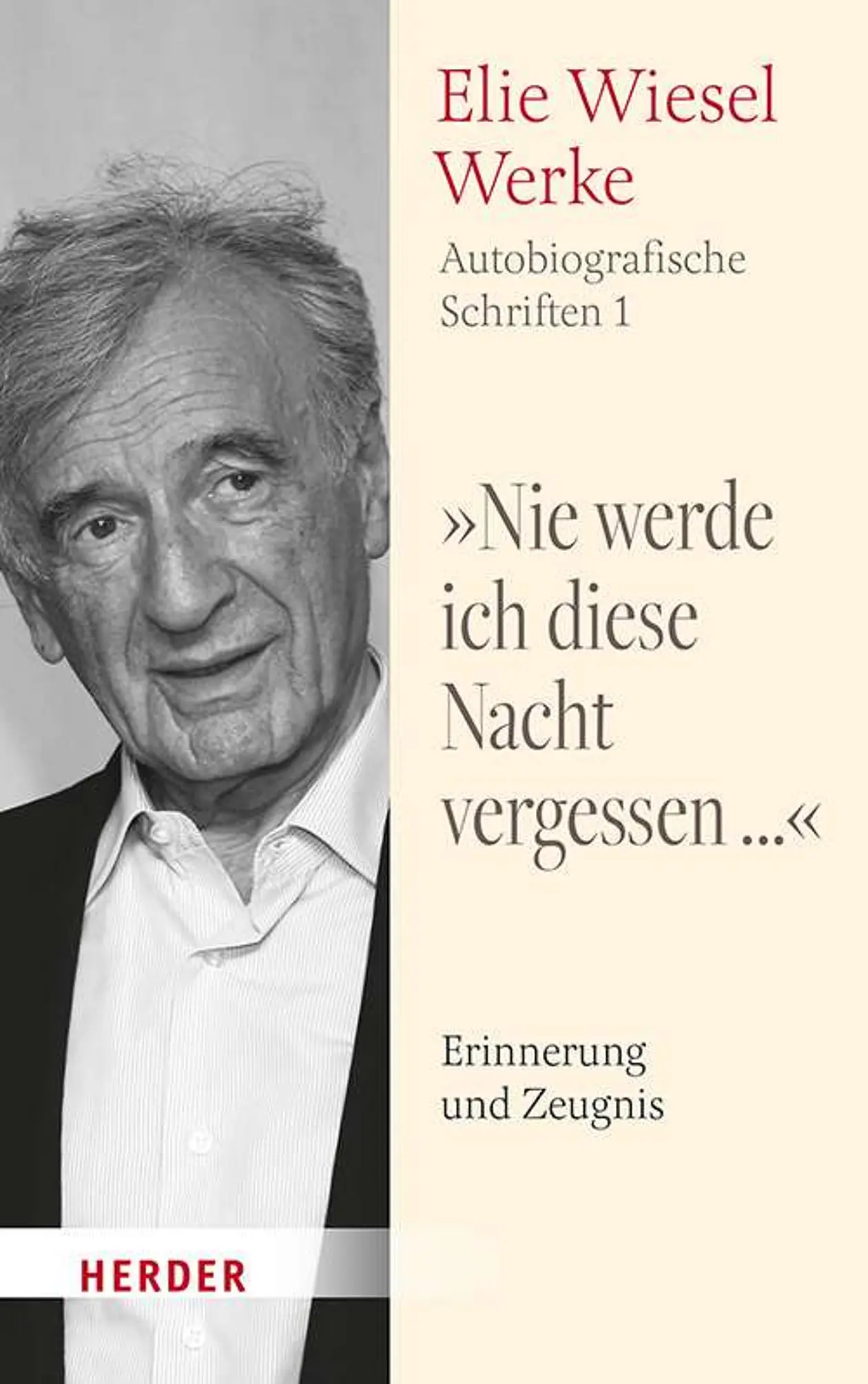
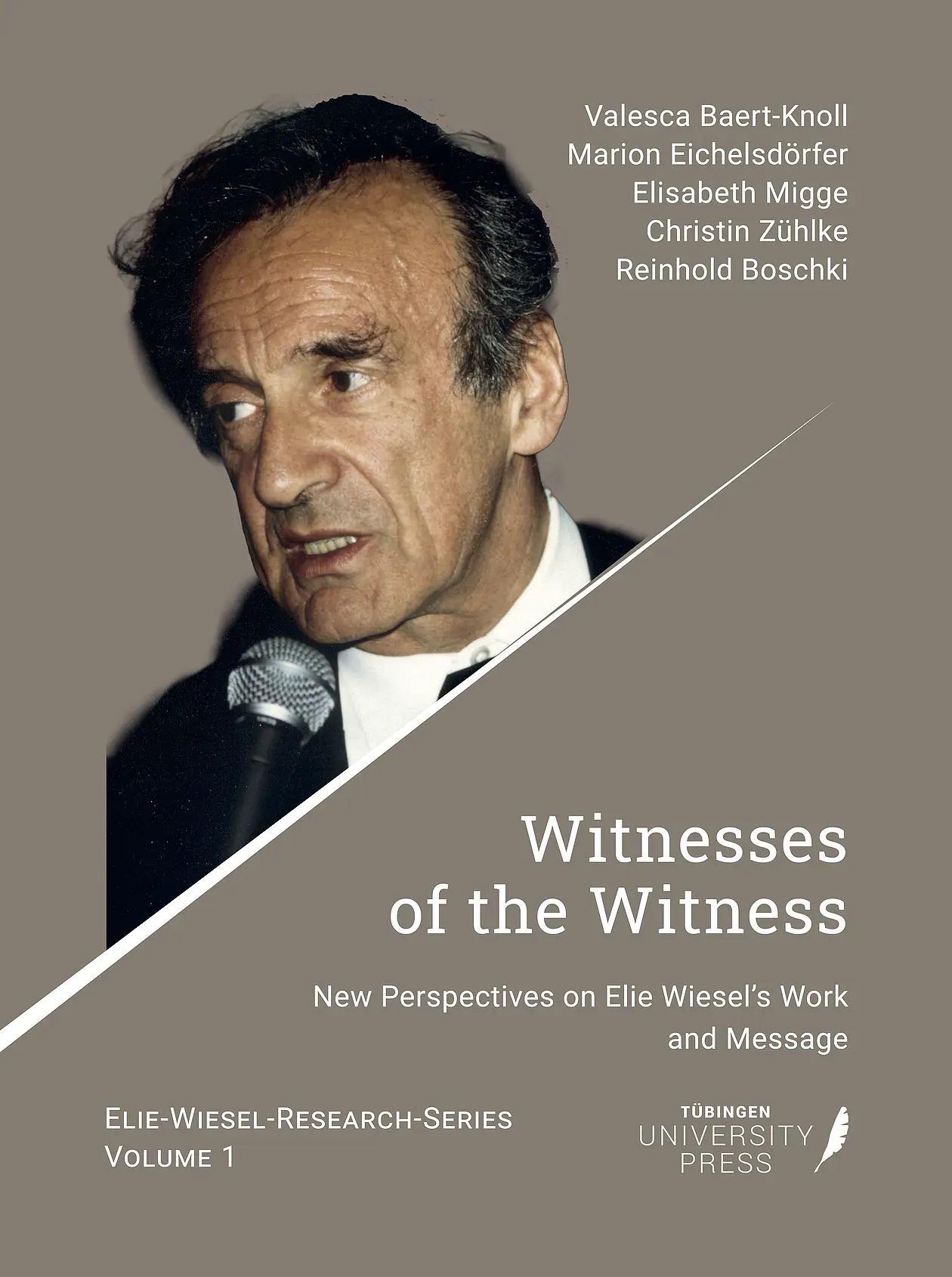
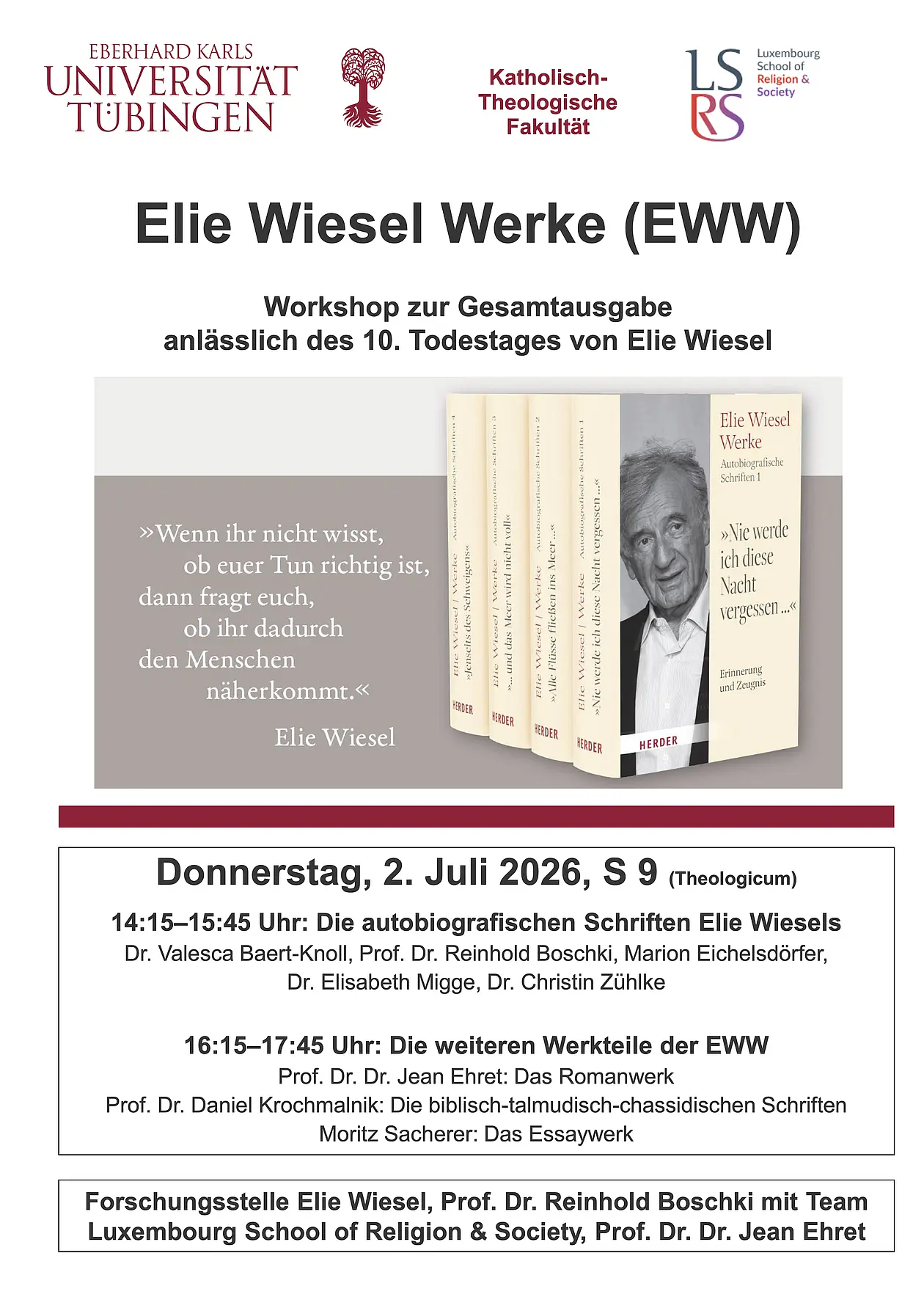
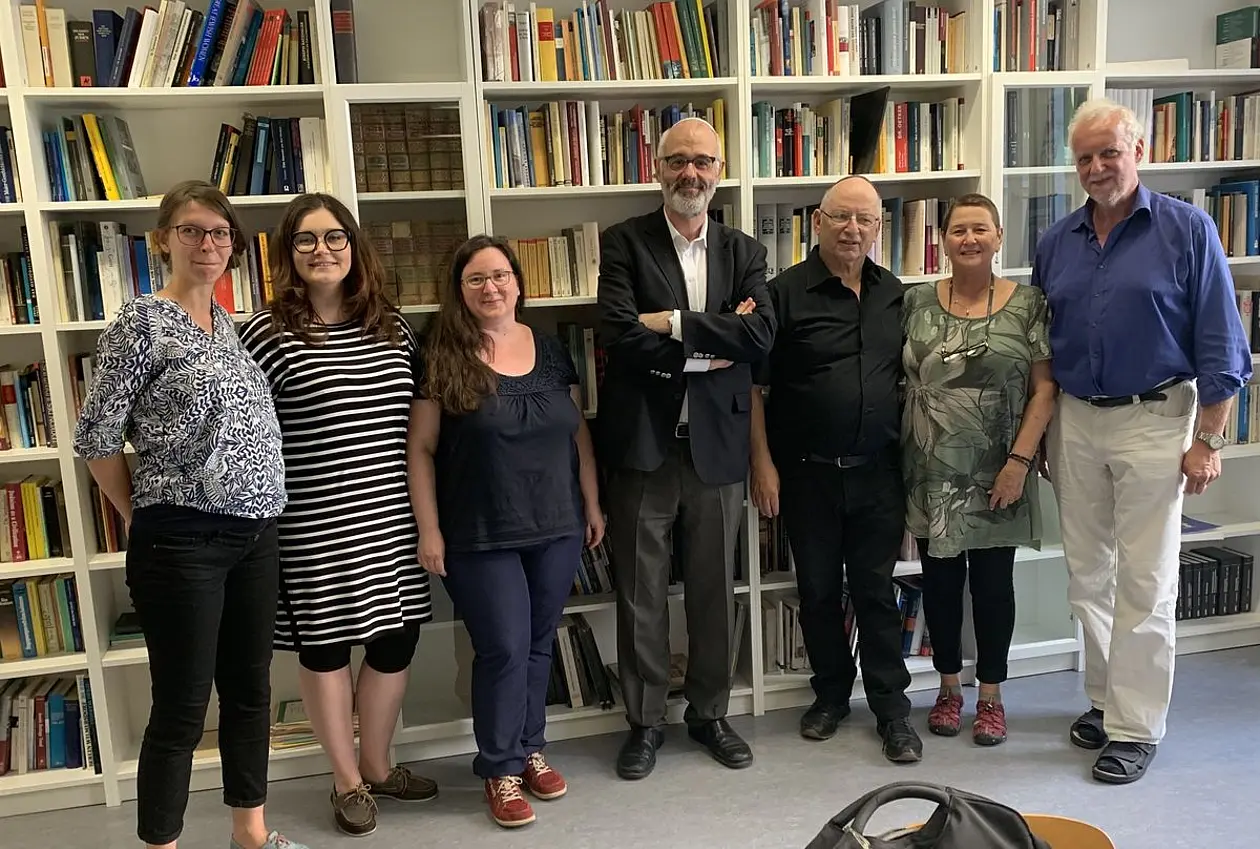
July 2, 2026, marked the tenth anniversary of the death of Shoah survivor and writer Elie Wiesel, whose literary work and resolute, global advocacy for human rights were honored with the Nobel Peace Prize in 1986. Marking this day of remembrance, a book launch was held for the first volume of the new series „Elie Wiesel Werke“ (EWW). As part of his autobiographical writings, the volume includes not only a new translation of Wiesel’s best-known work, Night, but also, for the first time, the preceding Yiddish version of his survival account, …un di velt hot geshvign, translated into German by Marion Eichelsdörfer. Both texts, each offering a distinct perspective, bear witness to his horrific experiences in Auschwitz and Buchenwald. In addition, the publication includes an interdisciplinary editorial apparatus comprising notes on Elie Wiesel’s work, scholarly annotations and commentaries, Wiesel’s bibliography as well as further reading, a glossary of terms, and more. The first volume of the complete works, published in 2026 by Herder Verlag, is edited by Reinhold Boschki, Valesca Baert-Knoll, Marion Eichelsdörfer, Elisabeth Migge, and Christin Zühlke. The project is led by the team at the Elie Wiesel Research Center, represented by Professors Reinhold Boschki (Tübingen), Jean Ehret (Luxembourg), and Daniel Krochmalnik (Potsdam).
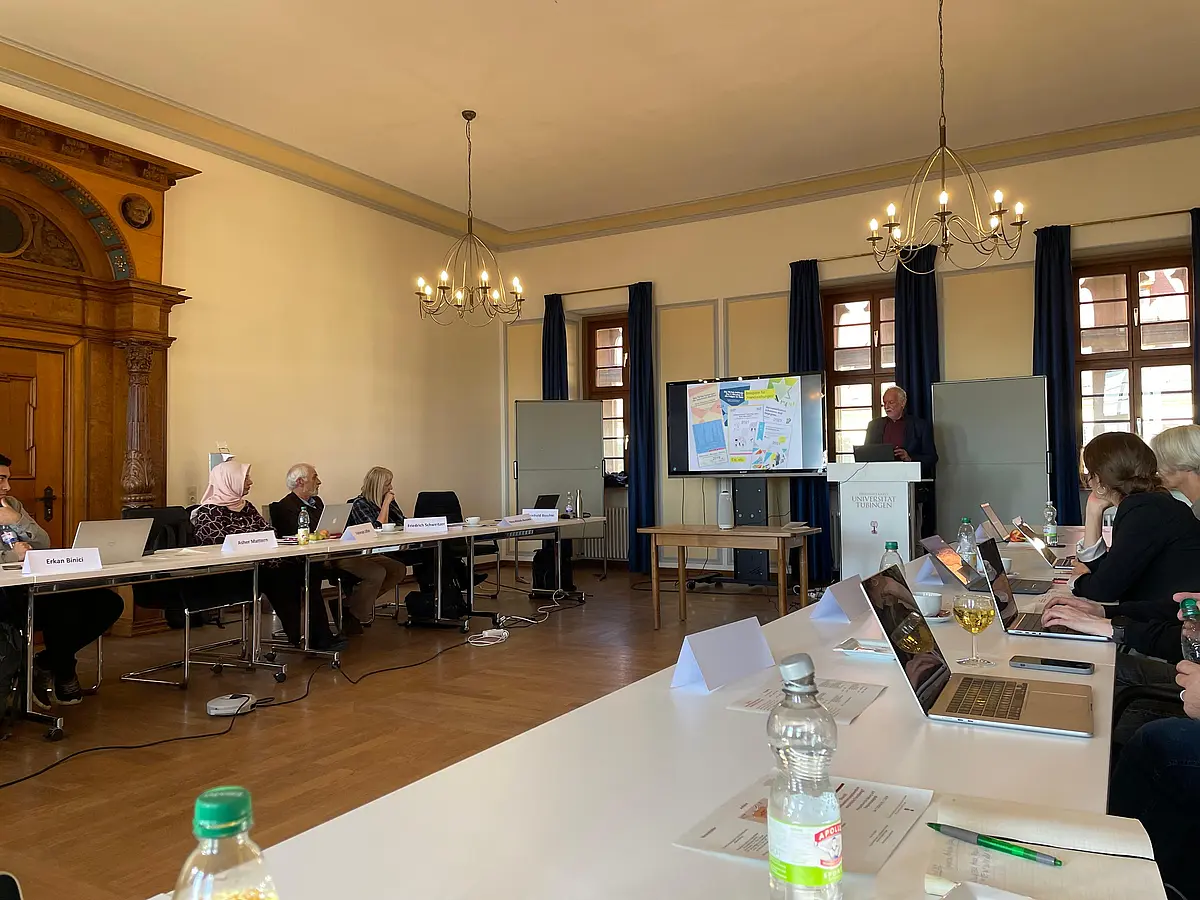
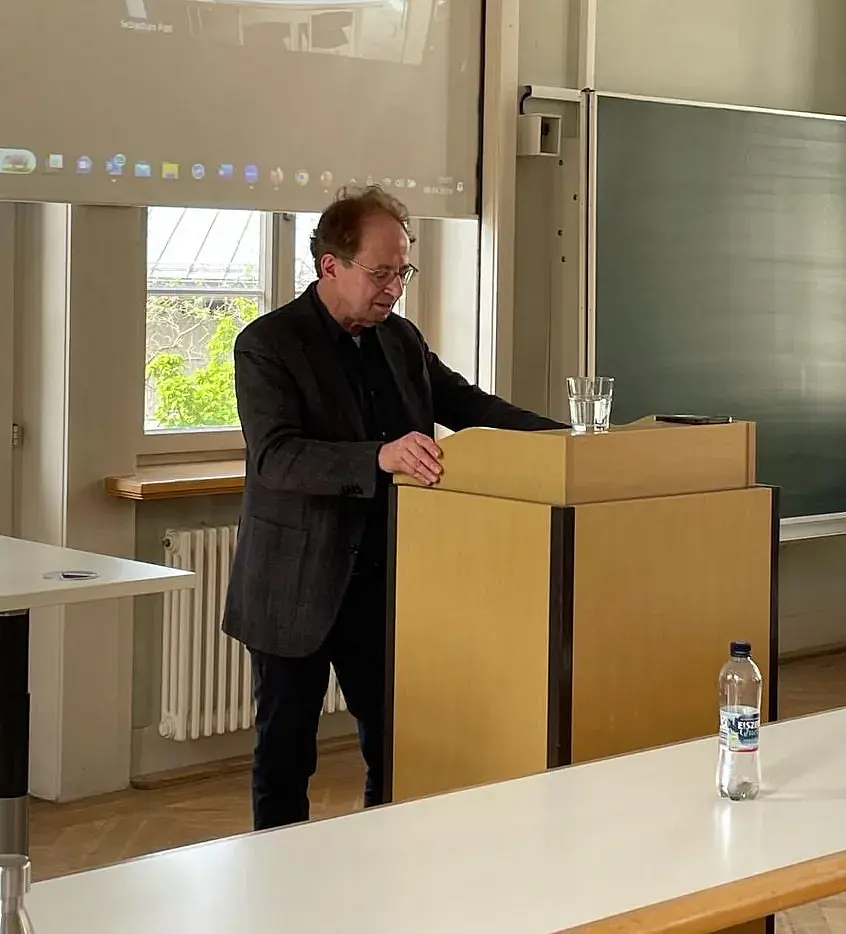
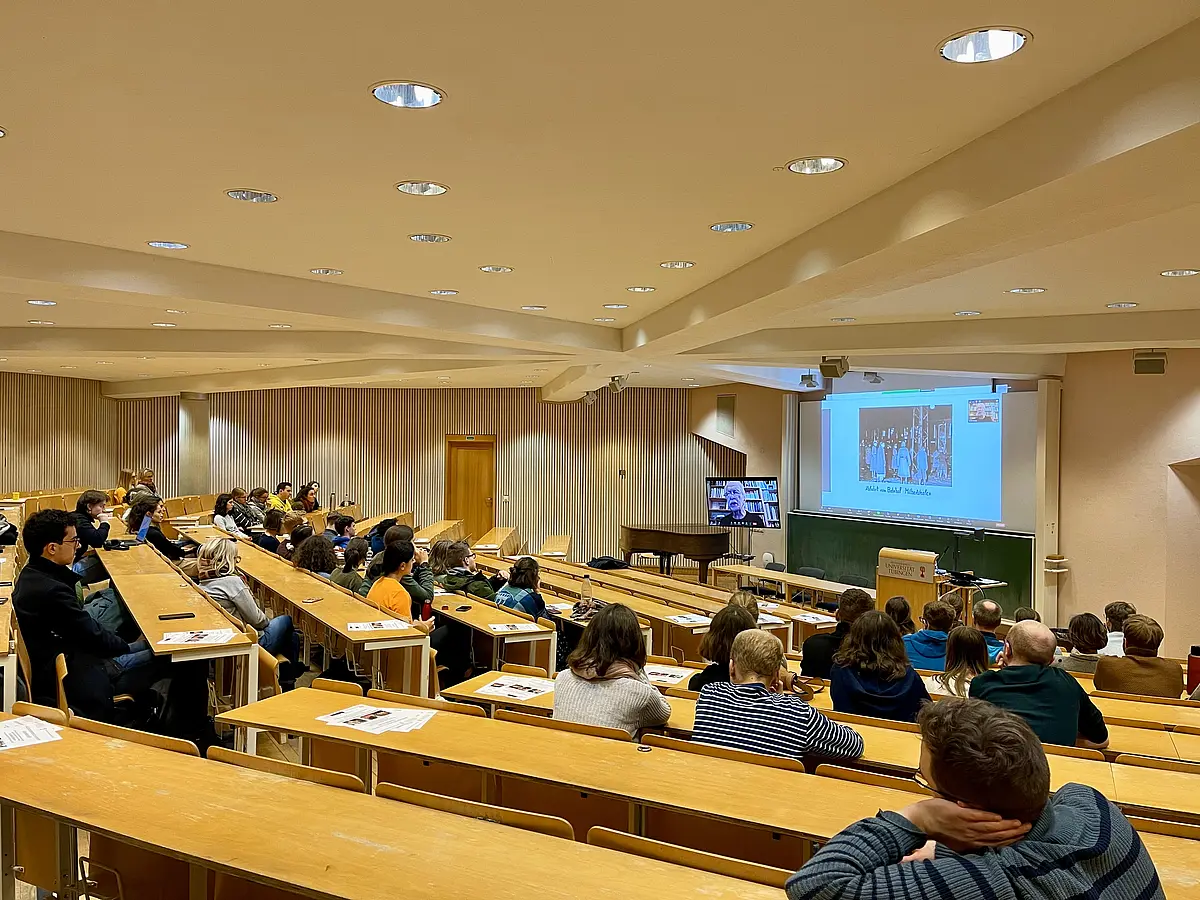
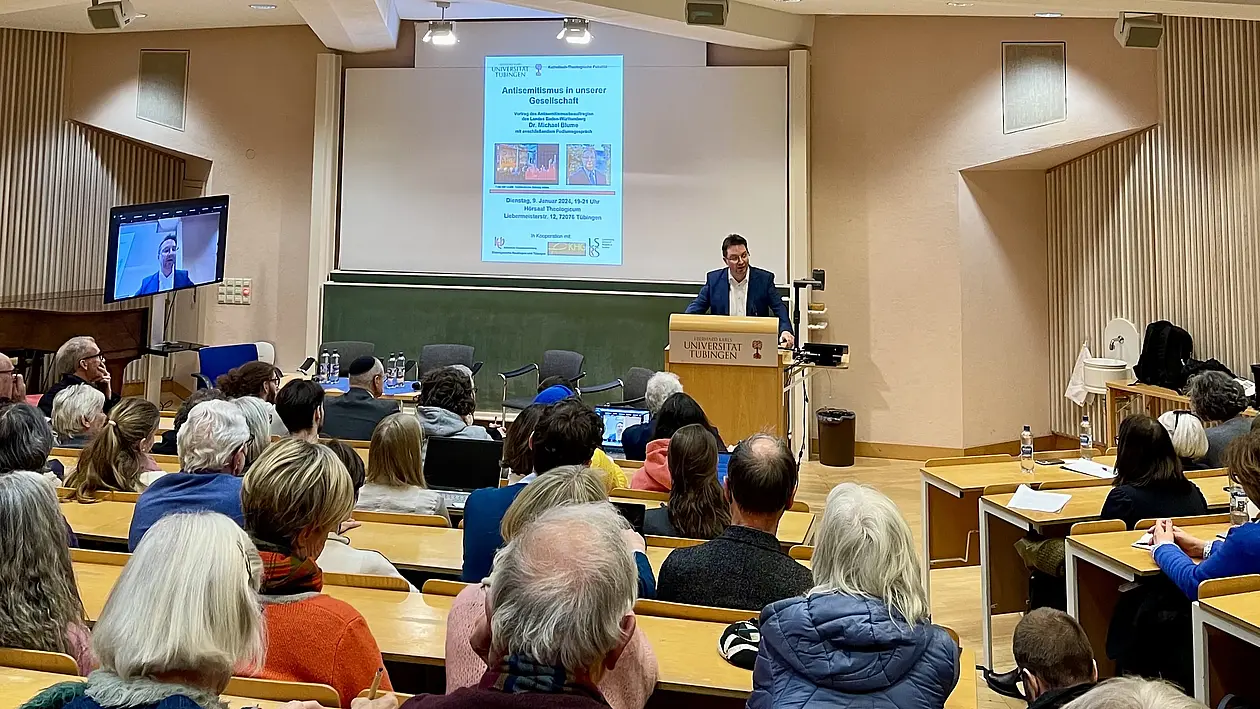
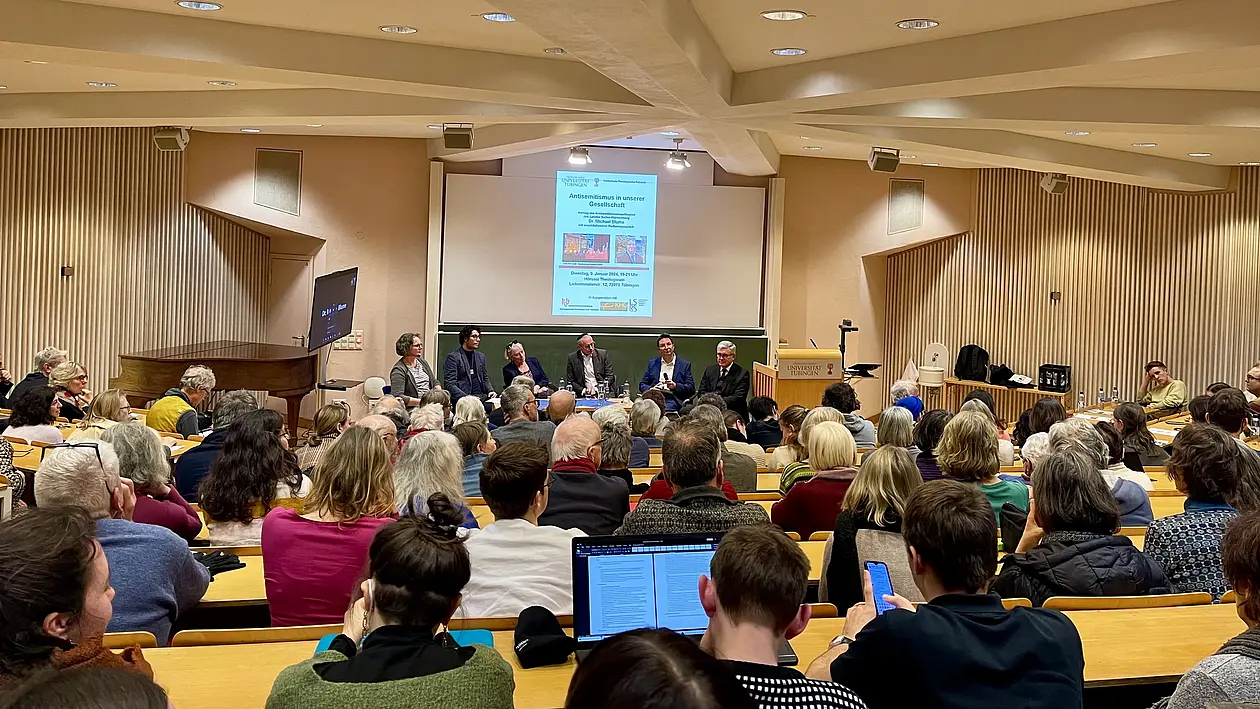
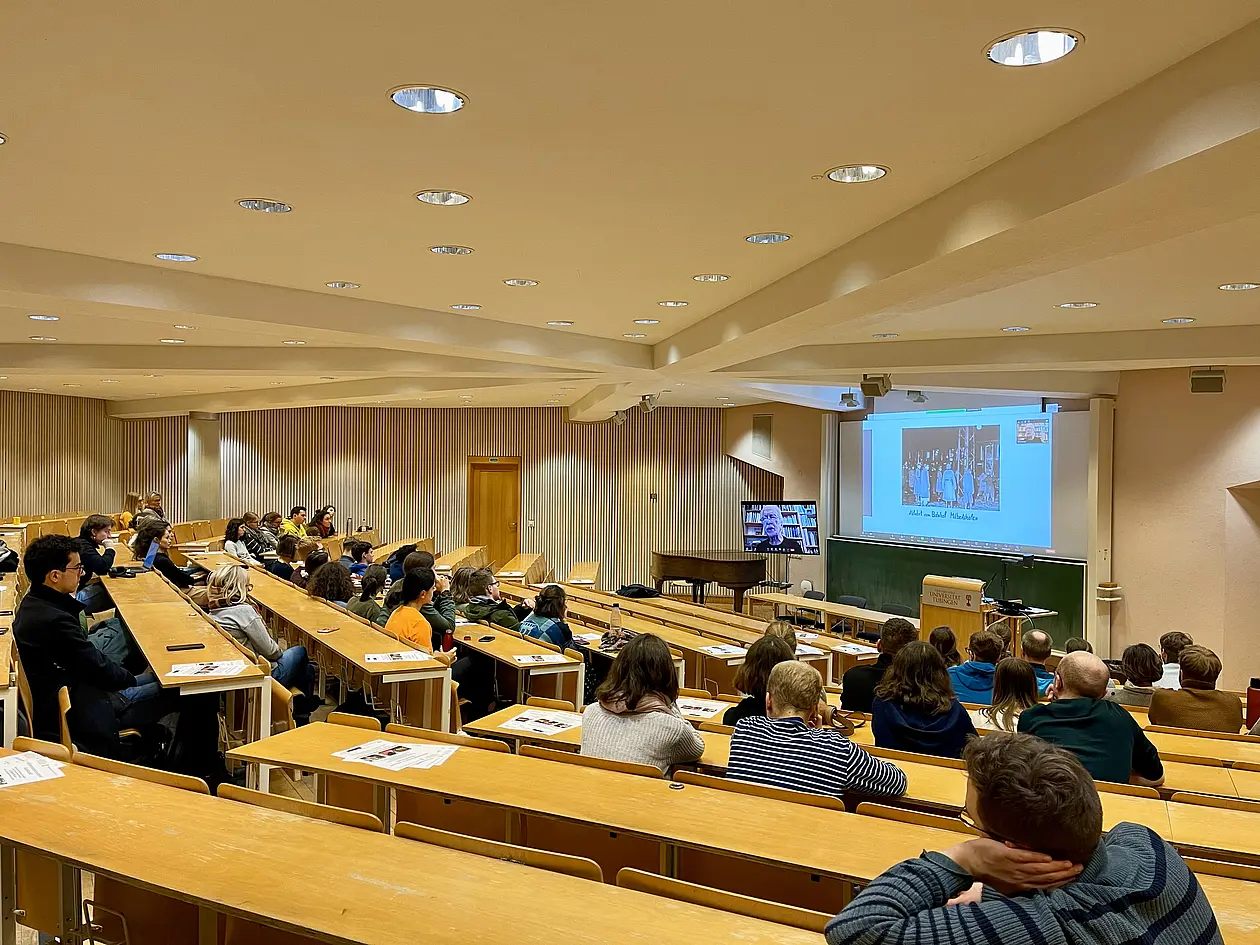
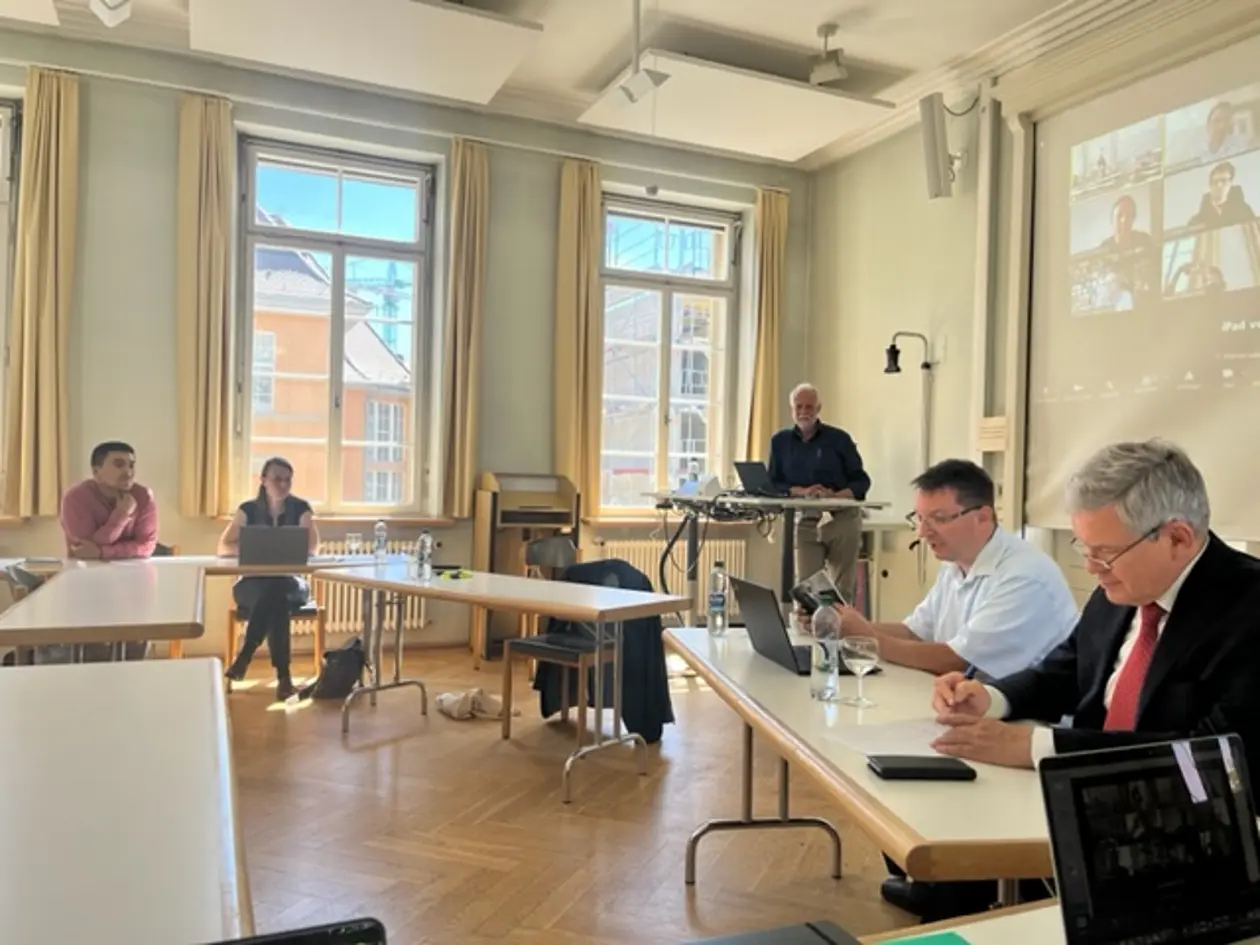
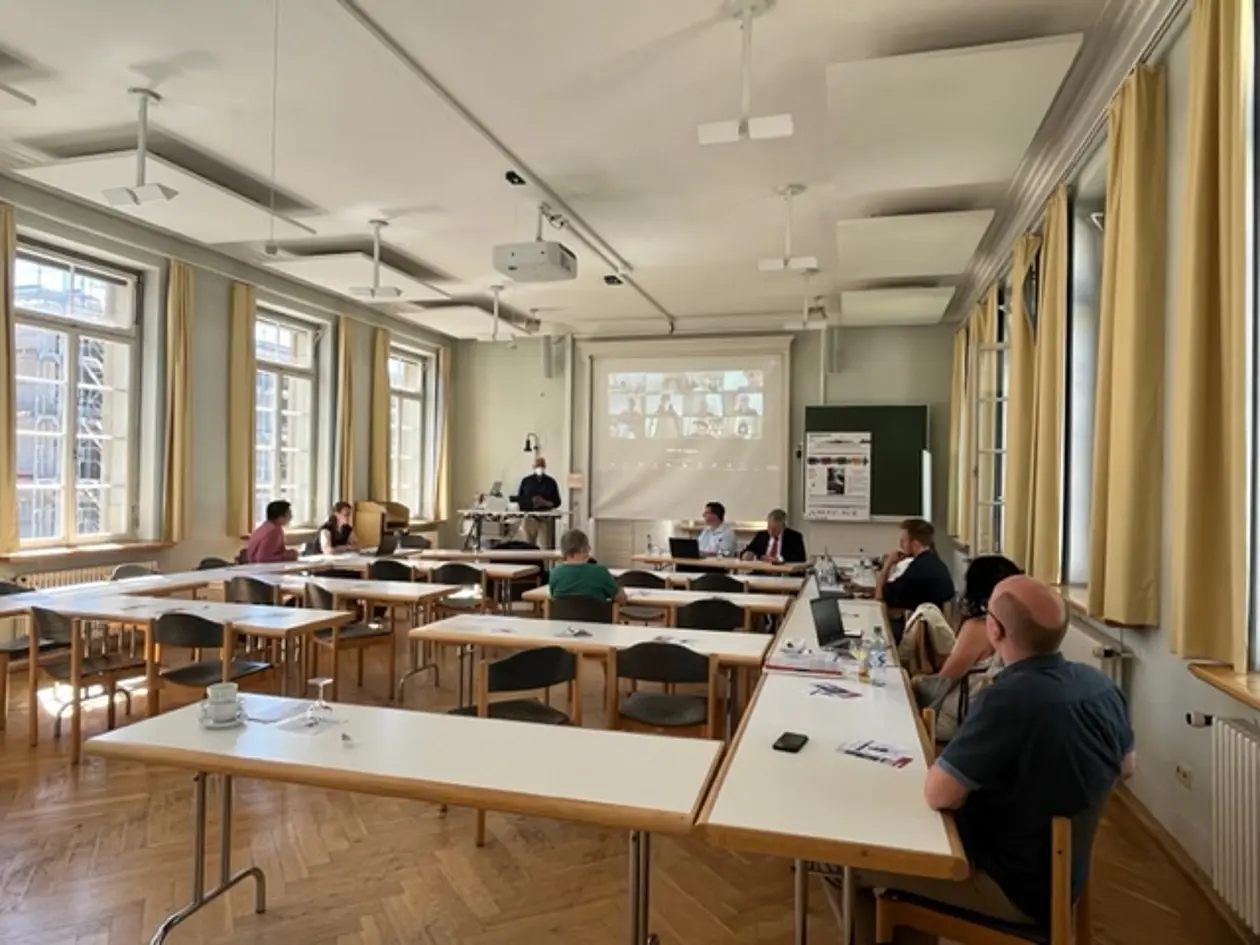
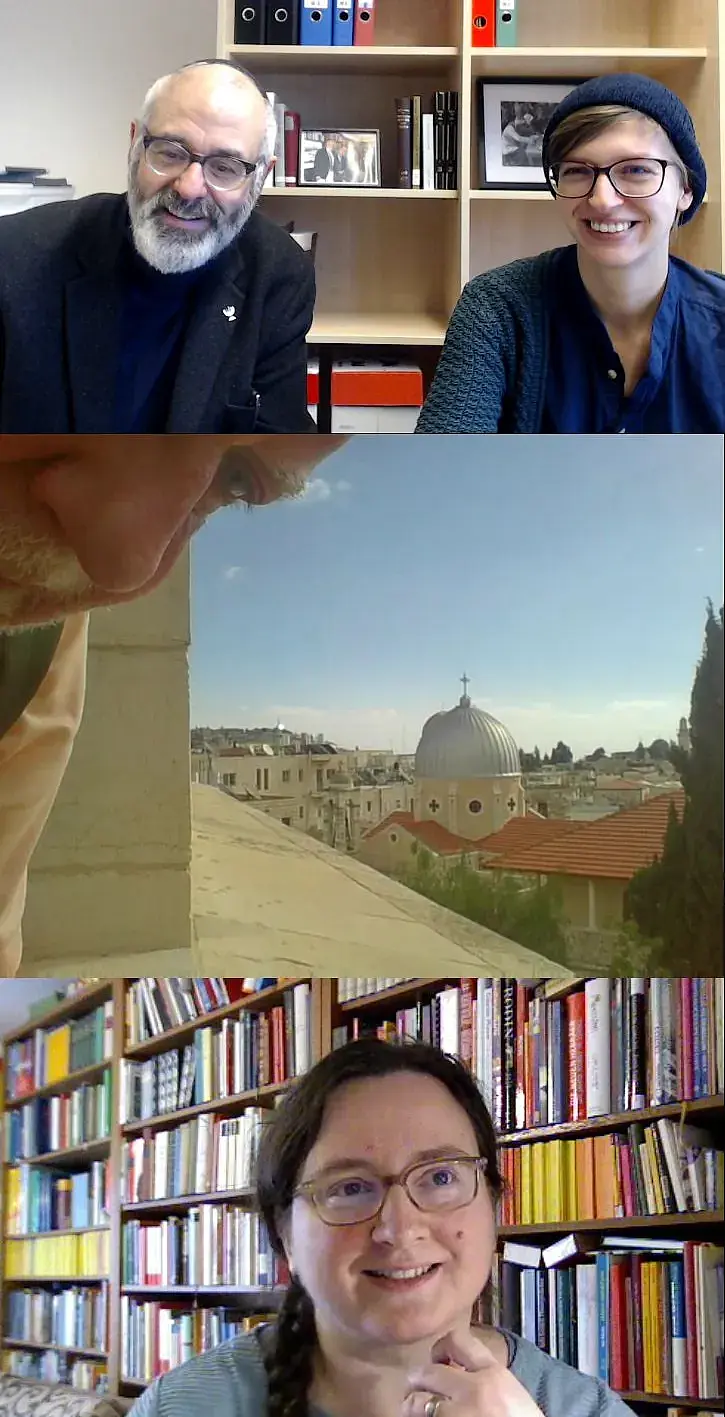
The morning’s digital book presentation at the Faculty of Catholic Theology at the University of Tübingen was opened by Reinhold Boschki, who discussed the work’s academic and social significance; Daniel Krochmalnik added a Jewish perspective, and Jean Ehret provided an international literary perspective. Stephan Weber then took the floor, emphasizing the importance of the publication from a publisher’s standpoint. Finally, Marion Eichelsdörfer and Elisabeth Migge offered insights into the content.
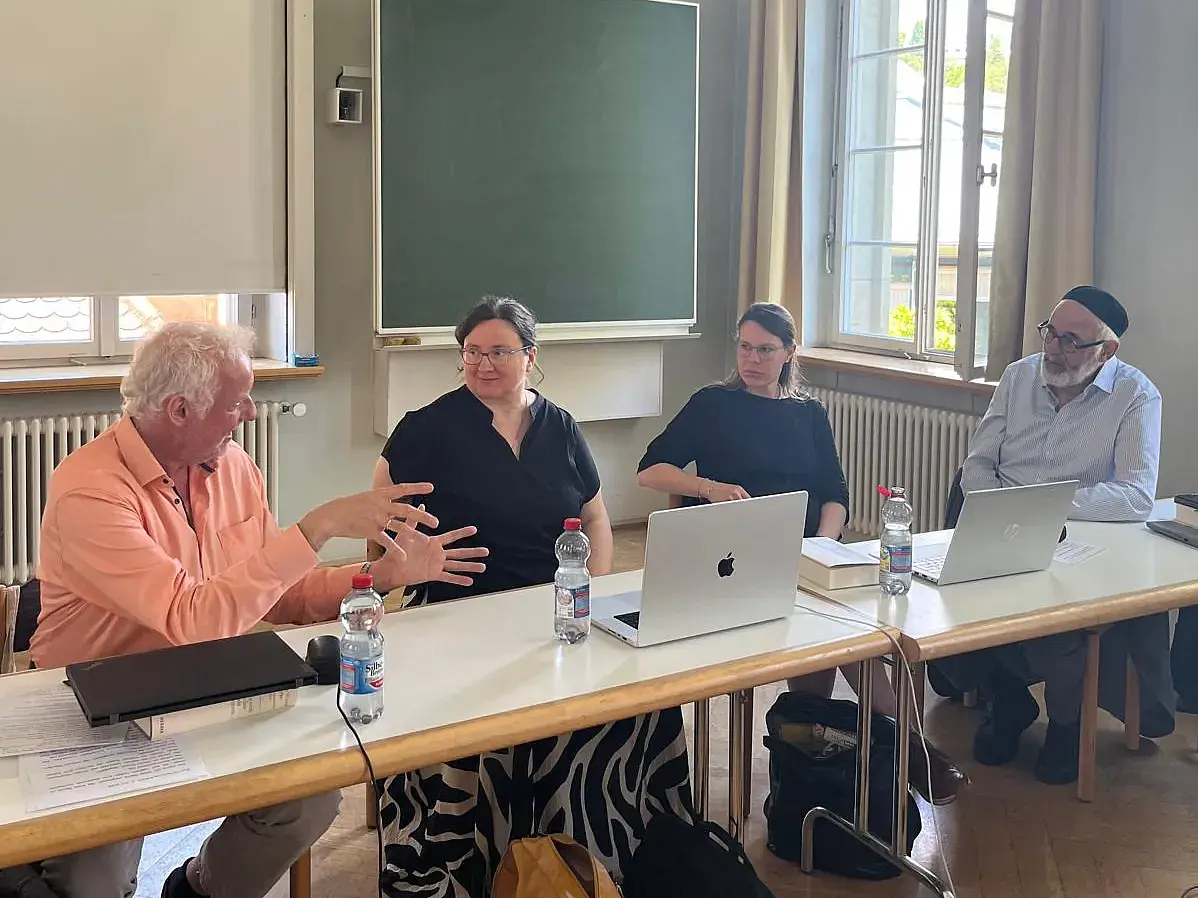
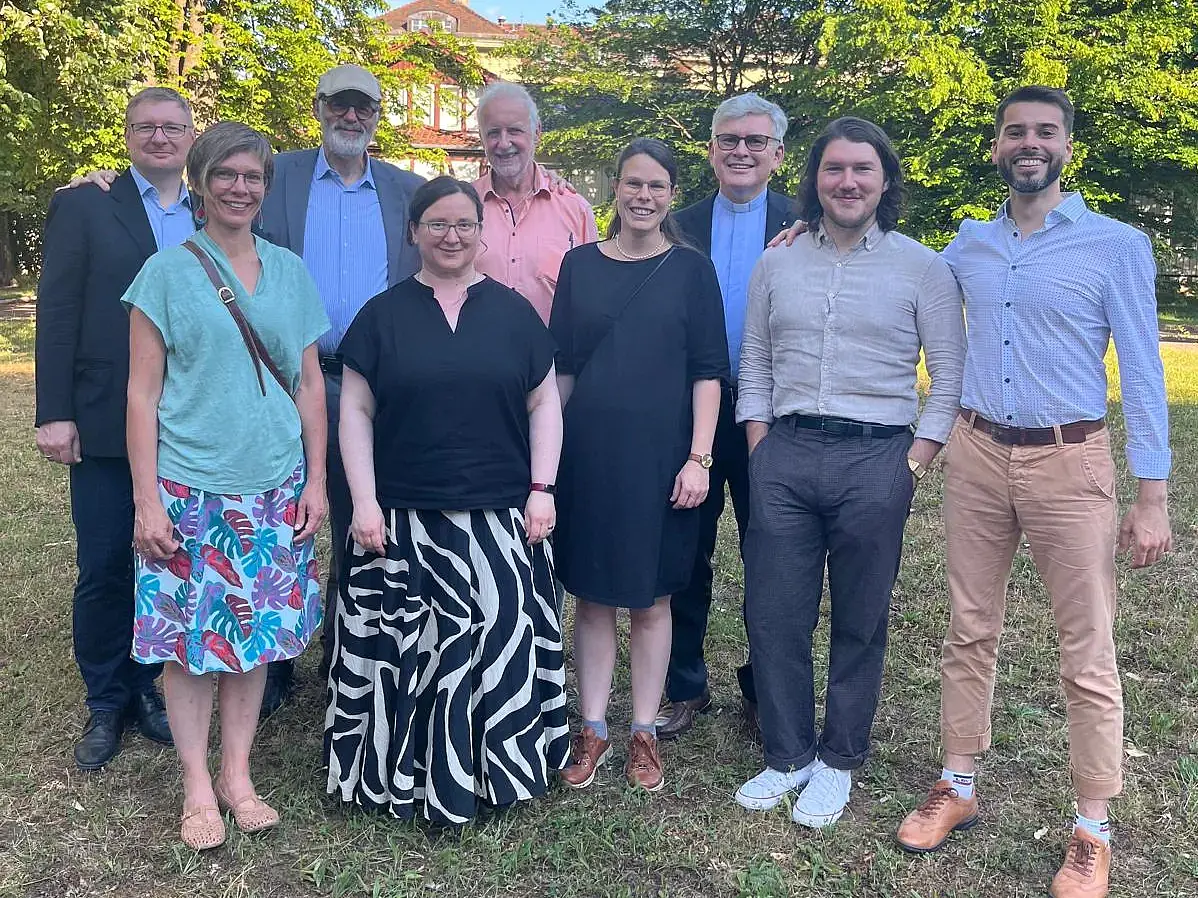
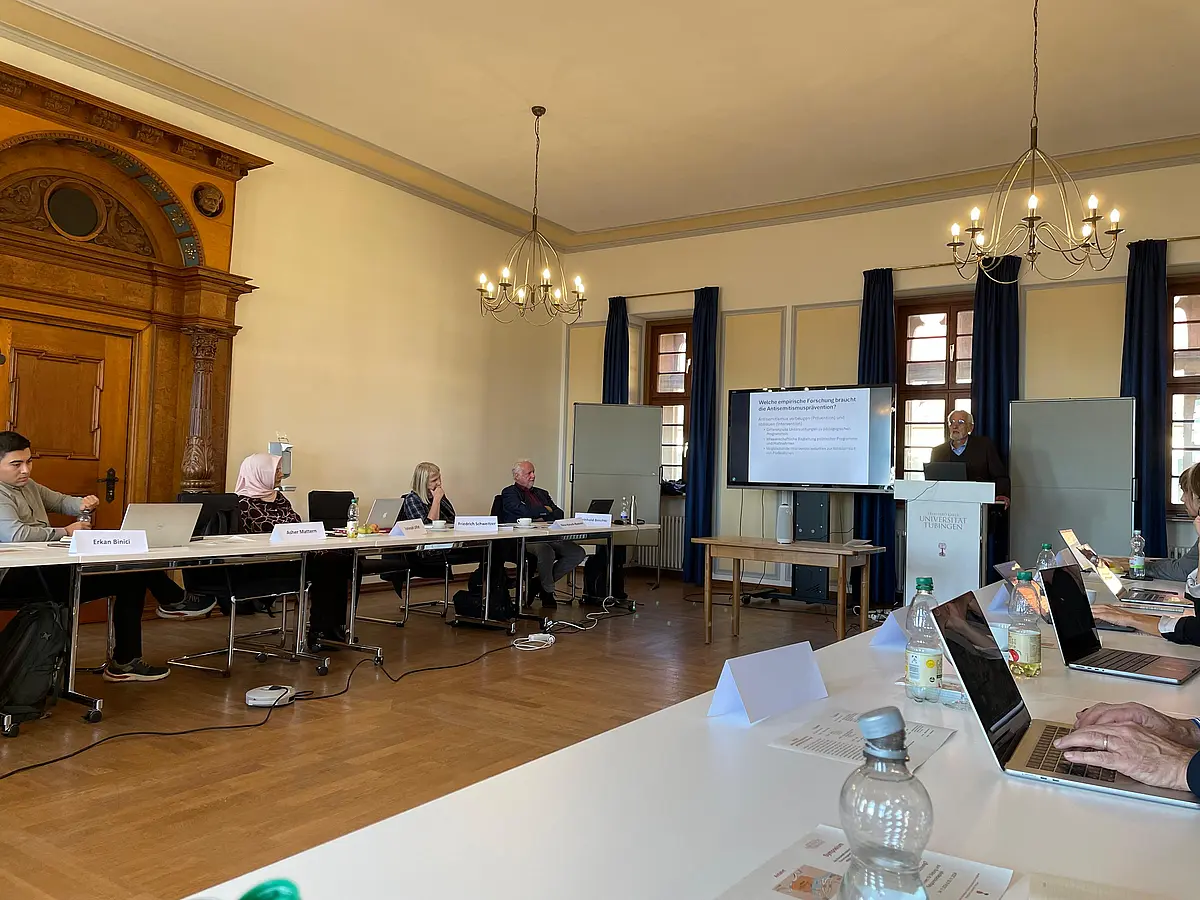
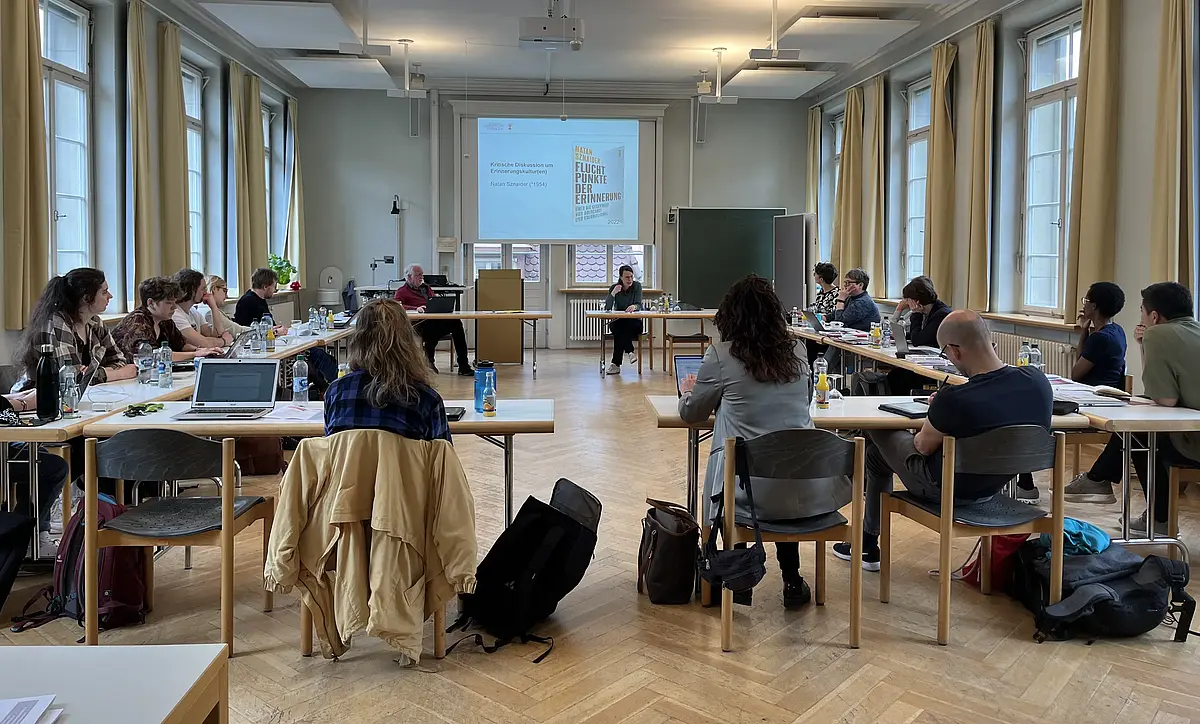
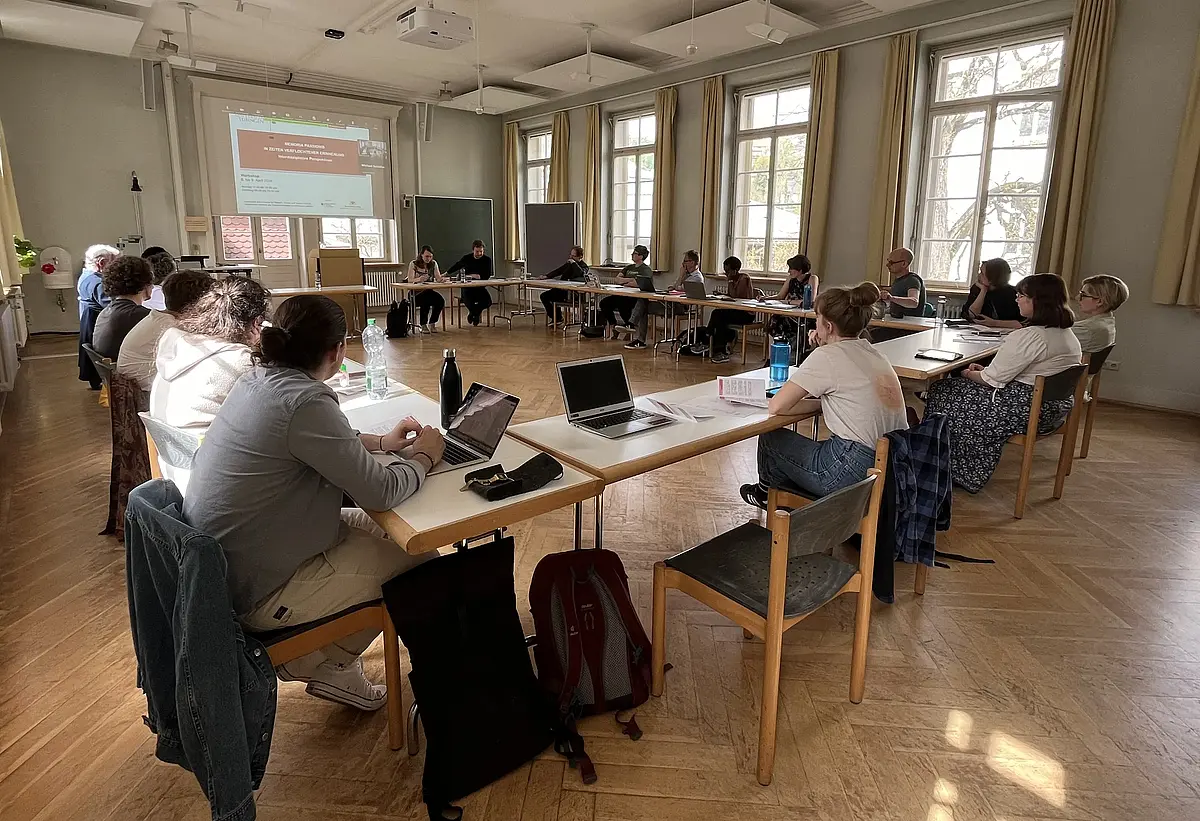
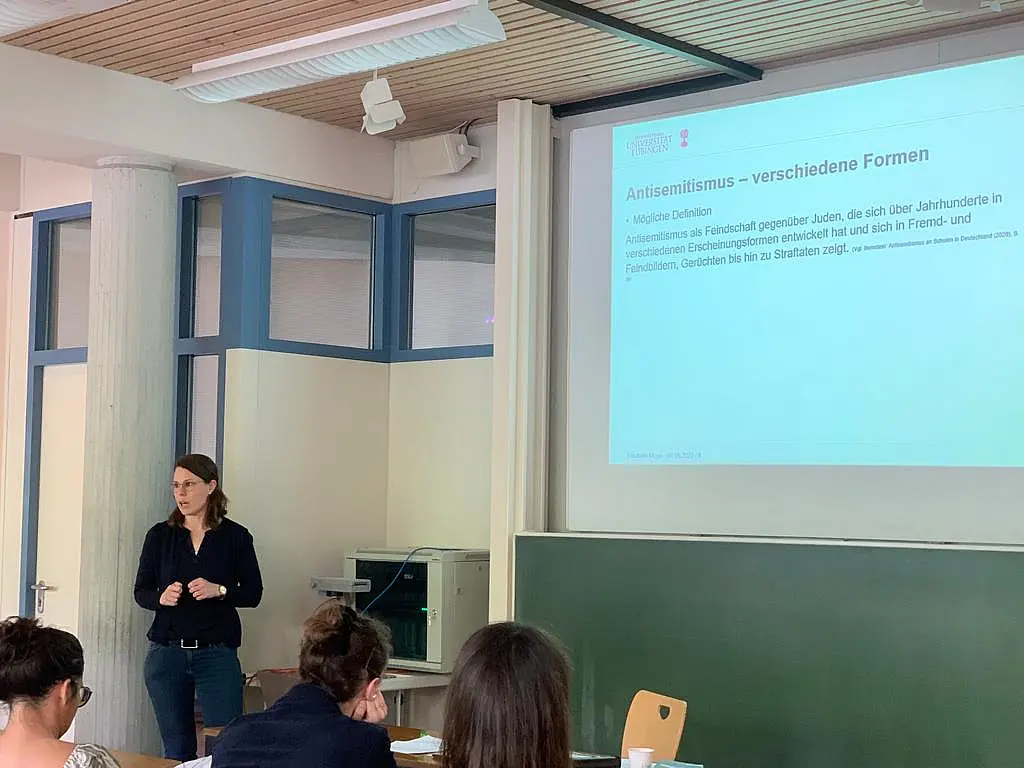
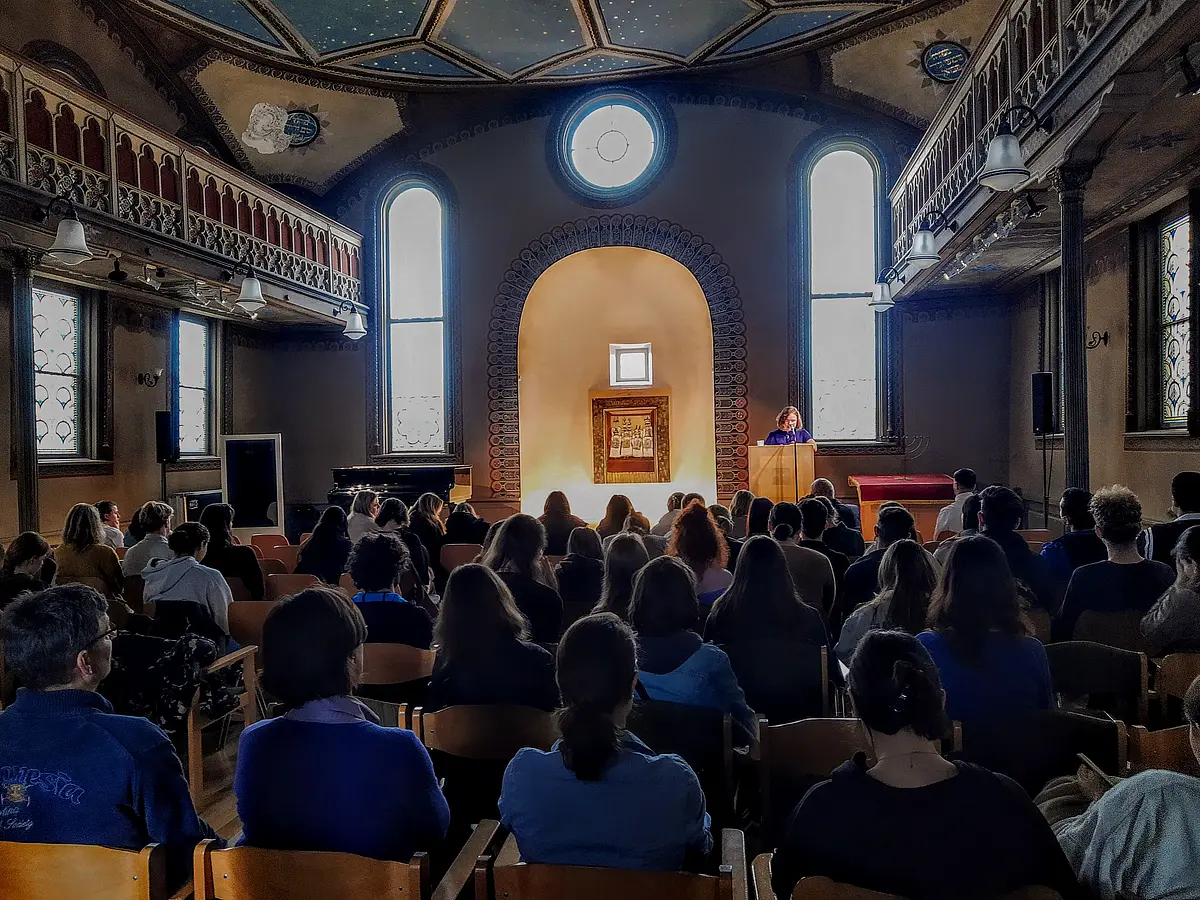
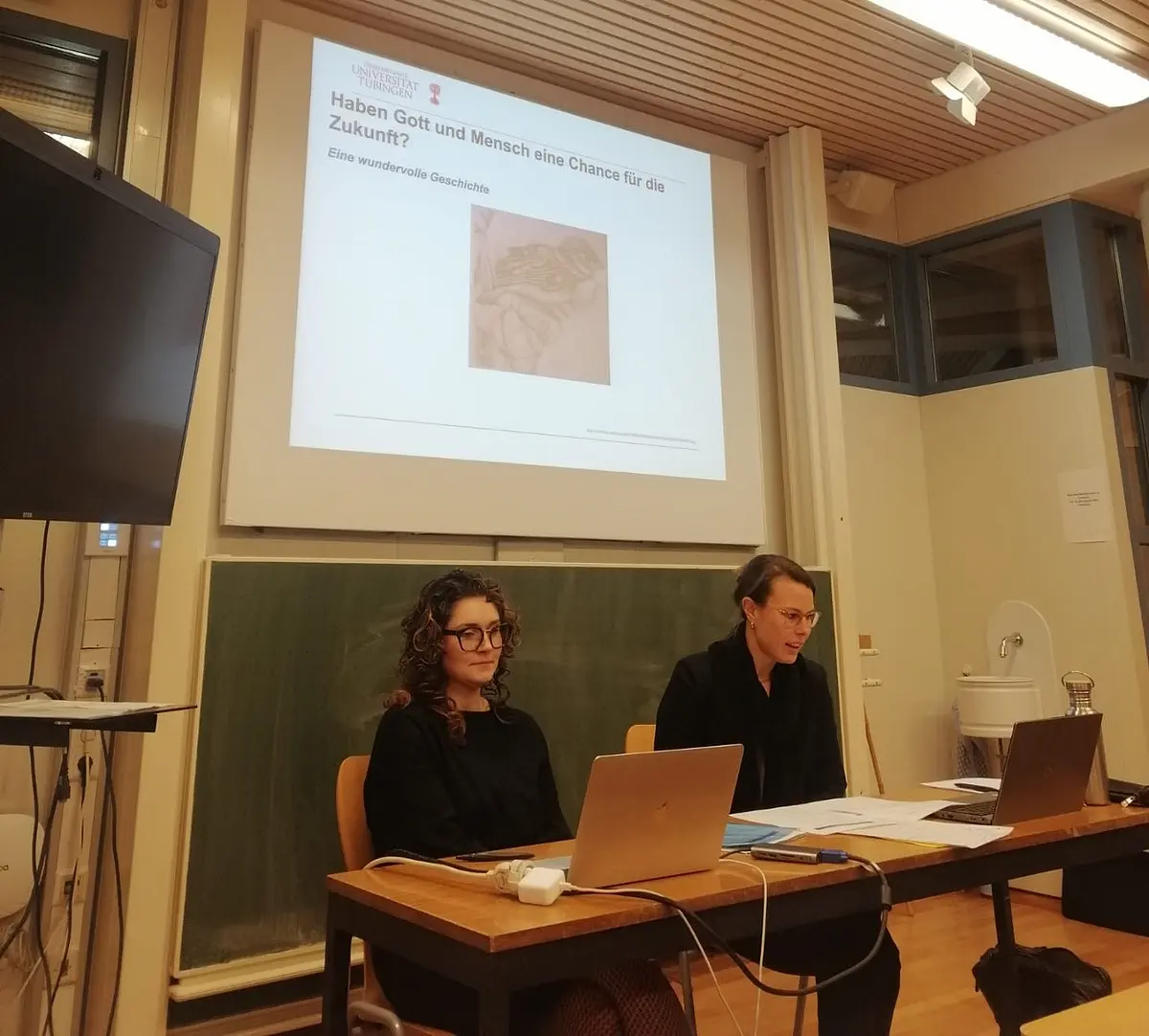
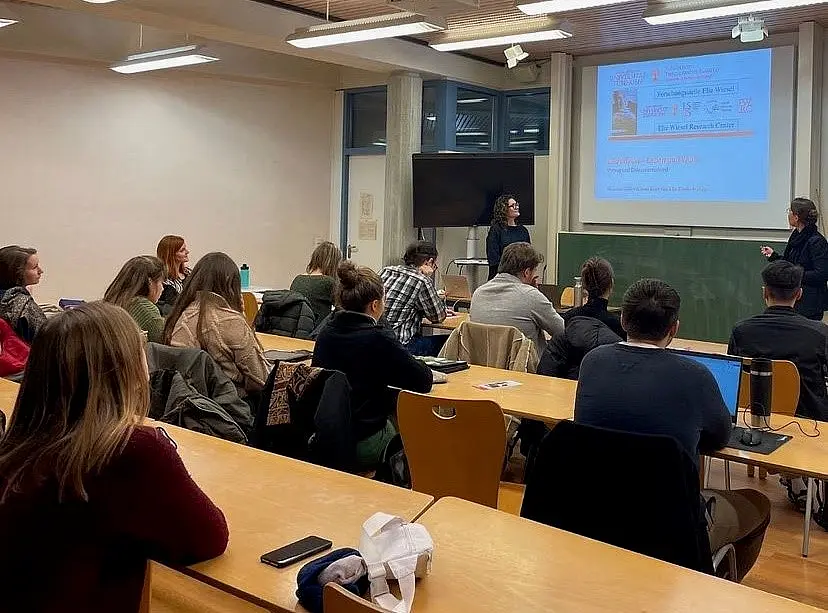
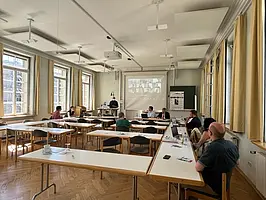
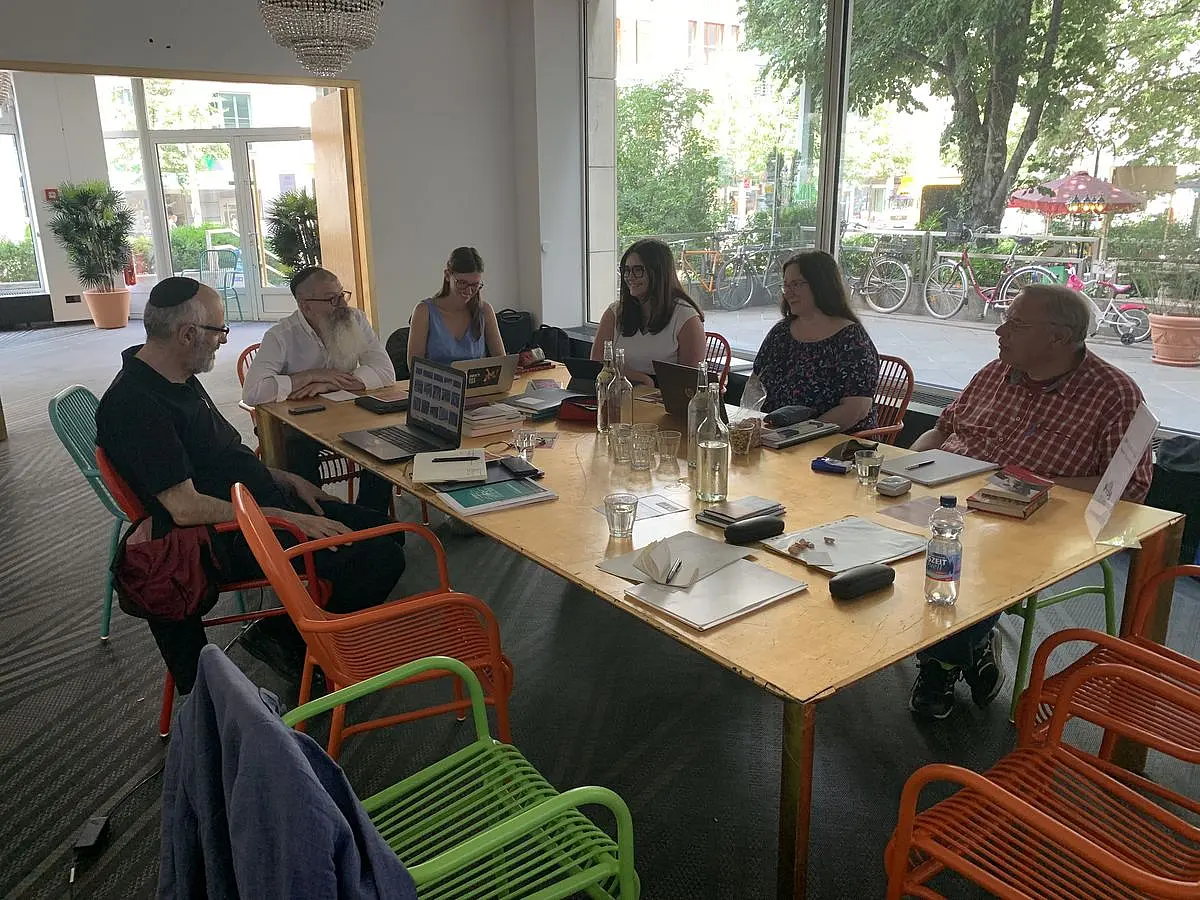
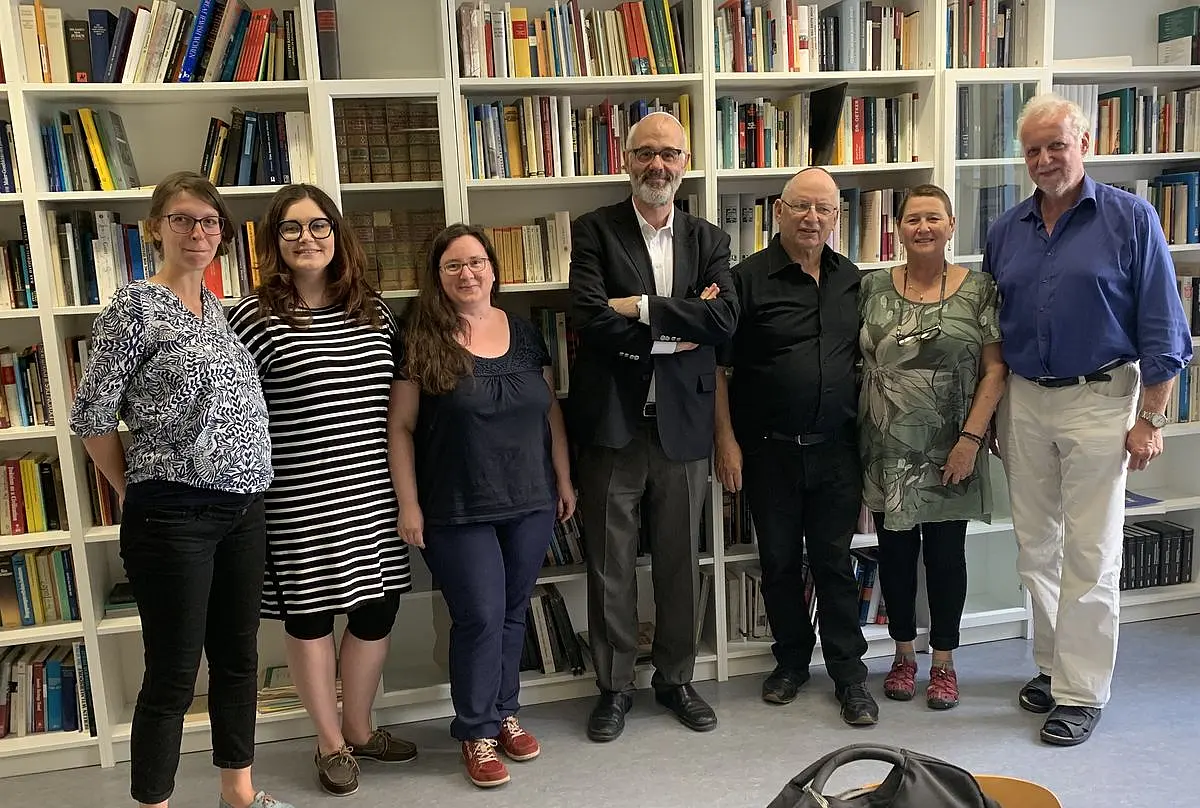
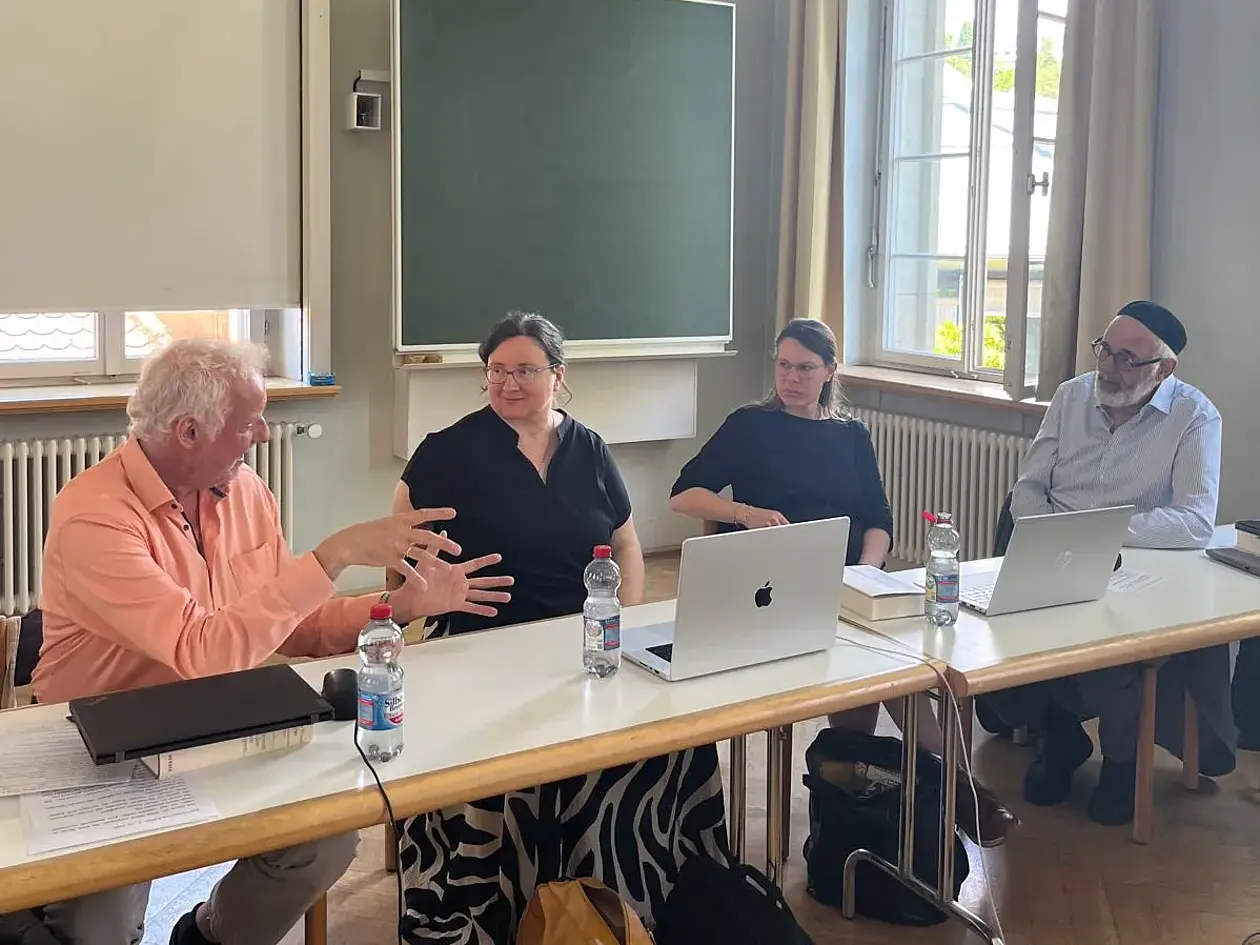
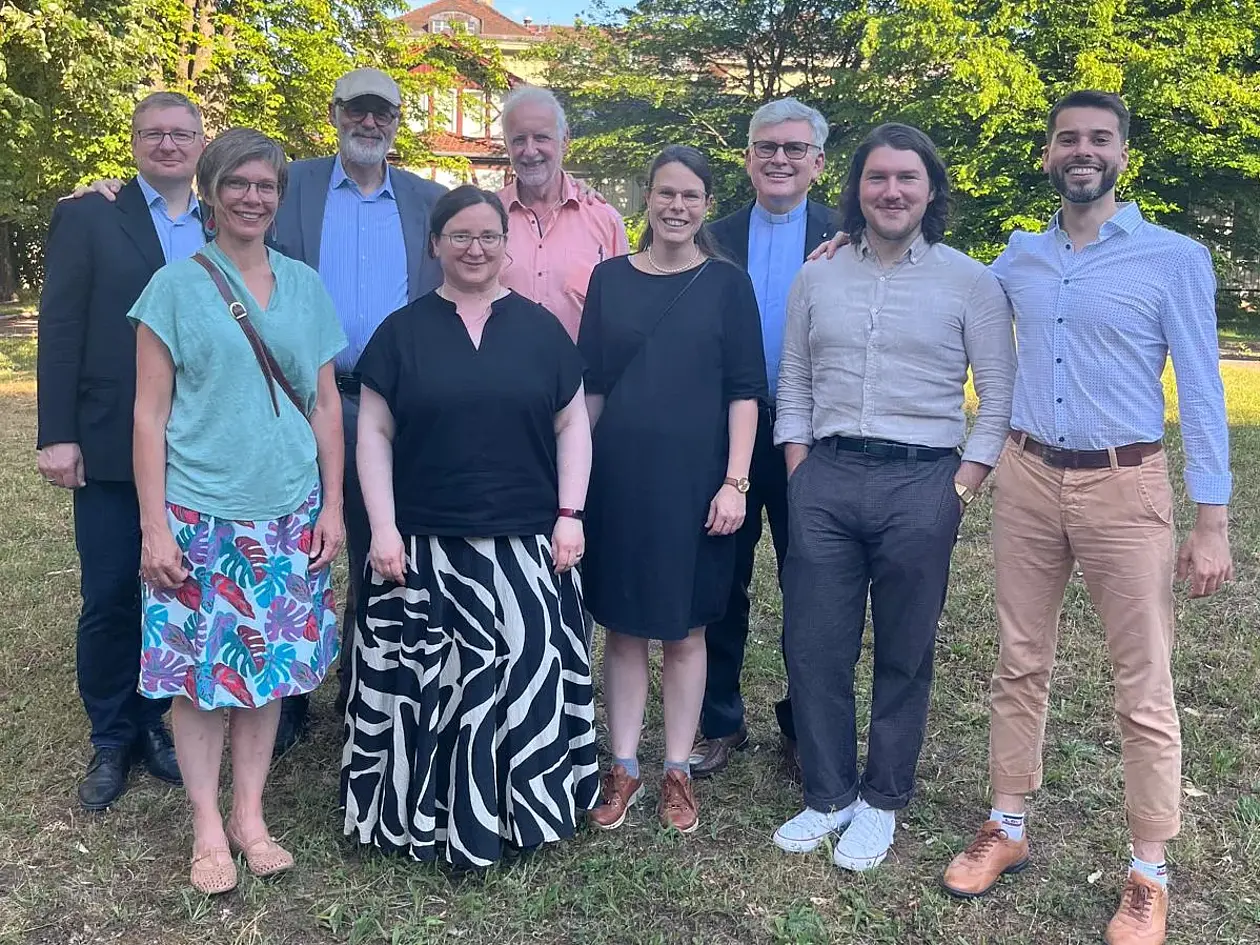
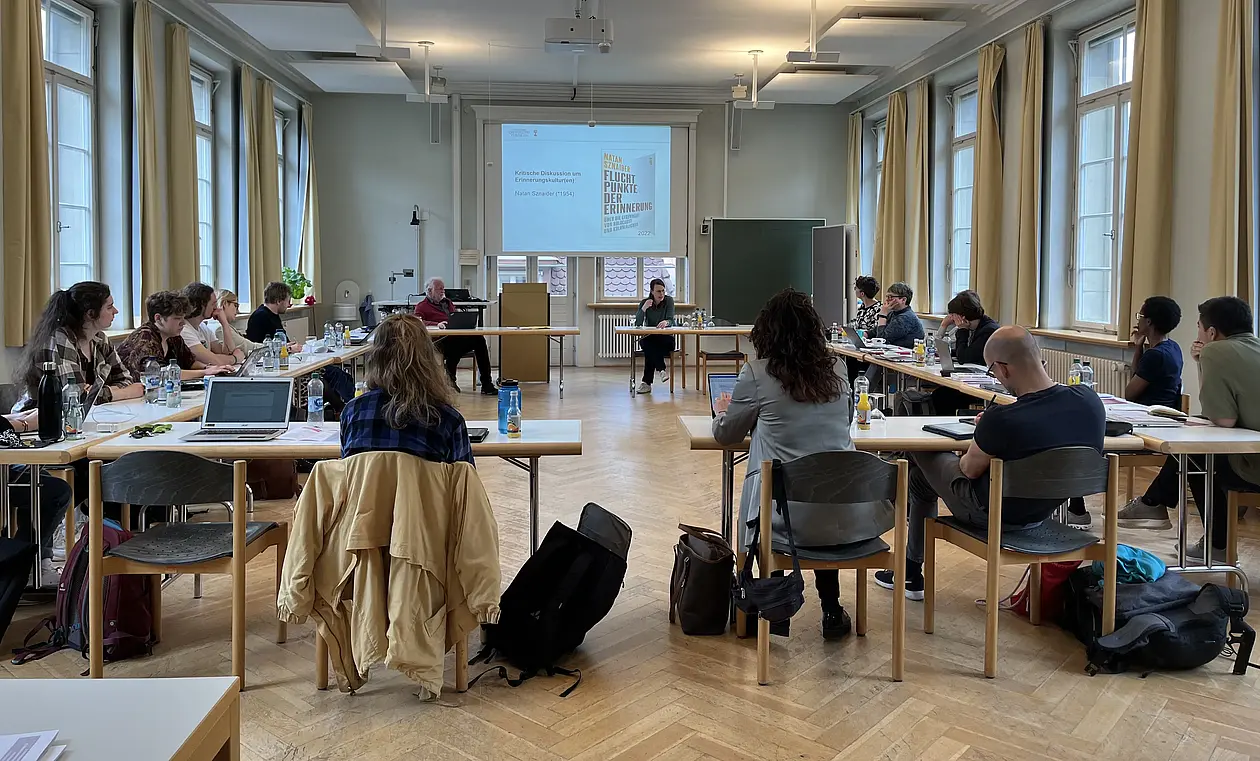
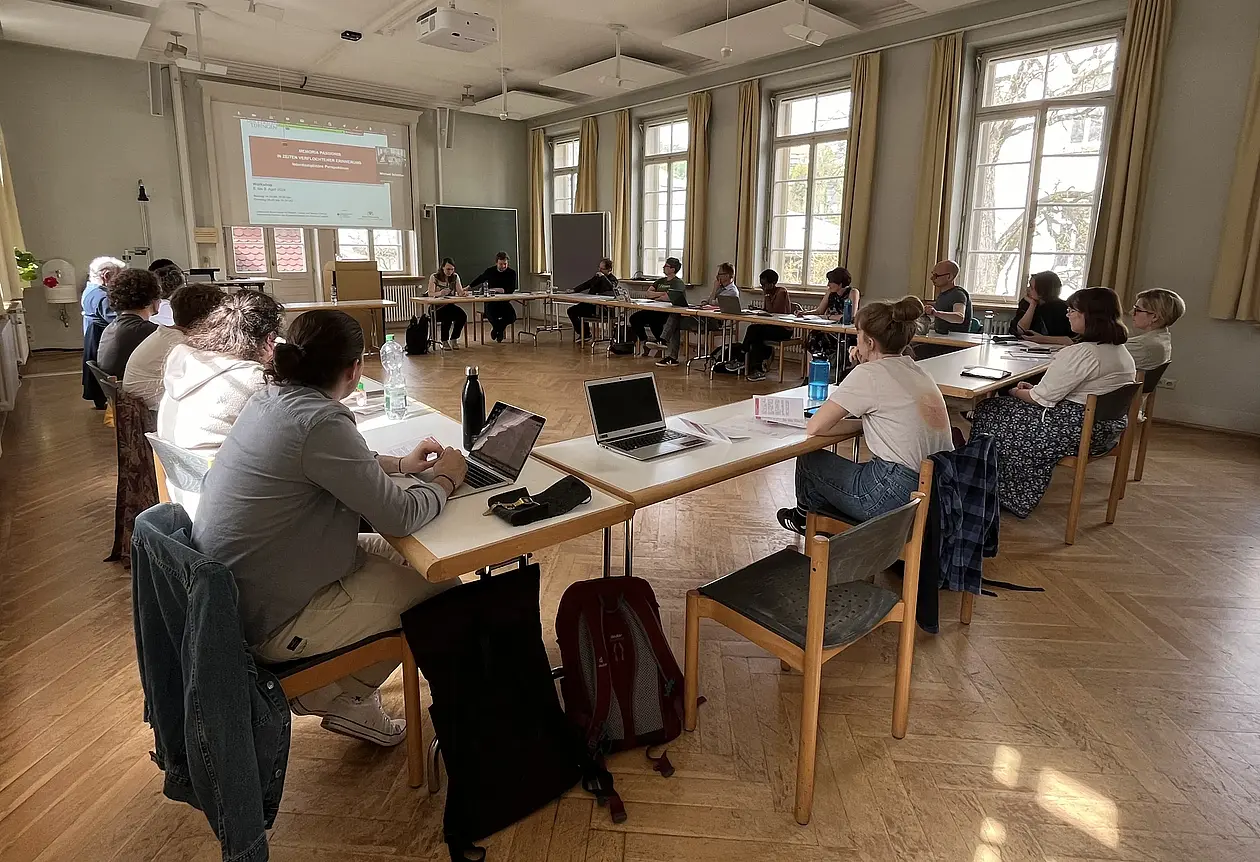
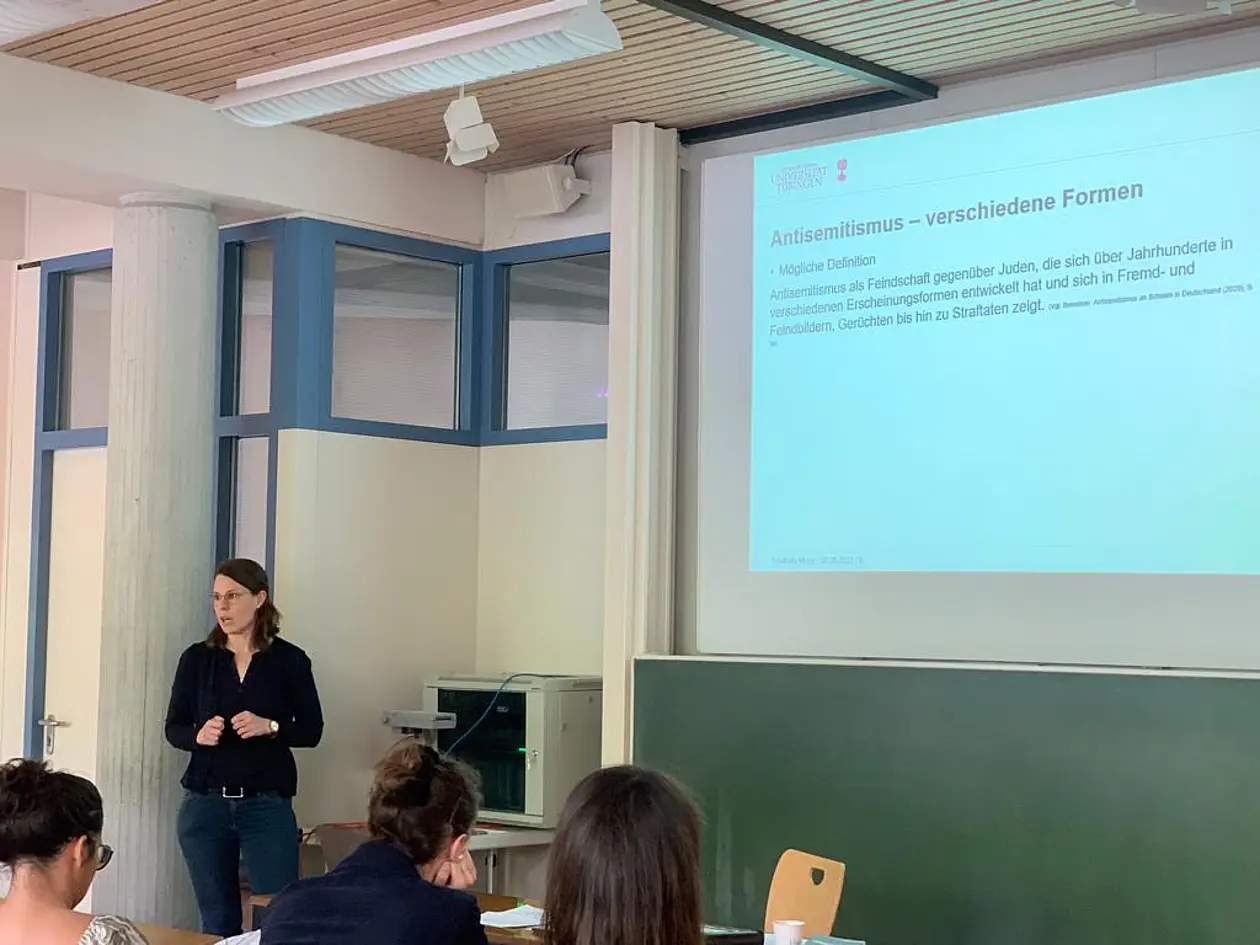
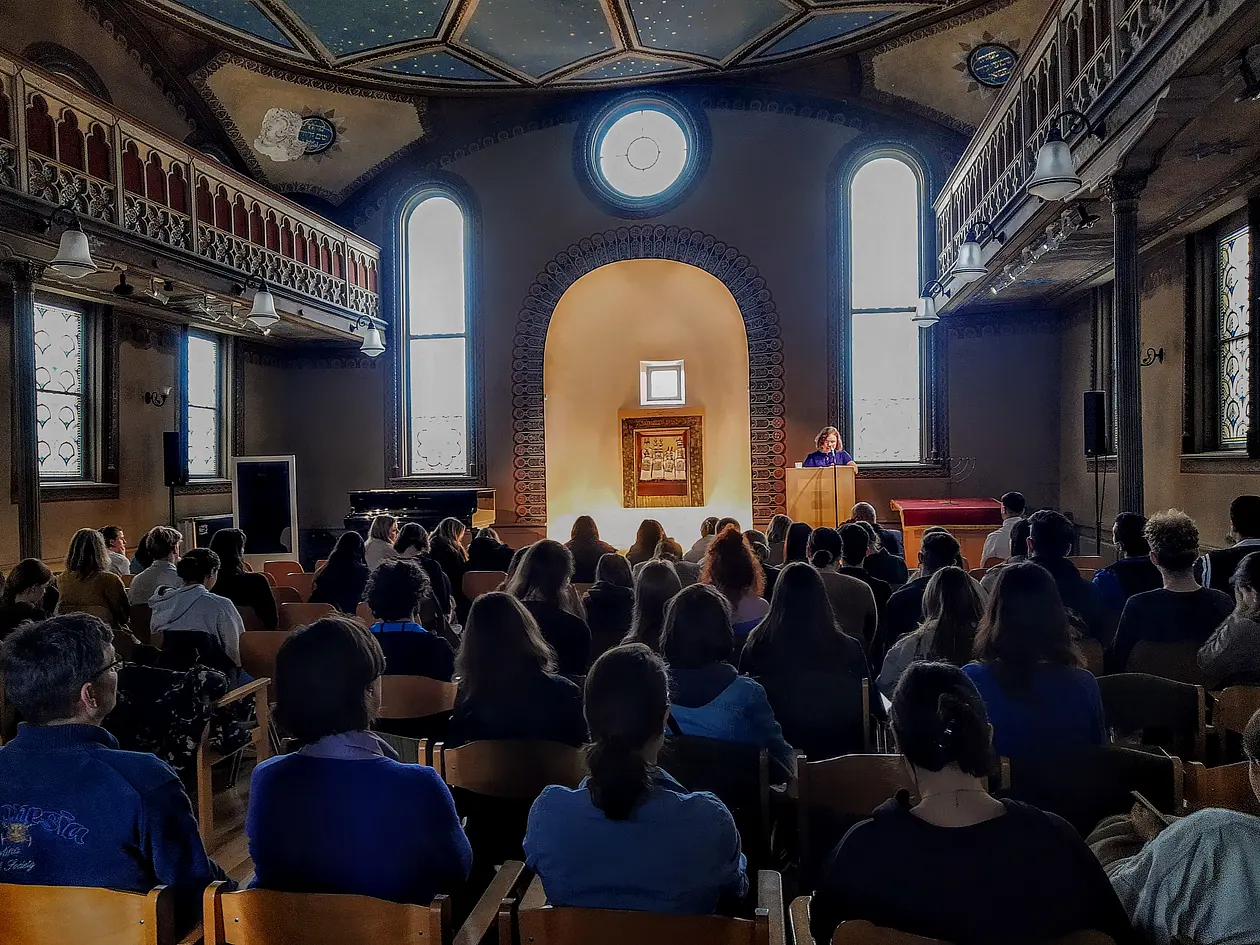
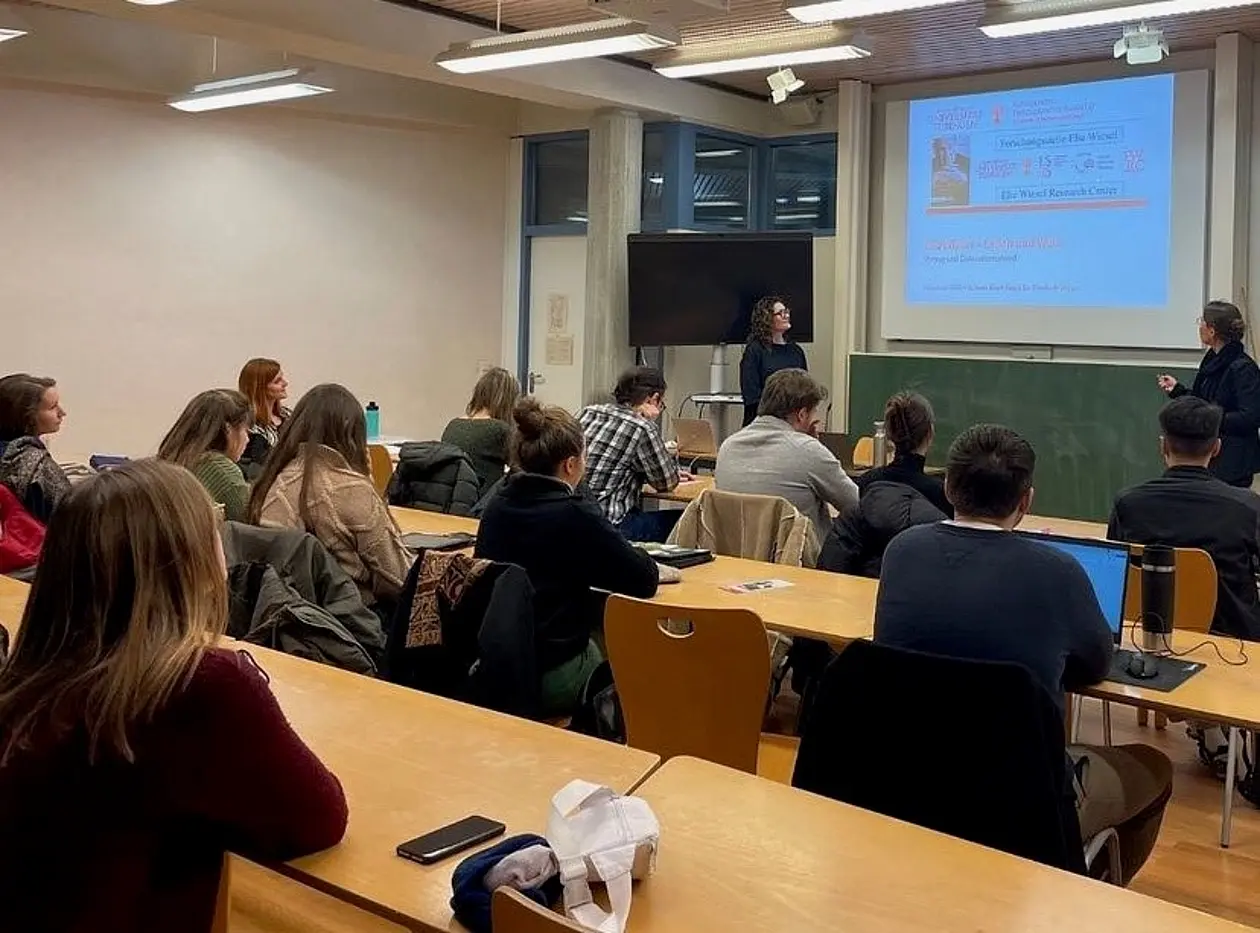
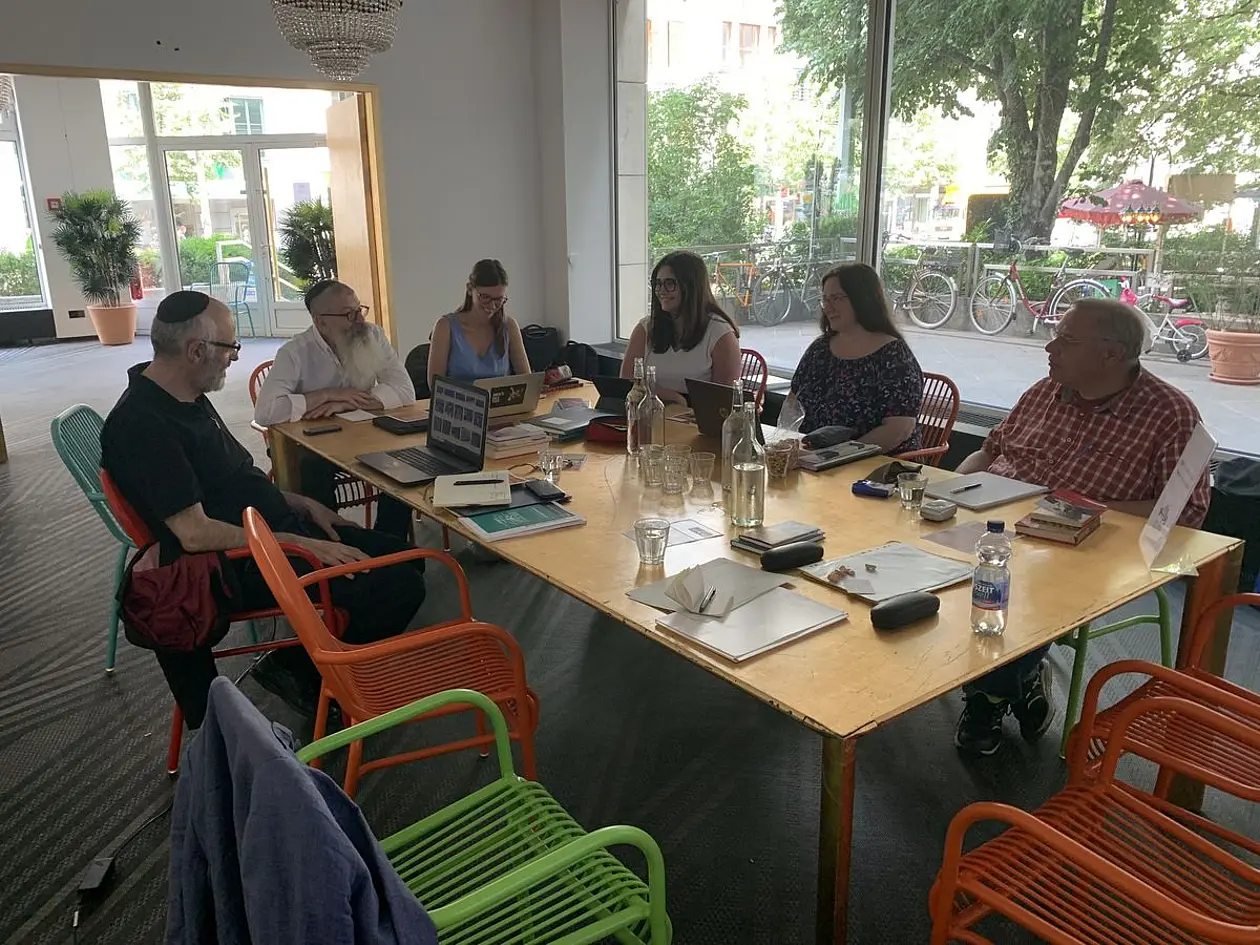
The afternoon was devoted to the individual sections of the EWW as part of an in-person workshop. With the participation of students, scholars, and guests, the Elie Wiesel Research Center provided insights into the ongoing work on the volumes – organized by genre – through short presentations. Building on this, the session also explored Wiesel’s significance for current issues in education addressing anti-Semitism, as well as the contemporary relevance of Holocaust literature – particularly Yiddish literature. The session began with Marion Eichelsdörfer reading the opening passage from Elie Wiesel’s „…un di velt hot geshvign“ in the original Yiddish:
„In the beginning was faith—childlike faith; and trust—futile trust; and illusion—dangerous illusion. We believed in God, trusted in humanity, and lived under the illusion that within each and every one of us there is a sacred spark of the fire of the Shekhinah, that each and every one of us bears the image of God in our eyes and in our souls. And this was the source—if not the very cause—of all our misfortune.“ (p. 13)
Reinhold Boschki, Marion Eichelsdörfer, Christin Zühlke, and Elisabeth Migge spoke about the autobiographical writings; Jean Ehret spoke about the novels and dramas; Daniel Krochmalnik spoke about the biblical, talmudic and hasidic Scriptures; Moritz Sacherer on the essayistic writings.
We would like to express our heartfelt thanks to all the speakers, the staff and volunteers of the Chair and the Research Center who helped organize the event, and above all to the guests!
Author: Julian Wilhelm