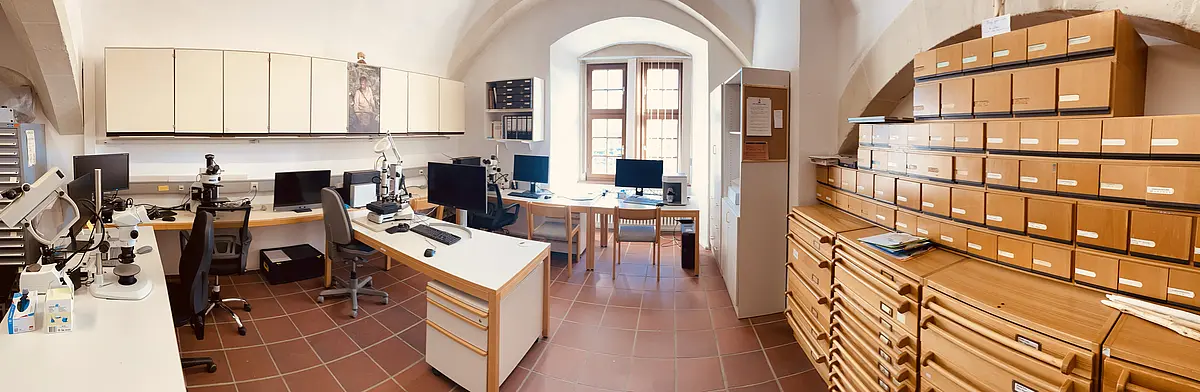
Microscopes and accessories
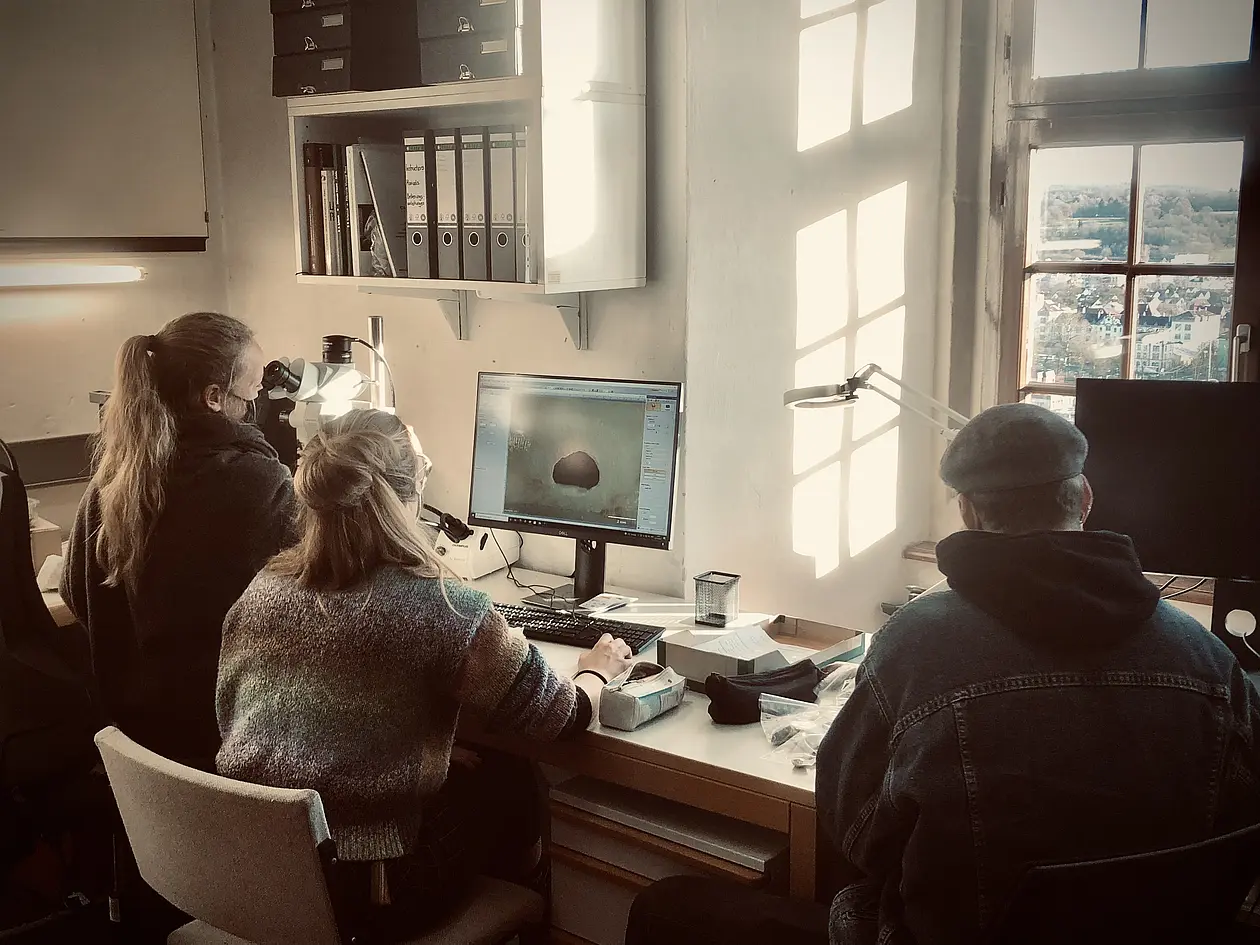
Metallographic microscope Olympus BX53M: equipped with reflected and transmitted light, 5x, 10x, 20x, 50x objectives, 10x oculars and different observation modes (bright/darkfield, Differential Interference Contrast (DIC), Polarized light). It is attached to a digital high-resolution Olympus camera.
Stereomicroscopes Olympus SZX7: with 1x and 0.5x objectives and providing a 7:1 zoom ratio with 0.8x to 5.6x range and 1x oculars. It is attached to a digital high-resolution Olympus camera.
3D High-Resolution Digital Microscope Hirox HRX-01: equipped with a triple objective zoom lens 20-2500x and multiple lighting (co-axial, ring-light, mixed). The microscope is equipped with Motorized XY Stage (50x50mm), E-tiling and 3D software.
NPS- Nano Point Scanner Hirox: A white light confocal scanner combined with a high precision motorized stage and equipped with 2 sensors.
Dino-Lite 5MP Edge series AM7115MZT portable microscope with 20x-220x magnification and adjustable polarization.
Fiber optic lighting KL 1600 LED for stereomicroscope
LED-Ring light 66-40 Photonic for stereomicroscope
Ultrsonic tanks for cleaning procedures
Bruker ALPHA II-T FT-IR Spectrometer: a compact spectrometer for chemical analysis.
Photography and 3D reconstruction
3D Artec Micro-3D Scanner: 3D scanner ideal for high resolution capturing micro archaeological objects with steadfast accuracy and brilliant color.
3D Scanner Artec Space Spider: 3D scanner for high resolution capturing small and large archaeological objects with steadfast accuracy and brilliant color. Portable
3D Scanner Artec Space Spider II: a 3D scanner for high-resolution capturing small and large archeological objects with steadfast accuracy and brilliant color. Portable
3D Print Formlabs Form 2: ideal for high quality and accurate 3D printing with working technology based on laser stereolithography (SLA). The SLA technology uses UV light to convert the liquid resin into a solid object, tracing the shape of each layer.
Potron FASTCAM Mini AX200: a high-speed camera providing high frame rates with extraordinary light sensitivity and superior image quality ideal for demanding laboratory applications.
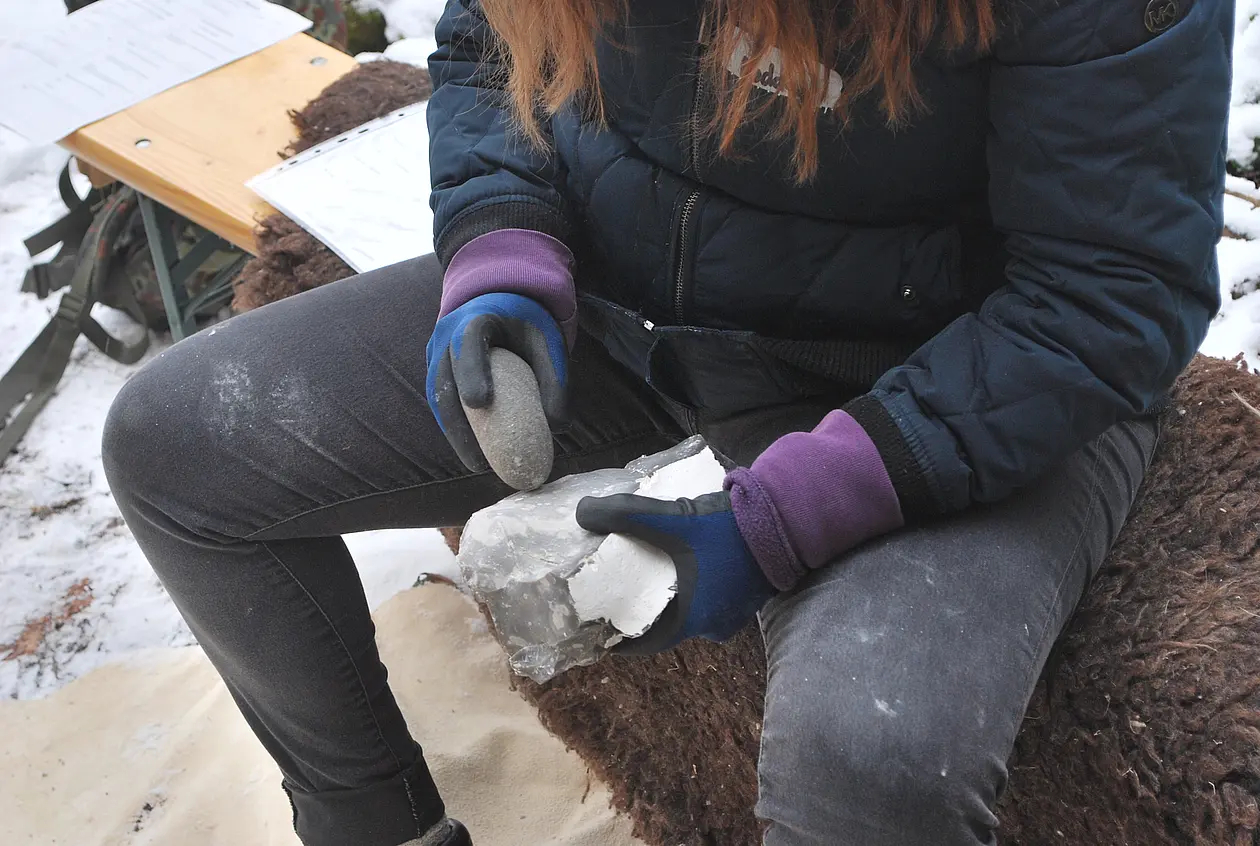
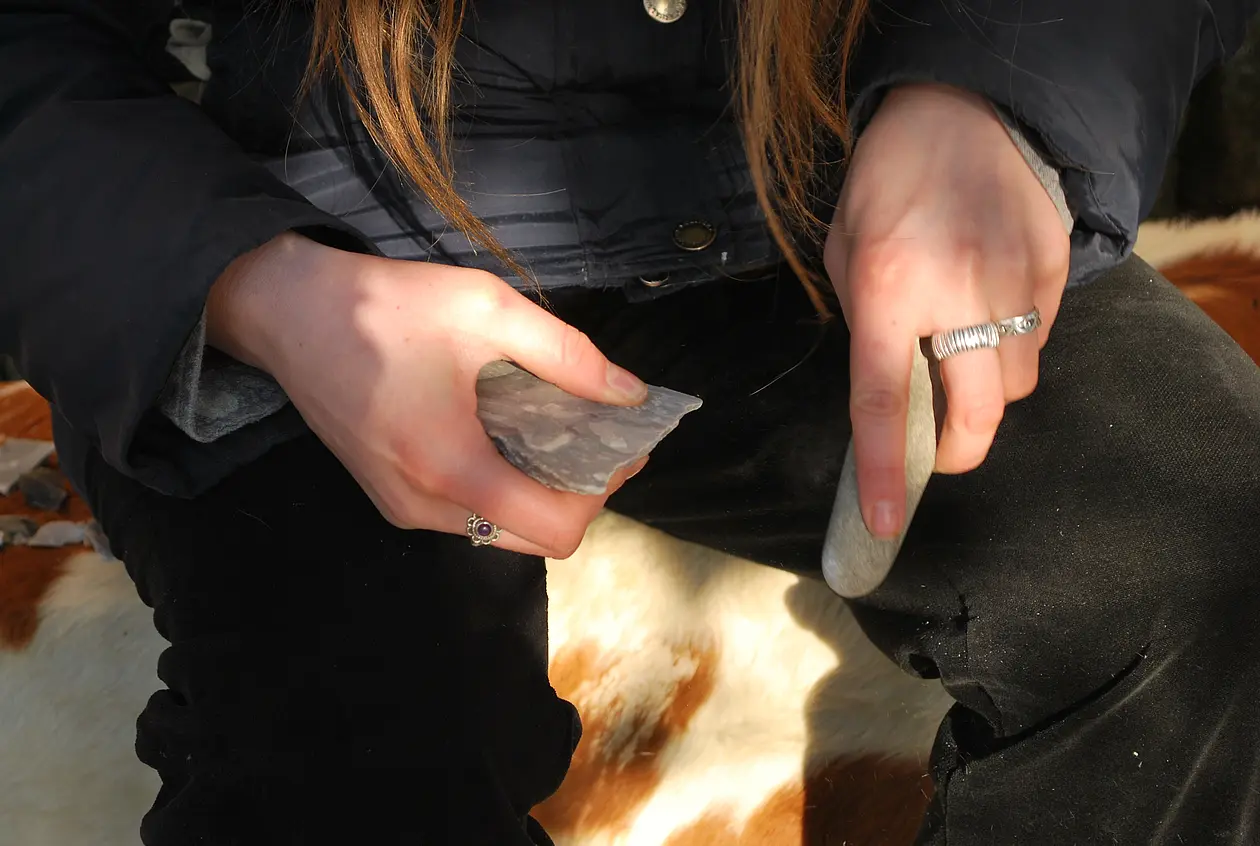
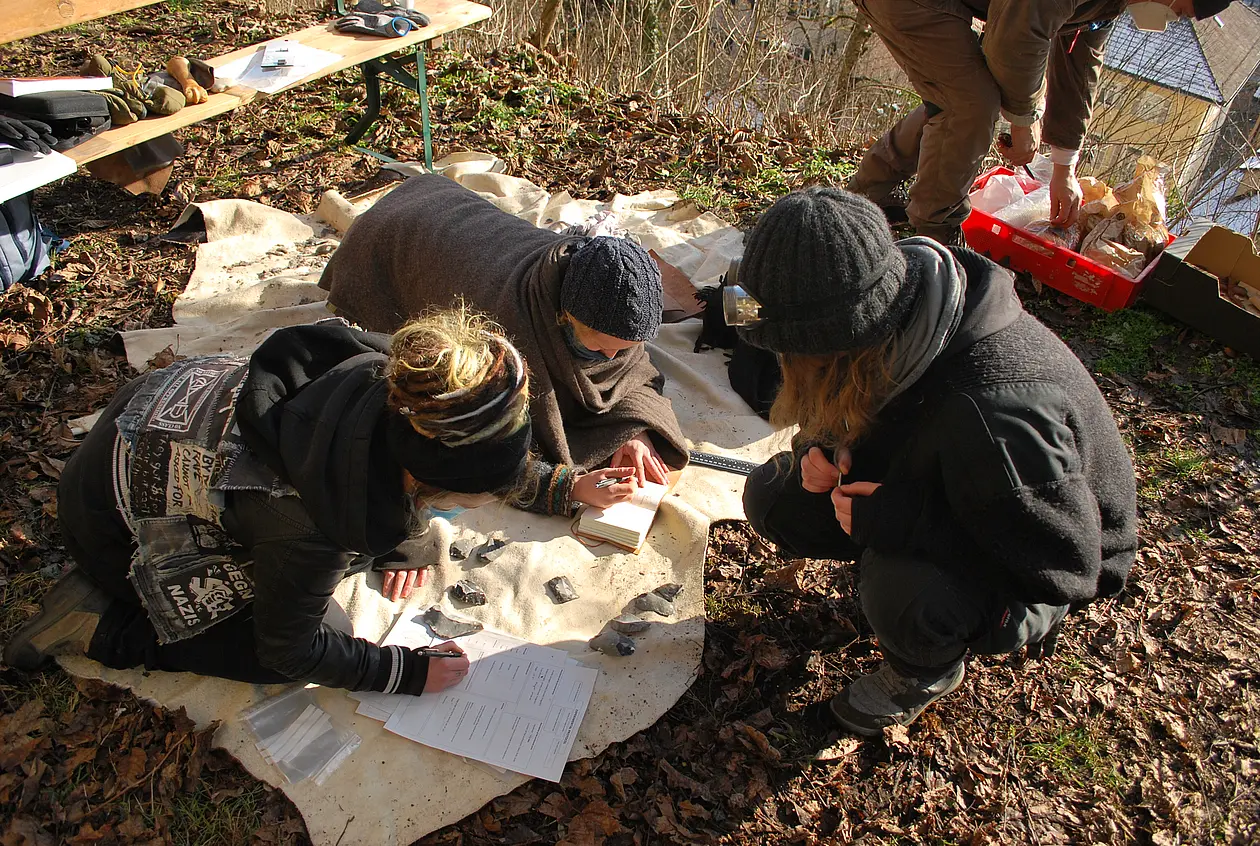
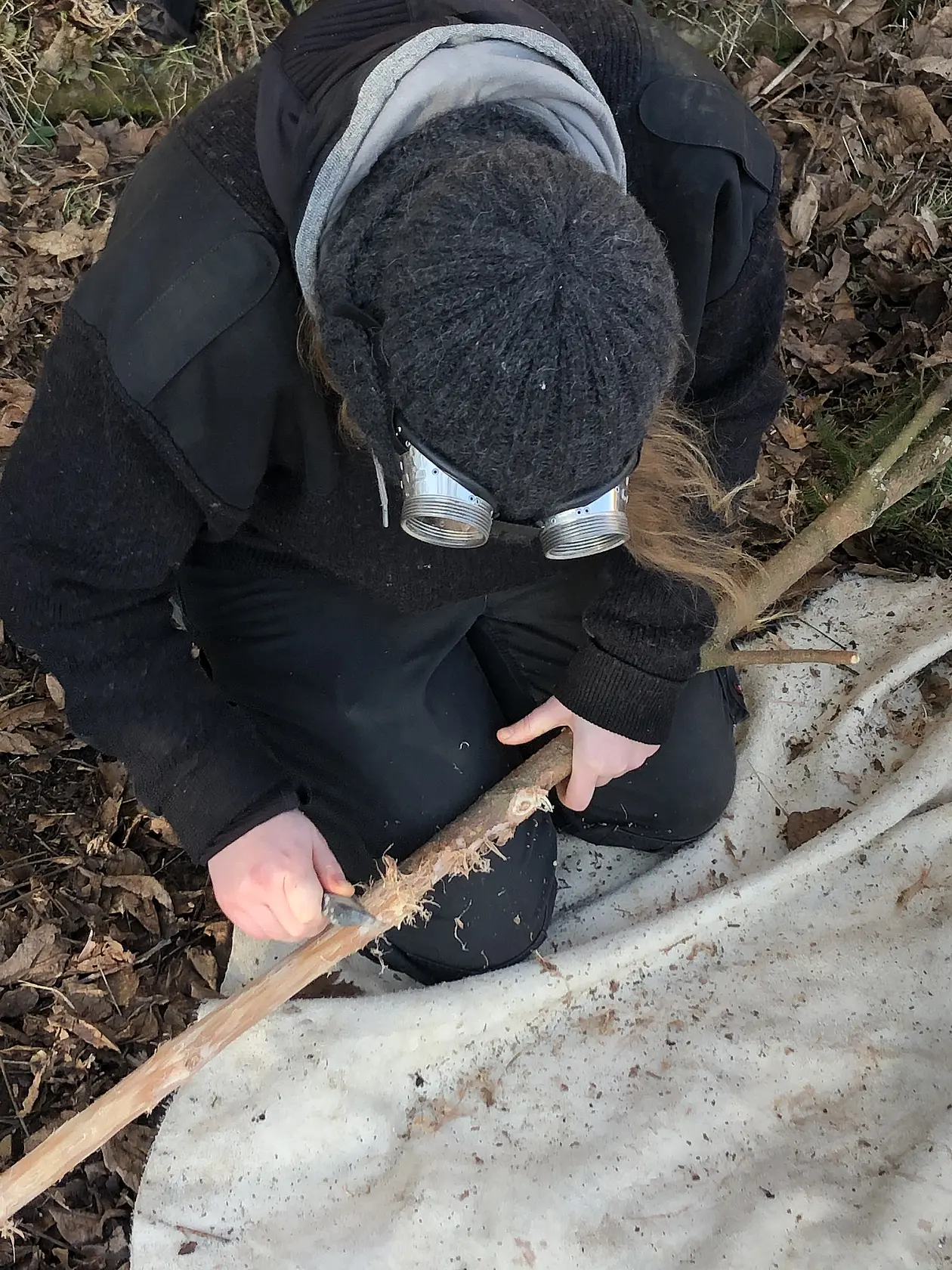
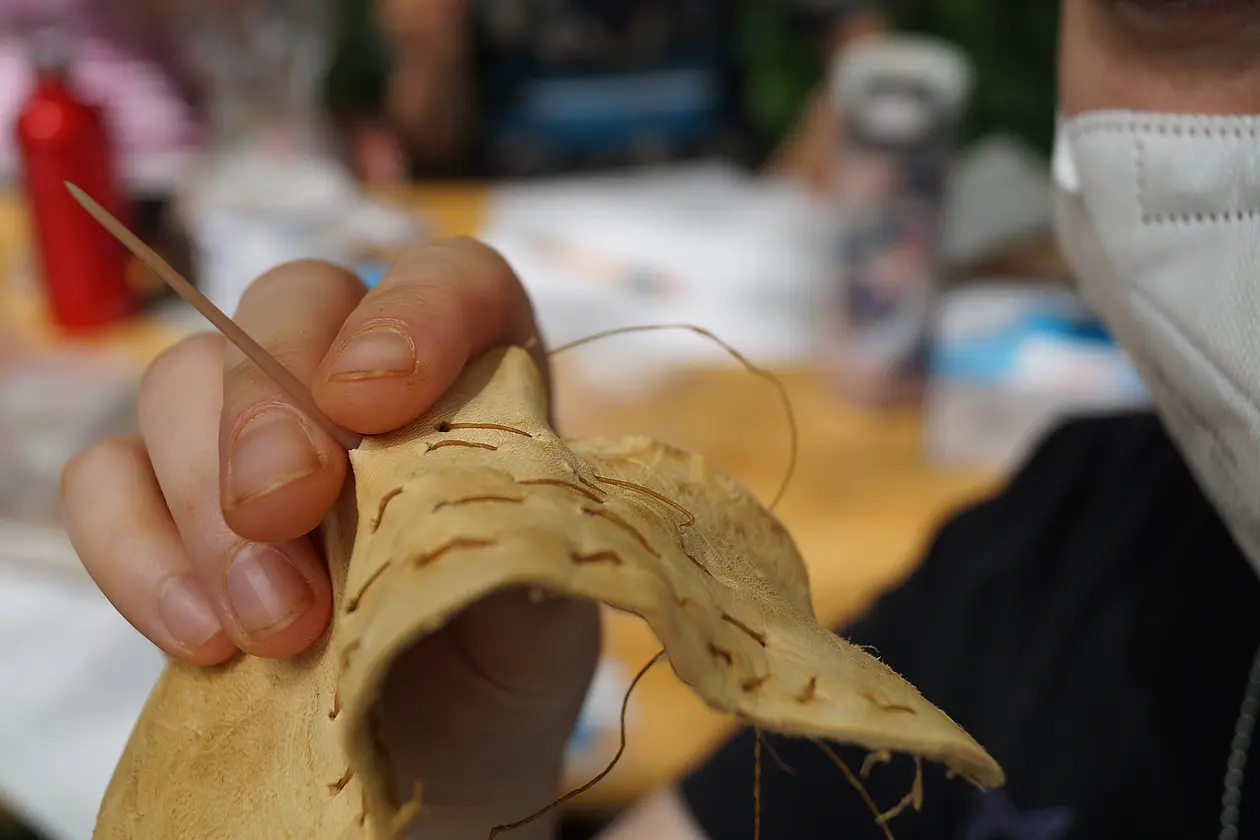
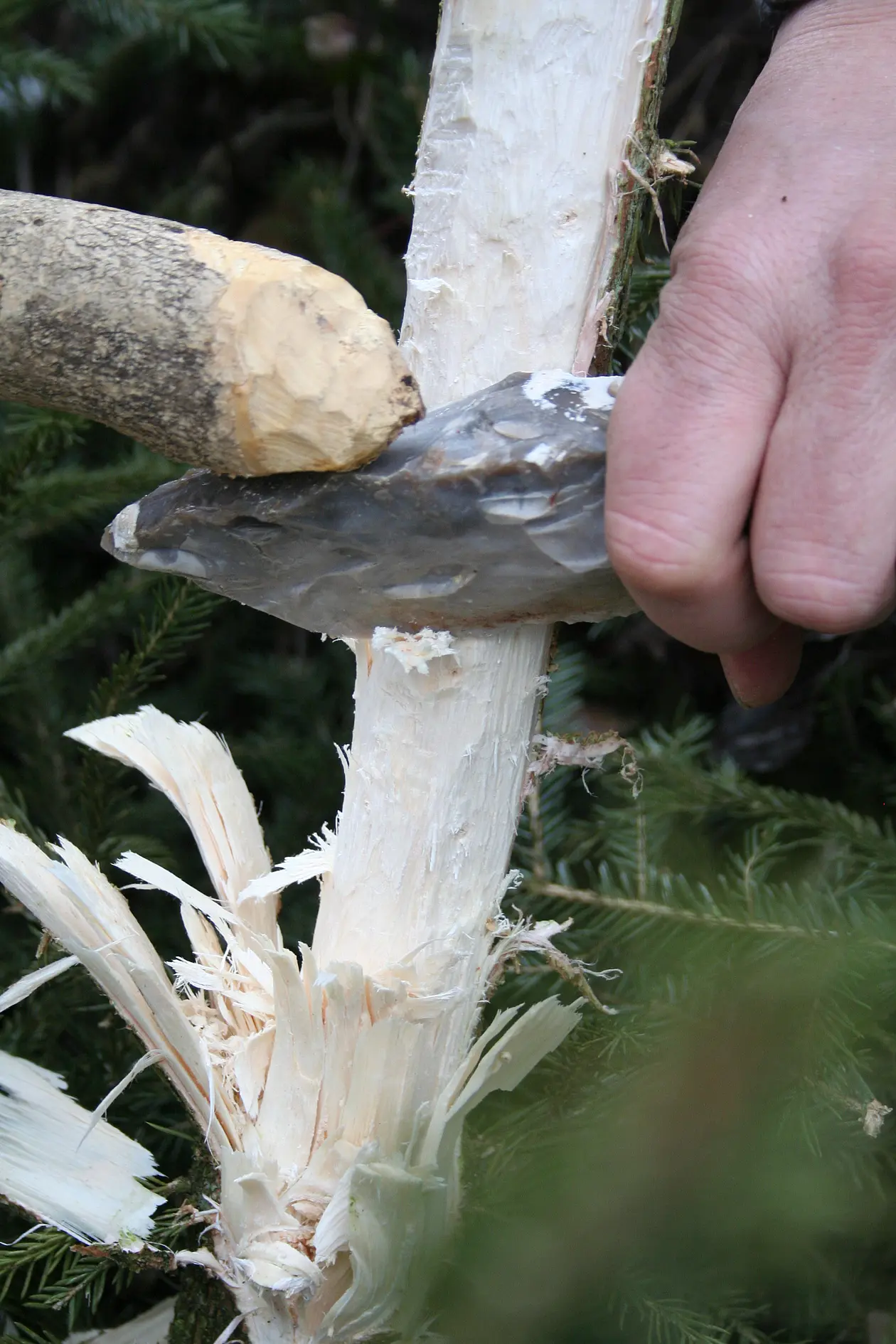
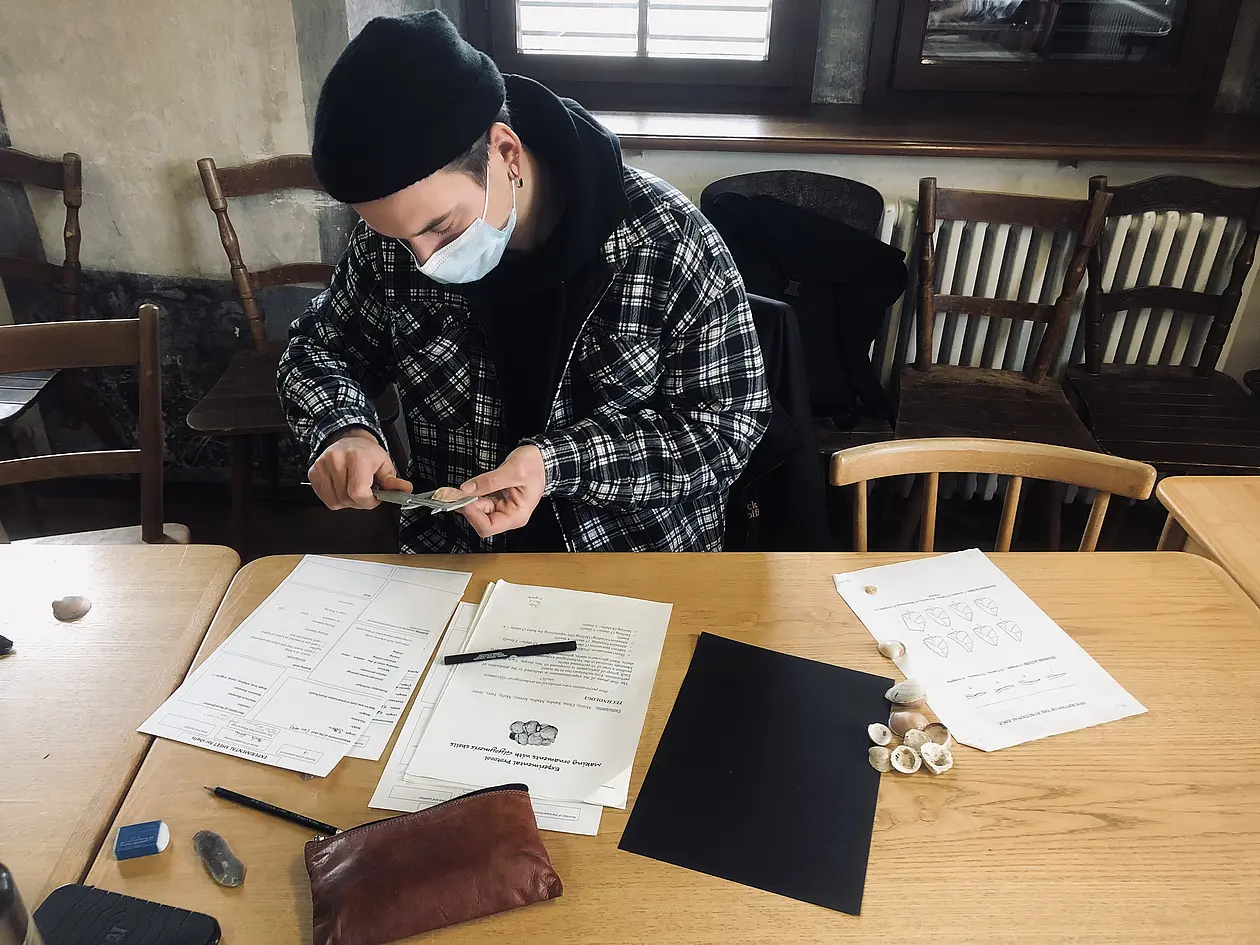
The MCL Laboratory hosts a comprehensive set of experimental reference collections designed to support research on material culture, residue analysis, and ancient technologies. These collections include replicas of chipped-stone tools used to process vegetal, animal, and mineral materials, as well as hafted tools used as projectiles and in domestic activities. The laboratory also curates replicas of ornaments made from mineral and osseous materials, including shells, teeth, and ivory, as well as replicas of osseous tools such as bone needles and split-based points.
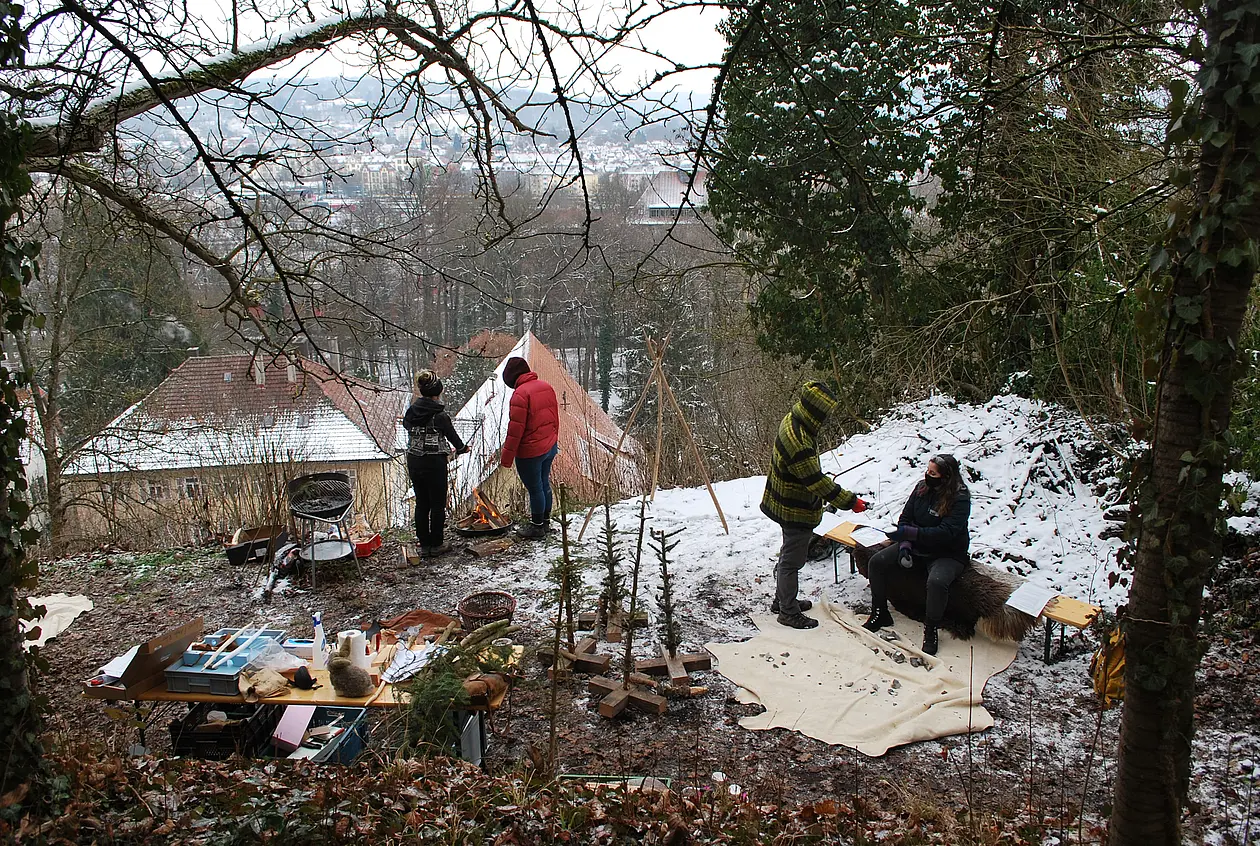
In addition, the MCL Laboratory maintains a dedicated reference collection to investigate and document the development of use-wear traces over time. This collection comprises tool replicas made from lithic raw materials commonly found in the Swabian Jura and other regions, including Baltic flint, chert, quartz, radiolarite, and hornfels from southern Africa. These tools have been used in controlled experimental protocols that apply standardized motions to different materials at predefined time intervals.
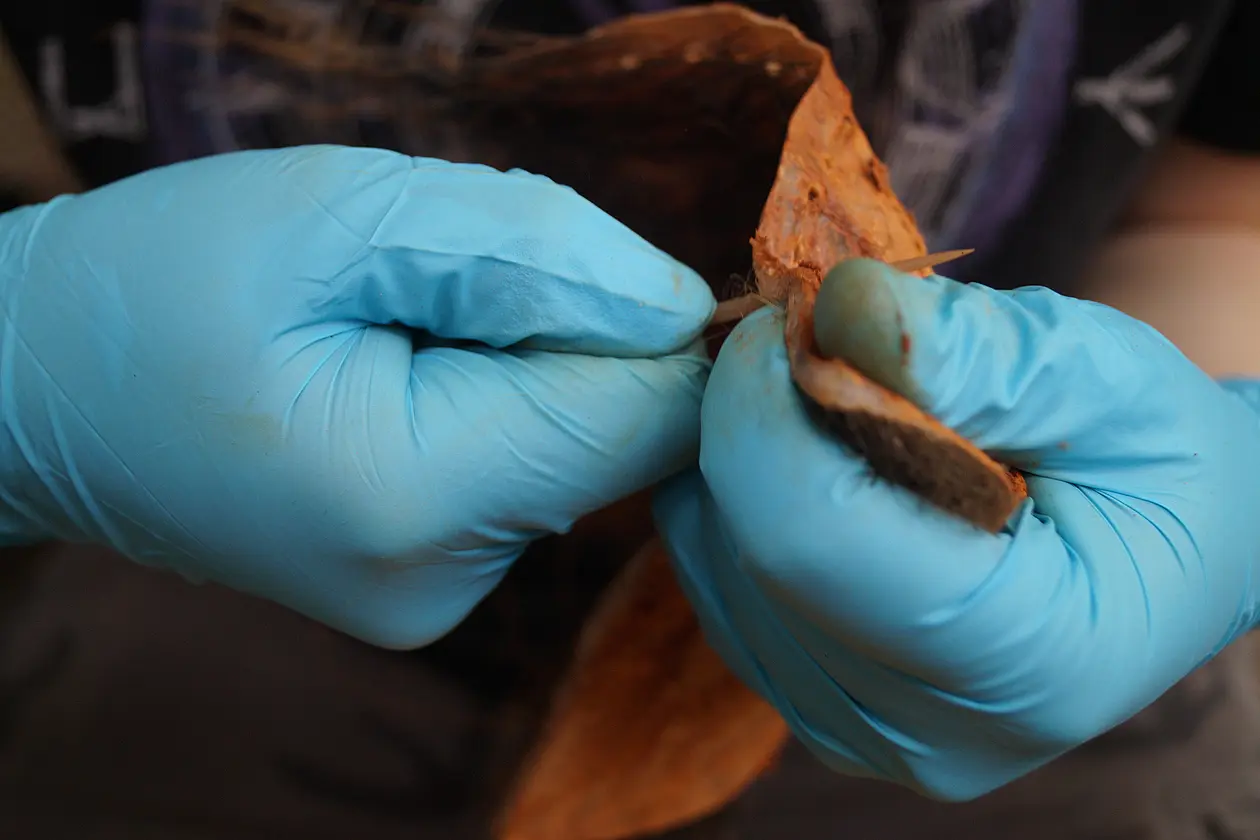
The laboratory further supports residue studies through a specialized reference collection of vegetal and animal residues. This collection is complemented by dedicated equipment for the staining, preparation, and analytical processing of both vegetal and animal residues.
Contact persons: Prof. Nicholas J. Conard, Dr. Flavia Venditti, Dr. Gregor Bader, Rudi Walter