Zentrum für Gender- und Diversitätsforschung (ZGD)

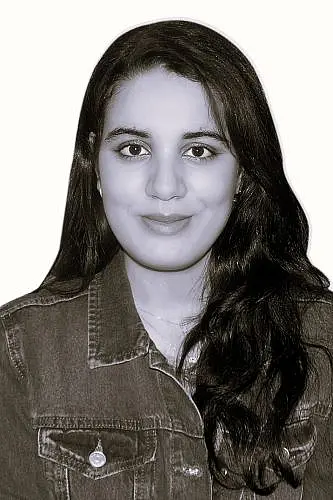
Houda Adli M.A.

Gastdoktorandin

Houda Adli ist Doktorandin im dritten Jahr im Fachbereich Kultur- und Genderforschung an der Fakultät für Literatur- und Geisteswissenschaften der Universität Mohammedia Hassan II in Casablanca, Marokko, wo sie zudem als Lehrbeauftragte tätig ist.

Von September bis November 2026 ist sie im Rahmen eines Erasmus+-Mobilitätsstipendiums als Gastdoktorandin am ZGD und arbeitet dort unter der Betreuung von Prof. Ingrid Hotz-Davies und Dr. Davina Höll.

Sie freut sich darauf, sich in die lebendige Forschungsgemeinschaft des Zentrums einzubringen und auf die neuen Perspektiven, die dieser Austausch für ihre Arbeit eröffnen wird.


Forschungsinteressen

feminist literary theory, gender performativity, comparative literature und postkoloniale feministische Ansätze, mit besonderem Schwerpunkt auf Neopatriarchat und female agency in der Literatur des Maghreb, der Diaspora und Europas.


Projektbeschreibung

Titel: The Question of Gender Roles in Siham Benchekroun's Novels and Henrik Ibsen's Drama: A Comparative Study

This doctoral project brings Moroccan and Scandinavian literature into dialogue to examine how gender roles are constructed, performed, and contested across different cultural and historical contexts. It reads Siham Benchekroun's novels Oser Vivre and Chama alongside Henrik Ibsen's plays A Doll's House and Hedda Gabler, focusing on the ways female characters negotiate agency within patriarchal and neopatriarchal structures.

The project draws on Simone de Beauvoir and Judith Butler to frame gender as something made and performed, on Jacques Derrida and R.W. Connell to deconstruct gendered binaries and the power systems that sustain them, and on Kimberlé Crenshaw, Fatema Mernissi, and Toril Moi to build a situated, intersectional comparative framework. 

By placing a contemporary Moroccan francophone author in conversation with a canonical European dramatist, the study questions universalist readings of women's emancipation and highlights how context shapes both the constraints women face and the forms their resistance takes.