
Tübingen Center for Digital Education

Editorial

Dear cooperation partners of TüCeDE,
Dear members of TüCeDE,
Dear friends of TüCeDE,

TüCeDE is increasingly developing into a hub of collaboration: a place where educational research, educational practice, and technological innovation come together to actively shape the future of learning. The focus lies on interdisciplinary and cross-institutional research and transfer projects, which are implemented in collaboration with strong partners such as the Hector Institute for Empirical Educational Research (HIB), the Leibniz-Institut für Wissensmedien (IWM), the ELLIS Institute, KI macht Schule, and other stakeholders.

These activities represent TüCeDE's new strategic direction:

TüCeDE as an innovation hub for adaptive digital education

We represent a new generation of learning - adaptive, digital, and equitable - integrating outstanding educational research with innovative technologies, particularly in the field of artificial intelligence.

In addition, TüCeDE is characterized by its transdisciplinary and international orientation. International scholarship holders from countries such as Ukraine and the USA enrich our work, as do the growing school partnerships in Tübingen, which we are continuing to expand in collaboration with the Tübingen School of Education (TüSE), the Graduate School & Research Network LEAD, the HIB, the IWM, and the Institute of Education.

We would like to thank all our partners for their trusting cooperation and look forward to future projects and further joint exchanges.

Your editorial team


Our team at TüCeDE

New team members
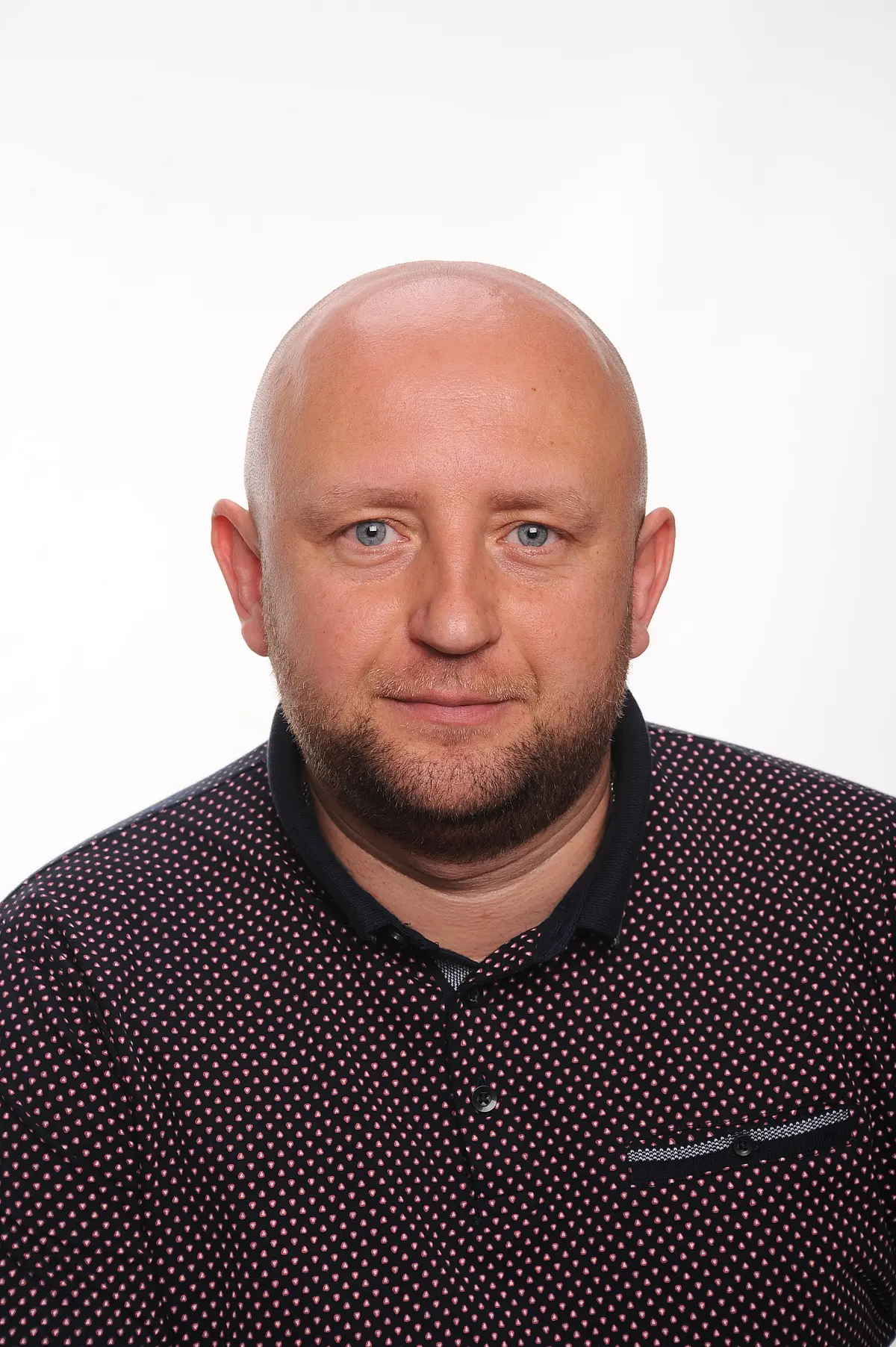
We are delighted to welcome our new team members: We are glad to have you here! We are looking forward to our joint projects and everything we will experience and achieve together.

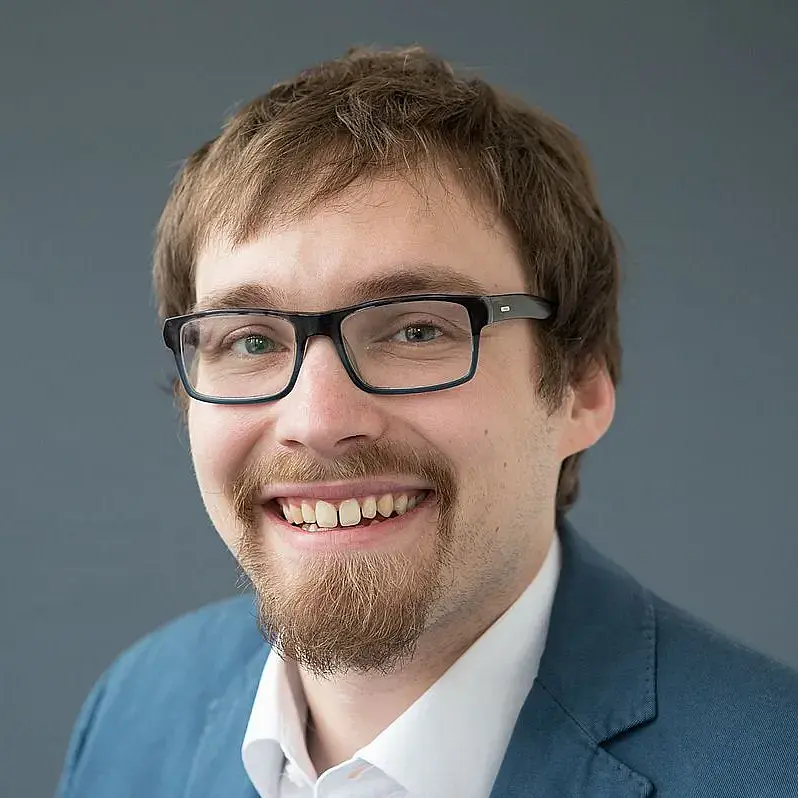
My Name: Sergii Galetskyi
My Role: Research Scientist, Stipend of Philipp Schwartz-Initiative by the Humboldt-Foundation
At TüCeDE since: October 2025
My Background: Pedagogy and Jurisprudence
My previous job: University Lecturer, Coordinator of Foreign Exchange Programs at the University, Lawyer
A typical work day in 3 words: Read, Write, Repeat
Smalltalk topic: Able to engage in discussions on a wide range of topics
I can’t work without: live interaction with people, clear plans, and good motivation

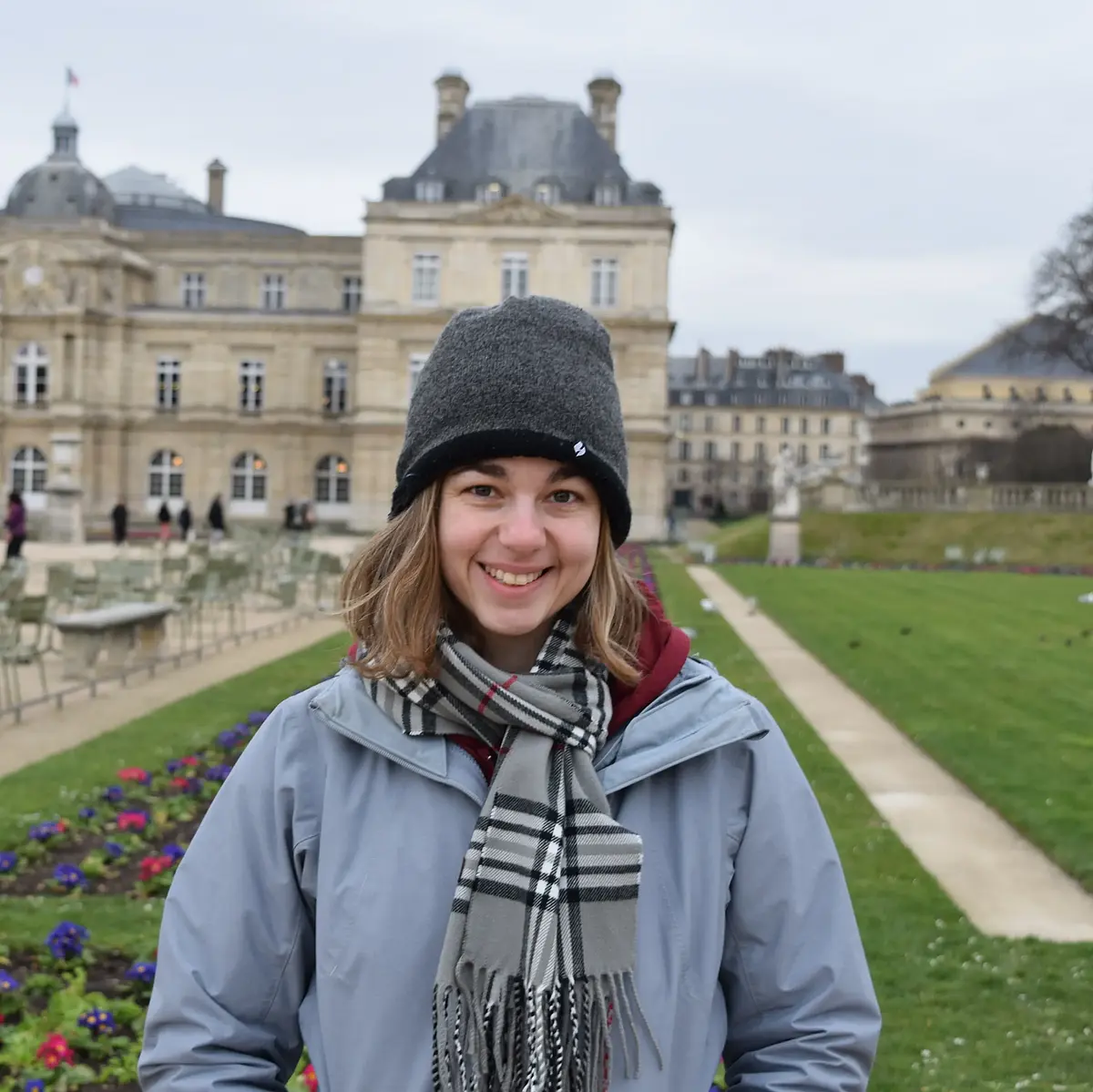
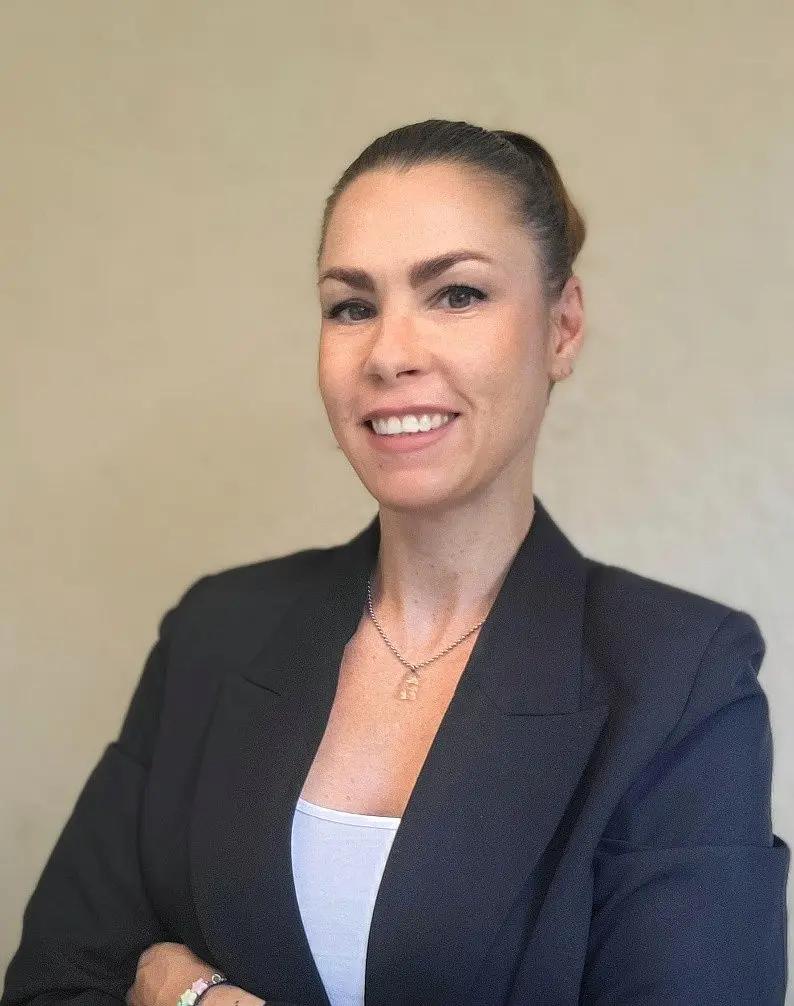
My Name: Caitlin Kirby
My Role: Visiting Fulbright Scholar
At TüCeDE since: January 2026
My Background (studies): PhD in Science Education and Environmental Science & Policy
My previous job: Associate Director of Research for Michigan State University’s Evidence-Driven Learning Innovation team
A typical work day in 3 words: Data, surveys, meetings
Smalltalk topic: Travel or fitness
I can’t work without: A cup of tea

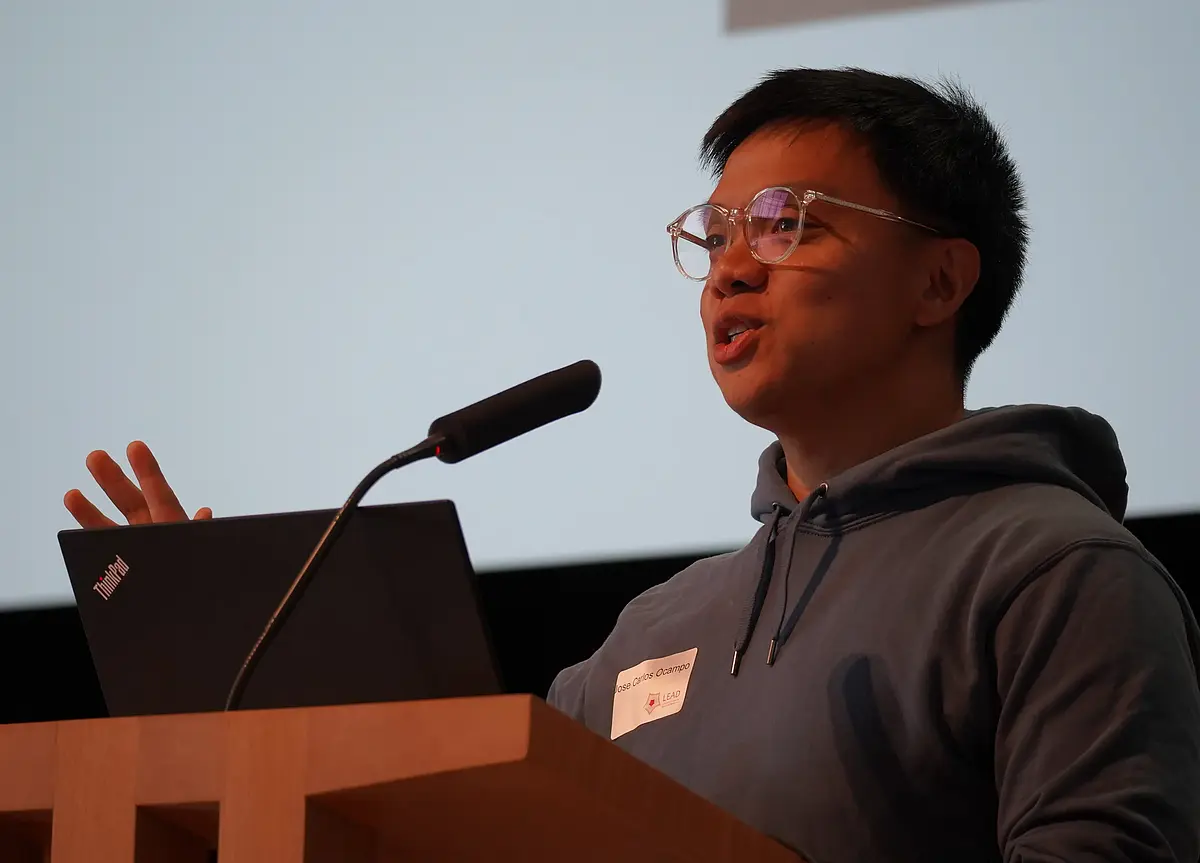
My Role: Postdoctoral Researcher
At TüCeDE since: November 2024
My Background (studies): Bachelor of Science in Educational Psychology and Master of Arts in Learning and Teaching at De La Salle University, Manila, Philippines
My previous job: PhD researcher, University of Deusto, Bilbao, Spain
A typical work day in 3 words: Reading, Asking, Writing
Smalltalk topic: Anything FAST—Food, Art, Sports, Technology
I can’t work without: C5s—Colleagues Consuming Countless Coffee Cups


Former team members

These team members left us in 2025. We thank you for the excellent work and wish you all the best for the future!

Runa Marold

I worked at TüCeDE for two years, specifically on the MINT-ProNeD project. My work was in the area of translation and dissemination, where I developed a dissemination concept for the products developed in the project. In addition, I was responsible for improving internal and external access to information via our website and developed the corporate design for digital and printed materials.

I then moved to the Multimodal Interactions Lab at the Leibniz Institute for Knowledge Media in Tübingen, where I worked as a UX designer. There, I worked on a project to develop a VR game for schoolchildren that explored how virtual reality can make learning processes more engaging. The project focused on key questions about embodiment in VR-based learning contexts and whether game-based approaches increase motivation to learn.

During my time at TüCeDE, I particularly appreciated the opportunity to work with researchers from very different disciplines and cultural backgrounds, which opened up valuable perspectives and insights for me.

Ulrike Franke

Until August 2025, I coordinated the Transfer and Professionalization research area at TüCeDE, focusing on professionalization and the MINT-ProNeD project. Since September 2025, I have been working at RPTU Kaiserslautern-Landau as a postdoctoral researcher and research assistant.

In my new position, I am involved in the “FEE – Fobizz Einsatz Evaluation” project, in which teachers in Rhineland-Palatinate are surveyed about their use of Fobizz AI applications in teaching and school management. In addition, I have initiated an intercultural cooperation between the RPTU and East Stroudsburg University in the USA with the aim of developing a teacher training project for student teachers that focuses on inclusion, digitalization, and diversity.

I am currently preparing a project on the professional experience of teacher training students, for example in the context of developing lesson plans. I also teach bachelor's and master's degree programs for teachers at secondary and vocational schools on the topics of media education, digitalization, and inclusion, as well as educational research on schools and teaching.

I warmly invite researchers, teacher educators, and international partners with an interest in these topics to contact me and explore opportunities for collaboration. Please feel free to get in touch with me to discuss potential collaborations and participate in ongoing or future projects.

Theresia Ziegs

From April 2023 until last fall, I was involved in the MINT-ProNeD project. My work took place mainly at the AI Makerspace, where I organized, co-designed, and conducted courses on artificial intelligence and AI skills for students and teachers. A central part of my work was the development of a comprehensive training program for teachers, which is available as a self-study course on the ZSL-MOOC platform.

As part of various projects, I worked with numerous partners from different institutes and disciplines, including HIB, IWM, ZSL, and others. Working with such a diverse group of people from different professional backgrounds was extremely valuable for me, as it broadened my perspective and made me realize the importance of interdisciplinary cooperation and co-creation. I found it particularly enriching to get involved in different projects and come into contact with many inspiring people. These experiences have had a lasting impact on me and will accompany me on my future path—wherever it may lead.

Luisa Luiz

Until August 2025, I held the position of managing director at TüCeDE as part of a parental leave replacement. My responsibilities included coordinating the center's operational processes, helping to shape its strategic direction, and being responsible for external communications and event organization. I look back on ten wonderful months as part of an outstanding team and am grateful to remain closely connected to TüCeDE in my new position.

Since September 2025, I have been project coordinator of the Hector AI + Education Future Fund, a joint initiative of the Hector Institute, the AI Center, and the ELLIS Institute (all based in Tübingen), which focuses on the close integration of AI expertise and educational sciences. At the heart of this consortium is the rapid development and agile transfer of practice-oriented solutions for teaching and education.

I look forward to continuing our close exchange and am always available to get in touch.

Tobias Appel

From June 2023 until September 2025, I co-led the research area of Innovative Educational Technology and worked as a postdoctoral researcher, focusing primarily on technology-enhanced learning and educational innovation. In this role, I contributed to the strategic development of the research area, supervised junior researchers and conducted my own empirical research. Since October 2025, I have worked as a substitute professor of computer science didactics at the University of Education, Ludwigsburg. My academic work is characterised by the close connection between research and teaching in teacher education. My research primarily focuses on using eye tracking methods to investigate learning processes, cognitive load and interaction with digital learning environments. My research interests also include artificial intelligence in education, particularly exploring how AI-based systems can support learning, teaching, and assessment. I value interdisciplinary exchange and am always open to collaborating with and engaging in dialogue with colleagues from related research contexts.


Updates of TüCeDE projects from the last year
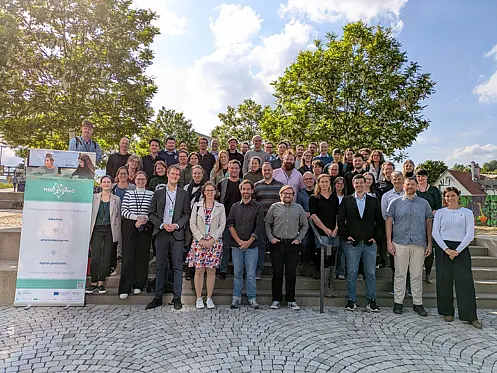
In close collaboration with partners from academia, educational practice and administration, and industry, we design, test, and study innovative, digitally supported teaching and learning scenarios and technologies across a range of research and transfer projects. In the following, we offer insights into three selected projects.

Successful completion of the MINT-ProNeD project

For two and a half years, nine teacher training colleges from Baden-Württemberg, Bavaria, and Rhineland-Palatinate worked together in the MINT-ProNeD project network under the leadership of TüCeDE, together with the state institutes for teacher training and school development of the three federal states as well as cooperating schools and teachers, on the developing innovative professional development opportunities and teaching concepts for digitally supported adaptive STEM teaching. This intensive and successful collaboration resulted in a wide range of different offerings, including over 30 subject-specific training courses, eleven concepts for professional learning communities, and 13 teaching scenarios with innovative technologies, which were developed, tested, and evaluated in a co-constructive manner with teachers, trainers, and other multipliers. These include, for example, a VR app on molecular geometry for chemistry lessons and a multiplier training course on “AI in schools.” A basic module entitled “Adaptive digitally supported (STEM) teaching,” designed as a self-study course, was also developed across locations and subjects and can be accessed via ZSL Moodle (link and password available at: koordination.mint-pronedspam prevention@tuecede.uni-tuebingen.de).  

The project measures also included the broad dissemination of the project results via various channels tailored to specific target groups, ranging from the presentation and discussion of the measures at specialist and information days at universities and state institutes as well as digital fairs (including iMedia in Rhineland-Palatinate, Didacta in Stuttgart, and Learntec in Karlsruhe) to the establishment of the MINT-ProNeD community and the implementation of the online portal www.schule-mal-digital.de  with the sister project KuMuS-ProNeD.

The MINT-ProNeD project ended on September 30, 2025, but the project measures and networks continue to have an impact: successfully piloted offerings will continue to be offered after the end of funding by the subject didactics departments in cooperation with the state institutes. Training concepts and teaching materials are also available as OER and/or self-study courses via popular platforms such as ZOERR, ComPleTT/Fundus, the he lernen:digital media library, or the VCRP


AI-based learning assistant for gifted children: Project VOILA

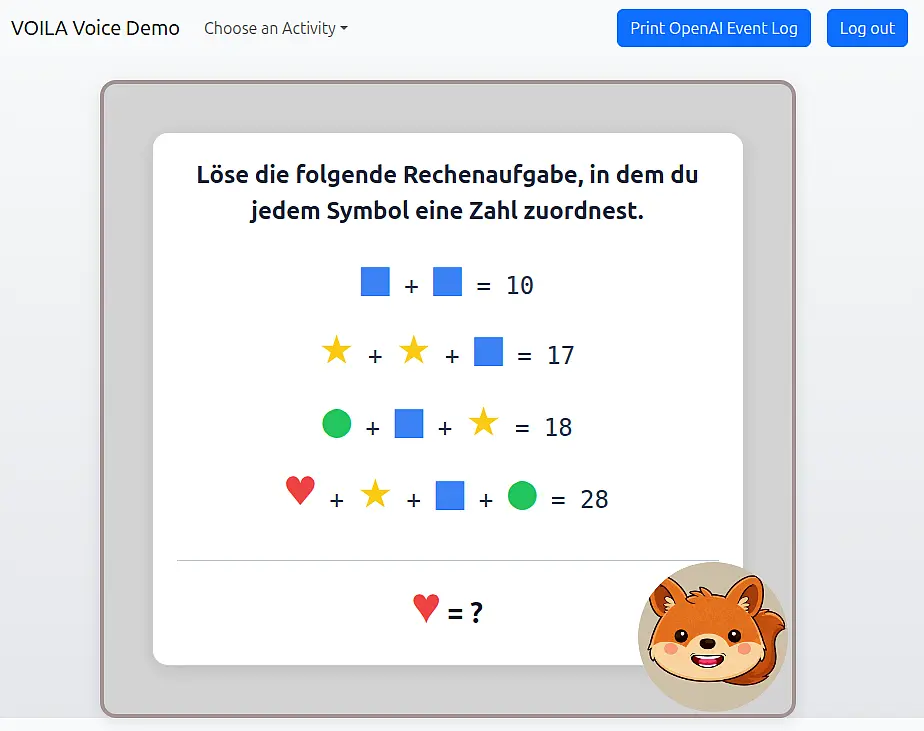
In the VOILA (Voice Operated Intelligent Learning Assistant) project, scientists of the ELLIS Institute Tübingen, the Hector-Institute for Empirical Educational Research, and TüCeDE are working together to develop an evidence-based, voice-controlled open-source AI tutor for gifted elementary school students. Unlike existing tools, which are text-based or lack a solid scientific foundation, VOILA combines educational research and AI technology to provide meaningful learning support. This integration is driven by transdisciplinary collaboration between experts in machine learning and educational sciences.

Initial development focuses on selected Hector Core courses in mathematics (proof and number theory) and biology (evolution). Over time, the system will be expanded to other subjects and learning tasks.

The project takes a co-constructive and practice-oriented approach, involving students, parents, and teachers from the outset. The guiding principle is that collaboration between these groups, supported by well-designed technology, can make learning more effective and adaptable. 

AI-driven educational innovation: Andreas Lachner receives Momentum funding
Co-director Andreas Lachner has been awarded a grant of around 950,000 euros as part of the Volkswagen Foundation’s Momentum Initiative. He will use this funding to further expand his professorship with a view to developing AI-supported, adaptive learning systems for schools. The aim is to reduce educational inequality by providing pupils with individualised support – regardless of their background. “Our vision is a school where every child receives exactly the support they need – and where AI does not replace teachers, but opens up opportunities,” says Lachner. To this end, the project combines data science, machine learning and educational science with real-life school settings to create evidence-based solutions. Using big data from real educational contexts, the project is developing scalable, practical technologies that enable personalised learning and strengthen international collaboration and visibility. 


Projects of our members

TüCeDE thrives on the diverse initiatives of its members. These include scientists from various disciplines who conduct research in the field of digital education at the University of Tübingen or cooperating institutions. Here, two of them present their current projects.

Malte Ring

My research and teaching focus on economic teaching and learning processes and their outcomes. One key area of interest is identifying the conditions under which the use of specific (digital) media in economics education offers added value, and how teachers can effectively realize this potential.

At the Chair of Economic Education and Didactics, we are currently investigating the impact of a digital learning platform in one project. The platform covers topics at the intersection of economics, ethics, and digitalization. Our focus is on how learners’ competencies develop through its use and which patterns of use can be identified. A further project, conducted within the collaborative project WÖRLD of the lernen:digital competence network, focuses on professional development programs and classroom scenarios for the use of explanatory videos in economics education. Particular emphasis is placed on the creation of explanatory videos by both learners and teachers, as well as on the pedagogical integration of existing videos into classroom practice.

Kateryna Derkach

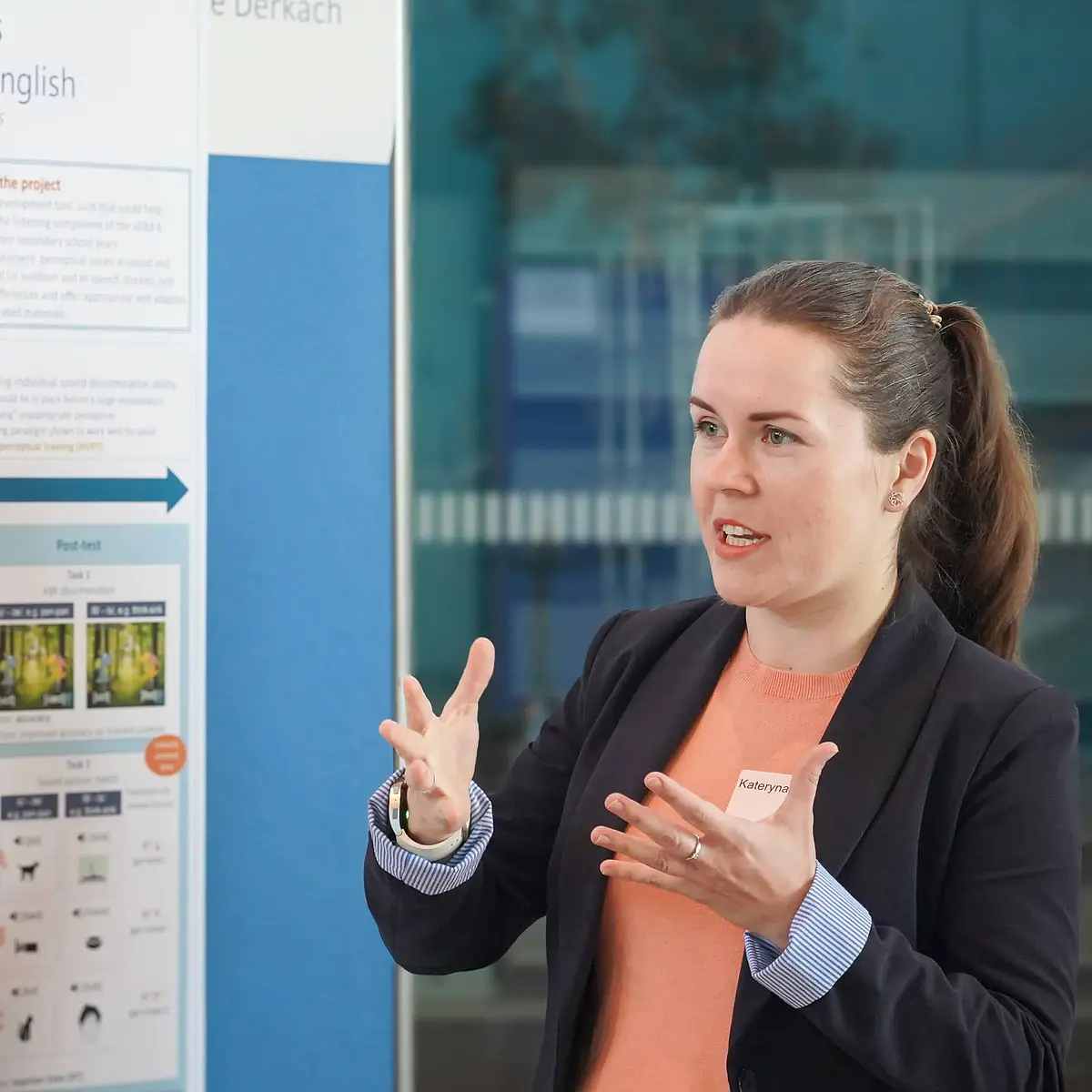
Kateryna Derkach started her career as a language teacher in Kyiv, Ukraine. While completing her BA in Philology at Kyiv-Mohyla Academy, she developed an interest in Second Language Acquisition and obtained an MSc in Applied Linguistics and Second Language Acquisition from the University of Oxford, UK. After a few years of teaching and teacher training in the UK, Ukraine and Belgium, she returned to academia and completed a PhD in Applied Linguistics at the University of Cambridge, focusing on designing linguistically informed interventions for language learners. She worked as a Pedagogy Research Manager for the English Language Teaching Department at Oxford University Press before moving to Germany to join the TEIFUN Postdoc College, being associated with both Tübingen and Stuttgart Universities.

In her current project TILDA (Tools for Individualised Listening Skills Development supported by AI), Kateryna plans and conducts intervention studies with school-aged children focusing on developing their English listening skills. Mentored by Prof Dr Sabine Zerbian (Phonology) and Prof Dr Detmar Meurers (Computational Linguistics), and supported by colleagues from TüCeDE and IWM (Leibniz-Institut für Wissensmedien), Kateryna’s project is an interdisciplinary effort, bridging linguistics, computer science, and educational psychology.

Dr Derkach has also taught and supervised students in different areas of Language Acquisition, as well as Applied Linguistics more generally.


Cooperation with educational institutions
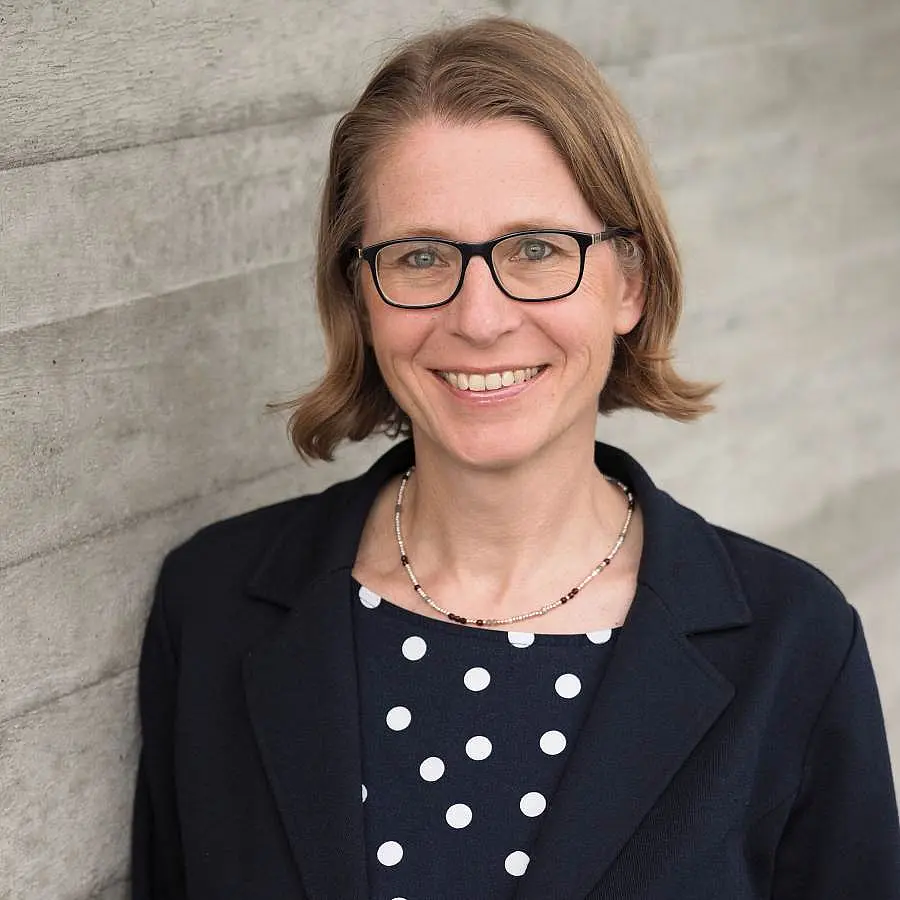
TüCeDE sees itself not only as a research center, but also as a bridge between science and educational practice. The aim is to combine interdisciplinary research on teaching and learning with digital media with an equal exchange between research and practice – bidirectional and with mutual added value. Projects such as DiA:Net and MINT-ProNeD show how this aspiration is being put into practice: through institutionalized cooperation with state institutes, education administrators and teachers who are specifically involved in research and development processes – including through secondments of teachers, which enable the joint development and open provision of teaching materials and training opportunities. This is complemented by joint events organized by educational administrators and scientists, such as the AI Symposium, which is realized in cooperation with partners including the IWM, the AI Makerspace, and LEAD.

Judit Löffler has been a driving force behind these activities for three years and has played a key role in their organization and implementation. Ms. Löffler is head of the Gymnasium (high school) department at the Center for School Quality and Teacher Training (ZSL), Tübingen regional office.

First-hand insights - Four questions for Judit Löffler:

How did the collaboration between you and TüCeDE start? Was there a specific reason for the cooperation between ZSL-RST and TüCeDE?

For the first in-person symposium after COVID-19, our expert advisors wanted to focus on AI—even before ChatGPT took the world by storm. In our search for scientific contacts, TüCeDE was the obvious choice, and it gave us exactly what we were looking for (and more): technical expertise without fear of practical application, a desire to collaborate, and the courage to pursue straightforward and unconventional solutions. The ZSL is committed to developing science-oriented and evidence-based teacher training—and here we have the opportunity to do just that! 

You invest a lot of time and energy in working with scientists. What motivates you personally to do so?

All the players are based in Tübingen – the fact that we can leverage these synergies and work so well together as a team makes our commitment meaningful and inspiring. We gain practical insights, are challenged and validated, and realize that we approach the same issues from different angles. The fact that we are effective when we work together makes the effort definitely worth it! 

Where do you currently see challenges or limitations in the collaboration between ZSL and the university?

The structures of school administration and the university world differ significantly—bureaucracy and slow change processes clash with research projects that are usually of limited duration. The issues and needs of those involved must be examined to find a possible common ground. Official cooperation requires balancing the requirements of two different ministries. Keeping in mind that teacher training and continuing education belong to both systems and exploring the consequences this has in science and practice is very challenging – but also rewarding! 

What is the decisive key factor for sustainable, bidirectional cooperation and successful science-practice transfer?

Just do it! 


My PhD at TüCeDE

External content

Actually, you are supposed to see a video here. To display this content (source: www.xyz.de), please click the "Accept" button below. Please note that by viewing the video, data might be transmitted to third parties or cookies may be stored.

For further information see our privacy policy.

At TüCeDE, you can pursue a doctorate in various subject areas—for example, how digital technologies such as AI-based tutoring systems or virtual reality can support learning, as well as how to design teacher training so that technologies can be used and orchestrated effectively in the classroom.
Jana Boos is one of our doctoral students and has been pursuing her doctorate at TüCeDE since 2023.


TüCeDE goes USA

We are delighted that our doctoral students have the opportunity to visit other research institutions abroad during their doctoral studies thanks to our international network and their own initiative. Last year, two of our doctoral students spent time in the USA, where they gained valuable experience and further strengthened international collaborations for TüCeDE.

Luisa Wellert

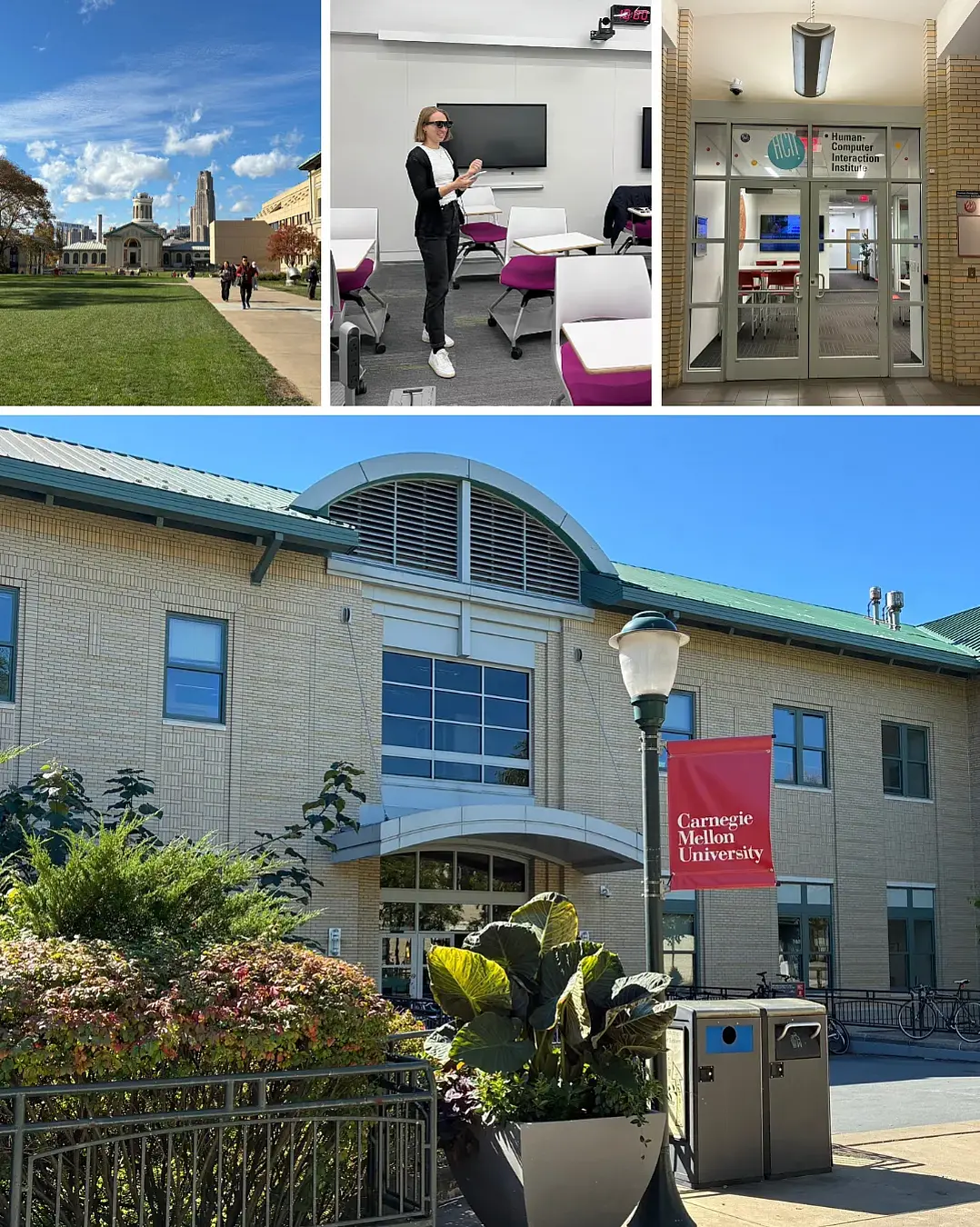
I spent my three-month research stay with Prof. Vincent Aleven at the Human-Computer Interaction Institute at Carnegie Mellon University in Pittsburgh (USA).

Status of dissertation at the time of stay: 70%

Franziska Gazar

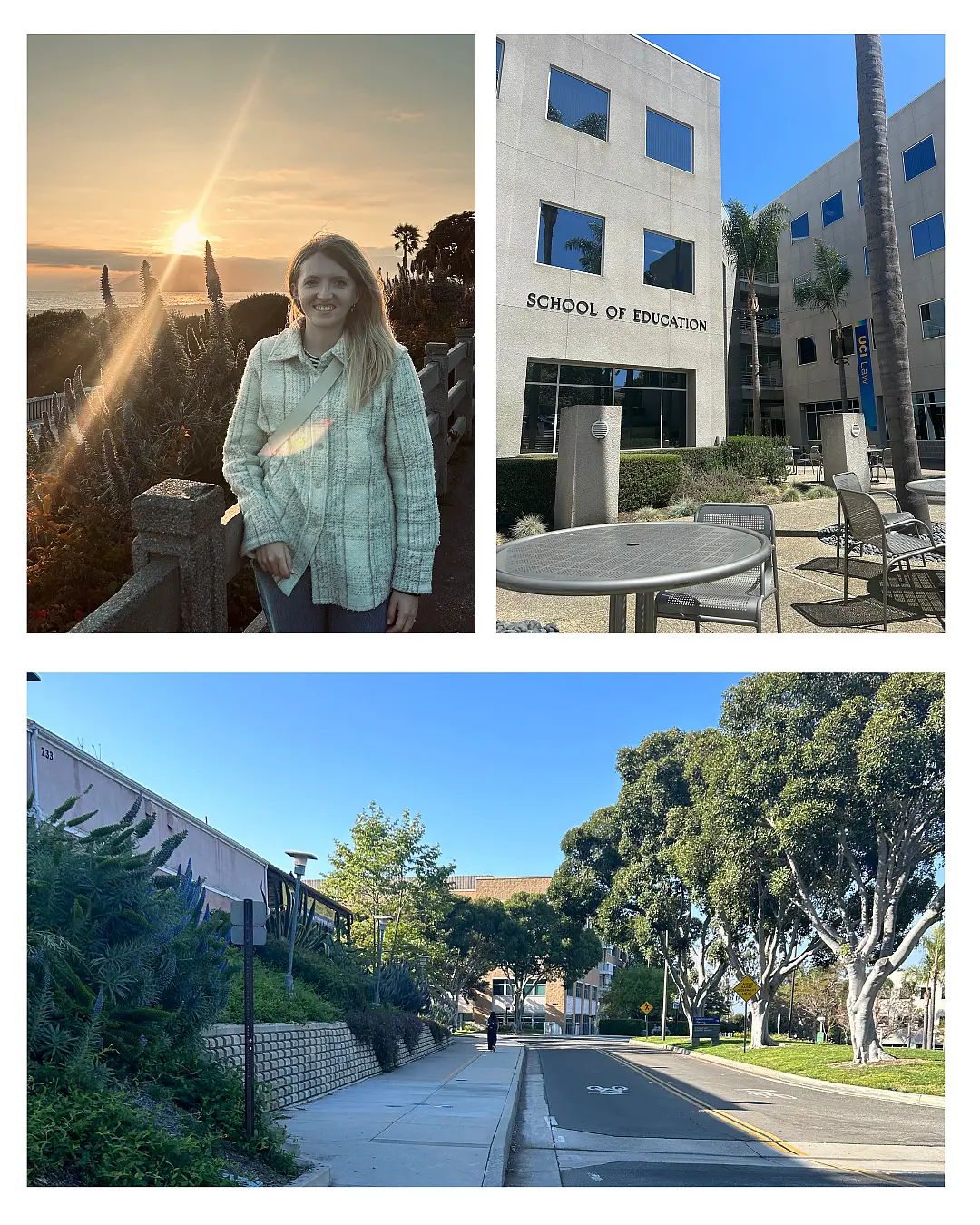
I spent my two-month research stay with Prof. Rossella Santagata at the School of Education at the University of California Irvine.

Status of dissertation at the time of stay: 50%  

What was your biggest “aha”-moment during your research stay?

Luisa: My biggest “aha” moment was broadening my perspective on the international opportunities and developments in our field of research. I was particularly impressed by the extremely supportive and open scientific culture I experienced in the US—whether it was feedback on papers or discussions about career paths. This experience once again made it very clear to me how valuable and unifying our international research community is. 

Franziska: My biggest “aha” moment was discovering new conceptual approaches to my research topic and being able to integrate them directly into my own work. In addition, it was very enriching overall to leave my usual academic “bubble” and learn about the working methods of another research team. The intensive exchange of ideas about studies and the close cooperation with teachers were particularly enriching. 

What specifically will you take with you for your dissertation and further research?

Luisa: The research stay was enriching in many ways: Not only was I able to expand my international network, develop new ideas, and learn about current international developments in my field, but I also improved my language skills along the way. The joint study with Prof. Aleven was particularly valuable. I received a lot of support, but also had plenty of freedom to develop my methods and content. I also feel very connected to the lab—further collaborations and a joint symposium at a conference in the summer are already planned.

Franziska: For my dissertation and further research, I am taking away a broader perspective and new methodological and conceptual approaches to my research topic, which I have already been able to benefit from while writing my paper. In addition, my research stay has led to a collaboration with Rossella and her team that goes beyond my dissertation. I am particularly pleased about this, as we are still in contact, working on projects together, and exchanging ideas. Overall, the lab visit was an extremely valuable experience, both for my dissertation and for my personal development.

What would you recommend to other doctoral students planning a similar research stay?

Luisa: I would recommend other doctoral students to plan early on when and where they want to go for their research stay and how it can be easily combined with the tasks and time schedules of their dissertation. Coordinating with the people and the institute in the USA was absolutely straightforward for me, but especially for stays in the USA, sufficient time should be allowed for visa applications and various necessary formalities. Applying for a DAAD scholarship was very worthwhile for me, as it covered a large part of the costs. Even though I would have liked to stay longer, the three months were the ideal length of time for my research stay: I had enough time to really “settle in” and get my own project off the ground, but at the same time I was able to integrate the stay well into my dissertation work at home. 

Franziska: The most important organizational lesson I learned from my research stay is to allow sufficient time for planning. I would also recommend this to others: Long-term and early organization is particularly important for a research stay in the USA. In addition, I would recommend communicating your own goals for the research stay transparently from the outset. This allows you to clarify in advance whether active participation in local projects is possible or whether the focus will be more on an observational role and working on your own dissertation at the same time. 


Highlights 2025

The past year was full of highlights for us—both in the scientific field, such as the successful completion of a major Germany-wide joint project, and in our collaboration with state institutes and schools in and around Tübingen. 

Click on the title for more information

MINT-ProNeD consortium meeting

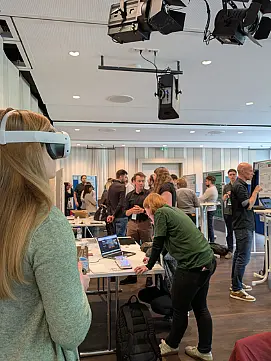
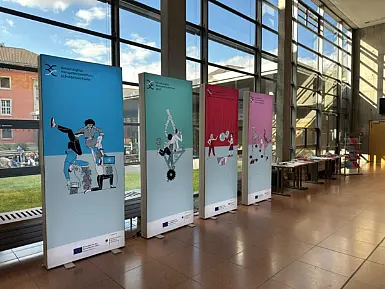
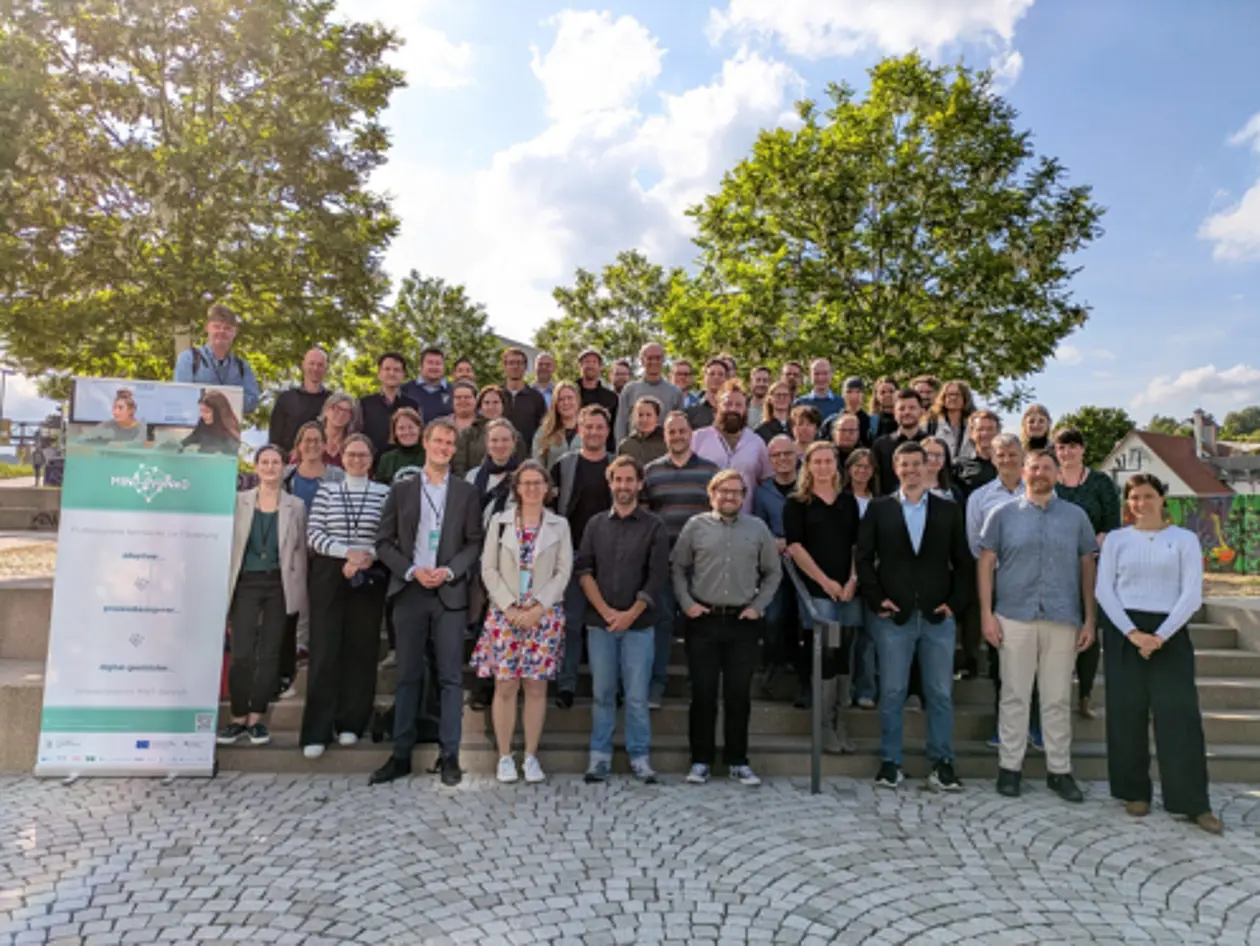
With fresh momentum into the final project phase – under the motto “Shaping future-oriented science-practice transfer together,” the third MINT-ProNeD network meeting took place in Tübingen on May 22 and 23, 2025. The meeting provided an opportunity to look back on the successes of the past two project years together with the cooperation partners, to present current results, and to discuss how the structures and cooperations created within the framework of the project can be continued sustainably even after the end of the funding period. To this end, participants from science, educational practice, and administration contributed insights from the joint project work in keynote speeches and presented their offerings and selected technology applications in a gallery walk. The joint day concluded with the “MINT-ProNeD Future Dialogue,” in which the conditions for successful further cooperation were identified on the basis of the multidirectional transfer concept of the project network. The second day of the conference on May 23 was used to take a closer look at the various phases of the project and network work in a retrospective and to draw lessons and examples of good practice from the joint collaboration.  

3rd AI Symposium with and for ZSL RST Tübingen

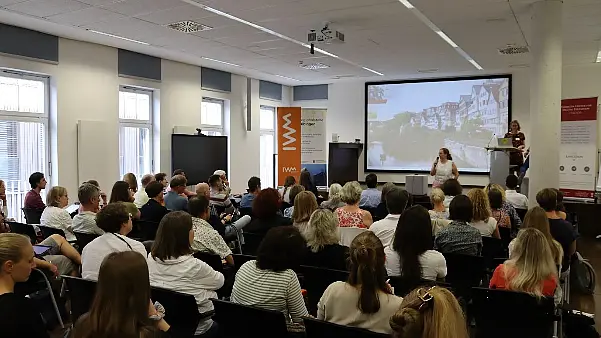
The AI Symposium, jointly organized by ZSL, RP, IWM, KI Makerspace, and TüCeDE, took place in Tübingen for the third time. It provided an opportunity for scientists to present innovative projects in the fields of “Teaching and Learning with and about AI” and “Media and Democracy Education in the Age of AI.” Following the successful AI conferences in 2023 and 2024, which significantly promoted dialogue between teacher training and science, the conference on July 11, 2025, was also used for an intensive exchange between research and practice. The day was opened with a keynote speech by Jacqueline Bellon (IZEW), before workshops and a market of opportunities provided opportunities for professionals in curriculum development and teacher training, as well as teachers, to engage in intensive exchange with representatives from academia. Following this success, there will be another edition on July 10, 2026.

lernen:digtal conference

On September 29 and 30, 2025, the stakeholders of the lernen:digital competence network and numerous other representatives from academia, educational administration, and school practice met in Potsdam for the second symposium on “Shaping Digital Transformation for Schools and Teacher Training.” The conference focused on the innovative professional development opportunities developed in the lernen:digital projects and the question of the conditions under which these can be sustainably rolled out on a broad scale. Around 550 participants took part in a diverse and varied program. The role of the state institutes for teacher training and school development, with which many project networks have close cooperation agreements, was repeatedly highlighted as central to the discussion.  

TüCeDE, which is involved in the MINT-ProNeD project network at the MINT Competence Center and in a subproject at the lernen:digital transfer office, was actively represented at the conference with several contributions, including a presentation on the conditions for the use of Open Educational Resources (OER). 

Digital Education Day 2025: Bridging Technology and Education

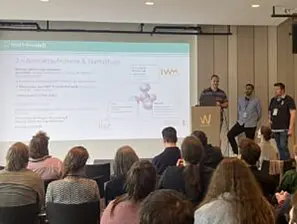
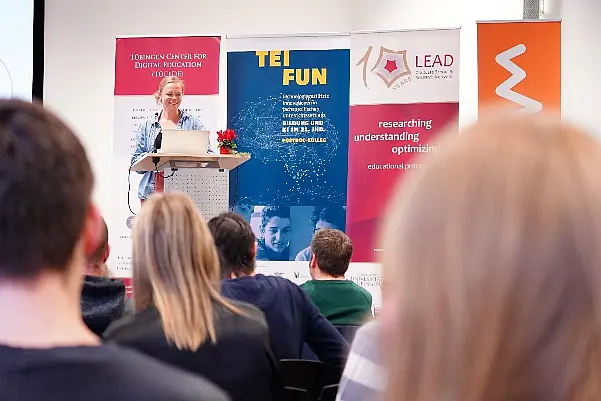
Under the motto “Bridging Technology and Education,” this year's Digital Education Day took place in Tübingen on December 2, 2025. The joint event organized by TüCeDE, the Tübingen School of Education (TüSE), the LEAD Graduate School & Research Network, and the Leibniz Institut für Wissensmedien (IWM) brought together experts from the Tübingen ecosystem around digital education. The focus was not only on exchanging ideas about current developments, but above all on the question of how education and technology can be conceived and developed together.

Digital Education Day highlighted the importance of interdisciplinary dialogue between technology, ethics, and education for the responsible and effective design of digital innovations. Keynote speeches, workshops, a poster gallery, and a panel discussion demonstrated how communication and collaboration are key competencies for the technology-supported school of the future. 


Save the Dates

26. - 27. March 2026
dialogue forum lernen:digital
10. July 2026
AI Symposium with ZSL RST Tübingen
6. - 7. November 2026
Event within the Science & Innovation Days at the University of Tübingen
December 2026
Digital Education Day