Research

Our research focuses on the development and characterization of innovative drug delivery systems, with particular expertise in dermal drug delivery, advanced analytical methods, and pharmaceutical 3D printing. We aim to establish mechanistic relationships between formulation and material properties, manufacturing processes, and drug product performance. Our work combines pharmaceutical formulation science with advanced analytical and manufacturing technologies to support the development of effective, sustainable, and patient-oriented medicines.

Research Areas

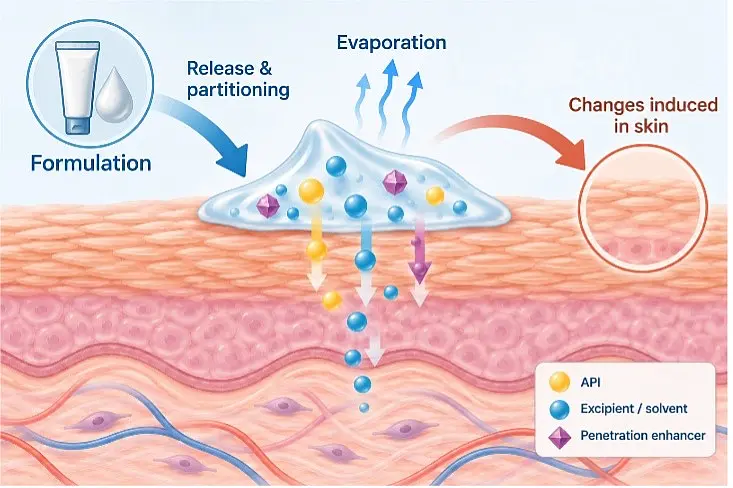
Dermal Drug Delivery and Formulation Development

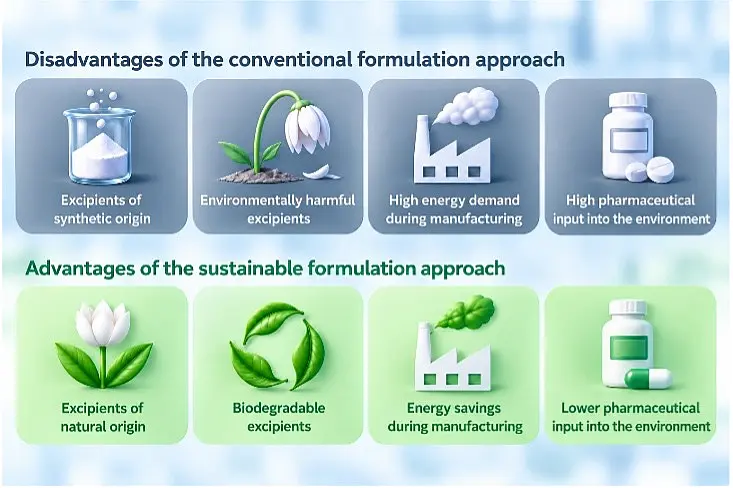
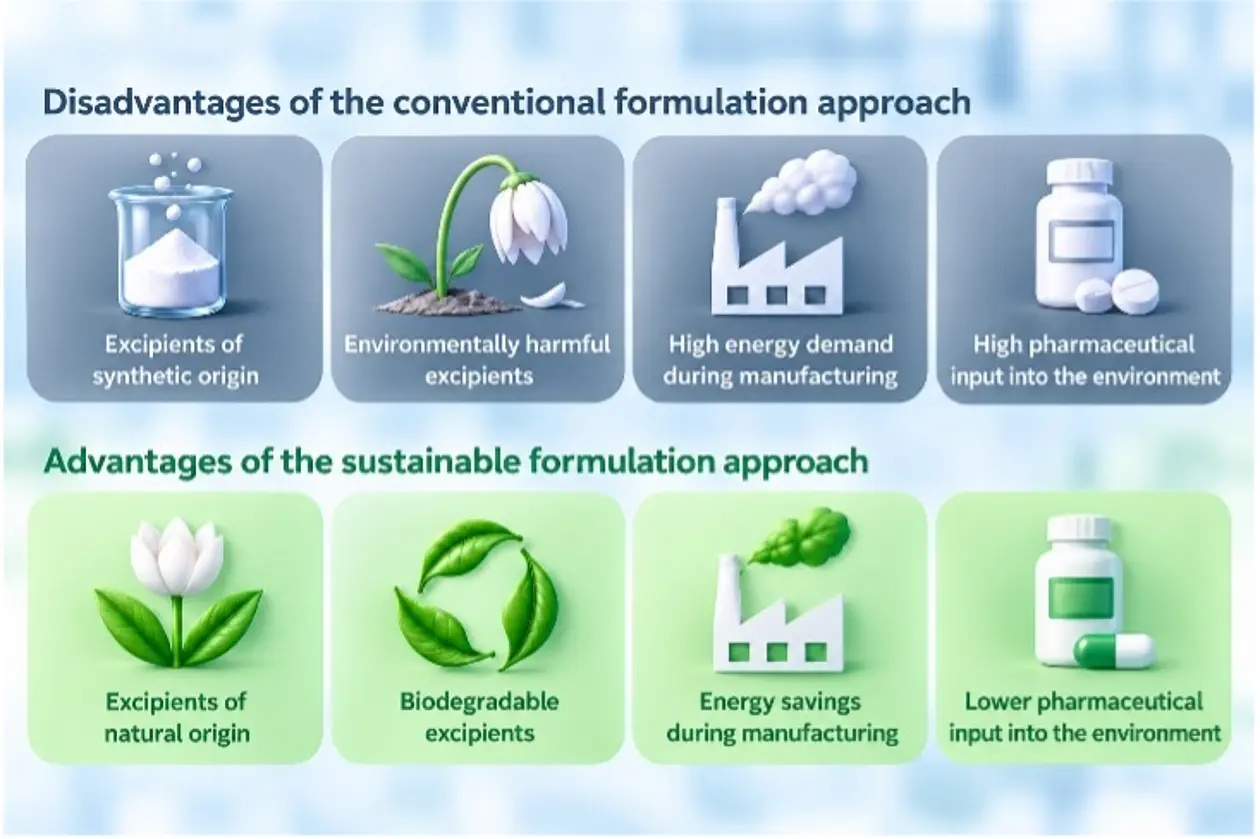
We investigate the development and characterization of cutaneous drug products, focusing on how formulation composition, microstructure, and physicochemical properties influence drug release and penetration into the skin. By linking formulation characteristics to drug delivery performance, we aim to support the rational development and optimization of dermatological medicines. We also investigate the use of biodegradable excipients of natural origin to reduce the environmental impact of drug products.

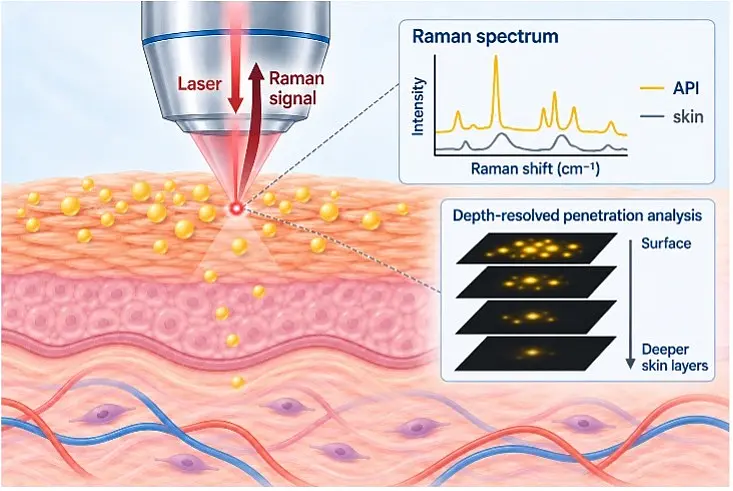
Confocal Raman Microspectroscopy and Skin Penetration

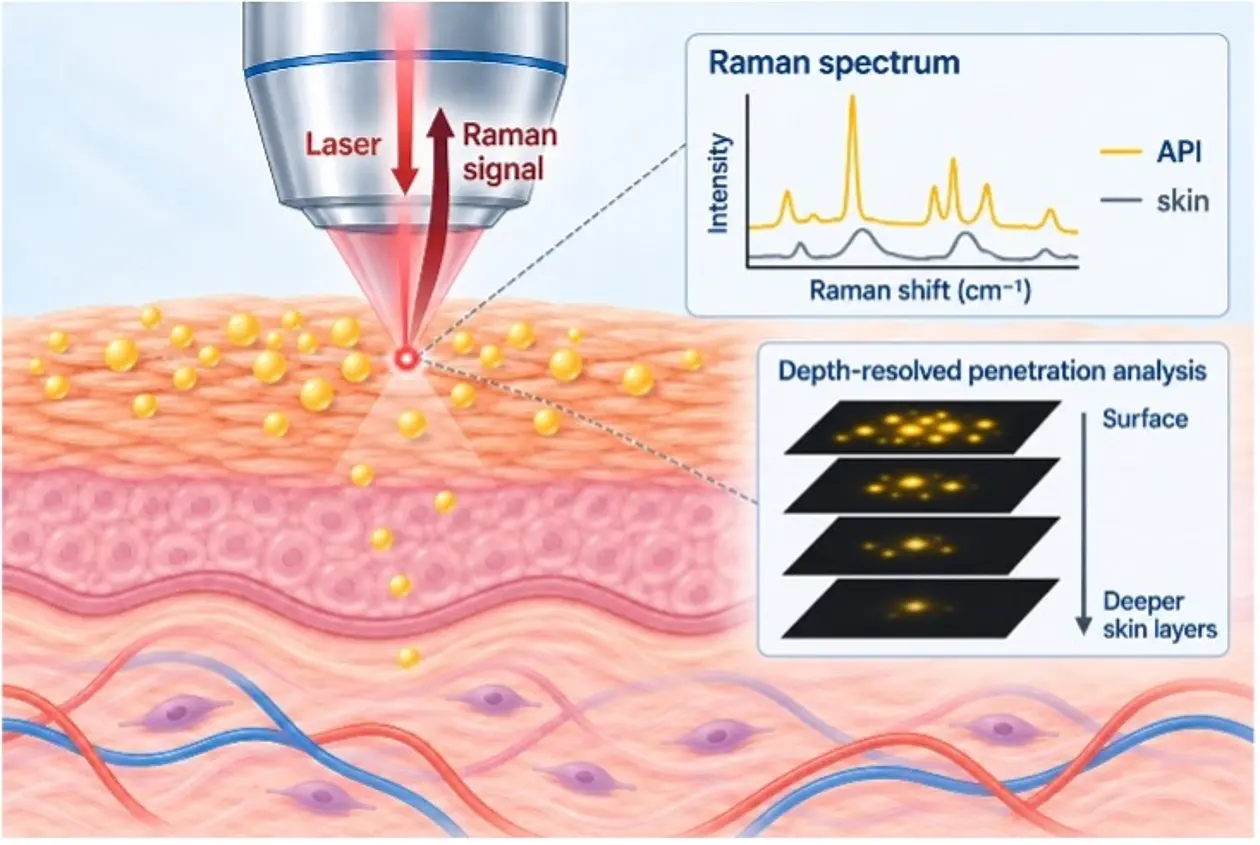
Confocal Raman microspectroscopy (CRM) is one of our key technologies for investigating drug penetration into the skin. The technique enables label-free, chemically selective, and spatially resolved analysis of active ingredients, excipients, and endogenous skin components. Our research focuses on developing quantitative Raman-based methodologies and applying them to 
skin penetration studies and the evaluation of dermal drug products.

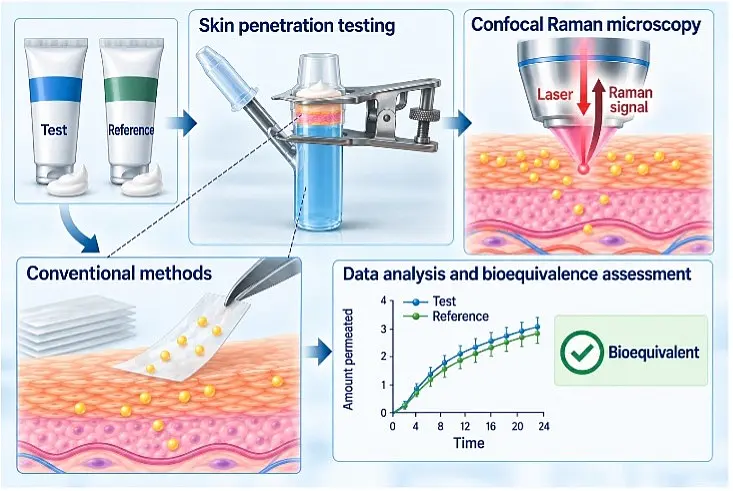
Quality and Equivalence of Cutaneous Drug Products

A further focus is the development of experimental approaches for assessing the quality, performance, and equivalence of cutaneous drug products. We investigate how advanced in vitro and analytical methods can provide mechanistic and quantitative information on drug delivery into the skin and contribute to scientifically sound strategies for demonstrating dermal equivalence.

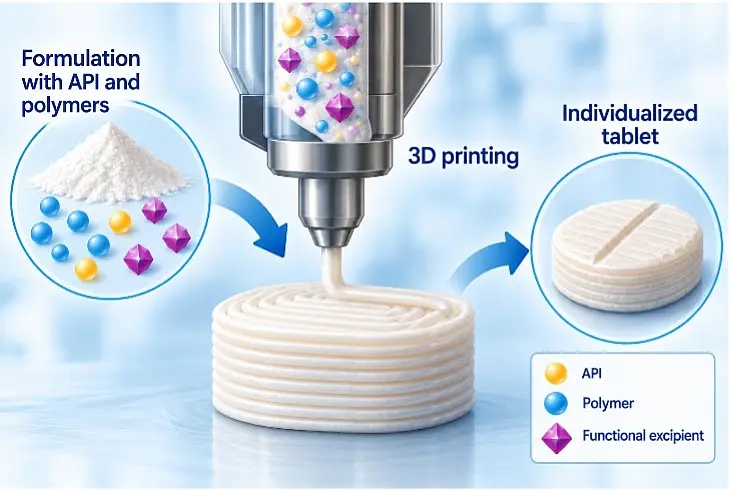
Pharmaceutical 3D Printing and Personalized Drug Delivery

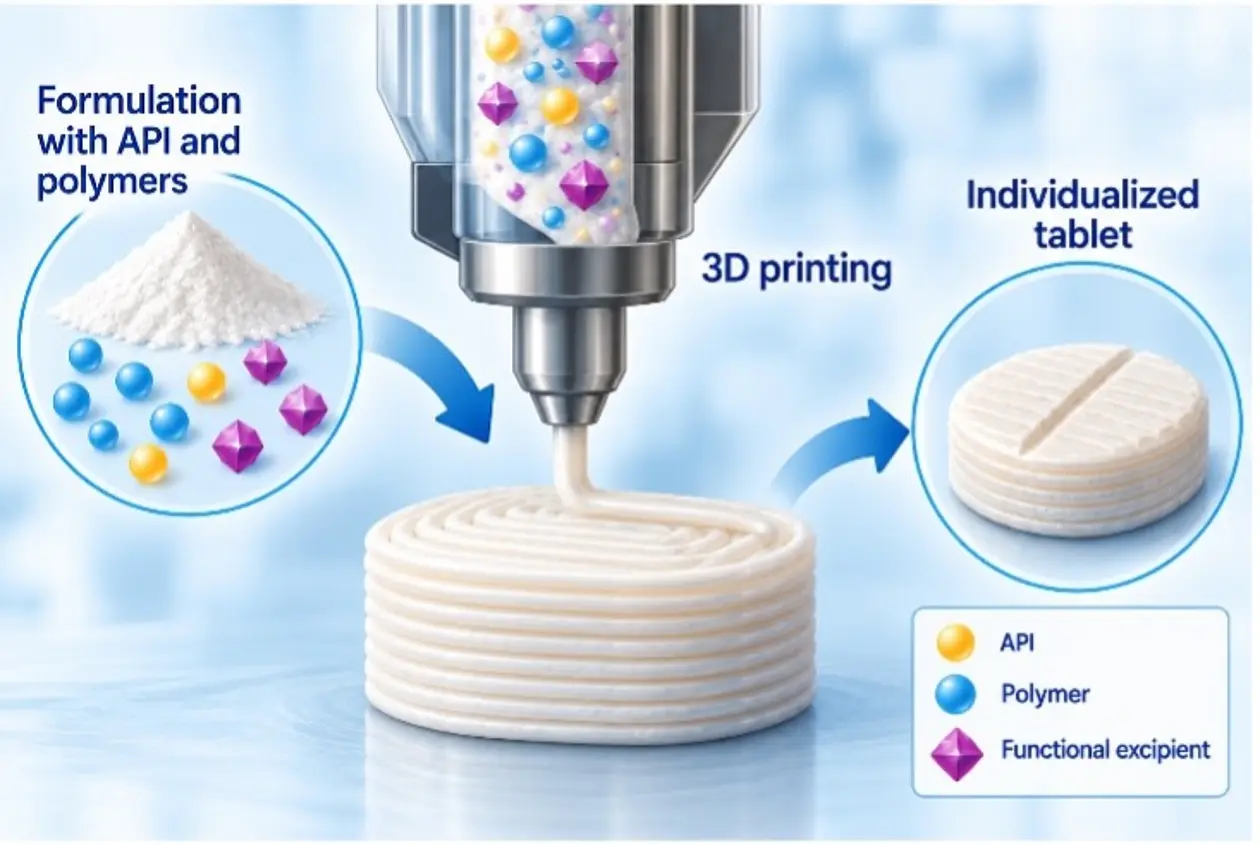
We investigate pharmaceutical 3D printing as a flexible manufacturing technology for personalized oral dosage forms. Our research covers direct powder extrusion-based printing, hot-melt processing, material properties and printability evaluation, as well as the relationship between dosage form design and drug release. Particular interests include individualized dosing, 
tailored release profiles, amorphous solid dispersions, and multi-component dosage forms.

Current Research Projects

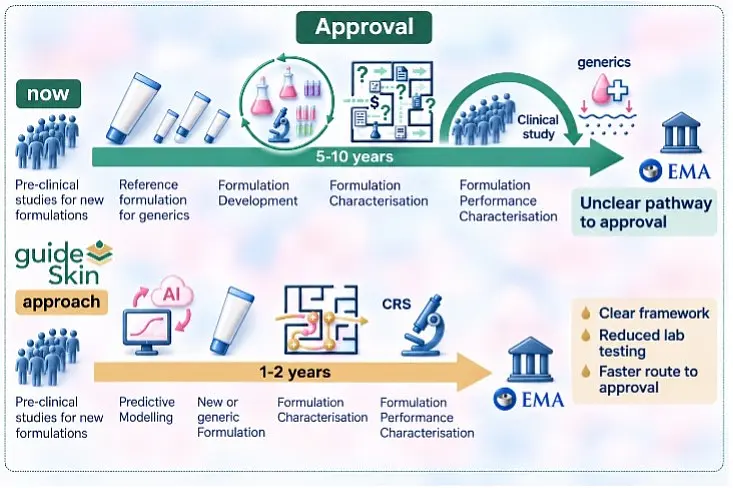
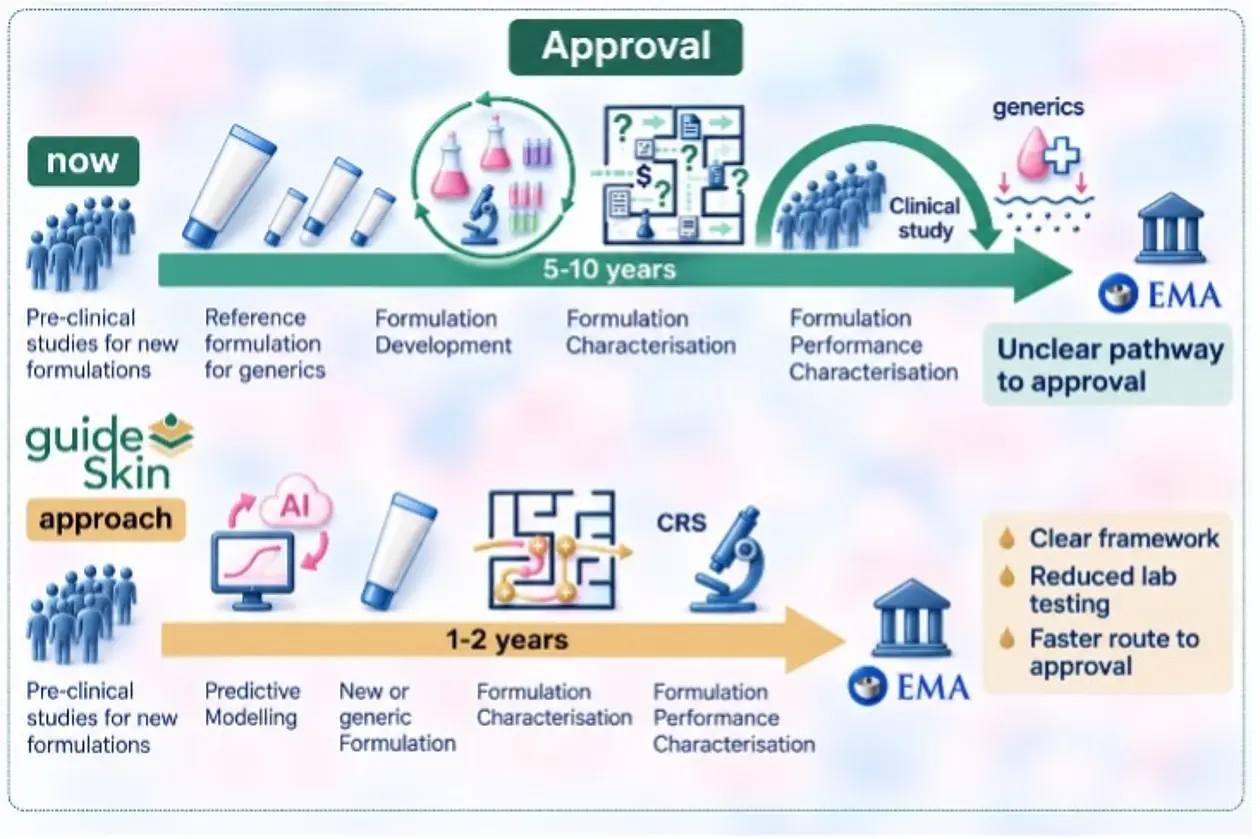
guideSkin – Bridging Regulatory Science and Innovation for Dermal Generics and Advanced Skin Therapies

guideSkin is a Marie Skłodowska-Curie Actions (MSCA) Doctoral Network – Industrial Doctorate coordinated by the University of Tübingen. The European network brings together academic institutions and industrial partners to address scientific and regulatory challenges in the development and evaluation of cutaneous drug products. The interdisciplinary research programme combines advanced formulation characterization, skin penetration studies, confocal Raman microspectroscopy, physiologically based pharmacokinetic modelling, and data-driven approaches. The project aims to develop predictive relationships between formulation properties, drug release, skin penetration, and local drug availability, while also investigating innovative dermal delivery technologies.

Link to the project website: https://guideskin.eu

Development of ‘green’ dermatological products using sustainable excipients and low-energy processes – IGF 01IF24821N

This project investigates how the environmental impact of dermatological drug products can be reduced through the use of biodegradable excipients of natural origin, low-energy manufacturing processes, and more efficient drug delivery into the skin. Model formulations are developed using natural, biodegradable excipients and energy-efficient manufacturing approaches while being optimized for improved cutaneous drug uptake. The project ultimately aims to establish a guideline for the sustainable development and optimization of dermatological drug products, providing a transferable framework for pharmaceutical development.

Finalized Research Projects

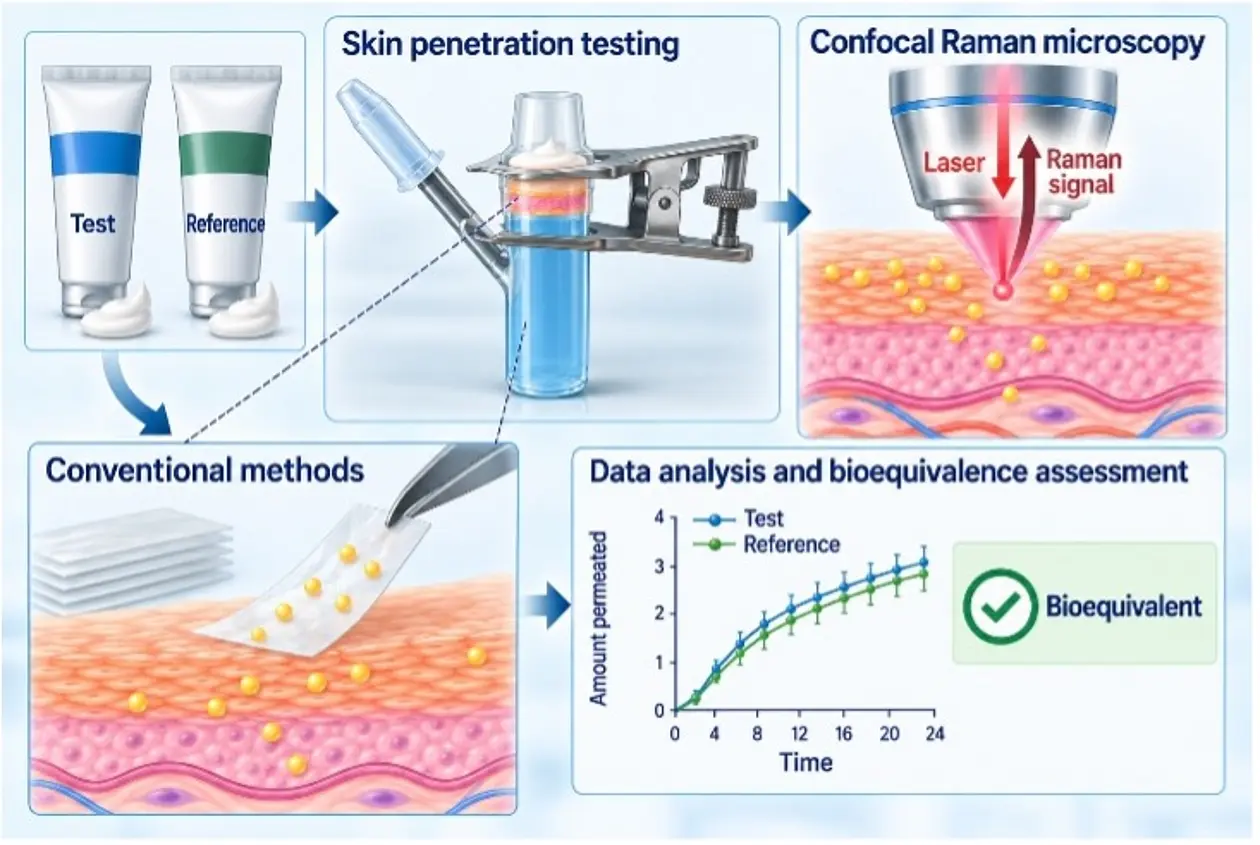
Evidence of the suitability of confocal Raman microspectroscopy for conducting bioequivalence studies of dermatological products

Building on the established Raman methodologies, this project investigated the application of confocal Raman microspectroscopy to the assessment of dermal drug product performance and bioequivalence.

The research focused on quantitative, spatially resolved drug concentration profiles within the skin and their ability to characterize and discriminate between dermatological formulations. The project thereby extended CRM from a tool for mechanistic skin penetration studies towards its potential application in the pharmaceutical and regulatory assessment of cutaneous drug products.

IGF 22947 N – "Nachweis der Eignung der konfokalen Raman-Mikrospektroskopie zur Durchführung von Bioäquivalenzuntersuchungen von Dermatika" (Evidence of the suitability of confocal Raman microspectroscopy for conducting bioequivalence studies of dermatological products)

Schlussbericht zu IGF-Vorhaben Nr.22947N

Development of a model for the in-situ investigation of drug penetration using confocal Raman microspectroscopy

This project focused on the development and systematic evaluation of confocal Raman microspectroscopy for studying drug penetration into the skin. New experimental approaches were established for spatially resolved, label-free penetration analysis, including in-line and off-line measurements.

The methodology was evaluated using different model compounds and formulations and compared with established approaches such as tape stripping. The project also investigated the transferability of penetration measurements from ex-vivo to in-vivo conditions, providing an important methodological basis for the application of CRM in dermal drug product development.

IGF 20194 N – "Entwicklung eines Modells zur in-situ Untersuchung der Arzneistoffpenetration mittels konfokaler Raman-Mikrospektroskopie" (Development of a model for the in-situ investigation of drug penetration using confocal Raman microspectroscopy)

Schlussbericht zu IGF-Vorhaben Nr.221004_d

Illustrations on this page were created with ChatGPT (OpenAI) based on scientific concepts and specifications provided by the author.