This funding line provides project-based support for internationally competitive research areas at German universities. The Clusters of Excellence form networks of outstanding scientists who collaborate in a defined research area. Through access to infrastructure and intensive cooperation, they offer optimal conditions for excellent research. Funding for the Clusters is generally provided for two funding periods of seven years each.
Since 2019, three clusters of excellence have been funded at the University of Tübingen. Since 2026, three additional Clusters of Excellence have been established.
The 3 established Clusters
CMFI
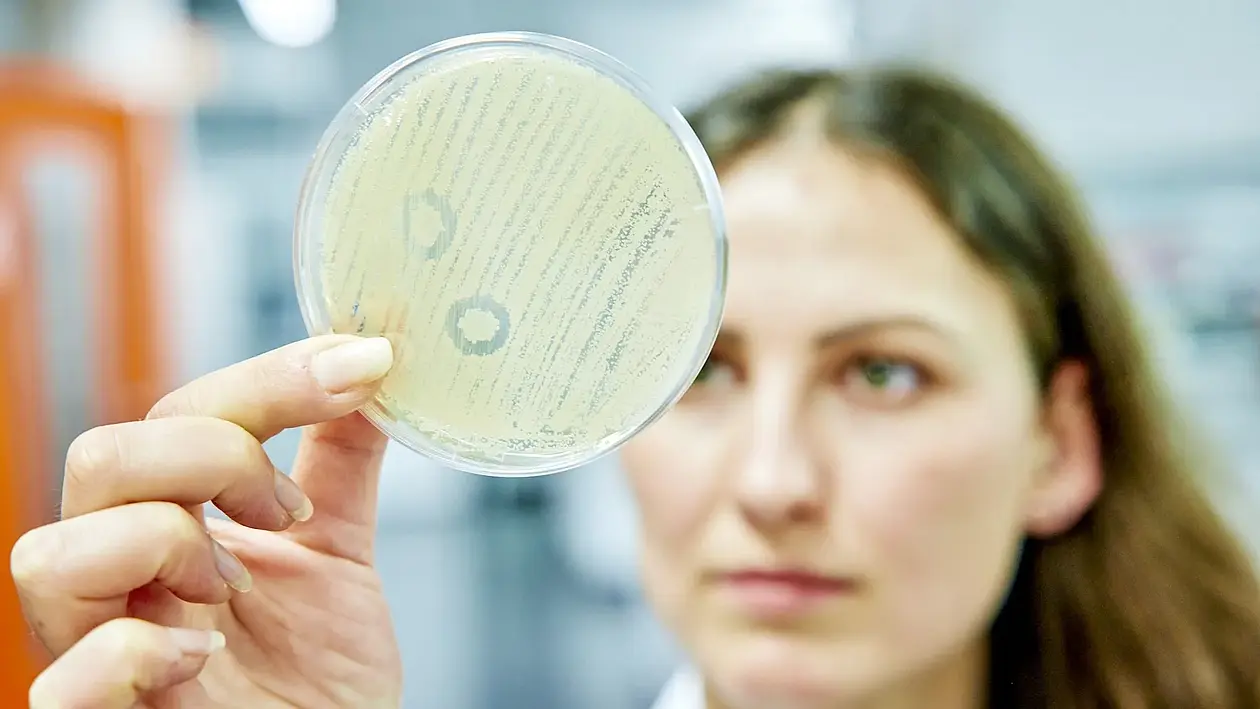
The Cluster of Excellence Controlling Microbesto Fight Infections (CMFI)builds on existingstrengths in microbiology and infectionresearch. Itsgoalistounderstandmicrobiome-host interactions and todevelop integrative therapeuticapproaches, such ascombatingmultidrug-resistantmicroorganismsthroughthedevelopmentofnovelantibiotics.
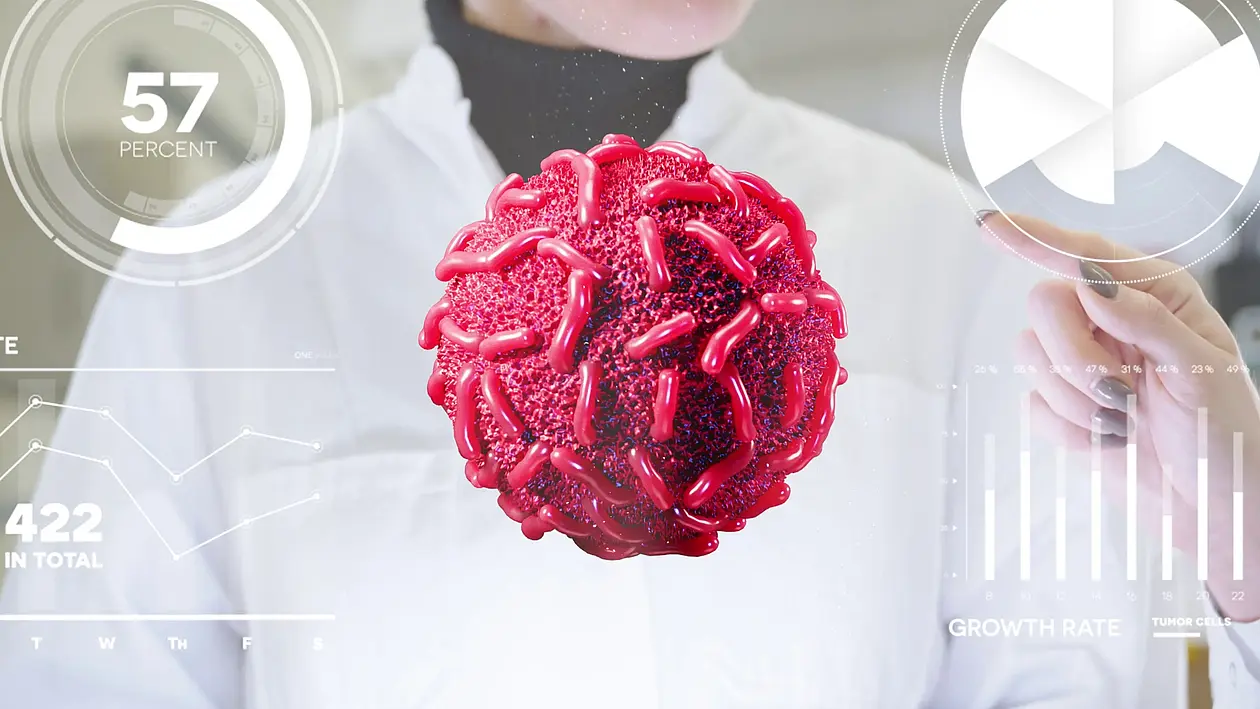
The Cluster of Excellence Image-guided and Functionally Instructed Tumor Therapies (iFIT) brings together Tübingen’s strengths in cancer research, translational immunology, and multiparametric imaging to develop innovative therapies for tumor diseases.
The Cluster of Excellence Machine Learning – New Perspectives for Science (ML) has helped establish the University of Tübingen’s internationally recognized expertise in Artificial Intelligence and Machine Learning. It combines these strengths with disciplines such as neuroscience, linguistics, and geosciences, complemented by systematic ethical reflection on the potential impact of machine learning on science and society.
Since 2026, three additional Clusters of Excellence have been funded at the University of Tübingen.
GreenRobust
The Cluster of Excellence GreenRobust brings together the expertise of the universities of Tübingen, Heidelberg and Hohenheim to investigate the principles of robustness in plant life. The cluster focuses on studying climatic and biotic disturbances, as well as the diversity of robustness mechanisms within a selected group of plant species. This research can make an important contribution to food security under changing climatic conditions.
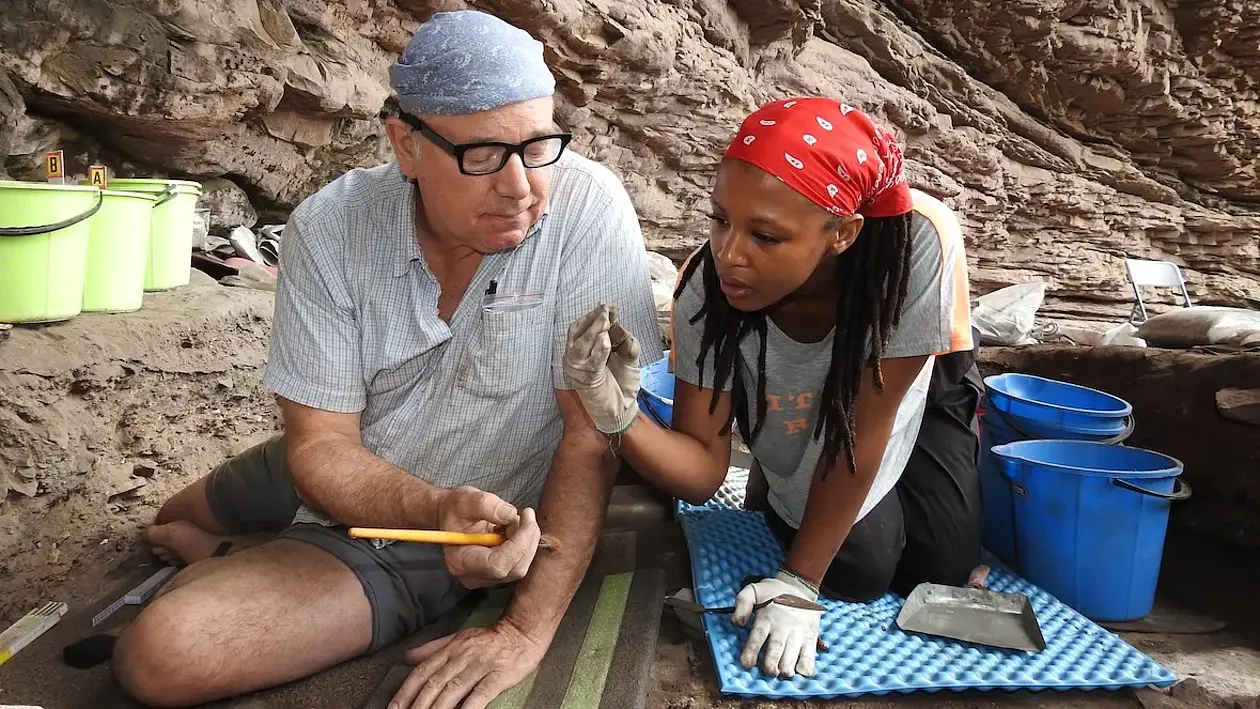
The Cluster of Excellence HUMAN ORIGINSexaminesthepastfivemillionyearsof human development and addresses fundamental questionsabout human ancestrythatare relevant tobothscience and society.
The Cluster of Excellence TERRAexploreshow geo-biosphereinteractionsrespondto and influence environmental changes. TERRA investigatesthehypothesisofwhether and howgeospherediversitystabilizesthebiosphere, and conversely, howbiospherediversitystabilizesthegeosphere. This canofferinsightsinto potential approachesforaddressingthechallengesofclimatechange.
The Werner Reichardt Centerfor Integrative Neuroscience (CIN) was also fundedbythefederal and stategovernmentsas a Cluster of Excellence from 2009 to 2019 and hassincebecomethemostimportantinterdisciplinarycenterforsystemic and cognitiveneuroscience at theuniversity.