Uni-Tübingen

P10: Tailoring cGMP signals to improve therapeutic efficacy of cellular immunotherapies (from 01.01.2024)

Aims

Dissecting the role of cGMP signaling and cGMP-modulating drugs for CAR T cell therapy to identify novel therapeutic strategies in cancer.

Questions and Methods

cGMP and CAR T cell therapy

Boston Internship

Fukumura Lab

In the Fukumura lab in Boston, the doctoral researchers will be trained in cancer biology, in animal models of breast cancer and glioblastoma as well as in state-of-the art techniques to analyze the tumor microenvironment and vascularization. 

Boston Co-mentor

Assoc. Prof. Dai Fukumura MD, PhD

link to Boston researcher lab

Doctoral Students

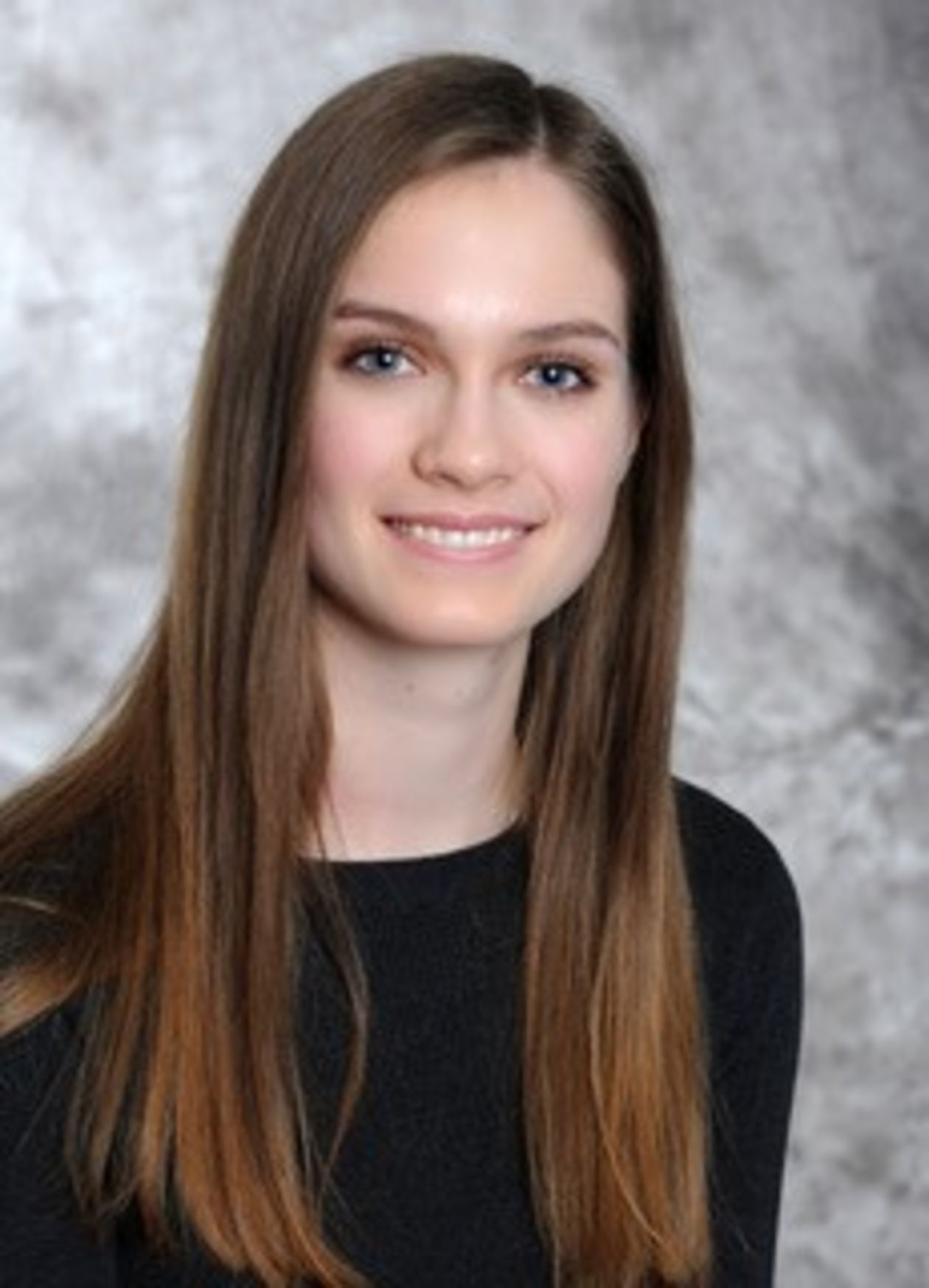
Julia Bremser

Julia Bremser completed her bachelor's degree in Molecular Biomedicine at the University of Bonn, where she developed an interest in immunology. In her bachelor’s thesis, she investigated the effect of high glucose on the functionality of antigen-presenting cells. She continued her studies at the University of Bonn in Medical Immunosciences and Infection. During her master’s program, she completed a research internship at the Karolinska Institutet, where she was introduced to immuno-oncology and developed a strong interest in this field. Motivated by this, she focused on combining CAR-NK cell therapy with NK cell checkpoint deletion and innate immune activation in her master’s thesis.

After a brief period in industry, where she worked on improving immunotherapies with TCR Bispecifics, she decided to return to academic research to pursue her PhD in the group of Prof. Judith Feucht. As part of the GRK 2381 “cGMP: From Bedside to Bench,” she is investigating NO/cGMP signaling in CAR-T cells to enhance their therapeutic efficacy.

Kim Hebbel

Kim Hebbel completed her bachelor's degree in Molecular Medicine at the University of Tübingen. During her studies, she spent one year at the University of Zürich to study Biomedicine abroad. In her bachelor's thesis, she focused on the interplay between senescence and the NLRP3 inflammasome. She then stayed in Tübingen to start her master's degree in Molecular Medicine, with a special focus on oncology and immunology. During her master's thesis, she first came into contact with immunotherapies, focusing on improving CAR T cell therapy against AML by exploiting senescence. Finally, she decided to do a PhD in Prof. Judith Feucht’s lab to investigate cGMP signaling in CAR T cells to improve their therapeutic efficacy.


5 Key Publications

Jain N, Zhao Z, Feucht J, Koche R, Iyer A, Dobrin A, Mansilla-Soto J, Yang J, Zhan Y, Lopez M, Gunset G, Sadelain M. 2023. TET2 guards against unchecked BATF3-induced CAR T cell expansion. Nature 10.1038/s41586-022-05692-z

Odak A, Yuan H, Feucht J, Cantu VA, Mansilla-Soto J, Kogel F, Eyquem J, Everett JK, Bushman FD, Leslie C, Sadelain M. 2023. Novel extragenic genomic safe harbors for precise therapeutic T cell engineering. Blood 10.1182/blood.2022018924

Amor C, Feucht J, Leibold J, Ho YJ, Zhu C, Alonso-Curbelo D, Mansilla-Soto J, Boyer JA, Li X, Giavridis T, Kulick A, Houlihan S, Peerschke E, Friedman SL, Ponomarev V, Piersigilli A, Sadelain M, Lowe SW. 2020. Senolytic CAR T cells reverse senescence-associated pathologies. Nature 583:127-32. doi:10.1038/s41586-020-2403-9

Feucht J, Sun J, Eyquem J, Ho YJ, Zhao Z, Leibold J, Dobrin A, Cabriolu A, Hamieh M, Sadelain M. 2019. Calibration of CAR activation potential directs alternative T cell fates and therapeutic potency. Nat Med 25:82-8. doi:10.1038/s41591-018-0290-5

Mansilla-Soto J, Eyquem J, Haubner S, Hamieh M, Feucht J, Paillon N, Zucchetti AE, Li Z, Sjostrand M, Lindenbergh PL, Saetersmoen M, Dobrin A, Maurin M, Iyer A, Garcia Angus A, Miele MM, Zhao Z, Giavridis T, van der Stegen SJC, Tamzalit F, Riviere I, Huse M, Hendrickson RC, Hivroz C, Sadelain M. 2022. HLA-independent T cell receptors for targeting tumors with low antigen density. Nat Med 28:345-52. doi:10.1038/s41591-021-01621-1