Hector Research Institute of Education Sciences and Psychology
Scientific support of the Hector Children’s Academies
What are the Hector Children's Academies?
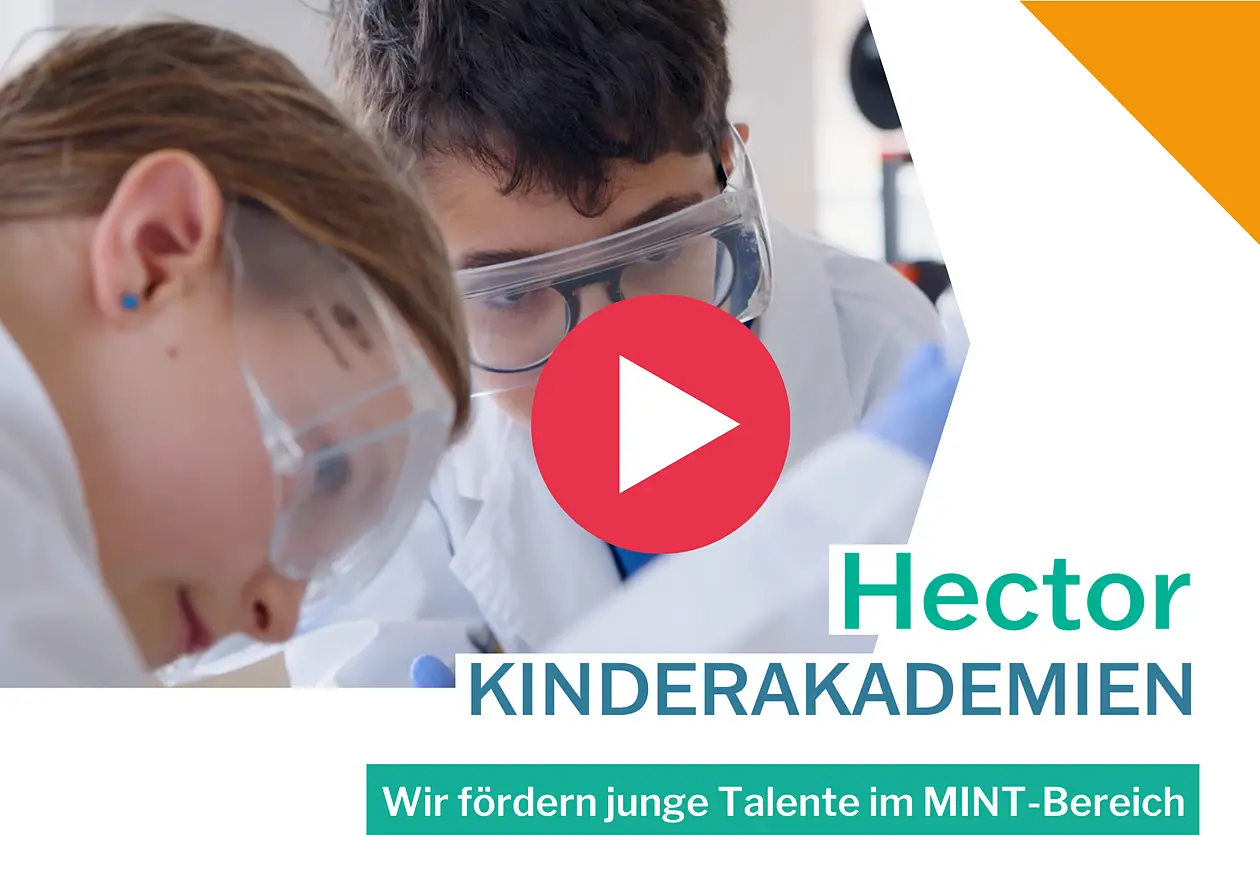
The Hector Children’sAcademiesaretheonly national support programforparticularlygifted and highlygiftedprimaryschoolchildren in Baden-Württemberg. Theyoffer a voluntary, supplementaryeducationalprogramthatgoesfarbeyondregularschoolcontent.
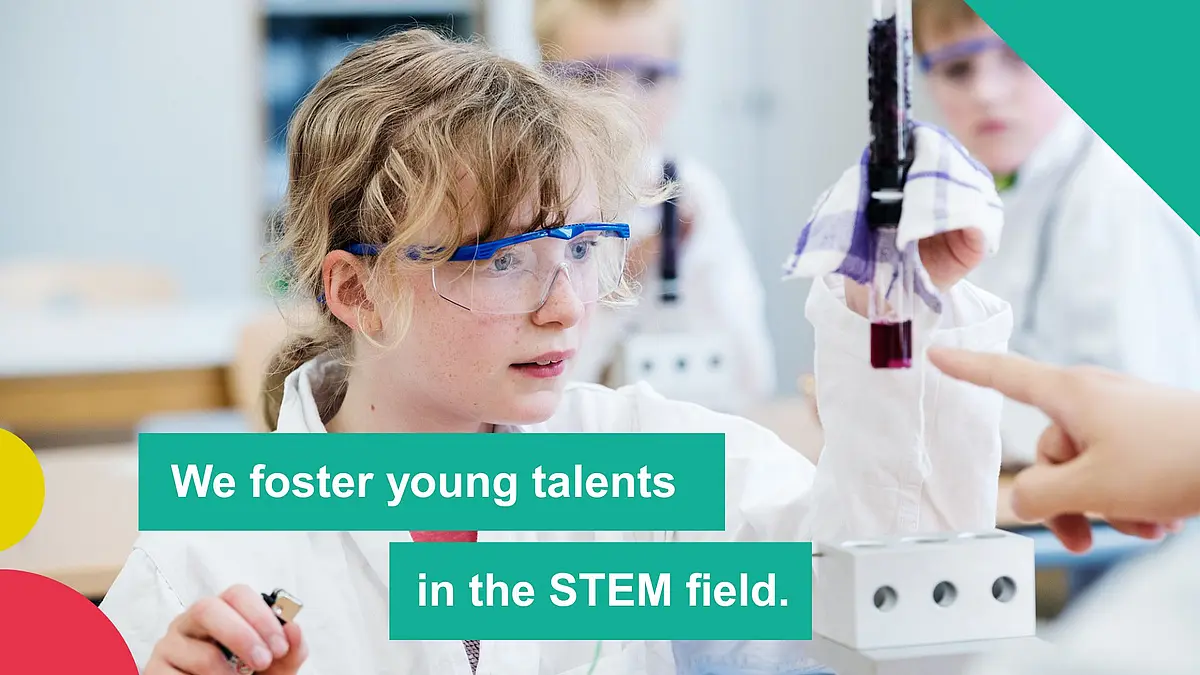
The specially designed course program deliberately focuses on intellectual and social challenges. It aims to support the children’s interests and potentials, deepen subject-specific knowledge, convey new skills, and encourage creativity. The content focus lies on the STEM subjects (Mathematics, Computer Science/ Informatics, Natural Sciences, and Technology).
Learn more about our research
Making knowledge usable
Effectiveness Research with Direct Practical Transfer
The projectisscientificallysupportedby Prof. Dr. Ulrich Trautwein and Prof. Dr. Jessika Golle (Hector Institute forEmpirical Educational Research, Tübingen), aswellasbyProf. Dr. Marcus Hasselhorn (DIPF, Frankfurt). The researchexaminestheeffectivenessoftheprogram and its individual components. The goalistomakegeneralizablestatementsaboutthepossibilities and limitationsofgiftededucation.
The scientific support takesplaceaspartof a formative evaluation, so thatcentralfindingscancontinuouslyflowintothepracticalimplementationofthe Hector Children’sAcademies. A keychallengeistoconsider site-specificconditionswhilesimultaneouslyensuring uniform, quality-assured support across all locations.