Prof. Dr. Katerina Harvati is head of the Section of Palaeoanthropology founded in 2009 as part of the Senckenberg Centre for Human Evolution and Palaeoenvironment (HEP), a cooperation between the University of Tübingen and the Senckenberg Research Institution.

Our research focus is on Pleistocene human evolution with a special focus on Neanderthal paleobiology and modern human origins; functional anatomy, adaptation and relationship of skeletal morphology to genetics and environment in primates and humans; growth and development in human and non-human primates; and human skeletal analysis. We approach these research topics from a quantitative perspective, and one of the strengths of our section is the use of state of the art computer assisted imaging and analysis techniques, such as virtual anthropology, high resolution computing tomography and geometric morphometrics. Our imaging laboratory is one of the best equipped in the country.

The ASHE Kolloquium takes place on Fridays from 10am to 12pm c.t. in room S320 at Hölderlinstr. 12

Selected recent Publications

07/2026 
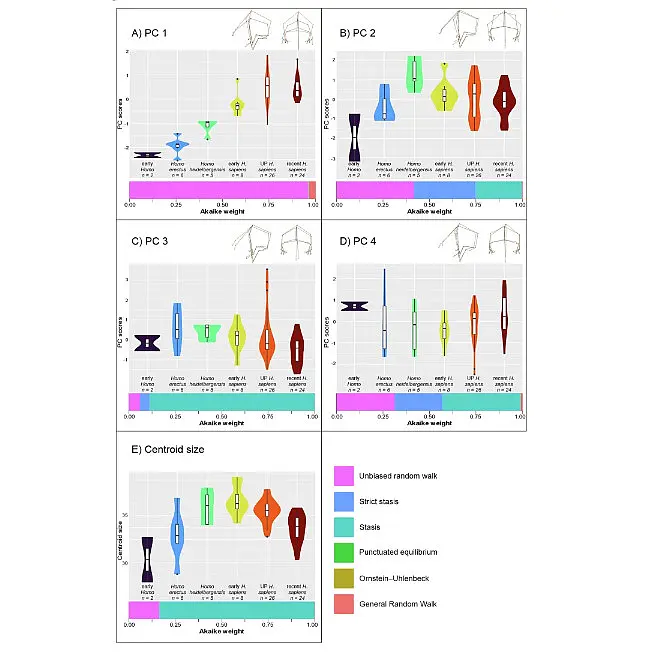
Evolutionary drivers of encephalization and facial reduction in the genus Homo

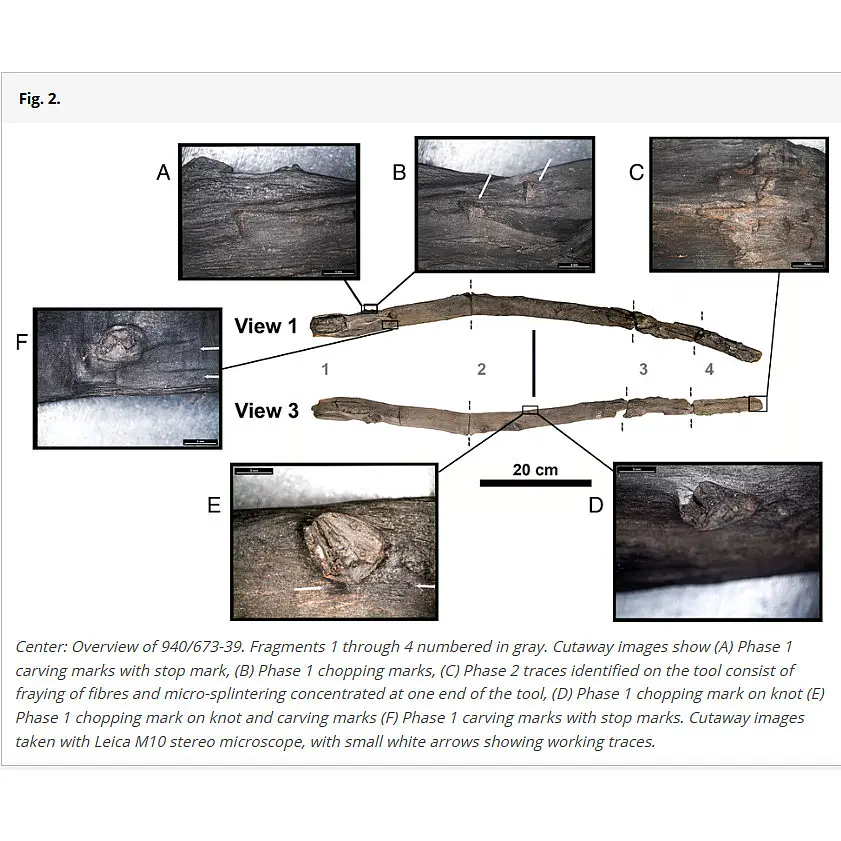
01/2026 Evidence for the earliest hominin use of wooden handheld tools found at Marathousa 1 (Greece)

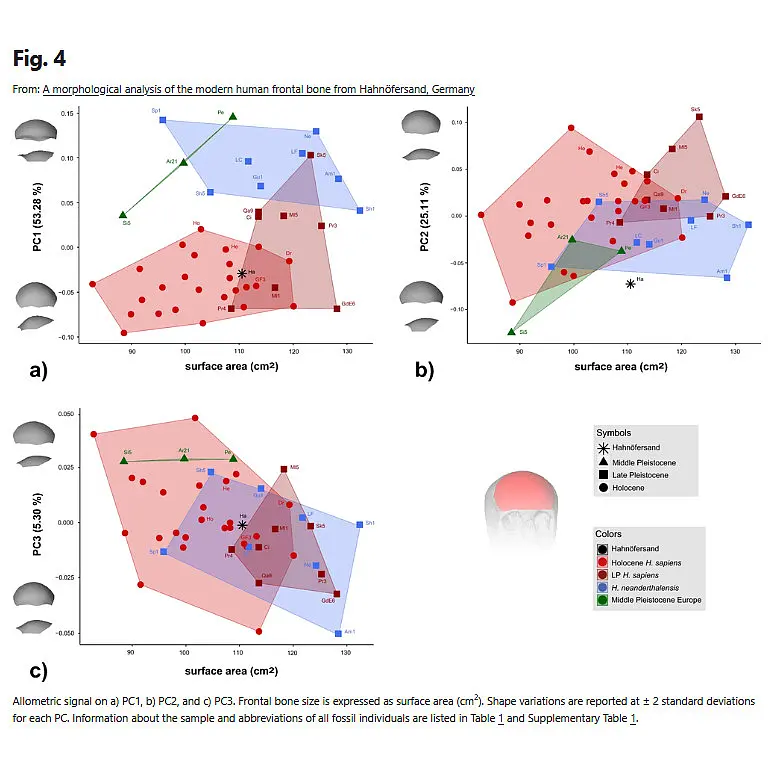
04/2026 A morphological analysis of the modern human frontal bone from Hahnöfersand, Germany

04/2026 
The role of the Eastern Mediterranean in human evolution: recent results from Greece

04/2026 
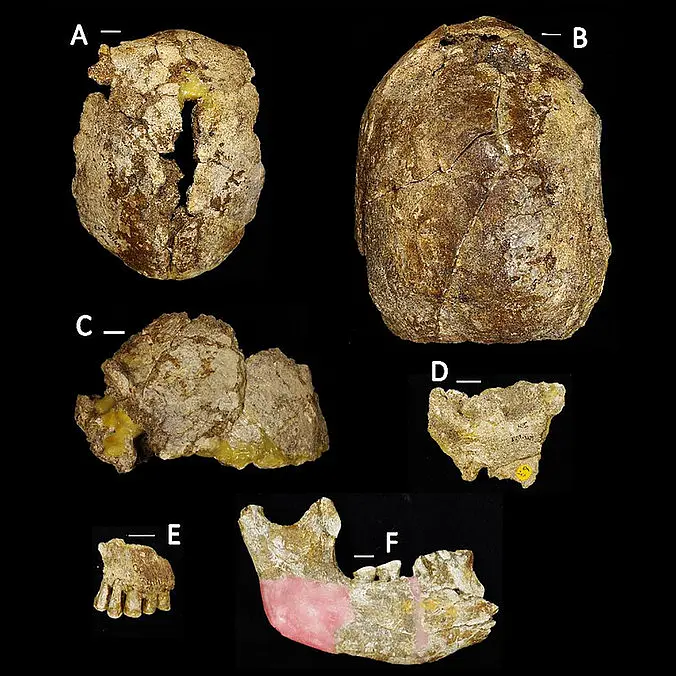
The morphological affinities of the fossil cranium from Kabua, Kenya

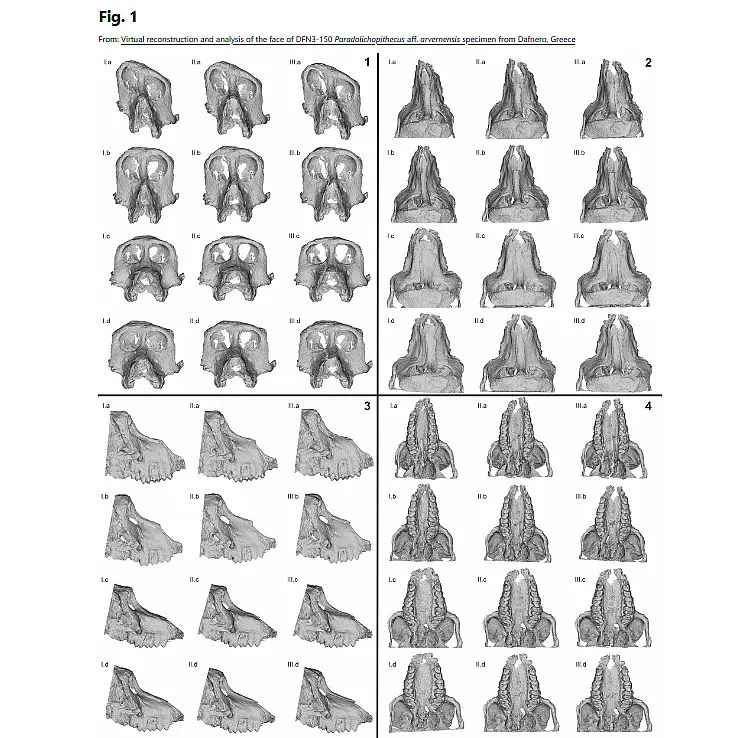
05/2026 Virtual reconstruction and analysis of the face of DFN3-150 Paradolichopithecus aff. arvernensis specimen from Dafnero, Greece

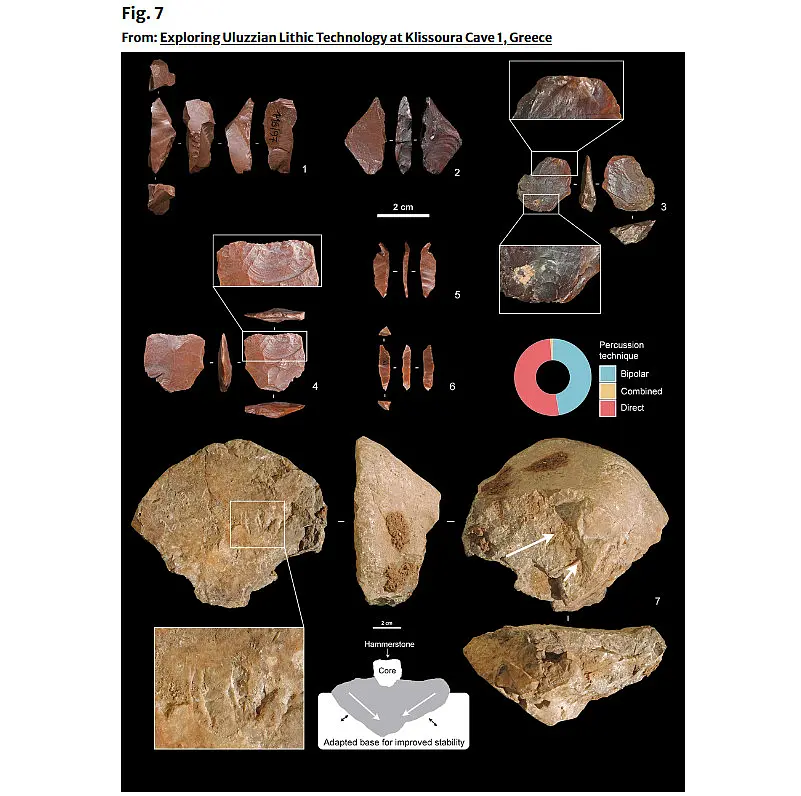
07/2026 Exploring Uluzzian Lithic Technology at Klissoura Cave 1, Greece

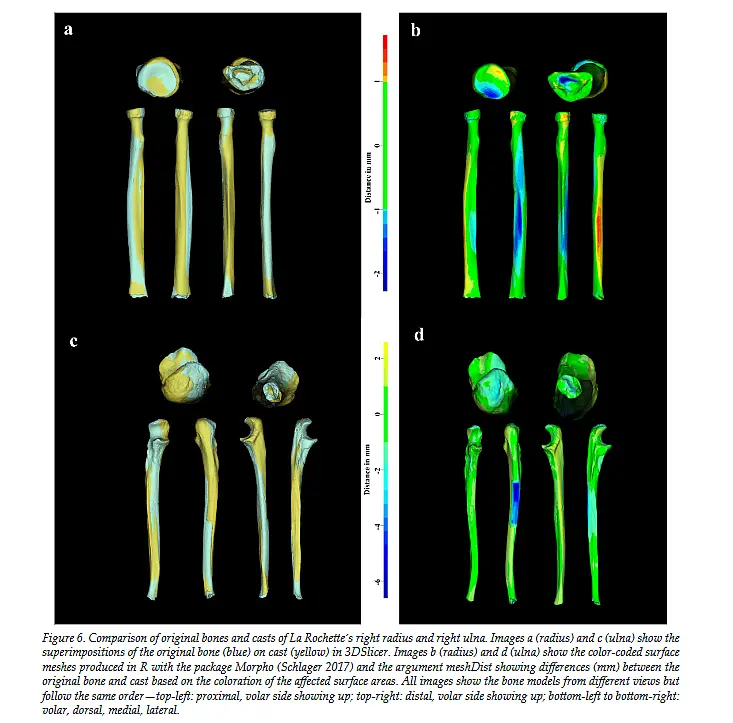
08/2025 A Reinvestigation of the Upper Paleolithic Postcranial Human Remainsfrom the La Rochette Rock Shelter (Saint-Léon-sur-Vézère, France)