The research focus of our group entails the genetic analysis of ancient human, pathogen, and animal diversity. We apply cutting-edge computational pipelines and molecular biology methodologies to extract genomic information from ancient specimens, to aid the understanding of human history and evolution over tens of millennia. Our interests span from reconstructing the demographic history of Neanderthal populations to tracking human dispersals during the Late Pleistocene and early Holocene across Eurasia. Moreover, our team investigates the genetic history of early inhabitants of the Asia-Pacific region and the peopling of the Americas. In more recent periods, our group is engaged in reconstructing the mobility, admixture and living conditions of historical populations through the genomic analysis of humans and their associated pathogens. Our research expands beyond human fossils by investigating multiple ancient DNA sources including ancient animal and plant remains, coprolites, and cave sediments, as part of the Leibniz Science Campus "Geogenomic Archaeology Campus Tübingen (GACT)".
Dept. Archaeo- and Palaeogenetics Hölderlinstraße 12, 72074 Tübingen
Ancient genomes reveal distinct human dispersals and social stratification in the settlement history of western Remote Oceania
05/2026 (Scientific Reports) Ancient DNA from the Upper Paleolithic mammoth ivory of Hohle Fels, Germany
09/2025 (Nature Ecology & Evolution) Mitochondrial genomes of Middle Pleistocene horses from the open-air site complex of Schöningen
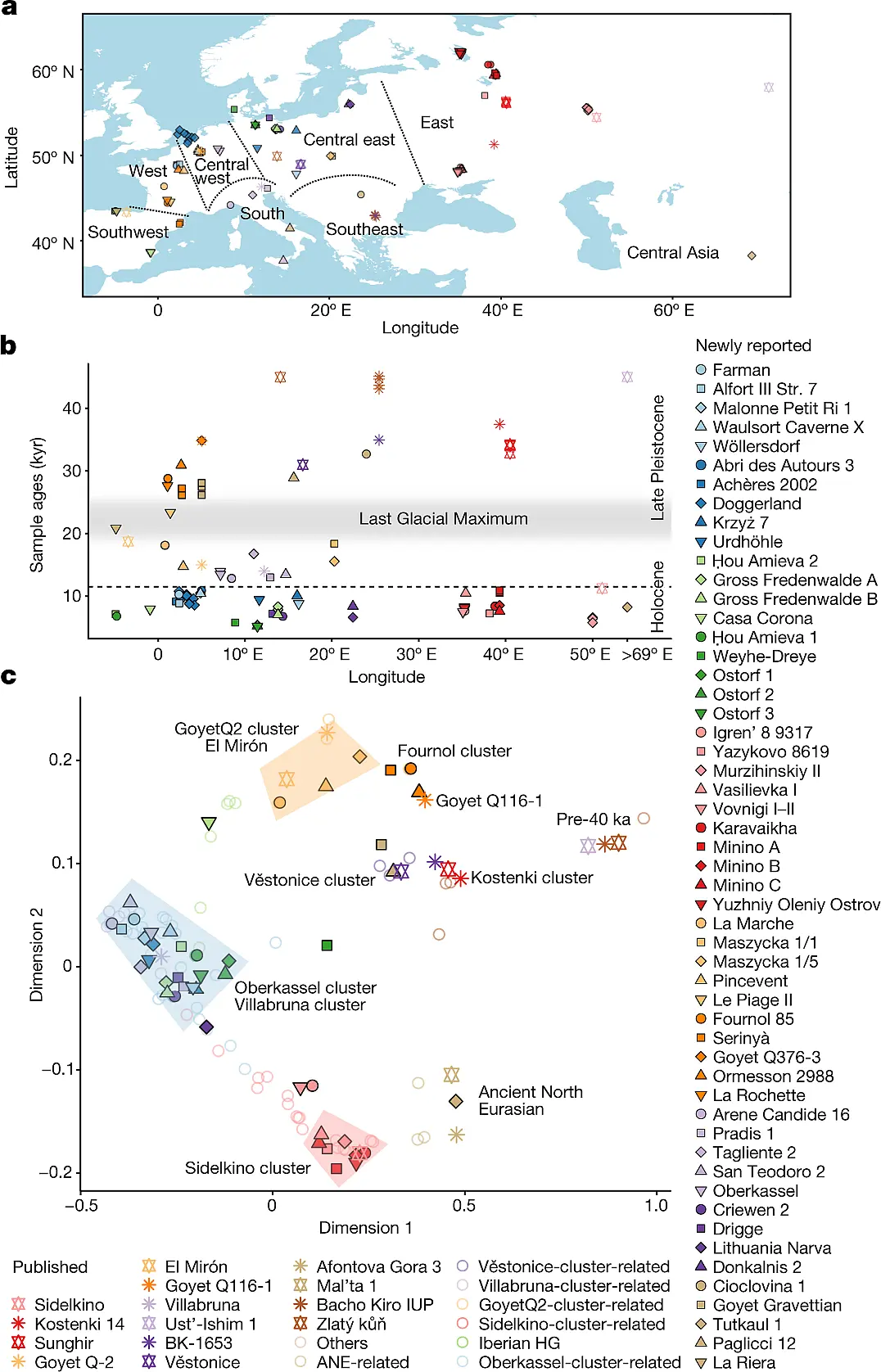
03/2023 (Nature) Palaeogenomics of Upper Palaeolithic to Neolithic European hunter-gatherers
08/2021 (Nature) Hunter-gatherer genome from Wallacea
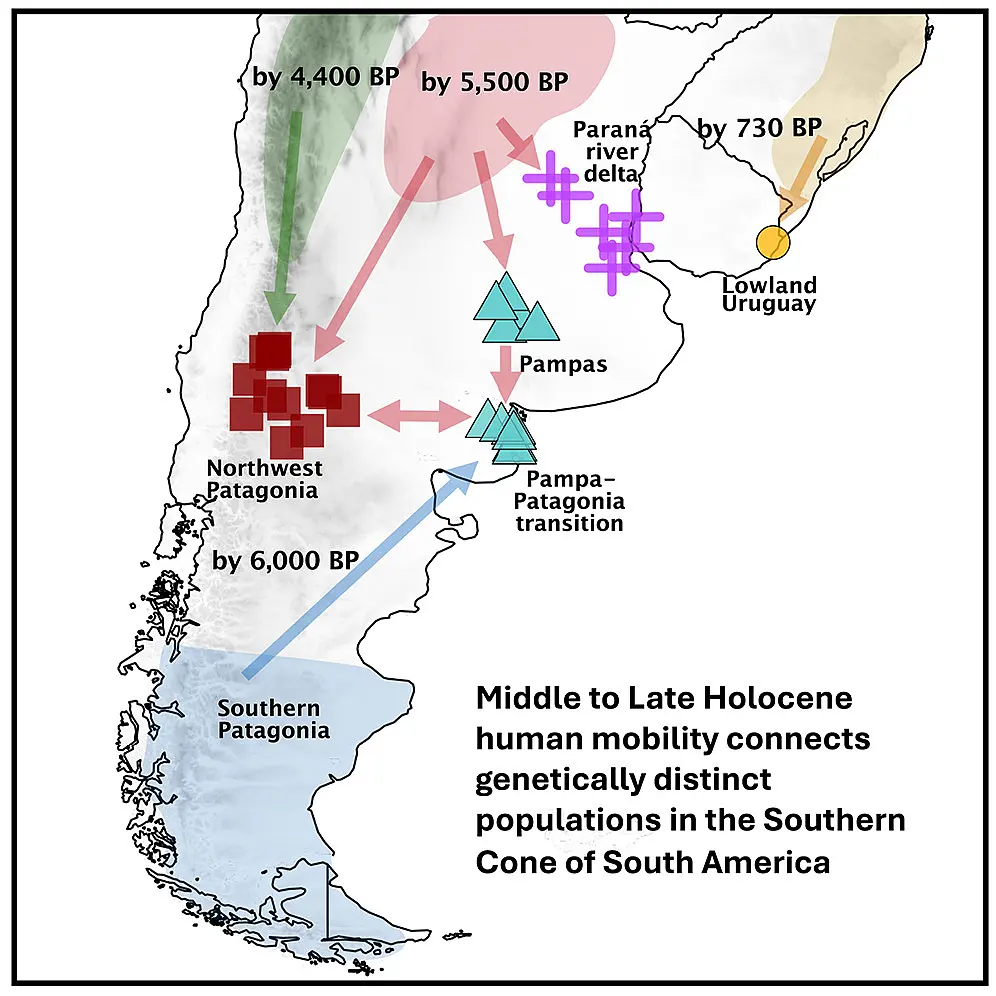
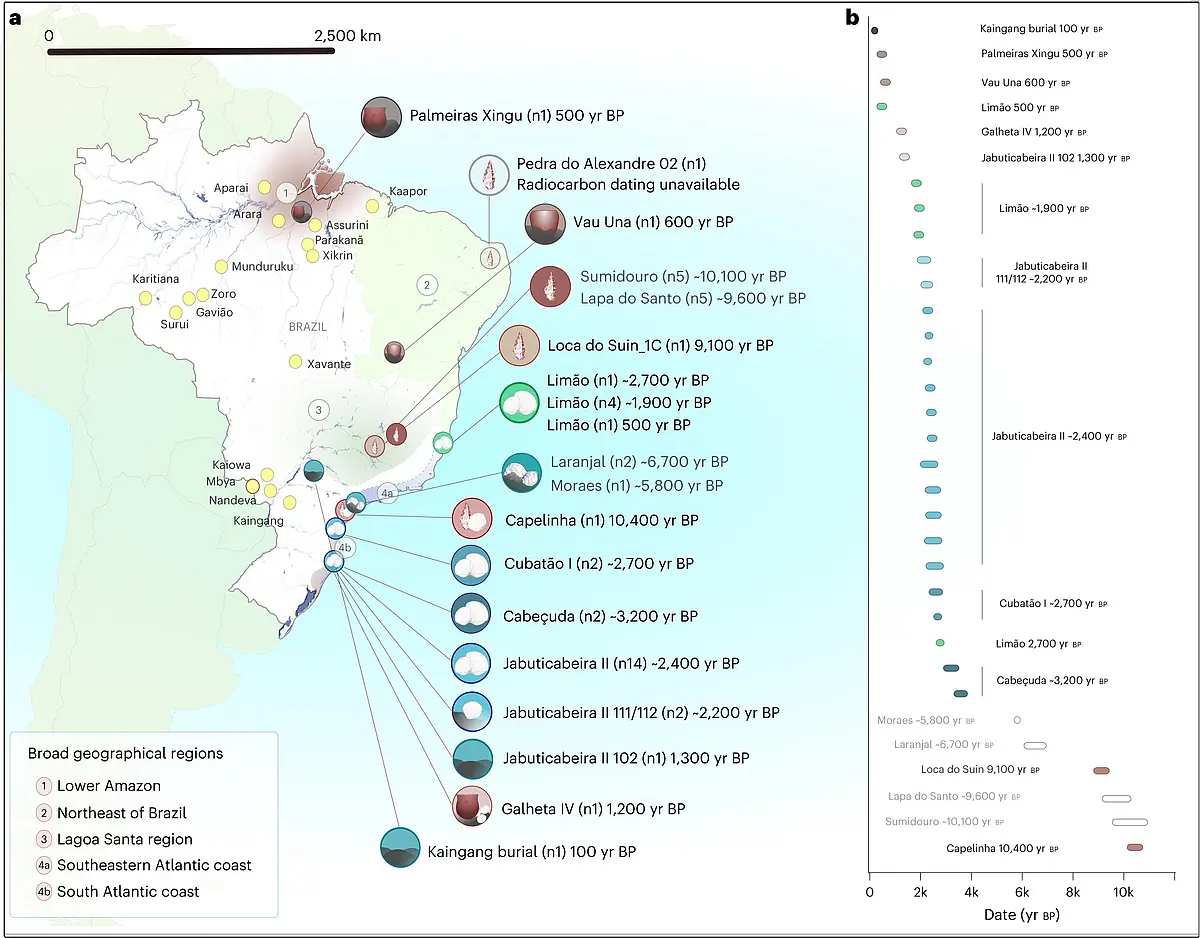
05/2026 (Current Biology) The shared genomic history of Middle- to Late-Holocene populations from the Southern Cone of South America
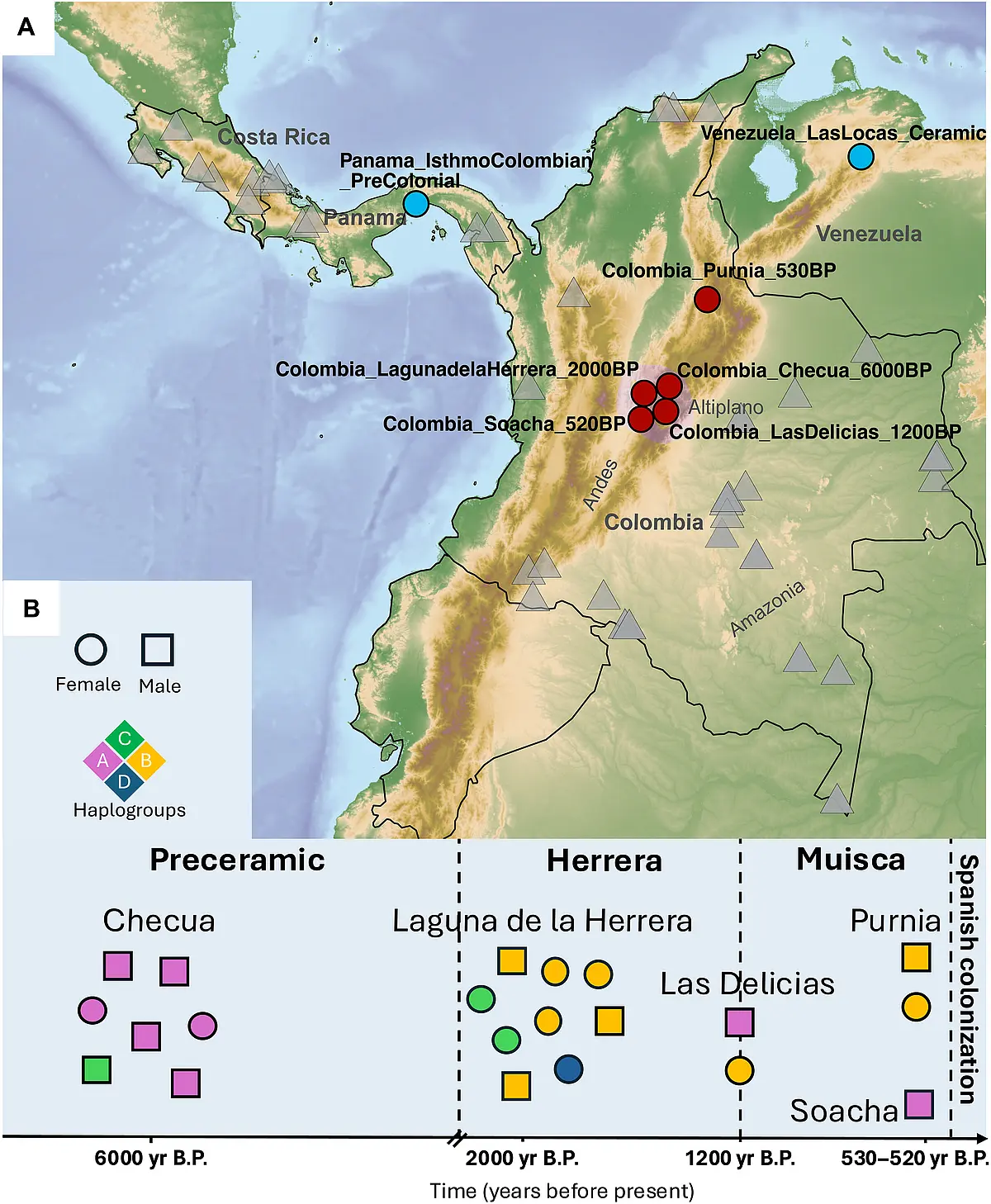
05/2025 (Science Advances) A 6000-year-long genomic transect from the Bogotá Altiplano reveals multiple genetic shifts in the demographic history of Colombia