Baden-Württembergisches Brasilien- und Lateinamerika-Zentrum
TRT Brazil & Chile (2023-2024)
Images of the invisible territories: Transects of the Bioceanic Corridor Brazil/Chile
The project is a comprehensive exploratory study by a group of researchers from Germany, Brazil, Chile, Mexico and Argentina. From a multidisciplinary viewpoint, when looking at the road/railway line, the research starts from a central question concerning the (in)visible: are there, in its narratives, visualities, and/or political themes analytical instruments that allow us to produce knowledge from the perspective of the Latin American territory? The objective is to generate a catalogue of images of social actors which tell about experiences, ways of occupying and using the land, and of dealing with conflicts, which emerge in the production (and configuration) of a territory.
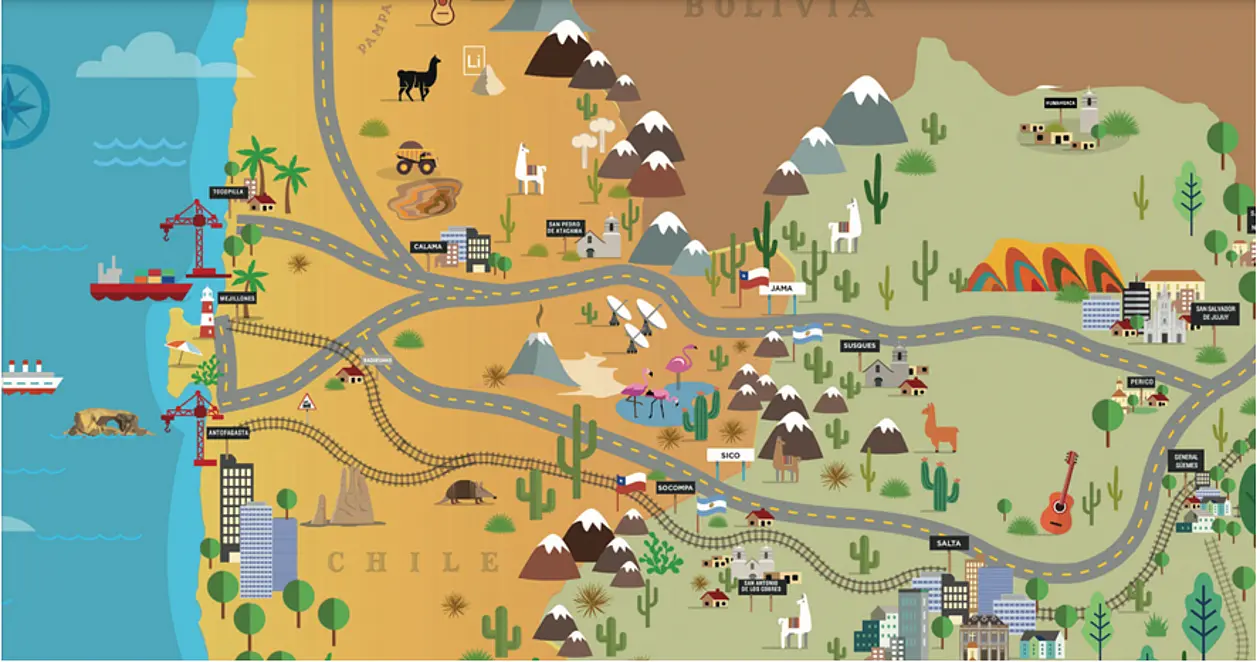
Source: Miguel Atienza, Herman Cortés (Editores) (2021) Impactos económicos y sociales del corredor bioceánico vial en la región de Antofagasta. Una evaluación preliminar, diseño de portada: Alejandro Pinochet Galleguillos - Origen Visual.
Researchers
Fernando Resende (UFF, Brazil) /Professor at the Department of Media and Cultural Studies and the Graduate Program in Communication, at Universidade Federal Fluminense, Brazil.
Prof. Dr. Dorothee Kimmich (UT).
Dr. Nelson Arellano Escudero, Independent. Principal researcher Fondecyt Project 1250560 (2025-2029) Building a solar State".
Prof. Dr. Frederico de Mello Brandão Tavares, Associate Professor at the Federal University of Ouro Preto (UFOP, Brazil).
Prof. Dr. María Lugones - Social Sciences Departament of the “María Saleme de Burnichon” Research Center of the Faculty of Philosophy and Humanities (CIFFyH), and a tenured Professor of Cultural Anthropology at the National University of Córdoba (UNC, Argentina).
Prof. Dr. Carlos Sanhueza Cerda, Department of History, Universidad de Chile.
Louise Ganz, Department of Fine Arts at the Guignard School, Universidade do Estado de Minas Gerais (UEMG)
Prof. Dr. Armando Velazquez, Colegio de Letras Hispánicas - Universidad Nacional Autonoma de Mexico (UNAM, Mexico).
“Within this project I have developed the understanding of issues related to Latin American “geographical space”. Based on the premises that in Latin America “territory is a category of practice”, I have departed from theoretical concepts and images with the objective of problematizing issues related to political disputes over territory as significant parts of the formation of what we call “Latin America”. The searches I have made in the geographical landscape, projected by Bioceanico, has given me a lot of inputs regarding the use of land in Latin America. This way I moved towards comprehending how the Bioceanico Project, might be seen (and be used) as one more mechanism to occupy the land, which through the domains of power was once projected as ´empty´”.
Fernando Resende (UFF)
Dorothee Kimmich contributes her work on “no man’s lands” and the notion of property in the context of colonial history to the project, which touches upon the question of how so called “empty land” was “cultivated” by settlers. Railways represent a very interesting part of how land is discovered, cultivated, appropriated and is part of the transition of nature into “culture”. Often railways are the first steps to convert nature into “no man’s land” and later into property of states or individuals. Her contribution lies on the idea that in order to catalogue, categorize, collect, interpret, and reflect on images and texts about no man’s lands, it is vital to discuss the connection between ownership and non-ownership, between cultivation and property, and colonization and appropriation. The relation between what we call nature and culture is not only an ontological one but also a technical and a political one. Railways are in certain way the “stretches” that define the differences and at the same time the limits that bring both into contact.
Prof. Dr. Dorothee Kimmich (UT)
With an extensive international network, Dr. Nelson Arellano has built bridges between Latin American and European scholarship. His leadership in ICOHTEC and SHOT highlights his ability to convene scholars around urgent debates on technology, energy, and social justice.
Dr. Nelson Arellano Escudero
“The construction of railway lines, more than a phenomenon of industrial modernity, is also a symbol of its anachronistic temporalities. Trains and their routes displace projections of worlds, traversing and being traversed by narratives. I have been interested in thinking, in this context, about the paradoxes that permeate progress as a promise and ruin as an unavoidable end, indicating Latin American tensions present in life stories and media reports that inhabit territories marked by extractivism. This project has allowed me to take another look at the region where I work – a city very much constrained by mineral extractivism – and, subsequently at Latin America as a whole.”
Prof. Dr. Frederico de Mello Brandão Tavares
“The notion of tutelary is a guiding principle for my work, and there the conquest of the land is nodal, once it helps us think about our project taken from physical and symbolic territories. Art work, spread along the railway, produced by different Argentinian artists have turned out to be ideal instruments for my contribution to the project.”
Prof. Dr. María Lugones
“My contribution addressed the scientific aspects of the bioceanic corridor, particularly that of the 19th-century German explorer Rudolph Philippi. Through this project, the naturalist's study was viewed not only as that of a European scientist in an unknown territory, but also from the perspective of how the desert territory transformed Philippi's vision.”
Prof. Dr. Carlos Sanhueza Cerda
Louise Ganz is a visual artist and architect who researches territory on a macro-geopolitical scale and nature, both through the presence of the body in places and through aerial photography. Through images, this project has given her the chance of offering a glimpse into the violence of colonialism – the mineralocene and the plantationcene. She also studies situations of ecological and socio-spatial resistance, such as the commons, particularly in Brazil.
Prof. Dr. Louise Ganz
“My focus is on the role that railway imaginaries have played as ideals of progress in Latin American literature; I particularly analyze the workRamal(2011) by the Chilean Cynthia Rimsky, in which she dismantles the idea of modernization associated with the railway by presenting the railway ruins that cross a part of Chile. My research seeks to show that the “failure of progress” in Latin America is inherent to colonial modernity itself, and not an anomaly within the “civilizing project” imposed for five centuries.”
Prof. Dr. Armando Velazquez
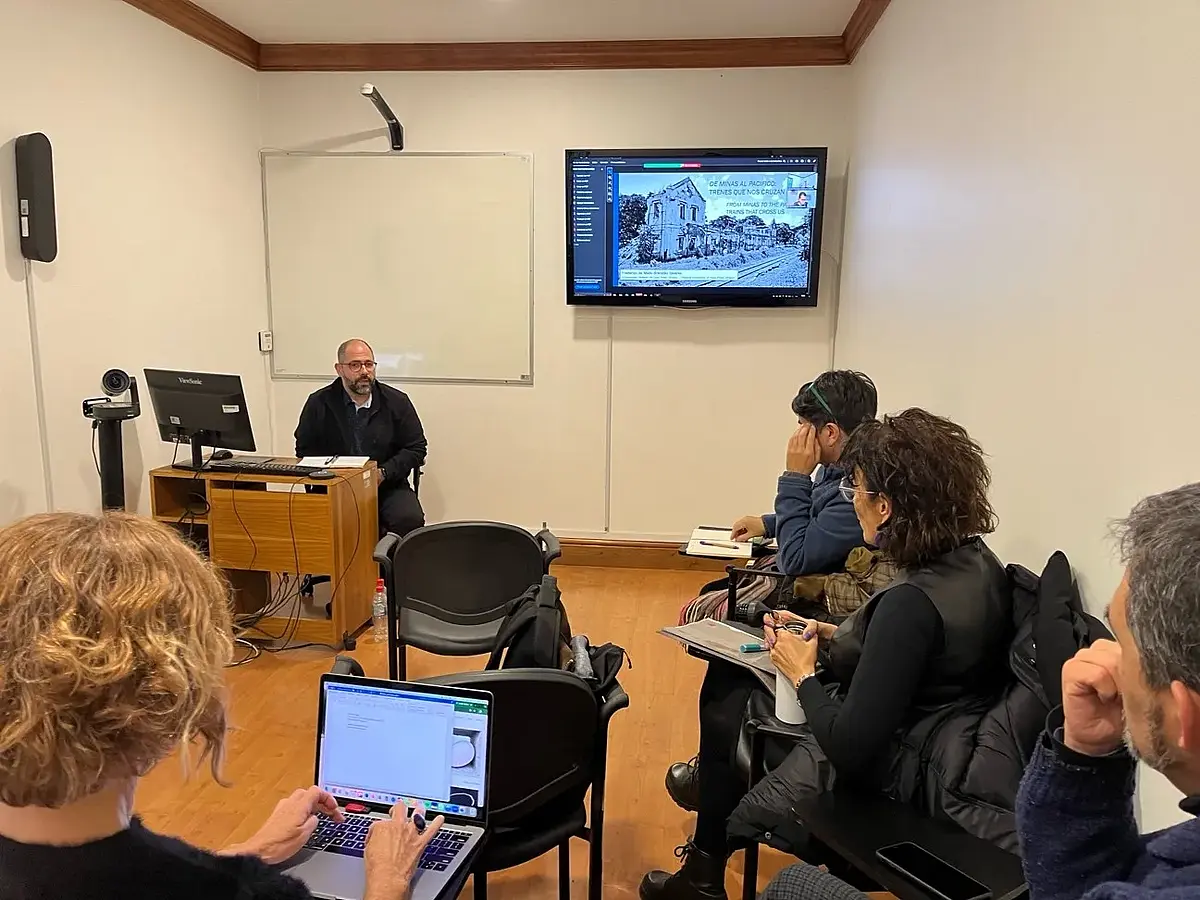
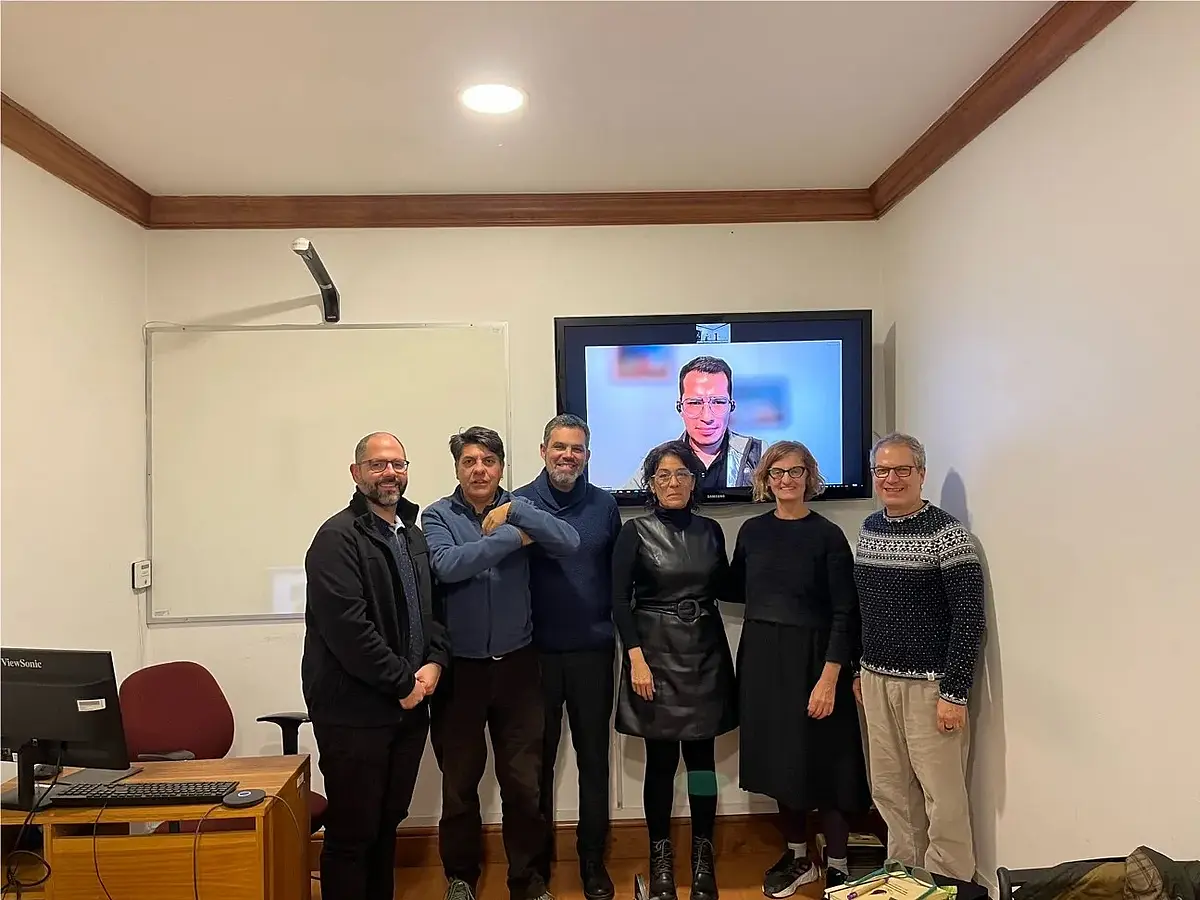
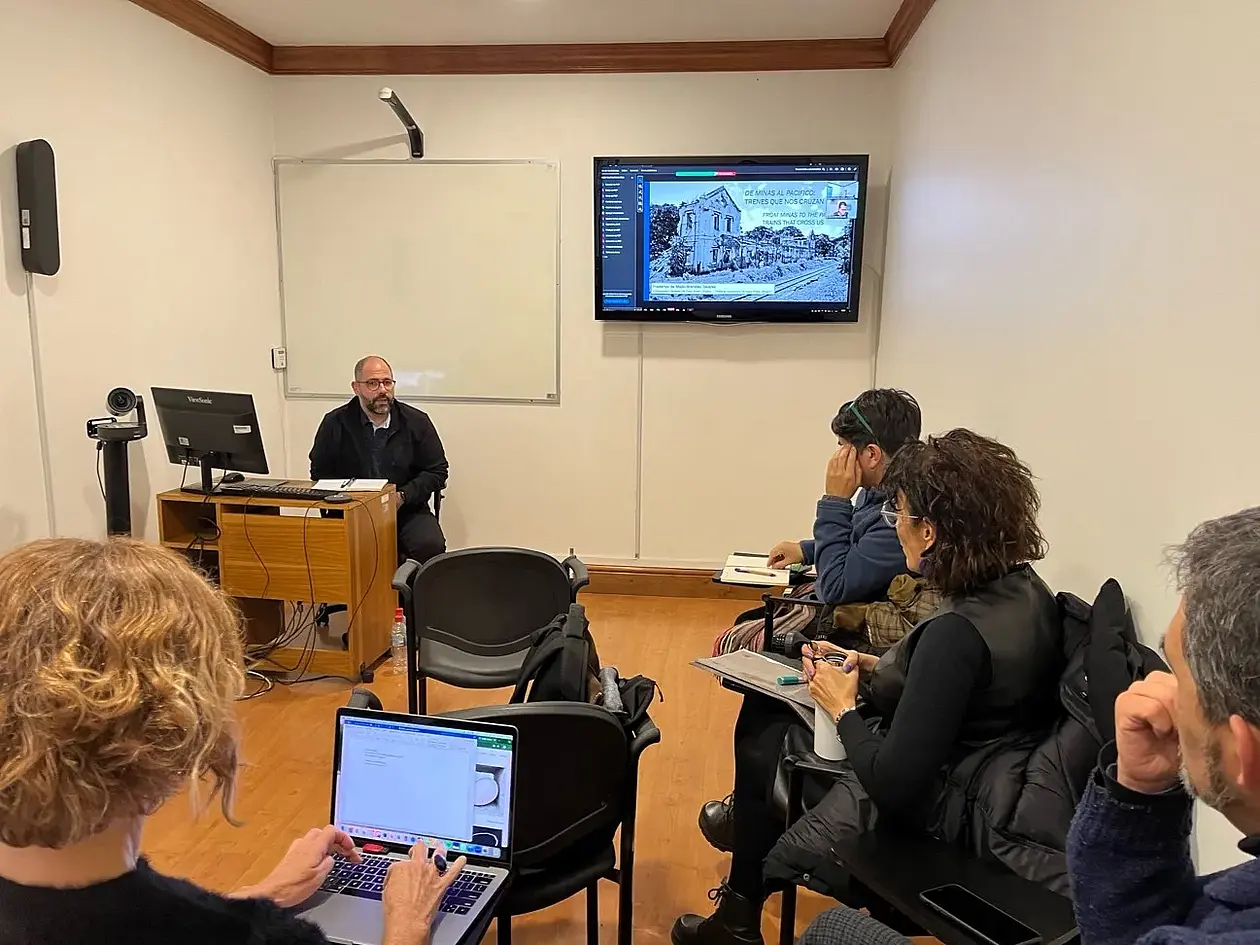
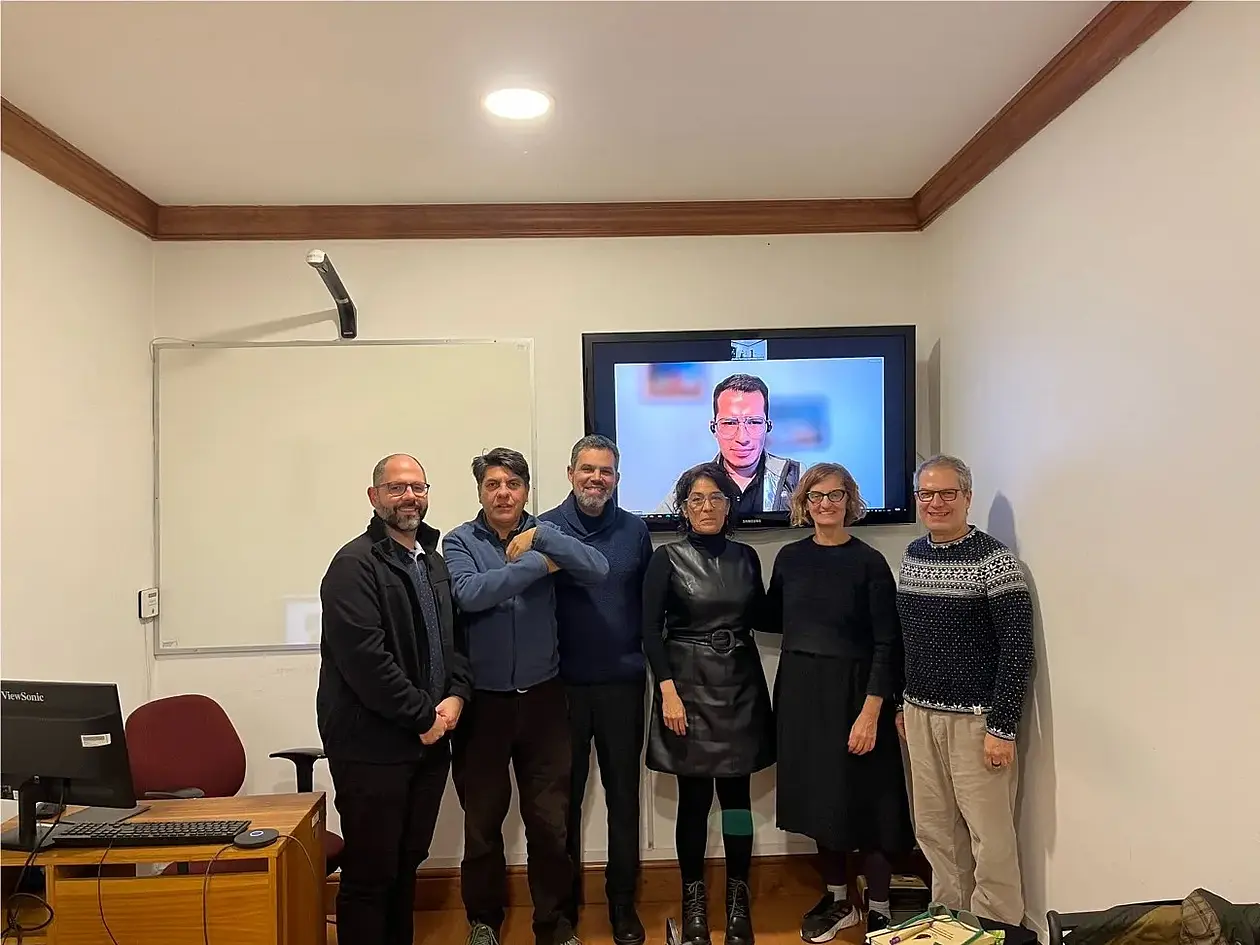
I Workshop (Santiago - Universidad de Chile, julho/2024)
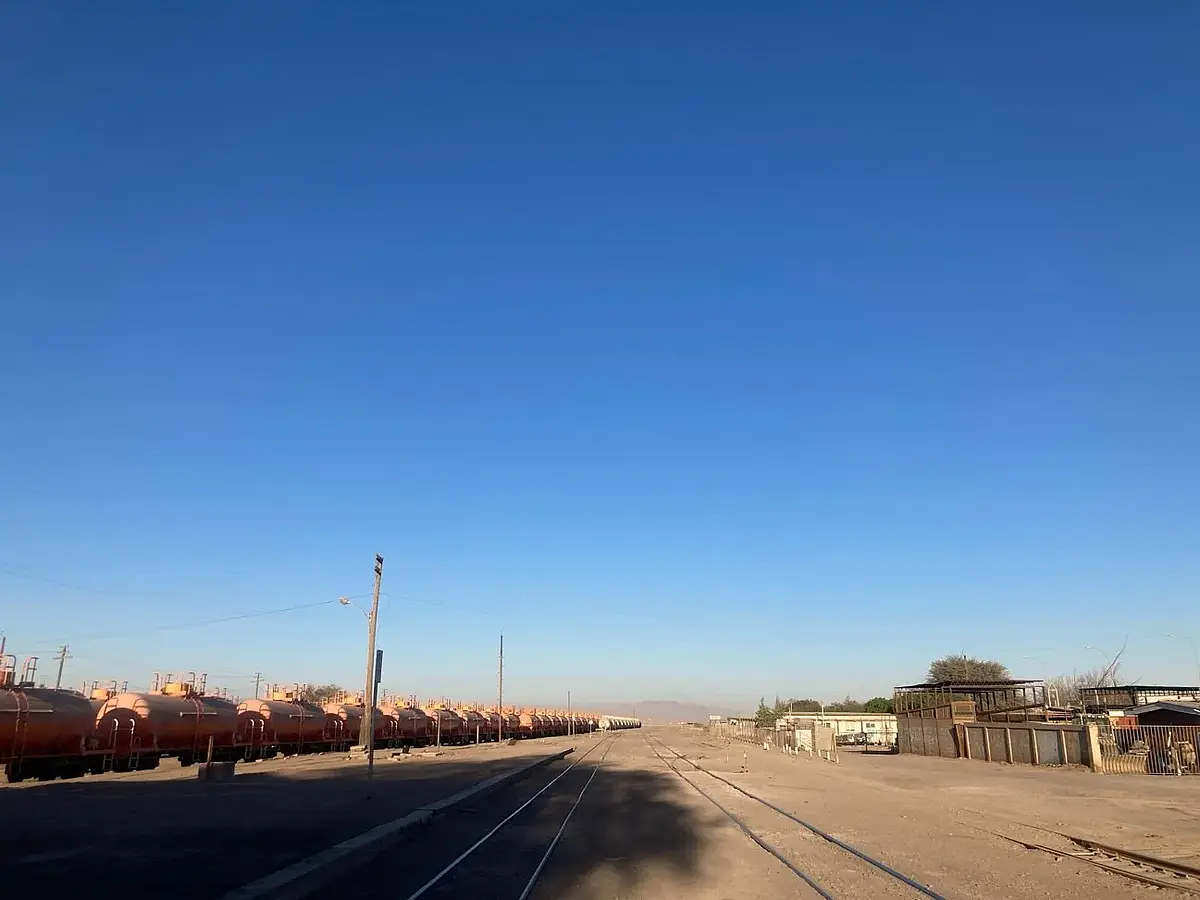
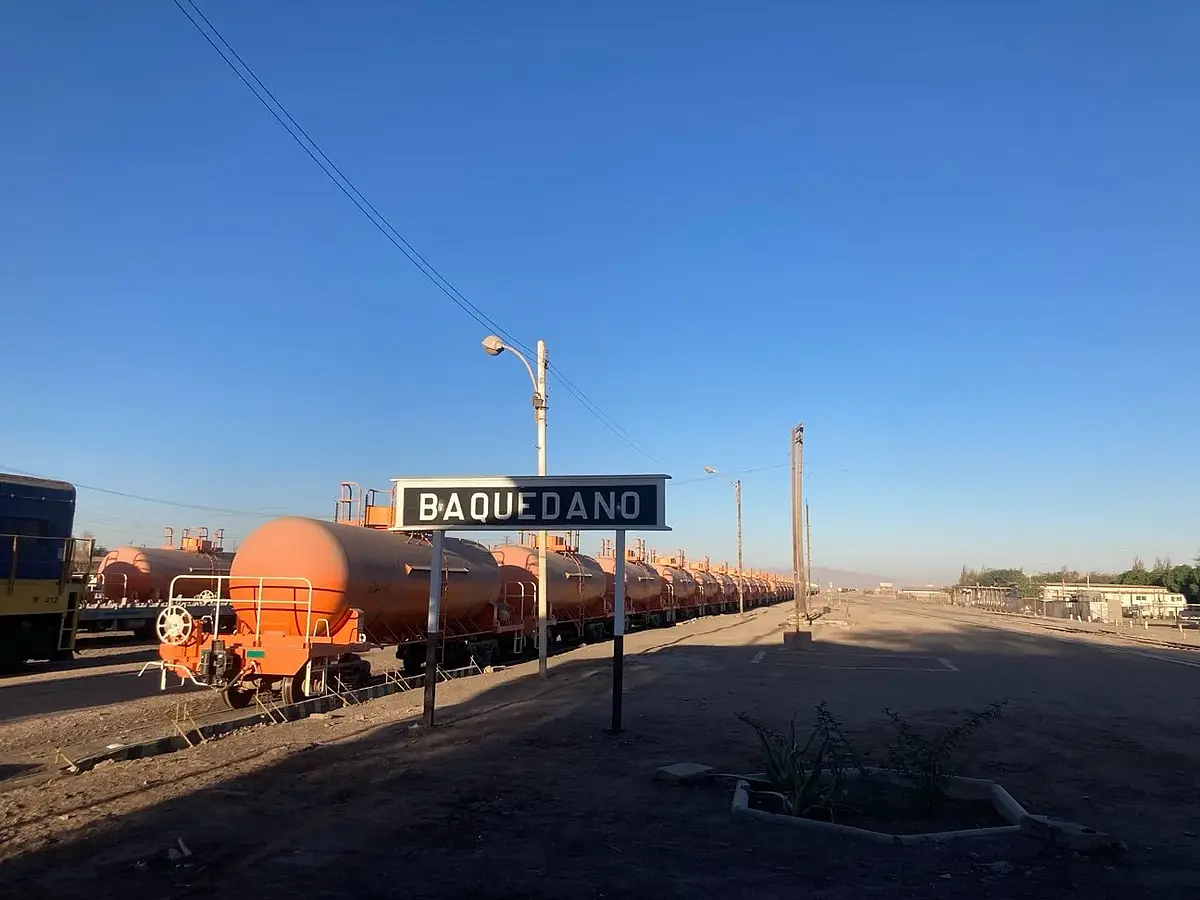
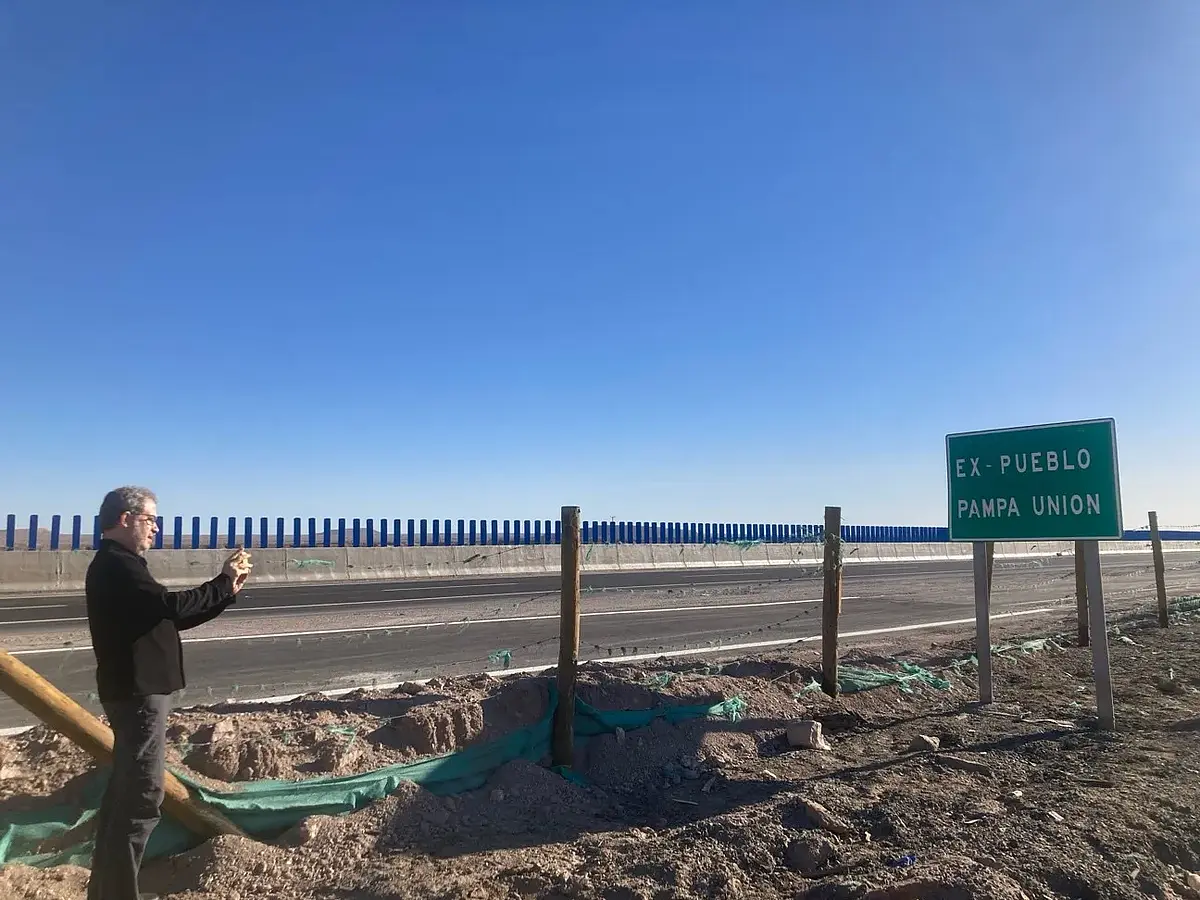
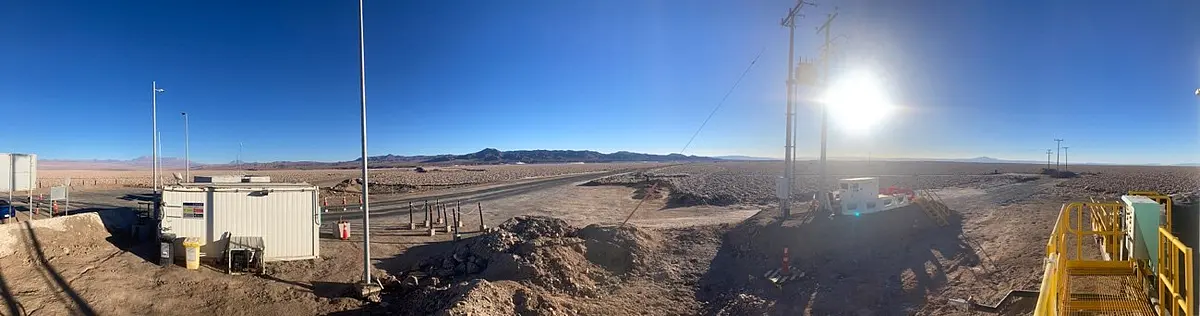
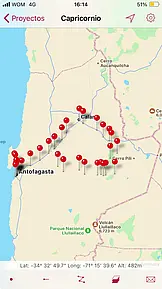
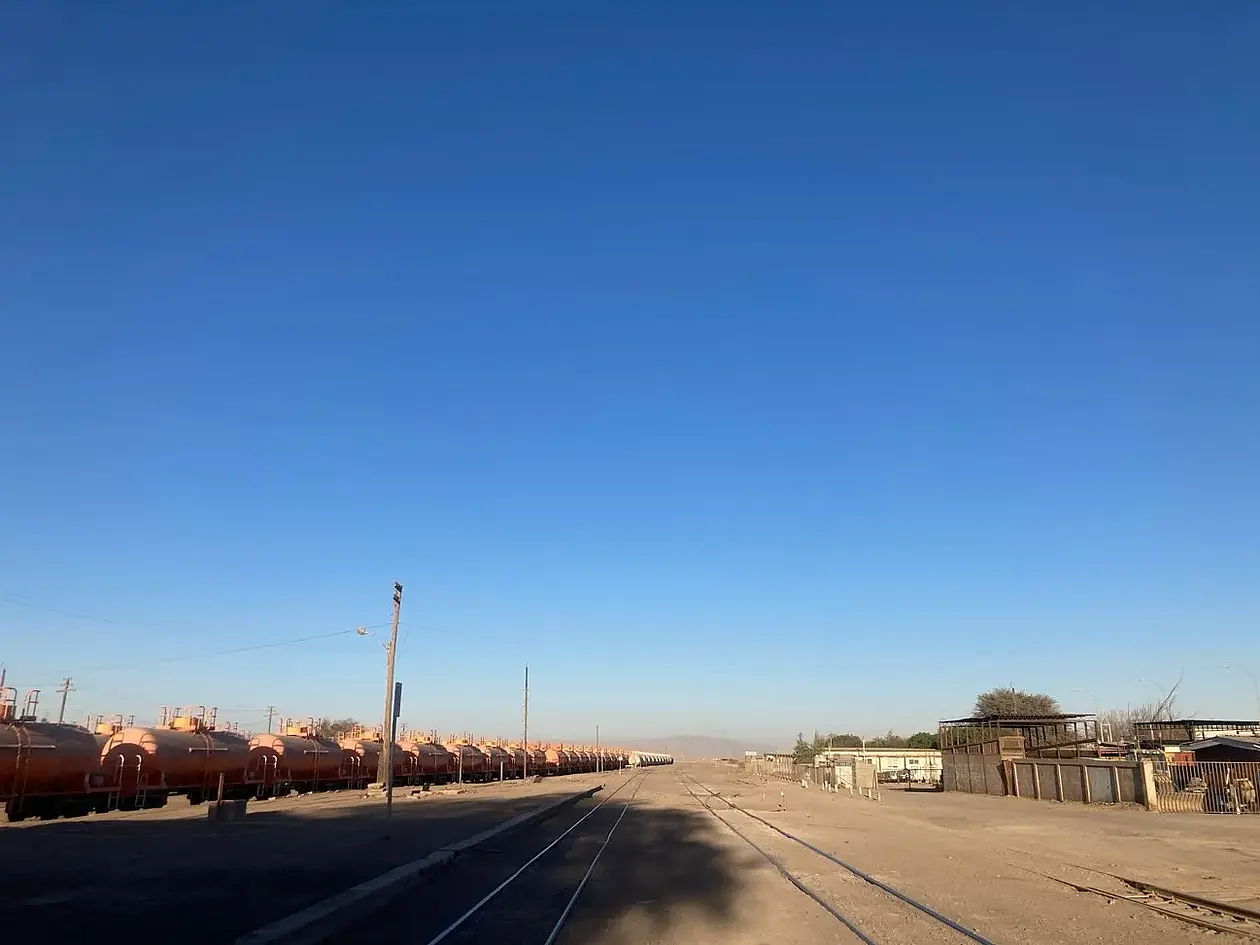
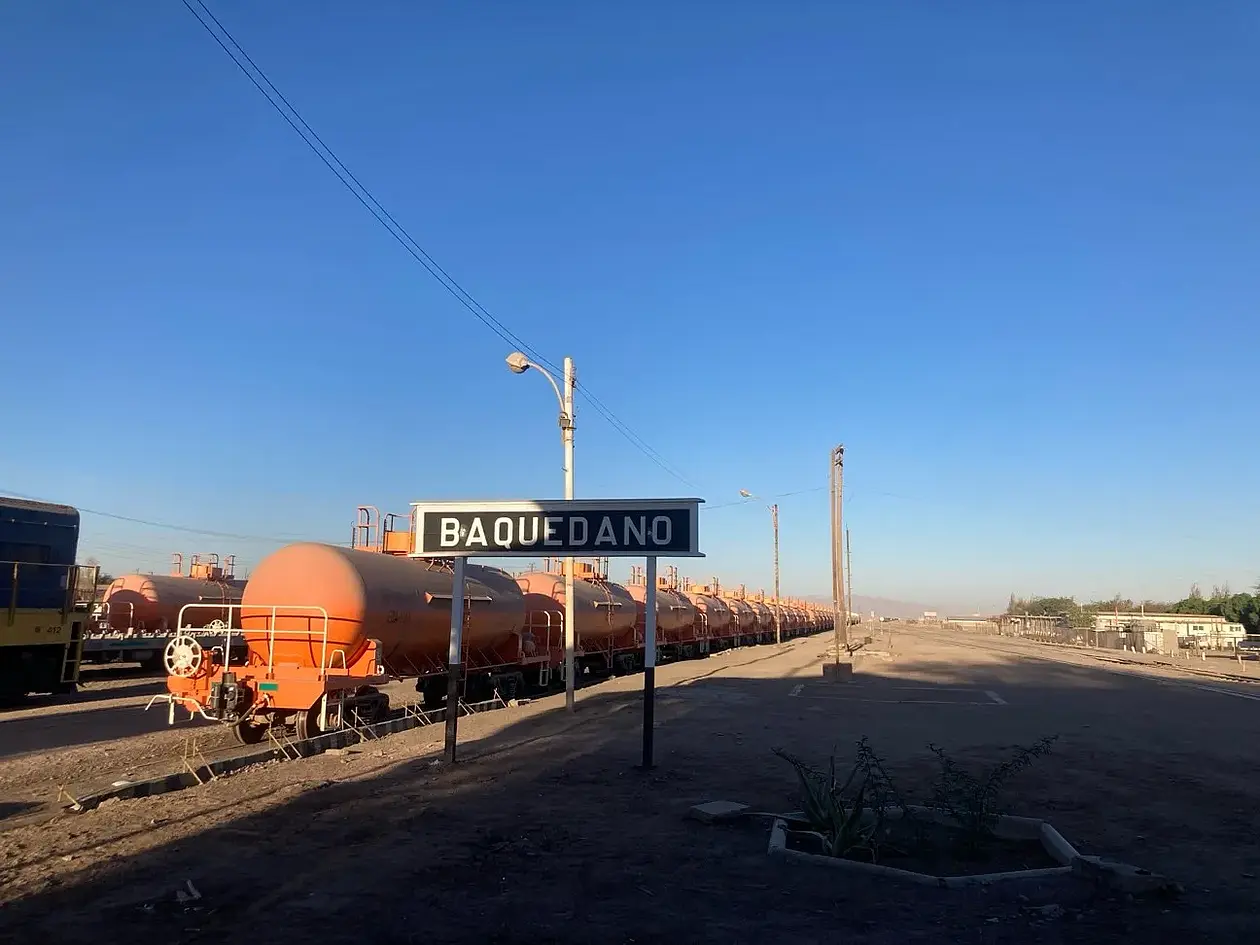
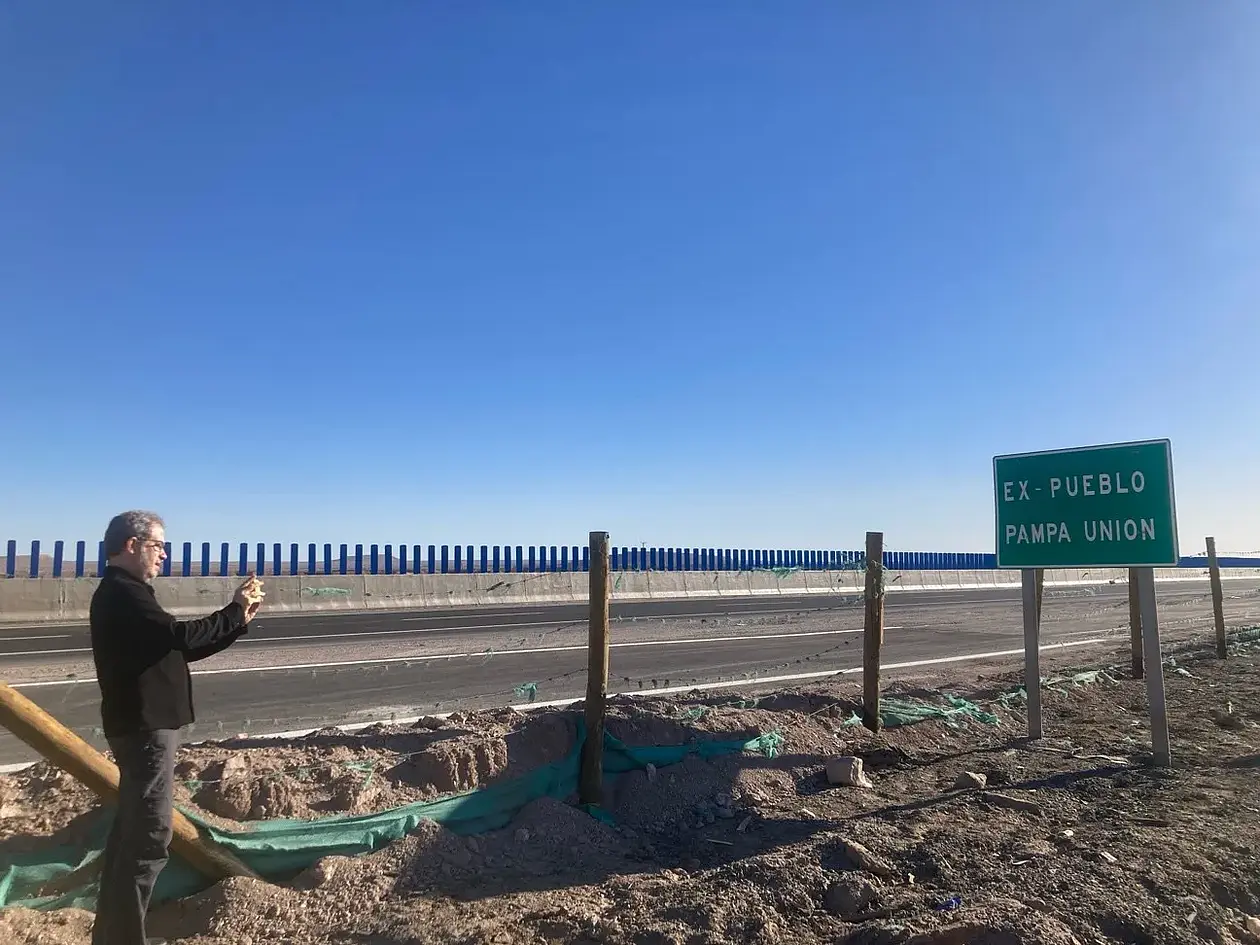
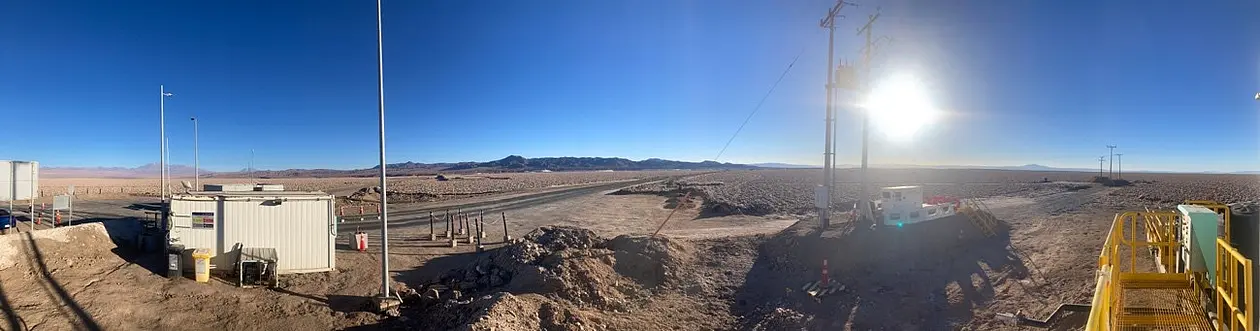
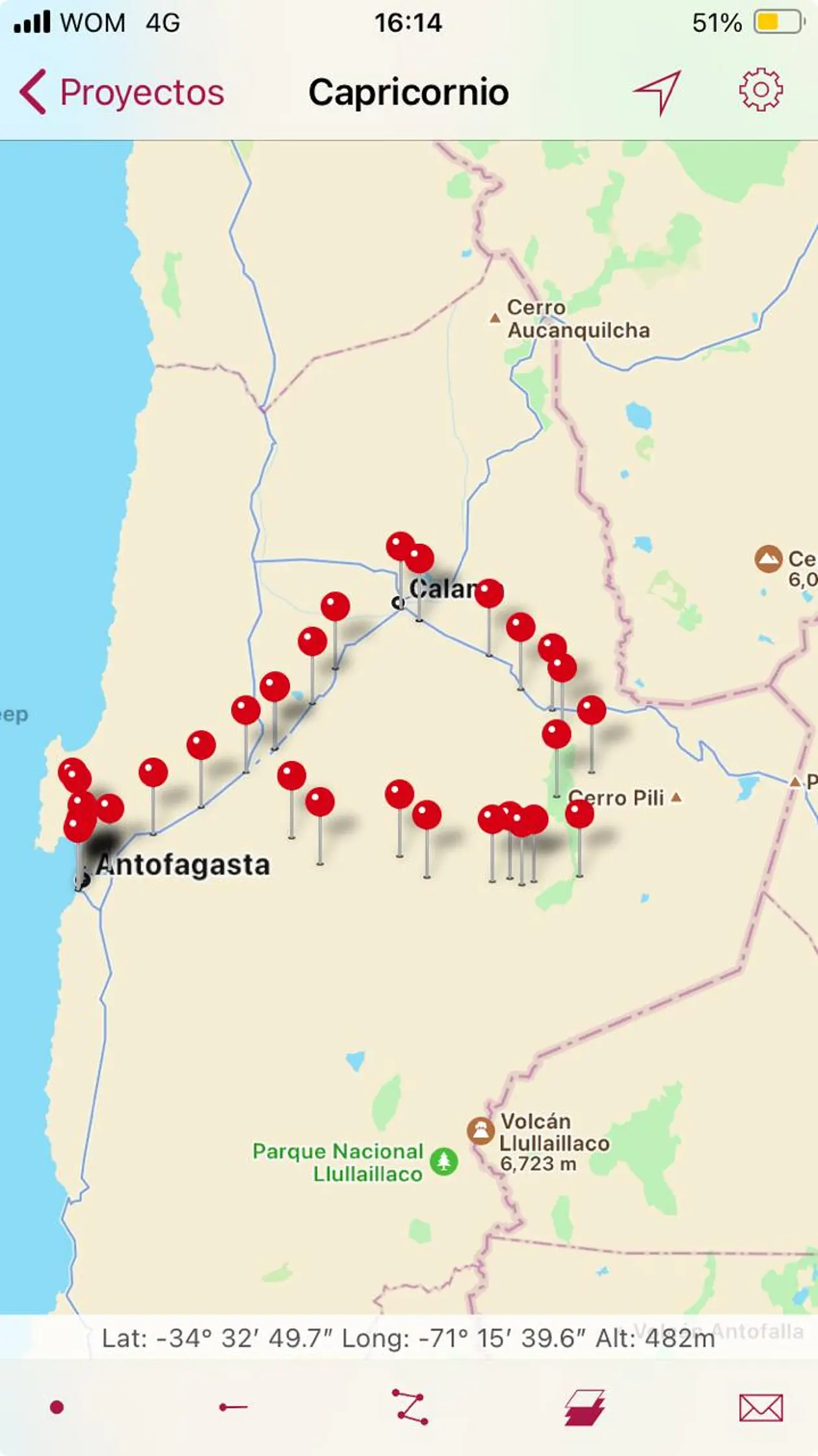
Expedition to the Desert of Atacama (Capricornio Railway), July/2024
Visit and presentation of the Biocenico Project at Universidad de Antofagasta, Chile (July/2024)