
Baden-Württembergisches Brasilien- und Lateinamerika-Zentrum

08.12.2025

Don’t Miss: CAPES Call – Tübingen Chair Program in Geosciences

The 2025/2026 call in Geosciences is open only until December 30, 2025
By Ana Calegari

***Versão em português abaixo***

The national Brazilian higher education and science funding agency CAPES (Coordenação de Aperfeiçoamento de Pessoal de Nível Superior) and the University of Tübingen, through its Baden-Württemberg Center for Brazil and Latin America (BraLat), are continuing the calls for the Tübingen Chair Program under Call 20/2024, this time with a focus on “Paleomagnetism and magnetic properties of sediments and rocks.”

Each edition selects 1 Chair fellow, who may nominate 1 postdoctoral researcher and 1 sandwich PhD student, with fellowships lasting 6 to 12 months, to strengthen academic collaboration between Brazil and Germany. The program promotes scientific exchange, academic mobility, and cooperation between Brazilian and German institutions, while increasing international visibility of Brazilian academic and scientific production.

Selected researchers will begin their activities between September and October 2026 at the Geo- and Environmental Sciences Center (GUZ), under the supervision of Prof. Dr. Kira Rehfeld, head of the Climatology and the Biosphere research group. They will receive support from the Welcome Center and BraLat for practical matters such as accommodation, childcare, and schools.

Prof. Dr. Kira Rehfeld gave an interview to BraLat, detailing research opportunities, the focus on paleomagnetism and magnetic properties of sediments and rocks, as well as the support provided to researchers during the program. The interview provides valuable insights for prospective applicants.

Deadline: submission of the online application form and required documents by 5:00 PM on December 30, 2025 (Brasília time).

See here: Call, requirements, and benefits

See here: Public Notice

Interview with Prof. Dr. Kira Rehfeld
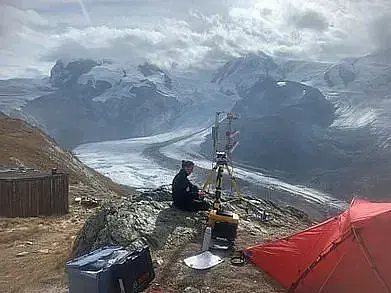
What can selected researchers from the CAPES Chair program expect at the Geo- and Environmental Sciences Center (GUZ)?
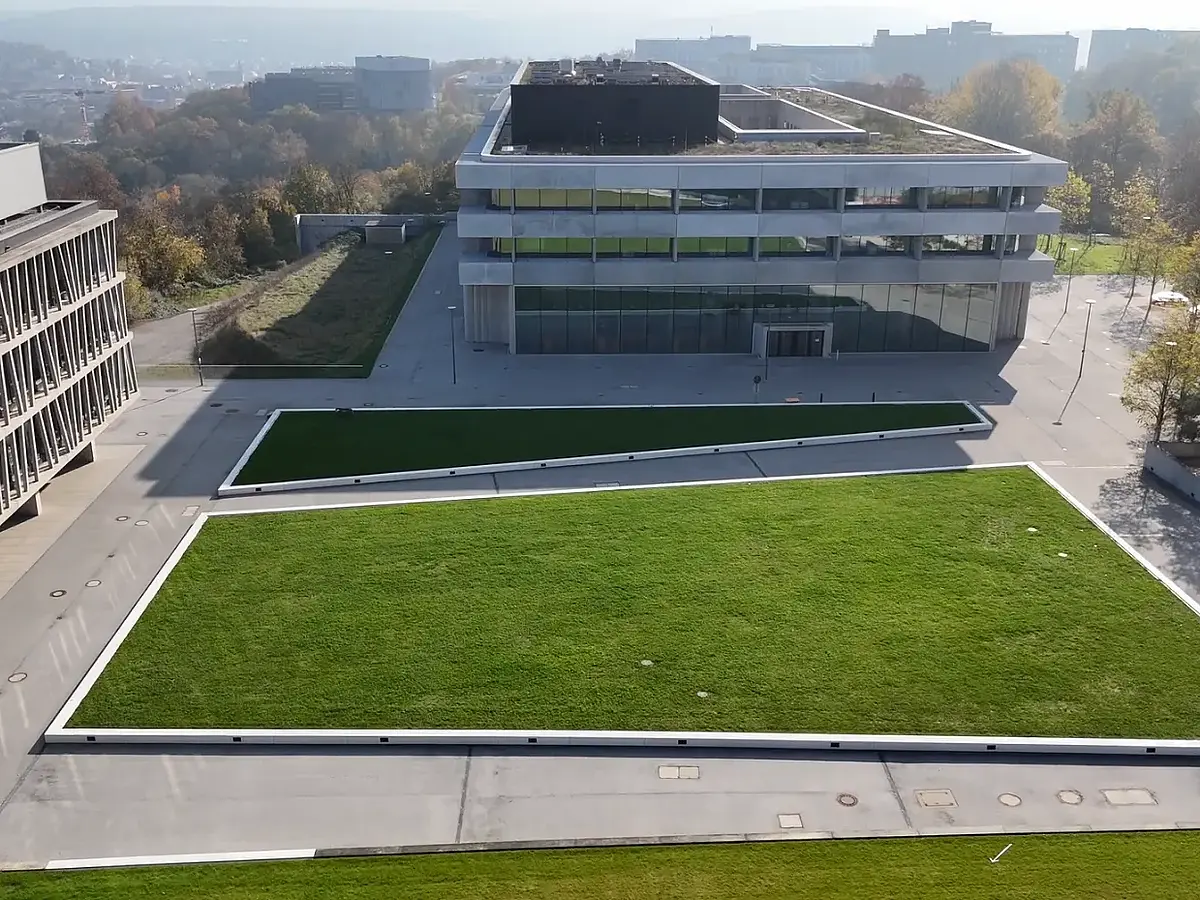
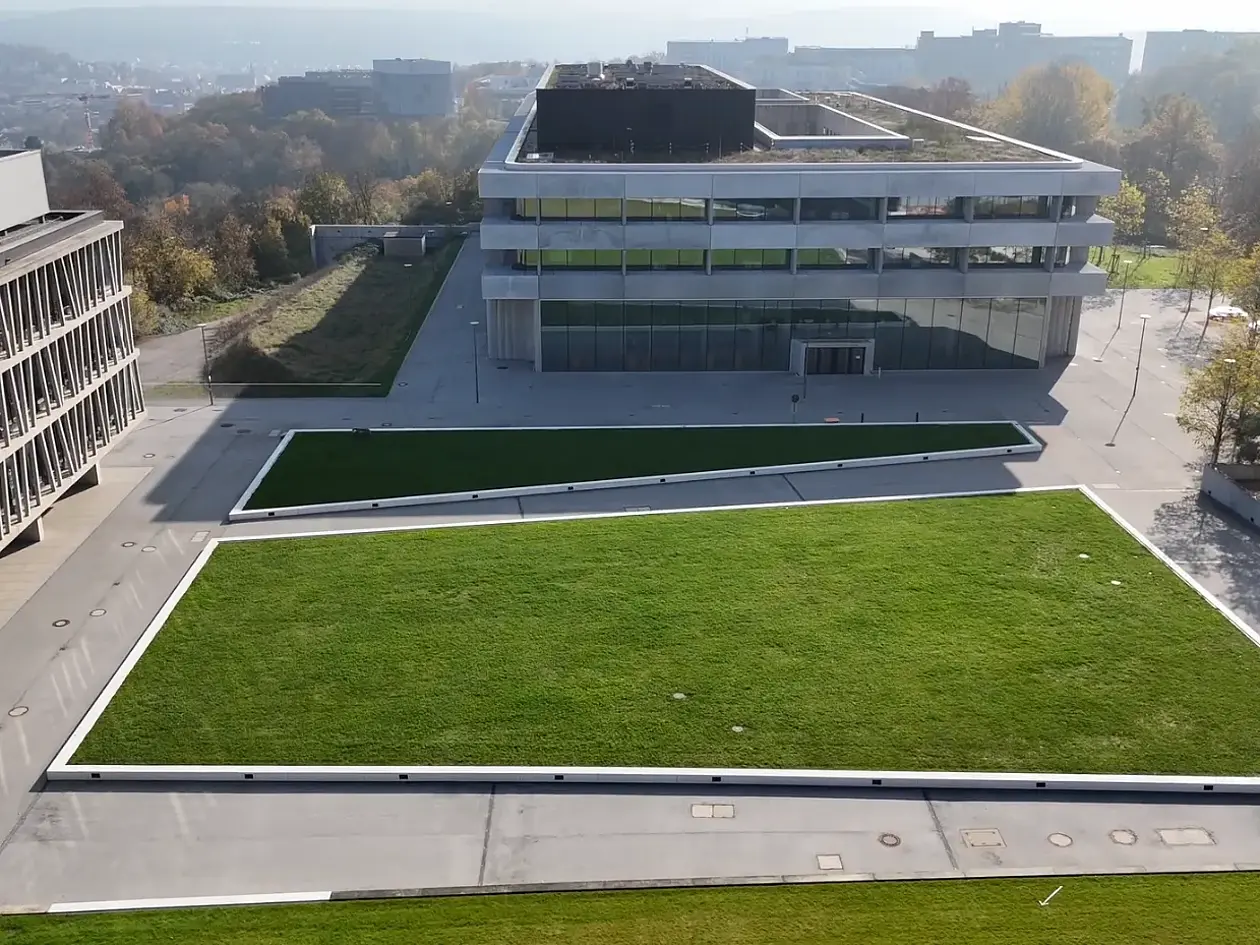
The Department of Geosciences at the University of Tübingen has a strong focus on terrestrial geosciences. The Department provides excellent laboratory infrastructure in the new Geo- and Environmental Sciences building and offers opportunities for collaboration with multiple research groups, such as Climatology, Sedimentology, Geochemistry, Structural Geology, and Geophysics.

What does the Geo- and Environmental Sciences Center (GUZ) offer specifically within the framework of this Chair program?
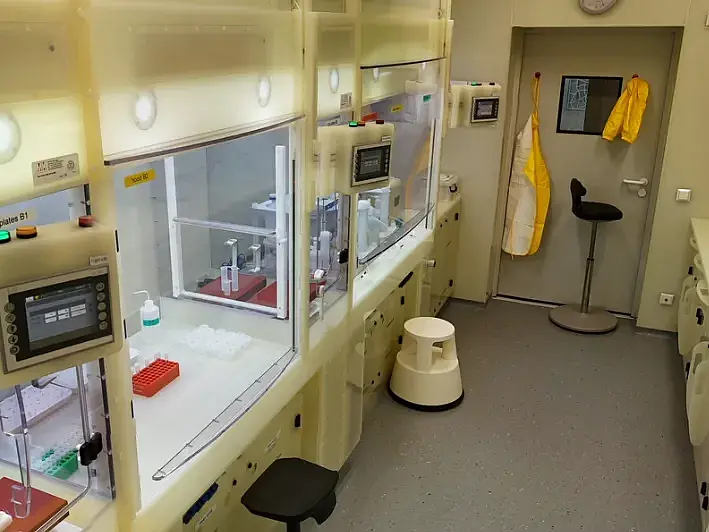
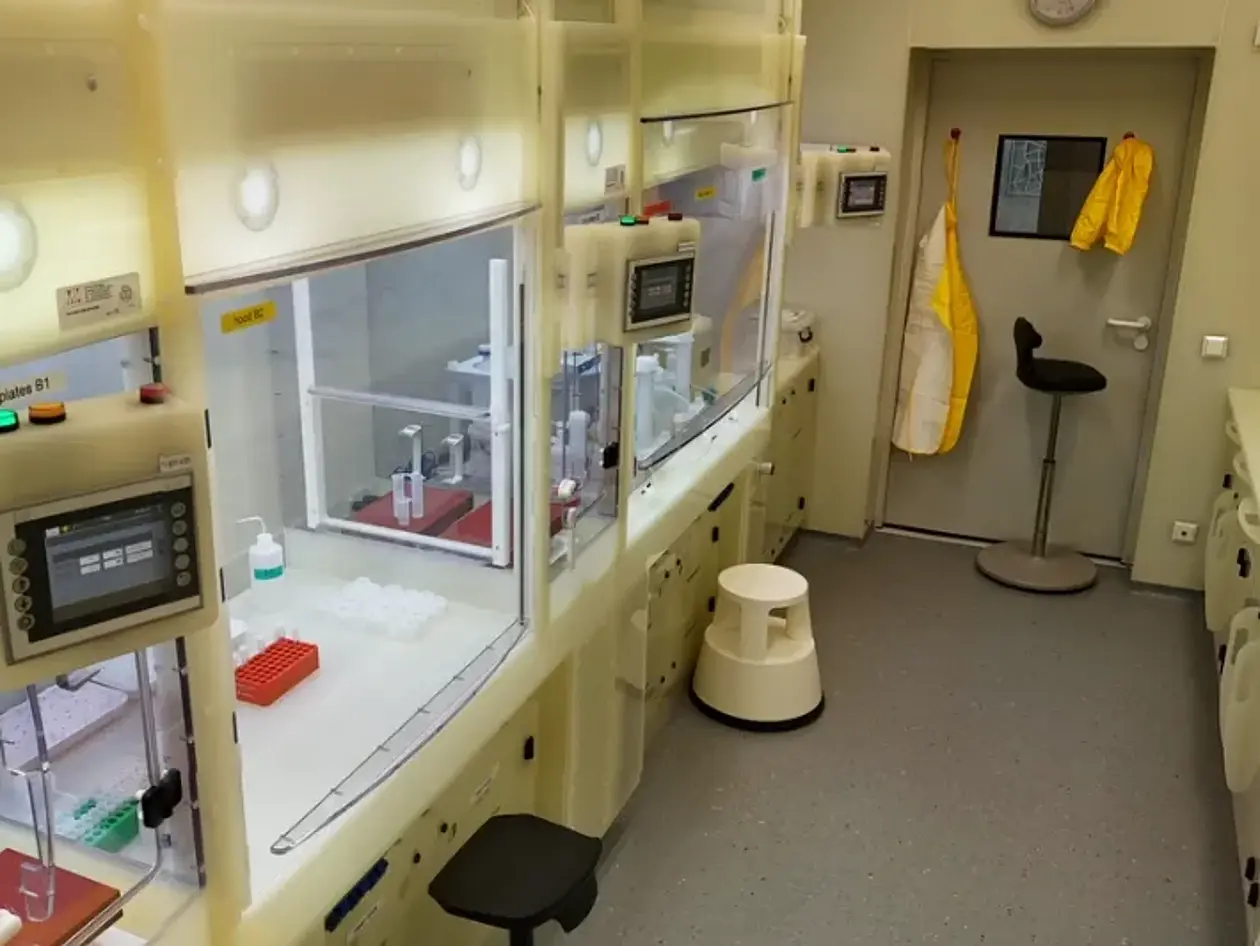
The paleomagnetic laboratory includes a 2G Enterprises DC SQUID magnetometer with in-line AF demagnetization in a shielded room, spinner magnetometers, thermal demagnetizers, an AGF Micromag for hysteresis and first-order reversal curve measurements, a pulse magnetizer, and various instruments for temperature- and frequency-dependent susceptibility measurements. There are few laboratories of this high standard in Europe.

Could you describe the research conducted on paleomagnetism and the magnetic properties of sediments and rocks at the Geo- and Environmental Sciences Center (GUZ)?
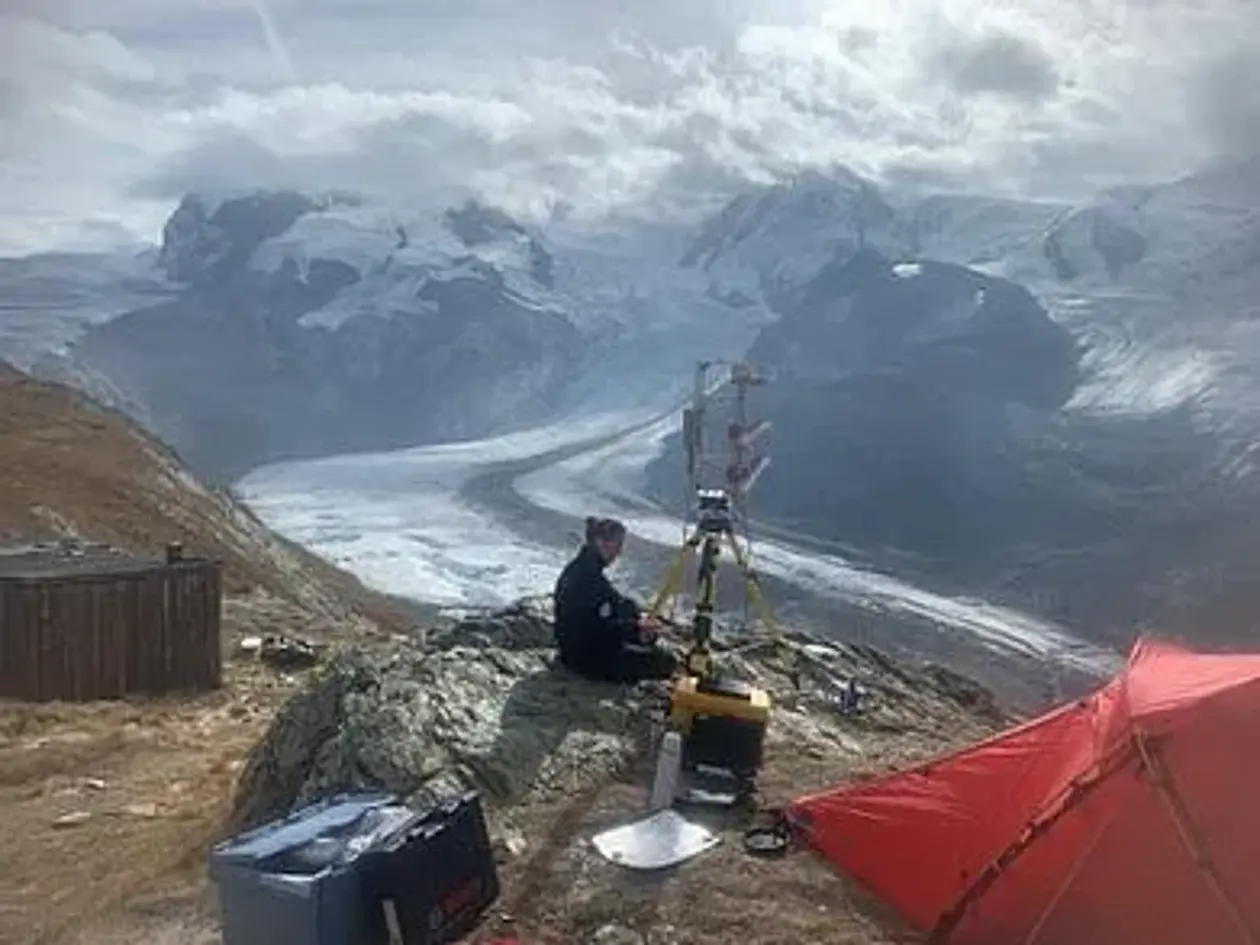
Paleomagnetism is a powerful tool for quantifying a multitude of Earth system processes over a wide range of spatial and temporal scales. This includes plate tectonics, landscape evolution, and environmental and climate change through the dating of sedimentary archives and magnetic proxies. The main focus of this call is on paleomagnetism and the magnetic properties of sediments and rocks.

The characterization of magnetic minerals in sedimentary rocks, sediments, and soils provides valuable information on the natural and anthropogenic environmental processes that occurred during their formation. Moreover, paleomagnetic measurements allow the establishment of geochronologies for geological archives through magnetostratigraphy, geomagnetic excursions, and paleosecular variation. Establishing such geochronologies is essential for determining the age, causes, effects, and rates of environmental change.

What expectations do you have for the CAPES Chair program, particularly regarding research collaborations and funding opportunities?
Beyond the opportunity to spark new research, the Department will support the accompanying postdoctoral researcher in submitting an ERC Starting Grant and/or an Emmy Noether Young Investigator Grant, which will transform our developing collaboration with Brazil into a long-term sustainable partnership.


***Versão em português***

Não perca: Chamada CAPES – Programa Cátedra Tübingen em Geociências
A chamada 2025/2026 na área de Geociências estará aberta somente até 30 de dezembro de 2025

A CAPES (Coordenação de Aperfeiçoamento de Pessoal de Nível Superior) e a Universidade de Tübingen, por meio do seu Baden-Württemberg Center for Brazil and Latin America (BraLat), dão continuidade às chamadas para o Programa Cátedra Tübingen sob o Edital 20/2024, desta vez com foco em Paleomagnetism and magnetic properties of sediments and rocks” (Paleomagnetismo e propriedades magnéticas de sedimentos e rochas).

Cada edição do edital selecionará 1 (um) bolsista da modalidade Cátedra, o qual poderá indicar 1 (um) bolsista de Pós-doutorado e 1 (um) bolsista de Doutorado Sanduíche para promover a colaboração em educação e pesquisa entre Alemanha e o Brasil, assim como em aperfeiçoar o conhecimento sobre o Brasil na Alemanha. A duração da bolsa varia entre 6 (seis) e 12 (doze) meses.   O programa promove o intercâmbio científico, a mobilidade acadêmica e a cooperação entre instituições brasileiras e alemãs, além de dar maior visibilidade internacional à produção acadêmica e científica brasileira.

Os pesquisadores selecionados iniciarão atividades entre setembro e outubro de 2026 no Geo- and Environmental Sciences Center (GUZ), sob supervisão da Prof. Dr. Kira Rehfeld, líder do grupo Climatology and the Biosphere. Eles contarão com apoio do Welcome Center e do BraLat para questões práticas como acomodação, creche e escola.

A Prof. Dr. Kira Rehfeld concedeu uma entrevista ao BraLat, detalhando as oportunidades de pesquisa, o foco em paleomagnetismo e propriedades magnéticas de sedimentos e rochas, assim como o apoio oferecido aos pesquisadores durante o programa. A entrevista traz informações valiosas para quem deseja se candidatar.

Prazo: envio do formulário de inscrição online e documentação obrigatória até 17h do dia 30 de dezembro de 2025 (horário de Brasília).

Veja aqui:  requisitos e benefícios!

Veja aqui: Edital

Zurück