Institut für Evolution und Ökologie
Our teaching philosophy

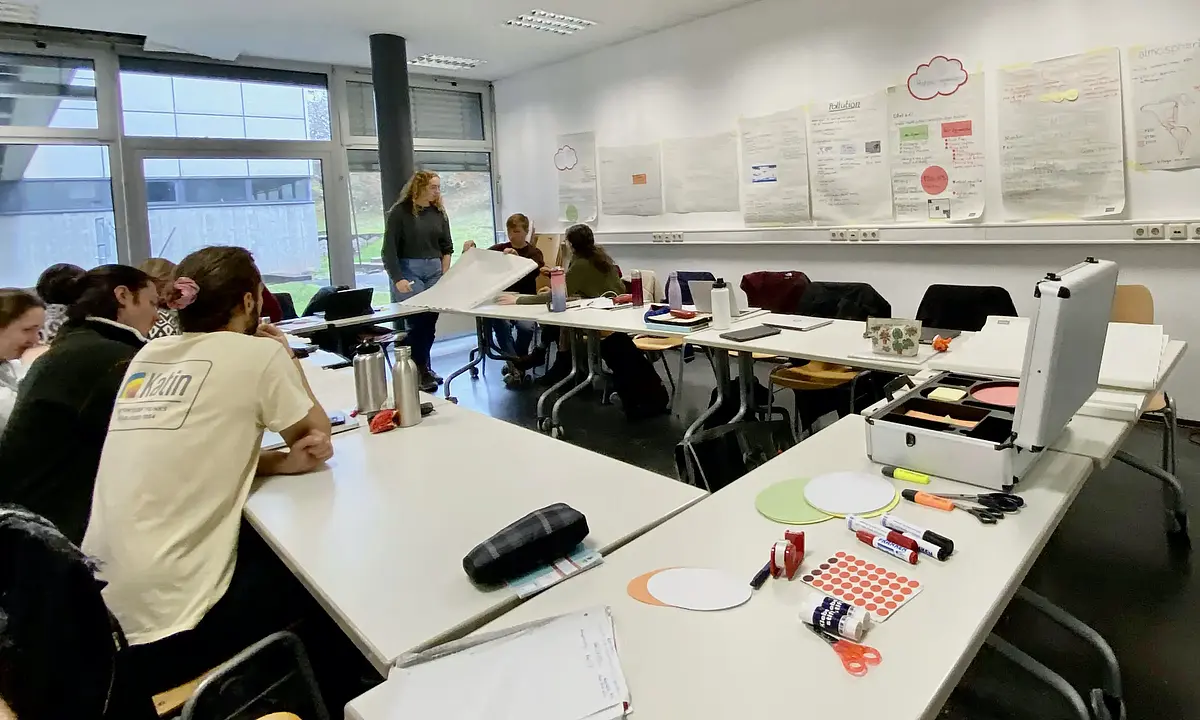
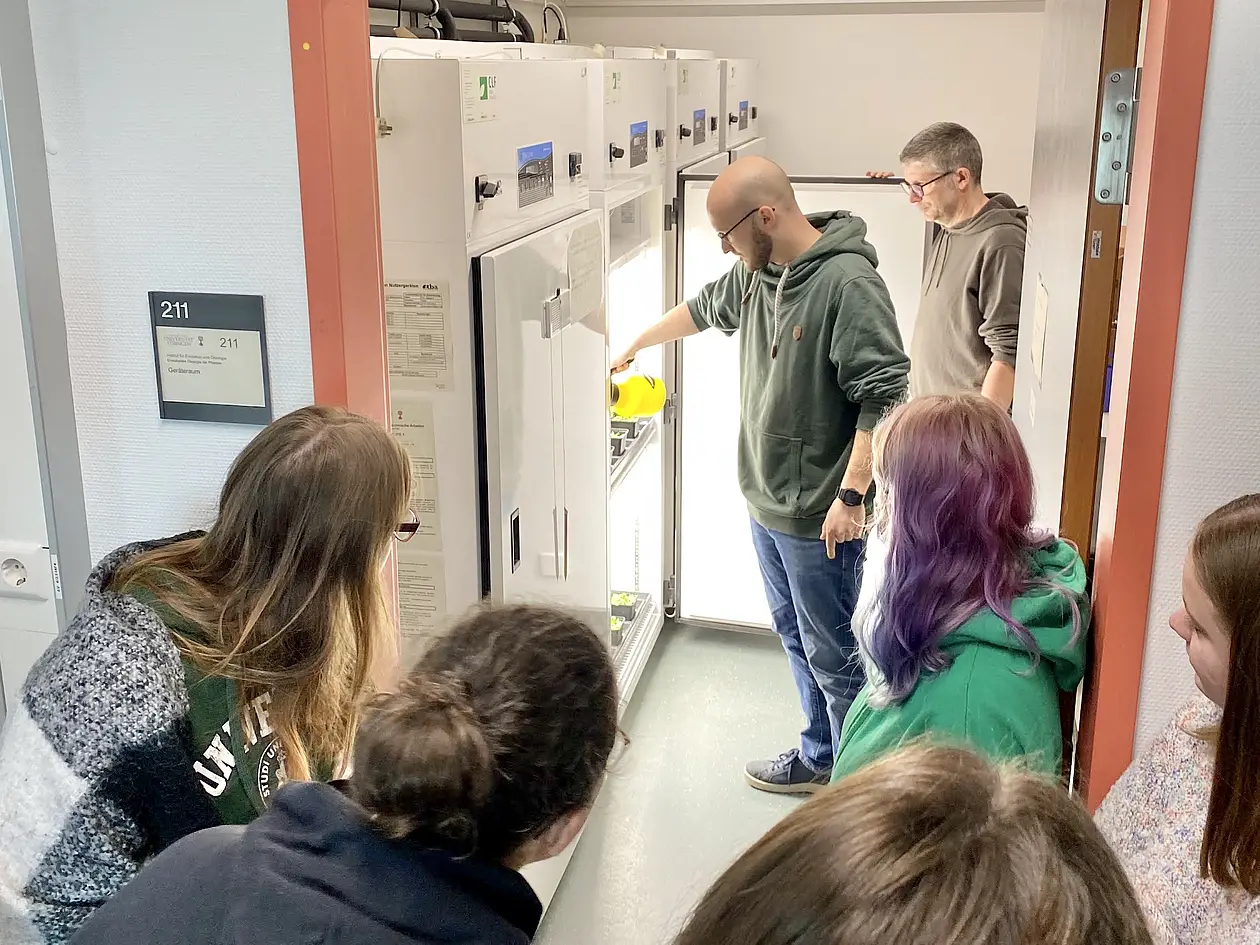
We teach mainly in the areas of general ecology and plant ecology. As teachers, we particularly enjoy intellectual debate, and the excitement and fun when students conduct own experiments, or analyse own data. To this end, we are trying to employ more and more active learning methods and inquiry-based teaching. We are constantly learning ourselves.

Ecology

Madalin Parepa, Oliver Bossdorf

(6 CP, MSc level, summer semester, in English)

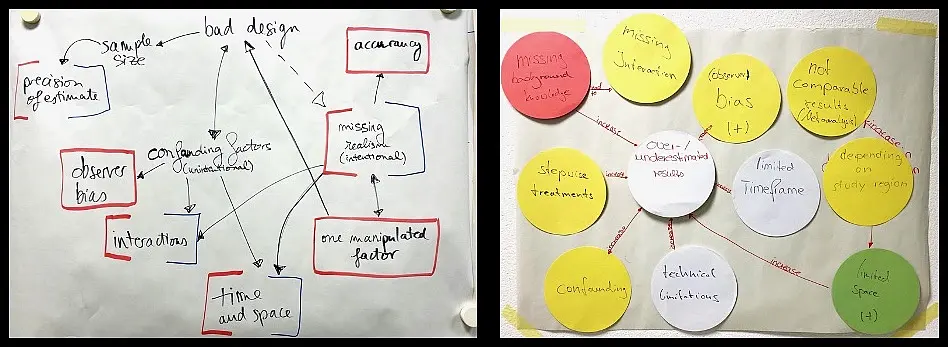
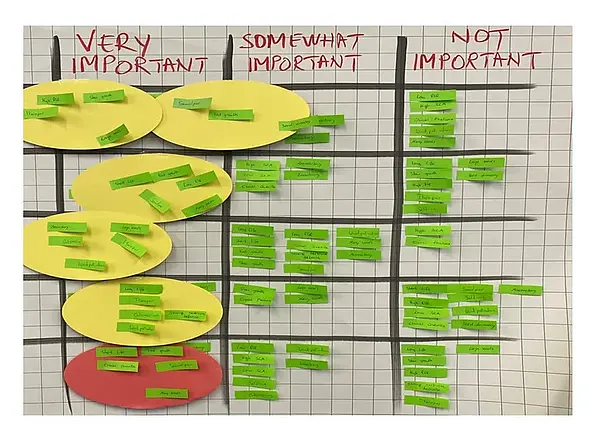
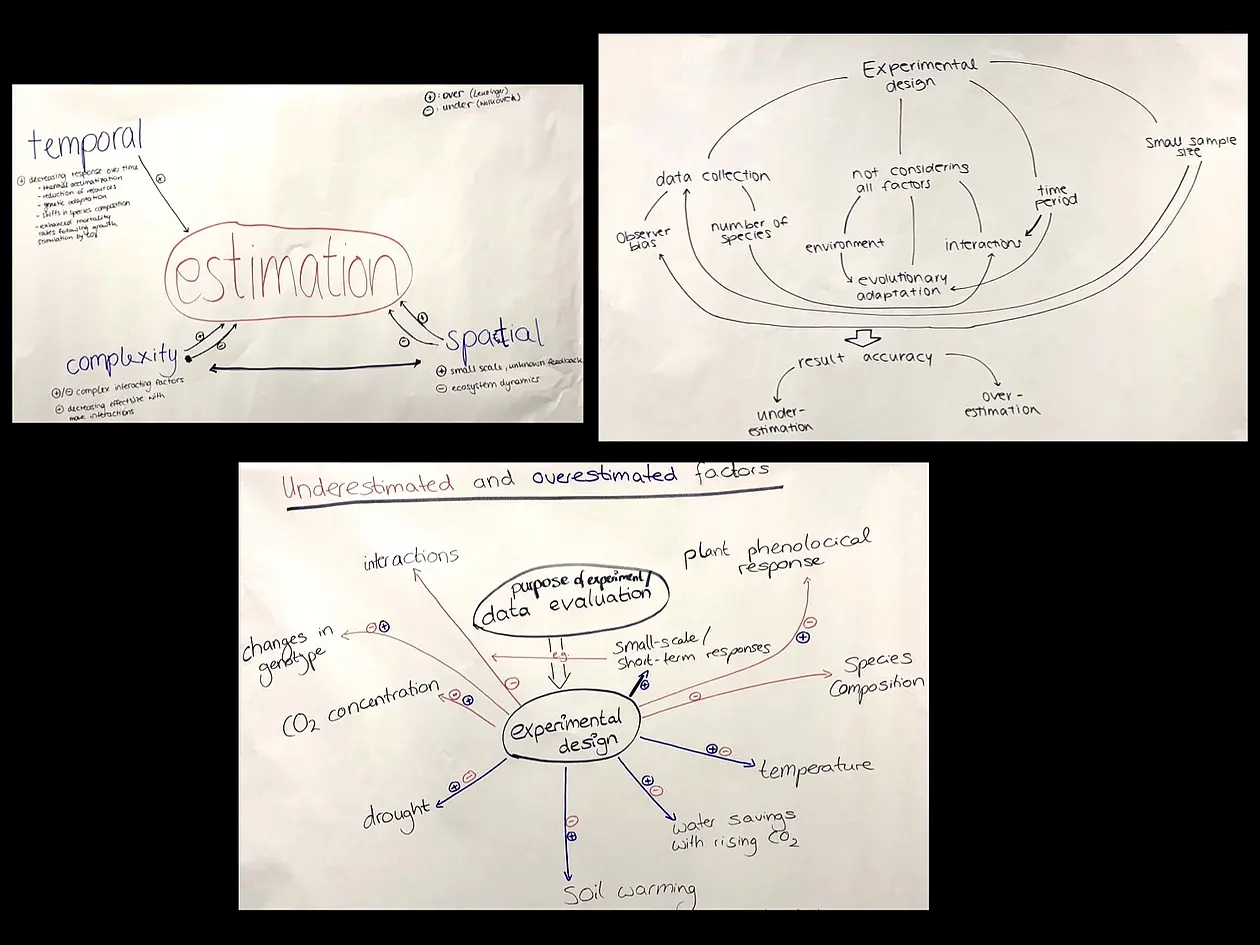
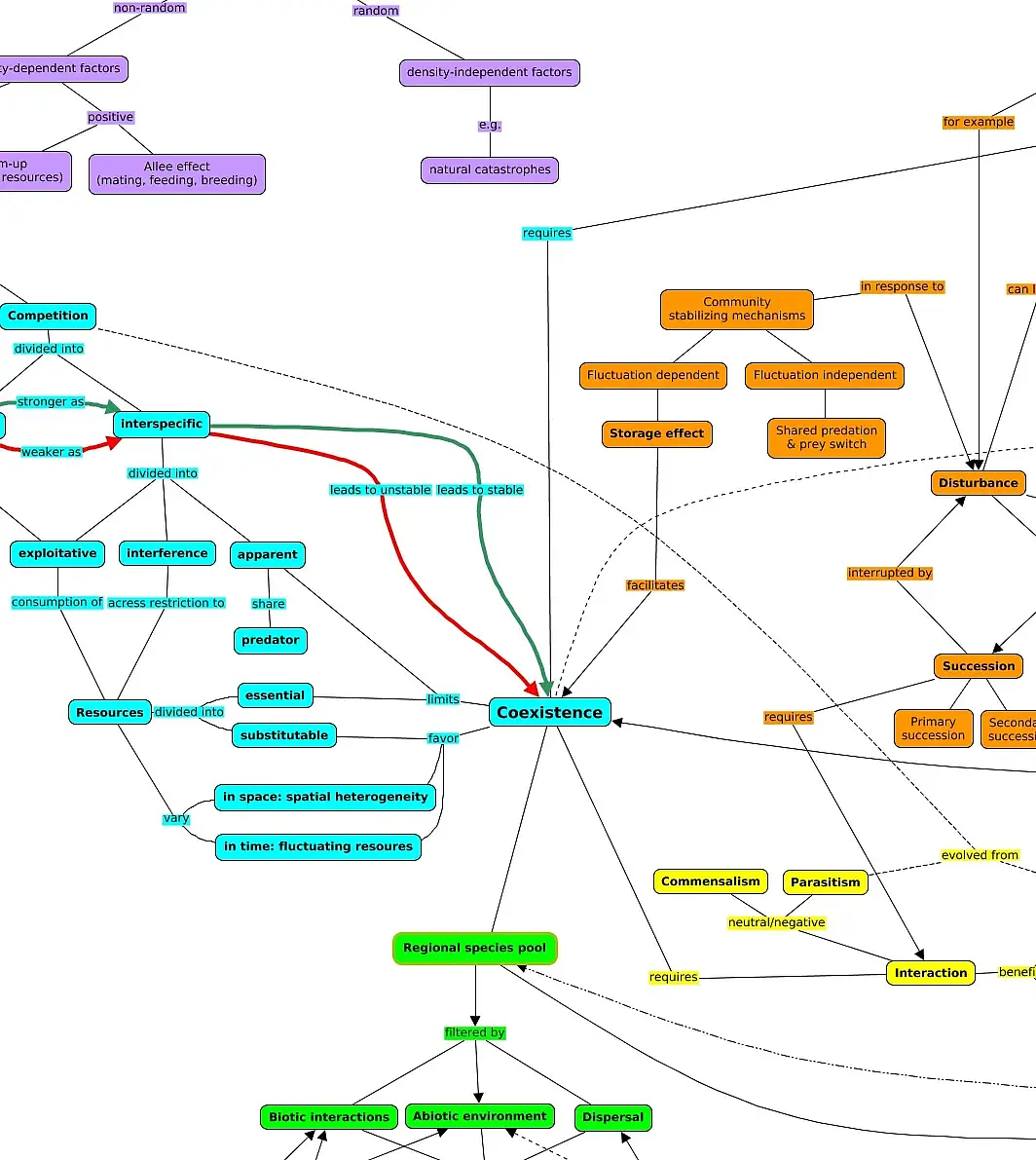
The course introduces students to a broad range of fundamental concepts in ecology, at an advanced level. Students get a thorough understanding of key processes and some frontier questions in ecology, with a special focus on biotic interactions and community assembly. The course combines a classic theory part - through reading and discussing book chapters - with case study presentations, concept mapping and active learning elements. It also requires to attend some EvE seminars and Hilgendorf Lectures, which give students the opportunity to learn about ongoing eco-evolutionary research in Tübingen and beyond.

Global Change Ecology

Madalin Parepa, Oliver Bossdorf

(6 CP, Bachelor level, winter semester, in English)

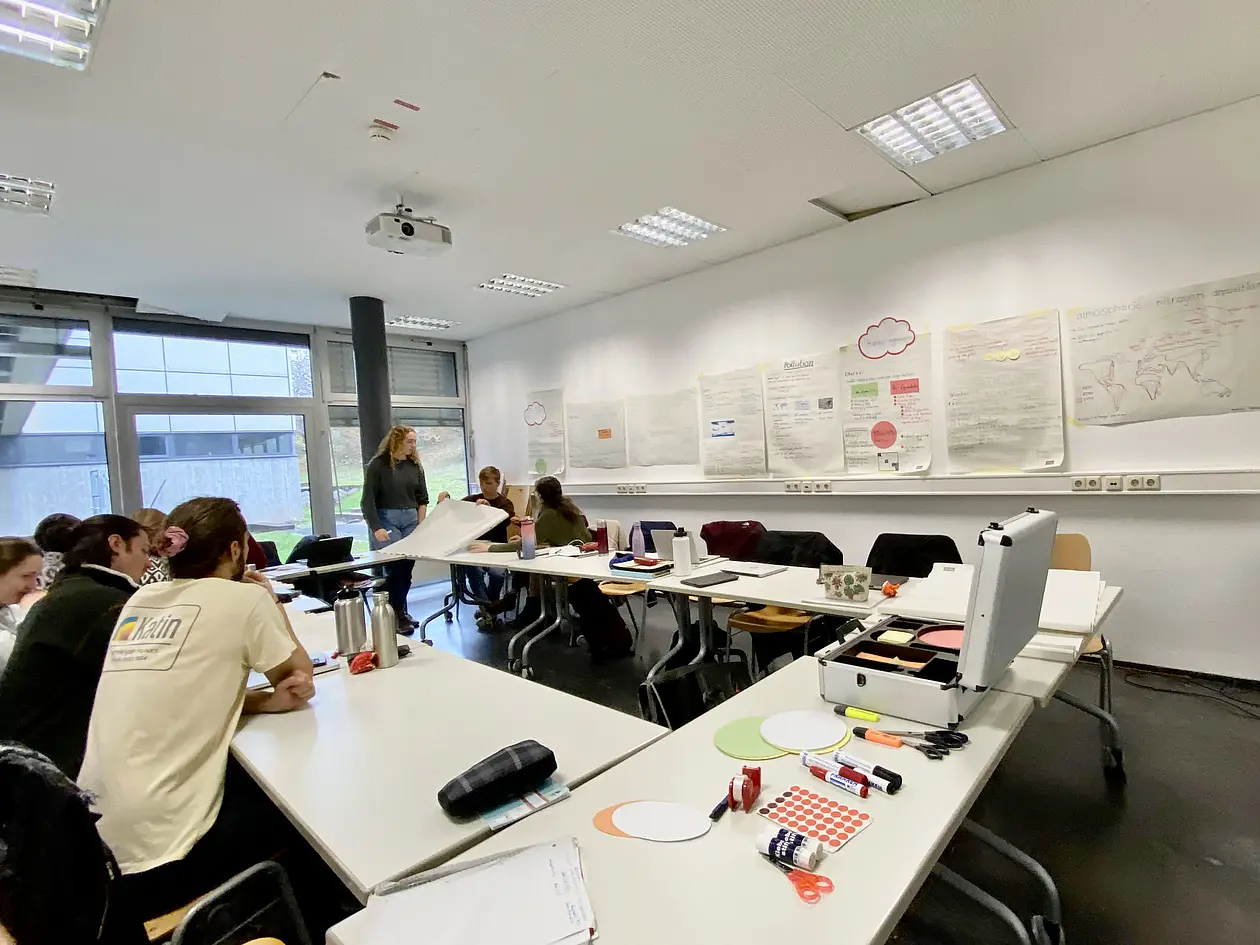
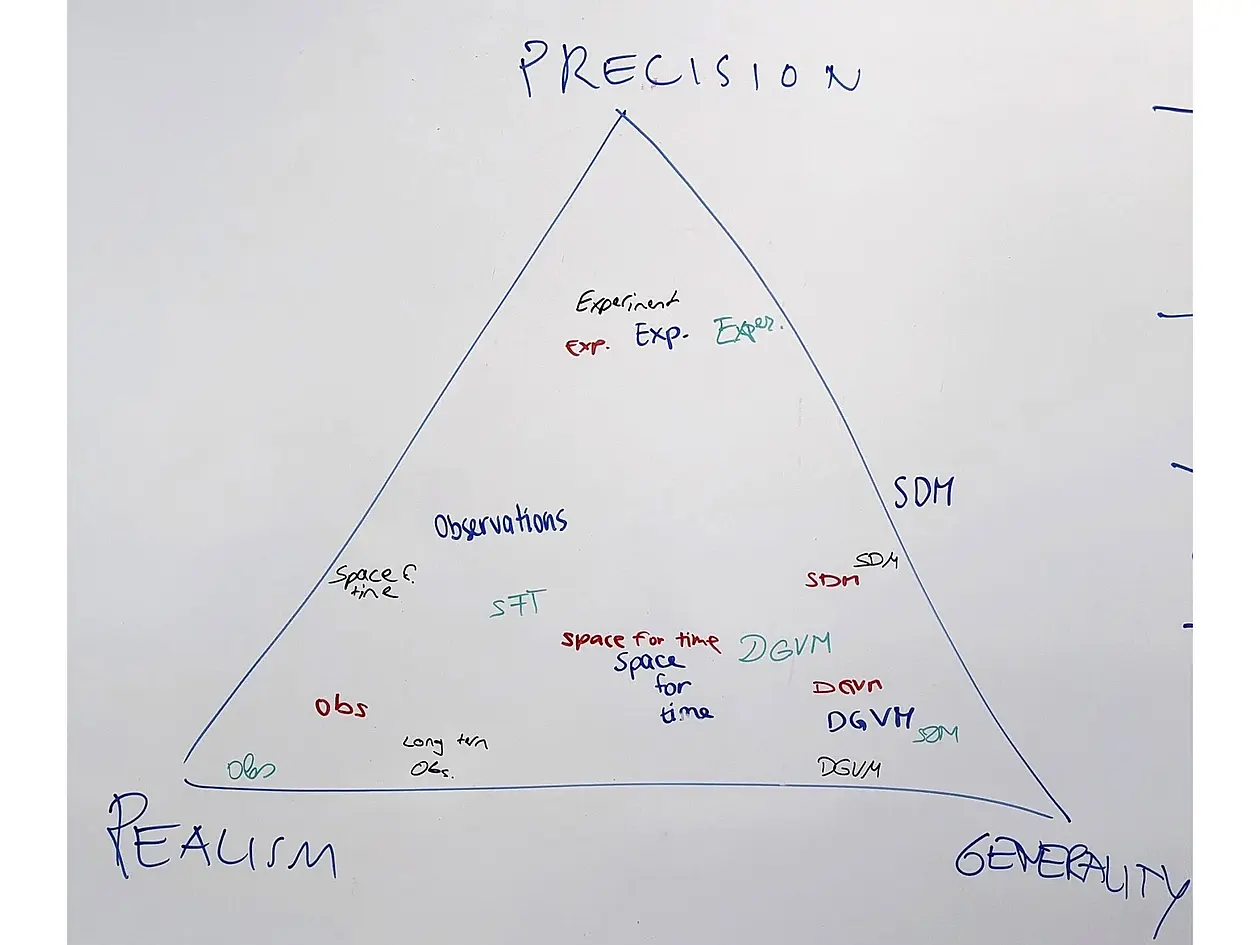
This course is about biodiversity impacts of global environmental changes: what is observed (phenological changes, range shifts, spatial/temporal mismatches, species declines, microevolution), and how future changes can be predicted through experiments and models. We also discuss some controversies about human attempts to fix problems caused by global change (assisted migration, genetic rescue, invader eradications). The course combines student seminars with a few input lectures and lots of group work. We are particularly proud of several completely analogue, but very interactive, teaching days in which we only use the whiteboard and our brains.

Biological collections & global change

Uta Grünert

(6 CP, MSc level, winter semester, in English)

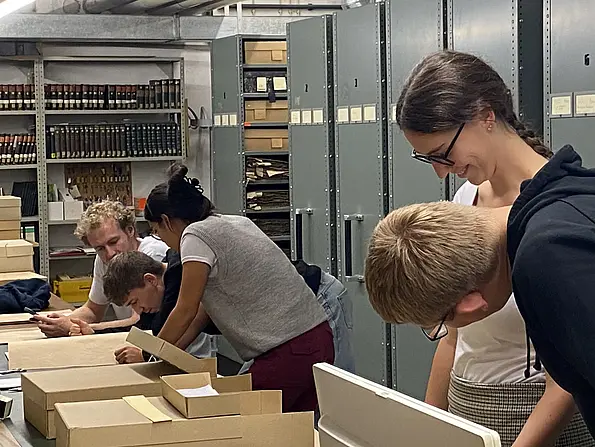
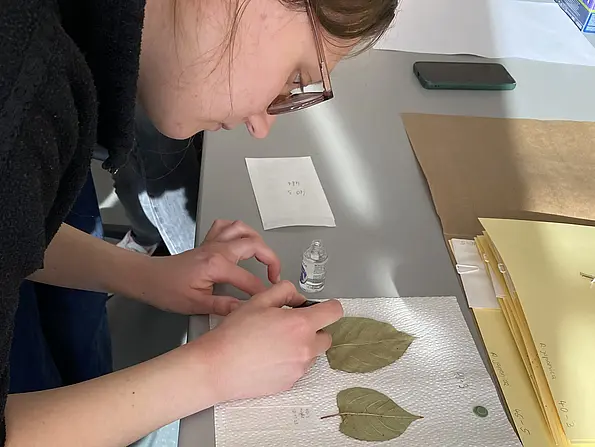
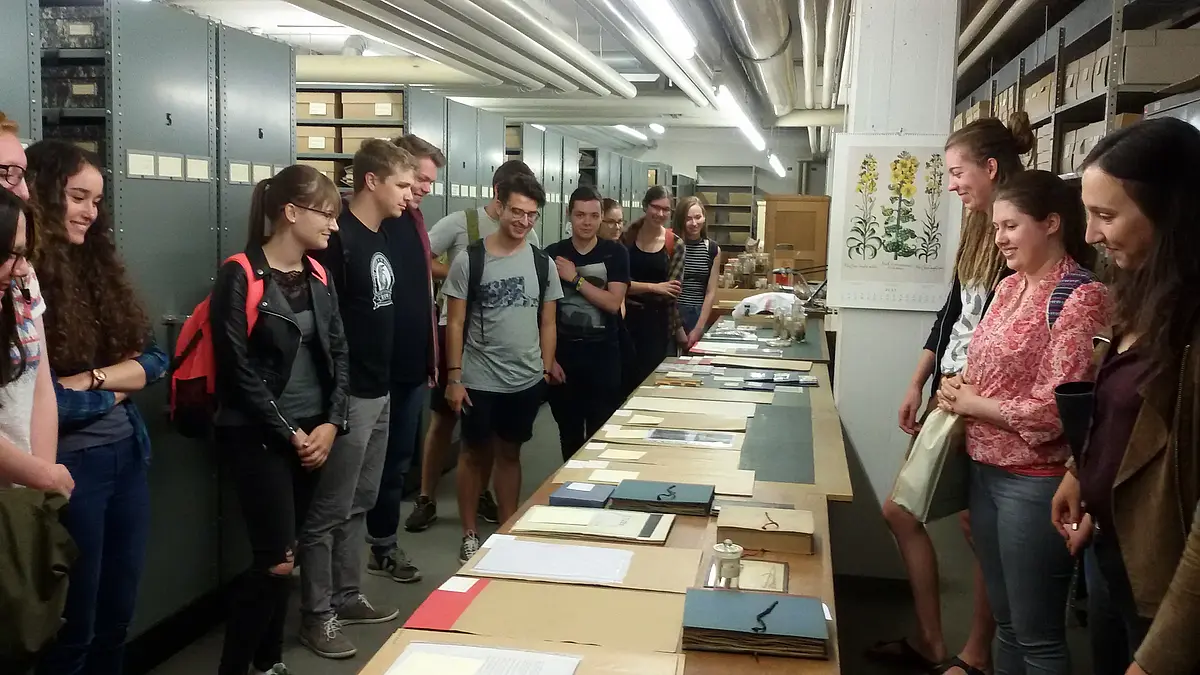
Collections-based research is a rapidly developing field in global change biology, as herbaria and other natural history collections offer many unique opportunities for studying species responses to environmental changes on a decade to century scale, from phenological changes and changes in functional traits to genetic changes and species distributions. In this course, students learn about (1) up-to-date methods for working with plant collections and (2) some of the key frontiers and approaches in current collections-based research, and they (3) practice the use of collections data to address global change ecology questions in small projects.

Plant Ecology I

Maria Májeková, Madalin Parepa, Oliver Bossdorf, Katja Tielbörger

(6 CP, Bachelor level, winter semester, in English)

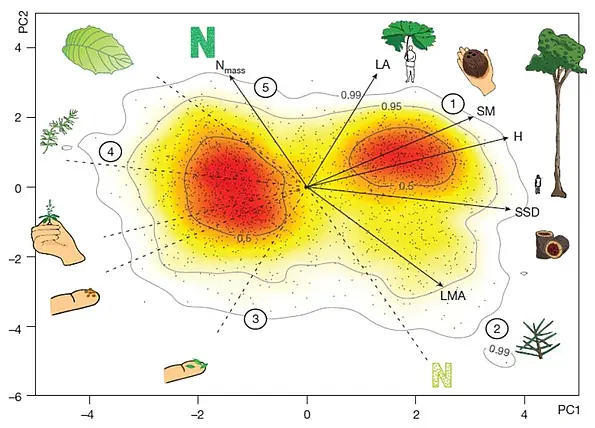
This course introduces students to a broad range of fundamental concepts in plant ecology, from plant life histories to biotic interactions and plant communities. It combines a lecture series with student seminars and a number of practicals/group. Our group currently teaches one week on life-histories in which we explore key traits related to growth, sex and reproduction, and their advantages and disadvantages in different environments. We also talk about trait correlations, trade-offs and trait syndromes, and about intraspecific variation and phenotypic plasticity.

Plant Ecology II

Maria Májeková, Madalin Parepa, Oliver Bossdorf, Katja Tielbörger

6 CP, MSc level, summer semester, in English

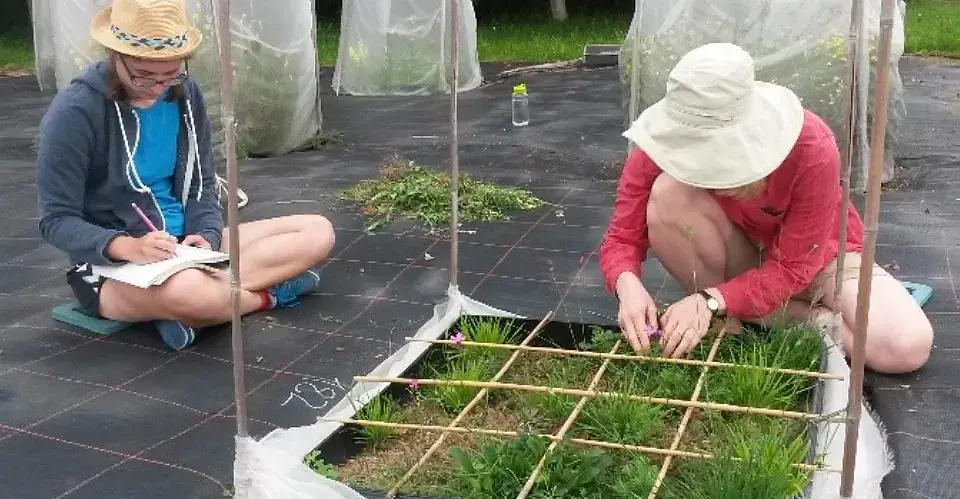
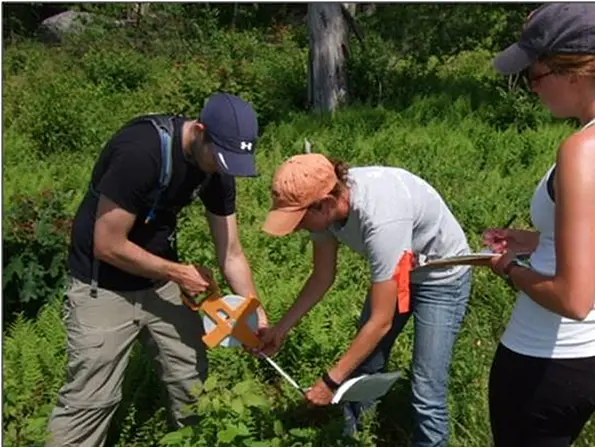
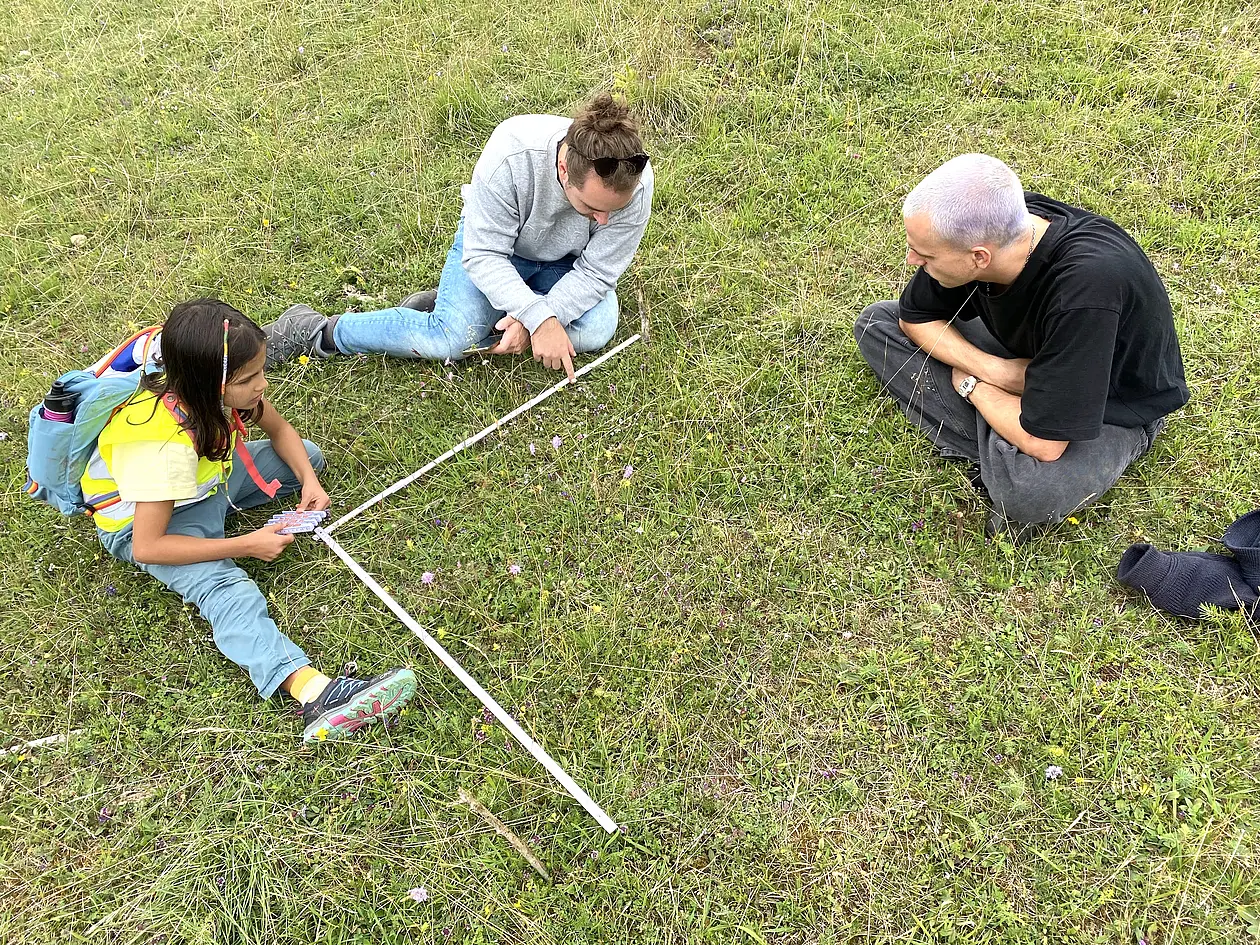
This course combines advanced concepts in plant community ecology with hands-on research projects in the field. The core of the course are the student projects where the students develop hypotheses and a sampling design, collect data on vegetation and plant functional traits and then analyse their data in R and present the results in a final symposium. The students work in small teams with guidance of the course instructors, but they are also encouraged to think independently, creatively, and critically together with their peers. The students also learn some field and lab methods in plant ecology.

Scientific communication

Nils Anthes, Oliver Bossdorf, Nico Michiels

(6 CP, MSc level, winter semester, in English)

This course provides a thorough training in scientific writing, including (i) how to start writing and keep momentum, (ii) the structure and typical components of scientific texts, (iii) techniques to improve structure and flow of texts, and the clarity of writing, and (iv) understanding the publication process in primary journals. There is also a small training component for oral presentations. The course combines asynchronous (recorded) lectures with weekly workshops and a (small) writing project where the student apply their new knowledge to an own text. Oliver currently teaches three sessions on text structure and flow, storytelling and clarity. 

Ökologie und Biodiversität - Vorlesung

Nico Michiels, Oliver Bossdorf, Katja Tielbörger

(9 CP, Bachelor level, Sommersemester, auf Deutsch)

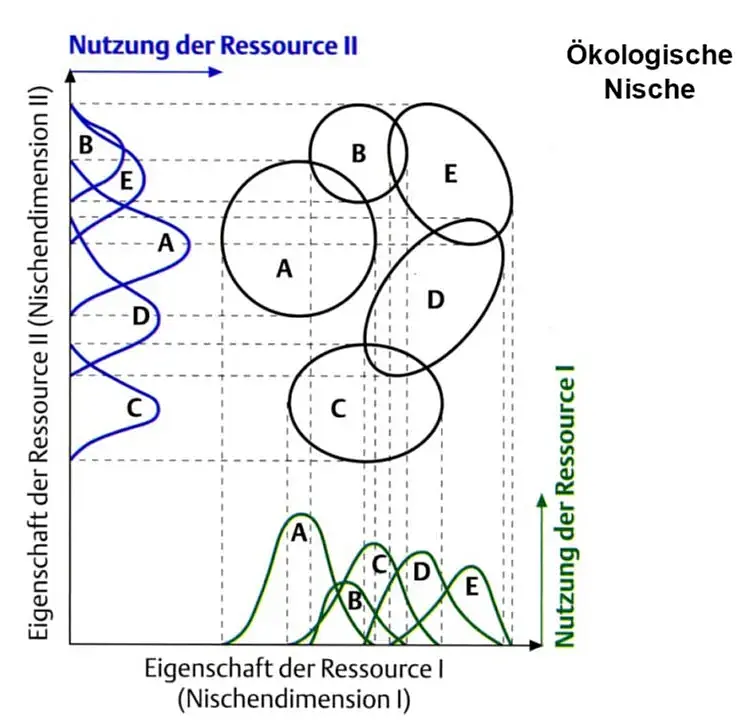
Dieses Grundmodul vermittelt Bachelor-Studierenden der Biologie (incl. Lehramt) und Geoökologie die Grundlagen von Evolutionsbiologie, Ökologie und Naturschutz. Oliver hält aktuell Vorlesungen zur Populationsökologie (Populationsstruktur und -dynamik, life history strategies), ökologischen Wechselwirkungen (Konkurrenz, Räuber-Beute-Beziehungen, Mutualismen) und Ökologie der Lebensgemeinschaften (Nahrungsnetze, Biodiversität, Koexistenz), sowie eine allgemeine Einführung zur Ökologie.
 

Ökologie und Biodiversität - Übung

Madalin Parepa, Uta Grünert, Oliver Bossdorf und andere

(Sommersemester, auf Deutsch)

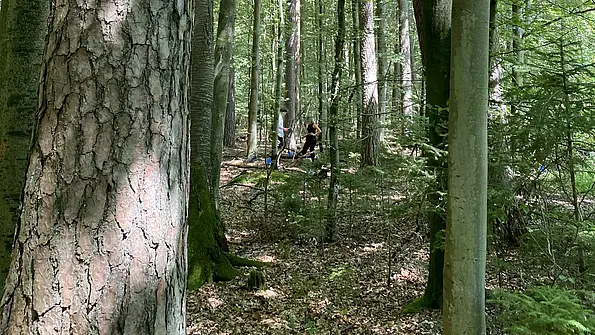
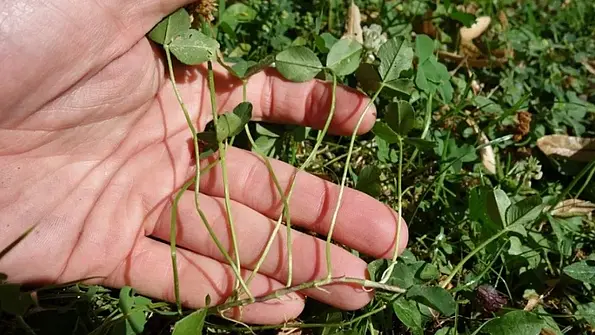
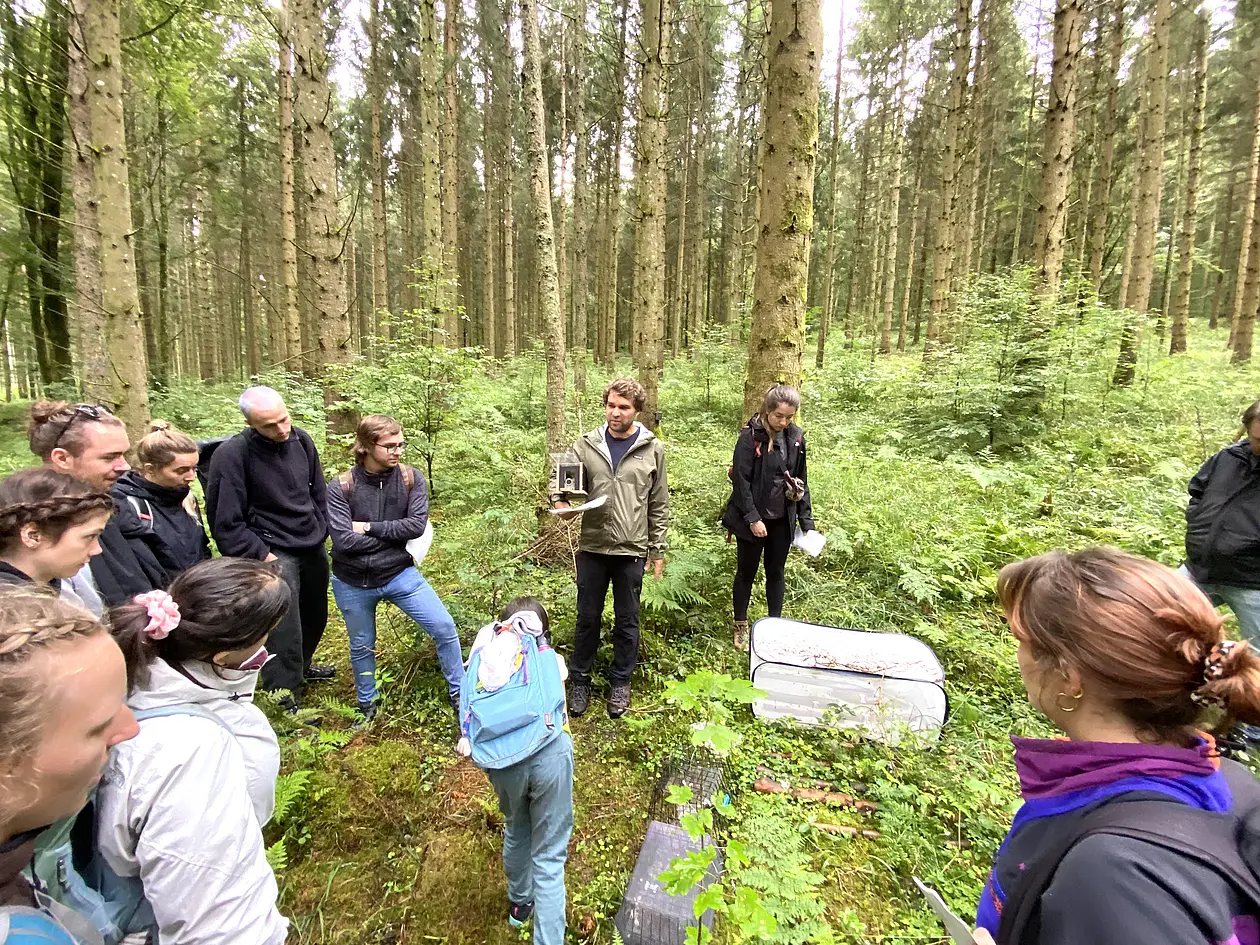
Im Übungsteil des Kurses Ökologie & Biodiversität erlernen die Studierenden zuerst grundlegende Konzepte zur wissenschaftlich fundierten Datenerhebungen im Rahmen von Beobachtungsstudien oder kontrollierten Experimenten, und sie wenden diese Kompetenzen dann in einer Serie von Übungen an, von denen einige ökologische Datenerhebungen in unterschiedlichen heimischen Lebensräumen beinhalten. Unsere Arbeitsgruppe koordiniert zurzeit zwei dieser Übungen. Die eine untersucht den Einfluss von Waldstruktur und -zusammensetzung auf die Pflanzen im Unterwuchs, und die andere befasst sich mit pflanzlichen Abwehrmechanismen gegen Herbivore und wie diese von Urbanisierung beeinflusst werden. In beiden Übungen erheben die Studierenden in Zweierteams Daten im Feld und testen dann Hypothesen mittels einfacher Datenanalysen.

Botanik

Uta Grünert, Oliver Bossdorf/Madalin Parepa

(6 CP, Bachelor level, Sommer, Deutsch)

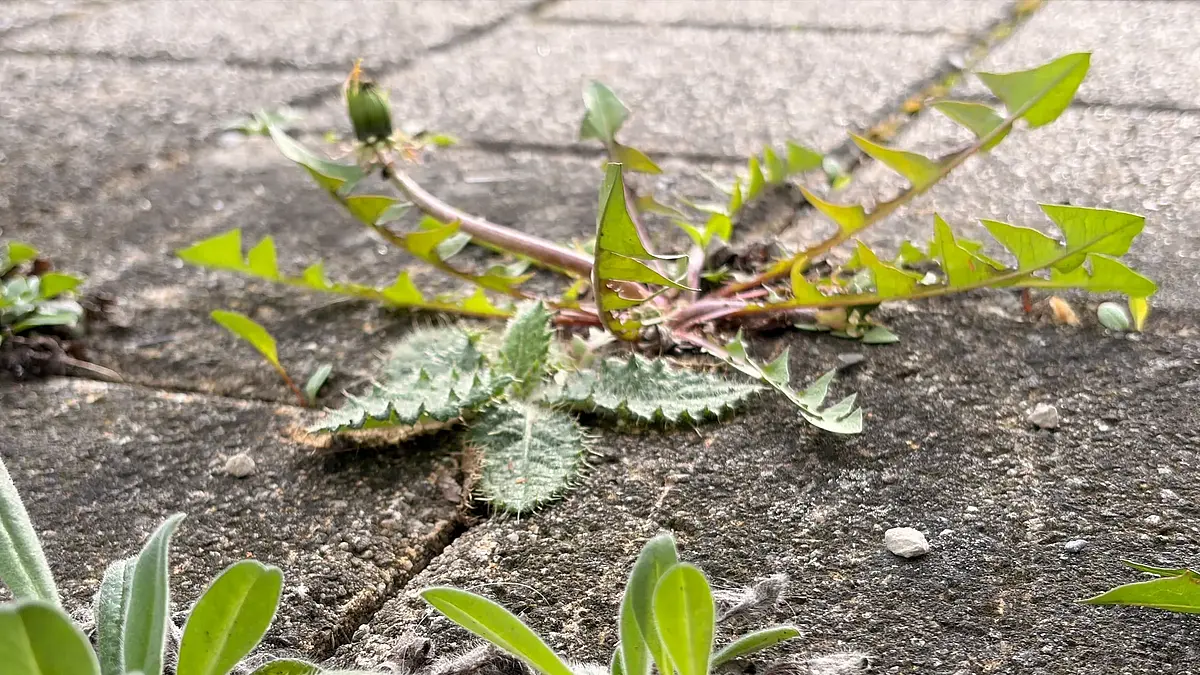
Im Rahmen des Grundmoduls Botanik bieten wir seite vielen Jahren zwei einstündige Mittags-Exkursionen ("botanische Vorweisungen") an. Die erste ist ein kurzer Rundgang bei dem all Biologie-Studierenden das Herbarium Tubingense und dessen Geschichte und fantastischen Sammlungen kennenlernen. Die zweite botanische Vorweisung ist ein Spaziergang über den Campus - der sogenannte “Weed walk”, bei dem wir die Schönheit von Allerweltspflanzen entdecken, die auf Baustellen und in Plattenfugen wachsen (a.k.a. Unkraut) und dessen Erfolgsstrategien diskutieren.

Discontinued courses

Plant Evolutionary Ecology

Madalin Parepa, Oliver Bossdorf 

(6 CP, Bachelor level, winter semesters 2013-2024, in English)

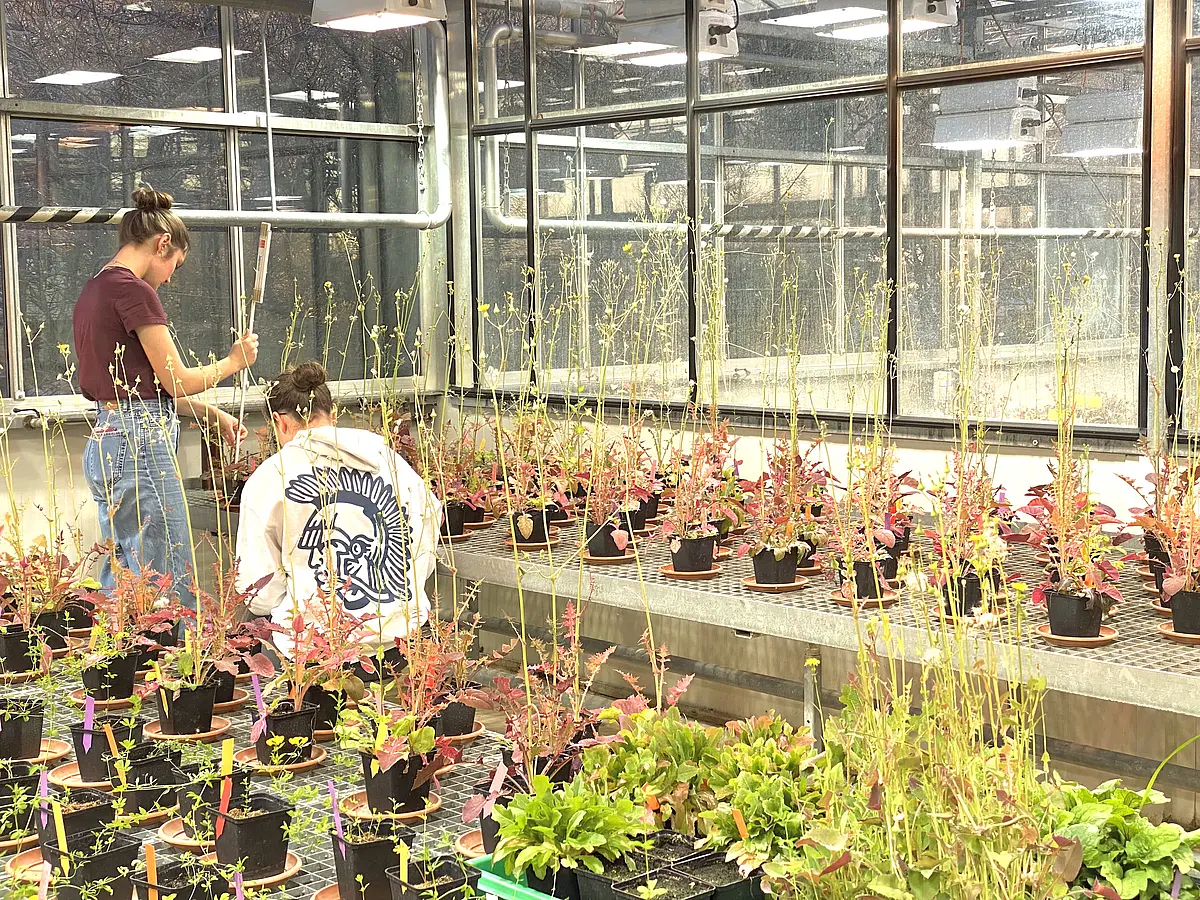
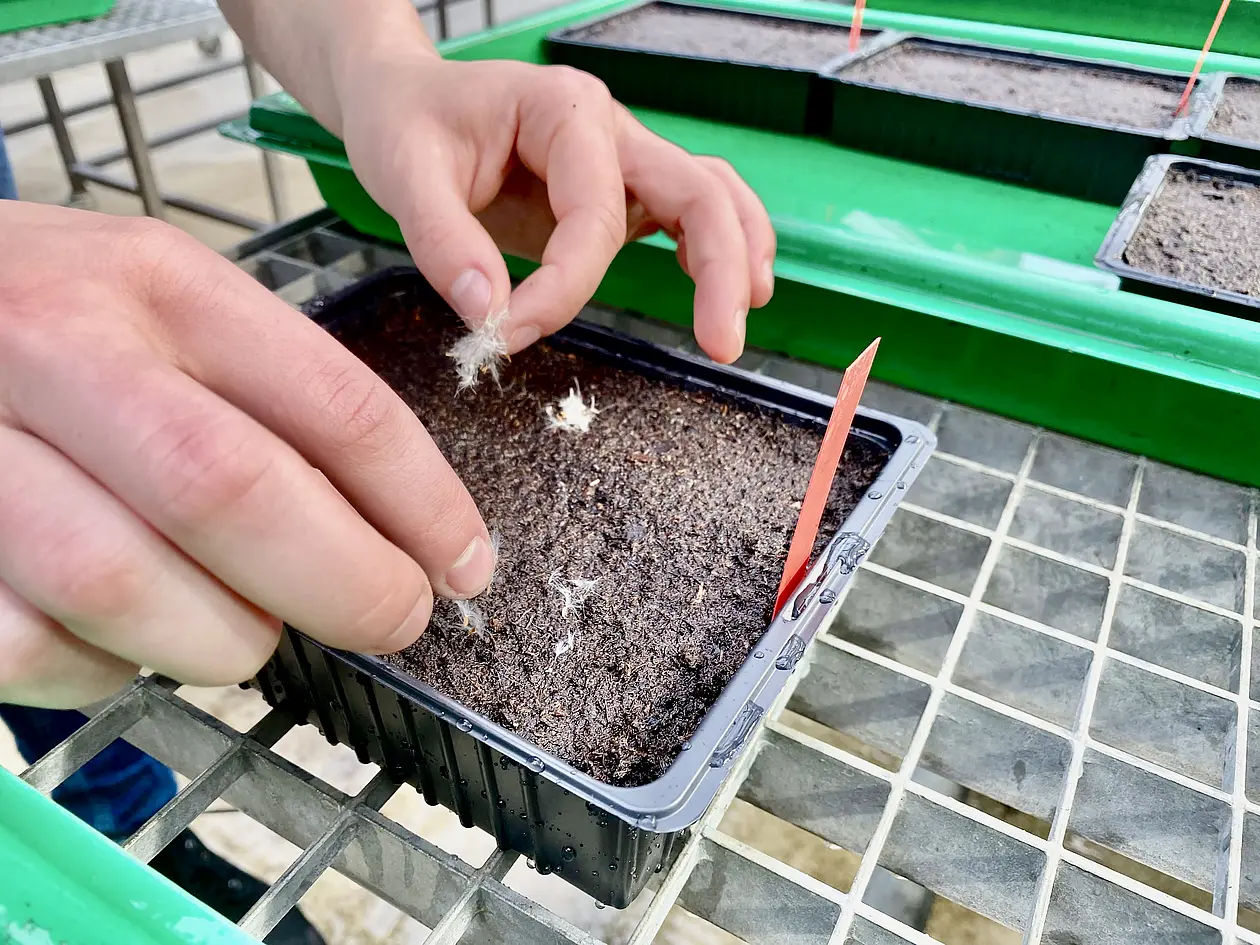
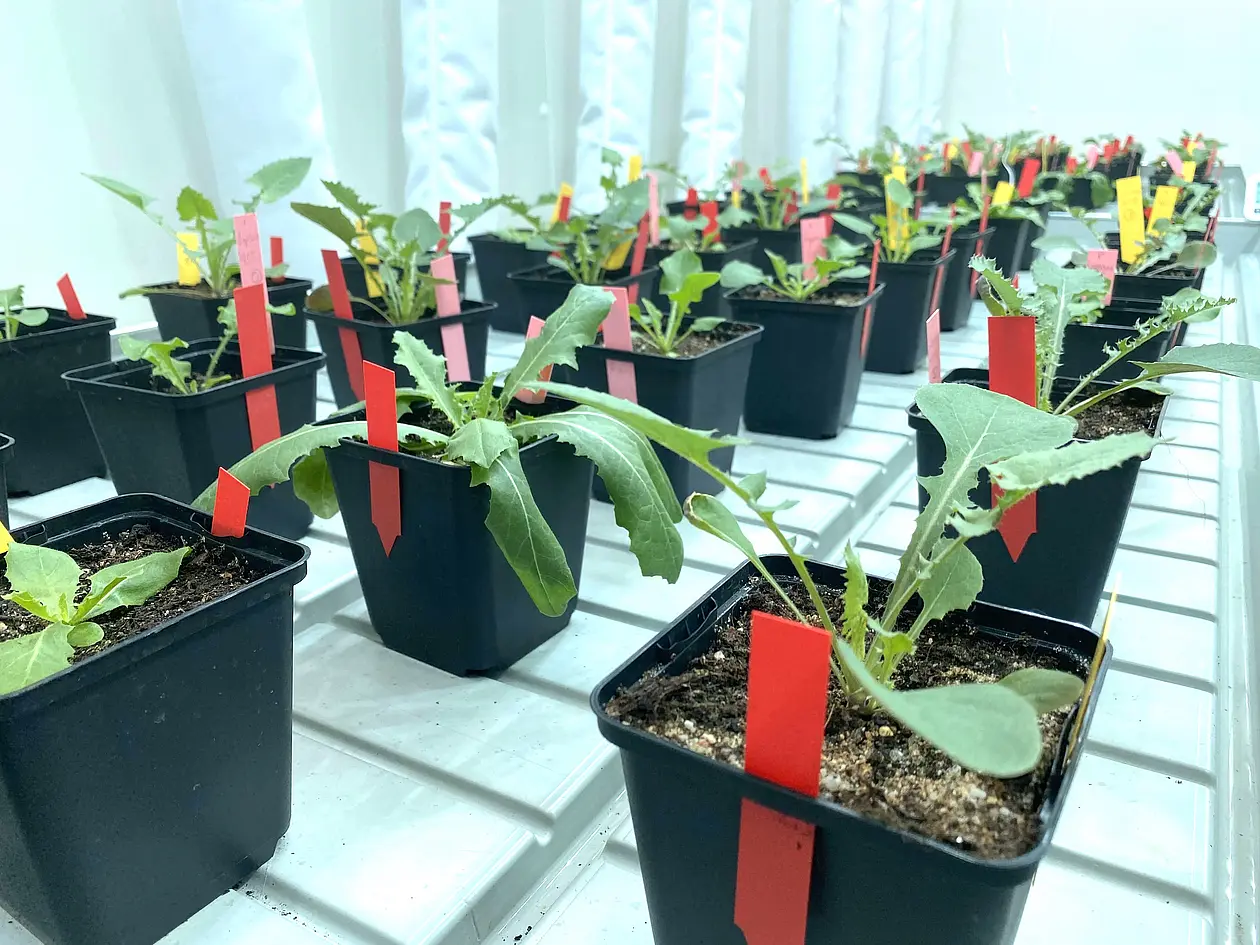
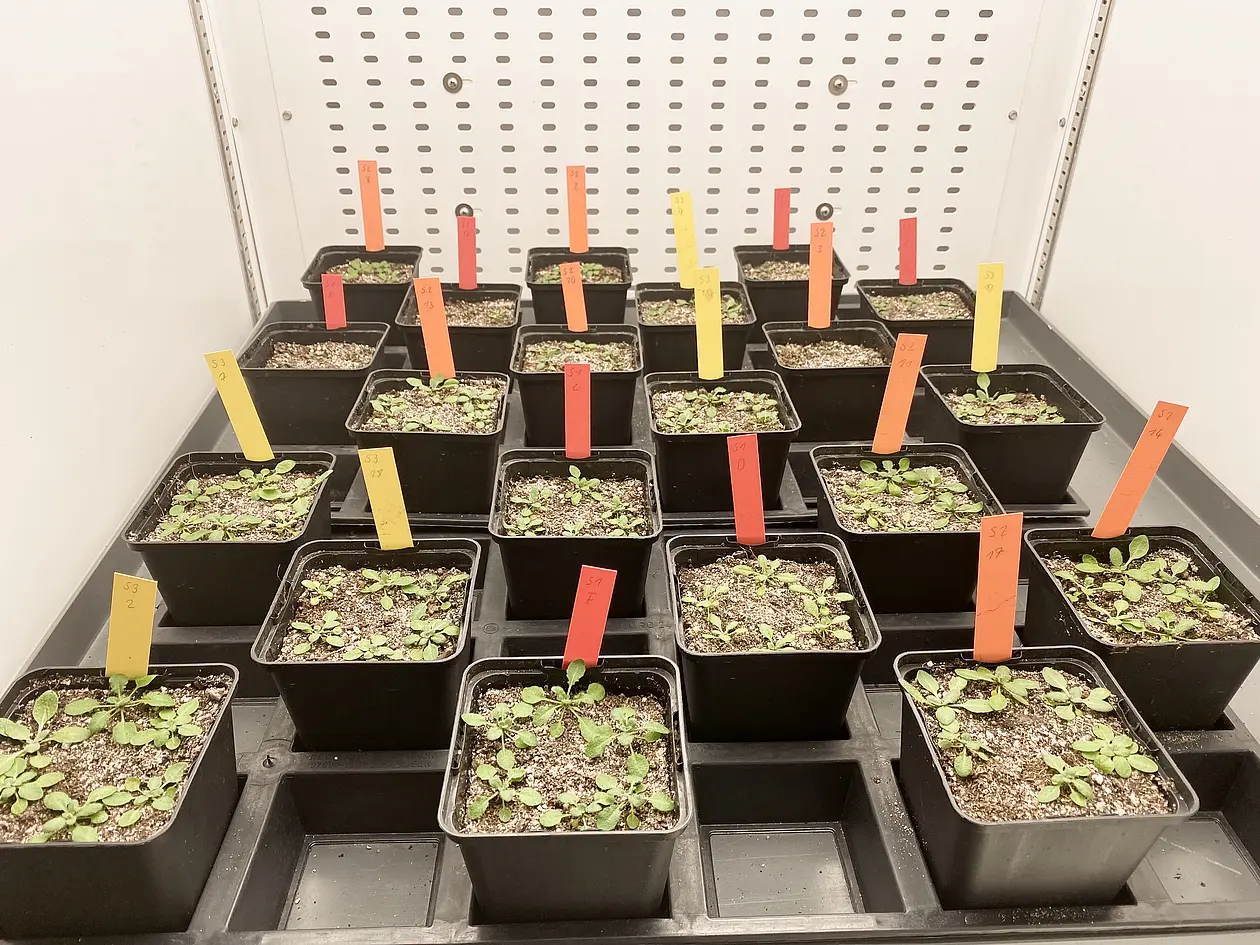
An experimental course that provided a complete hands-on research experience, from ideas to planning experiments, collecting and analysing data, and presenting the results. The heart of the course were small greenhouse or growth chamber experiments, usually with a focus on plant intraspecific variation, that the students carried out in teams over the semester, with a final symposium in which all results were presented. To assist the projects, the students learned about experimental design, and how to use R for data visualisation and stats. A series of lectures and seminars provided background on the processes underlying intraspecific variation (plasticity, microevolution, epigenetic variation) and their importance for plant adaptation and conservation.

Invasion Biology

Madalin Parepa, Oliver Bossdorf 

(6 CP, Bachelor level, summers 2014-2015, English)

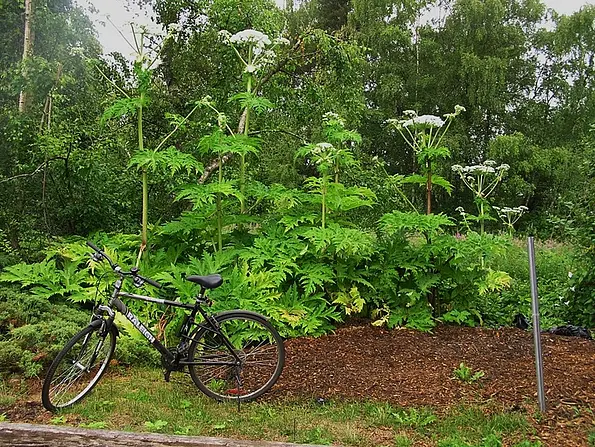
This was an intense course about one of our favourite topics: biological invasions. In this course, students explored the key concepts of invasion ecology, from introduction processes to ecological and evolutionary factors that promote establishment and spread, the impact of invaders and their eradication and control. Besides the theory part, based on a text book and current scientific papers, there was also a large collaborative practical in and around Tübingen, where the students mapped the occurrences of several invasive plants and tested hypotheses about their transport vectors and habitat preferences.