Faculty of Humanities

Academies Projects

The Academies' Programme of the German Academies of Sciences and Humanities is Germany's largest long-term research programme for basic research in the humanities and social sciences and is coordinated by the Union of Academies. It is sponsored by the eight member academies and the German National Academy of Sciences Leopoldina. In 2025, the programme will comprise 127 projects with around 192 positions, including 20 dictionaries, 104 editions and three social and cultural science projects, with a total volume of around 80 million euros and around 900 employees involved.

Research centre ‘Historical-philological commentary on the world chronicle of Johannes Malalas’

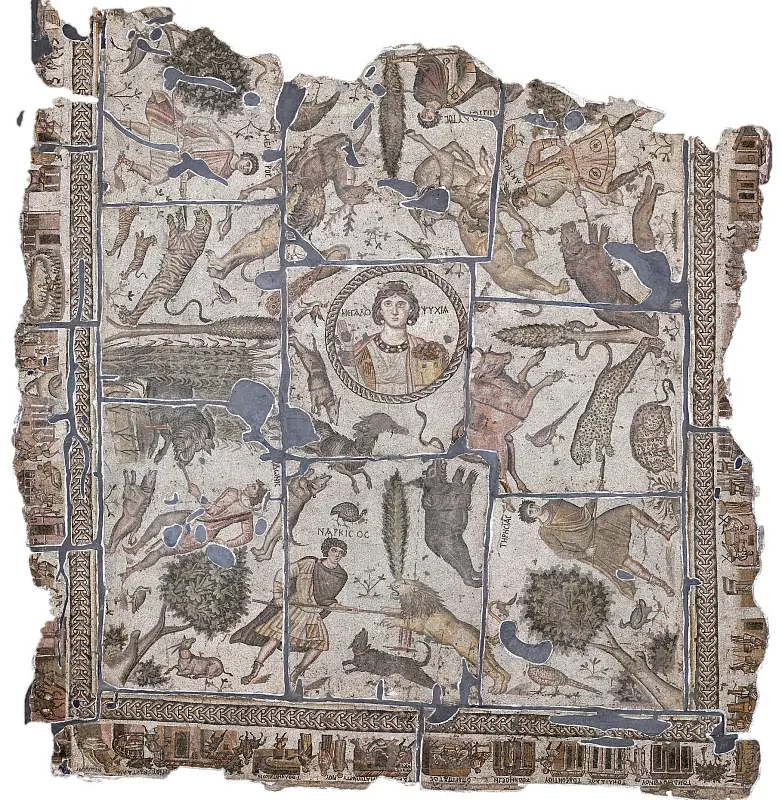
The project is producing a historical-philological commentary on the last books (from book 18 onwards) of John Malalas' chronicle, which cover the period from 491 to 565. The aim is to create a scholarly tool that facilitates access to the work and deepens its analysis. The project examines the source value for contemporary history, the author's attitude towards individual emperors, the presentation of key events, the weighting of content and the historiographical classification in the 6th century. The analysis combines classical source criticism and text-context approaches with questions about the author, genre, topoi and use of sources. In addition, the chronicle is situated within the context of the memorial culture of the Eastern Roman Empire in order to gain new insights into the work, society and cultural practices.

Lead: Prof. Dr. Mischa Meier

Funding Period: 2013 - 2025

Completed Projects

The temple as a canon of Egyptian religious literature

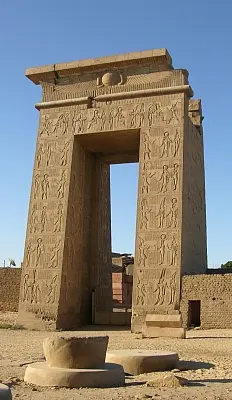
After Alexander the Great conquered Egypt (332 BC) and the Ptolemaic dynasty was founded (306 BC), an intensive temple building programme began, which lasted until the 3rd century AD. Ptolemaic-Roman temples are characterised by extensive hieroglyphic inscriptions that contain far more information than earlier Pharaonic texts, ranging from myths and ritual ceremonies to the history of the building's construction. The reasons for this excessive ornamentation are unclear, but political uncertainty and new cultural influences may have played a role. Important temples are located in Dendara, Edfu, Kom Ombo and Philae. The Heidelberg Academy Project systematically records these inscriptions in a database, analyses text genres and their relationship to architecture, and examines how ancient traditions were transformed philologically and graphically in order to make the temple texts an integral part of Egyptological research.

Lead: Prof. Dr. Christian Leitz

Funding Period: 01 January 2010 - 31 December 2022