Hector Research Institute of Education Sciences and Psychology

ASPIRE

Artificial Intelligence and Self-Regulation in Schools

An Interdisciplinary, Co-Constructive Exploration of Responsible Innovation in Education
 

Our Goal

The goal of our project is to gain a deeper understanding of the interactions between self-regulation and AI, thereby shaping teaching and learning in an AI-driven world in a future-oriented manner.

The Challenge

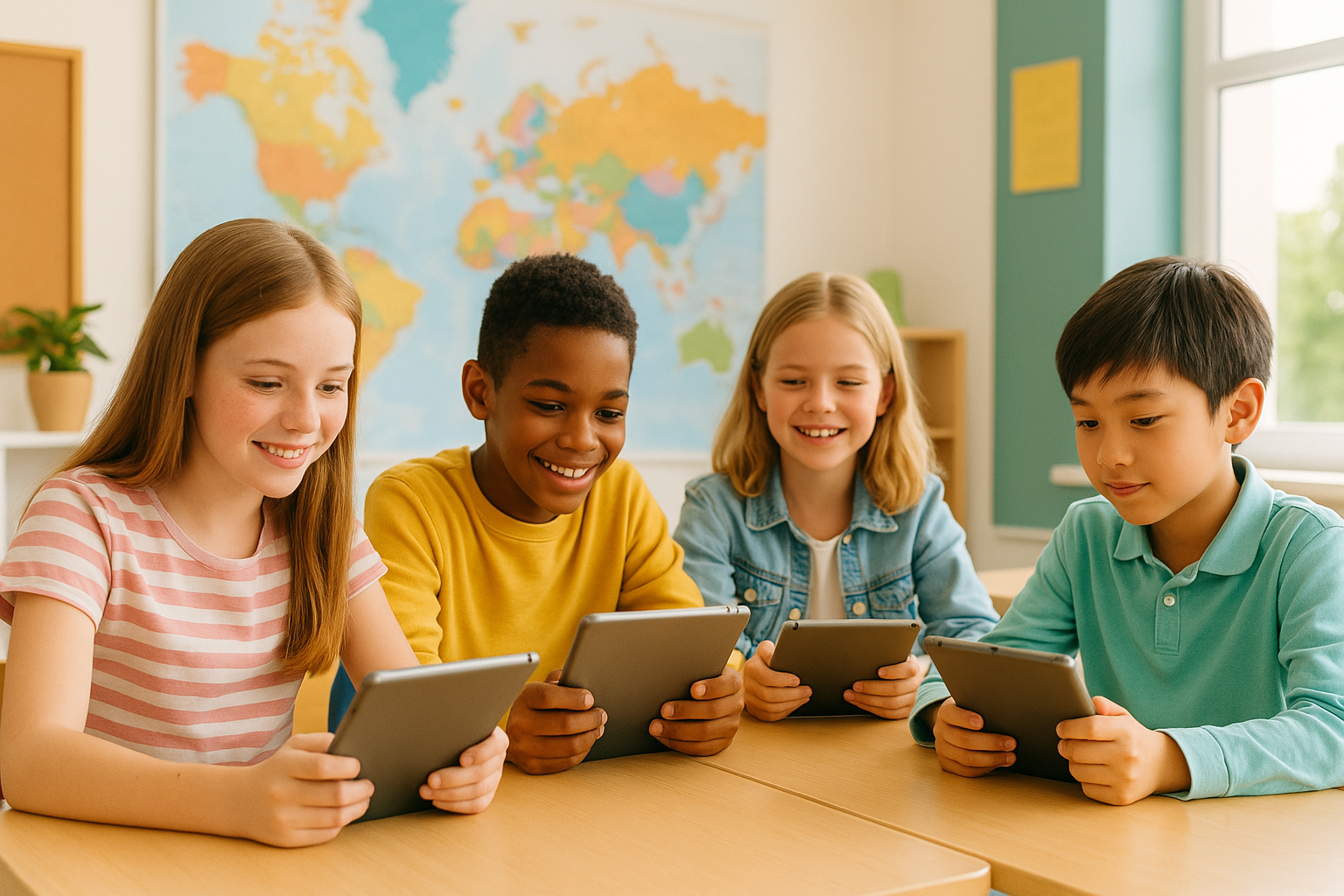
We are witnessing that the rapid development, dissemination, and use of AI brings both opportunities (e.g., personalized learning) and challenges (e.g., distraction through algorithmically personalized content) to the education sector – particularly in primary and secondary education. To ensure that learners and teachers can use AI in a reflective and meaningful way, they need AI literacy: the knowledge, skills, and attitudes necessary to understand AI systems, critically evaluate them, and responsibly integrate them into learning processes. However, most students reach only a basic level of AI literacy. 

Numerous questions remain unanswered regarding the interplay between self-regulation and AI, or more specifically, between learners’ self-regulation competencies (particularly for self-regulated learning) and their AI literacy.

Our Solution

We aim to:

  • identify the self-regulation skills needed to use AI meaningfully and reflectively in the learning process,
  • determine the potential and risks of AI use in the context of self-regulated learning,
  • extend, consolidate, and theoretically integrate existing conceptualizations of AI literacy and self-regulation,
  • and develop actionable recommendations for teachers, educational practice, and education policy to best support learners.

Approach

  • How well can AI algorithms help us detect learners’ mind-wandering and thereby support them more effectively?
  • What chances do children and adolescents have to break free from algorithmically driven environments, such as those embedded in social media platforms like TikTok?
  • To what extent can learners in the age of AI truly stay focused on their tasks?
  • What mental health consequences arise from an increasingly algorithmized world – and can children and adolescents regulate themselves in such environments?
  • Are high dropout rates in self-paced online learning environments due to a lack of self-regulation or a lack of AI literacy among learners?
  • Can we use AI to foster self-regulated learning (e.g., by promoting learning strategies through generative AI or integrating AI teammates into group work)?
  • Are primary and secondary school students capable of using AI systems critically and reflectively for learning, or do they trust them blindly, and are there negative side effects, such as reduced effort or competence loss through over-automation?

These and many other open questions are at the heart of our project “Artificial Intelligence and Self-Regulation in Schools – An Interdisciplinary, Co-Constructive Exploration of Responsible Innovation in Education”, funded by the Vodafone Foundation.

To build a comprehensive understanding, we adopt a robust interdisciplinary approach that integrates perspectives from science, educational practice, and policy. At the heart of our methodology is a multi-stage Delphi study (Hsu & Sanford, 2007) involving international experts. This process brings together the knowledge and experience of researchers, teachers, technology developers, and decision-makers. The Delphi study is complemented by a systematic literature review to identify research gaps and establish an empirical foundation for the discussion. Based on these insights, we will develop a policy paper with practical recommendations that inform stakeholders and help prepare them for an AI-shaped future.

Further Information

Literature

Fütterer, T., Fischer, C., Alekseeva, A., Chen, X., Tate, T., Warschauer, M., & Gerjets, P. (2023). ChatGPT in education: Global reactions to AI innovations. Scientific Reports, 13(1), Article 1. https://doi.org/10.1038/s41598-023-42227-6 

Hornberger, M., Bewersdorff, A., Schiff, D. S., & Nerdel, C. (2025). Development and validation of a short AI literacy test (AILIT-S) for university students. Computers in Human Behavior: Artificial Humans, 5, 100176. https://doi.org/10.1016/j.chbah.2025.100176 

Hsu, C.-C., & Sandford, B. A. (2007). The Delphi Technique: Making Sense of Consensus. https://doi.org/10.7275/PDZ9-TH90 

Kasneci, E., Sessler, K., Küchemann, S., Bannert, M., Dementieva, D., Fischer, F., Gasser, U., Groh, G., Günnemann, S., Hüllermeier, E., Krusche, S., Kutyniok, G., Michaeli, T., Nerdel, C., Pfeffer, J., Poquet, O., Sailer, M., Schmidt, A., Seidel, T., … Kasneci, G. (2023). ChatGPT for good? On opportunities and challenges of large language models for education. Learning and Individual Differences, 103, 102274. https://doi.org/10.1016/j.lindif.2023.102274 

Nationale Akademie der Wissenschaften Leopoldina (2024): Förderung der Selbstregulationskompetenzen von Kindern und Jugendlichen in Kindertageseinrichtungen und Schulen (Schriftenreihe zur wissenschaftsbasierten Politikberatung: Stellungnahme). https://doi.org/10.26164/leopoldina_03_01157 

OECD (2025). Empowering learners for the age of AI: An AI literacy framework for primary and secondary education (Review draft). OECD. Paris. https://ailiteracyframework.org 

Scheiter, K., Bauer, E., Yoana Omarchevska, Schumacher, C., & Sailer, M. (2025). Künstliche Intelligenz in der Schule—Eine Handreichung zum Stand in Wissenschaft und Praxis. Unpublished. https://doi.org/10.13140/RG.2.2.34511.19363 

Project Partners

Funding

Vodafone Stiftung