Geoarchäologie

Ash Database Project

project overview 

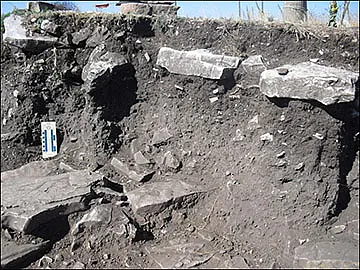
Ashes are a common component of archaeological sites and features. In Paleolithic contexts, identification of wood ashes can be an important step in documenting ancient fire use. In Holocene contexts, ashes can provide information about burning intensity and fuel choices. Research questions related to ashes include:

  • What is the source of the ashes (e.g. wood, leaves, dung, coal)?
  • What is the current state of preservation of the ashes?
  • Do these residues derive from controlled use of fire?

One ongoing project in our group focuses on the production and analysis of experimental wood ashes. This project is led by Haydar Martinez Dyrzo in collaboration with Susan Mentzer.

Samples

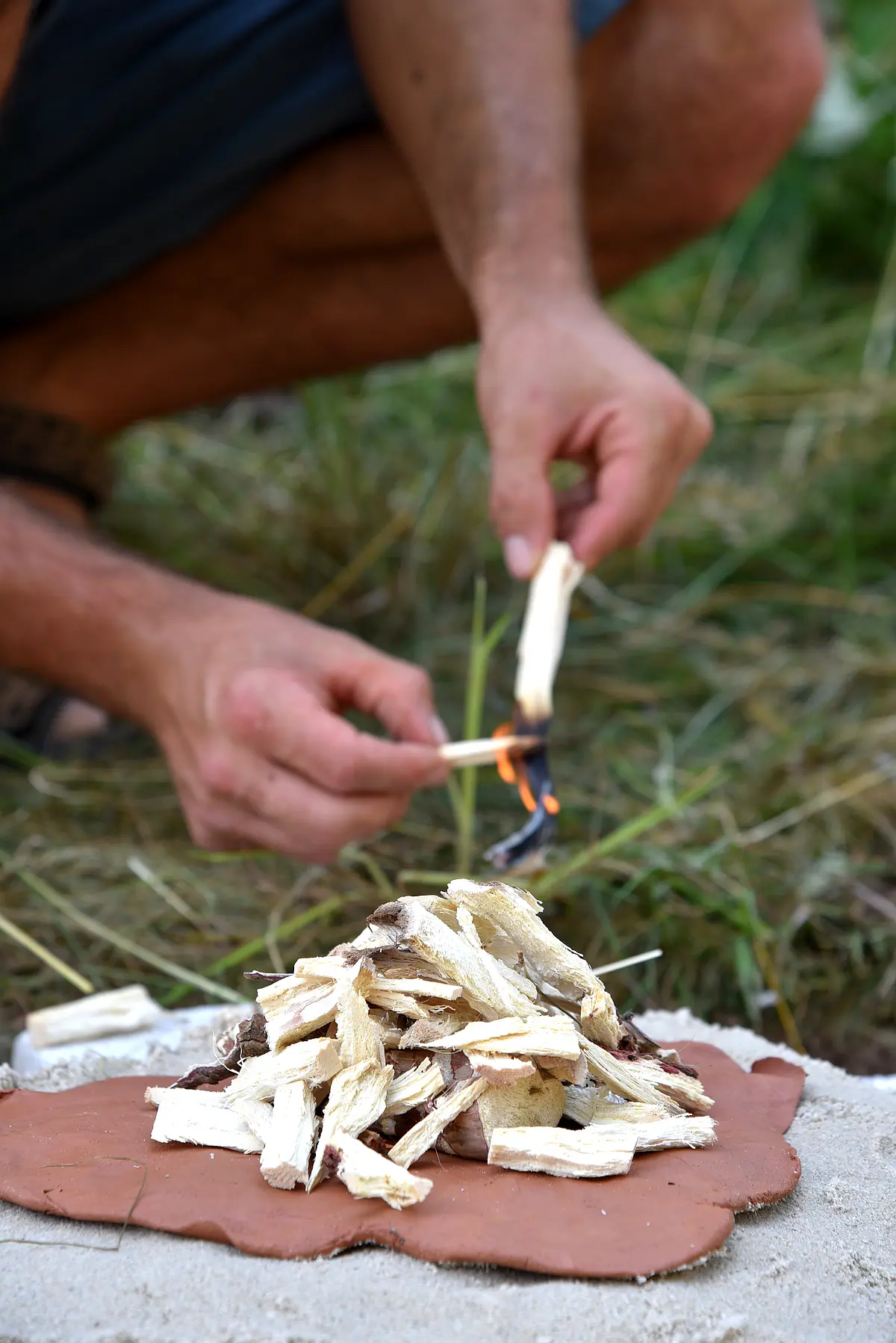
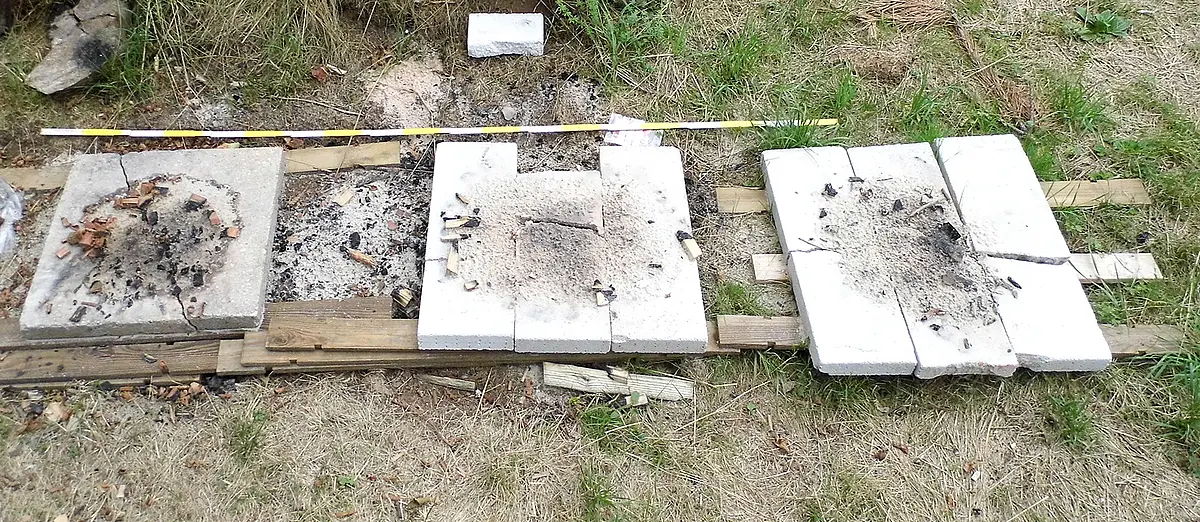
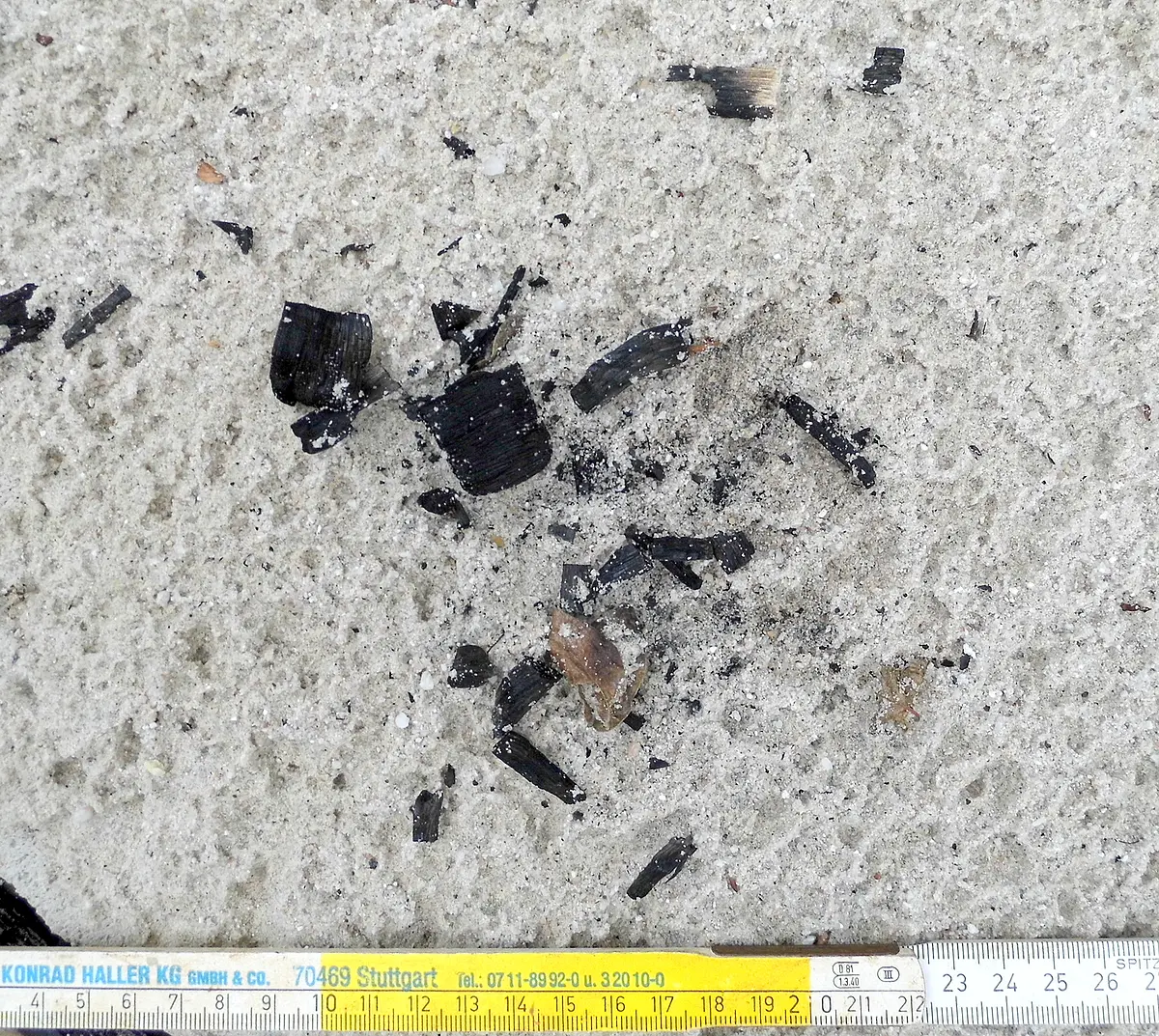
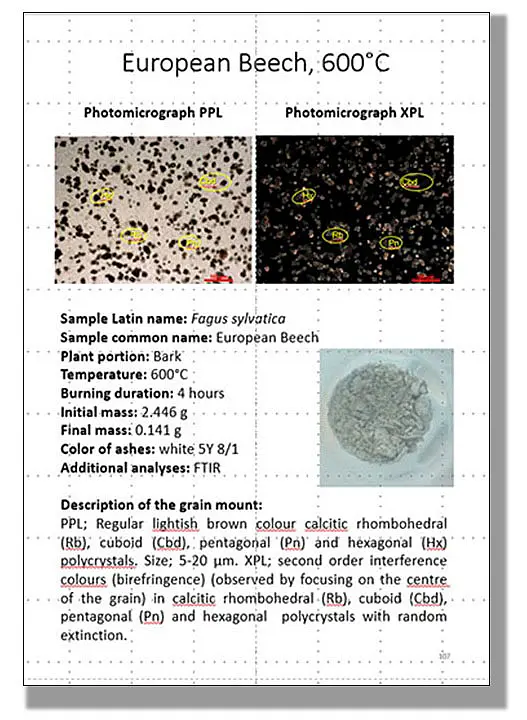
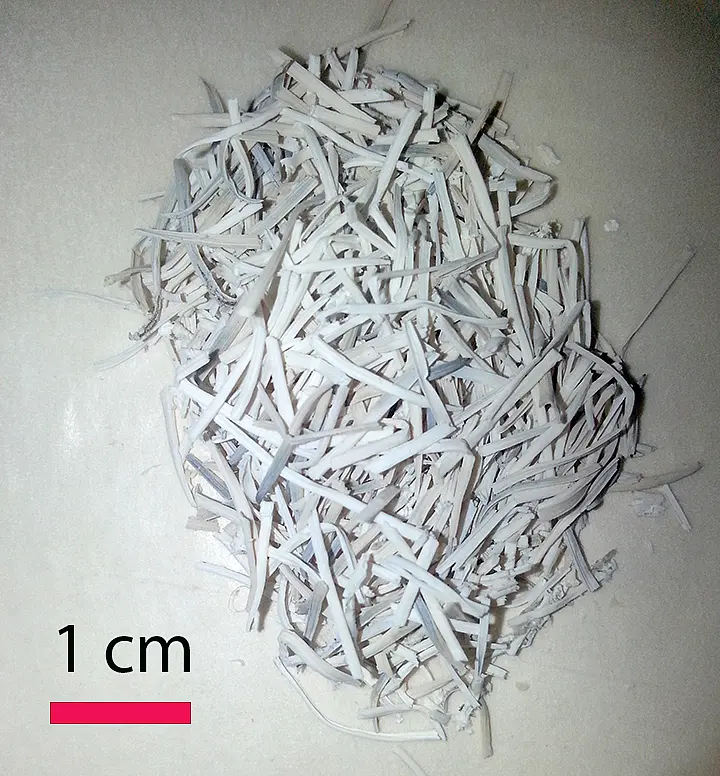
Dozens of plant species are collected and different anatomical parts (e.g. wood, bark, leaves) are burned in a muffle oven and open campfires. The resulting ashes are analyzed for morphological observation of ash forms, mineralogy, and stable isotopes. Excess ashes are also used in diagenesis experiments. The goal of this work is to illustrate the range of morphologies and compositions of a wide variety of woody plant tissues that were potentially used as fuel resources worldwide.
Ash Morphology

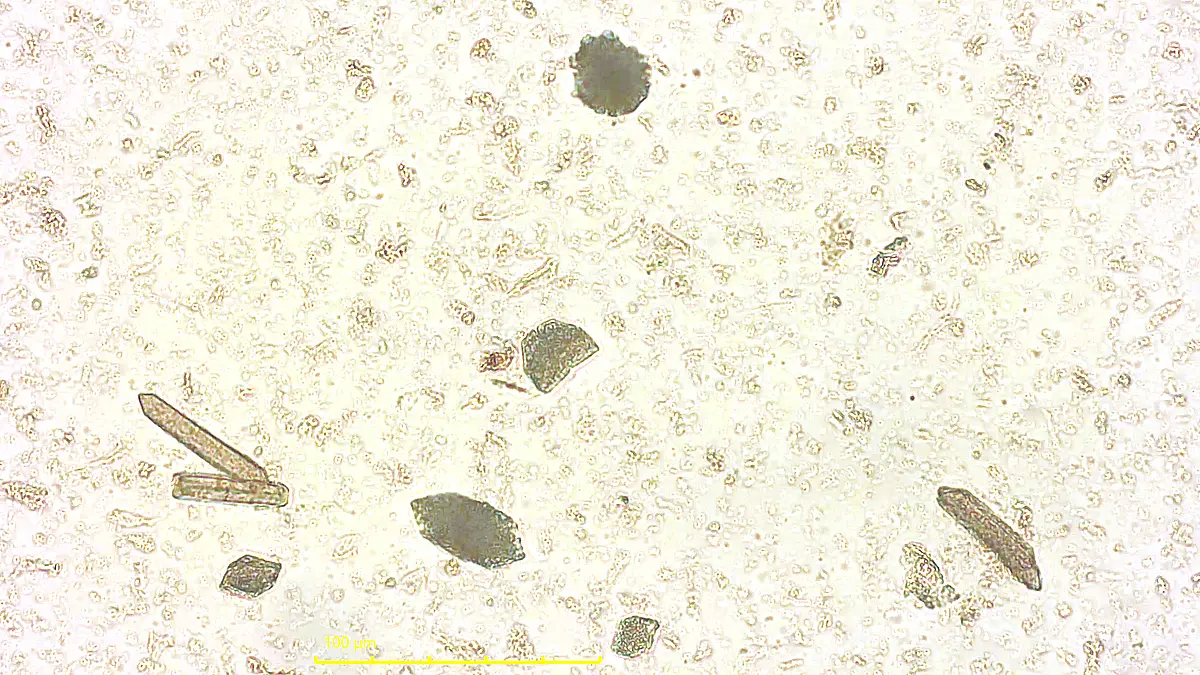
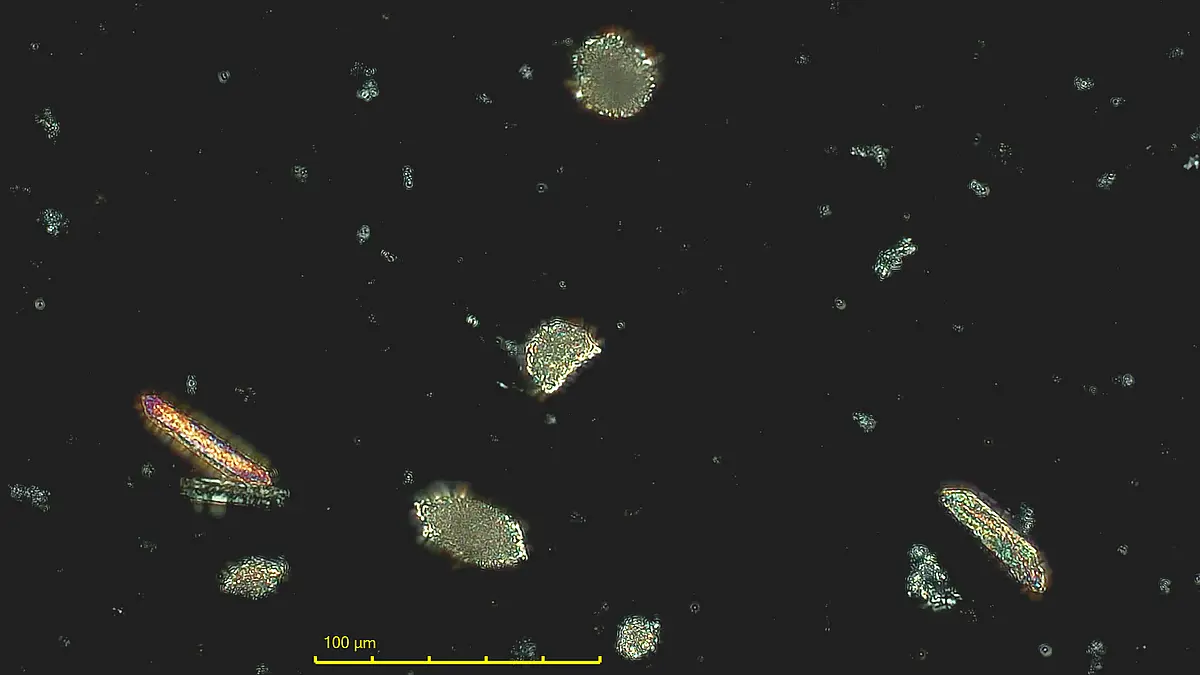
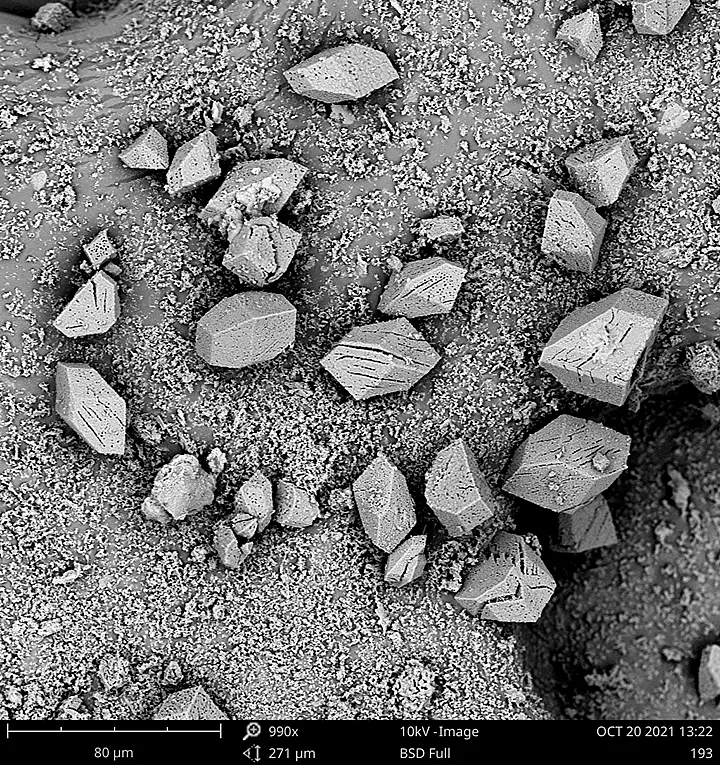
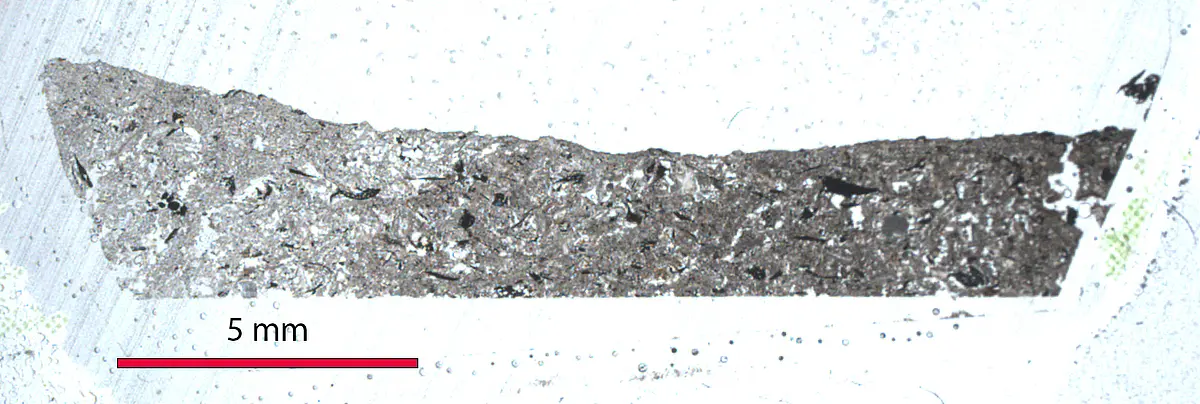
The morphologies of fresh wood ashes, which derive from the original crystal habits of calcium oxalates, are observed using grain mount analysis and scanning electron microscopy (SEM). Grain mounts are prepared by first mixing a small amount of ashes with a mounting medium on a glass slide and then covering the mixture with a glass cover slip. When hardened, the slides can be retained indefinitely for reference purposes.

Ash composition

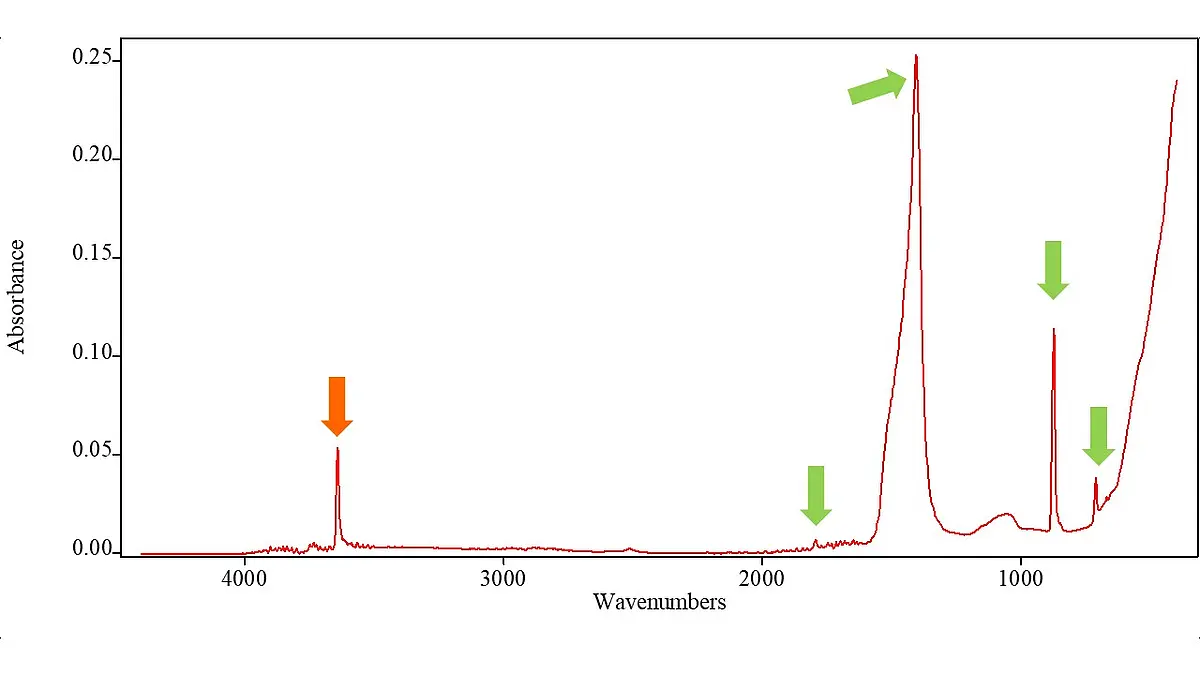
Archaeological ashes are typically composed of calcium carbonate and silica. However, fresh wood ashes can contain a much wider variety of substances and minerals. These components are rarely preserved in archaeological sites. A fresh subset of the experimental wood ashes have been analyzed with Fourier transform infrared spectroscopy (FTIR) and powder x-ray diffraction (XRD) to identify the minerals that are present. Another subset of the experimental wood ashes have been analyzed using mass spectrometry to measure the stable isotopes of carbon and oxygen in the carbonate fraction. Finally, the elemental composition of ashes is documented using x-ray fluorescence. 

Ash Diagenesis

Dissolution of soluble minerals is one example of a taphonomic process that impacts wood ashes in archaeological sites. A final series of experimental projects focuses on the effects of various chemical and physical weathering processes on wood ashes. We expose ashes to a variety of water chemistries and burial environments and then document the resulting impacts on ash morphology and composition. In archaeological settings, FTIR analyses of ashes can include identification of secondary minerals.

Downloads

These projects aim to generate open access data that will be updated on an annual basis. Look here for current and previous versions of the data generated by the ash database project (coming soon).