Faculty of Humanities

DFG Research Units

The Research Units of the German Research Foundation (DFG) bring together a number of outstanding scientists to work together on one research topic exclusively. These groups are able to devote substantially more time and financial resources to their projects across a broader range of topics than is normally the case with individual research projects funded by the DFG. The Research Units are usually funded for a period of more than six years, and often play a key role in establishing new directions in research.

"Centres for Advanced Studies in the Humanities and Social Sciences are a special type of funding instrument specifically tailored to the working methods used in these particular fields. They may achieve their specific profiles and attractiveness by, in particular, deliberately adopting comparatively open-ended approaches or a decidedly experimental character. The funding period is up to eight years."

(DFG, Research Units)

Completed Research Units (of the past 5 years)

FOR 2237

Words, Bones, Genes, Tools: Tracking Linguistic, Cultural and Biological Trajectories of the Human Past

The research group aims to establish theoretical foundations for new, interdisciplinary research on biocultural coevolution. The research group is investigating the middle history of humankind (3,000–30,000 years ago) through interdisciplinary collaboration between linguistics, archaeology, paleoanthropology and genetics. New methodological advances, for example in palaeogenetics and phylogenetic linguistics, are enabling a more precise analysis of this period for the first time. The aim is to bridge the gap between humanities and natural science-quantitative approaches.

Spokespersons: Prof. Dr. Gerhard Jäger, Department of Linguistics, and Prof. Dr. Katerina Harvati, Senckenberg Center for Human Evolution and Paleoenvironment

Funding Period: 2015 - 2019

FOR 2496

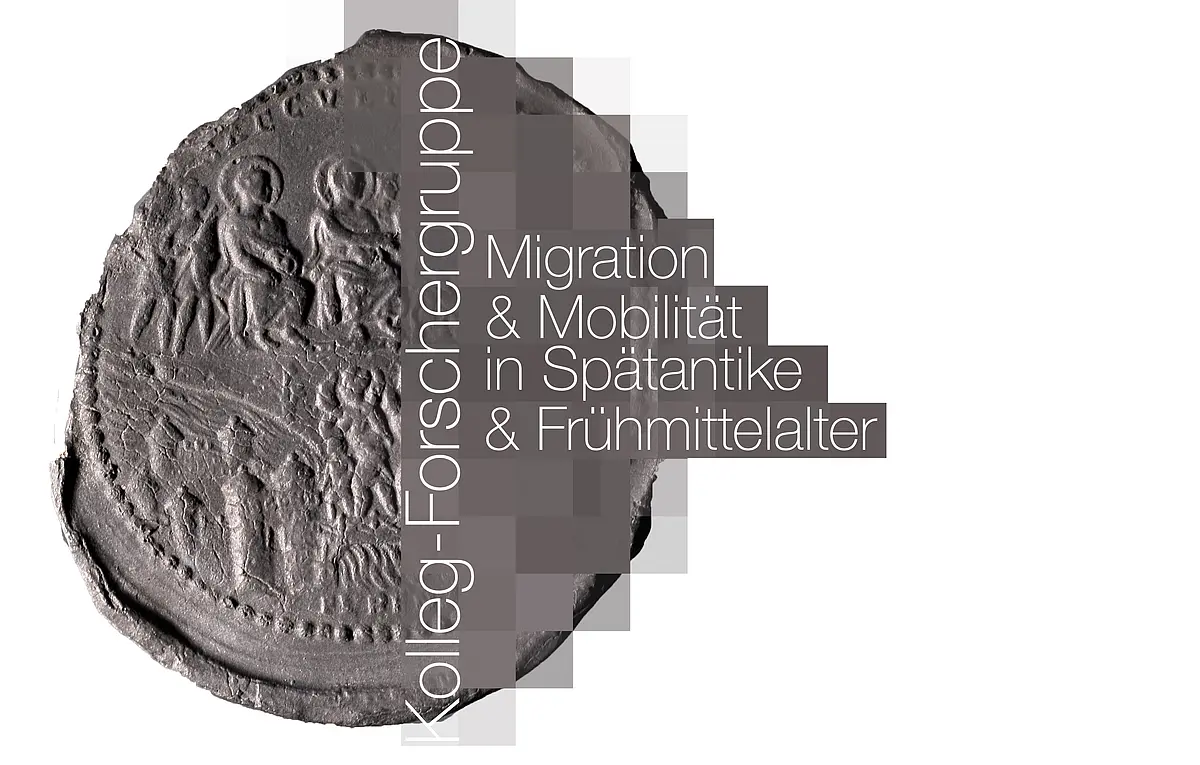
Migration and Mobility in Late Antiquity and the Early Middle Ages

As part of the research group, scientists from various disciplines are investigating the phenomenon of migration and mobility in the Mediterranean region and Europe between 250 and 900 AD. Their goal is to restructure the intense research debate on this epoch-defining phenomenon by testing innovative approaches, methods, questions and explanations.

Spokesperson: Prof. Dr. Mischa Meier, Institute of Ancient History

Funding Period: 2017 - 2020